Home » Fire Pump Set » What are the key differences between diesel and electric fire pumps?

What are the key differences between diesel and electric fire pumps?

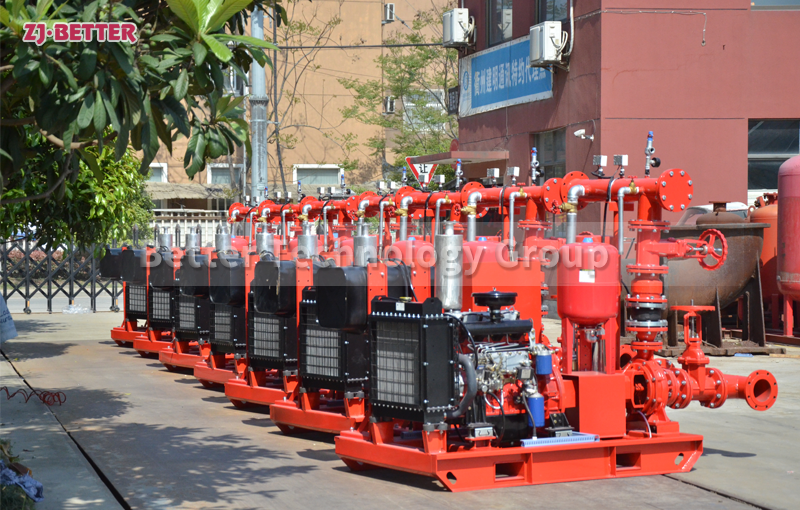
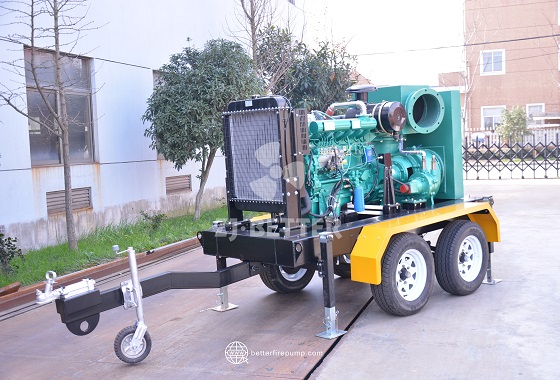
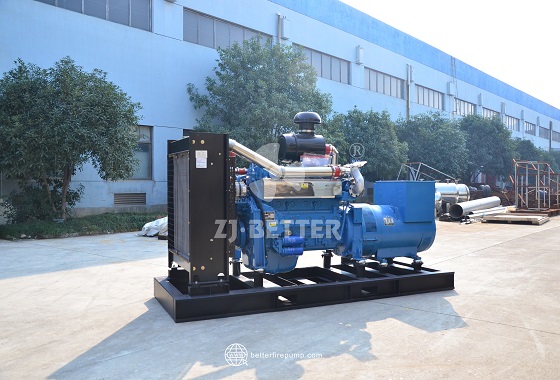
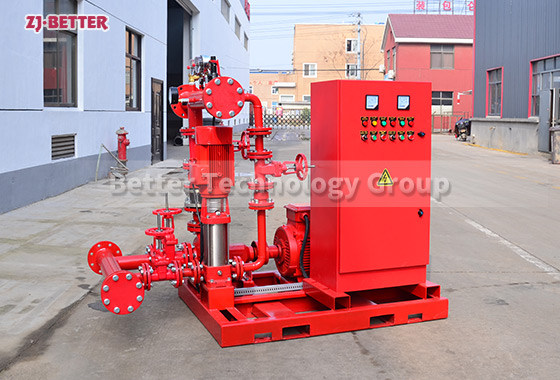
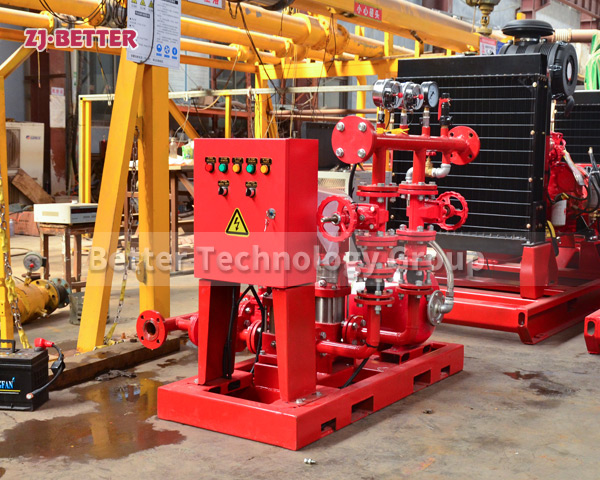
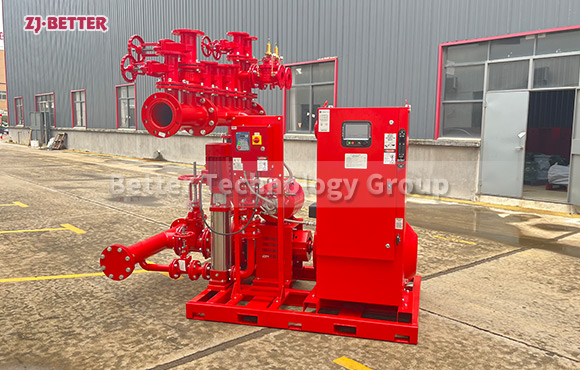
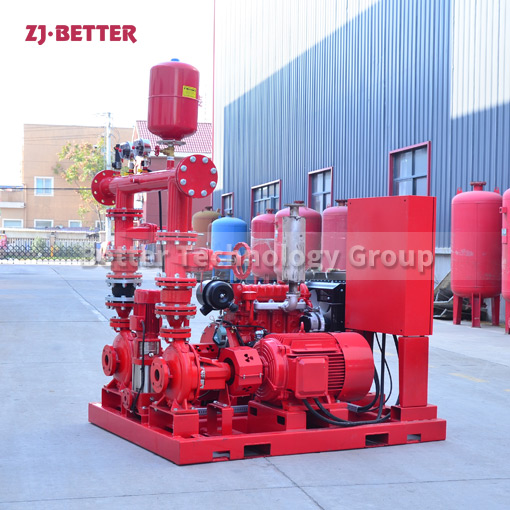
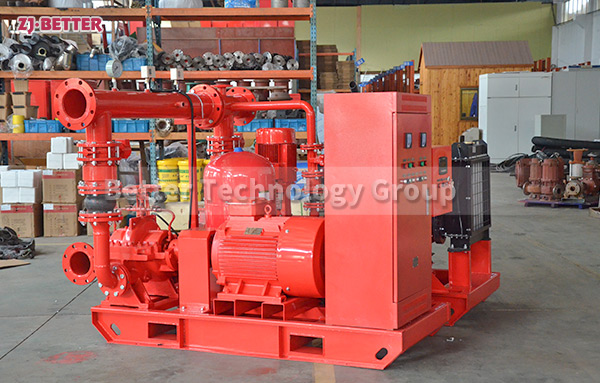
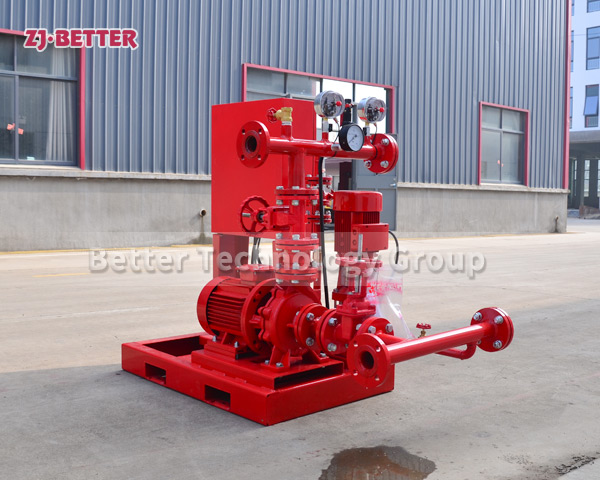
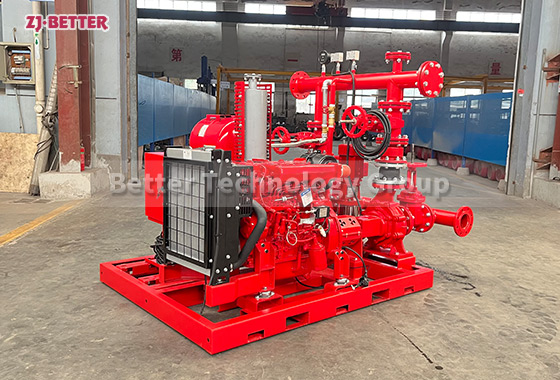
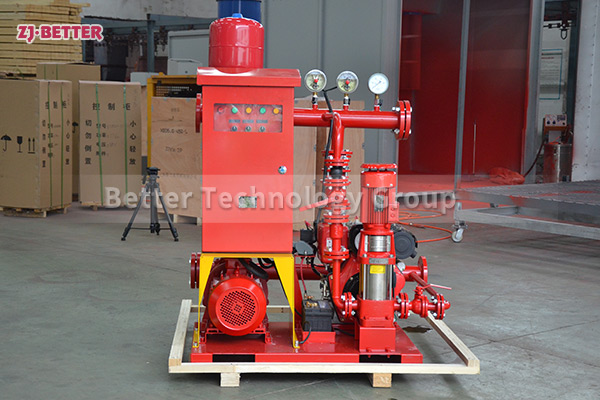
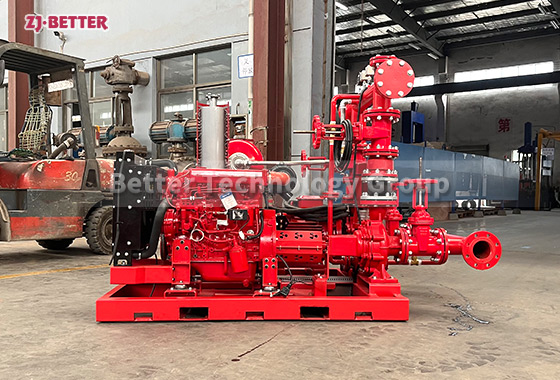
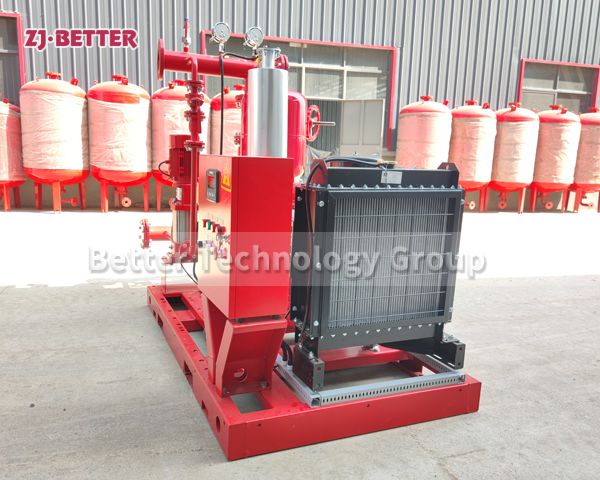
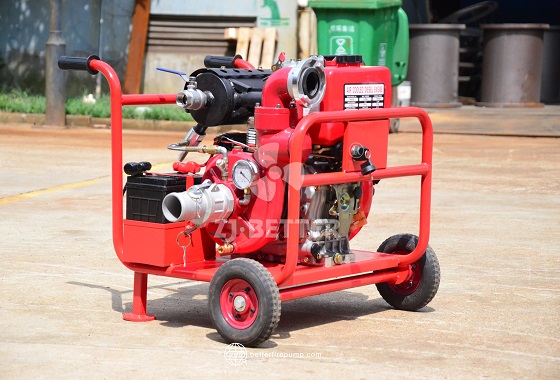
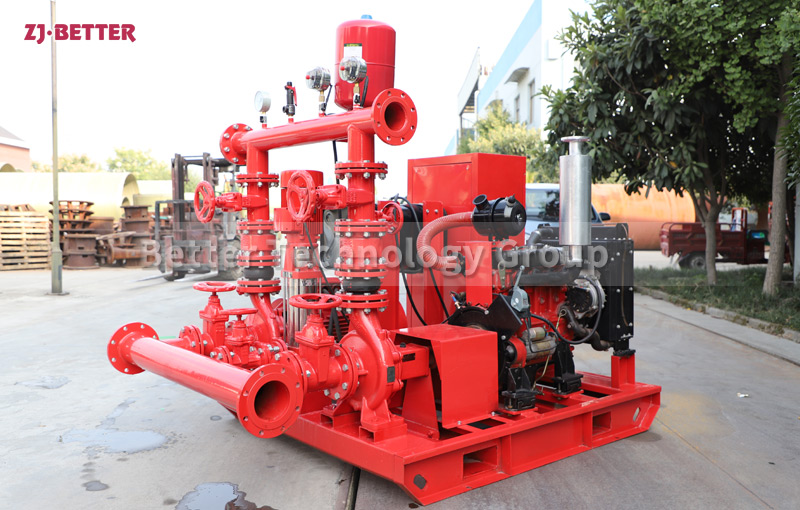
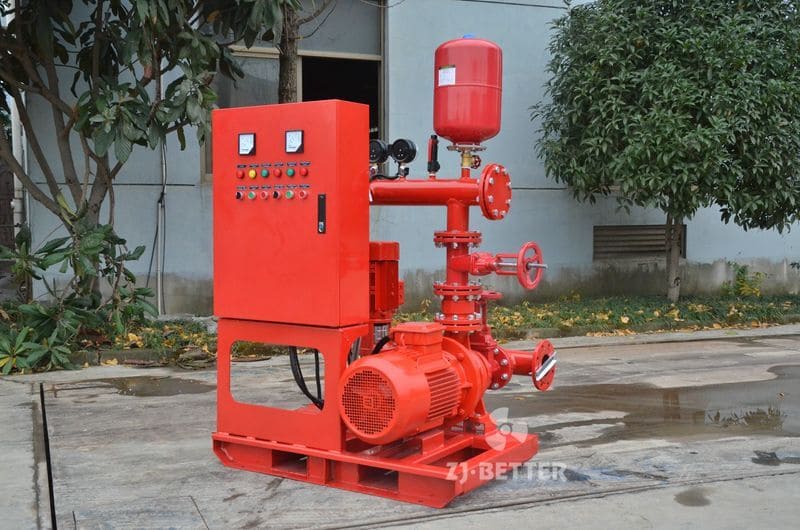
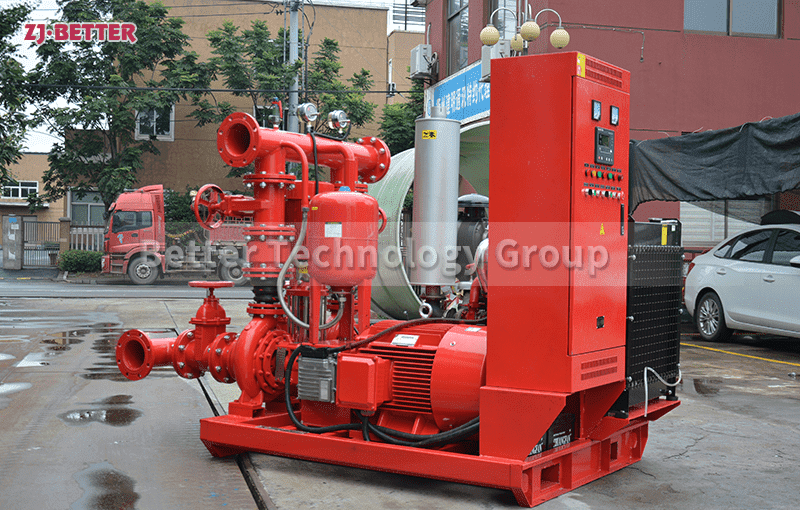
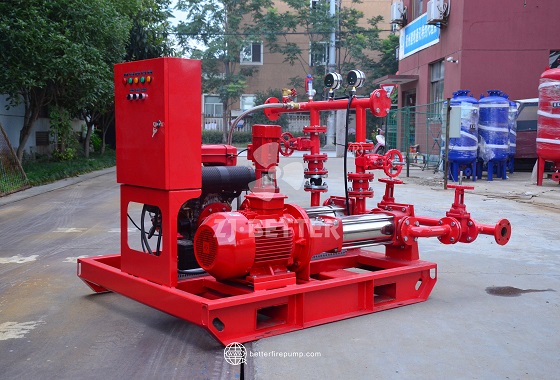
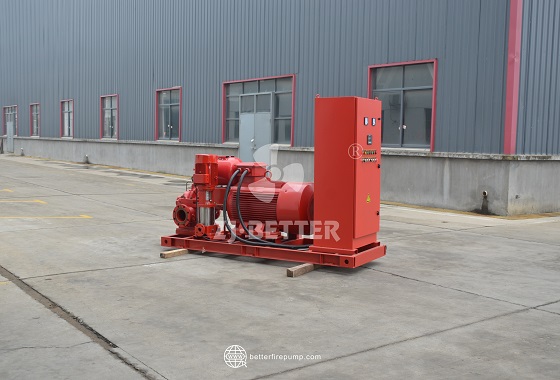
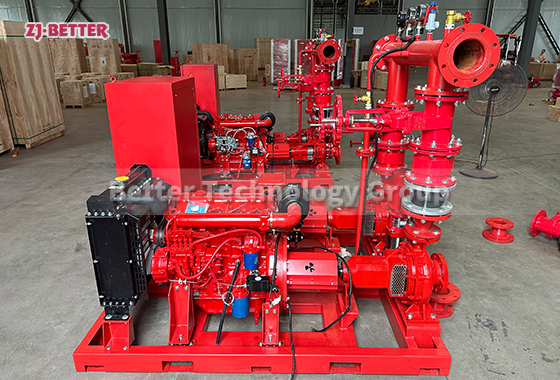
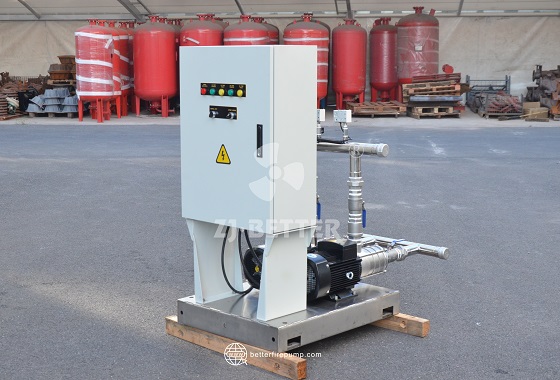
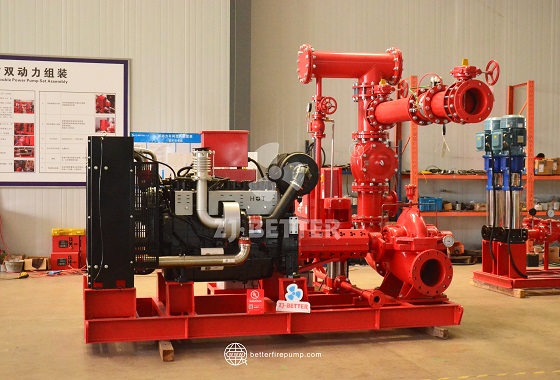
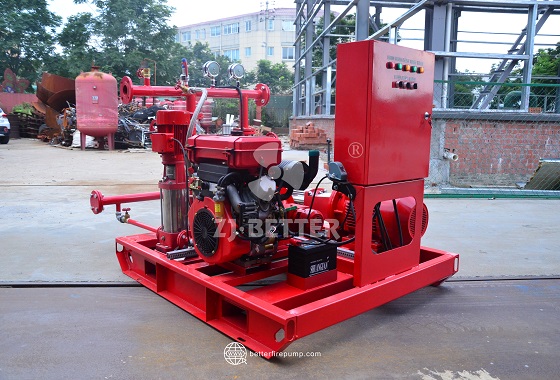
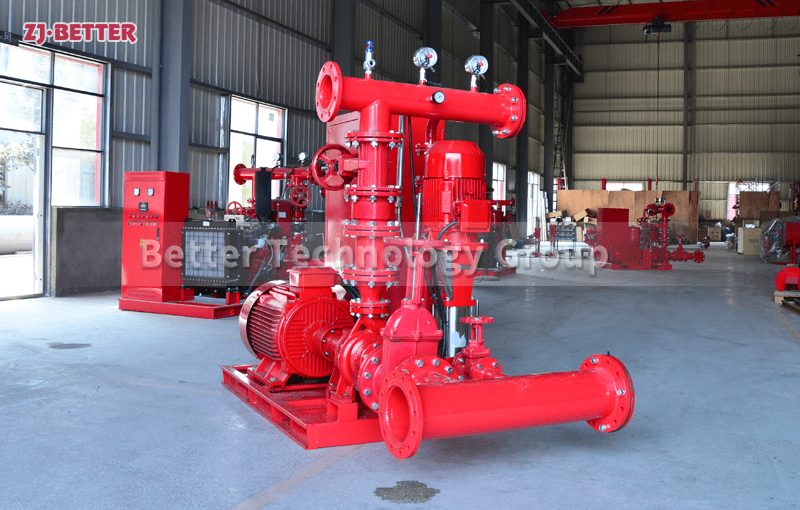
Diesel and electric fire pumps are the two primary types of fire pumps used in fire protection systems, each with its own advantages and considerations. Diesel fire pumps are powered by internal combustion engines and are typically used in locations where a reliable electric power supply is not available or where redundancy is needed to ensure continuous operation during a power outage. Diesel pumps are known for their reliability and ability to operate independently of the electric grid, but they require regular maintenance of the engine and fuel system, including fuel storage and periodic testing.
Rated 4.7/5 based on 434 customer reviews
Share:
Content

Diesel and electric fire pumps are the two primary types of fire pumps used in fire protection systems, each with its own advantages and considerations. Diesel fire pumps are powered by internal combustion engines and are typically used in locations where a reliable electric power supply is not available or where redundancy is needed to ensure continuous operation during a power outage. Diesel pumps are known for their reliability and ability to operate independently of the electric grid, but they require regular maintenance of the engine and fuel system, including fuel storage and periodic testing.
Inquiry


    More Fire Pump Set

    First, what’s a water pump? It’s a device used to transport liquid, pressurize the liquid, and make the liquid from the first liquid position to the high liquid position. The first water pump constructed by the Chinese is called” water windmill”. latterly, around 300 BC, the emergence of the” Archimedes screw pump” is more analogous to ultramodern pumps. In addition, the following introductory knowledge points are what you must understand.
    1. Centrifugal pump

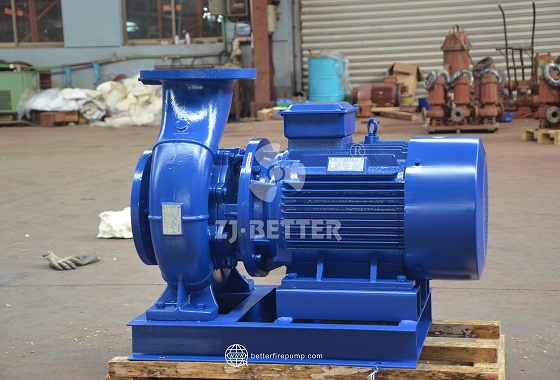
    Centrifugal pump is the most common type of pump. In simple terms, the working principle of centrifugal pump is to rotate the impeller to drive the liquid under the action of centrifugal force. The liquid leaves the impeller and enters the volute. As the inflow passage of the volute gradationally expands, the fluid haste slows down, and the pressure rises continuously, and eventually it’s discharged through the conduit.
    2. Impeller
    The impeller is one of the main factors in the water pump, and it’s the core element that transmits mechanical energy to the liquid. The impeller is substantially divided into three types open type,semi-open type and closed type. The material conditions for the impeller are high, wear resistance is needed, and the manufacturing process is good.

    3. Cavitation

    Cavitation is the conformation of numerous bitsy recesses when the liquid connections the liquid under high- speed inflow and pressure, and gradationally expands into grottoes when serious, and cavitation frequently occurs in the impeller and pump covering.