

Integrated Fire Pressure Water Supply Equipment – Centralized Pump, Pressure Tank and Control Cabinet Configuration
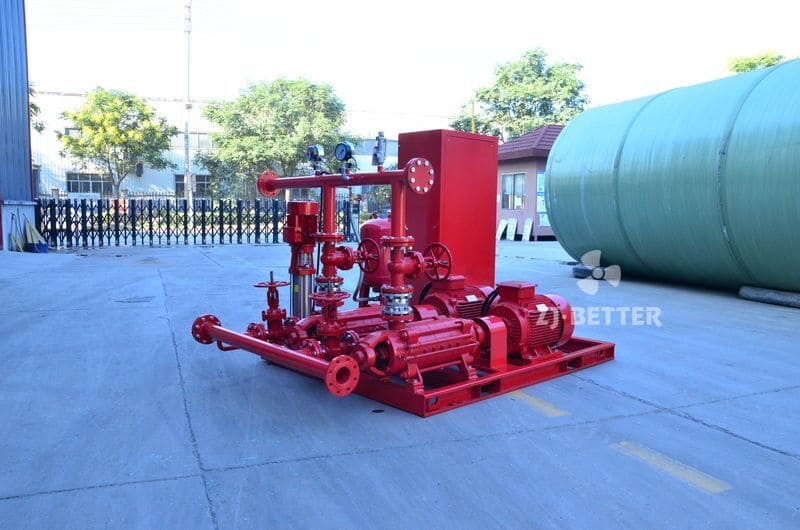
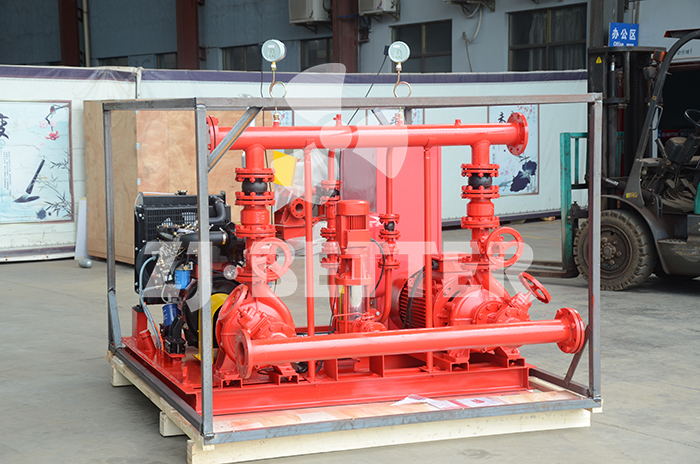
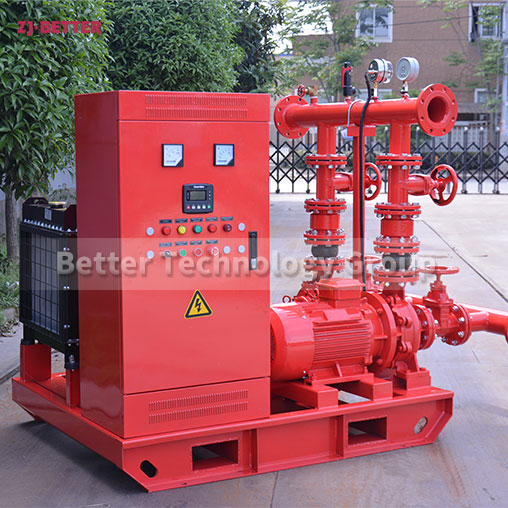
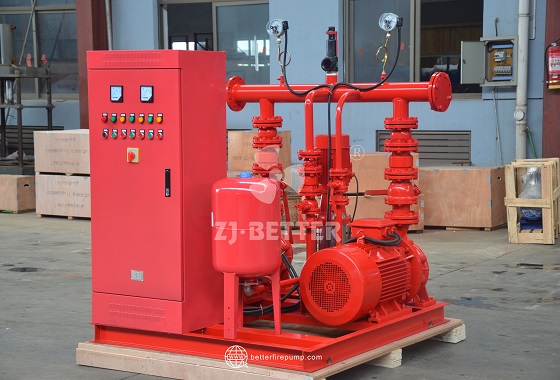
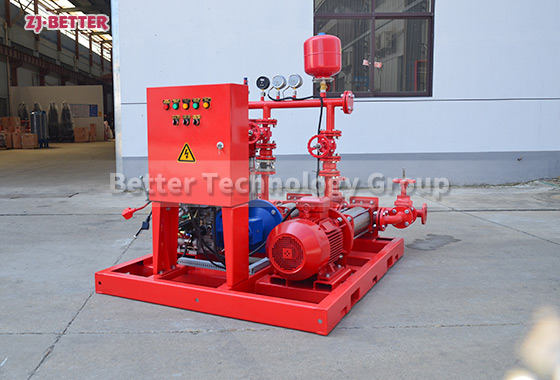
The integrated fire-fighting pressure water supply system combines water pumps, jockey pumps, pressure tanks, control cabinets, and pressure monitoring devices to provide automatic pressure replenishment, pressure storage, and centralized control; it is suitable for fire-fighting water supply systems in buildings, industrial facilities, and warehouses.
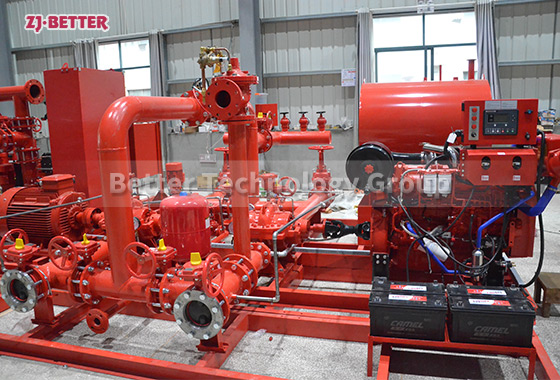
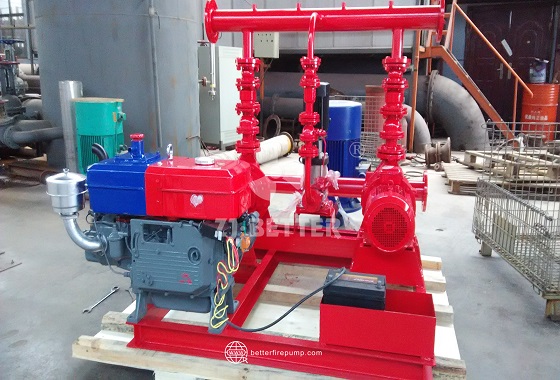
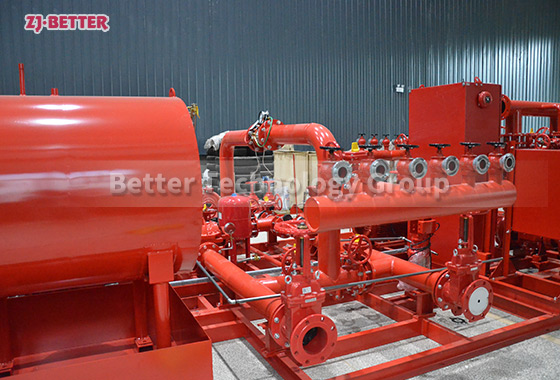
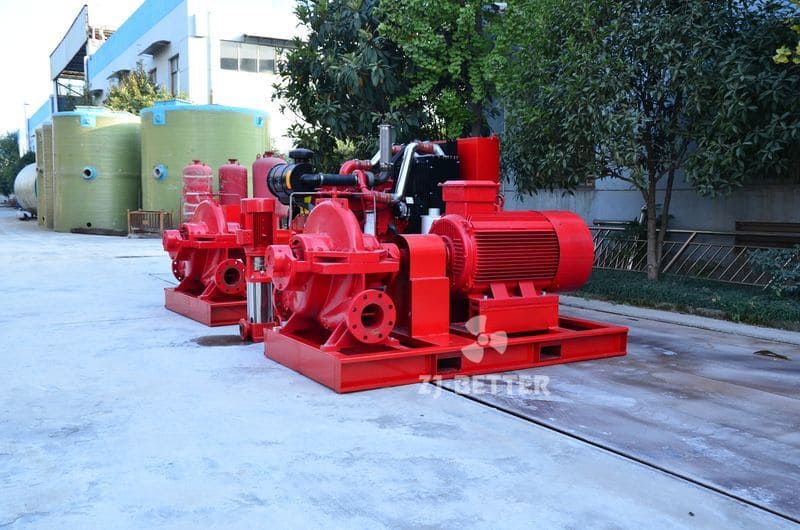
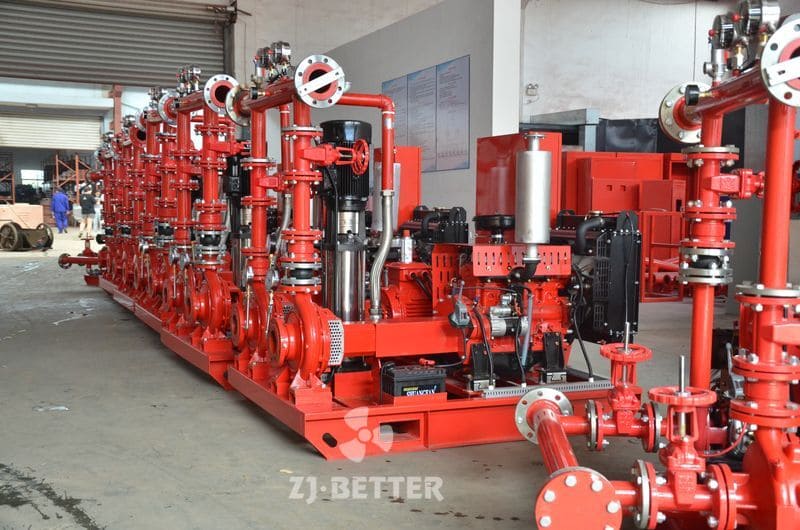
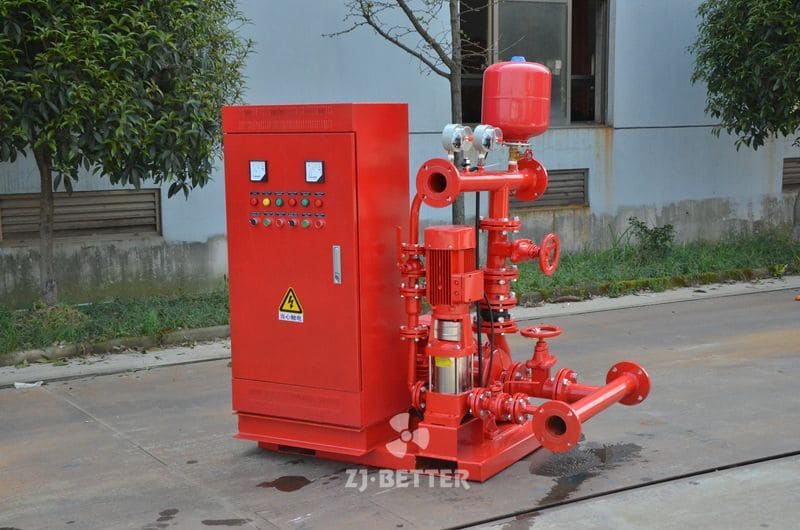
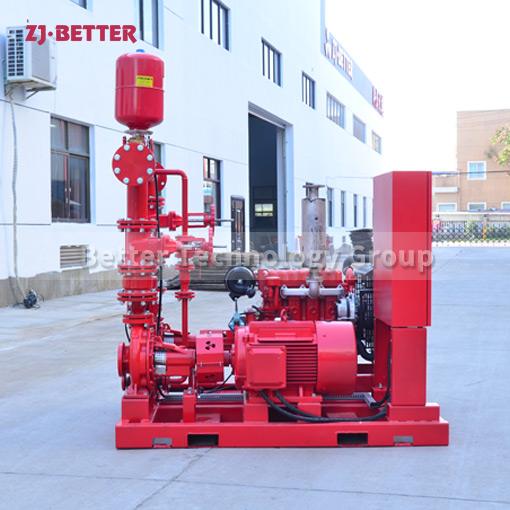
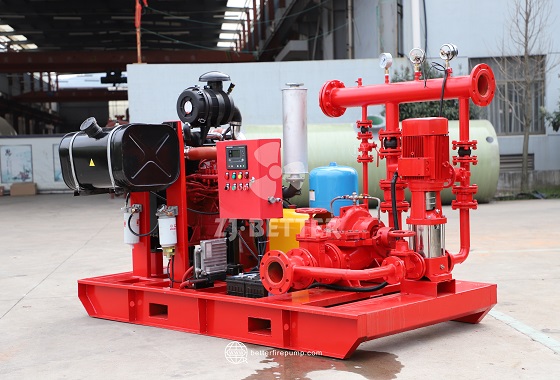
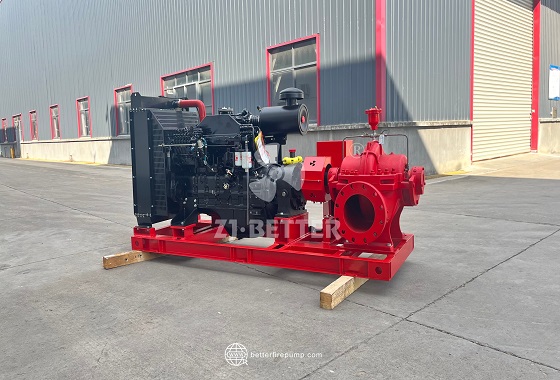
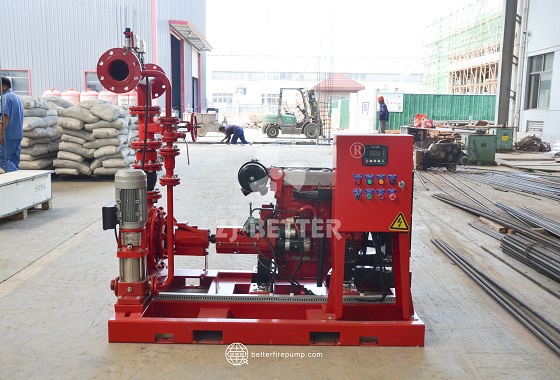
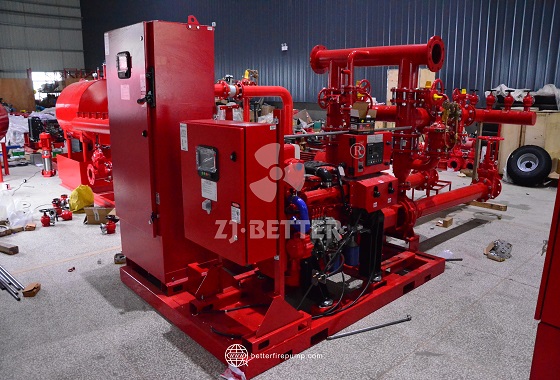
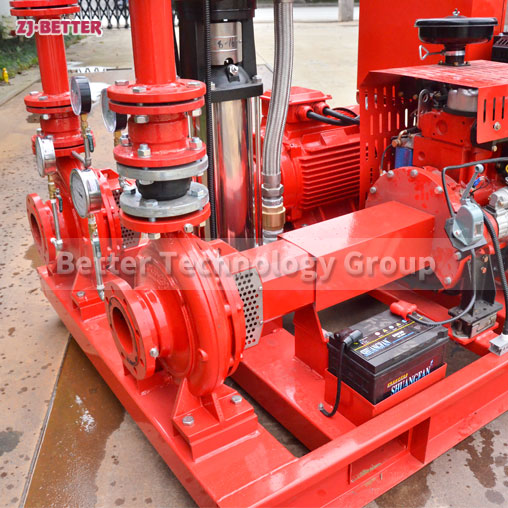
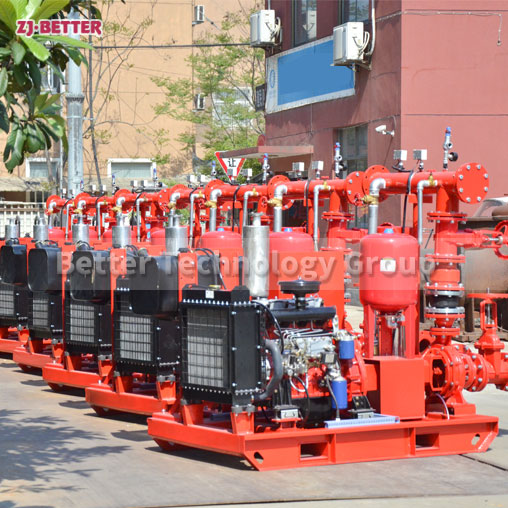
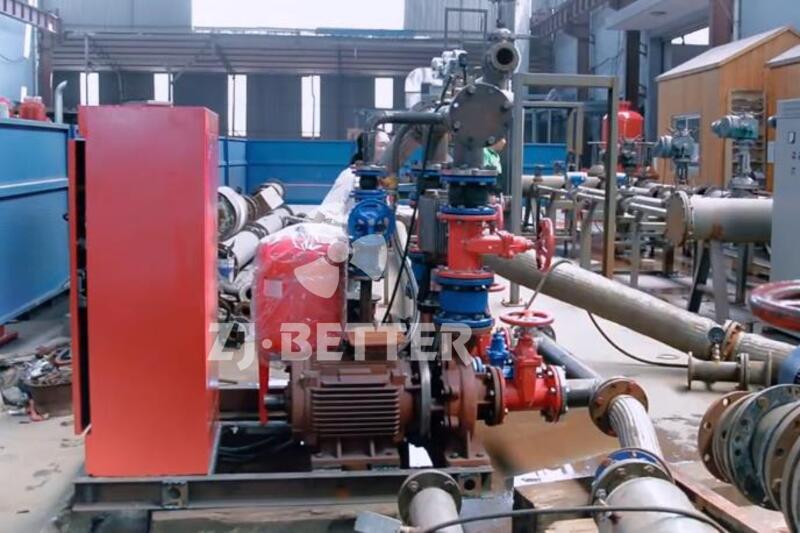
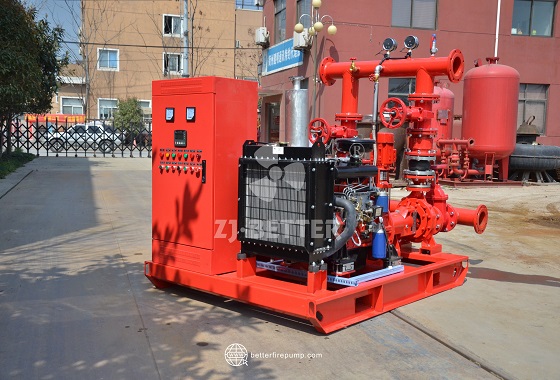
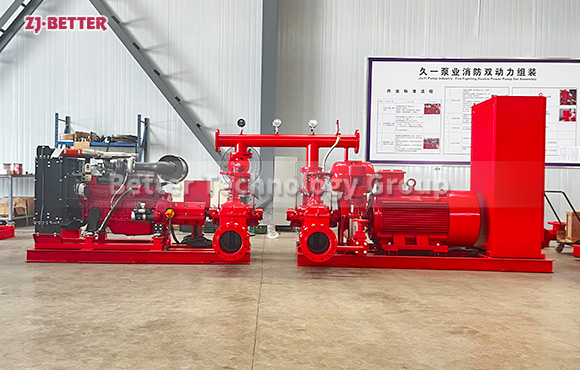
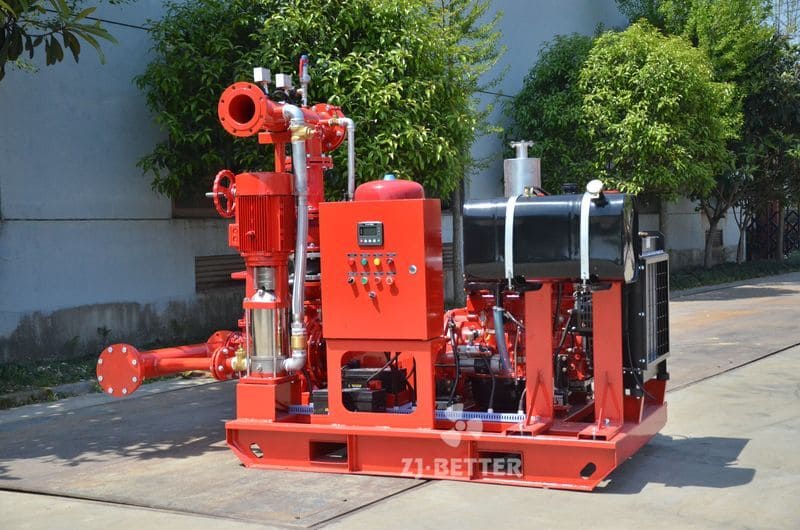
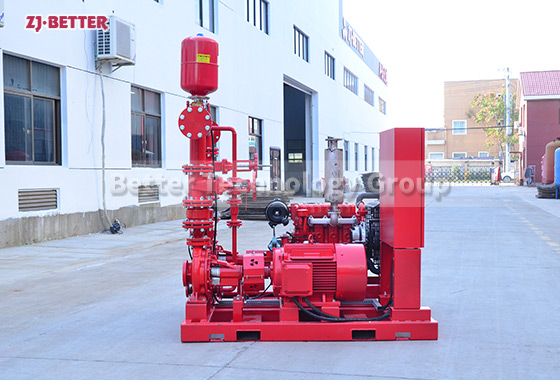
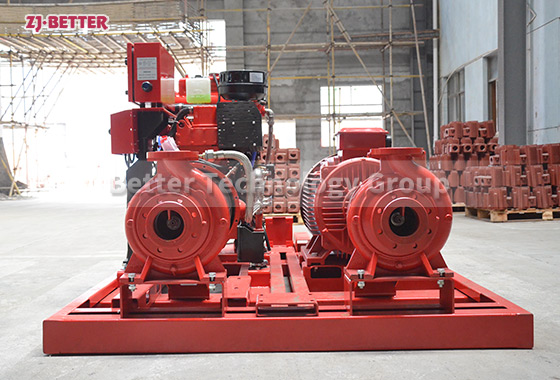
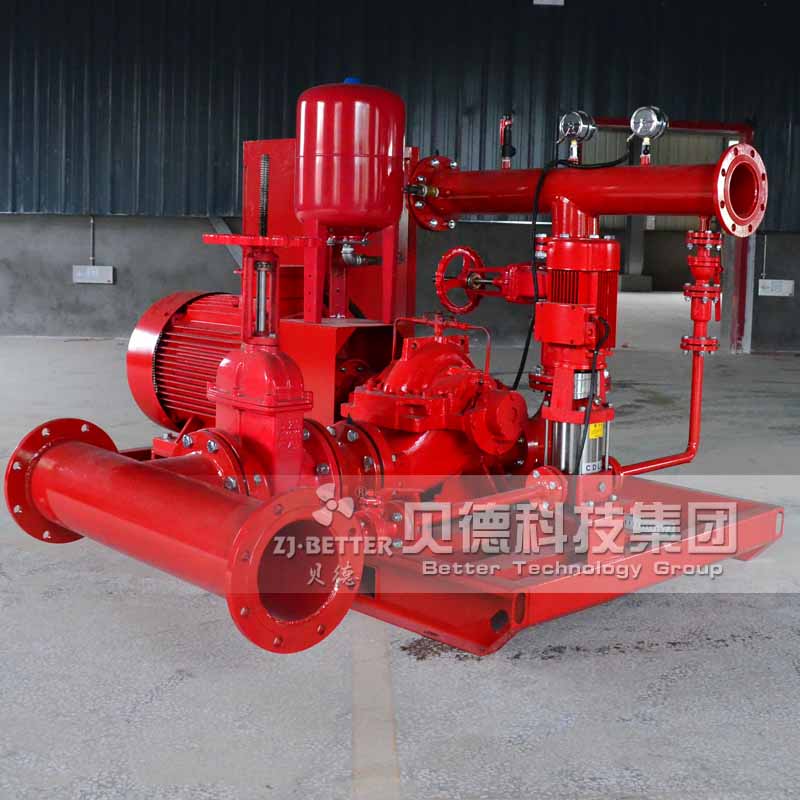
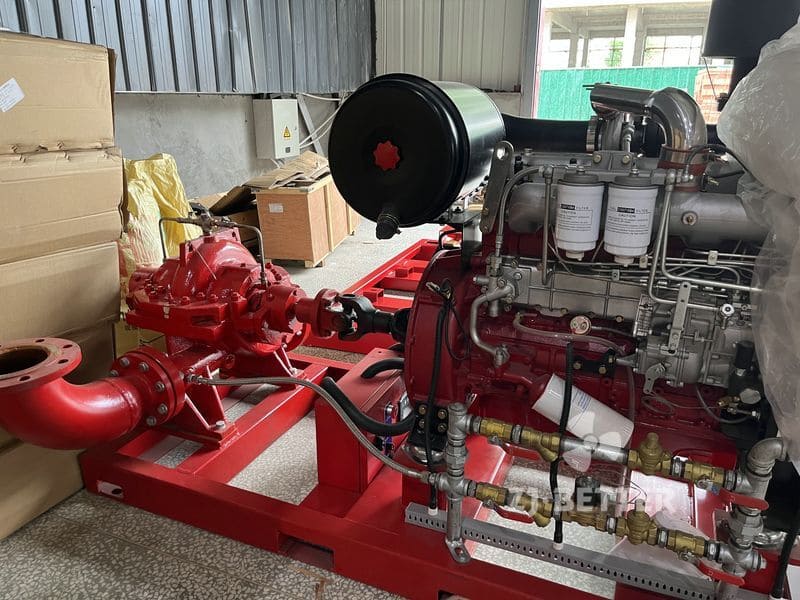
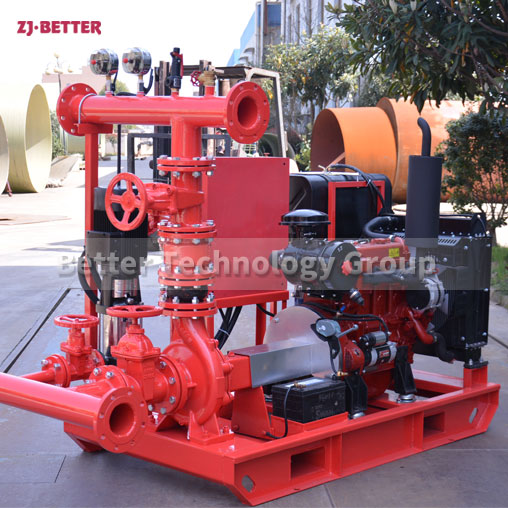
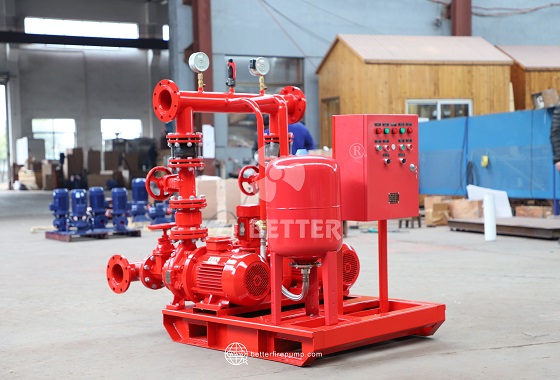
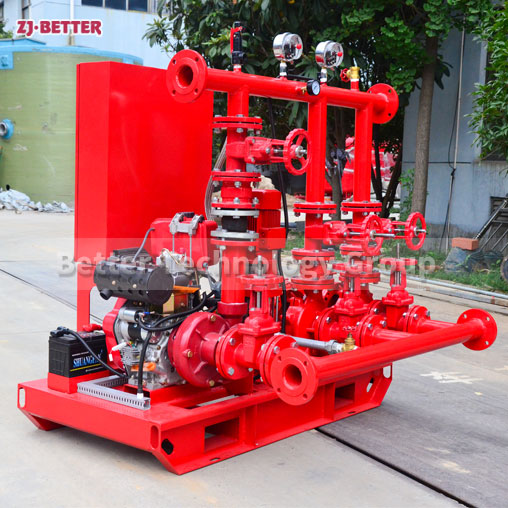
The integrated fire-fighting pressure water supply system consolidates the fire pump, jockey pump, pressure tank, control cabinet, pressure sensing device, and associated piping accessories onto a single common base. It utilizes the pump to deliver stable pressure and flow, employs the pressure tank for pressure storage and buffering, and relies on a control system to automatically adjust operations based on pipeline network pressure fluctuations, thereby forming a comprehensive fire-fighting pressure water supply unit. Driven by electric motors, the pumps are selected based on the specific flow rate, head, and pressure requirements of the fire-fighting project. During routine standby, the jockey pump manages minor pressure fluctuations within the fire-fighting pipeline network; when pressure drops to a preset threshold, the control logic triggers the appropriate pump unit to restore pressure, stopping operation once the pressure is recovered, which minimizes unnecessary frequent start-stop cycles. The pressure tank stores pressurized fire-fighting water and acts as a buffer against minor pressure changes, working in tandem with the jockey pump to maintain a relatively stable standby pressure while reducing the likelihood of the main fire pump starting frequently due to slight pressure variations. The control cabinet serves as a critical component, centrally managing the operational status of both the fire pump and the jockey pump; depending on the specific configuration, it enables functions such as automatic start/stop, status display, pressure monitoring, and fault alarming, making the system’s operation transparent and facilitating daily inspection and maintenance. The pressure sensing device monitors pipeline pressure changes in real-time and feeds signals back to the control system, enabling pressure restoration control within preset parameters. The system employs centrifugal pumps that utilize impeller rotation to pressurize and transport fire-fighting water; pump specifications can be tailored to project needs to meet varying flow and head requirements. Valves, pressure gauges, pressure sensors, and connecting pipes are also configured according to project specifications, establishing a complete hydraulic pathway between functional components. The system features a centralized structure with major equipment mounted on a common base; compared to traditional decentralized installations, this reduces on-site positioning, connection, and piping work while clarifying the interconnections between pump units, control cabinets, and pressure components, thereby simplifying installation, commissioning, and future inspections. For fire pump rooms with limited space, this centralized layout also optimizes the equipment footprint and piping configuration. This type of pressurized fire water supply equipment is suitable for fire suppression systems in residential buildings, commercial complexes, industrial plants, logistics warehouses, and public buildings. Specific configurations should be determined based on fire safety design requirements, pipeline network pressure, required flow rate and head, and on-site installation conditions. Overall, the integrated system—comprising water pumps, pressure tanks, jockey pumps, and control cabinets—functions collaboratively to maintain pipeline pressure, automatically replenish pressure, and supply water for firefighting. It meets operational parameters while offering high equipment integration and ease of management, installation, and maintenance, serving as a complete pressure-assurance solution for building and industrial fire water supply systems.