
Integrated Electric Fire Pump Solution: Strong Support for Complex Environments
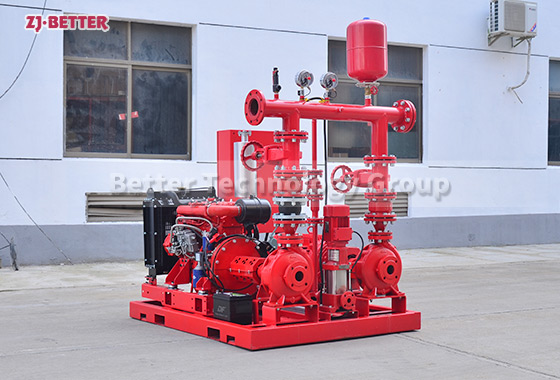
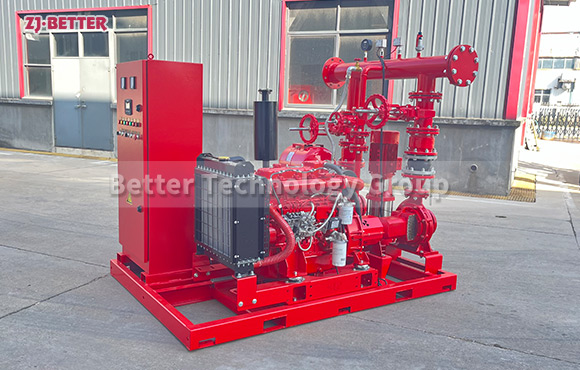
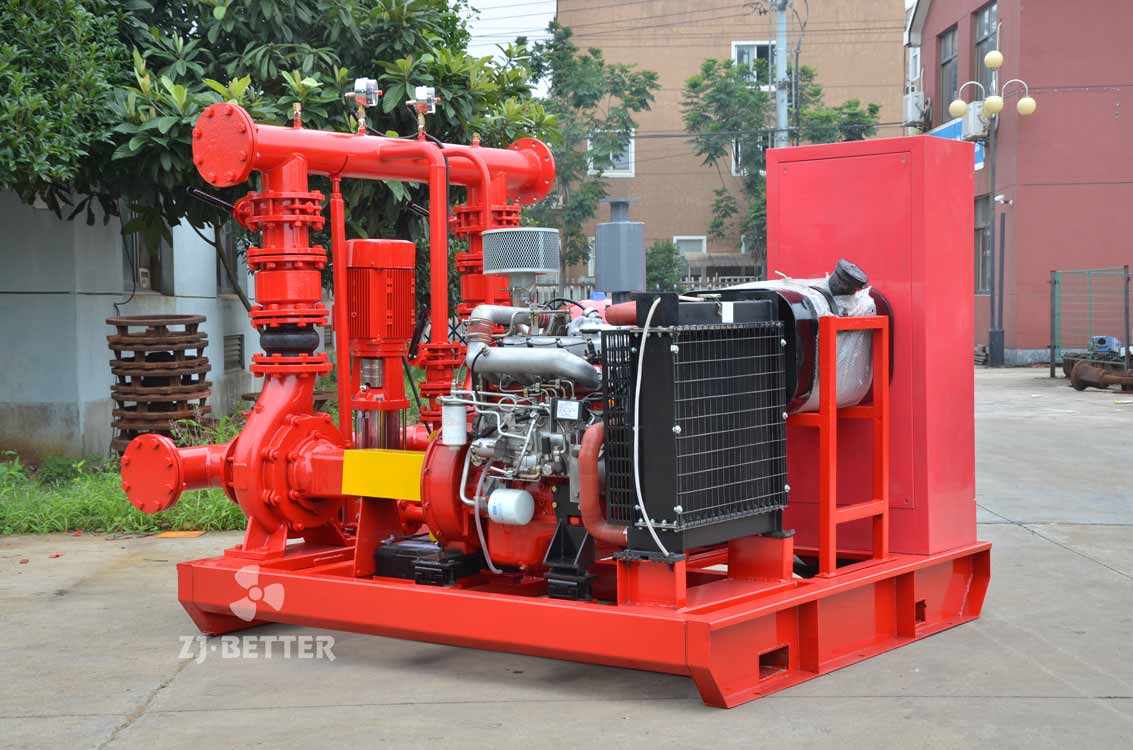
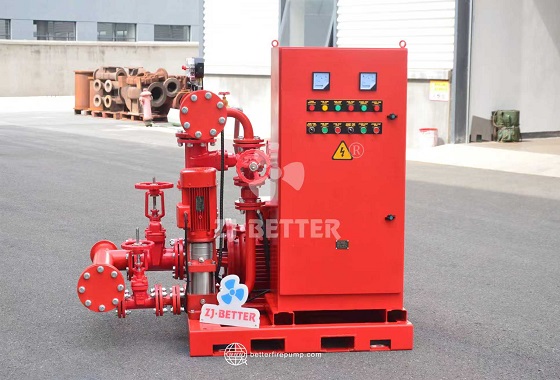
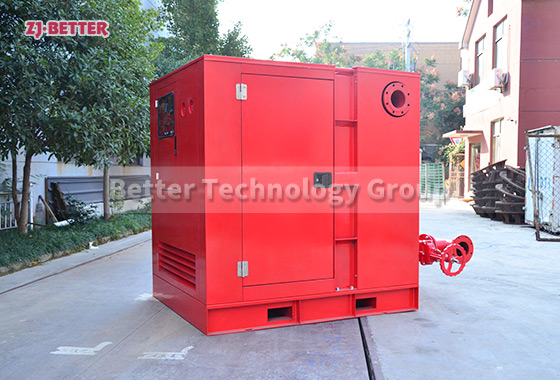
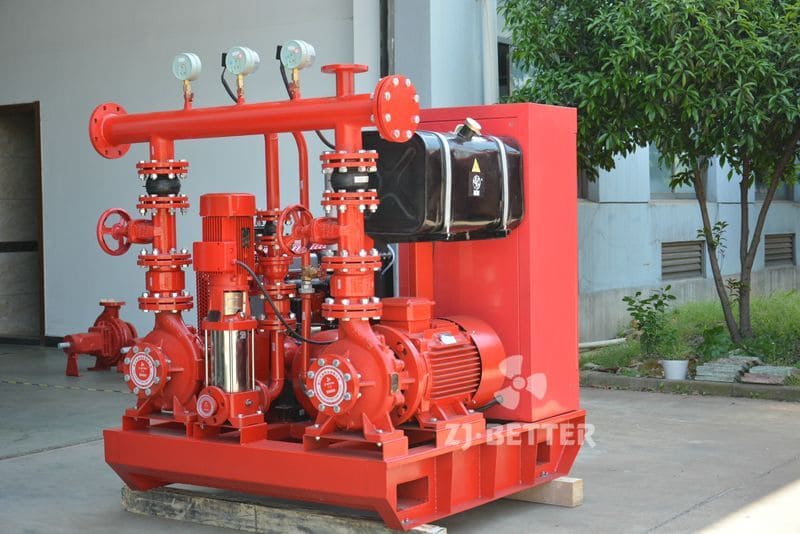
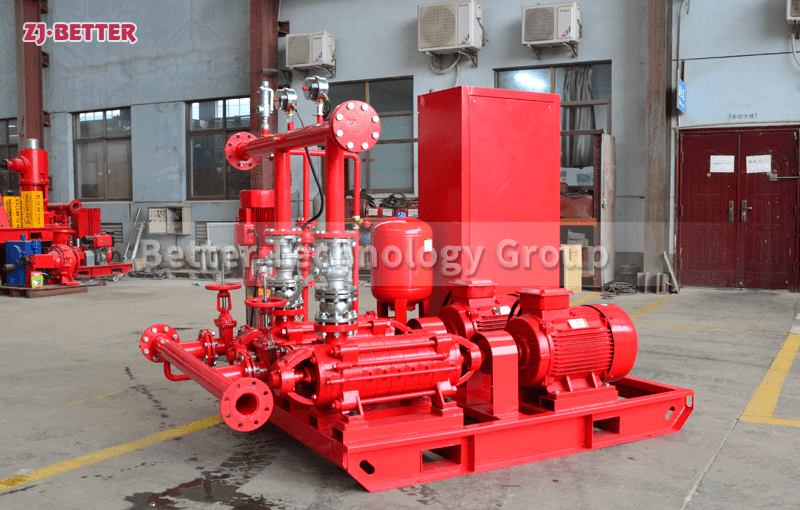
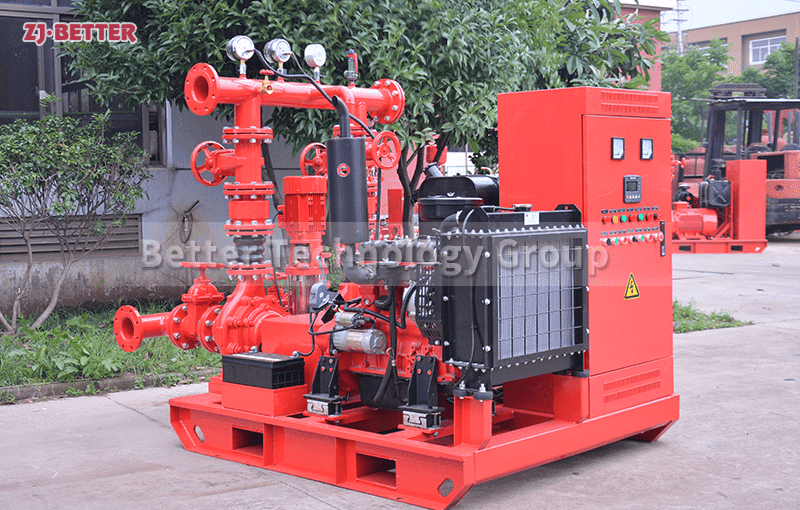
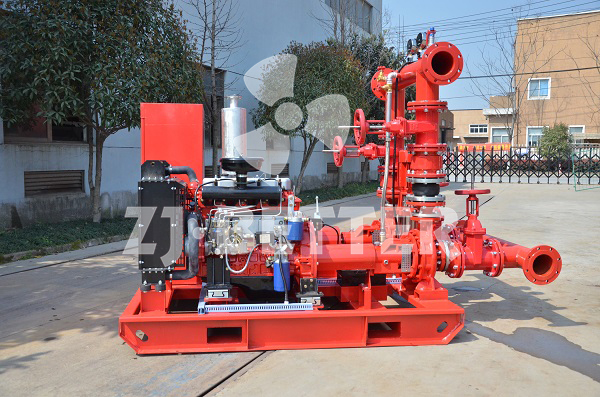
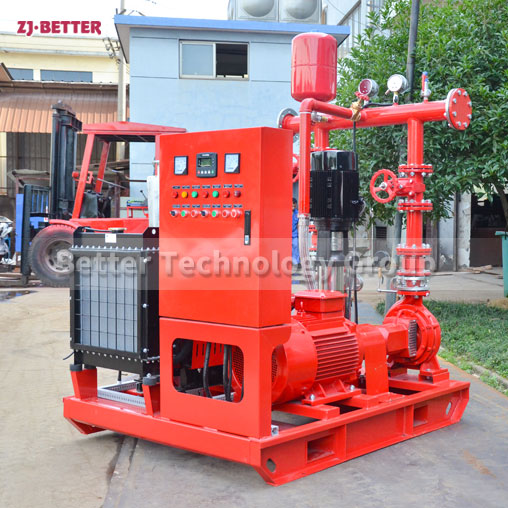
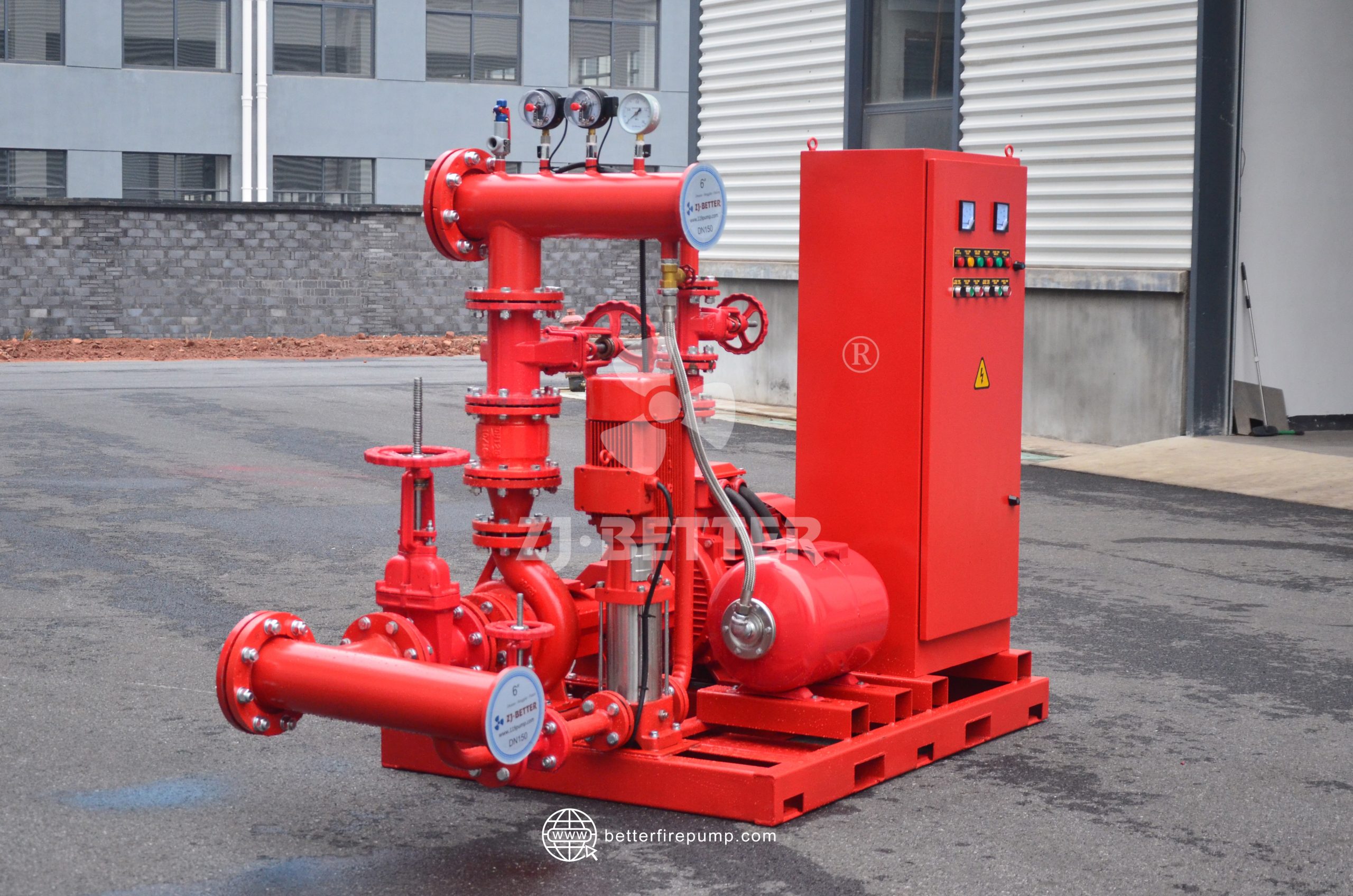
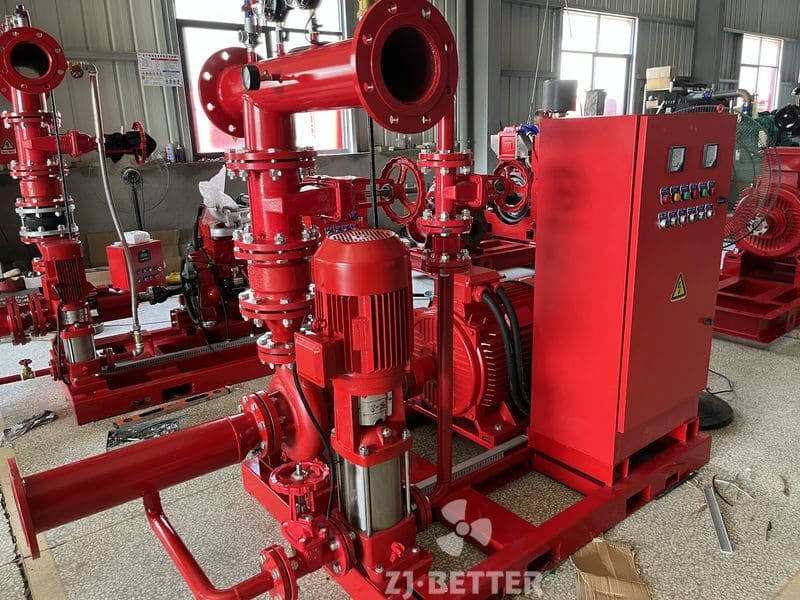
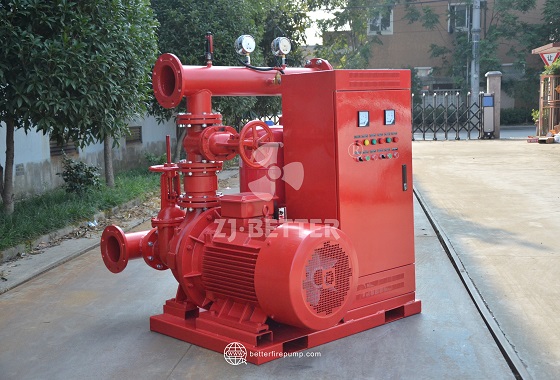
The integrated electric fire pump system delivers efficient, energy-saving, and intelligent water supply performance. It integrates the motor, control cabinet, and pump body into a single unit, offering easy installation and stable operation. Suitable for fire protection water supply applications in high-rise buildings, factories, commercial centers, and similar facilities, it ensures rapid water delivery and reliable system operation during fire emergencies.
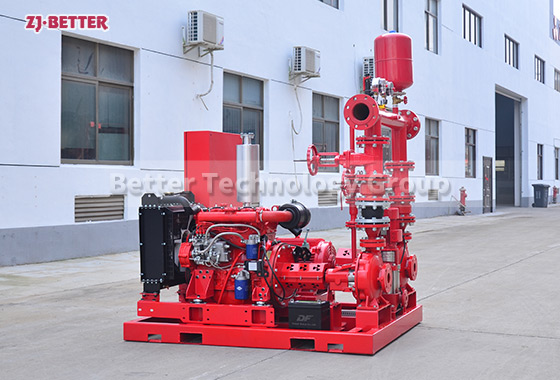
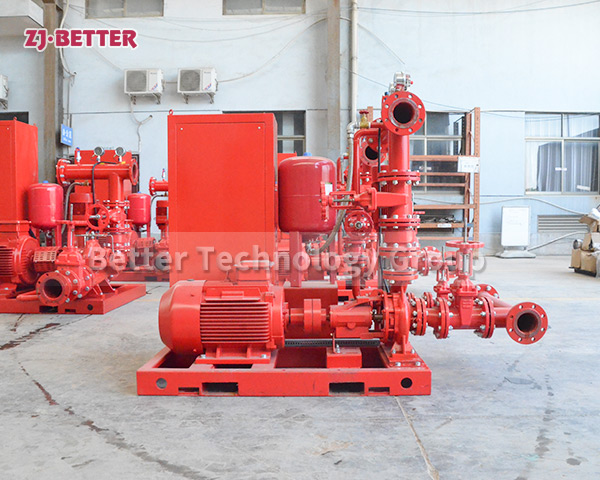
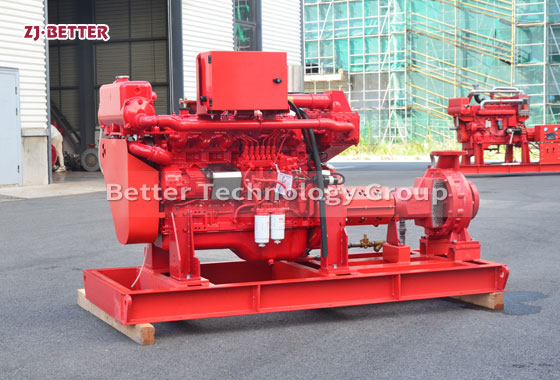
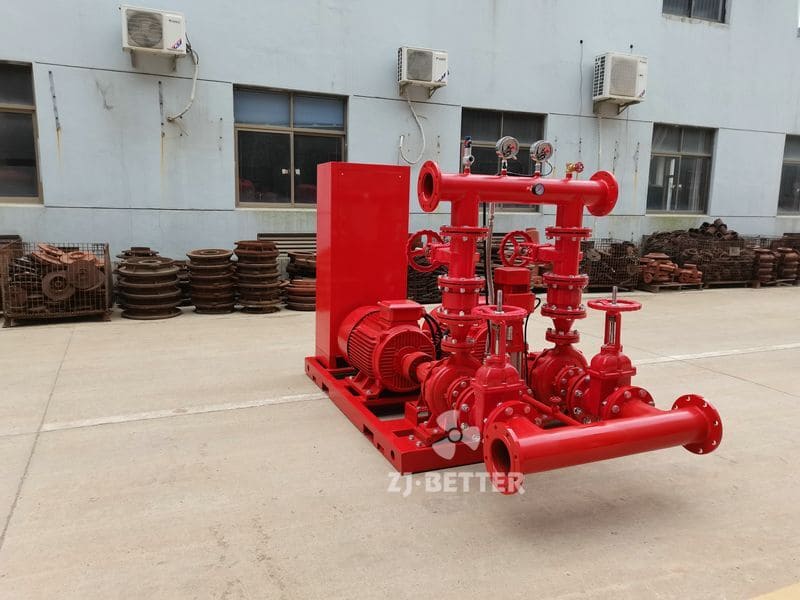
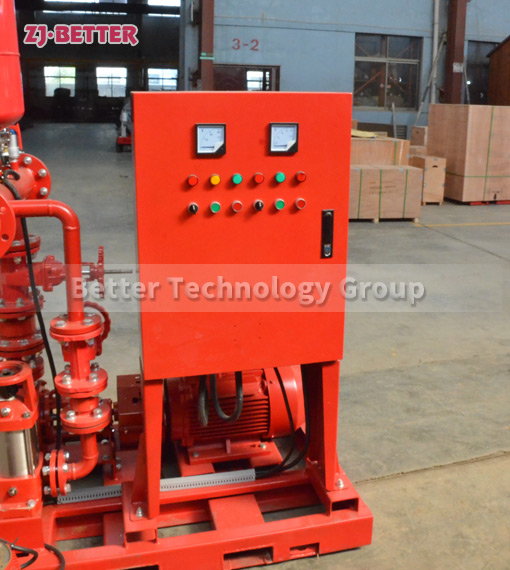
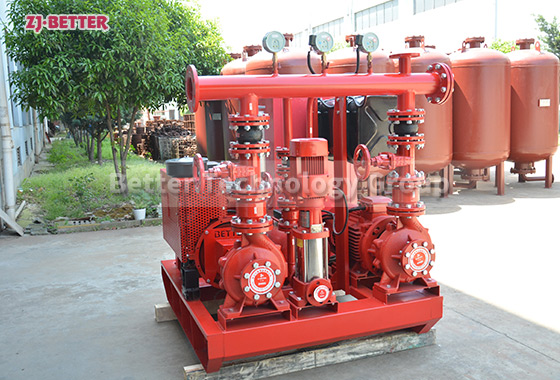
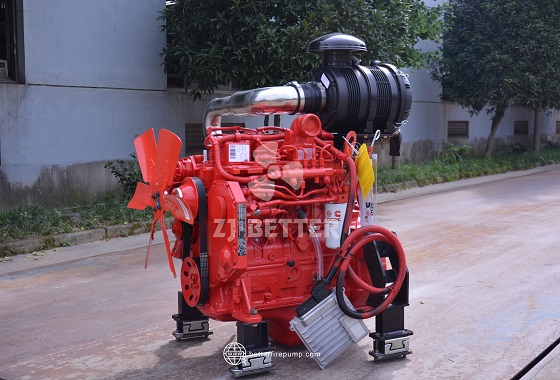
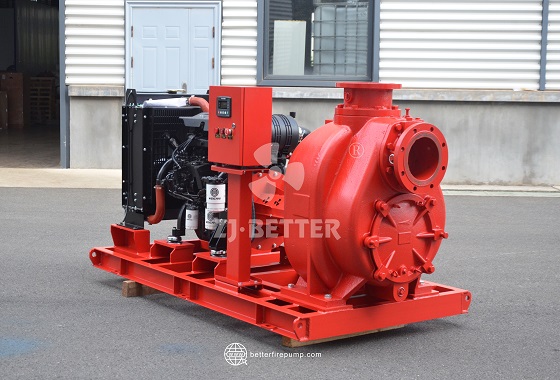
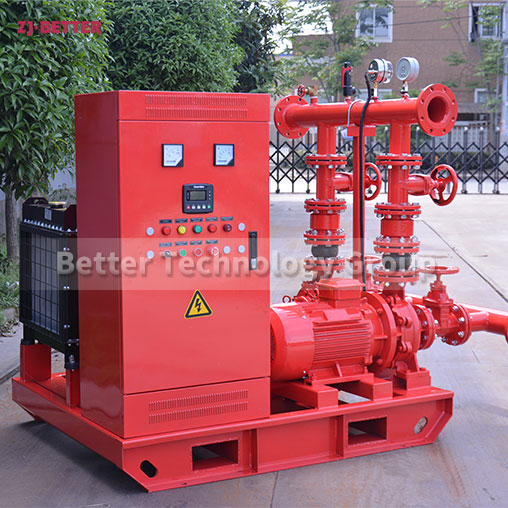
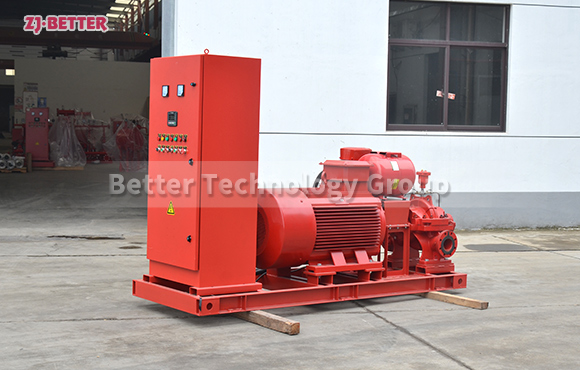
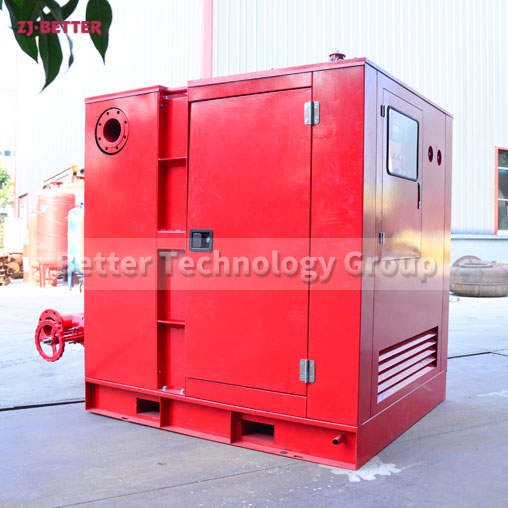
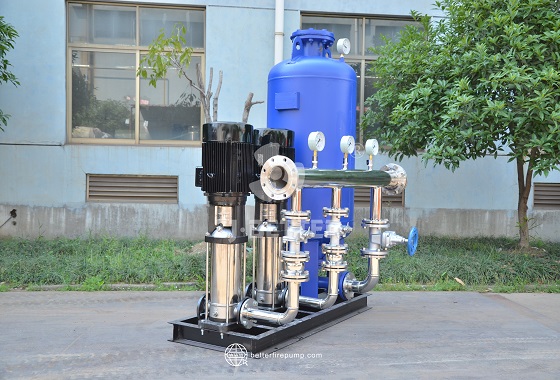
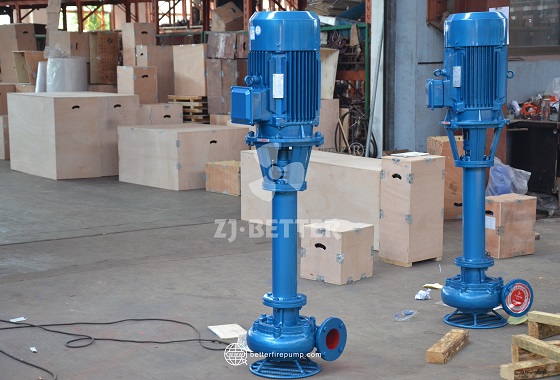
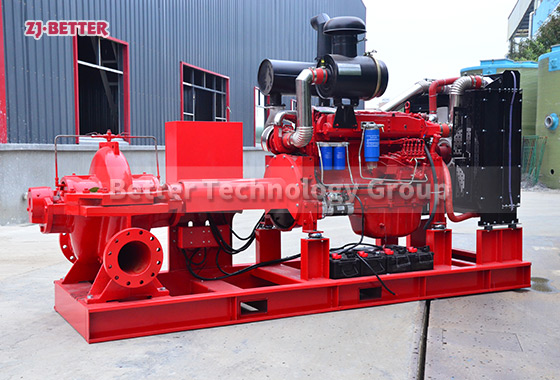
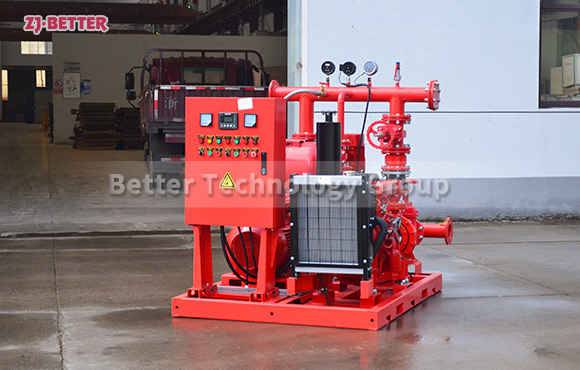
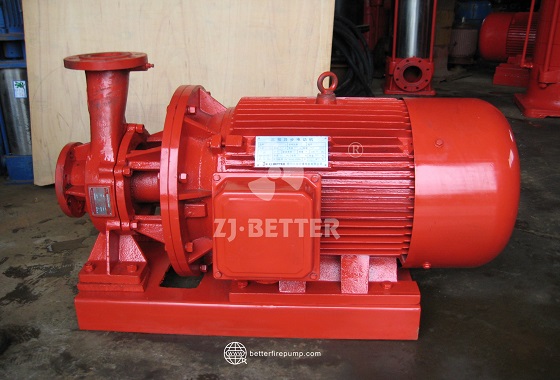
The integrated electric fire pump solution is a high-performance device designed specifically for modern fire protection systems and industrial emergency water supply needs. It integrates the motor, fire pump, control system, and related piping and valves into a compact platform, enabling efficient, safe, and stable automated operation. This system not only provides strong and continuous water flow in the event of a fire, but also maintains pressure balance in the fire protection network during normal operation, ensuring the entire fire protection system is always ready. Its design concept utilizes modular and intelligent technologies to make fire protection water supply more reliable, easier to maintain, and more energy-efficient, making it an ideal fire protection power source for modern buildings, industrial facilities, municipal engineering projects, and other locations. The integrated electric fire pump features a compact design, a small footprint, and easy installation, eliminating the need for complex on-site assembly. All key components are precision-machined and optimized for performance. The pump body is constructed of high-strength cast iron or stainless steel, offering excellent pressure resistance and corrosion resistance, enabling long-term stable operation in high-temperature, high-humidity, and contaminated environments. The motor is a high-efficiency, low-noise motor with excellent energy control, maintaining low temperature rise and high speed performance even under prolonged high-load operation. Combined with a high-precision coupling design, it effectively reduces mechanical vibration and energy loss, ensuring smoother operation of the entire system. The control system, a core component of the system, utilizes an advanced electronic control panel and intelligent monitoring module, enabling automatic start-stop, remote control, pressure monitoring, flow recording, and system self-diagnosis. When the system detects a pressure drop in the fire pipe network or a fire alarm signal, the control system immediately activates the electric pump unit, ensuring water supply as quickly as possible. Furthermore, it features automatic switching and protection functions, automatically announcing and executing a safety shutdown in the event of abnormal conditions such as overload, undervoltage, overvoltage, phase loss, and overheating, effectively preventing equipment damage and ensuring stable operation of the fire protection system. In terms of performance, the integrated electric fire pump system offers robust flow and head output capabilities, adapting to the water supply needs of various types of buildings and industrial systems. Its efficient hydraulic design significantly improves the pump’s energy conversion efficiency, reduces inefficient energy consumption, and achieves higher water pressure output at the same power level. The optimized impeller structure and flow guidance system within the pump ensure smooth water flow and minimize eddy current losses, significantly improving overall pump efficiency. The system operates with low noise and vibration, maintaining high performance for extended periods without impacting the environment. It is ideally suited for installation in limited space, such as underground pump rooms, equipment rooms, or mechanical and electrical rooms in high-rise buildings. For safety, the system features multiple protection mechanisms, including a mechanical seal, dry-run protection, pressure gauge monitoring, and check and safety valve assemblies, ensuring stable water supply even under extreme operating conditions. The electronic control system can also be linked with the main fire control room or intelligent building management system for data sharing and remote monitoring. This networking capability allows managers to gain real-time visibility into the equipment’s operating status, historical records, and maintenance reminders, effectively enhancing the intelligent management of the fire protection system. Compared to traditional split-type fire pumps, the integrated electric fire pump’s key advantages lie in its high system integration, short installation cycle, easy maintenance, and high degree of automation. Traditional fire pumps typically require separate installation of the motor, pump body, control cabinet, and piping system, requiring extensive on-site construction. Installation errors can easily lead to reduced efficiency and even the risk of leaks. The integrated electric fire pump is fully assembled and debugged before leaving the factory. Users simply need to position the unit and connect the inlet and outlet pipes to a power source to begin operation, significantly shortening the construction period and reducing installation costs. Its modular structure also facilitates maintenance and upgrades, allowing any component failure to be quickly replaced without impacting overall system operation. Energy efficiency is another key advantage of this system. The motor utilizes high energy efficiency ratings and incorporates variable frequency control technology to achieve on-demand water supply and optimize energy consumption. When the system detects that the pipe pressure has reached a set value, the motor automatically enters low-speed operation or standby mode. When the water pressure drops, the motor automatically increases its speed, eliminating the energy waste associated with traditional constant-speed pumps. This intelligent variable frequency control not only reduces operating costs but also extends the unit’s lifespan, maintaining its cost-effectiveness over the long term. Furthermore, electric drive is more environmentally friendly than diesel pumps, requiring no fuel consumption and producing no exhaust emissions. It is suitable for use in environmentally sensitive areas such as hospitals, subways, commercial centers, and public buildings. To meet the needs of different scenarios, the integrated electric fire pump system can be customized with various configurations based on the customer’s specific application environment, including single-pump, dual-pump, and main pump + pressure-stabilizing pump combinations. The pressure-stabilizing pump maintains pipe network pressure during non-fire conditions, reducing frequent starts and stops of the main pump and extending the overall system life. For large industrial parks or high-rise building complexes, enhanced modules such as dual power inputs, emergency backup motors, and automatic switching systems can be configured to ensure uninterrupted fire water supply under any circumstances. Durability is also a key feature of this product. All hydraulic components undergo precise dynamic balancing and anti-corrosion coating to withstand long-term corrosion from high humidity, high salt spray, and acidic and alkaline media. The sealing system utilizes wear-resistant mechanical seals to prevent leakage and reduce maintenance frequency, while the bearings are encapsulated with high-temperature grease to ensure continuous, stable, and reliable operation. The entire system undergoes rigorous factory performance testing, including flow rate, head, efficiency, noise, and electrical safety tests, to ensure that each pump meets international standards before delivery. The integrated electric fire pump not only delivers superior performance but also offers significant advantages in intelligent management. The integration of PLC intelligent control and IoT technology enables remote monitoring, data logging, and cloud-based management. Users can view real-time operating status, including key data such as current, voltage, temperature, pressure, and operating time, on a computer or mobile device. The system automatically generates operating reports and indicates maintenance intervals, reducing manual inspections and improving operational efficiency. This intelligent management model significantly enhances the controllability and maintainability of fire protection systems and is a key development direction for future intelligent fire protection systems. In summary, the integrated electric fire pump solution, with its high integration, strong performance, intelligent design, safety, reliability, and energy-saving and environmentally friendly features, has become a preferred choice for modern building and industrial fire protection systems. It not only provides rapid response and sufficient water pressure during fire emergencies, but also maintains stable pressure in the fire protection network during daily operation, providing continuous protection for buildings and personnel. Whether in commercial complexes, residential areas, subway tunnels, warehousing and logistics parks, or industrial production workshops, the integrated electric fire pump demonstrates irreplaceable value and application advantages with its excellent performance and reliable stability.