Reliable Operation in Off-Grid Environments: Diesel-Driven Mobile Fire Pumps
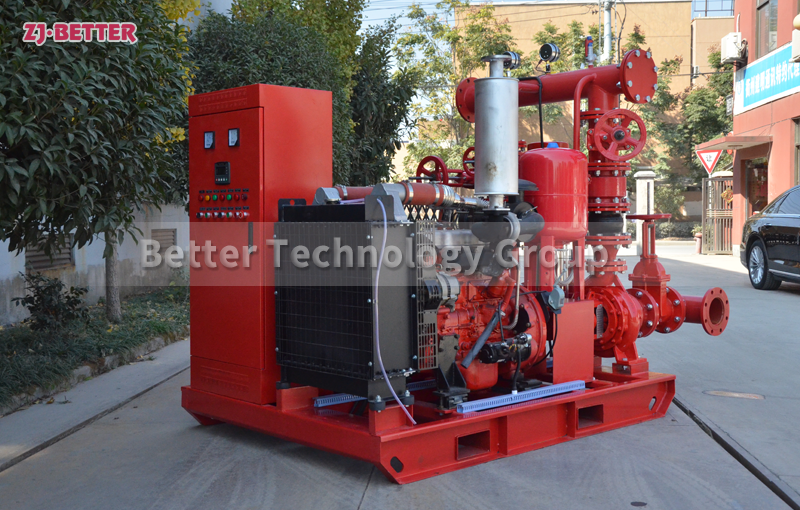
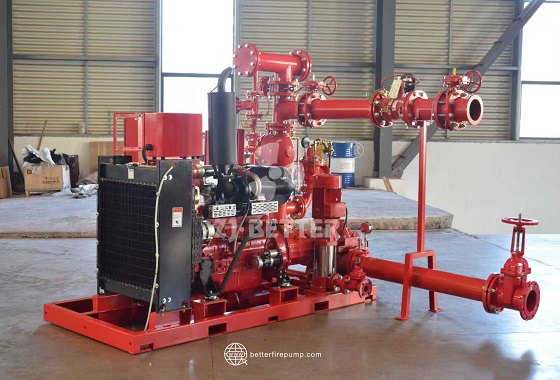
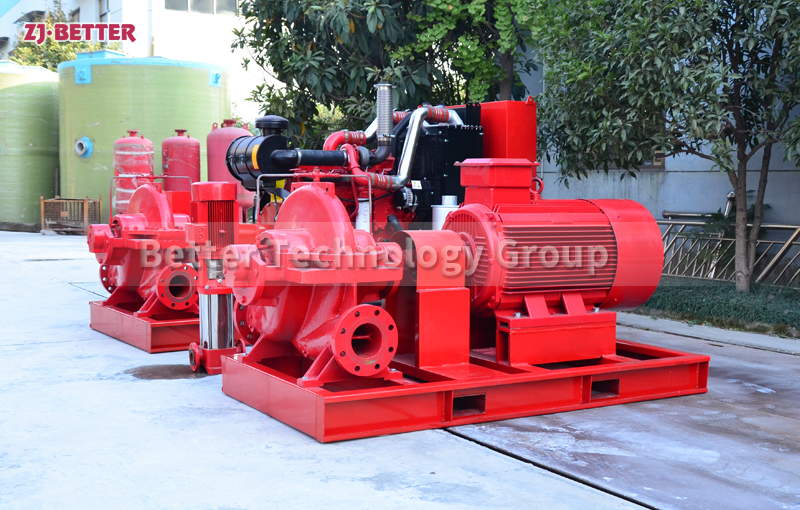
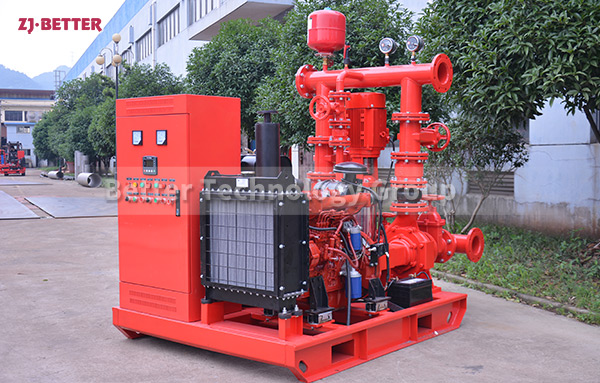
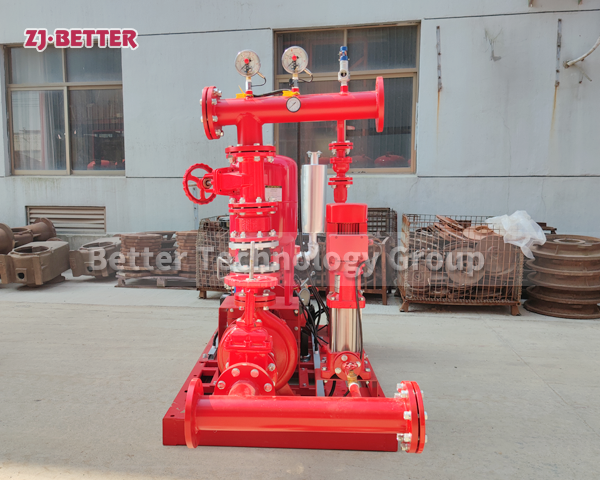
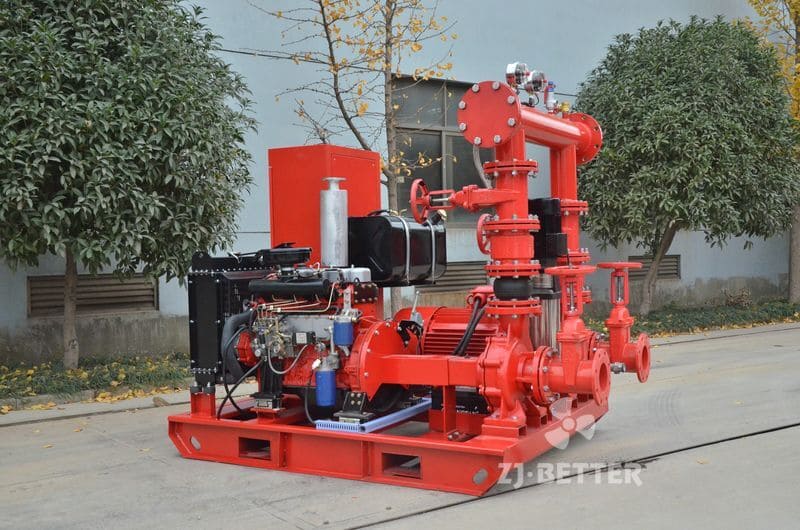
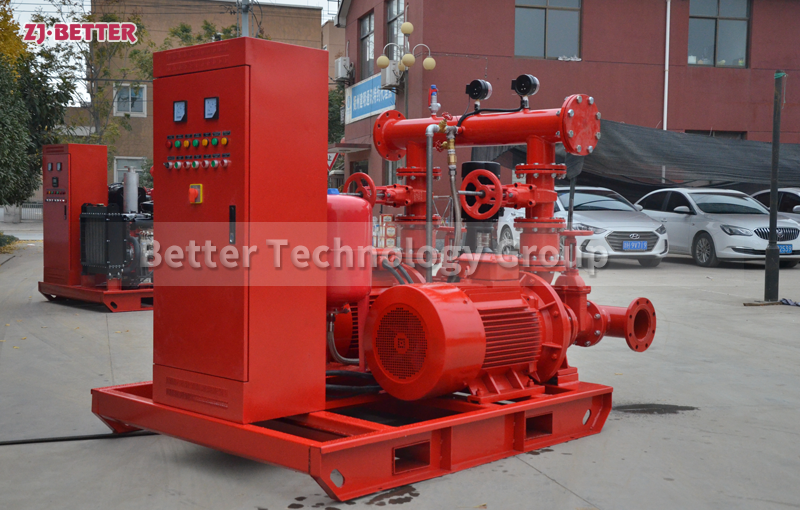
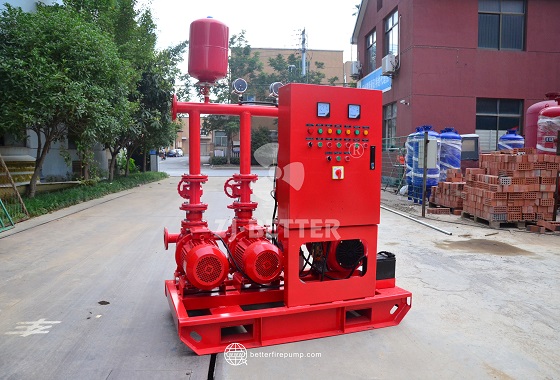
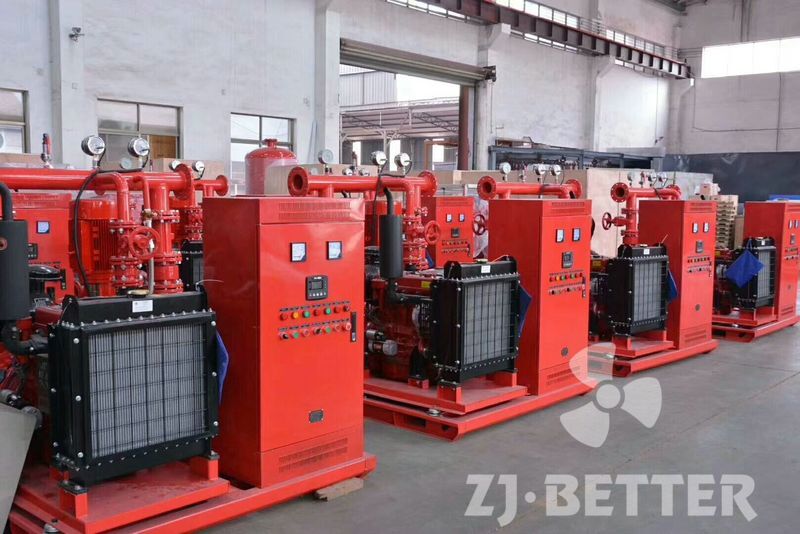
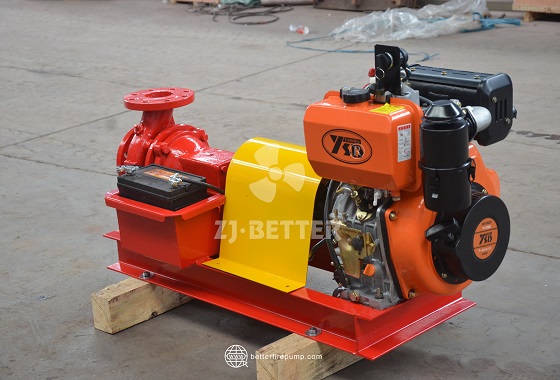
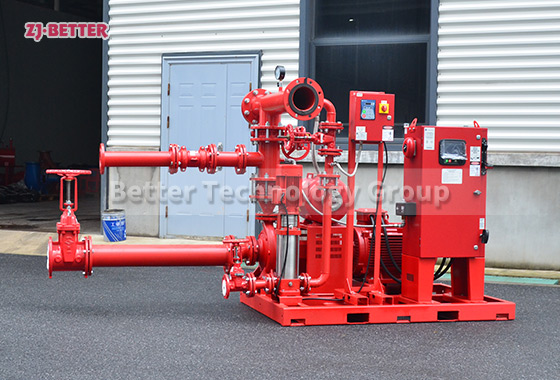
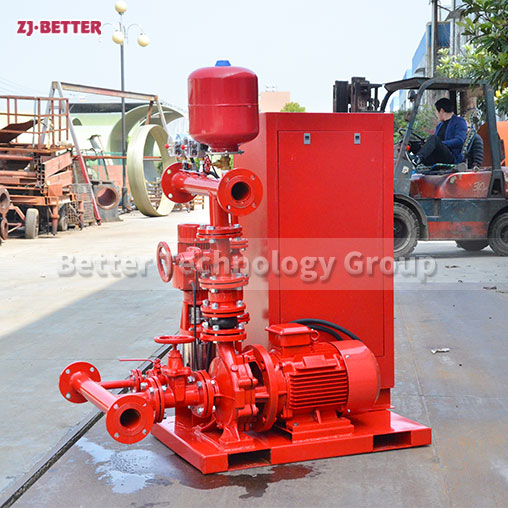
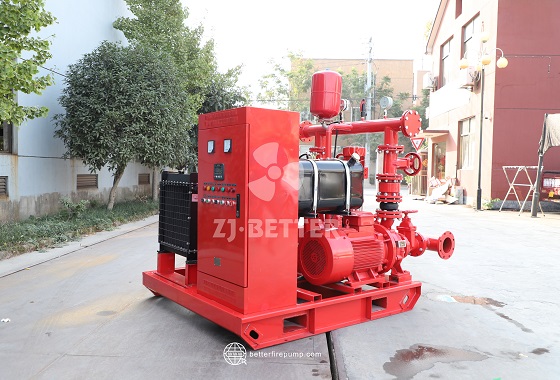
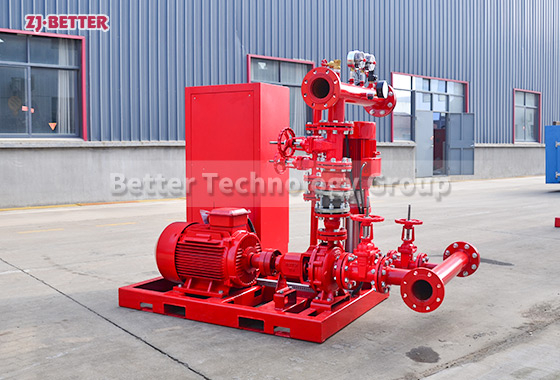
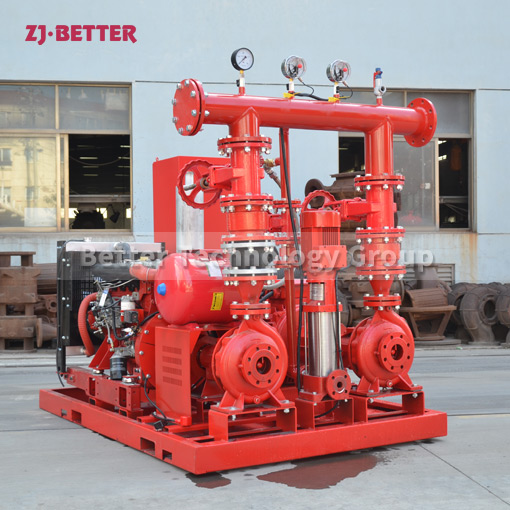
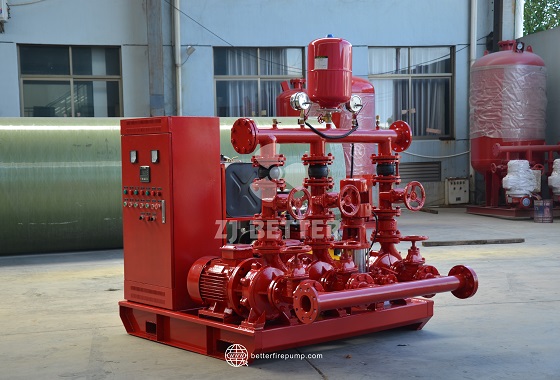
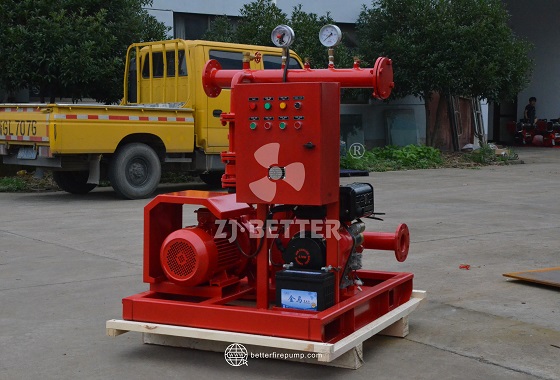
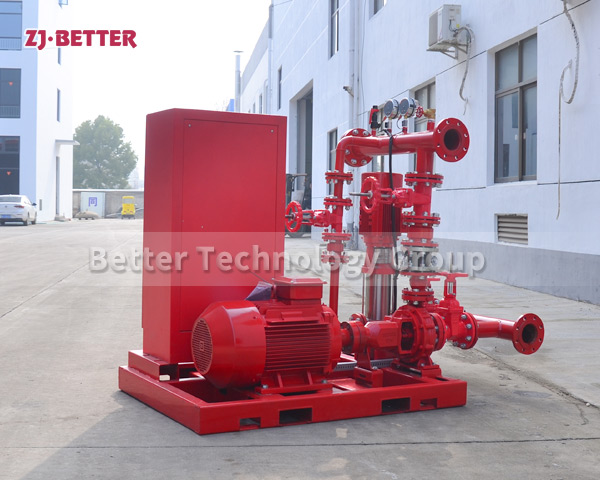
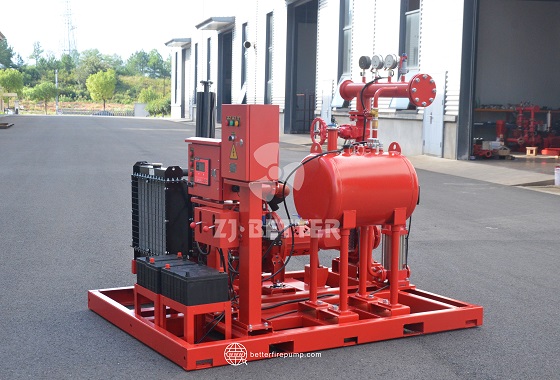
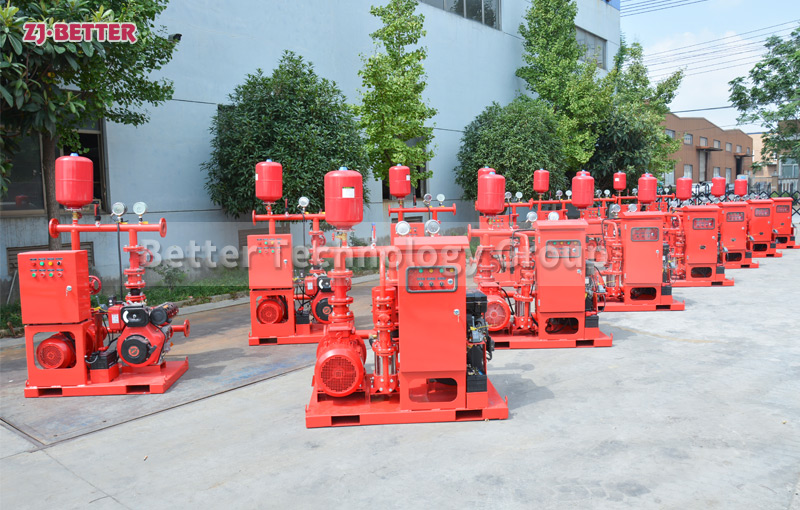
Diesel engine-driven mobile fire pumps provide reliable operation in off-grid environments, with efficient hydraulic output, strong maneuverability and durability. They are suitable for emergency fire fighting, ensuring rapid response and stable fire extinguishing in any environment, and improving emergency firefighting capabilities.
In many emergency rescue and firefighting situations, time is of the essence, and the stability of the power supply often determines the response speed and performance of equipment. Traditional electric fire pumps are particularly vulnerable in remote areas, on construction sites, or when power infrastructure is damaged. In these situations, diesel-powered mobile fire pumps, with their independent power systems and high efficiency, become crucial emergency equipment. Mobile diesel fire pumps can operate continuously even in environments without power, ensuring firefighting system reliability and providing strong support for rapid fire suppression.
The greatest advantage of diesel-powered mobile fire pumps is their complete independence from the power grid. In the event of a power outage, equipment failure, or other power outage, electric fire pumps often lose functionality, disrupting the firefighting water supply. Diesel-powered pumps, on the other hand, can start and maintain operation independently using their internal diesel engine, ensuring stable water pressure and flow at critical moments, ensuring uninterrupted firefighting operations. This independent power supply makes diesel-powered mobile fire pumps an ideal choice for locations with unstable or unavailable power supplies. Whether in remote mountainous areas, wilderness areas, post-disaster emergency response areas, or specialized environments like offshore platforms and oil fields, mobile diesel fire pumps can quickly provide firefighting water, ensuring timely and effective firefighting.
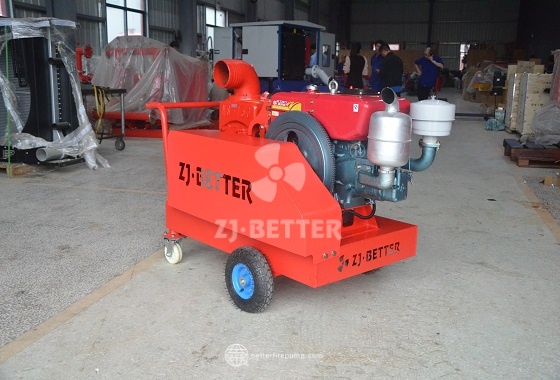
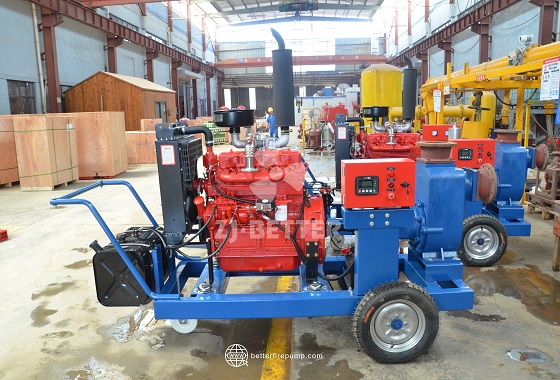
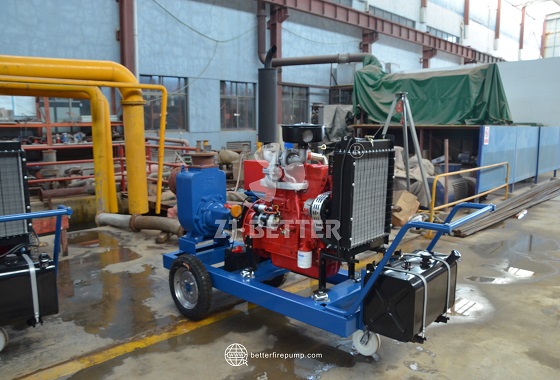
Another major advantage of mobile diesel fire pumps is their high mobility. Compared to fixed fire pumps, mobile pump units can be quickly deployed between locations, significantly improving firefighting response speed. Rapid deployment of firefighting equipment is crucial for saving lives and property, especially in disaster emergencies and fire scenes. Mobile diesel fire pumps are typically designed with trailers or convenient wheels for easy transportation and positioning, allowing operators to easily move them to the specific location of a fire to provide immediate water supply. This flexible deployment capability enables them to provide comprehensive firefighting coverage over vast areas, even reaching the basement floors of high-rise buildings or complex sites far from water sources. Their mobility also means that equipment can be quickly transported to the forefront of a fire scene, helping to effectively control it in its early stages and reduce its spread.
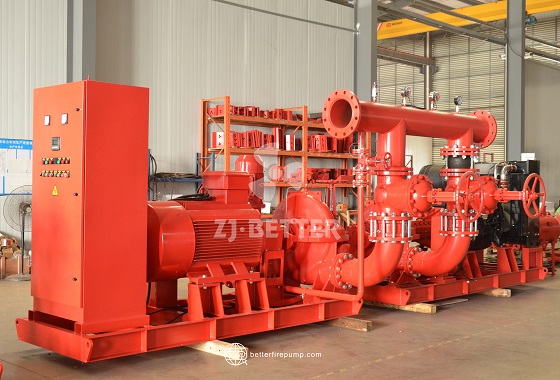
In terms of performance, mobile diesel fire pumps are equipped with efficient pump systems that provide high-flow, high-pressure hydraulic support to handle high-intensity, large-scale firefighting operations. These pumps are precisely designed with robust self-priming capabilities, enabling them to quickly draw water from a variety of sources, such as pools, rivers, and lakes, and deliver it to the firefighting system. Especially in emergency situations, when firefighting water sources are insufficient or water pressure is low, the powerful suction and efficient power of mobile diesel fire pumps ensure a stable water flow, providing a continuous supply of water for firefighting operations. The precise coordination between the pump and diesel engine allows these devices to reach their maximum output flow rate within a short period of time, ensuring efficient firefighting water supply.
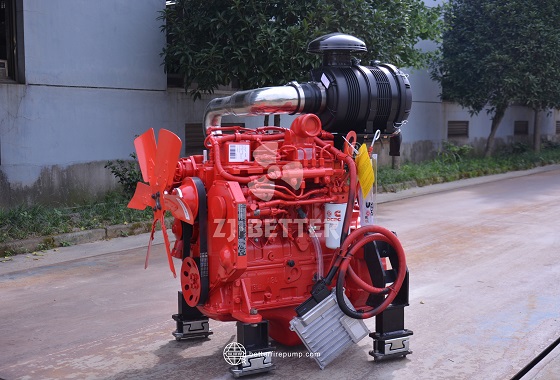
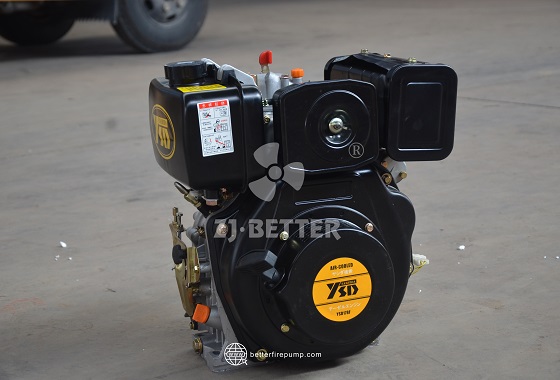
In addition to their high hydraulic performance, diesel-powered mobile fire pumps also excel in durability and adaptability. Fire pumps often operate for extended periods in harsh environments, subject to high and low temperatures, high humidity, and high dust levels. Mobile diesel fire pumps are typically constructed of heat- and corrosion-resistant materials, and their housings undergo special protective treatments to protect them from environmental damage. The diesel engine itself is meticulously designed to operate continuously and stably in high temperatures and harsh conditions, providing a continuous source of power for the fire pump. Whether operating in the scorching heat of deserts or on humid islands, the mobile diesel fire pump maintains efficient operation over time, meeting emergency response needs in diverse environments.
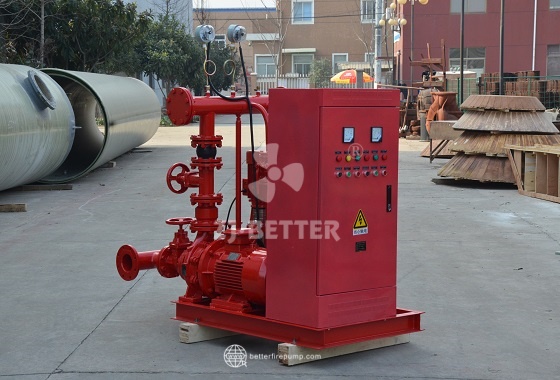
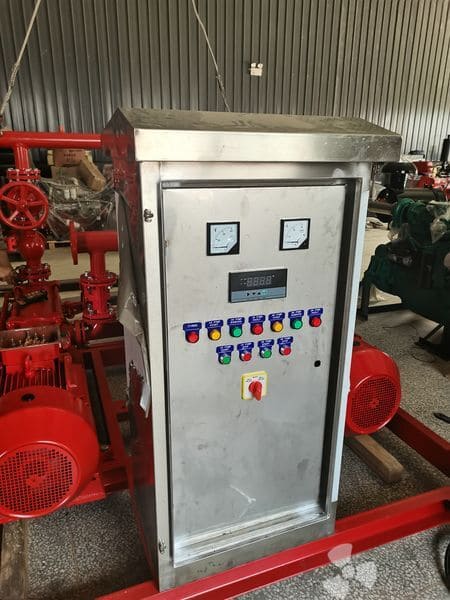
Furthermore, the mobile diesel fire pump is easy to operate and maintain. Designed with operator experience in mind, all operations are easily accessible through a simple control panel, eliminating complex procedures. Even personnel without professional firefighting equipment experience can quickly master its operation, ensuring efficient response in emergencies. The modular design of the equipment facilitates routine maintenance. Common tasks such as checking the oil level, cleaning the filter, and inspecting the pump system can be completed quickly, significantly reducing maintenance time and labor costs. Furthermore, the mobile diesel fire pump’s easily replaceable parts minimize equipment downtime and ensure it remains in optimal working condition.
In terms of economic benefits, the mobile diesel fire pump’s efficient energy utilization and low maintenance costs help users save significant operating expenses. Thanks to the high efficiency of diesel engines, mobile diesel fire pumps offer higher output power while reducing fuel consumption. This significantly reduces fuel costs for long-term users. Furthermore, the pump’s high durability and low failure rate reduce maintenance frequency, extending its service life and further reducing operating costs. Mobile diesel fire pumps are not only highly effective firefighting emergency equipment but also a cost-effective long-term investment.
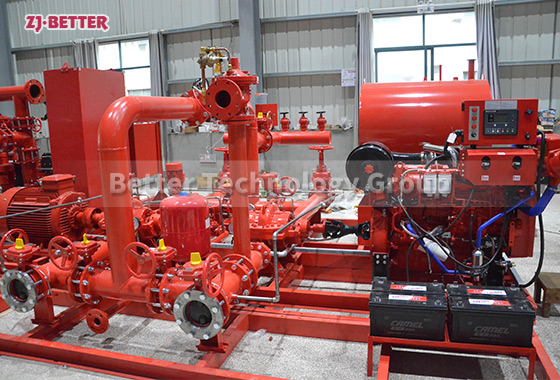
With the advancement of technology, mobile diesel fire pumps are also becoming increasingly intelligent. Modern mobile diesel fire pumps are equipped with intelligent monitoring systems that monitor key parameters such as operating status, fuel level, and pump pressure in real time, allowing for remote start, stop, and adjustment. This intelligent management approach not only improves equipment safety but also reduces manual errors, providing operators with more convenient management.
In summary, diesel-powered mobile fire pumps, with their reliable operation in offline environments, excellent hydraulic performance, high maneuverability, superior durability, and intelligent control systems, have become an indispensable component of modern firefighting systems. Whether facing complex urban fire emergencies or responding to emergencies in remote areas or disaster zones, mobile diesel fire pumps can provide efficient and reliable water sources in the shortest possible time, providing strong support for firefighting efforts. With the continuous advancement of technology, mobile diesel fire pumps will play an increasingly important role in the global fire safety field, providing comprehensive fire protection for various venues.