
Multi-Layer Protection Design for Continuous Operation: Intelligent Fire Pump System Solution
The intelligent fire pump system features energy-saving efficiency, automatic switching, and multiple protection features to ensure a stable water supply during power outages or emergencies. Equipped with dual-drive, intelligent control, and remote monitoring capabilities, it’s suitable for high-rise buildings, factories, warehouses, and commercial complexes, ensuring a continuous, safe, and efficient water supply for modern fire protection systems.
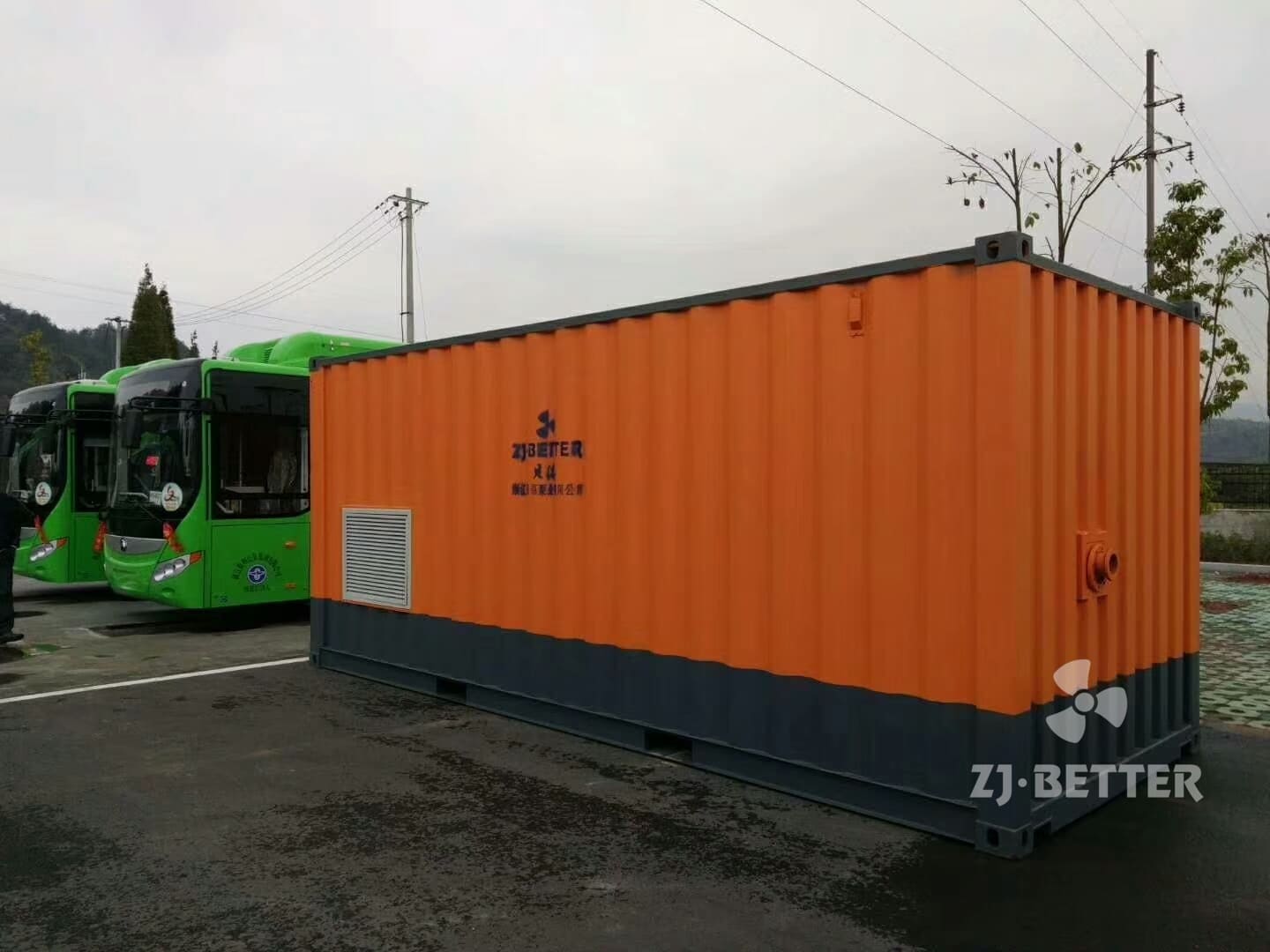
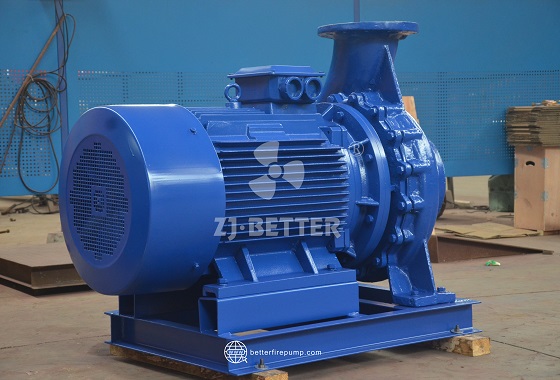
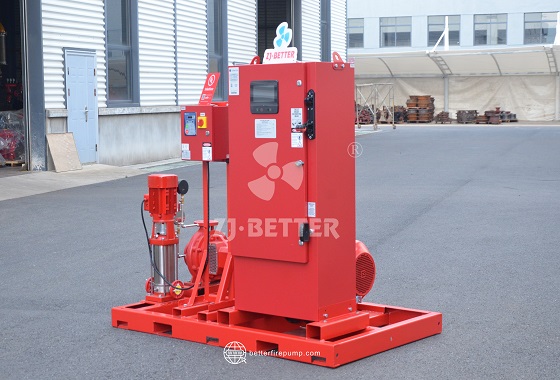
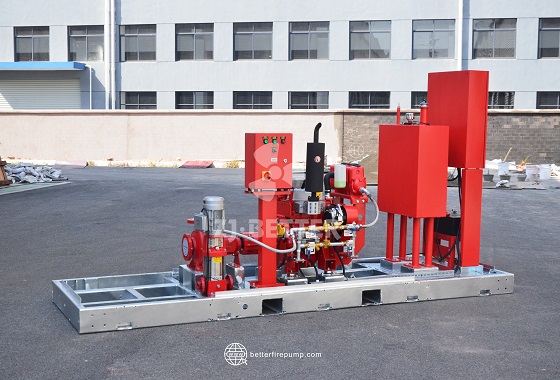
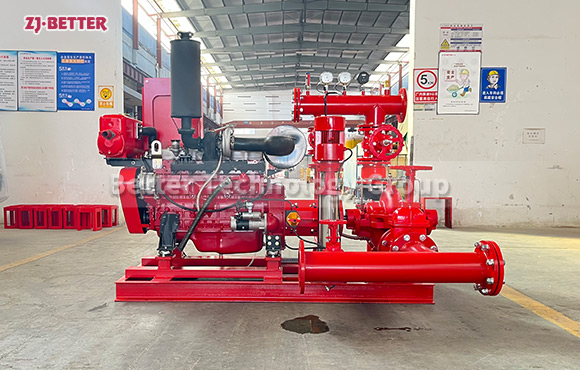
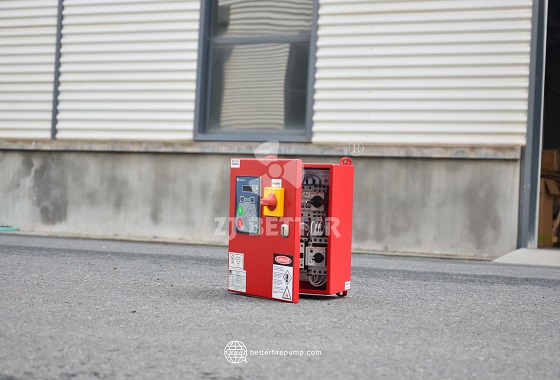
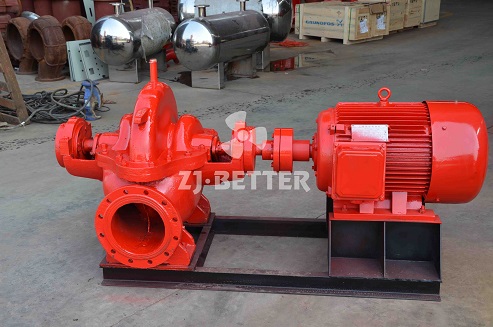
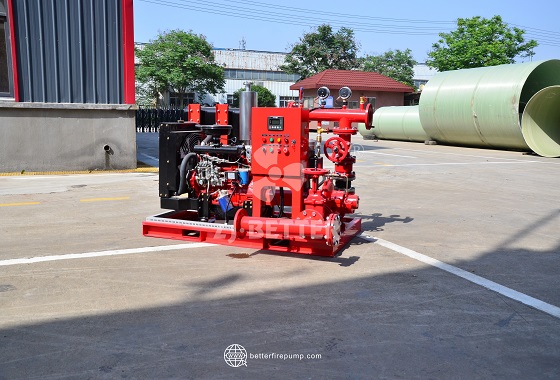
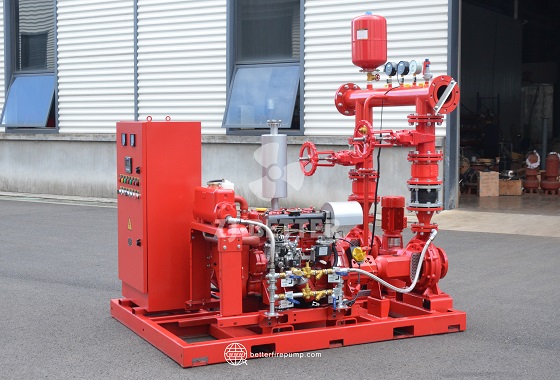
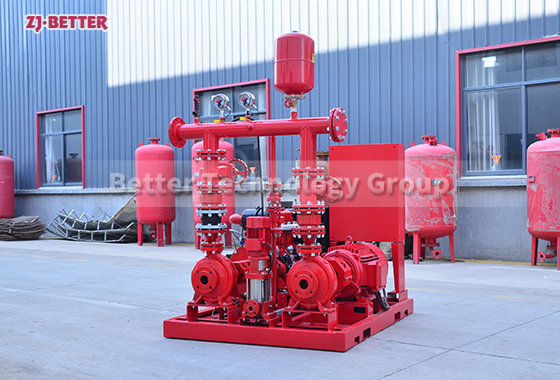
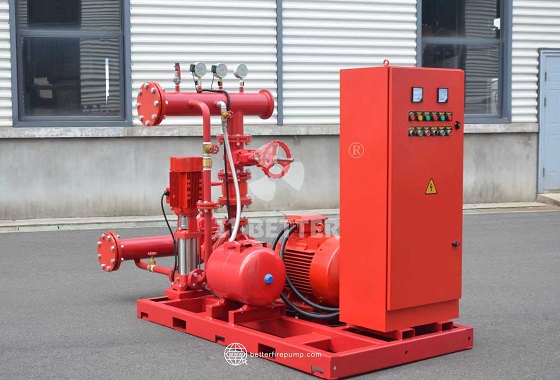
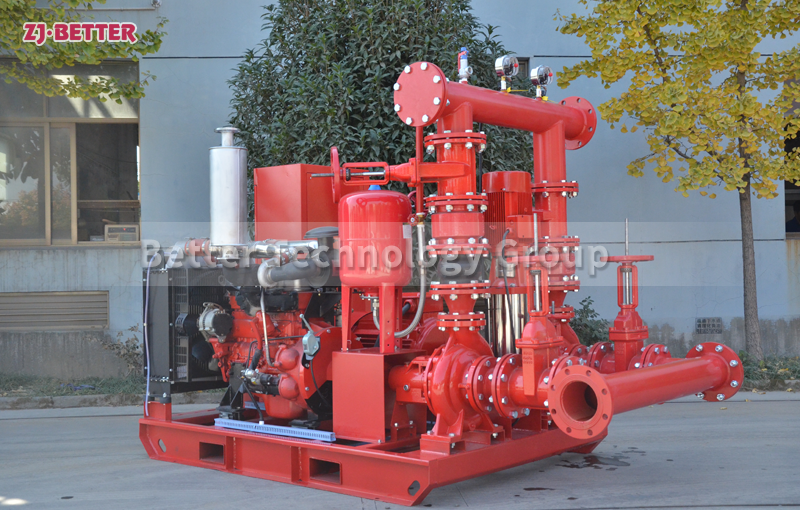
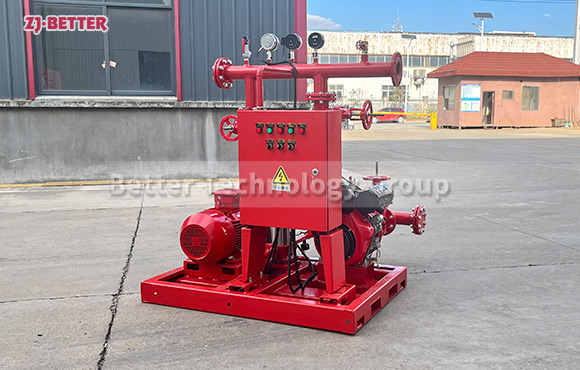
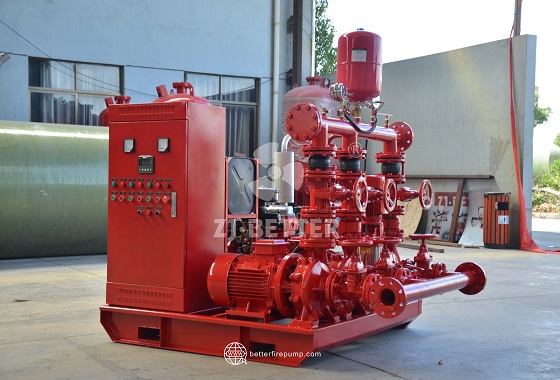
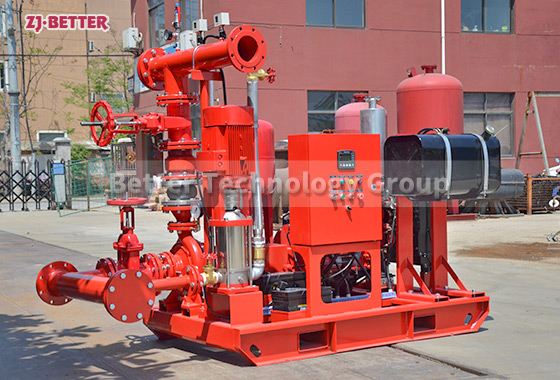
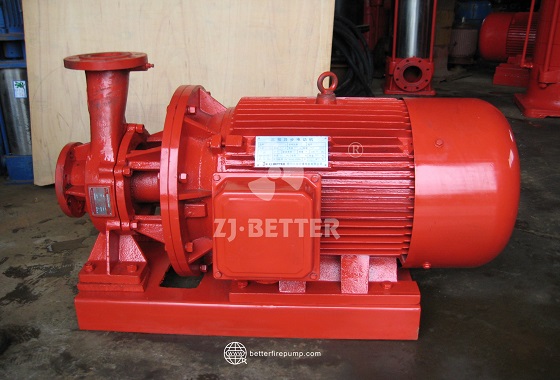
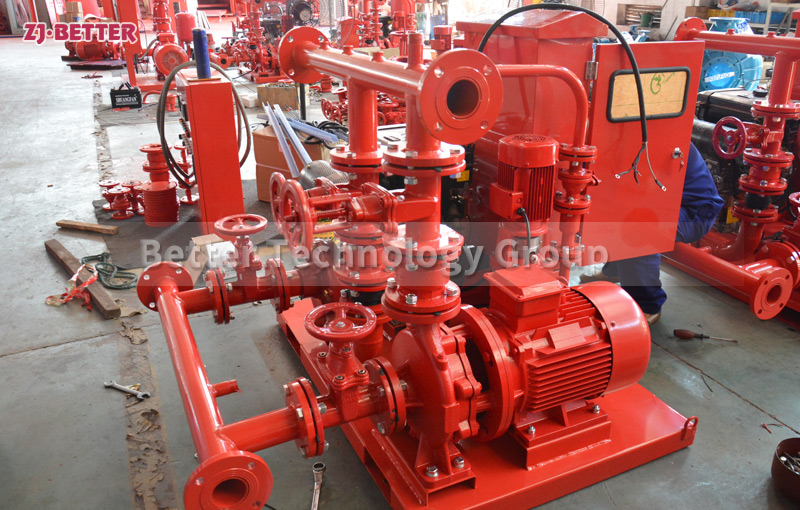
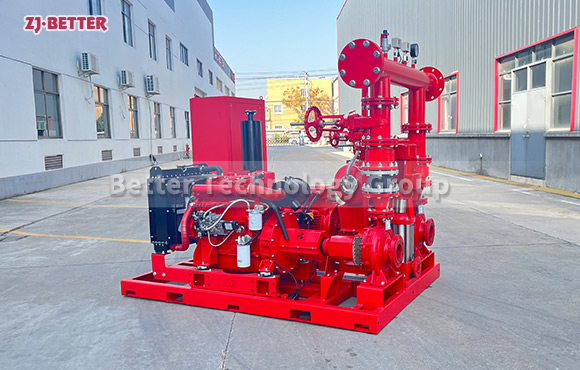
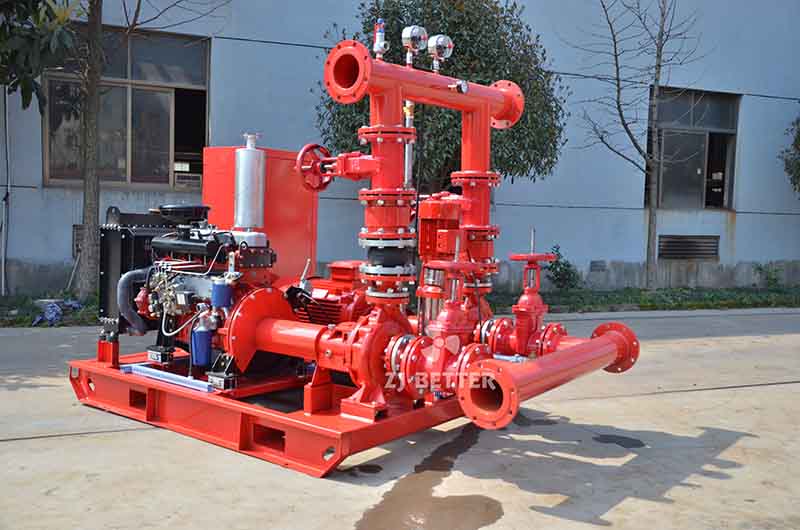
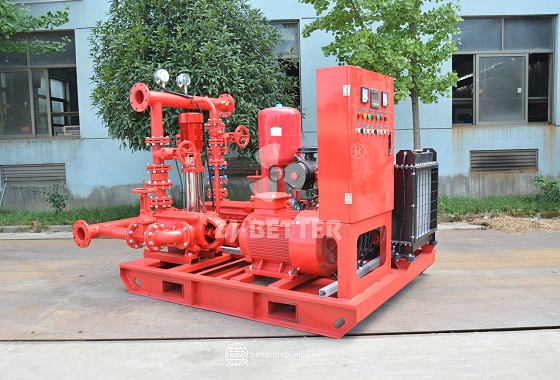
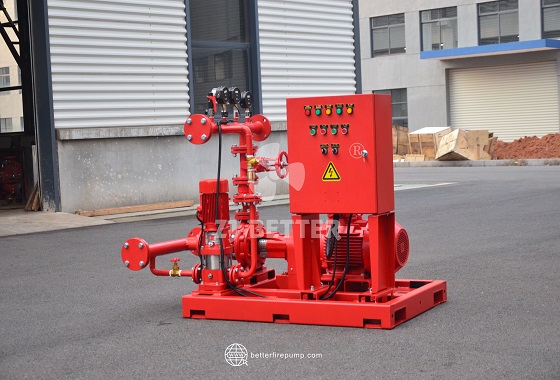
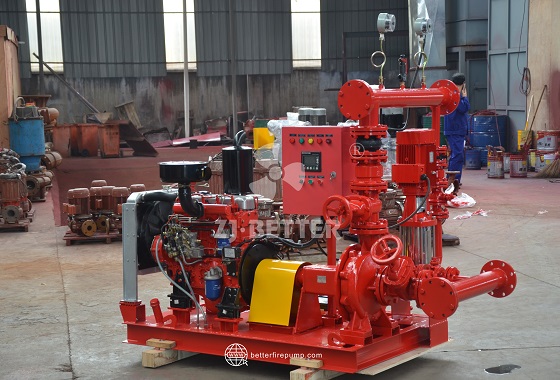
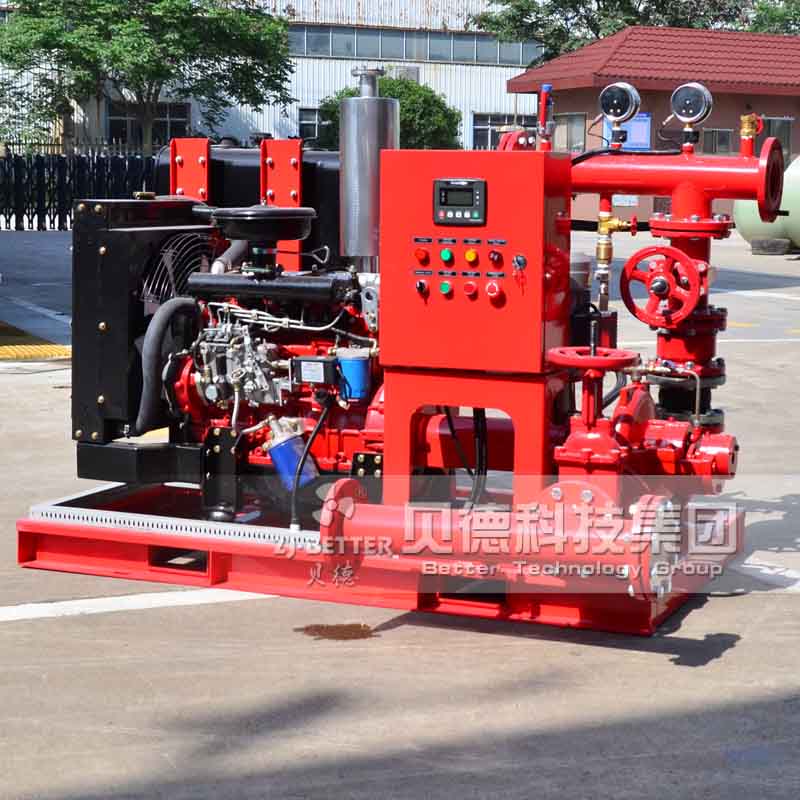
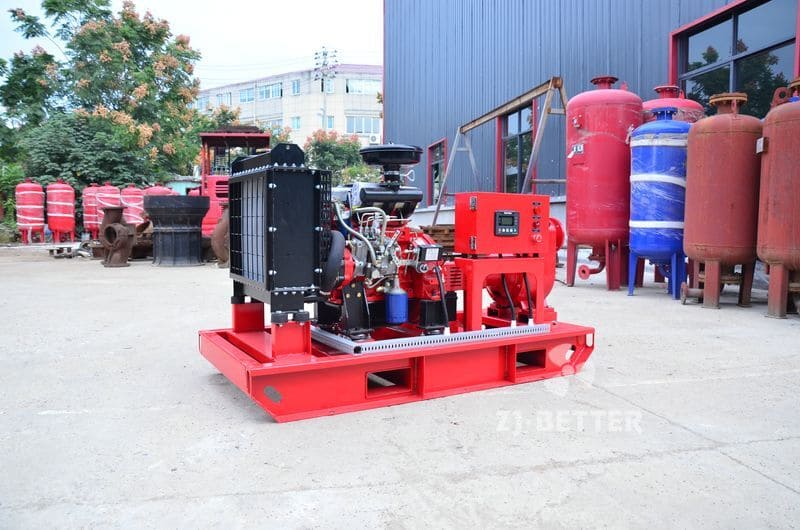
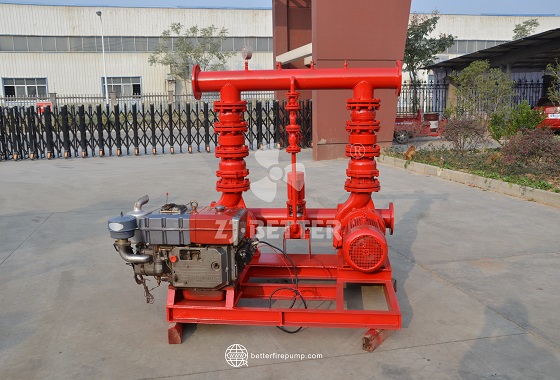
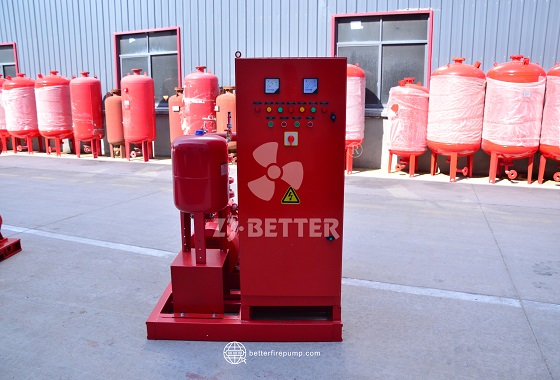
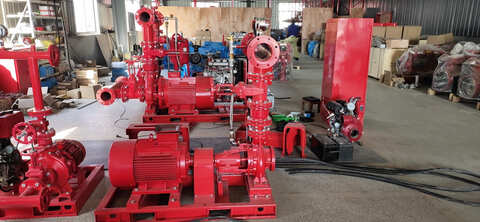
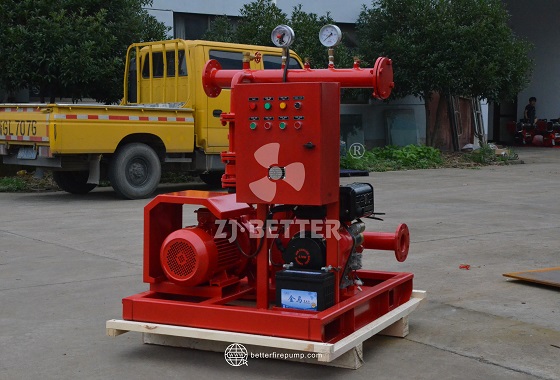
In the context of modern urban construction and industrial development, fire safety has long been a paramount concern for protecting life and property. In many fire protection systems, the fire pump system, as the core water supply equipment, directly determines the emergency response capabilities of the entire fire protection system. Intelligent fire pump systems, with their advanced automatic control technology, multiple power configurations, and efficient hydraulic design, are an ideal choice for addressing various fire risks. Integrating multiple technologies such as electric and diesel dual-drive, automatic control switching, remote monitoring, and energy optimization, these systems not only ensure continuous water supply during power outages and complex environments, but also enable rapid startup and precise pressure control, ensuring stable and efficient fire water supply. Designed with the uncertainties and extreme operating conditions of firefighting scenes in mind, the system incorporates multiple protective structures to ensure safe operation even under prolonged conditions of high temperature, humidity, and vibration. The pump body is constructed of high-strength cast iron or stainless steel, treated with corrosion-resistant and rust-proof treatments, ensuring long-term operation for the transportation of clean water, water with slight impurities, and other industrial media. The high-efficiency impeller, optimized for fluid dynamics, achieves higher head and greater flow output, ensuring robust hydraulic performance with low energy consumption. In addition, the system’s built-in high-precision pressure sensors and flow monitoring modules enable intelligent automatic detection and pressure regulation. When the system detects a drop in pipe network pressure, it automatically starts the fire pump and automatically shuts it down when pressure returns, avoiding energy waste and reducing the need for manual intervention. The control system is a core component of the intelligent fire pump solution. It utilizes programmable logic controller (PLC) technology, coupled with a digital display and manual/automatic mode switching, to monitor key pump parameters such as pump operating status, pressure, flow, and temperature in real time. In the event of a fault, the system automatically generates an alarm and records an operation log, enabling maintenance personnel to promptly troubleshoot the issue. The system also supports a remote monitoring interface, allowing connection to a building automation system (BAS) or fire control center for remote start-up, shutdown, and status monitoring, providing comprehensive fire protection for large buildings, factories, warehouses, and commercial complexes. This intelligent fire pump system offers flexibility and safety in its drive system. Typically configured with a dual-power system consisting of an electric motor and a diesel engine, it operates in electric mode when the utility power supply is normal and automatically switches to diesel power in the event of a power outage, ensuring uninterrupted water supply under all circumstances. The diesel engine utilizes a high-efficiency fuel injection system and air or water cooling to ensure engine stability even under high-temperature, continuous operation. The electric motor utilizes a highly efficient, energy-saving motor with low starting current, high energy efficiency, and low noise, meeting modern energy-saving and environmental standards. The system also features self-priming or vacuum-assisted starting, ensuring rapid water priming even when the pipes are dry, significantly shortening startup time and expediting emergency response. Compared to traditional fire pumps, the intelligent fire pump system offers significant advantages in automation and operational stability. Its automatic switching and self-test functions effectively eliminate the risk of human error, enabling rapid system response even when unattended. The pump unit base utilizes a high-strength welded steel structure, providing excellent vibration resistance and load-bearing capacity. The pump unit’s shock-absorbing pads effectively reduce mechanical noise and vibration, extending its lifespan. All electrical components are dust- and water-resistant, achieving an IP55 or higher protection rating, ensuring reliable operation in humid, dusty, and outdoor environments. Regarding maintenance, the intelligent fire pump system boasts a simple design with all key components strategically located for easy access and maintenance. The system features multiple built-in safety features, including over-temperature protection, low oil pressure alarm, water shortage shutdown, and anti-reverse protection, ensuring equipment protection against damage even under extreme operating conditions. Its modular structure also allows for greater scalability, allowing for flexible configuration of booster pumps, pressure-stabilizing pumps, or sprinkler pumps to meet user needs, creating an integrated fire water system solution. Whether in high-rise buildings, underground parking lots, airports, docks, or large-scale storage centers, this system provides stable and continuous fire water supply, meeting the firefighting needs of various scales and applications. From an energy efficiency perspective, the intelligent fire pump system utilizes closed-loop pressure control and variable frequency drive technology to achieve precise power output management, automatically adjusting the pump speed under varying loads, reducing energy waste and extending equipment life. Furthermore, it dynamically adjusts operating modes based on water consumption, reducing operating noise and system impact, significantly improving system economics and environmental performance. Certified by multiple international standards, the system complies with fire system design specifications and building safety requirements, making it suitable for a wide range of applications, including industrial, commercial, residential, and infrastructure projects. Overall, the intelligent fire pump system, with its high efficiency, reliability, intelligence, and energy-saving features, represents the future of modern firefighting technology. It’s more than just a pump; it’s a comprehensive safety system integrating automatic monitoring, emergency response, energy management, and remote control. In emergencies like fires, it responds quickly, providing a stable and sufficient supply of firefighting water. In daily operation, it optimizes energy consumption to maintain efficient system operation. This perfect combination of multiple protections and intelligent control makes it an indispensable core device for ensuring fire safety in modern buildings.