Advantages of Single-Cylinder Diesel Power Units in Emergency Fire Pump Starting
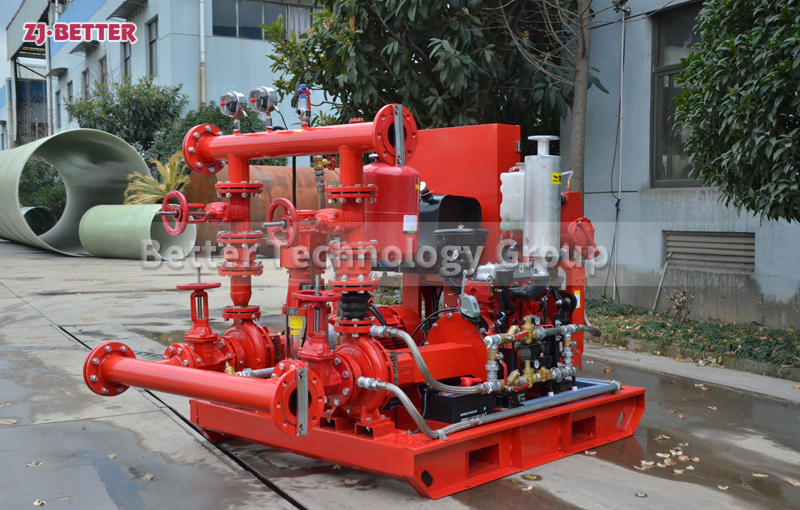
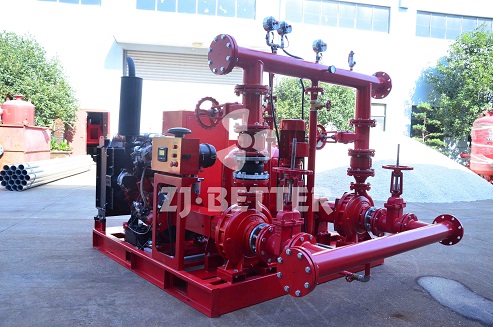
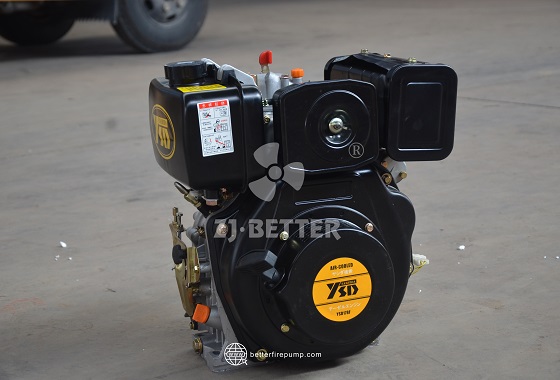
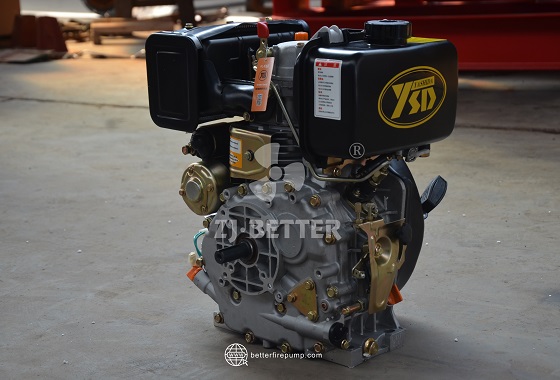
High-performance single-cylinder diesel power unit for fire pump emergency start, offering fast response, strong torque, high reliability, and excellent durability for critical safety applications.
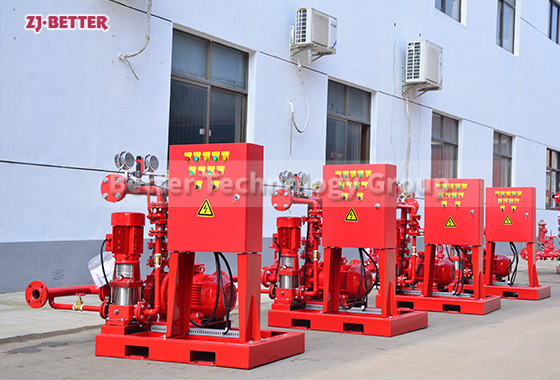
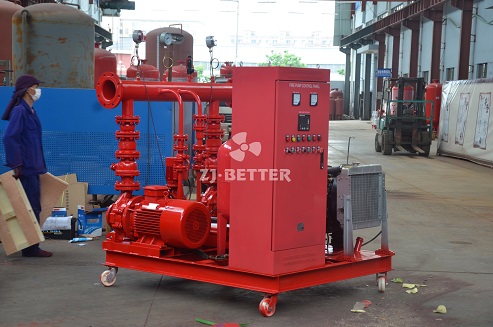
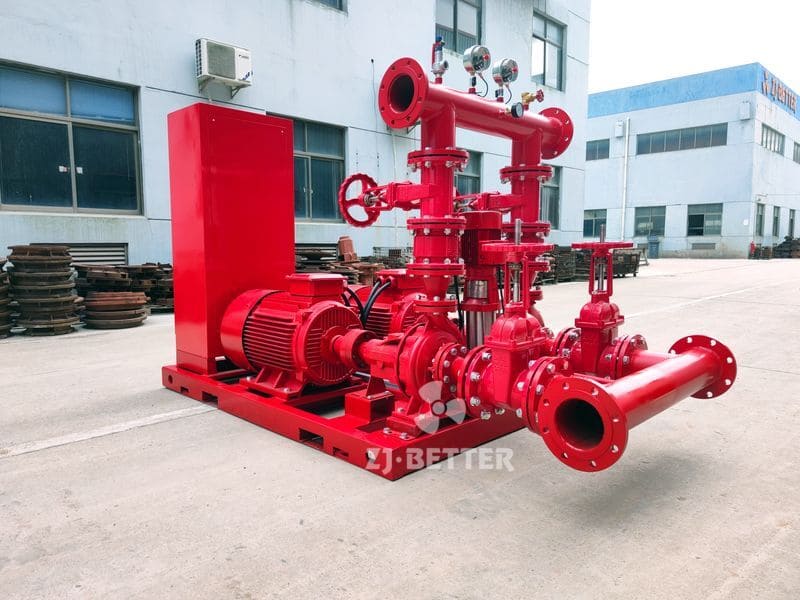
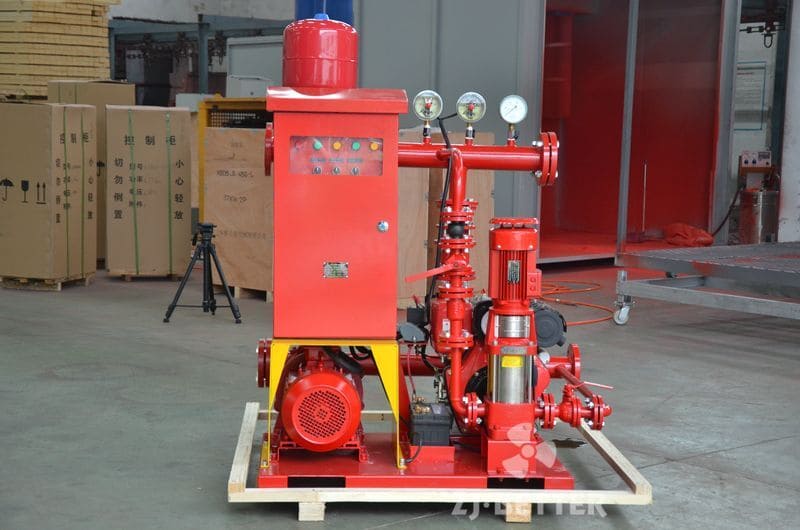
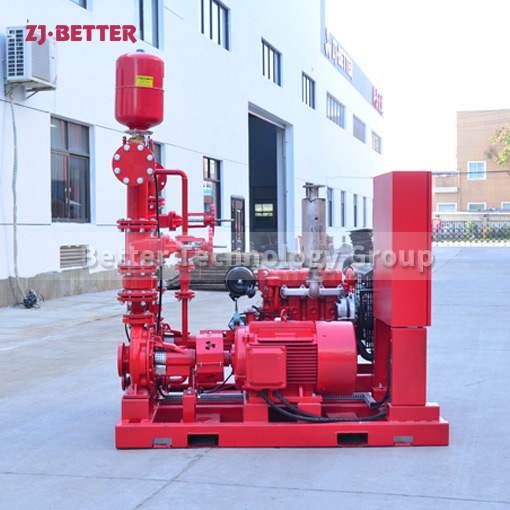
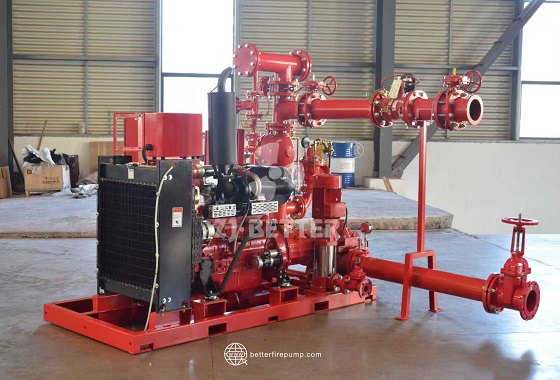
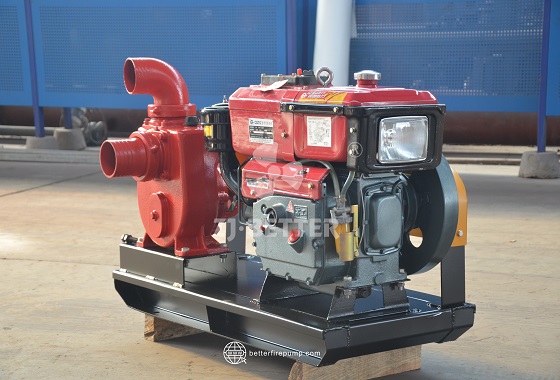
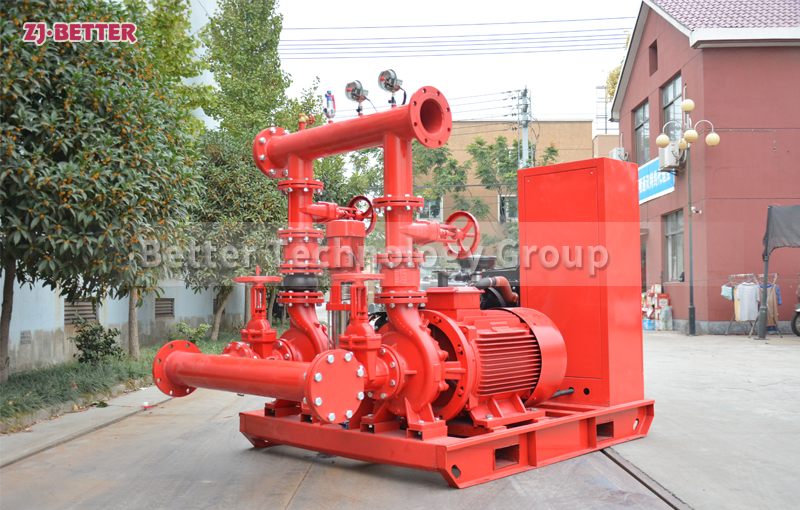
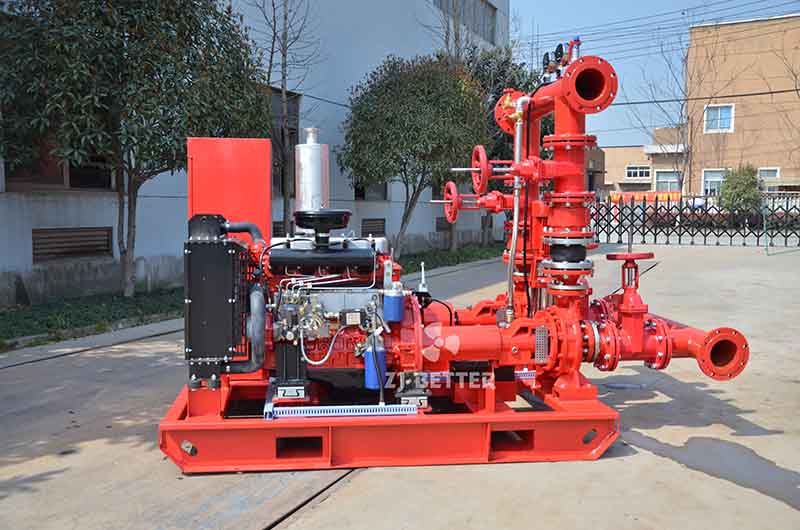
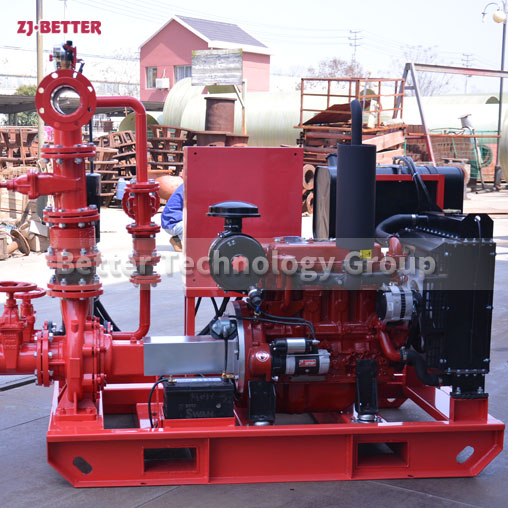
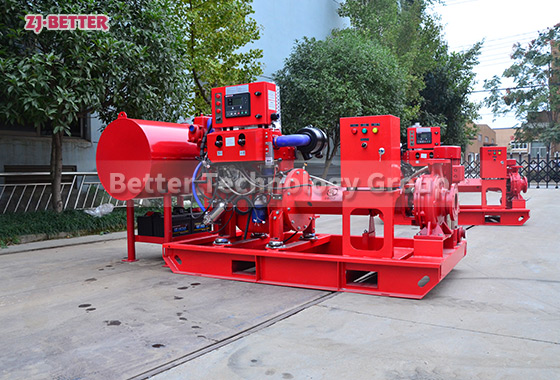
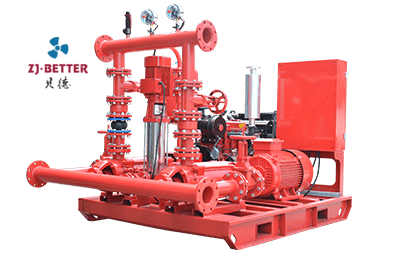
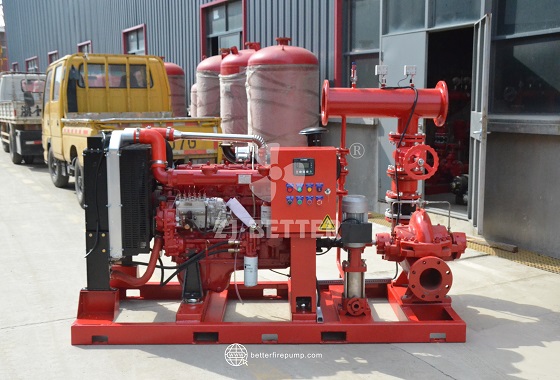
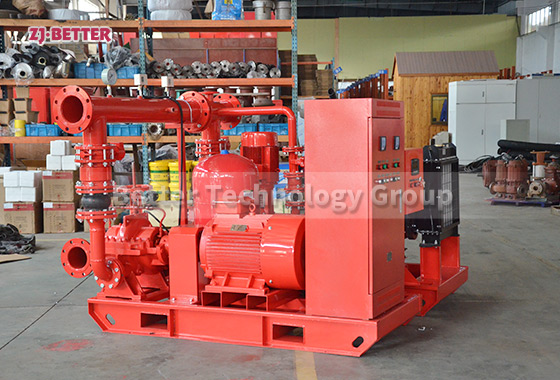
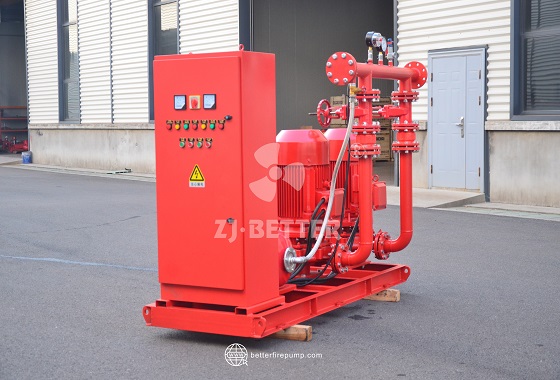
The advantages of single-cylinder diesel power units in emergency starting of fire pumps are reflected in their compact structure, stable power output, high starting reliability, and adaptability to various extreme working conditions, making them an indispensable power source for many emergency fire protection systems. As an independent power core for driving fire pump startup, this type of unit achieves rapid response and continuous output through the mechanical advantages of a single-cylinder diesel engine. Especially in situations of mains power outages, insufficient power supply, or emergencies, it can be put into operation in a very short time, providing sufficient torque and stable speed to the fire pump, ensuring that the hydraulic system quickly builds pressure at critical moments. Its internal high-pressure fuel injection system results in higher combustion efficiency and faster power response. Even in low-temperature, humid, or dusty environments, it maintains stable ignition and operation, greatly improving the reliability of the entire fire protection system under extreme conditions. Another prominent advantage of the single-cylinder design is its simple structure, low maintenance cost, and significantly lower failure rate compared to complex multi-cylinder structures. Users can significantly reduce maintenance costs during long-term use. Furthermore, the fewer components and shorter mechanical transmission path reduce wear points and significantly extend the overall lifespan. Furthermore, single-cylinder diesel power units offer excellent fuel economy, with relatively low fuel consumption, making them suitable for prolonged standby or frequent start-up applications. This is particularly crucial for fire protection systems that require extended standby time and can be deployed at any time. These units are typically equipped with manual, electronic, or electromagnetic start-stop systems, enabling rapid ignition and starting. The versatility of operation provides greater flexibility in complex emergency environments, such as allowing for successful mechanical starting even without external power. To achieve stronger starting torque for the fire pump, single-cylinder diesel power units often employ high-strength connecting rods, high compression ratio designs, and optimized airflow intake and exhaust structures, resulting in more direct and abundant power output. This makes them particularly suitable for driving fire pump systems under high-load start-up conditions. The engine block utilizes high-temperature and impact-resistant metal materials, and precision casting processes ensure rigidity and internal structural stability, helping to reduce performance degradation caused by vibration during long-term operation. External shock-absorbing structures, rubber supports, and vibration-damping bases further reduce noise, resulting in smoother overall operation. To meet the fire protection needs of industrial and commercial buildings, municipal facilities, warehousing and logistics, and remote areas, single-cylinder diesel power units typically possess excellent environmental adaptability. Through air cooling or forced air cooling structures, they ensure efficient heat dissipation even under severe heat buildup, eliminating the need for additional water cooling systems and dependence on a stable water supply. This makes them particularly effective in harsh construction sites, mountainous areas, or environments without fixed foundations. Compared to multi-cylinder engines, single-cylinder diesel power units are smaller and lighter, allowing for flexible installation on various fire pump units, including stationary pump stations, mobile fire pump trucks, portable pump sets, or field emergency equipment. Their miniaturization not only reduces transportation and installation costs but also allows maintenance personnel to quickly disassemble, inspect, and replace parts, significantly reducing equipment downtime and ensuring the fire protection system remains in optimal emergency condition at all times. Single-cylinder diesel power units also offer significant improvements in noise control. By optimizing the combustion chamber shape, improving the injection angle, and using high-density sound insulation materials, operating noise is further reduced, enhancing the comfort of the working environment. With the widespread application of intelligent control systems, modern single-cylinder diesel power units are gradually equipped with intelligent monitoring and automatic protection functions. They can monitor speed, oil pressure, water temperature (if equipped with a cooling system), vibration, and emissions in real time, automatically shutting down or triggering an alarm in case of abnormalities, effectively preventing operational failures from escalating and paralyzing the entire fire protection system. Furthermore, they feature overload protection, low oil pressure protection, low fuel warning, and automatic idle speed adjustment, allowing them to remain in a safe standby state for extended periods even without human intervention, meeting the requirements of urban fire protection systems. These power units exhibit outstanding durability, employing wear-resistant alloy piston rings, reinforced crankshafts, imported bearings, and a high-temperature oxidation-resistant lubricating oil system, enabling them to withstand high loads for extended periods without damage. This reliability is particularly valuable for applications like fire protection systems, which require long-term standby but must operate normally in critical situations. Simultaneously, single-cylinder diesel power units can adapt to different grades of diesel fuel, maintaining normal operation even in remote areas or resource-limited environments, avoiding the problem of equipment failure due to fuel constraints. Overall, the value of single-cylinder diesel power units in the emergency startup of fire pumps lies not only in their rapid and reliable power output, but also in the highly stable, easy-to-maintain, adaptable, and economical solution they provide. This ensures immediate operation during fires, floods, or other emergencies, providing direct power support for establishing strong water pressure in fire pumps and protecting lives and property. Whether applied to large fire stations, industrial parks, municipal water supply pump stations, agricultural irrigation emergency backup systems, or mobile rescue equipment, this power unit, with its high reliability and wide compatibility, has become a core component of emergency systems and a crucial power source ensuring that fire-fighting equipment performs at its maximum effectiveness in critical moments.
-2.jpg)