Fire Pump Control Systems Enable Automatic Operation Management of Main and Jockey Pumps
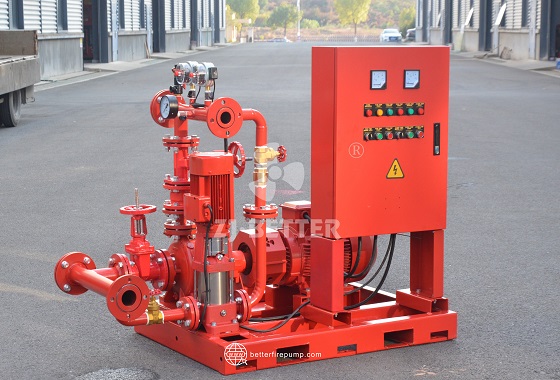
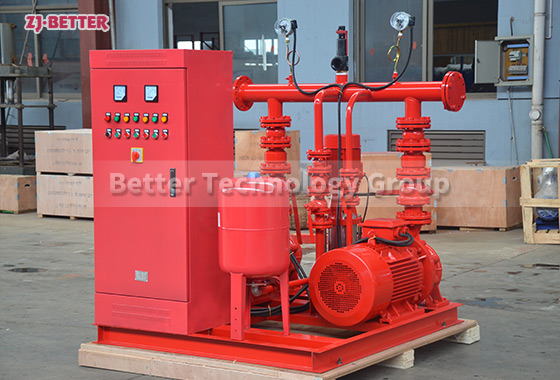
The fire pump control system integrates the electric main pump, stabilized pump, intelligent control cabinet, pressure sensor and complete set of pipeline accessories to realize automatic operation management of the main pump and stabilized pump. It has the advantages of automatic pressure maintenance, centralized control, operation monitoring and engineering adaptation. It is widely used in commercial buildings, industrial plants, warehousing logistics and various fixed fire water supply systems, providing efficient and complete automatic control solutions for fire protection projects.
In modern fixed fire water supply systems, fire pumps are not only responsible for water supply when a fire occurs, but are also very important for pressure maintenance, equipment monitoring and operation management in daily standby conditions. The fire pump control system centrally configures the electric main pump, voltage stabilizing pump, control cabinet, pressure sensor, pressure gauge and related pipeline accessories to realize automatic operation management between the main pump and the voltage stabilizing pump, and provides a more complete fire water supply control solution for commercial buildings, industrial plants, warehousing and logistics, hospitals, schools and various public facilities. The complete system adopts a centralized control method, which can coordinate and manage different pump groups according to the pressure changes of the fire protection pipe network, so that the equipment can always maintain a good standby state and improve the management efficiency and operation convenience of the entire fire protection water supply system.
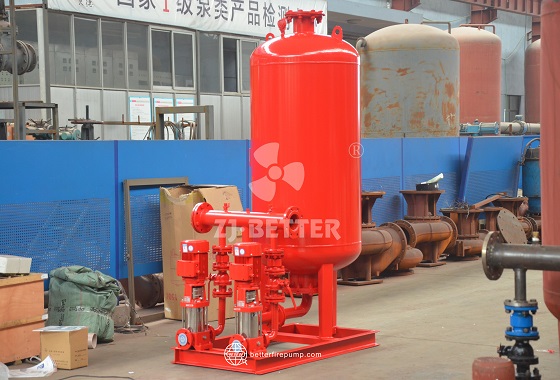
The core advantage of the fire pump control system lies in its automated operation and management capabilities. The system continuously monitors the pressure of the fire pipe network through pressure sensors. When the pipe network experiences a pressure drop due to small leaks, temperature changes or normal pressure fluctuations, the control cabinet can start the pressure stabilizing pump to compensate for pressure according to the set logic, so that the fire pipe network returns to the preset pressure range. The pressure-stabilizing pump is usually responsible for daily pressure maintenance tasks. Its flow rate is relatively small, and its lift is higher than that of the main fire pump. It can effectively reduce the frequent starting of the main fire pump due to slight pressure changes, and help maintain the long-term stable standby of the fire protection system.
When the fire protection system has actual water supply demand or receives a fire start signal, the control system can automatically start and manage the main fire pump, so that the main pump quickly enters the working state and provides continuous fire water supply for the fire hydrant system, automatic sprinkler system and other fixed fire extinguishing facilities. The control cabinet integrates manual and automatic operation modes. Operators can perform on-site control according to project management needs. At the same time, the system also has functions such as operating status display, equipment start and stop instructions, and fault information prompts, which facilitates daily inspections and equipment maintenance, and improves the standardization of fire equipment management.
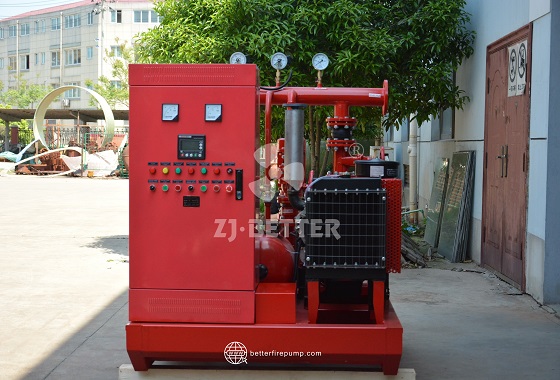
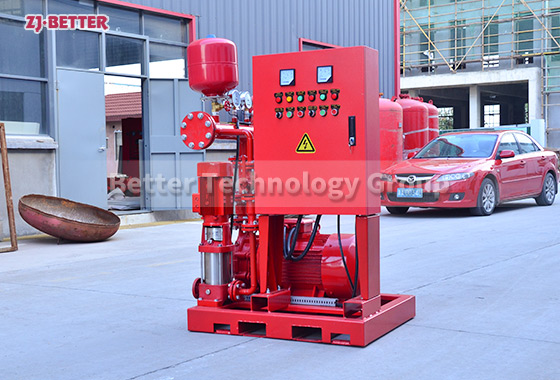
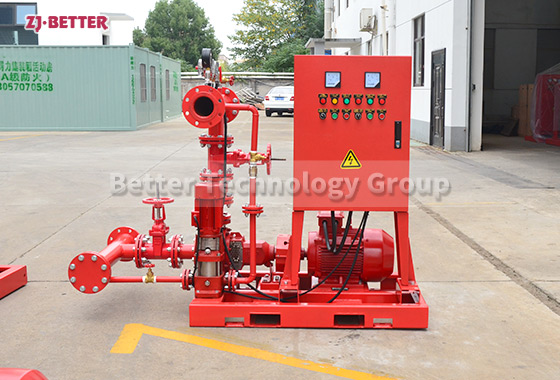
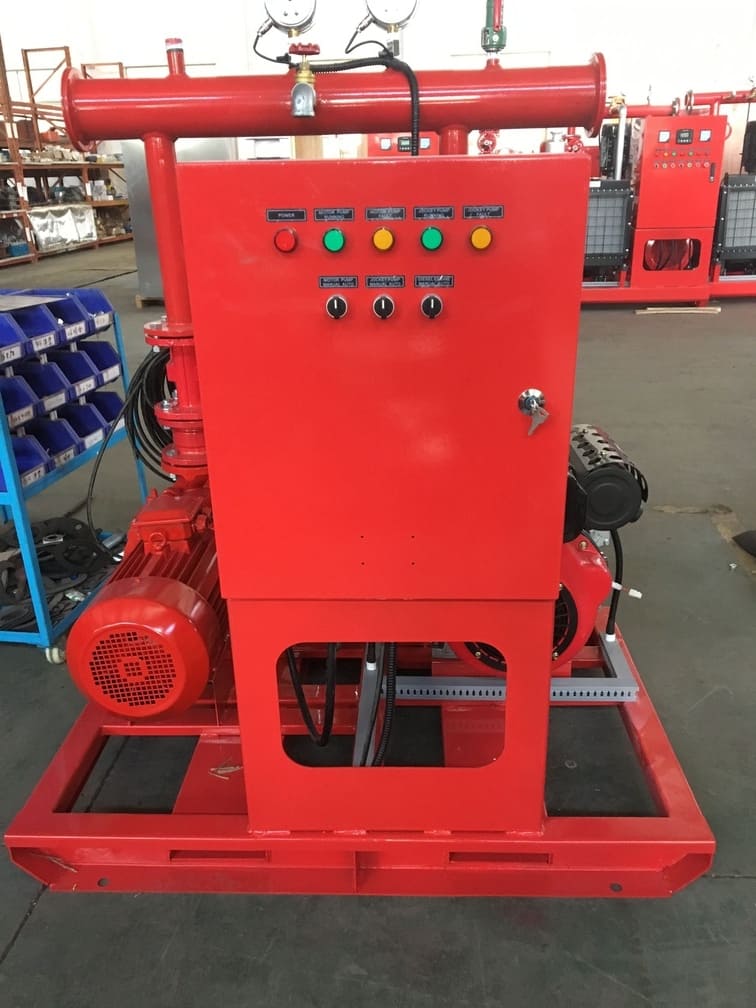
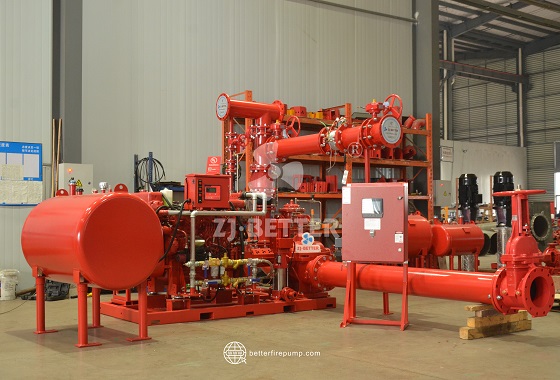
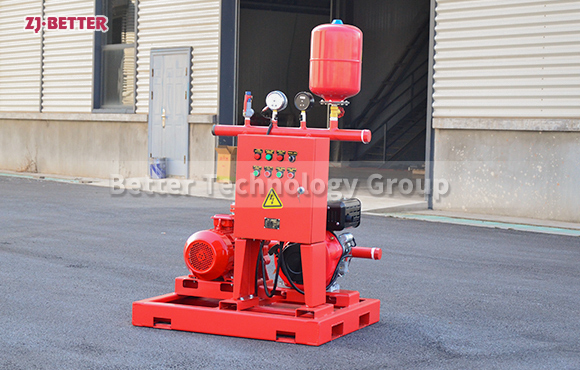
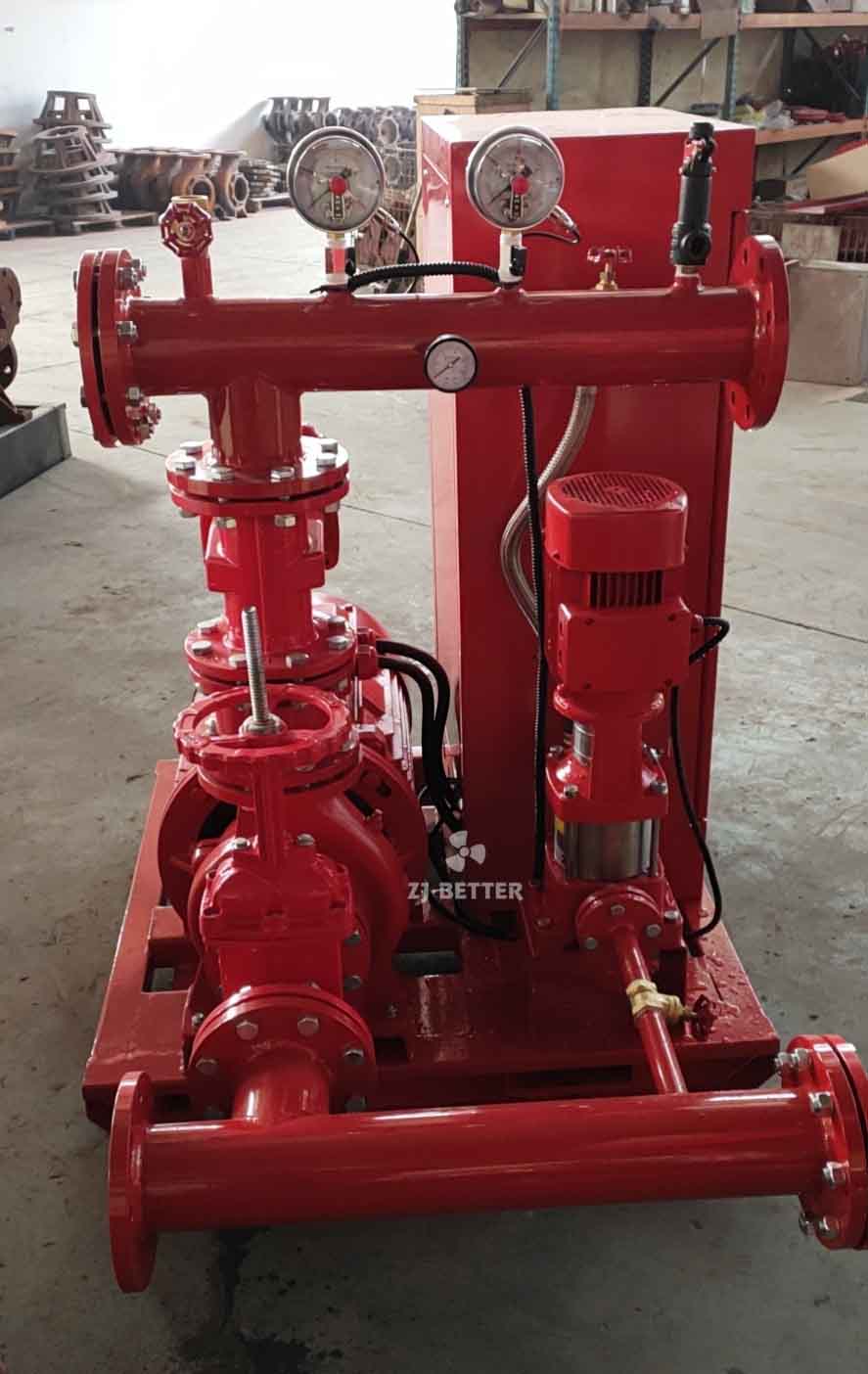
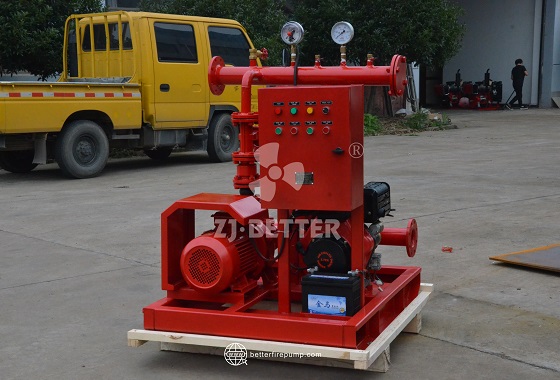
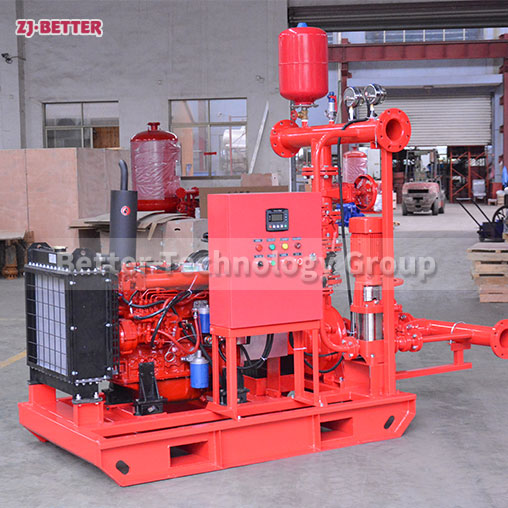
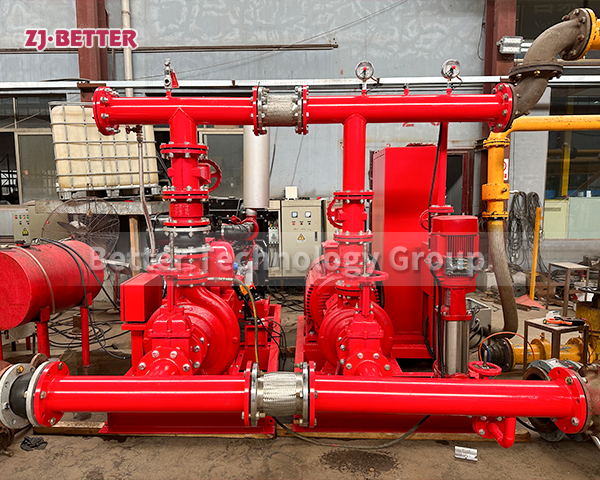
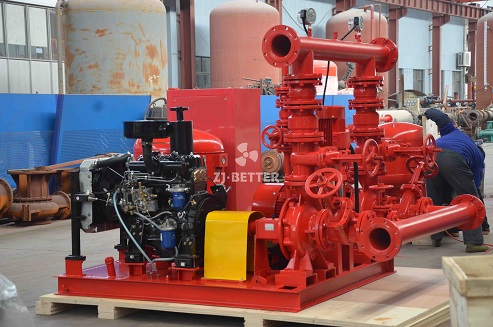
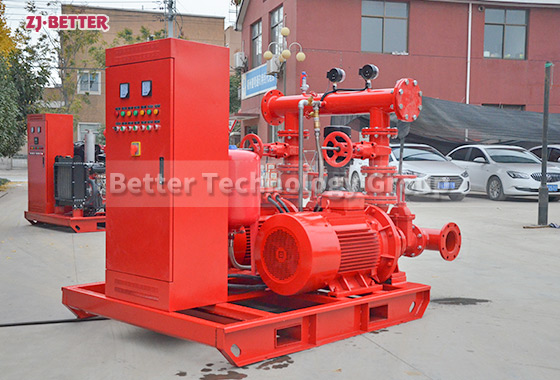
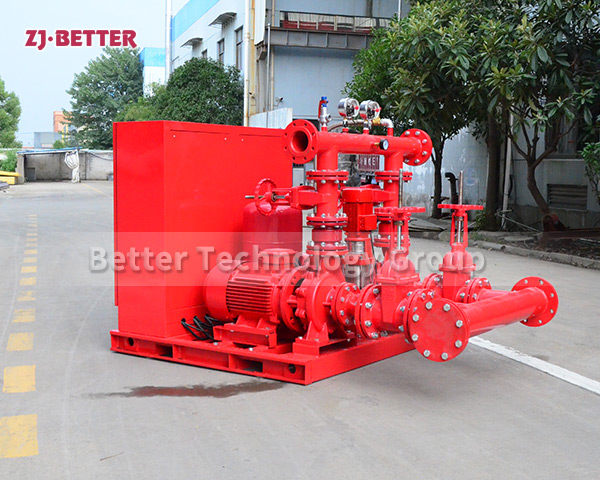
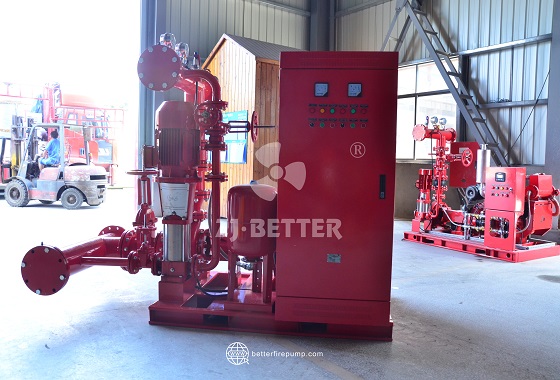
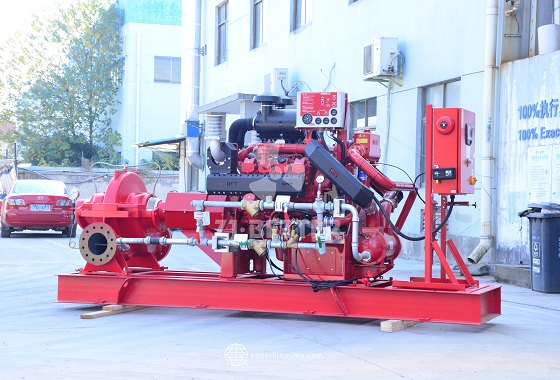
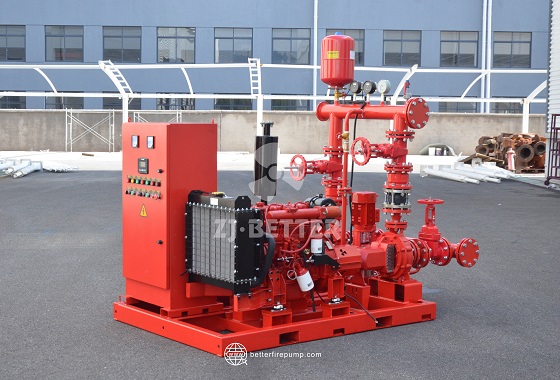
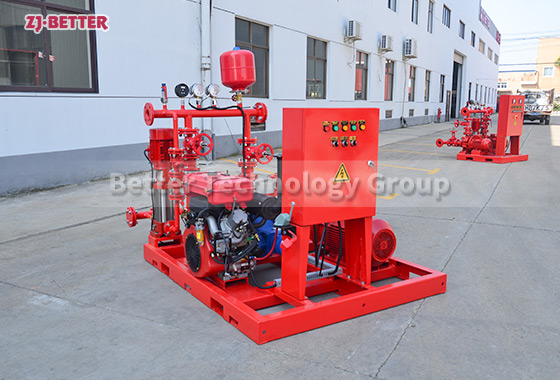
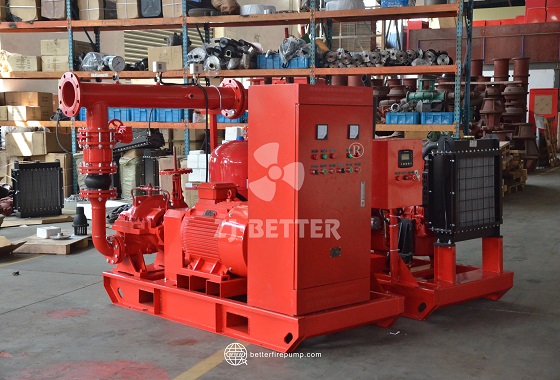
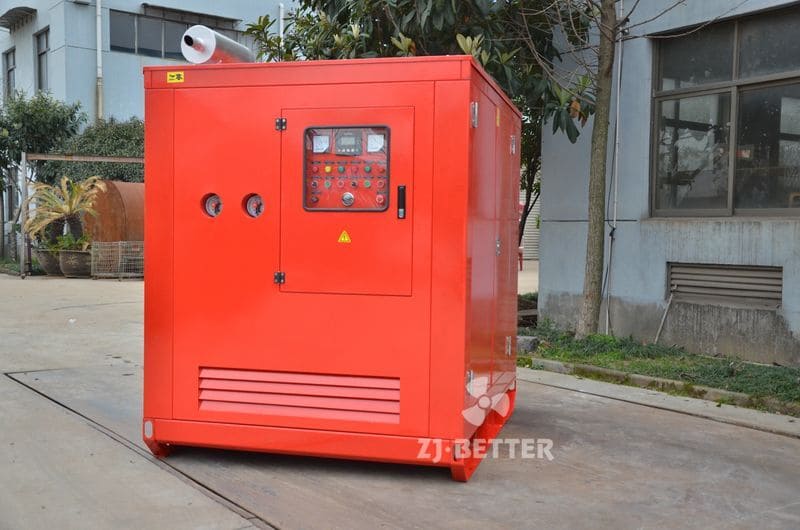
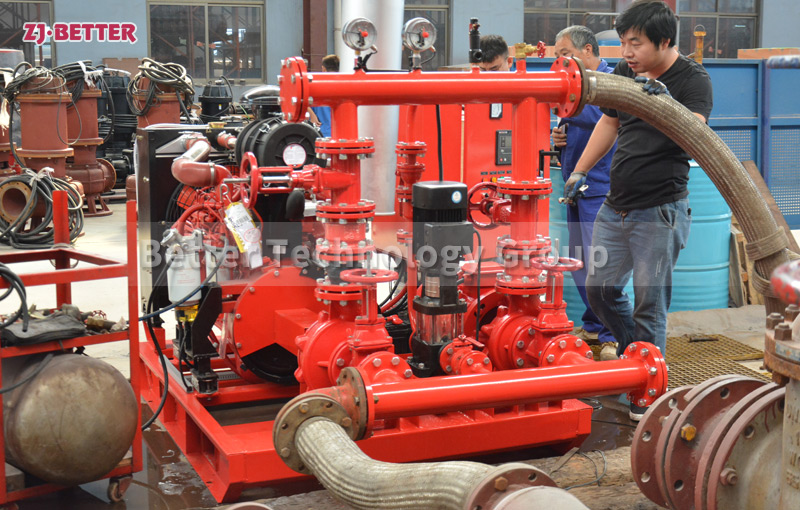
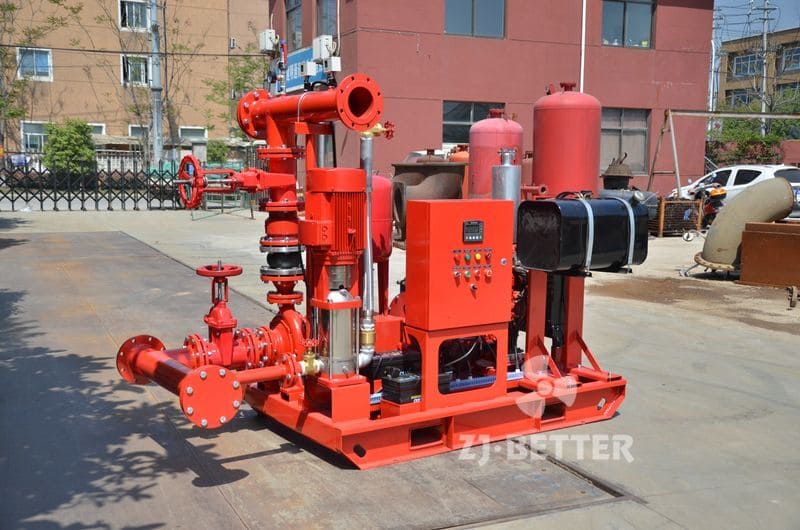
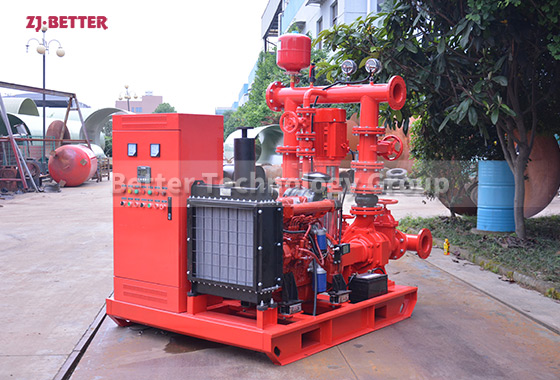
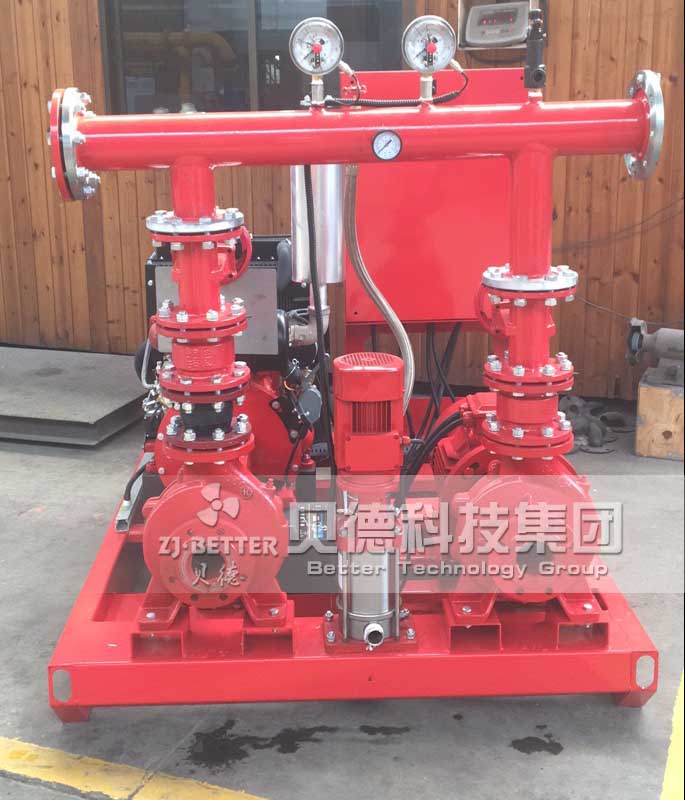
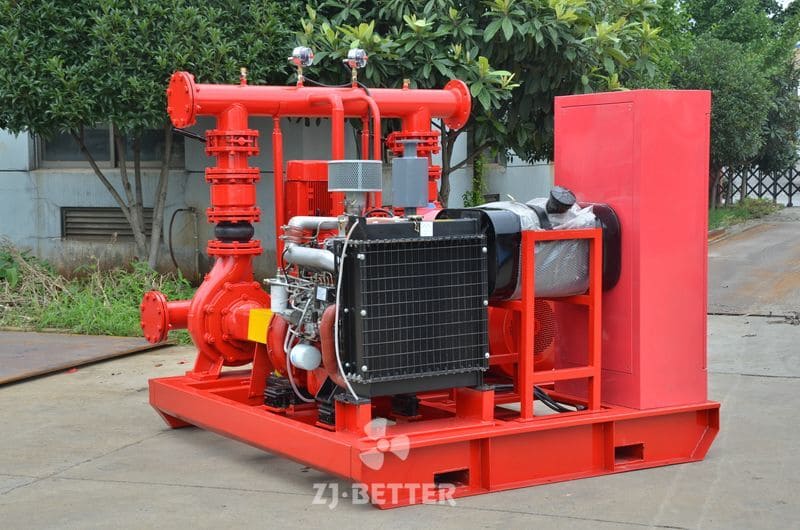
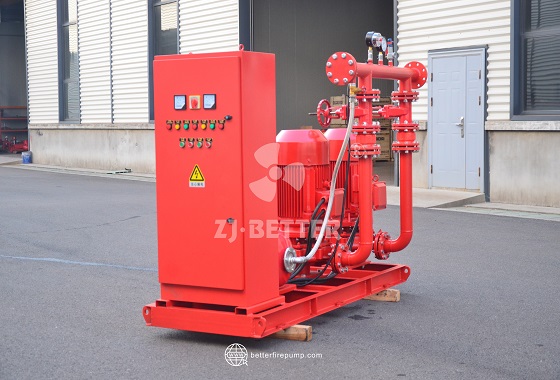
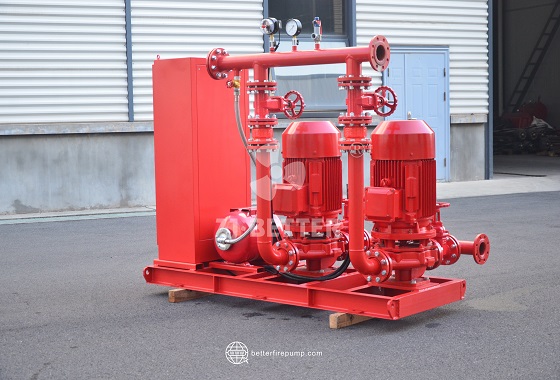
In terms of structural design, the fire pump control system adopts an integrated layout. The control cabinet, main fire pump, pressure stabilizing pump, pressure tank, valve assembly and public pipelines are installed on a unified base. The overall structure is compact and the connections between the equipment are clearer, which is conducive to on-site installation, debugging and later maintenance. Public suction pipes, public discharge pipes, check valves, gate valves, flexible joints and flanges and other supporting accessories can be combined and configured according to project requirements, so that the entire fire water supply equipment has high system integrity and can adapt to the installation requirements of different building fire protection projects.
As an important management center for the entire equipment, the control cabinet can centrally control the main pump and voltage stabilizing pump, and monitor the operating status of the equipment in real time. The system can display pressure, power supply and pump unit operation information, and also has overload, over-current and other protection functions. When the equipment encounters abnormal operating conditions, it can issue alarm prompts in time, help managers find equipment operation problems in a timely manner, and provide a more intuitive management basis for the daily maintenance of the fire water supply system. For fire protection projects that need to be on standby for a long time, the centralized control method can reduce the operational complexity caused by decentralized management of multiple devices and improve the overall operation and management efficiency.
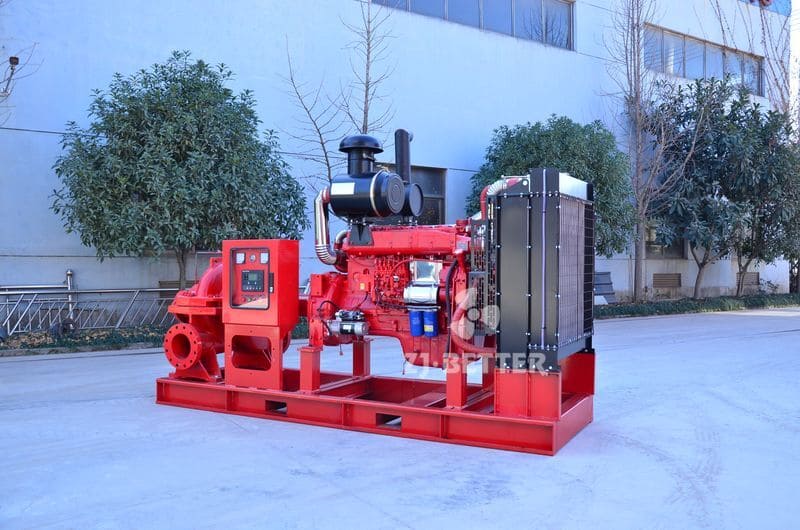
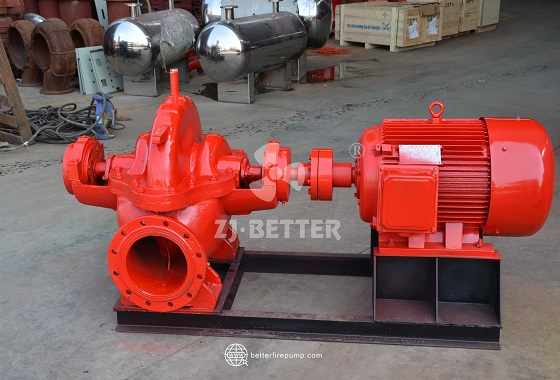
The fire pump control system also has good engineering adaptability. It can select different specifications of electric main pumps, stabilized pumps and control methods according to different fire protection projects, and supports end-suction pumps, horizontal double-suction pumps, multi-stage pumps and other fire pump type combinations to meet different flow rates, lifts and building fire protection design requirements. For application scenarios such as commercial complexes, high-rise office buildings, industrial parks, storage centers and public infrastructure, complete configurations can be carried out according to the scale of the fire protection system to achieve more flexible equipment selection and engineering applications, and provide a stable automatic operation management basis for fixed fire protection water supply systems.
In addition, a clear functional division of labor is formed between the pressure stabilizing pump and the main pump. The pressure-stabilizing pump is responsible for maintaining the daily firefighting pipe network pressure, and the main firefighting pump is responsible for the actual firefighting water supply task. The control system unifies and coordinates the operation logic so that different equipment can be put into work according to set conditions. Such an automatic operation management method not only improves the overall coordination of the fire protection system, but also facilitates equipment maintenance personnel to conduct unified inspections, parameter management and operation records, providing a more standardized equipment control basis for long-term fire protection facility management.
Overall, the fire pump control system achieves unified and coordinated operation of fire water supply equipment through automatic operation management of main pumps and pressure-stabilizing pumps, centralized control cabinets, pressure monitoring devices and complete sets of pipeline accessories. Its product advantages are mainly reflected in automatic pressure maintenance, centralized equipment management, clear operation logic, convenient on-site installation and good engineering adaptability. It can be widely used in industrial, commercial and various fixed fire water supply projects to provide stable and efficient equipment operation and management support for fire protection systems.