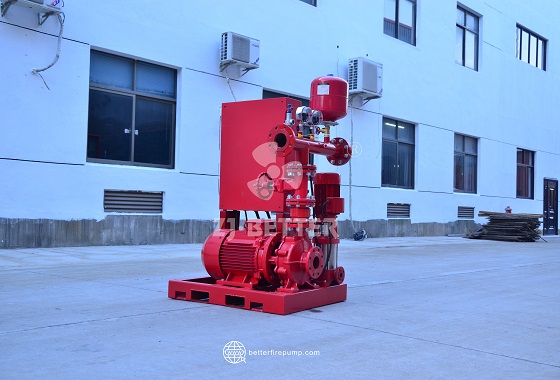
Compact Pressure Stabilizing Fire Pump Systems for Space-Limited Pump Rooms
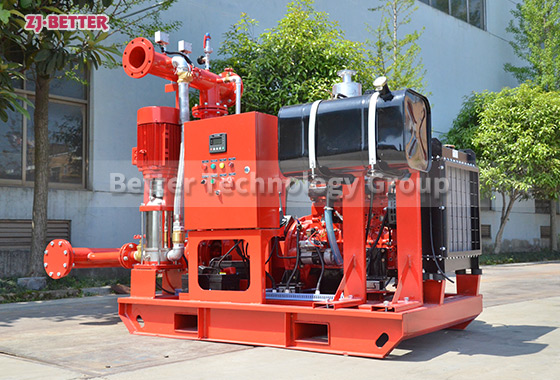
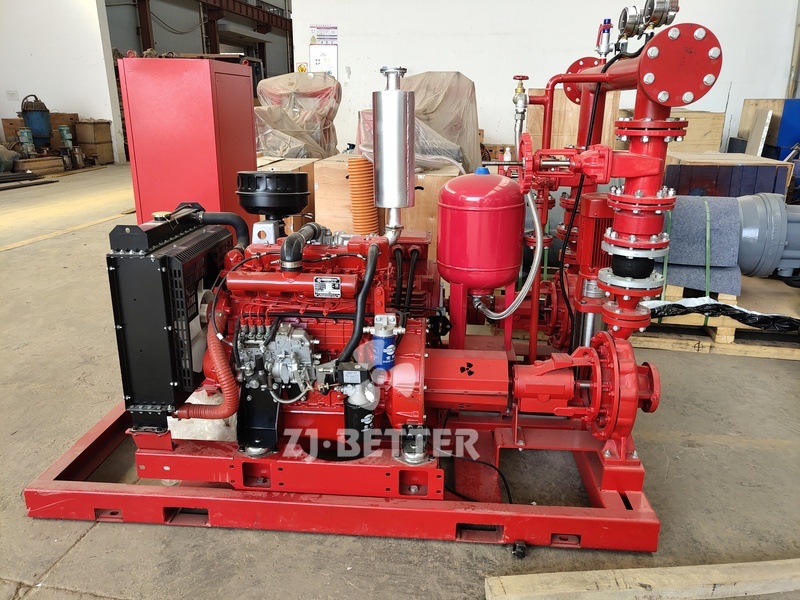
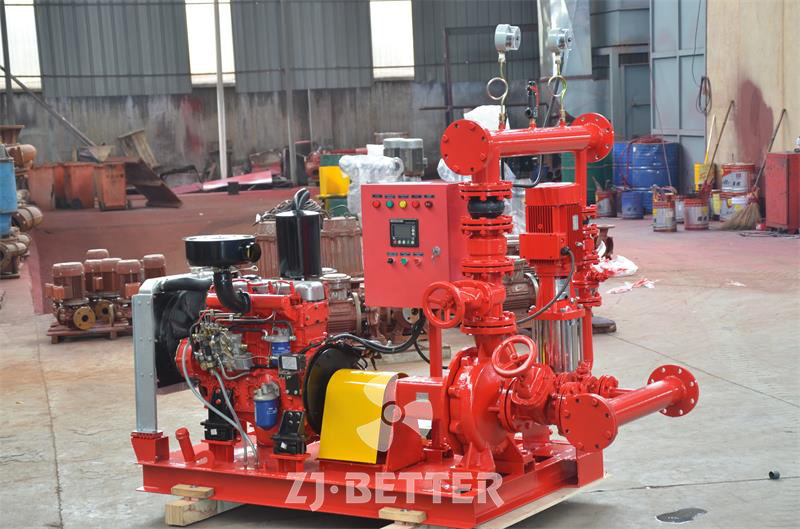
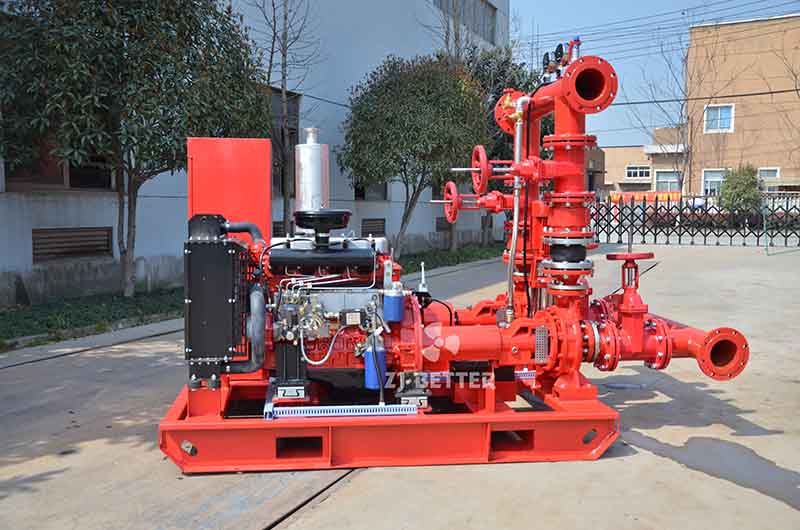
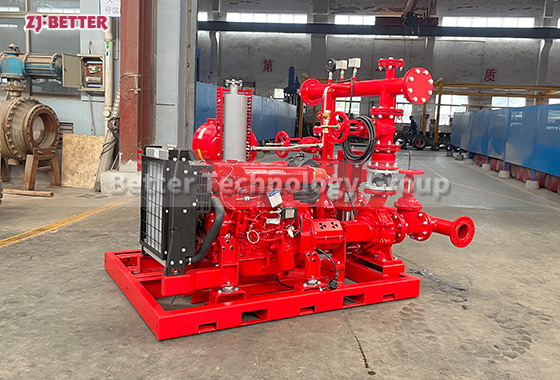
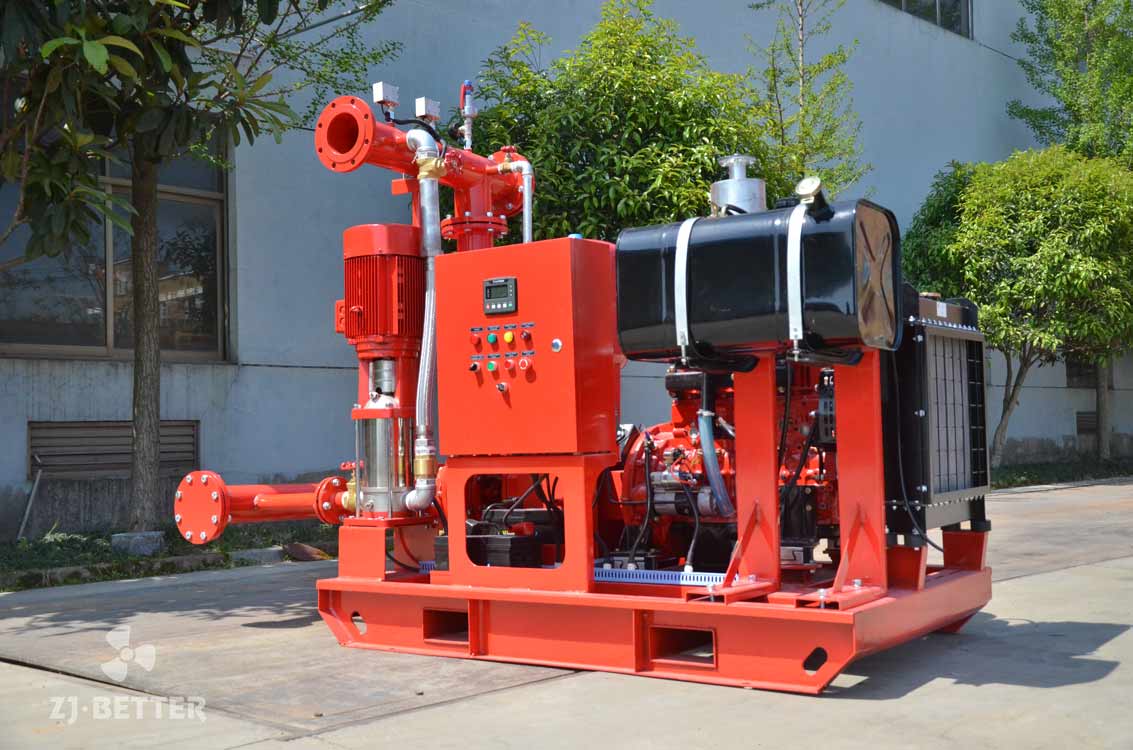
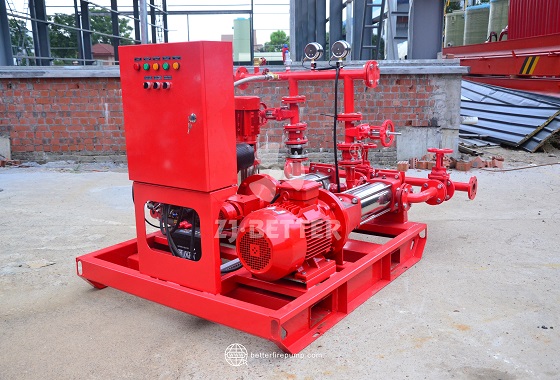
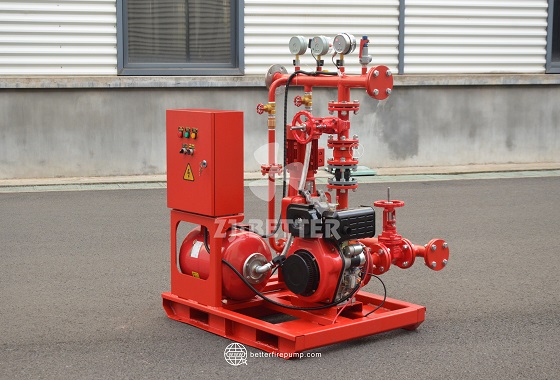
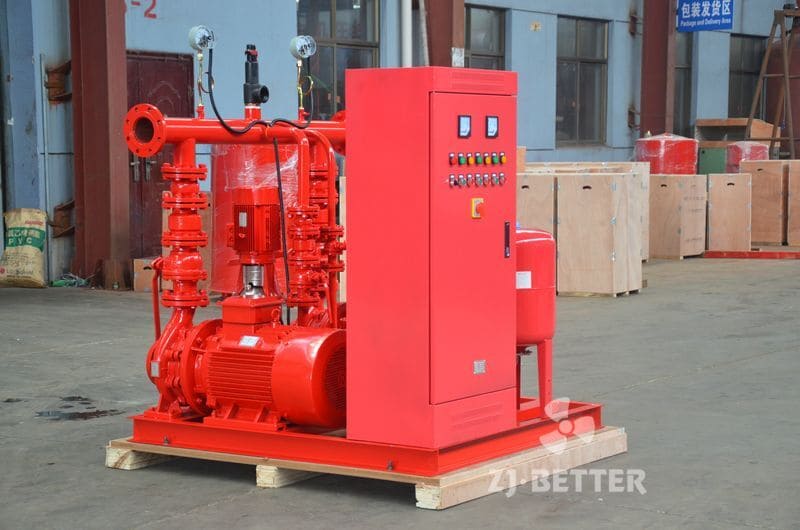
Designed specifically for pump rooms with limited space, this compact, constant-pressure fire pump system integrates a vertical multi-stage pump, a pressure tank, and intelligent controls to deliver constant-pressure water supply, energy-efficient operation, and stable performance. It is widely utilized in the fire protection systems of high-rise buildings, commercial complexes, and underground spaces.
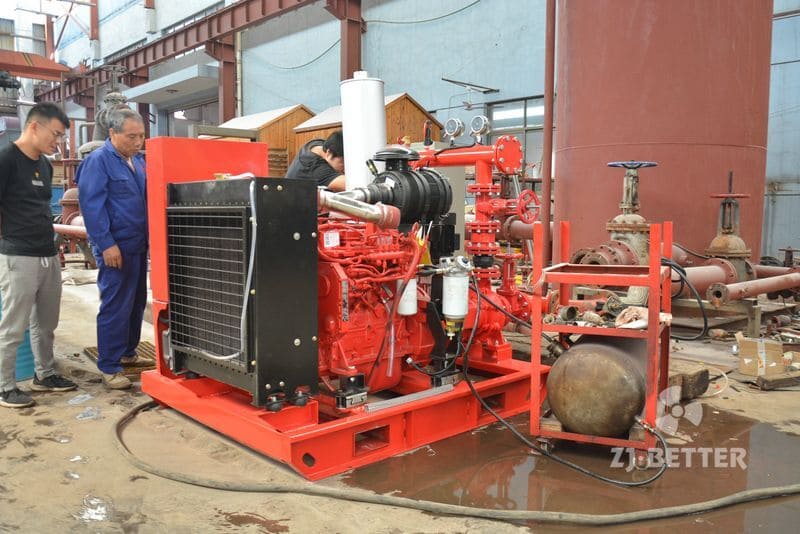
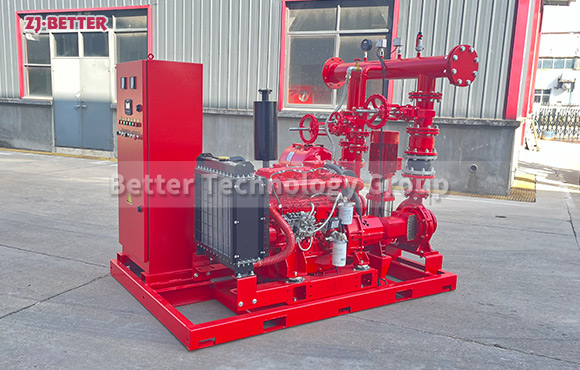
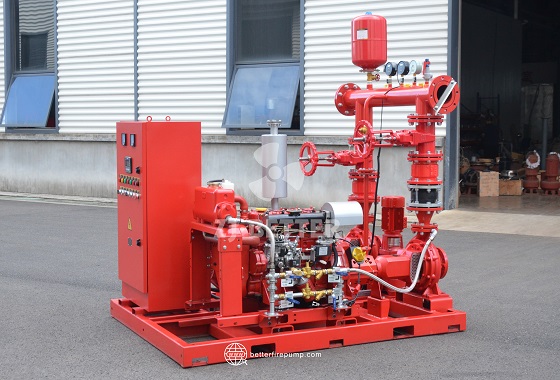
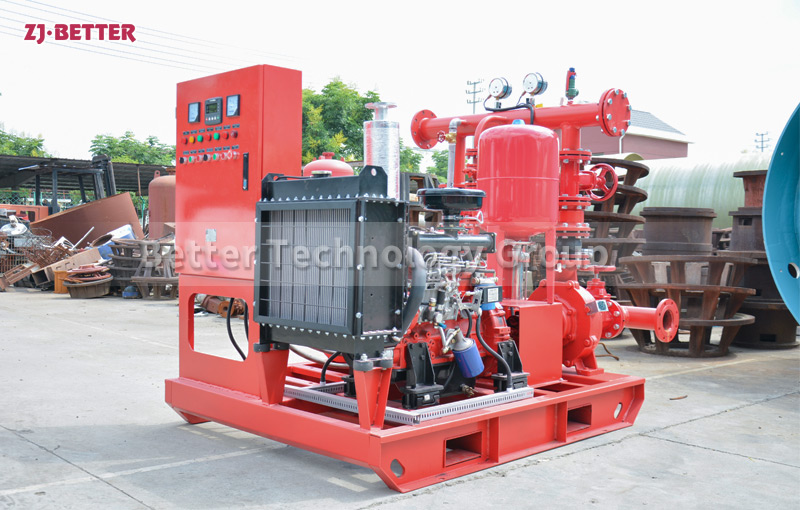
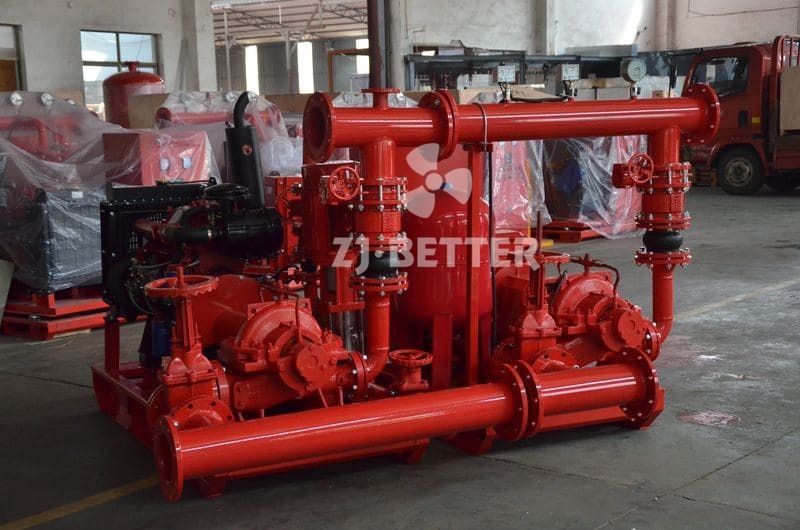
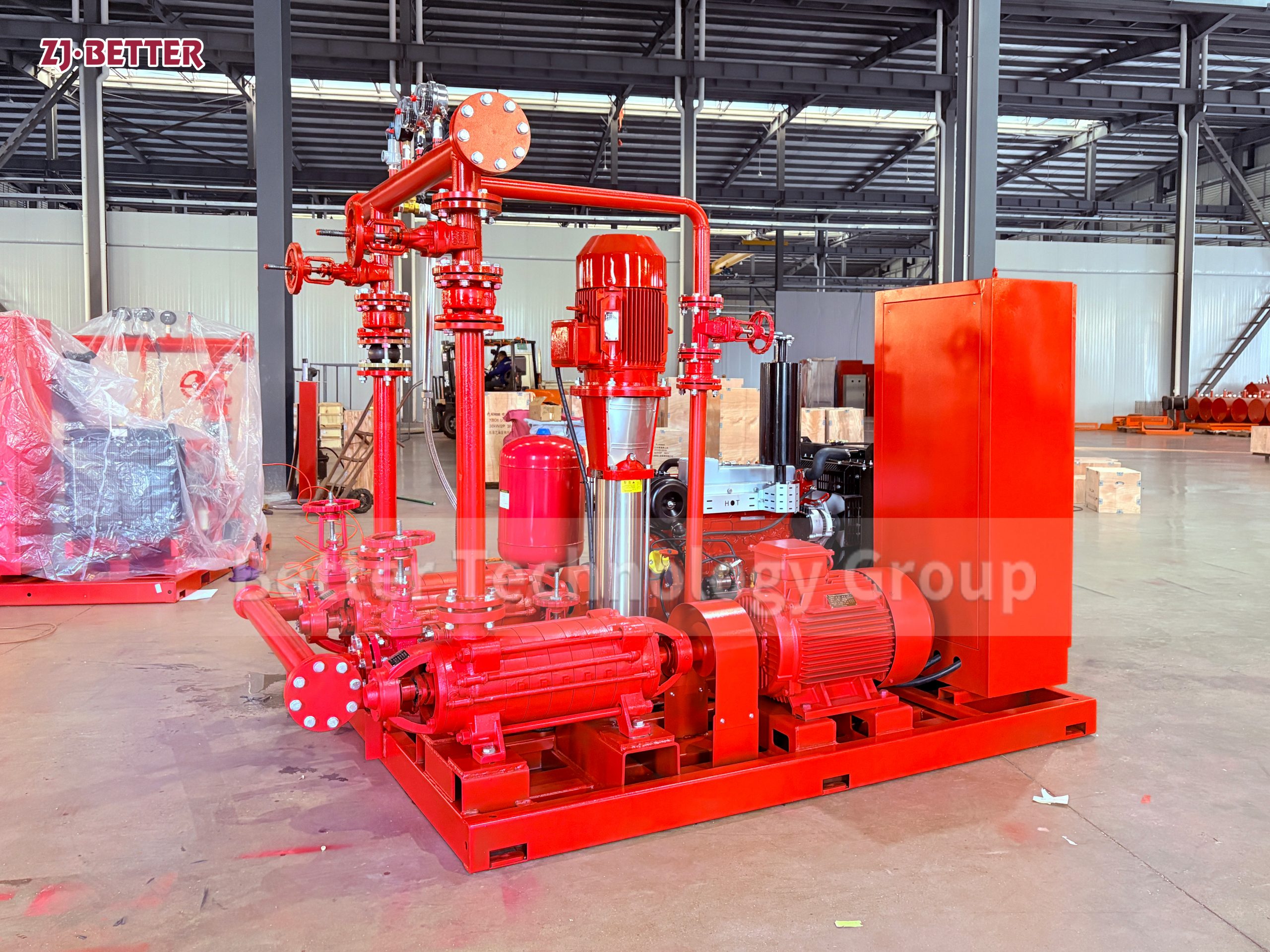
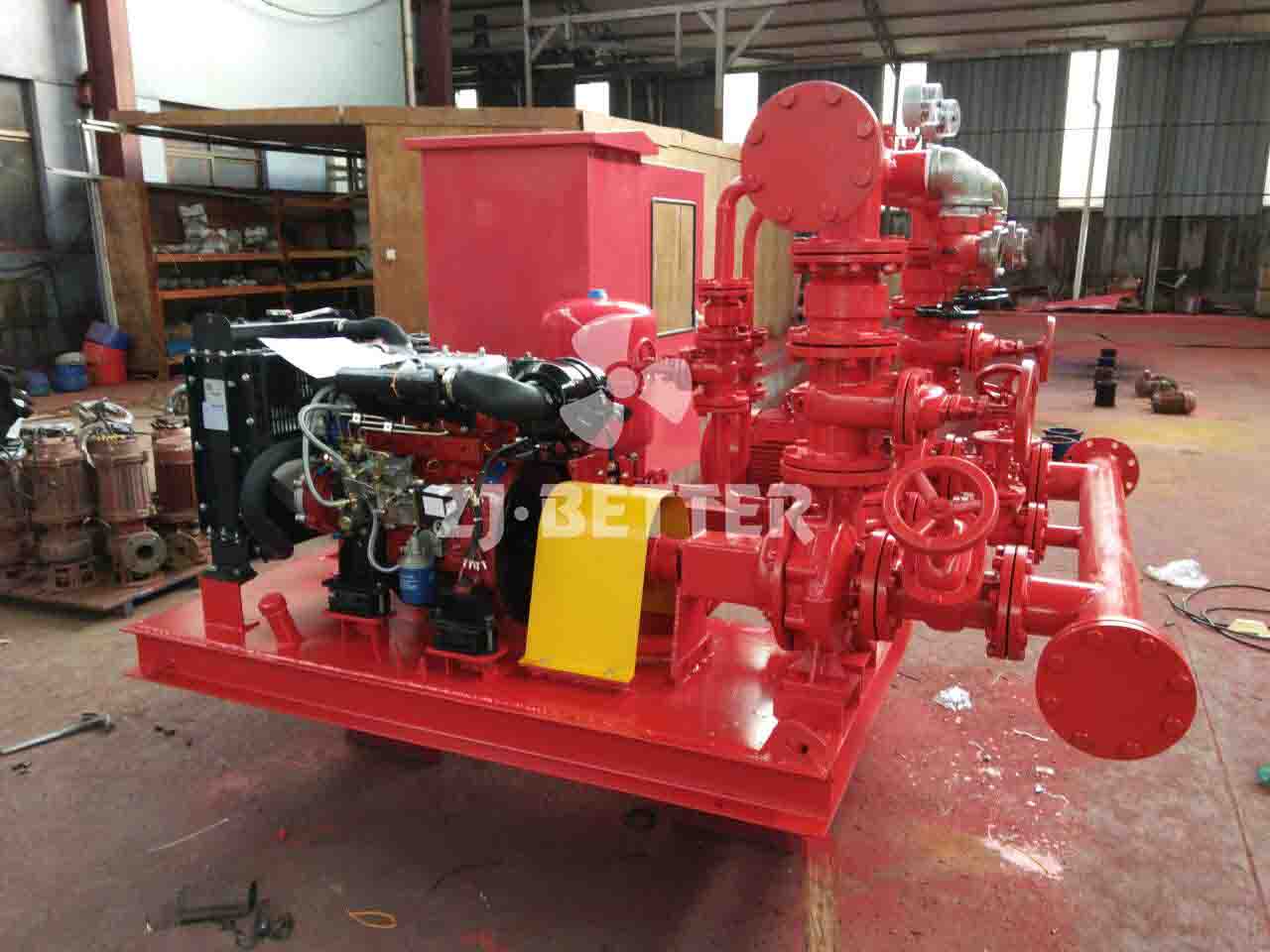
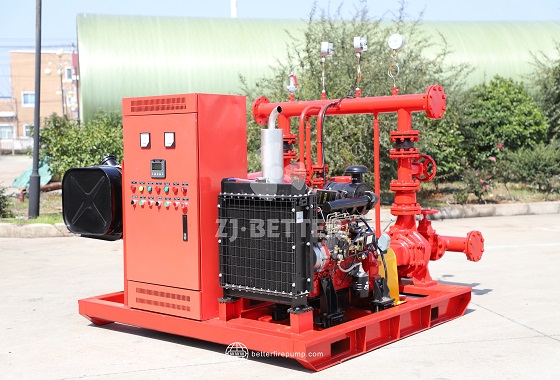
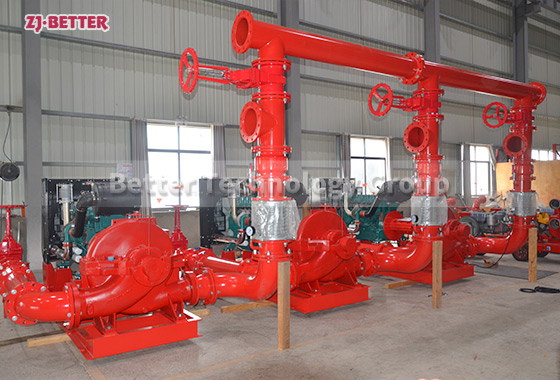
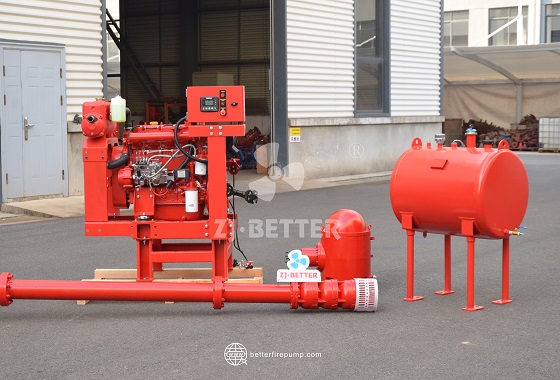
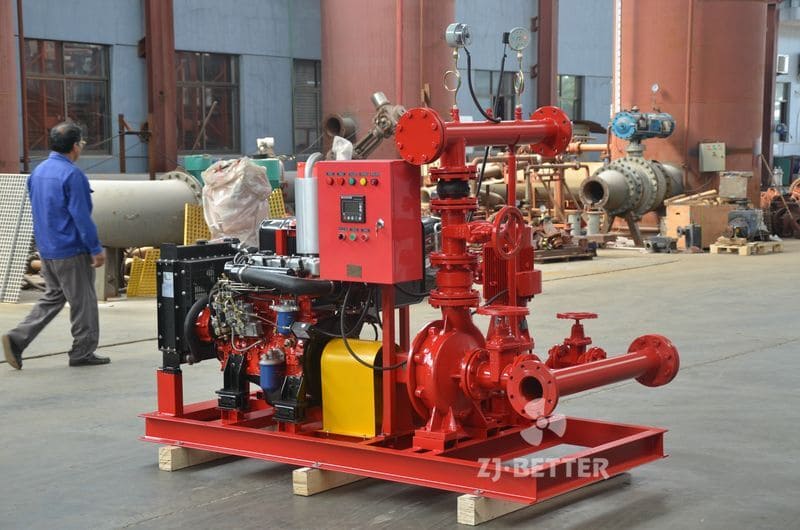
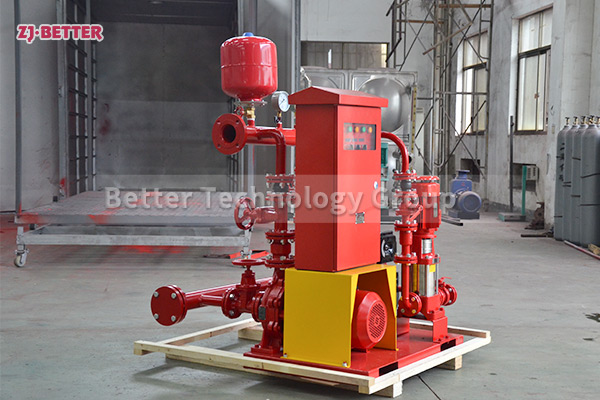
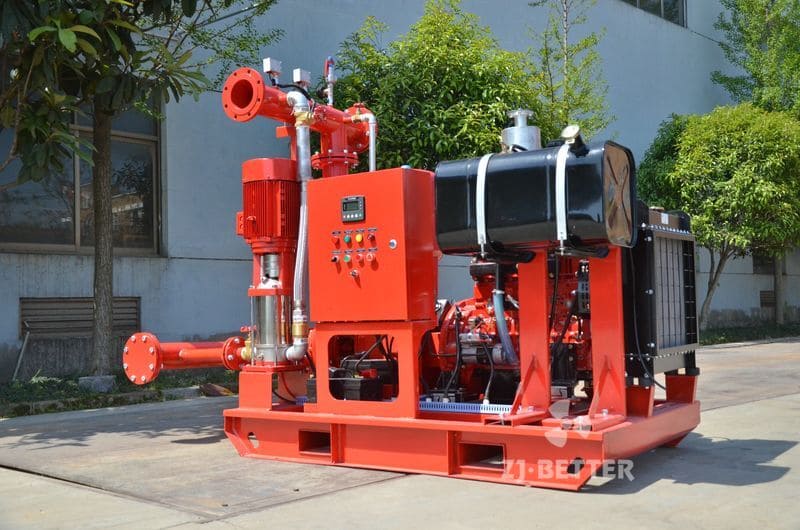
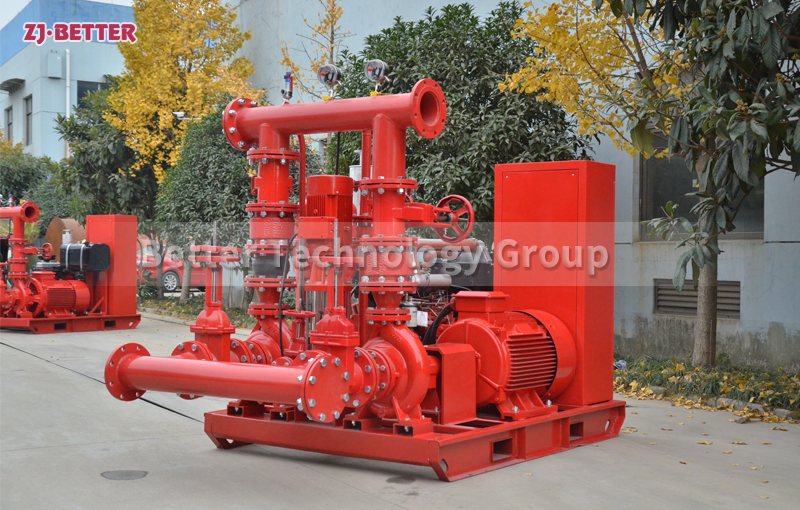
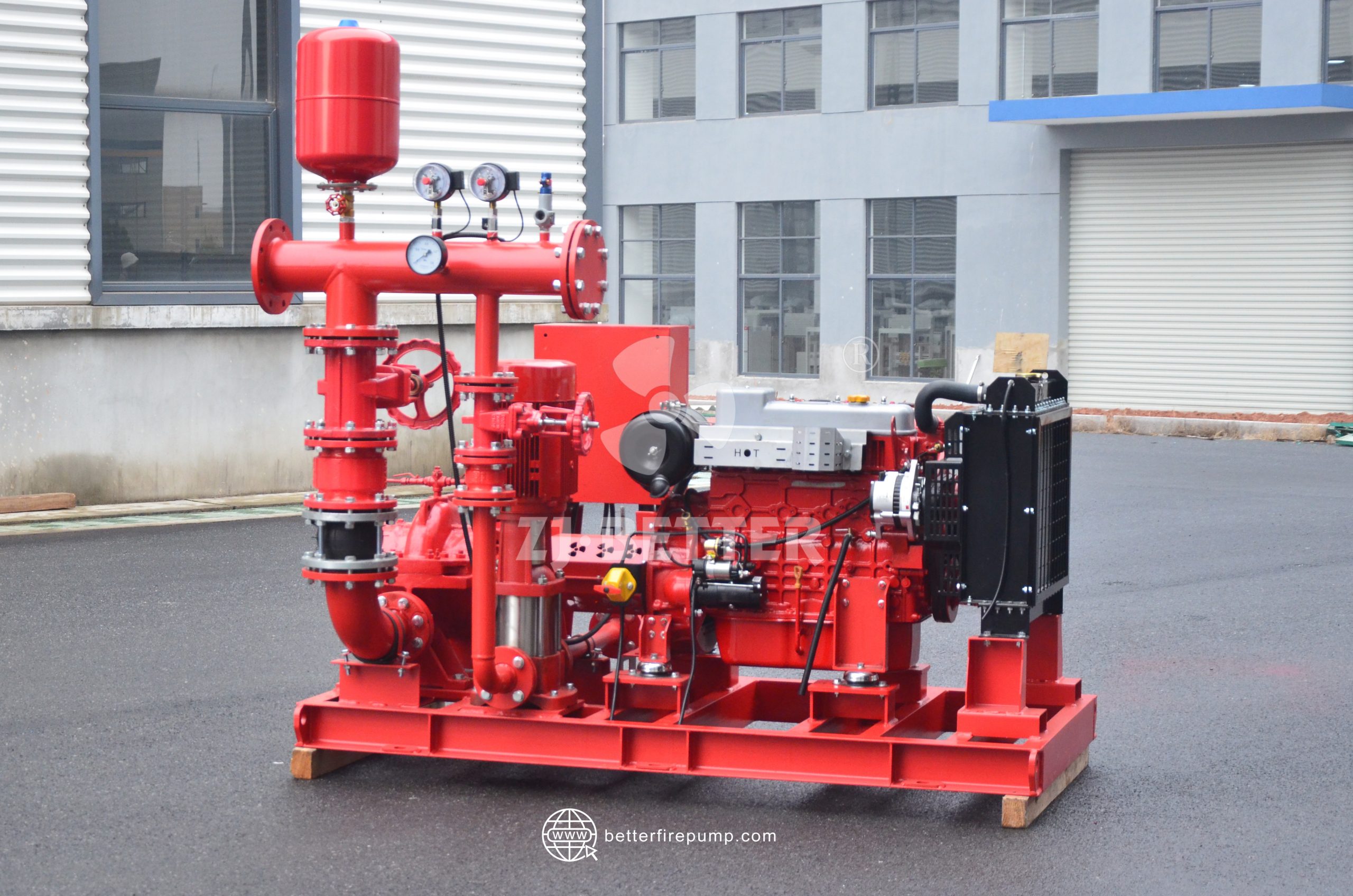
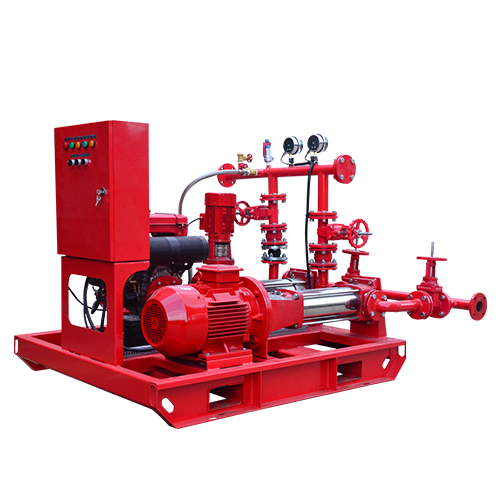
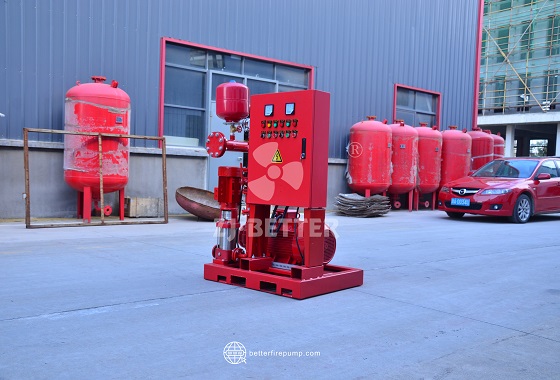
In the design of modern building fire protection systems—amidst increasingly scarce urban land resources and ever-more complex architectural structures—the space available for equipment installation is constantly being compressed. Particularly in settings such as underground mechanical rooms, equipment mezzanines, renovation projects, and commercial complexes, fire pump rooms frequently face a confluence of challenges, including limited space, compact layouts, and stringent requirements for equipment integration. Within such operational environments, compact fire pressure-maintaining pump systems have emerged as a critical solution for addressing the fire water supply and pressure stabilization needs of space-constrained pump rooms, thanks to their optimized structural design, highly integrated configuration, and stable, reliable operational performance. Typically, this system employs a vertical multi-stage centrifugal pump as its core water supply unit. By integrating the pump body, motor, control cabinet, pressure tank, and piping components into a unified design, the entire system achieves a complete functional layout within a limited footprint. This approach not only significantly reduces the required floor area but also enhances installation efficiency and spatial utilization, thereby providing engineering projects with a more flexible and efficient solution. In actual operation, the fire pressure-maintaining pump system primarily undertakes the task of maintaining the baseline pressure within the fire protection piping network. Under normal conditions, the pressure tank and the jockey pump work in tandem to ensure that the system pressure remains consistently within a predetermined range. Should the network pressure drop—due to minor leaks or temperature fluctuations—the system automatically activates the make-up pump to restore pressure, thereby preventing the frequent cycling of the main fire pump, reducing energy consumption, and extending the equipment’s service life. In the event of a fire—when the system detects a rapid drop in pressure or receives a fire alarm signal—the main pump can be swiftly brought online to deliver a high-volume water supply, ensuring that fire suppression equipment receives immediate and ample water support. This tiered operational mode not only enhances the system’s response efficiency but also bolsters the overall stability of the water supply. From a structural design perspective, the compact constant-pressure fire pump system employs a vertical configuration. Compared to traditional horizontal pump sets, it occupies a smaller footprint, making it particularly suitable for installation in pump rooms with limited space. Furthermore, the vertical multi-stage pump utilizes a series of impellers to progressively boost pressure, enabling it to achieve a high discharge head within a relatively compact volume—thereby meeting the pressure requirements of high-rise buildings or complex piping networks. Regarding material selection, critical components are typically fabricated from corrosion-resistant stainless steel or high-strength cast iron. These materials not only withstand humid environments but also resist the corrosive effects caused by variations in water quality, thereby ensuring the equipment’s long-term, stable operation. The pressure tank, serving as a vital component of the system, utilizes an internal air-water separation structure to fulfill energy storage and buffering functions. When system pressure fluctuates, the pressure tank can rapidly release or absorb water volume to stabilize the network pressure and mitigate the occurrence of water hammer. This capability is crucial for protecting the piping infrastructure and valve assemblies, while also contributing to extending the overall service life of the entire fire protection system. In terms of control systems, the equipment is typically outfitted with an intelligent control cabinet that employs pressure sensors to monitor network pressure fluctuations in real-time. Based on pre-configured parameters, the system automatically adjusts the pump set’s operational status to achieve fully automated, constant-pressure control. Furthermore, the system can be configured with various operating modes—such as Automatic, Manual, and Emergency modes—to effectively meet the specific operational requirements of diverse scenarios.
Regarding performance, the compact constant-pressure fire pump system is characterized by high energy efficiency, smooth operation, and low noise levels. Through optimized hydraulic design and motor matching, the pump set operates within its peak efficiency range, thereby minimizing energy waste and reducing operating costs. Particularly during prolonged standby periods, the system utilizes the pressure tank to maintain pressure, significantly reducing the frequency of pump start-stop cycles. This not only curtails electrical energy consumption but also minimizes mechanical wear, thereby enhancing the overall reliability of the equipment. In terms of noise control, the equipment incorporates a rational structural design and vibration-damping measures to ensure smoother and quieter operation, making it suitable for installation in environments with strict noise restrictions—such as hospitals, office buildings, and commercial centers. Additionally, the system design prioritizes ease of maintenance; its modular layout ensures clear connections between individual components, enabling technical personnel to perform inspections and maintenance tasks rapidly—thereby substantially reducing both the difficulty and time required for upkeep. In terms of adaptability, compact constant-pressure fire pump systems find widespread application across a diverse range of building types and engineering projects—including high-rise residential complexes, commercial centers, underground parking garages, schools, hospitals, and industrial facilities. In such settings—where complex structural designs or spatial constraints often render the installation of traditional, large-scale fire pump systems difficult—the compact design offers the flexibility to adapt to various spatial layouts. Furthermore, the system can be custom-tailored to specific project requirements—including adjustments to pump flow rates and head parameters, the configuration of pressure tanks with varying capacities, and the selection of different control modes—thereby meeting the needs of fire protection systems of any scale. In renovation projects, this system also serves as an ideal upgrade solution for existing fire protection infrastructure; by replacing or supplementing existing equipment, it facilitates a comprehensive enhancement of the fire protection system’s overall performance.
Moreover, driven by advancements in intelligent technologies, modern constant-pressure fire pump systems are increasingly evolving toward digitalization and smart operation. Through the integration of remote monitoring systems and data acquisition modules, facility managers can monitor real-time equipment operating parameters—such as pressure, flow rate, current, and runtime—thereby enabling remote management and predictive fault alerts. This not only boosts the efficiency of equipment management but also renders maintenance processes more scientific and precise. Regarding safety, the system typically incorporates multiple layers of protection—including overload protection, water-shortage protection, motor overheat protection, and fault alarms. Should any operational anomalies occur, the system can promptly initiate protective measures to prevent equipment damage and ensure the safe, reliable operation of the entire fire protection infrastructure.
In summary, the compact constant-pressure fire pump system—distinguished by its highly integrated design, stable constant-pressure performance, and exceptional spatial adaptability—demonstrates significant advantages within confined pump room environments. It effectively resolves the issues associated with traditional equipment—specifically its large footprint and installation complexities—while simultaneously enhancing overall system operational efficiency and ensuring the stability of the fire water supply. Within modern building fire protection systems, this type of equipment has become an indispensable component, providing reliable, efficient, and flexible fire water supply solutions for a wide spectrum of engineering projects. As future architectural structures continue to evolve and fire safety standards continue to rise, compact constant-pressure fire pump systems will undoubtedly continue to advance in terms of technological innovation and performance optimization, offering the fire protection industry increasingly sophisticated and comprehensive product support.