
Flexible Deployment for Enhanced Safety: The Key Role of Compact Diesel Fire Pump Units in Emergency Applications
Compact diesel fire pump units offer independent power, quick deployment, and automatic start features, making them ideal for emergency firefighting in remote, power-limited, or high-risk areas like oilfields, warehouses, and rural sites.
In today’s fire protection systems, rapid response and flexible configuration have become essential to enhancing emergency handling capabilities. Particularly in industrial zones, logistics warehouses, remote rural areas, oilfields, mining regions, and municipal construction sites, fixed firefighting installations often fail to provide complete coverage. In such scenarios, compact diesel fire pump units have emerged as a vital emergency fire solution thanks to their self-contained power, ease of deployment, and reliable performance.
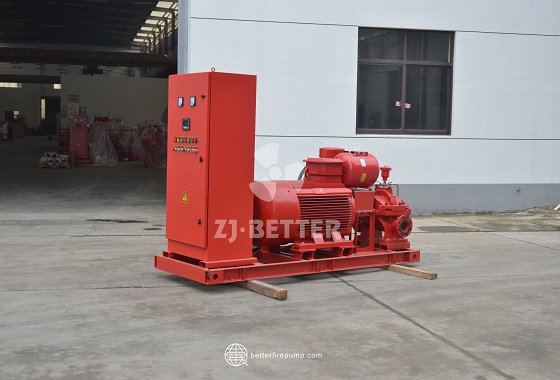
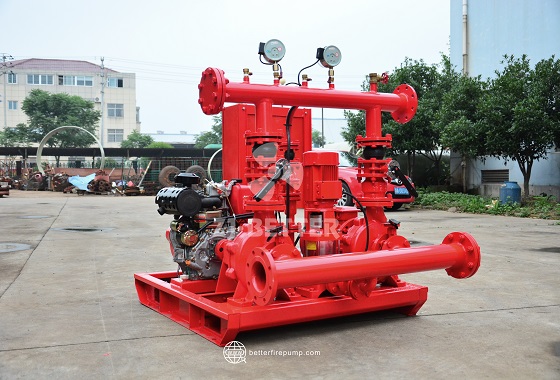
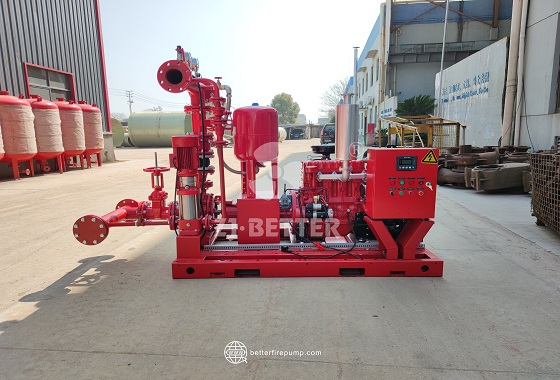
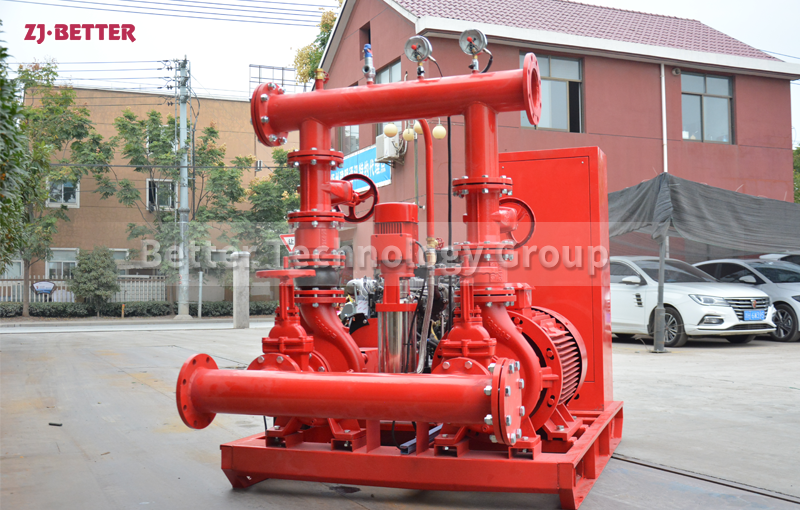
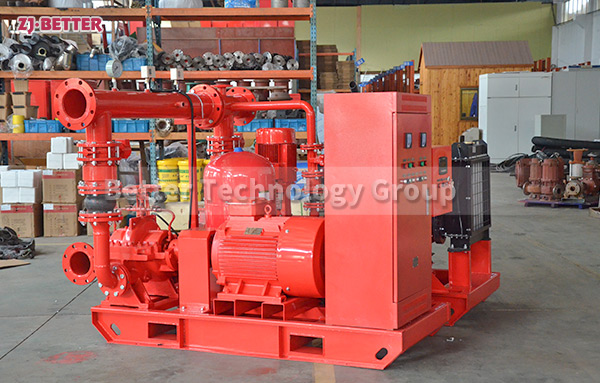
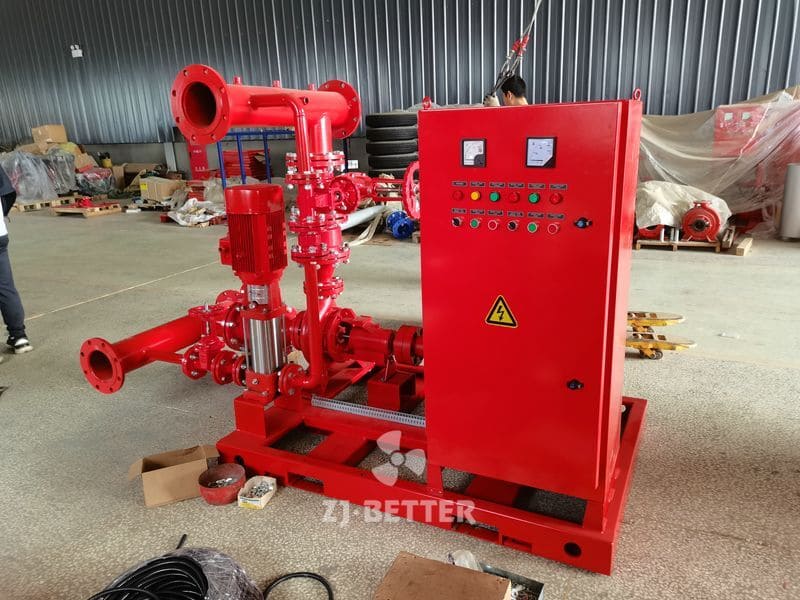
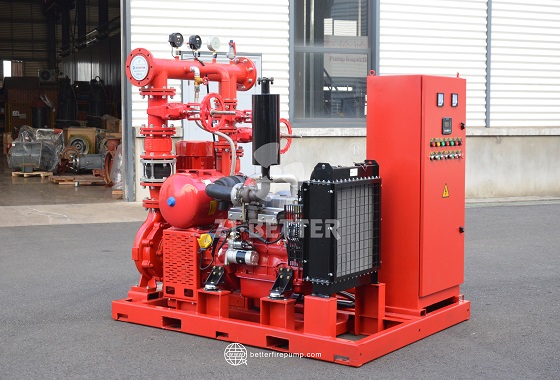
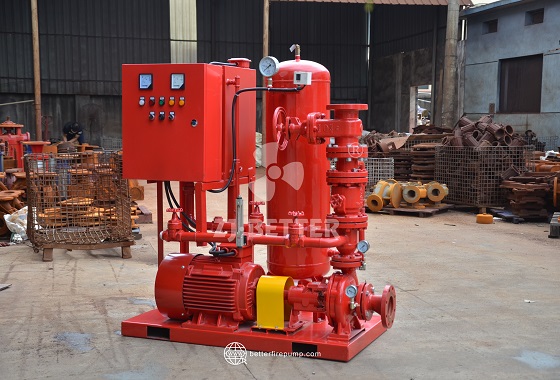
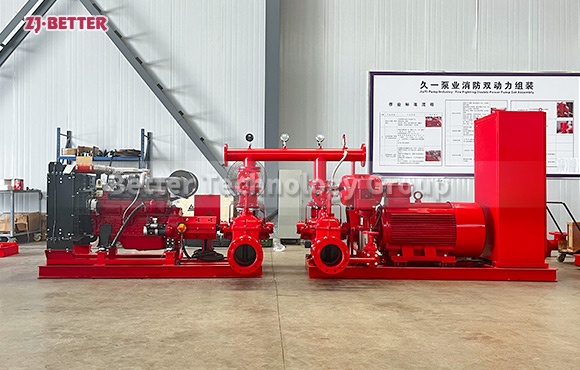
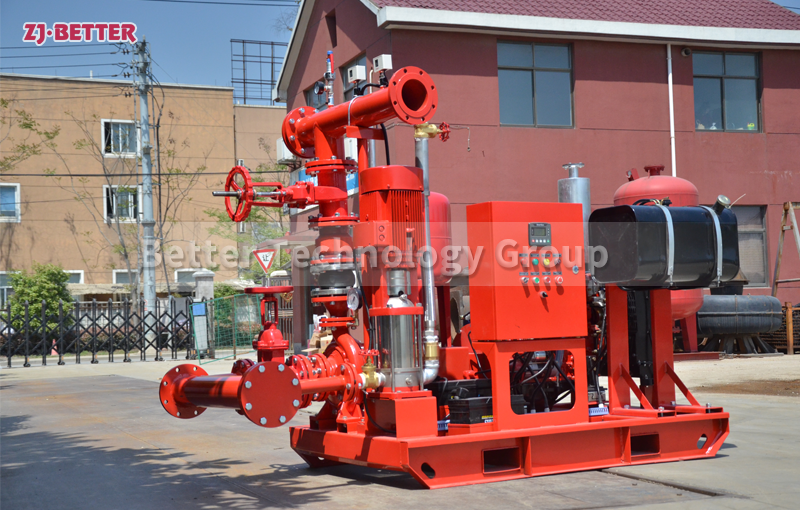
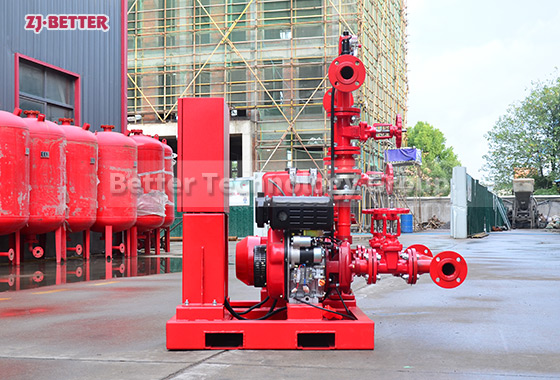
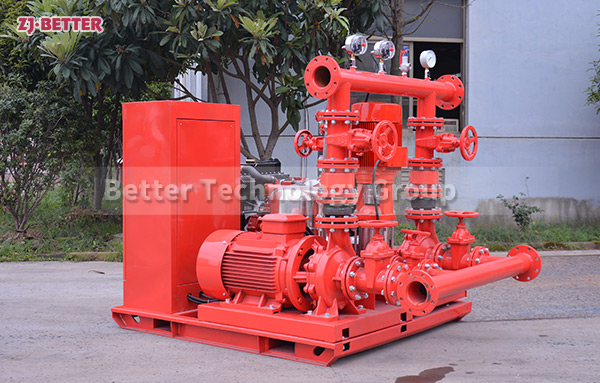
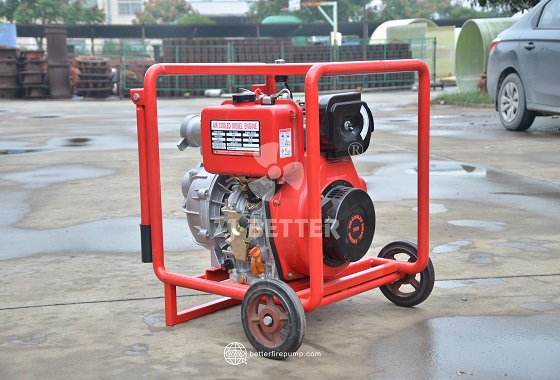
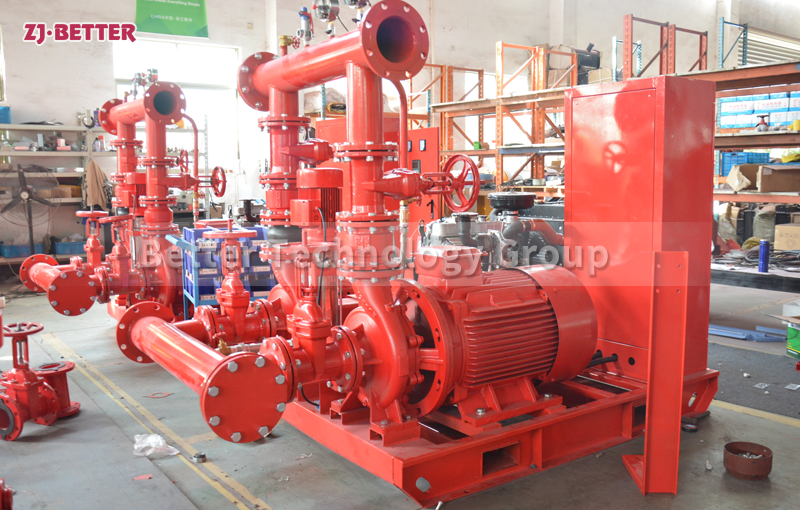
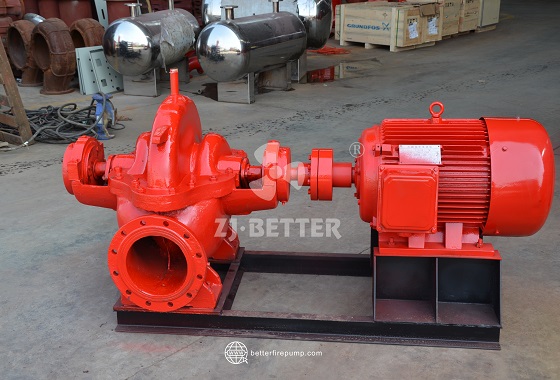
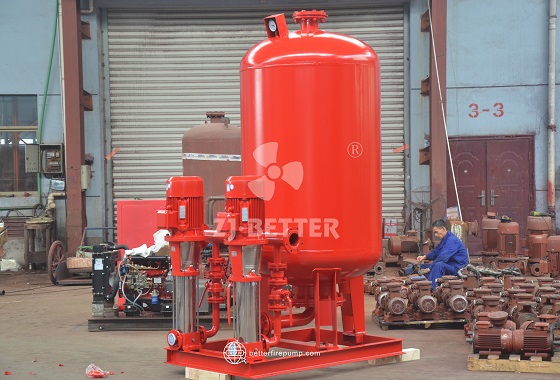
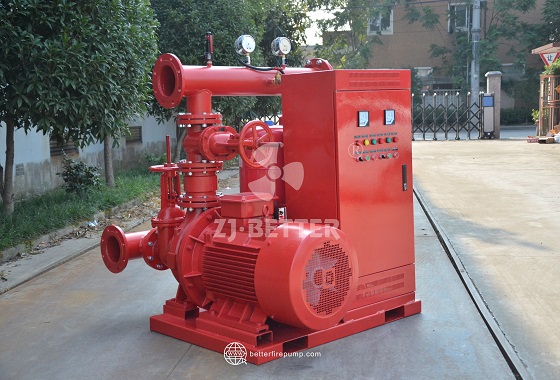
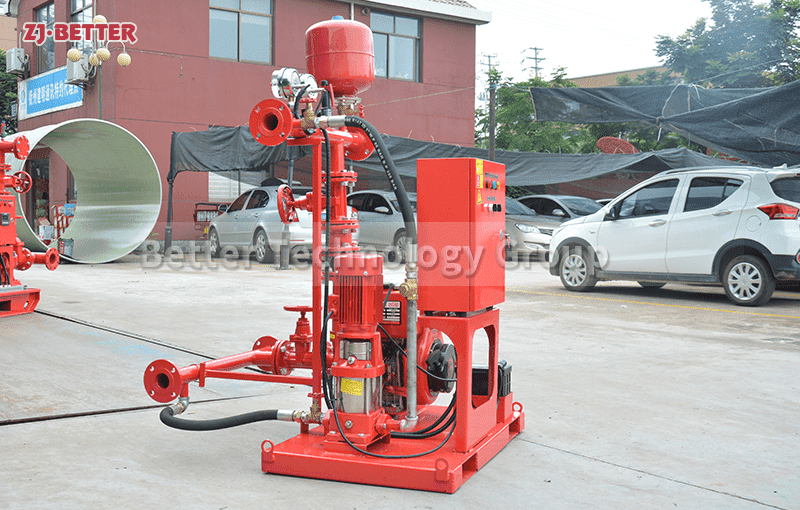
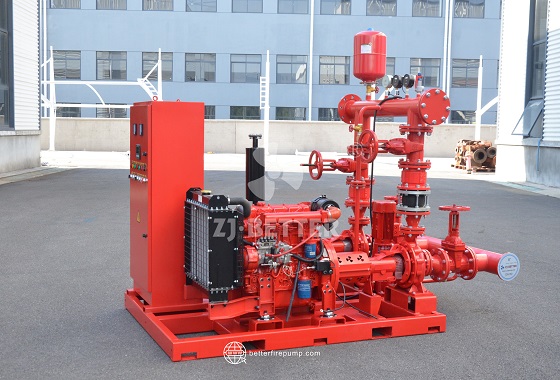
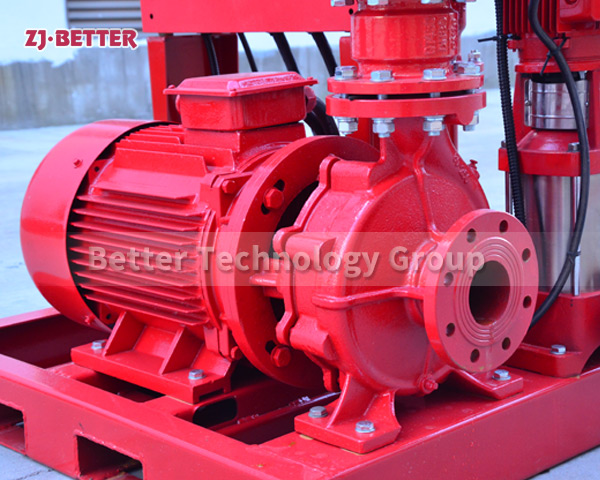
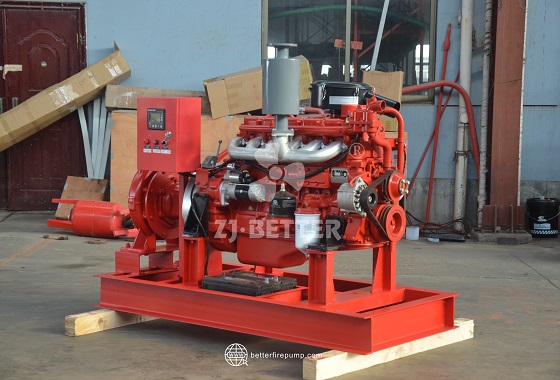
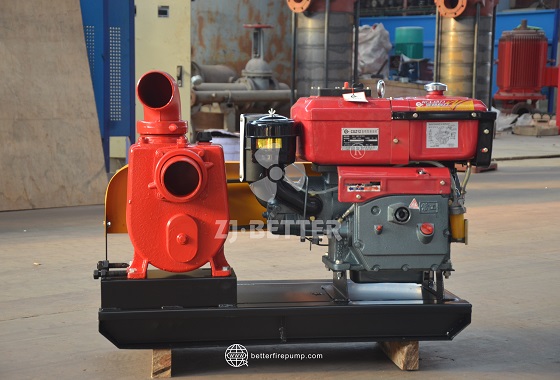
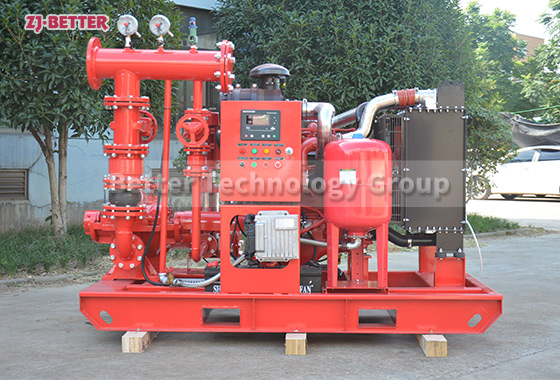
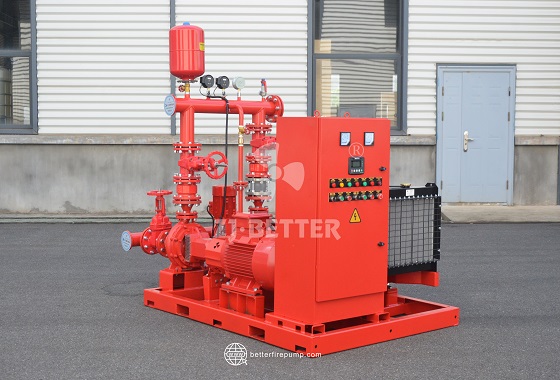
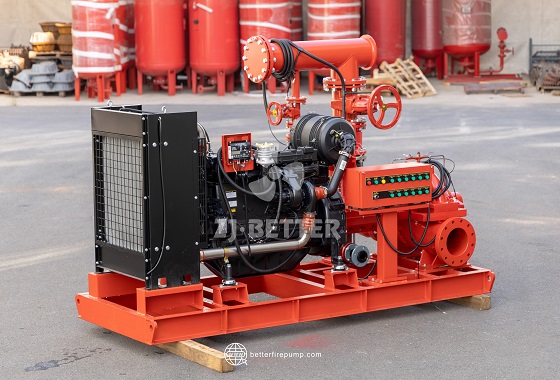
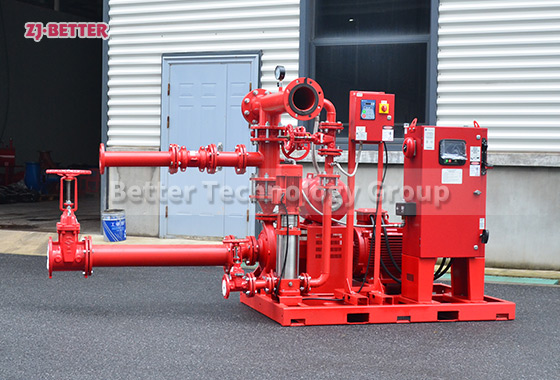
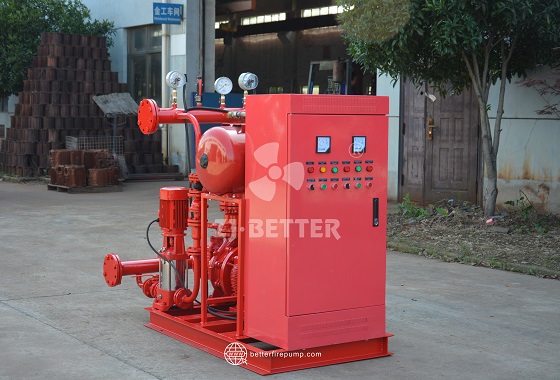
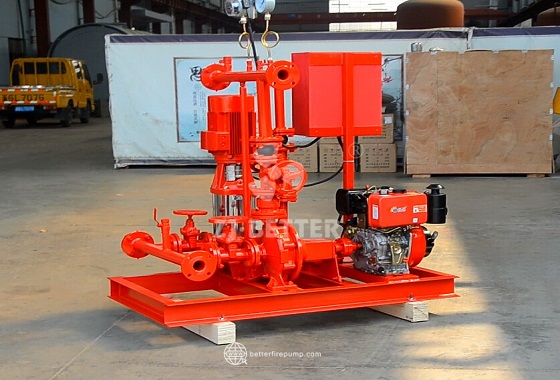
These pump units are typically composed of a diesel engine, pump body, control cabinet, base frame, and necessary pipe or valve connections. Their compact structure and small footprint allow for easy transport and installation, making them ideal for locations with limited space or no access to municipal electricity. Since they are powered by diesel engines, they can operate independently of the power grid—even in the event of outages or disaster zones—ensuring a stable water supply when it’s most needed.
What further enhances their utility is the support for one-button startup and automatic control. These units can be integrated with fire detection systems and will activate automatically when fire signals or pressure drops are detected, significantly reducing response time. Advanced models also offer intelligent features like fuel preheating, automatic battery charging, and remote monitoring, contributing to improved operational efficiency and user management.
In real-world applications, compact diesel fire pump units have been widely deployed along oil pipelines, mountainous telecom stations, wooden rural buildings, and temporary port storage areas—places with high fire risk and low infrastructure accessibility. These systems improve the effectiveness of early fire suppression and provide continuous fire protection capability in critical locations.
As the fire protection industry moves towards greater specialization and diversification, compact diesel fire pump units are not only a powerful complement to emergency response efforts but also a cornerstone of smarter, more versatile urban and industrial safety systems. When strategically selected and deployed, these units can quickly respond to various fire emergencies and serve as the first line of defense for life and property.