Outstanding Performance Under Pressure: Diesel Fire Pumps for High-Rise Buildings
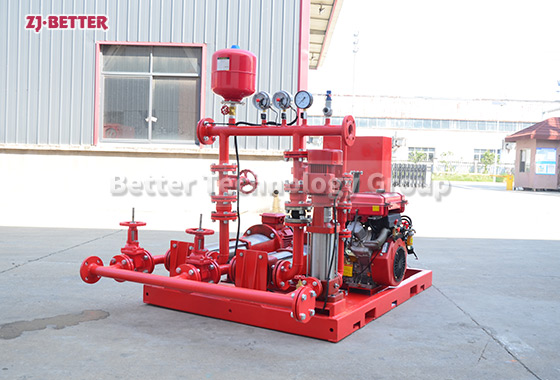
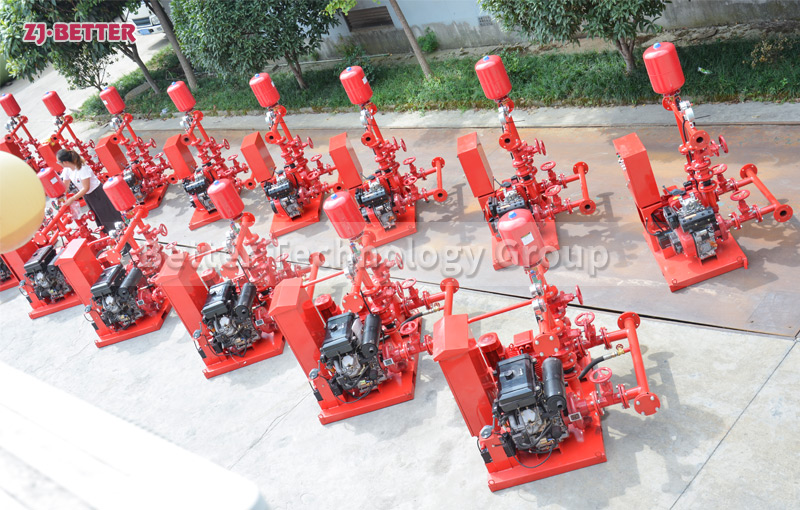
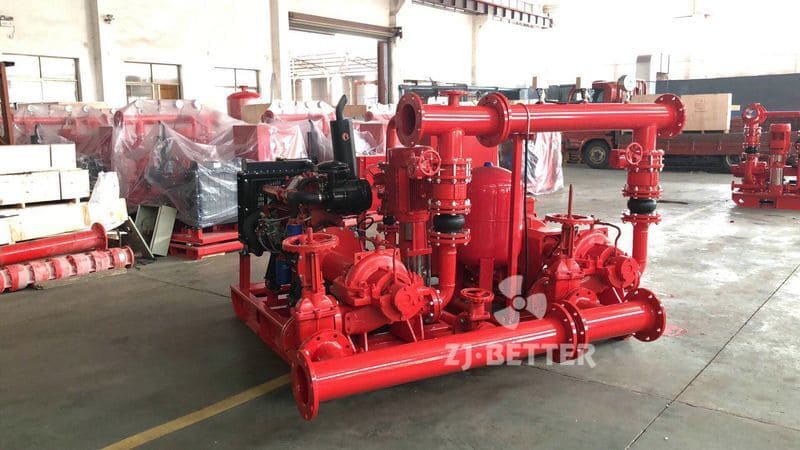
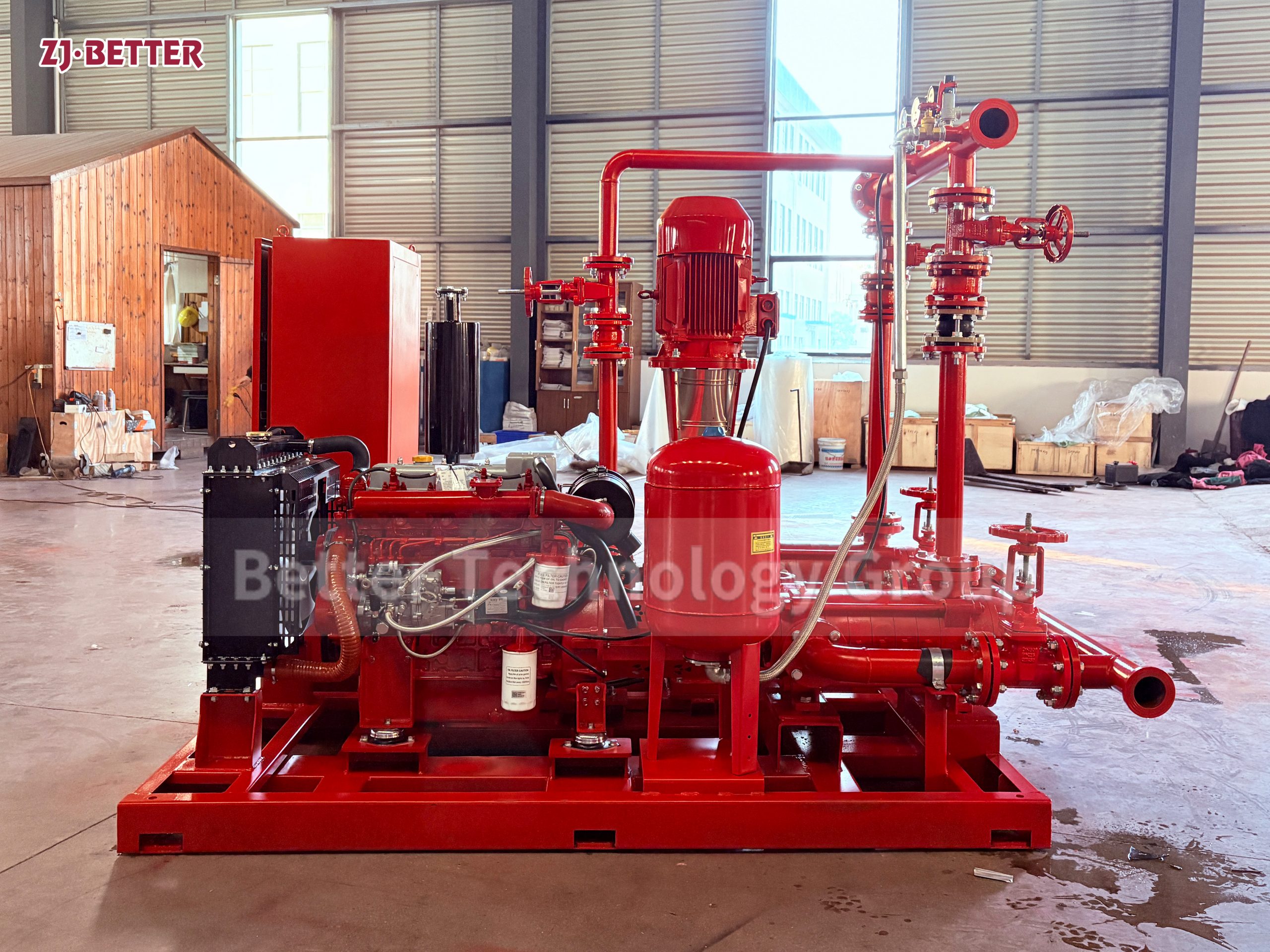
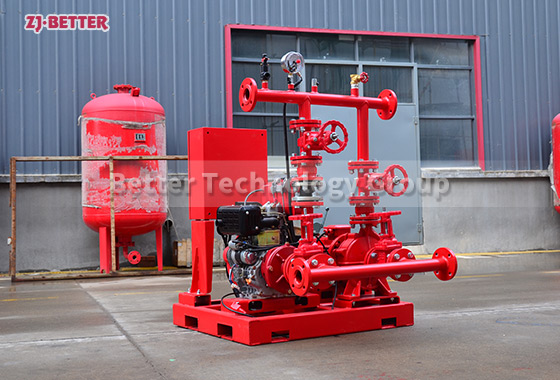
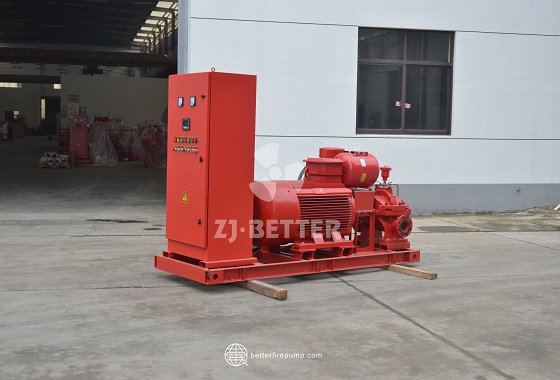
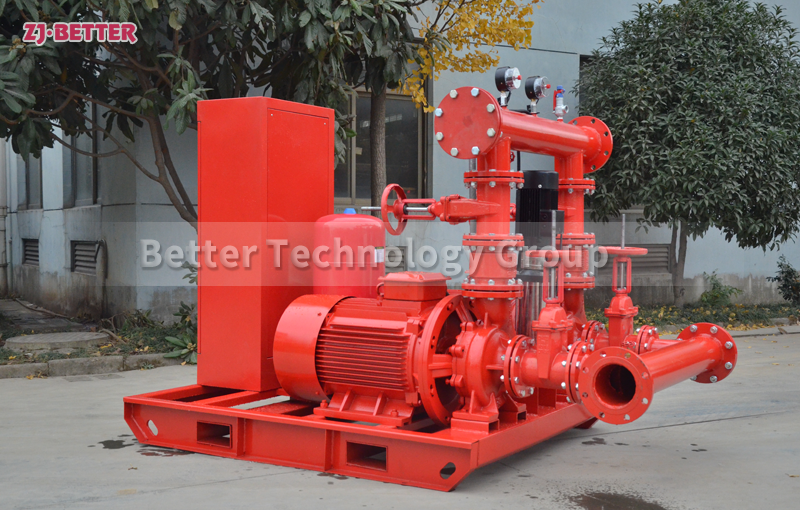
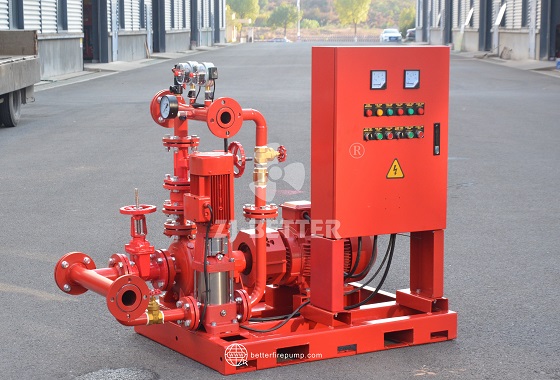
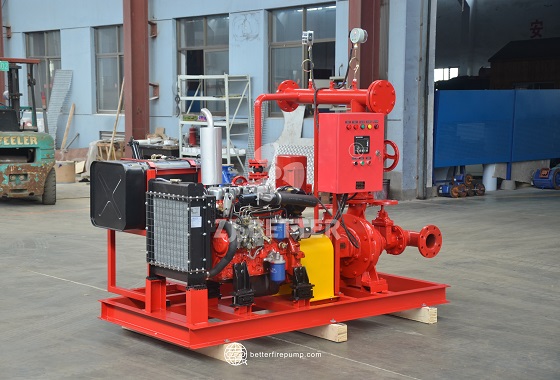
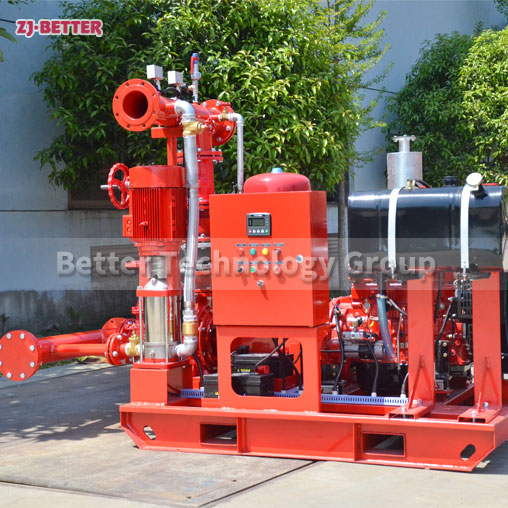
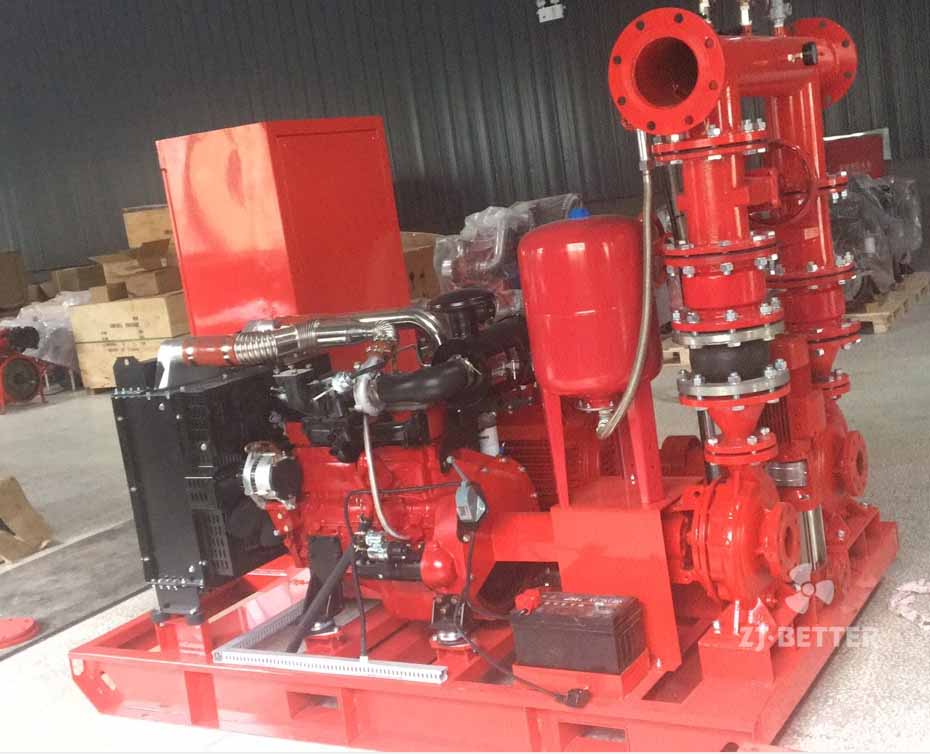
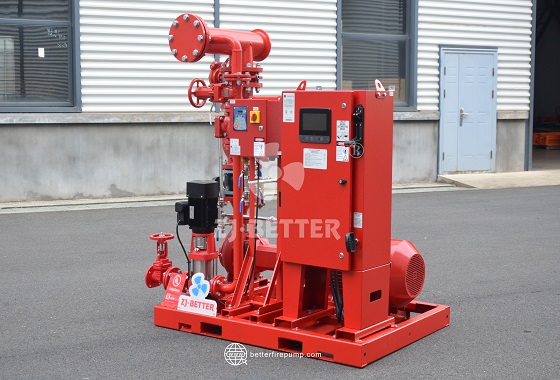
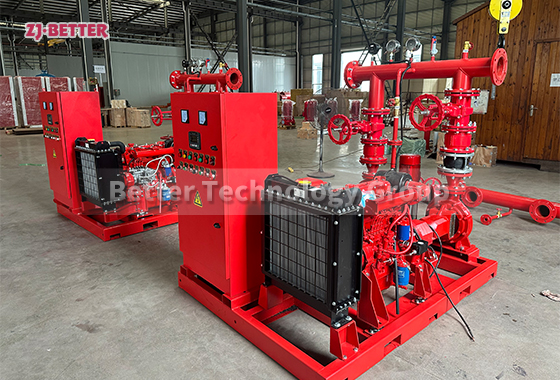
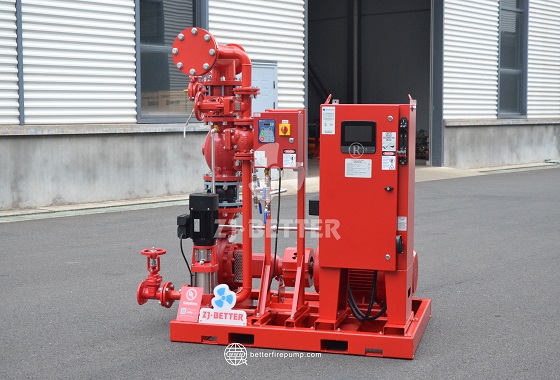
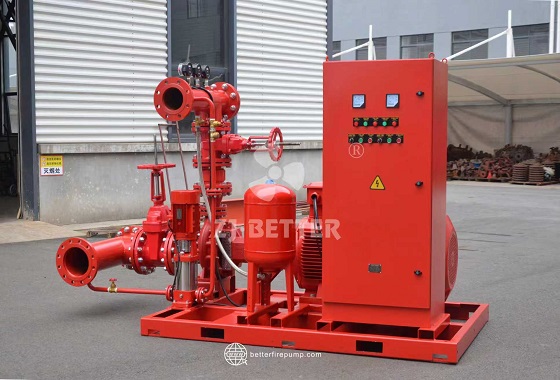
These diesel fire pumps, designed specifically for high-rise buildings, offer powerful power output, high head, and high flow rates. They can operate independently even during power outages or extreme conditions, ensuring a continuous water supply to firefighting systems. Featuring an intelligent control system and energy-efficient design, they offer stable operation and rapid response. They are ideal for firefighting applications in high-rise buildings, industrial plants, and commercial complexes, making them an ideal choice for ensuring building fire safety.
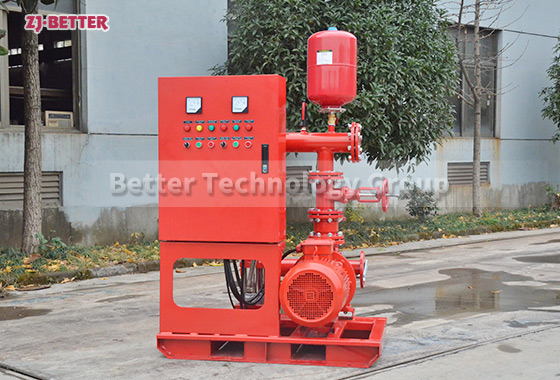
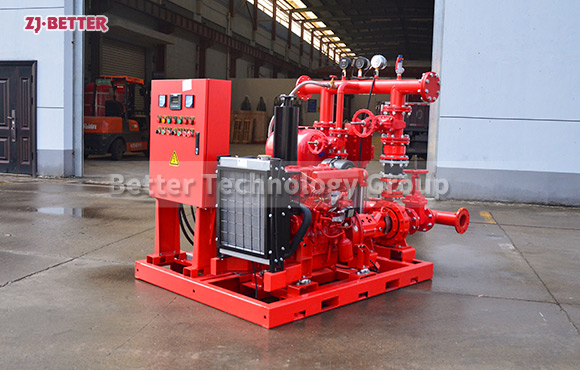
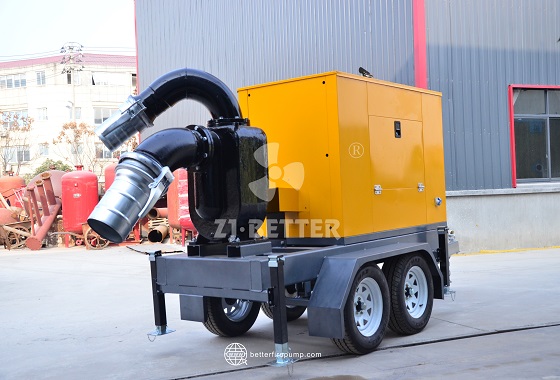
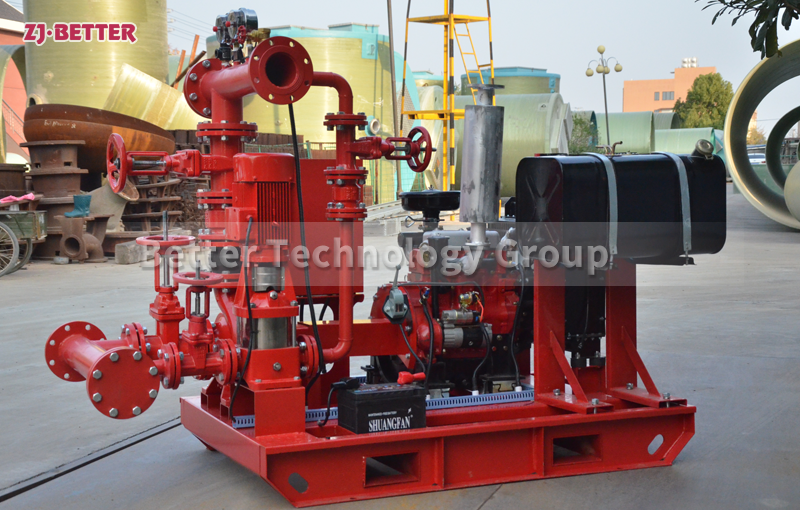
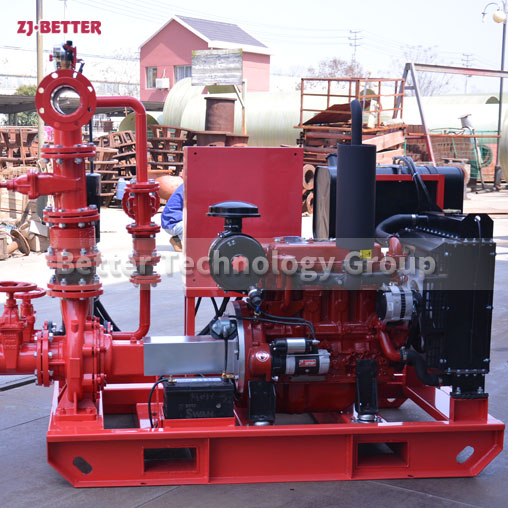
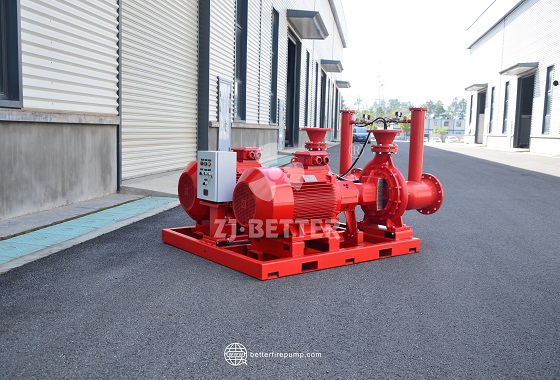
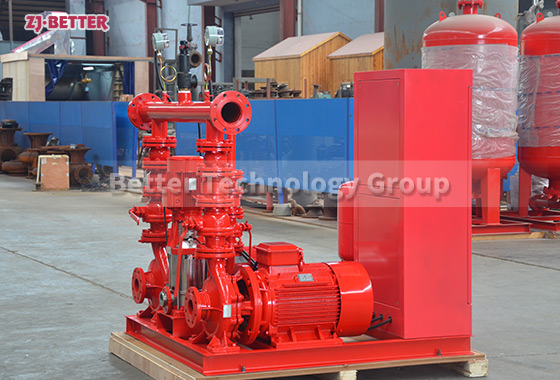
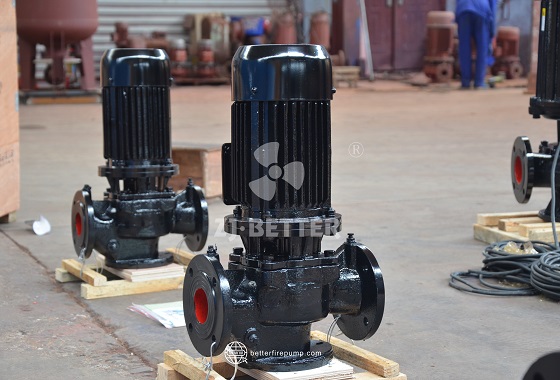
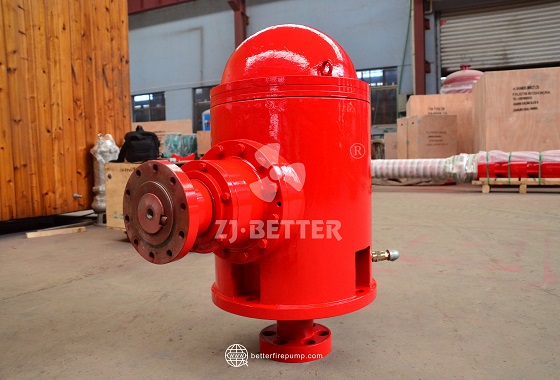
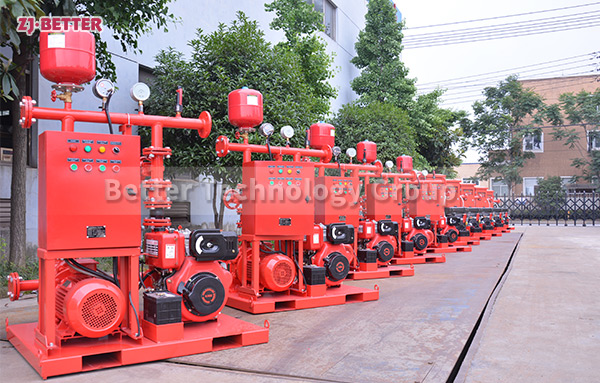
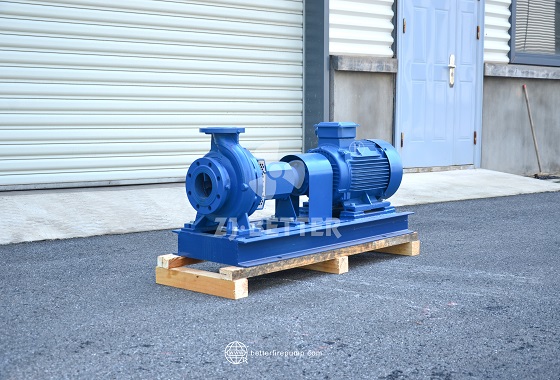
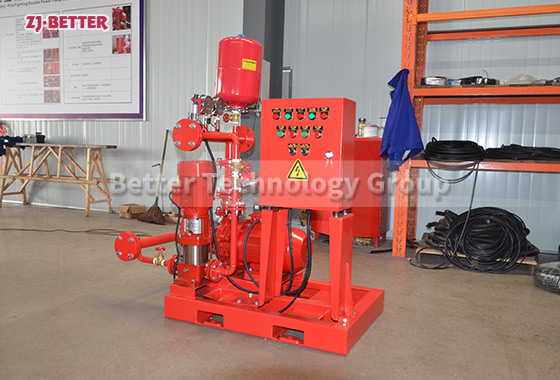
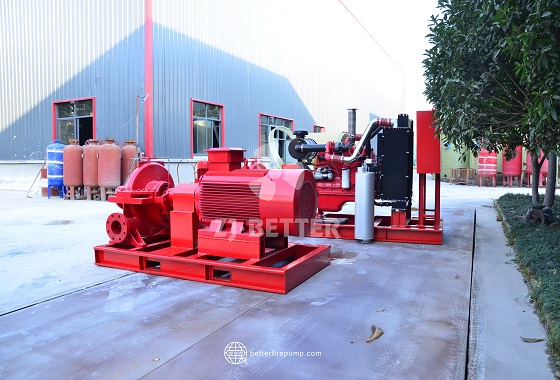
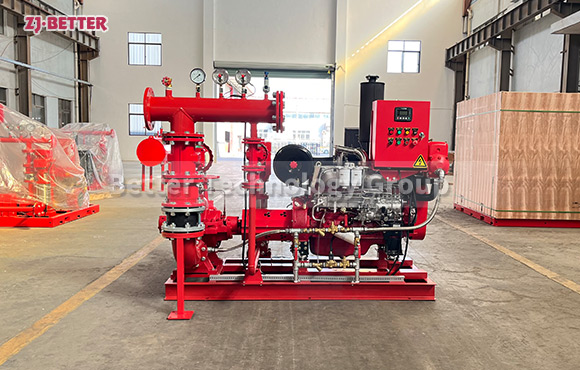
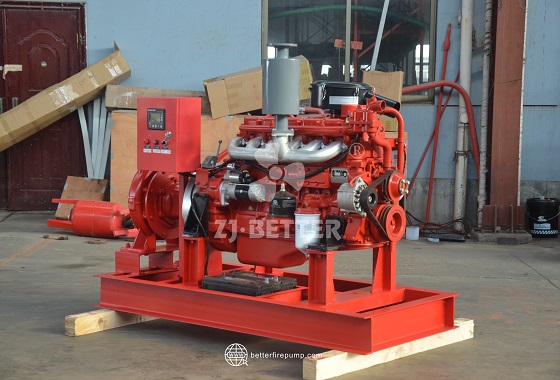
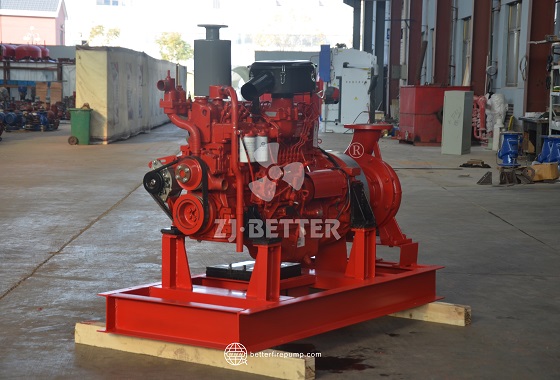
As an indispensable core power source in modern firefighting systems, diesel fire pumps, with their exceptional pressure-resistant stability and independent operation capabilities, play a vital role in firefighting systems in high-rise buildings, industrial plants, storage centers, and various public facilities. As urban buildings continue to rise in height, the demands on water supply pressure and stability in firefighting systems are also increasing. Diesel fire pumps, with their powerful power output, high head performance, and exceptional reliability, are an ideal choice for meeting the challenges of high-rise firefighting. These pumping units typically consist of a high-performance diesel engine and an efficient centrifugal pump. This precise matching ensures efficient energy conversion and allows for independent operation even without an external power source, providing continuous and stable water pressure support for firefighting systems. Their powerful power output enables long-distance water delivery and overcomes high static pressure in high-rise buildings. Their fast start-up and responsiveness enable rapid establishment of a stable water flow in the early stages of a fire, buying valuable time for firefighting efforts. Diesel fire pumps are designed with heavy-duty construction and high-strength materials to ensure stable and reliable performance under high pressure and long-term operation. The pump body is precision-machined and dynamically balanced, resulting in low vibration and noise at high speeds, effectively extending the equipment’s service life. The diesel engine utilizes a high-pressure common rail fuel system and intelligent control module, automatically adjusting fuel flow based on load fluctuations, reducing fuel consumption and improving overall operating efficiency. Furthermore, the system is equipped with multiple safety features, including oil pressure alarms, over-temperature protection, and low-oil-level shutdown, ensuring safe operation in diverse environments. Diesel fire pumps offer high head, large flow rates, and robust performance. Whether providing primary water pressure for super-high-rise buildings or backup fire water sources for large industrial plants, they maintain efficient and stable water supply. With a maximum flow rate of hundreds of cubic meters per hour and a head exceeding 200 meters, they can easily meet the firefighting needs of multi-story buildings and large facilities. Furthermore, the high torque output of the diesel engine drive system enables high flow rates at low pump speeds, reducing mechanical wear and improving energy efficiency. In emergencies, diesel fire pumps can be started solely by batteries, eliminating the need for external grid power. This ensures continued operation during power outages or power system failures, providing a solid fire safety guarantee for high-rise buildings. From a control system perspective, modern diesel fire pumps generally utilize automatic control and remote monitoring technologies, making their operation more intelligent and safer. The control cabinet, controlled by a PLC program, offers three modes: automatic start, manual control, and remote monitoring. When the system detects a drop in pressure below a set value, the pump automatically starts; when water pressure returns, the unit automatically shuts down, enabling unattended automated management. Furthermore, the control system monitors key parameters such as diesel engine speed, water pressure, oil pressure, and temperature in real time, displaying them intuitively on an LCD screen, allowing operators to quickly monitor operating status. Some systems also support IoT data transmission, allowing users to remotely monitor equipment operation over the internet, enabling centralized management of cross-regional fire protection systems. The flexibility of diesel fire pumps in installation is another key reason they are so popular in high-rise buildings. The diesel fire pump can be installed in horizontal, vertical, split, or integrated configurations, depending on the building structure and fire protection design requirements. It can be combined with a pressure-stabilizing pump, control cabinet, fuel tank, cooling system, and other components to form a complete fire water supply system. For space-constrained equipment rooms, a compact design is also available, saving installation space and facilitating subsequent maintenance. Its optimized fuel system and ample tank capacity support long-term continuous operation, ensuring a stable water supply during extended firefighting operations. Regarding pressure resistance, the diesel fire pump’s optimized structural design, including a high-strength alloy impeller, a thickened pump body, and high-precision mechanical seals, enables stable output under high-pressure conditions, preventing flow instability and water hammer caused by pressure fluctuations. The pump unit maintains excellent operating performance in complex environments such as high temperature, high humidity, low pressure, and dust, demonstrating excellent environmental adaptability. Its efficient cooling system and stable combustion technology ensure reliable startup and continuous operation, whether in high-altitude mountainous buildings or humid coastal cities. Furthermore, the diesel fire pump offers excellent fuel economy. By combining precise fuel control with efficient combustion technology, fuel consumption per unit time is significantly reduced, while also reducing exhaust emissions, meeting modern energy-saving and environmental protection requirements. The power system boasts a mechanical efficiency exceeding 90%, resulting in extremely low energy loss. This ensures sufficient water pressure over extended periods of operation while significantly reducing operating costs. This high energy efficiency is particularly critical for complex systems such as high-rise buildings, which require long-distance water supply, enhancing both system stability and economic efficiency. Furthermore, the diesel fire pump’s ease of maintenance ensures its long-term operational reliability. The equipment’s strategically located maintenance points and open construction facilitate daily inspection and maintenance. Components such as the fuel filter, oil filter, and water pump impeller are easily replaceable, significantly reducing maintenance time. For high-rise fire protection systems requiring long-term stable operation, ease of maintenance not only reduces labor costs but also ensures the equipment’s long-term, efficient operation. Some models also feature a modular design, facilitating on-site installation and disassembly, significantly improving project implementation efficiency. Diesel fire pumps can also be combined with electric fire pumps to form a dual-power system, creating a primary and backup complementary system. If the electric pump becomes inoperable due to a power outage or malfunction, the diesel pump immediately takes over, ensuring uninterrupted fire water supply. This redundant design significantly enhances system reliability, making it particularly suitable for locations with stringent fire safety requirements, such as hospitals, airports, shopping malls, and data centers. Furthermore, the system can be used in conjunction with a pressure stabilizer to ensure constant pipe pressure, effectively preventing water hammer and enhancing system safety and service life. Overall, diesel fire pumps, with their high power output, superior pressure resistance, exceptional reliability, and intelligent control systems, have become an indispensable component of modern high-rise building fire protection systems. They not only provide a continuous and stable supply of fire water at critical moments but also maintain efficient operation in extreme environments, providing a solid foundation for building fire safety. Whether in newly constructed urban complexes, high-rise office buildings, or renovated industrial plants, diesel fire pumps, with their powerful power, advanced technology, and exceptional durability, continue to provide reliable firefighting solutions to users worldwide, safeguarding the safety of every critical facility.