Compact Design and Space Saving: Modern Solutions of Electric Fire Pumps
Compact electric fire pumps are energy-efficient, compact, and easy to install and maintain. They operate quietly and stably, providing rapid response and continuous water pressure, making them suitable for modern buildings and industrial sites.
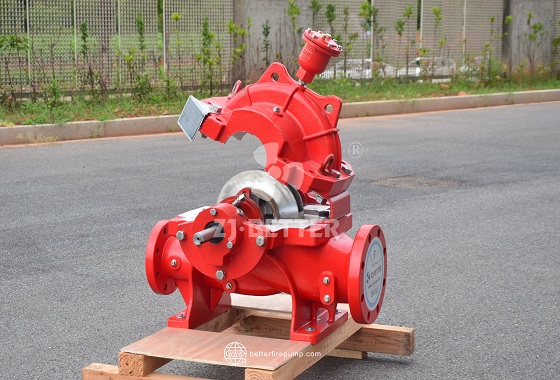
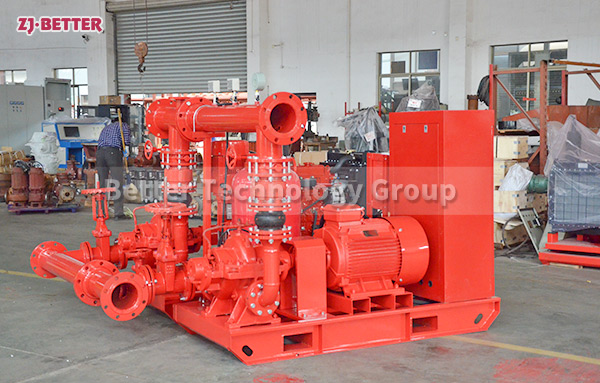
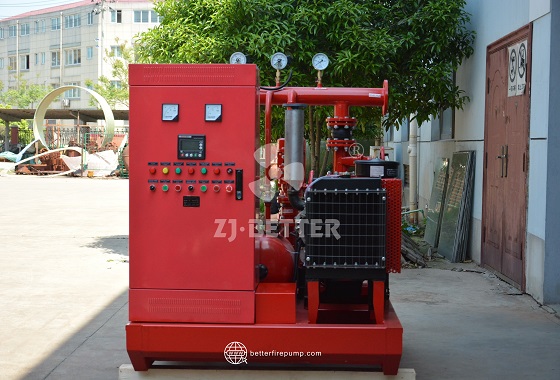
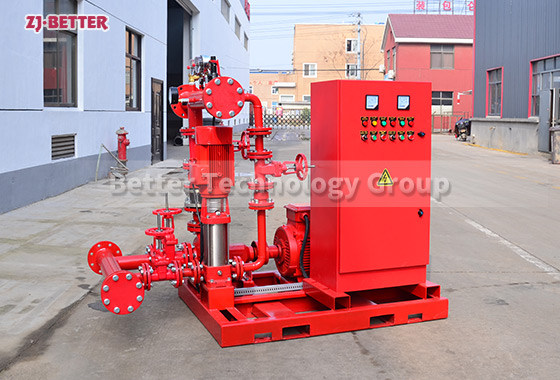
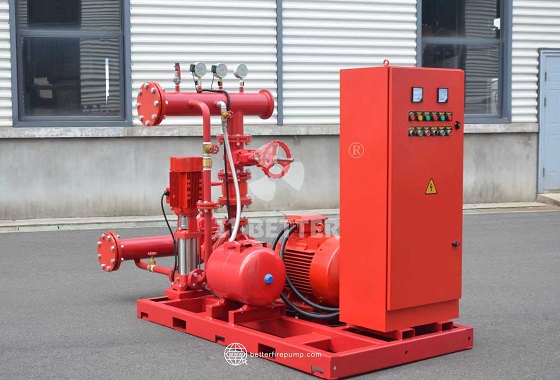
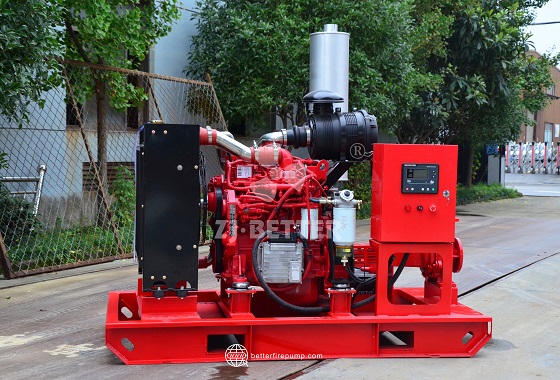
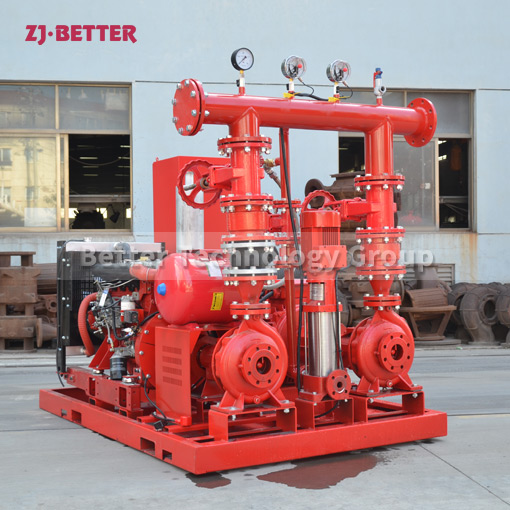
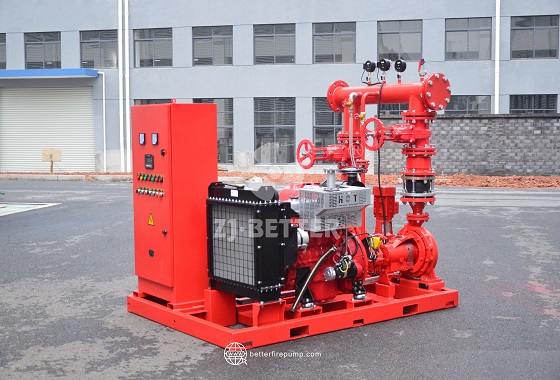
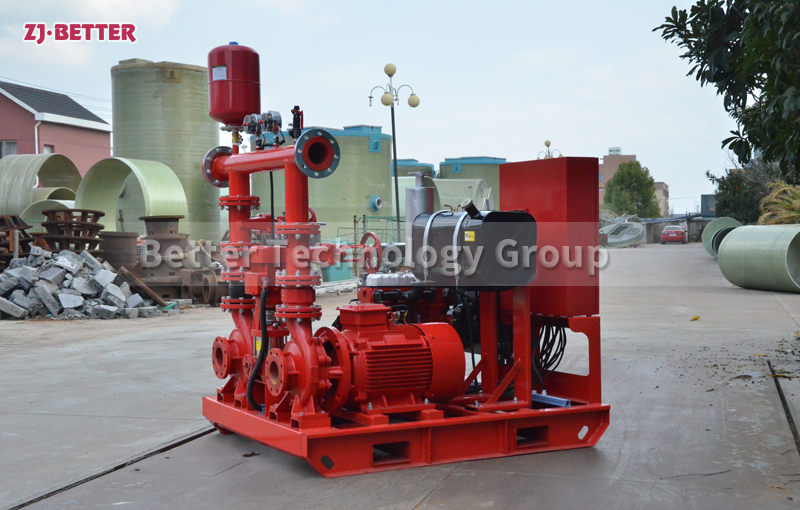
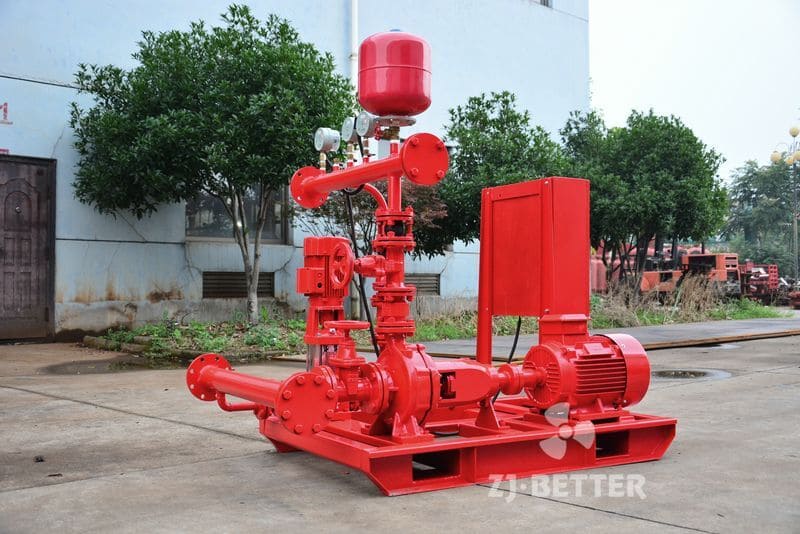
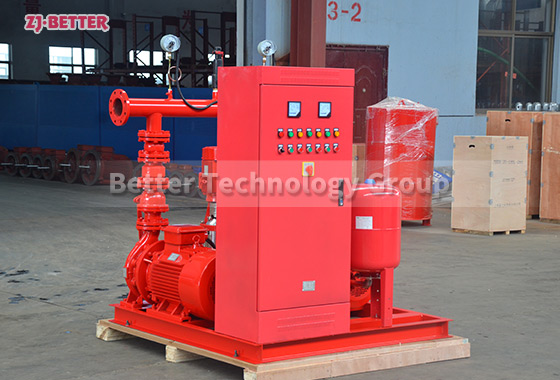
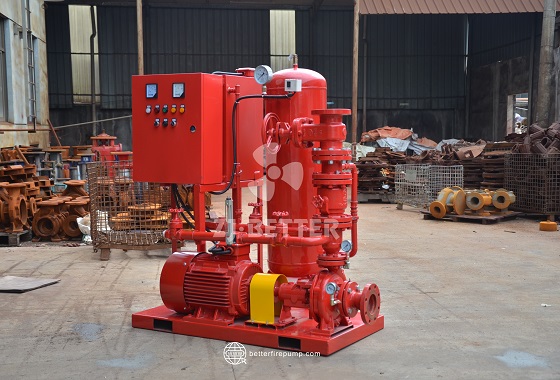
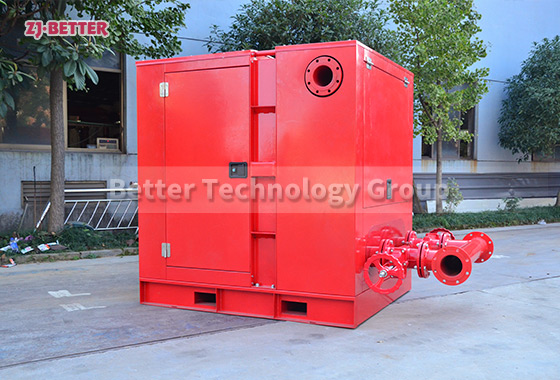
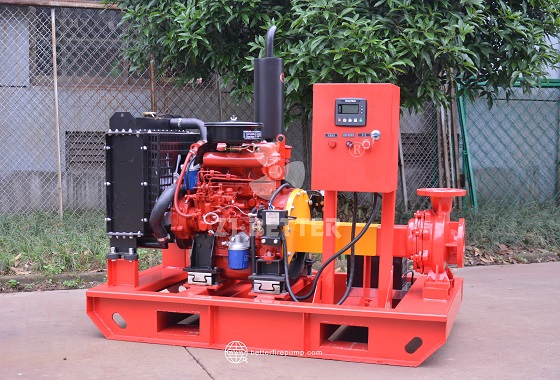
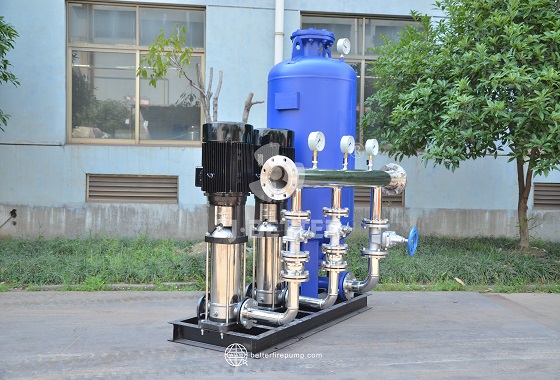
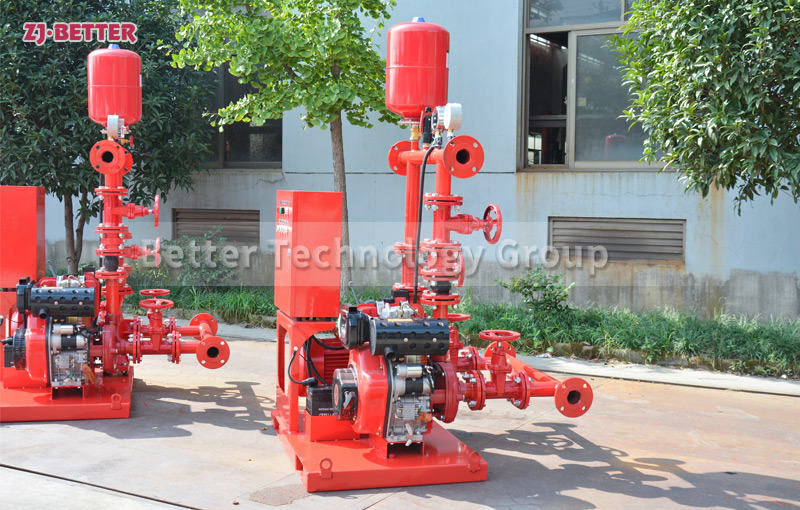
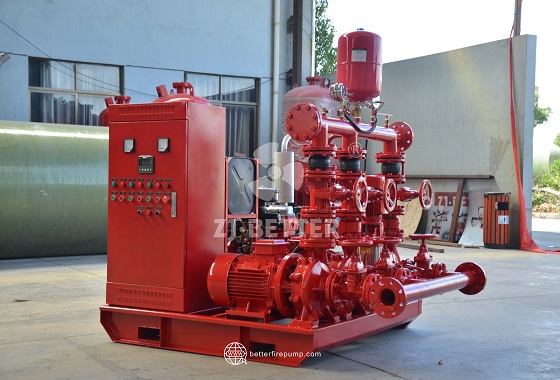
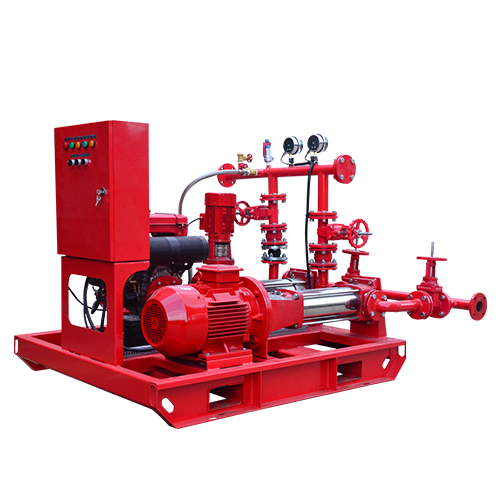
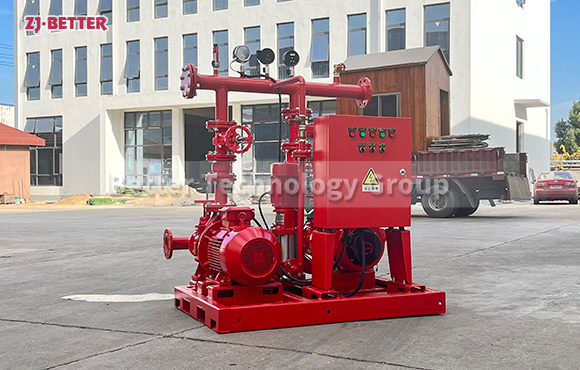
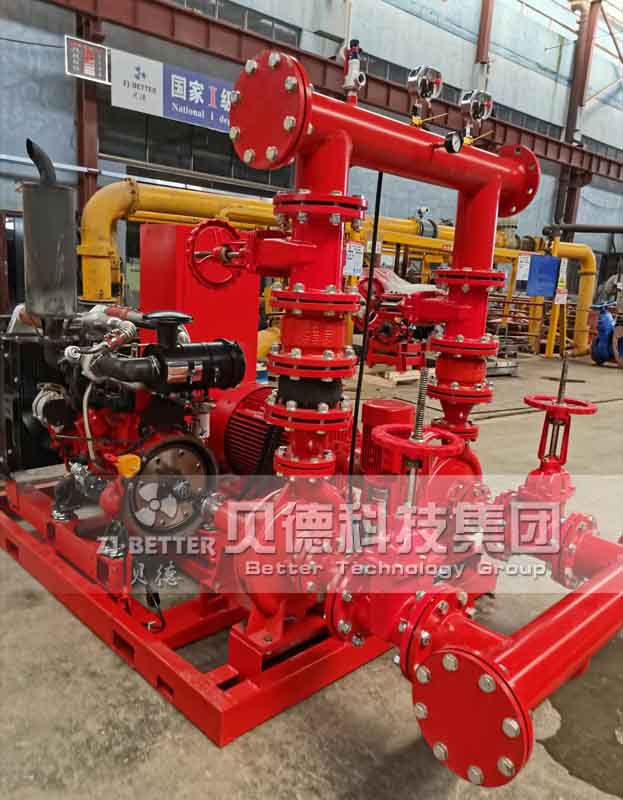
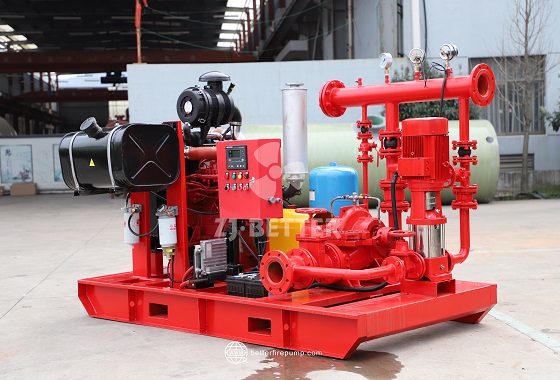
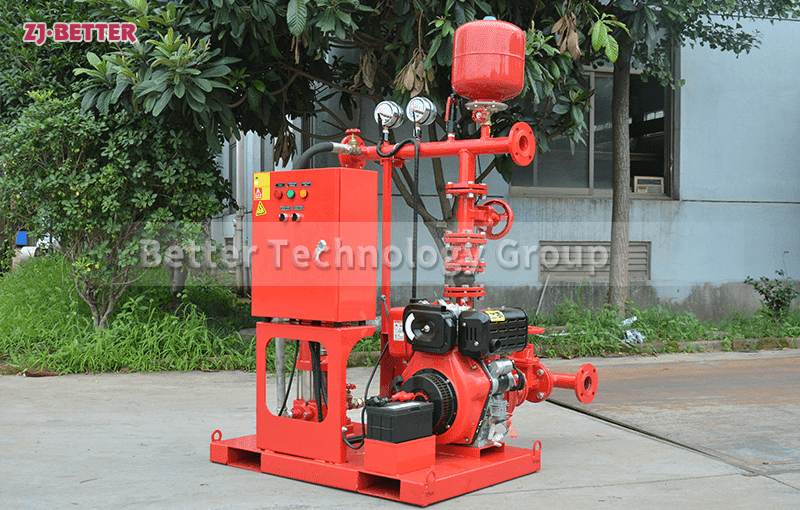
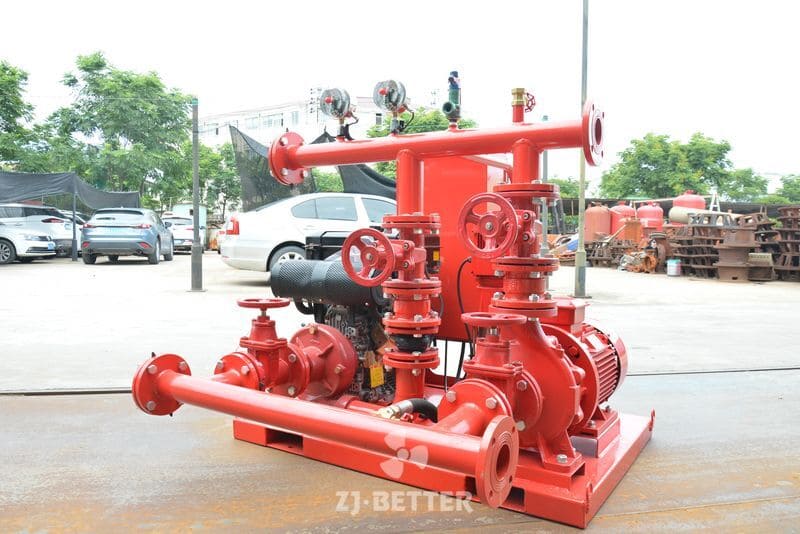
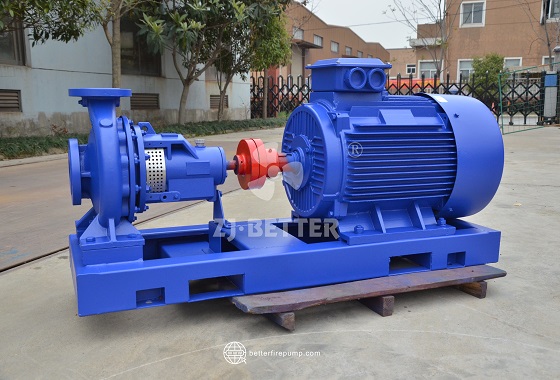
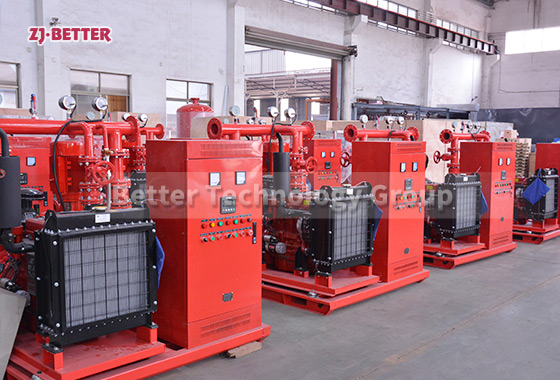
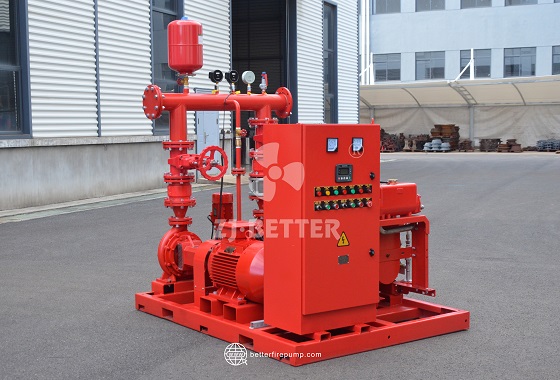
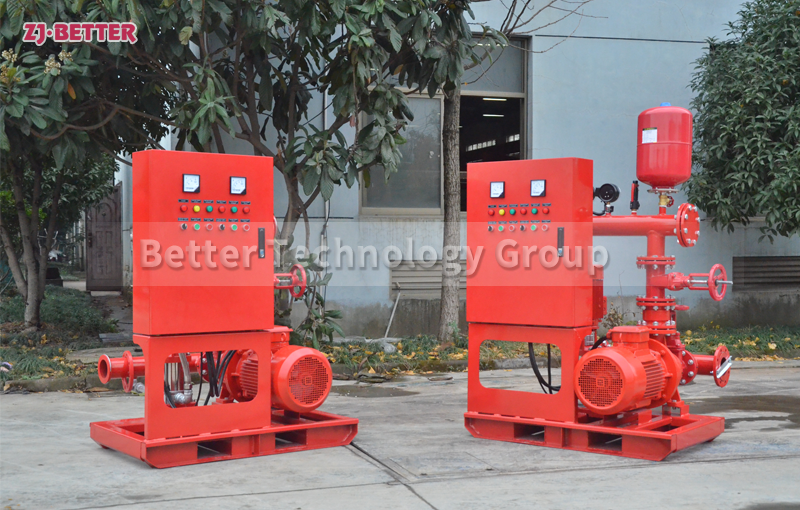
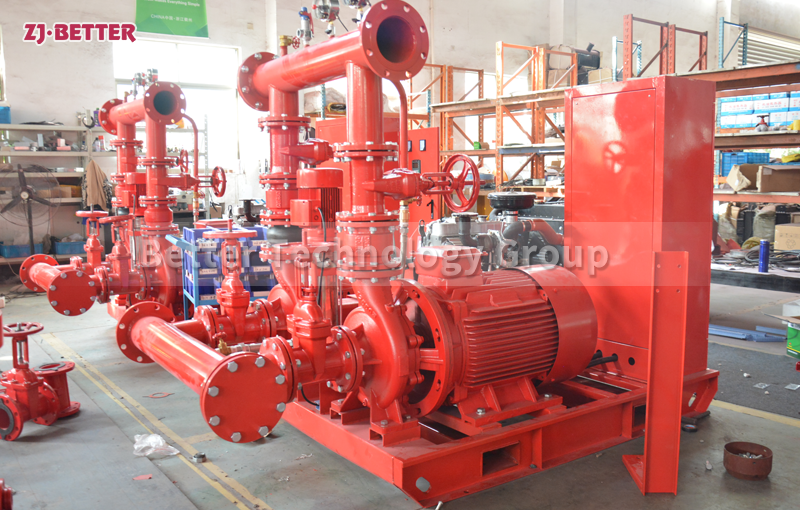
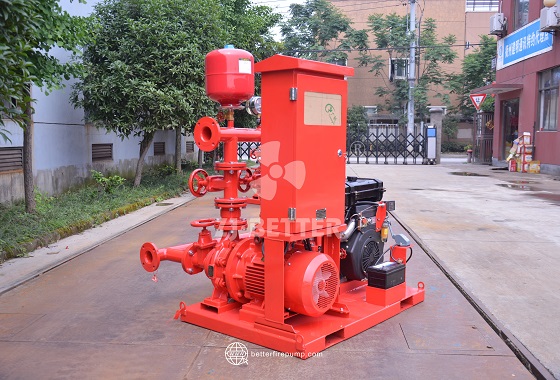
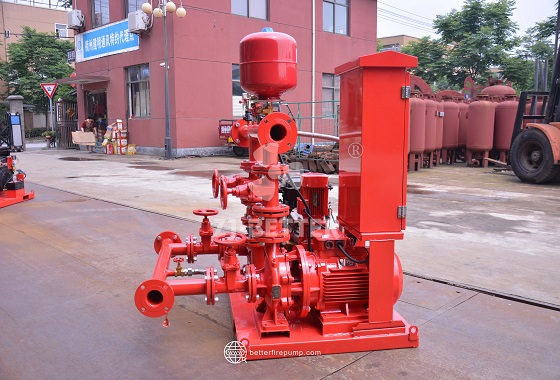
In today’s rapidly developing urbanization, building structures are becoming increasingly dense and multifunctional. Limited spaces are being required to accommodate more functions and facilities, placing new demands on the design and configuration of fire protection systems. Electric fire pumps, with their compact design and significant space-saving features, are an ideal choice for modern fire protection systems. These devices not only offer strong performance advantages but also demonstrate efficiency and reliability during installation and ongoing maintenance, providing a solid foundation for safety in various locations. Firstly, electric fire pumps feature a highly compact design. Utilizing advanced fluid dynamics and an optimized mechanical structure, the pump and motor are tightly integrated, eliminating the need for additional space for complex transmission mechanisms. This integrated layout not only reduces the overall size of the equipment but also significantly reduces the required machine room space, making it ideal for space-constrained high-rise buildings, underground spaces, commercial complexes, and industrial plants. Compared to traditional large pump units, compact electric fire pumps can reduce floor space by over 30%, allowing designers greater flexibility in the layout of fire protection machine rooms and preserving more space for other essential building functions. Secondly, electric fire pumps fully meet the high performance standards of modern firefighting systems. Their power is directly derived from electricity, resulting in extremely fast startup response and virtually no delay from receiving control commands to achieving stable water supply. This ensures immediate and consistent water pressure support in emergency situations such as fires. The pump body is constructed of high-quality materials that withstand high pressure and high temperatures, ensuring stable performance even under prolonged, high-intensity operation, preventing water pressure fluctuations or water supply shortages during critical moments. Furthermore, their compact design not only saves space but also reduces energy consumption and improves operational efficiency. By reducing transmission links and directly coupling the motor to the pump, energy losses are reduced, significantly improving overall system efficiency. For fire pump systems requiring long periods of standby operation, this high energy efficiency can help users reduce operating costs and extend equipment life. The intelligent control system further enhances economical and reliable operation. The equipment adjusts its operating state in real time based on pipeline pressure, enabling automatic start/stop and self-protection functions, saving energy while ensuring uninterrupted emergency water supply. Furthermore, the compact and modular design of electric fire pumps greatly simplifies installation and maintenance. The equipment undergoes rigorous factory assembly and commissioning. Installation requires only simple connections to the plumbing and power supply, shortening construction time and reducing installation costs. Maintenance is streamlined and standardized, making inspection and replacement easier. Maintenance personnel can inspect and repair critical components without disassembling the entire system, significantly reducing downtime and improving overall system reliability. In modern buildings, space conservation is crucial not only for reducing equipment room footprint but also for improving overall efficiency. In commercial complexes and high-rise buildings, limited equipment room space can be utilized for more commercial operations or residential living. Electric fire pumps, with their compact footprint and flexible layout, can be integrated with other electromechanical equipment to create a more optimal spatial layout, offering designers and developers greater flexibility. This space-saving feature is particularly advantageous in industrial plants and underground projects, helping users maintain effective fire safety even in confined or challenging environments. Furthermore, electric fire pumps exhibit low noise and vibration during operation, another hallmark of their compact design. The high-precision coupling between the pump and motor, along with an optimized dynamic balancing design, ensures smooth operation even at high speeds, with significantly lower noise levels than traditional pumps. This not only improves the operating environment but also meets the higher environmental and comfort requirements of modern cities. For equipment rooms requiring long-term operation, low noise and vibration effectively enhance the overall working environment. It is worth noting that with the advancement of intelligence and digitalization, electric fire pumps have gradually become an integral part of modern smart firefighting systems. These devices provide real-time operational status feedback through remote monitoring and intelligent platforms, allowing managers to maintain constant access to pump operating data and performance parameters, enabling remote start, shutdown, and fault alarms. This not only improves management efficiency but also avoids potential risks associated with insufficient manual inspections, enabling truly intelligent and visual management of firefighting systems. In summary, the compact design and space-saving advantages of electric fire pumps make them indispensable firefighting equipment in modern buildings and engineering projects. They offer fast response, stable water supply, and high energy efficiency. In engineering applications, they facilitate installation, simplify maintenance, and optimize space. Their operational experience is characterized by low noise, low vibration, and intelligent control. With the continuous improvement of urban development and safety needs, this type of electric fire pump solution not only represents the current best practice, but also an inevitable trend in the development of future fire protection systems.