Lightweight Diesel Fire Pump for Rural and Temporary Fire Protection
The portable diesel fire pump unit features high mobility, stable water supply, and strong environmental adaptability, making it suitable for grassroots fire fighting, construction sites, and emergency water supply scenarios, thereby improving initial fire extinguishing efficiency and response speed.
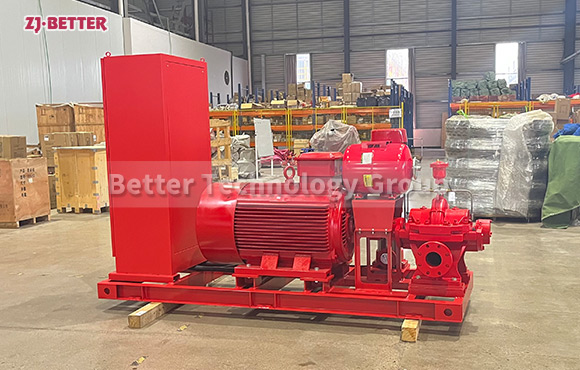
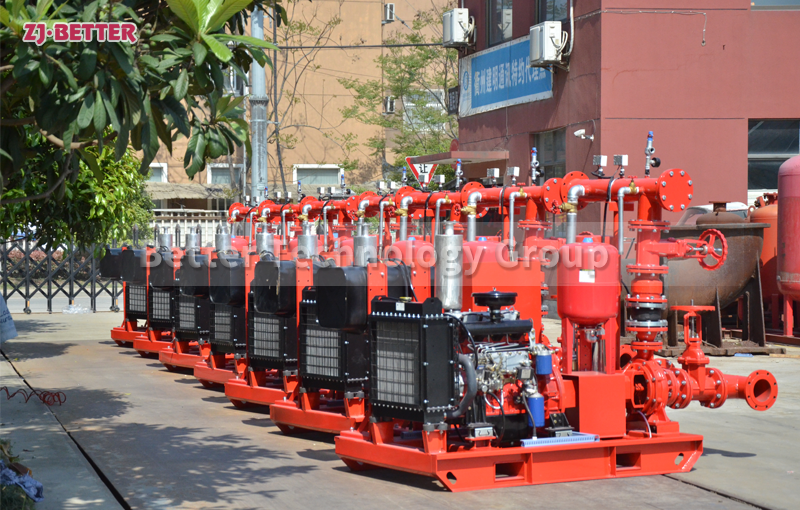
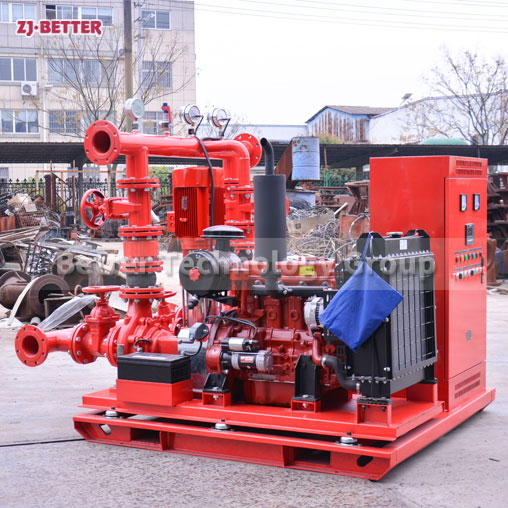
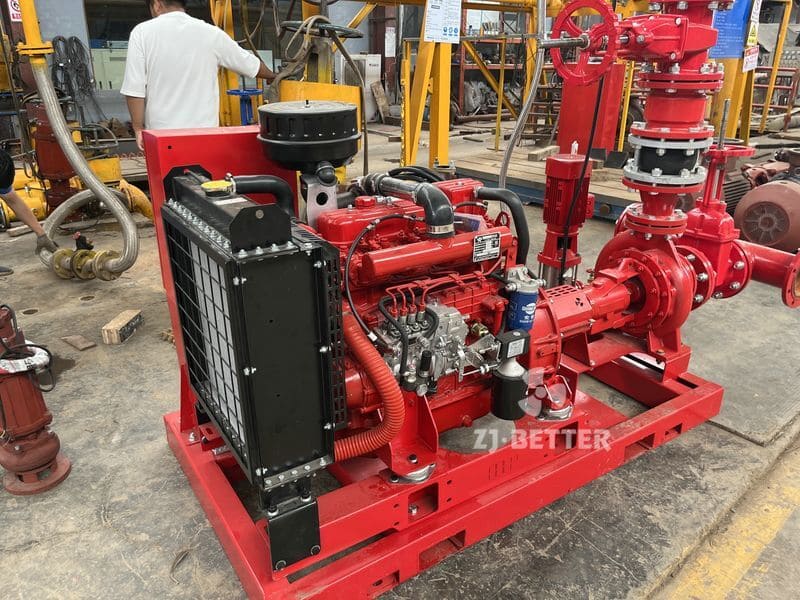
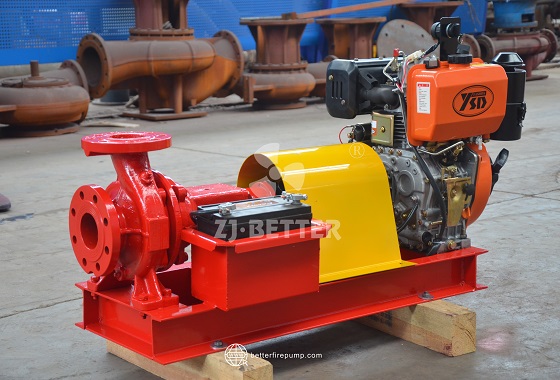
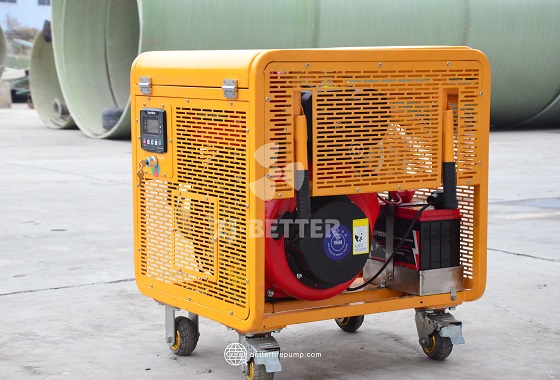
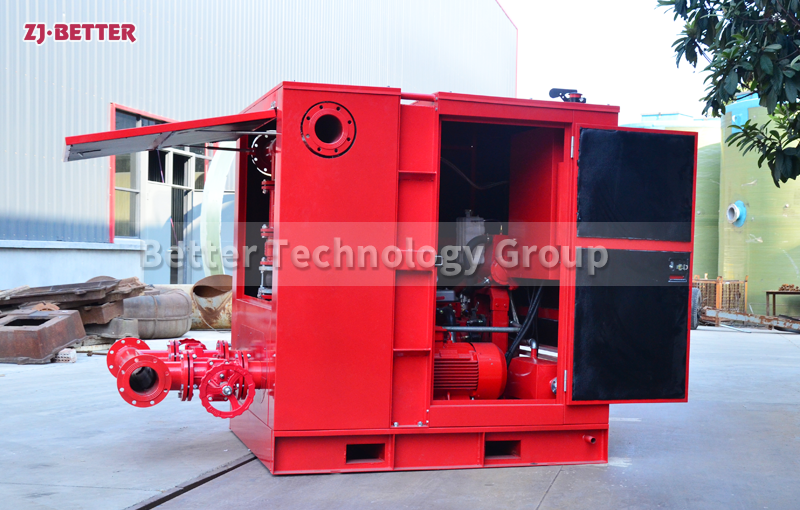
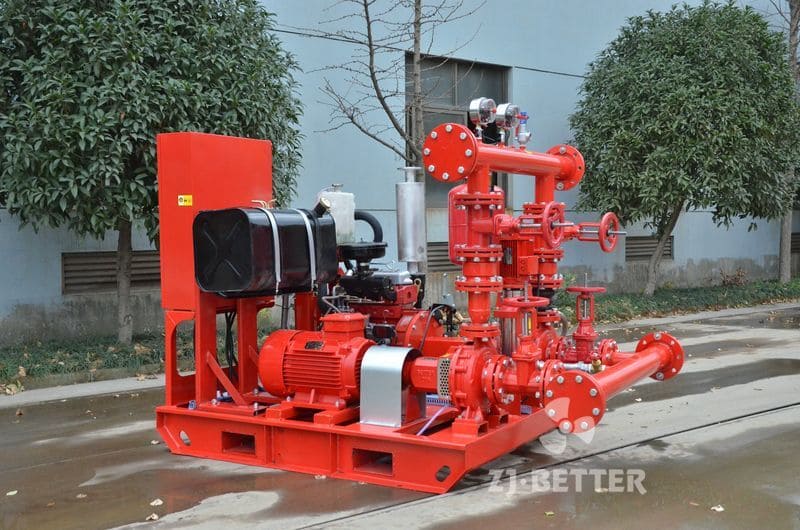
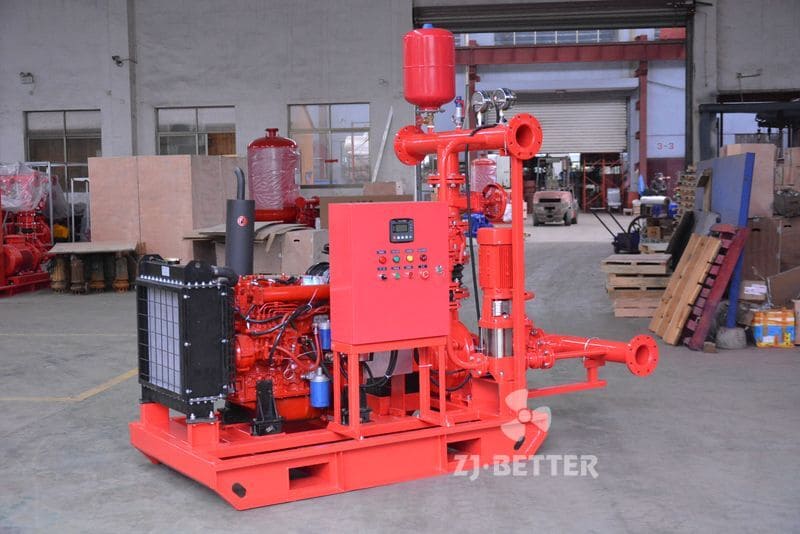
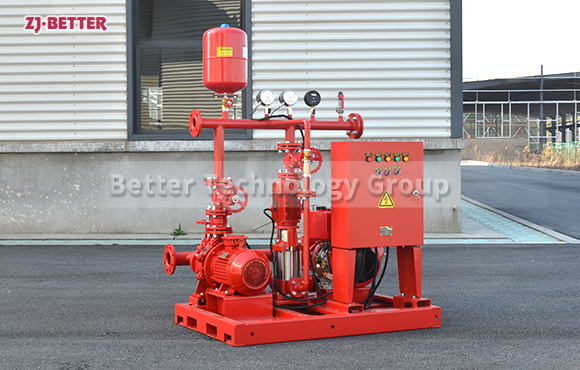
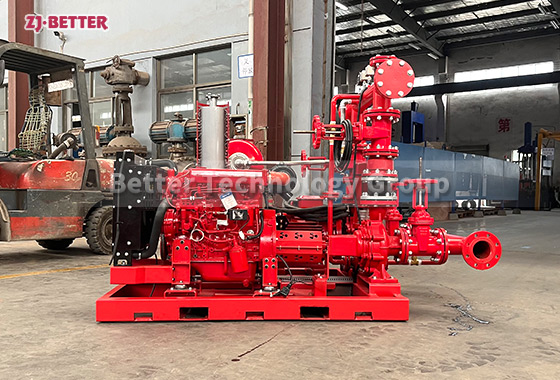
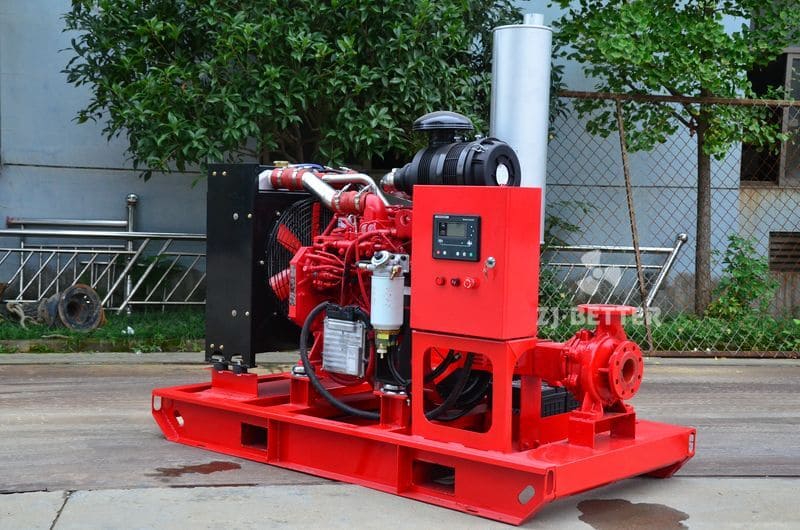
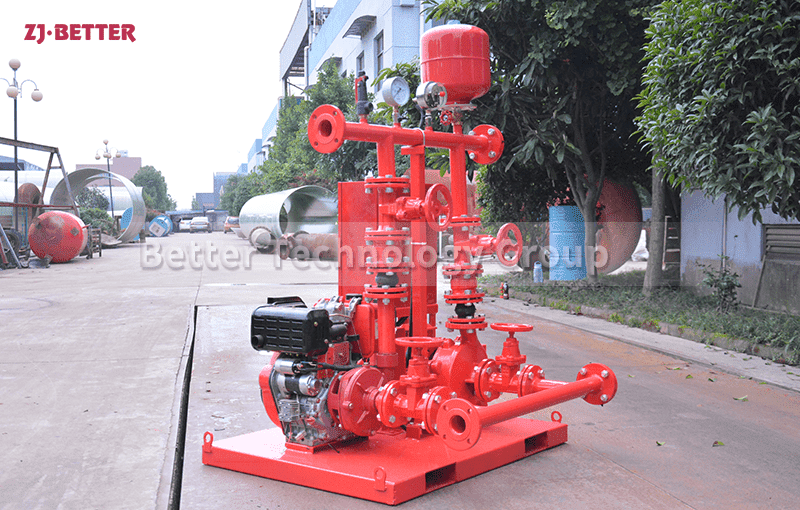
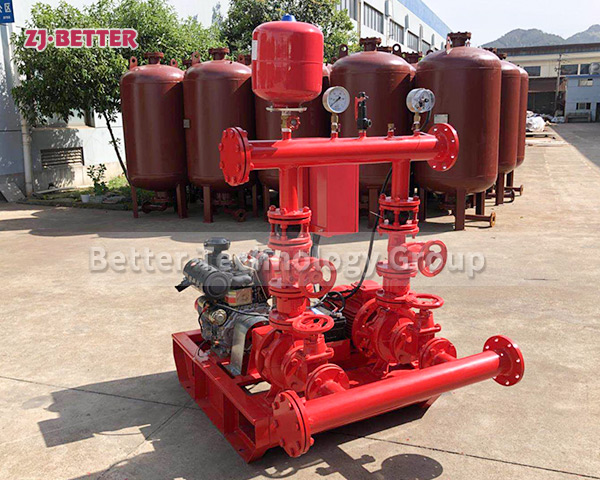
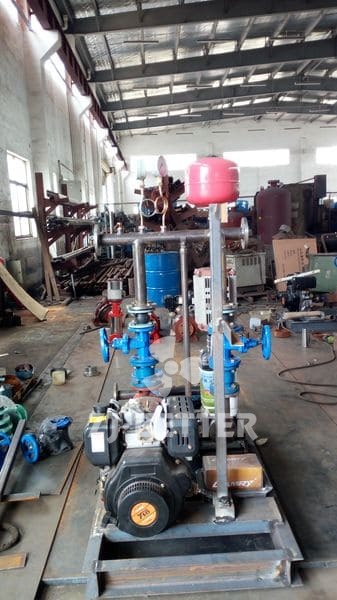
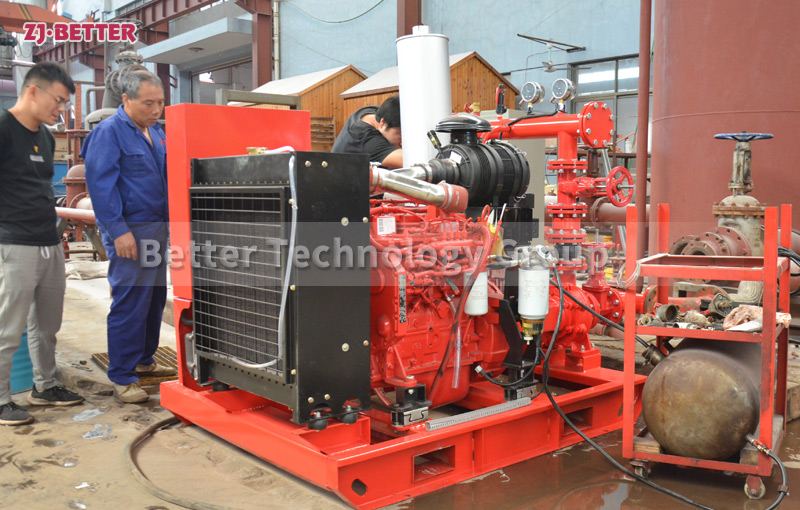
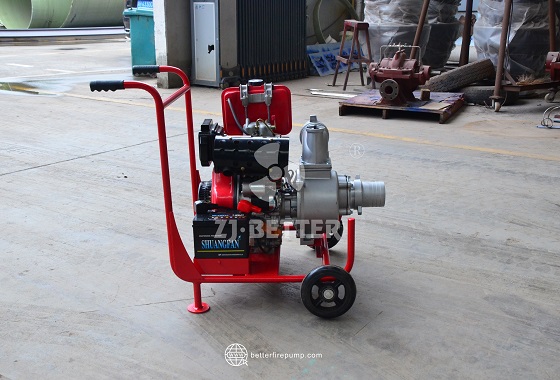
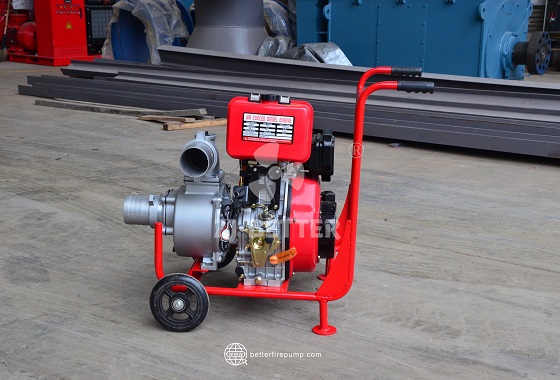
With the continuous development of the fire safety system, the importance of grassroots fire fighting forces and temporary emergency water supply capabilities is becoming increasingly prominent, especially in rural areas, remote regions, construction sites, and environments where various infrastructures are not yet fully developed. Traditional large-scale fire fighting equipment often cannot reach the scene in a timely manner or be deployed quickly. Therefore, a small fire fighting device that combines mobility, reliability, and efficient water supply capabilities is particularly crucial. The lightweight diesel fire pump unit has emerged in response to this need. Through the combination of compact structural design and efficient power system, it provides a flexible, efficient, and reliable solution for grassroots fire fighting and temporary water supply scenarios. This type of equipment was designed from the outset around the three core concepts of “portability, durability, and efficiency.” Through comprehensive optimization of the overall structure, power system, and hydraulic performance, it can maintain stable operation in complex and ever-changing environments, thereby effectively improving the emergency response capability for initial fires and reducing potential losses. The primary advantage of the portable diesel fire pump unit lies in its excellent mobility. The unit features a lightweight design and is equipped with a push-type structure and high-strength wheels, allowing operators to quickly move it to the fire scene without the need for large transport vehicles. It can be flexibly deployed in narrow alleys, rugged roads, or construction areas. This high mobility enables the unit to quickly intervene in the early stages of a fire, buying valuable time for subsequent firefighting efforts and significantly improving the combat capabilities of grassroots firefighting forces. Regarding the power system, the unit uses a diesel engine as its core drive source. Compared to gasoline engines, diesel engines have higher fuel efficiency and stronger continuous operating capacity, maintaining stable output under prolonged high-load conditions. Furthermore, diesel power systems are more adaptable to different fuel qualities and are easier to obtain in remote areas, ensuring normal operation under various conditions. In addition, diesel engines possess good durability and shock resistance, maintaining reliable performance even in complex environments, which is particularly important for emergency equipment. In terms of hydraulic performance, portable diesel fire pump units are typically equipped with high-efficiency centrifugal pumps or self-priming pumps. Through optimized impeller structure and flow channel design, the equipment achieves high head and stable flow output within a relatively small size. This performance combination allows it to not only meet short-range firefighting needs but also enable water delivery over a certain distance. In situations lacking a fixed water source or requiring water intake from natural water bodies, the equipment’s excellent self-priming capability allows for rapid establishment of a water supply, thereby improving overall firefighting efficiency. Simultaneously, its stable pressure output helps ensure the normal operation of water guns and sprinkler systems. Regarding ease of operation, this type of equipment emphasizes simplified procedures. Through a rational layout of control devices and the operating interface, operators can quickly master the equipment’s operation, enabling rapid startup and operation even in emergencies, thus reducing the impact of human error. Furthermore, the equipment exhibits good vibration control during operation and a robust overall structure, contributing to improved safety and comfort during use. In terms of structural design, the lightweight diesel fire pump unit uses a high-strength metal frame to protect the core components. This not only enhances the overall rigidity of the equipment but also effectively prevents damage from external impacts during transportation and use. The open design also facilitates heat dissipation and maintenance, keeping the engine and pump body in good condition during long-term operation, thus extending their service life. Furthermore, the equipment surface is typically treated with anti-corrosion coatings, allowing it to adapt to complex environments such as humidity and dust, improving its durability. Regarding operational reliability, this type of equipment undergoes rigorous quality control and performance testing to ensure stable operation under various working conditions. Its key components are made of wear-resistant materials and undergo precision assembly and calibration, maintaining a low failure rate during long-term use. The combination of the diesel power system and the high-efficiency pump body ensures continuous and stable water output during water supply, preventing performance fluctuations from affecting fire extinguishing effectiveness. In terms of maintenance and upkeep, the portable diesel fire pump unit also boasts significant advantages. Its simple structure and high degree of modularity allow users to maintain each component independently according to their actual needs. Routine maintenance tasks such as changing the oil, cleaning the filter, and inspecting connecting parts can be completed quickly, reducing maintenance difficulty and costs. Furthermore, its small size makes storage and transportation more convenient, facilitating flexible deployment across different regions. Regarding environmental adaptability, the equipment can withstand various complex conditions, including high and low temperatures and dusty environments. It can also be configured according to the needs of different regions, such as adding protective devices or optimizing cold-start performance, ensuring good operating capabilities even under extreme climatic conditions. This wide adaptability makes it a promising candidate for application in various regions and industries. In practical applications, portable diesel fire pump units are widely used in rural firefighting, forest fire prevention, construction sites, emergency rescue, and small industrial sites. Their rapid deployment and efficient water supply capabilities play a crucial role in the initial stages of a fire, especially before large-scale fire suppression systems arrive. This equipment can serve as an initial response force, effectively controlling the spread of the fire and minimizing losses. Its flexibility and low cost also make it an important supplement to grassroots firefighting equipment. With the continuous development of firefighting technology, this type of equipment is constantly being upgraded. Efficiency is improved through optimized power systems, water supply capacity is enhanced through improved hydraulic structures, and overall durability is improved through the introduction of more advanced manufacturing processes, resulting in continuous improvements in performance and reliability to better meet modern firefighting needs. Overall, portable diesel fire pump units, through the organic combination of highly mobile design, reliable diesel power, and efficient hydraulic performance, achieve efficient application in grassroots firefighting and temporary water supply scenarios. This not only improves emergency response speed but also provides a more flexible and reliable solution for fire protection in various complex environments, making it of great significance in modern firefighting systems.