Fire Pump Power Solutions: Professional Diesel Engine Systems Overview
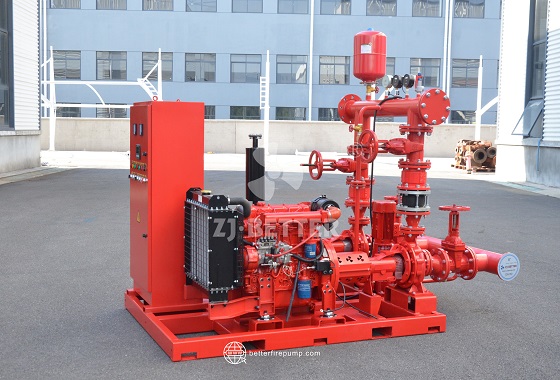
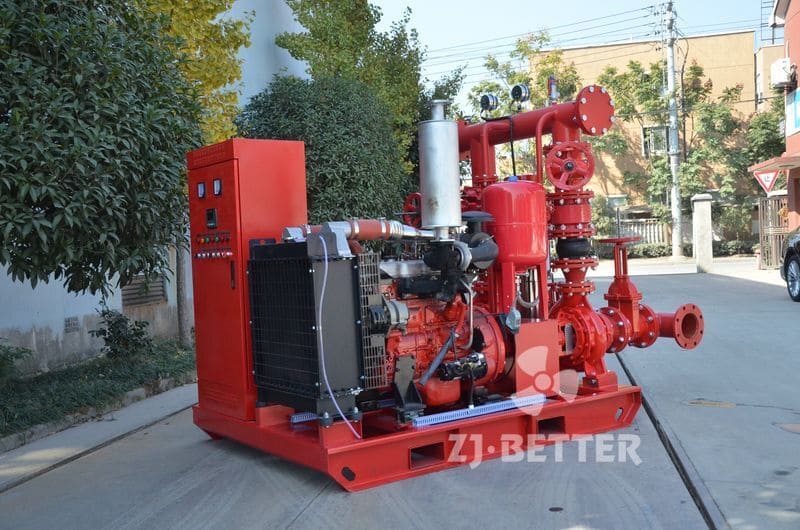
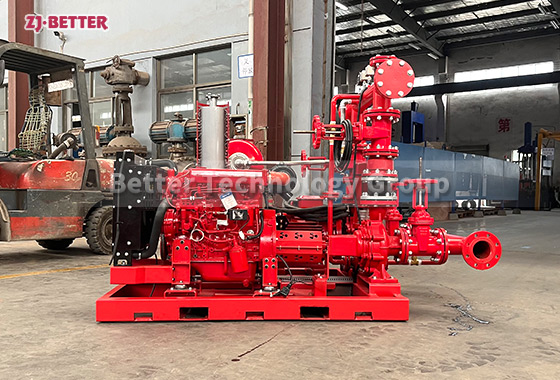
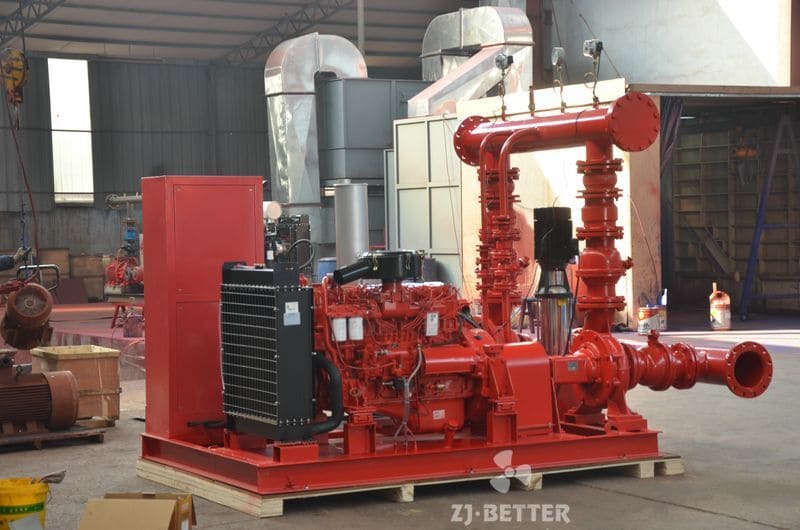
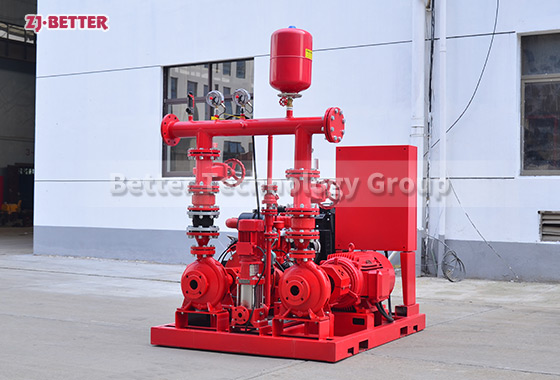
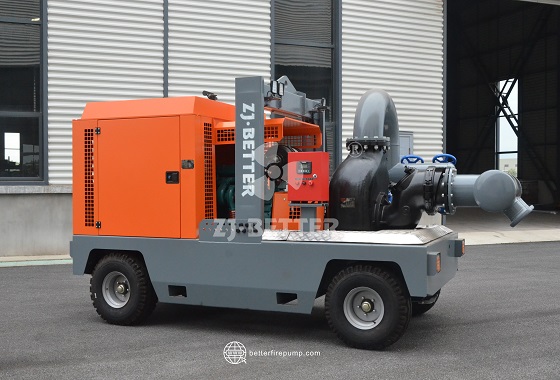
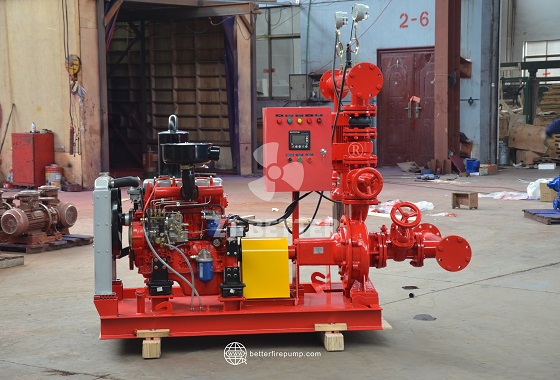
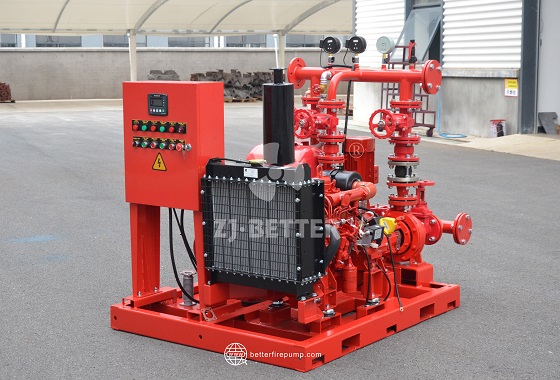
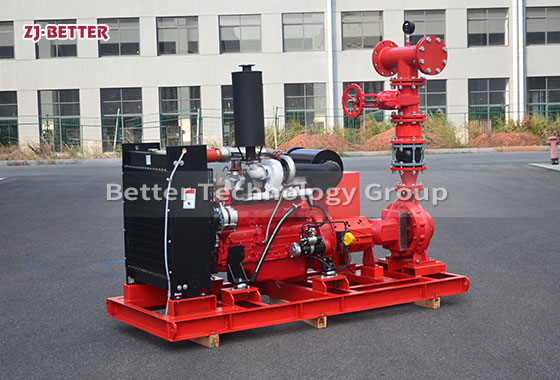
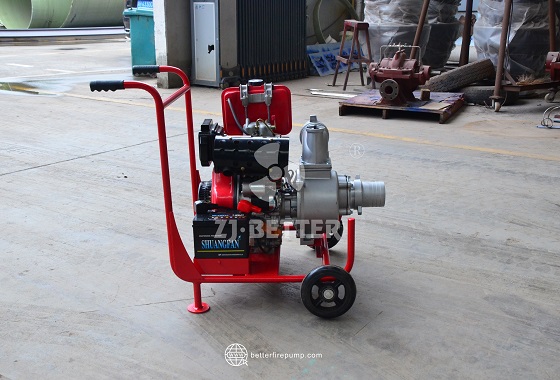
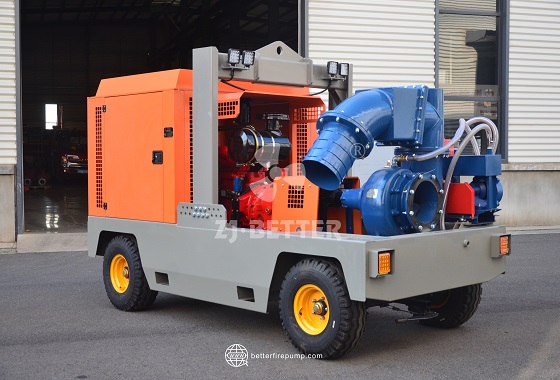
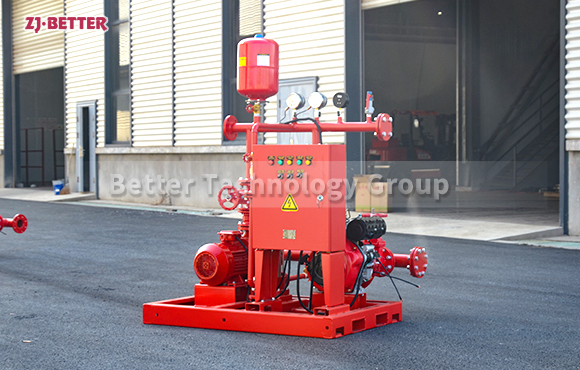
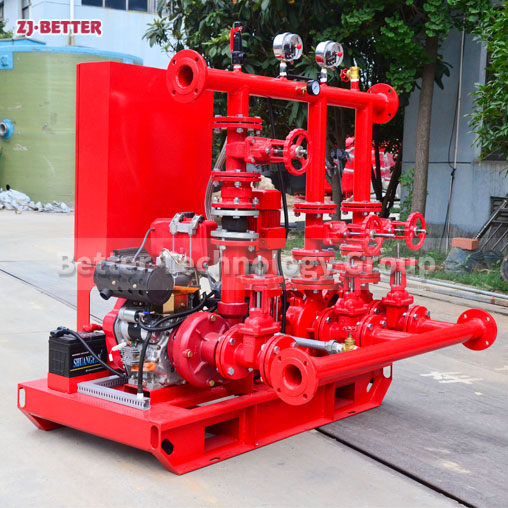
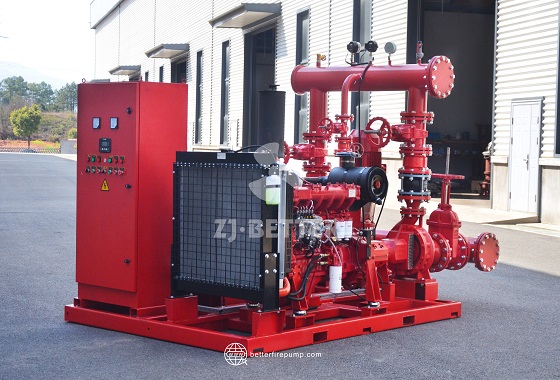
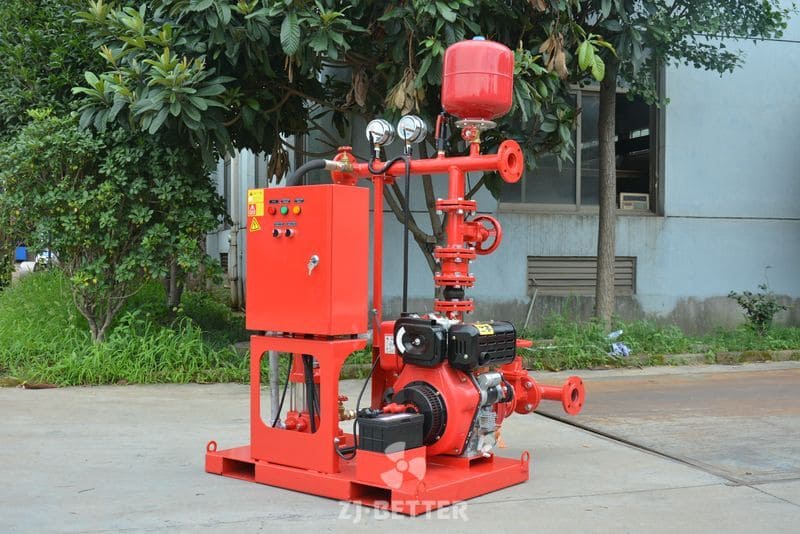
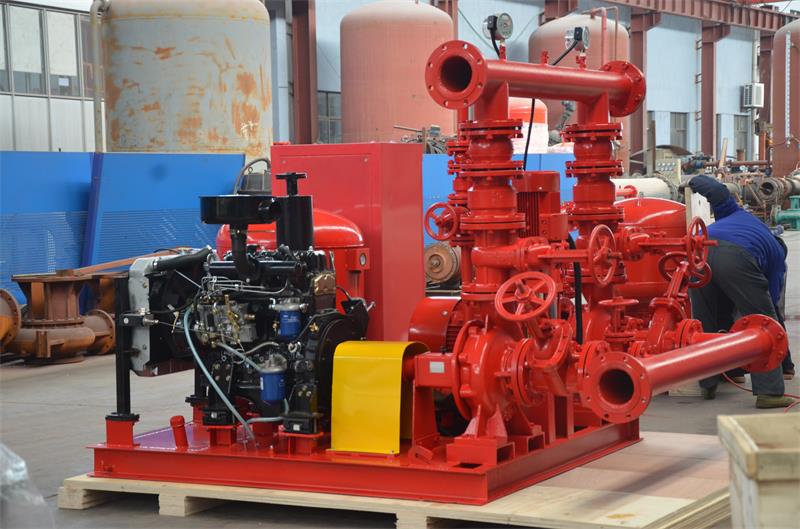
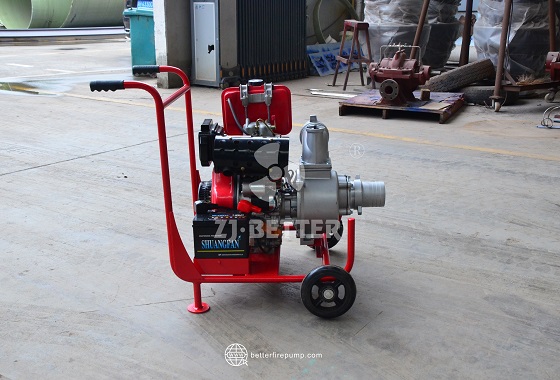
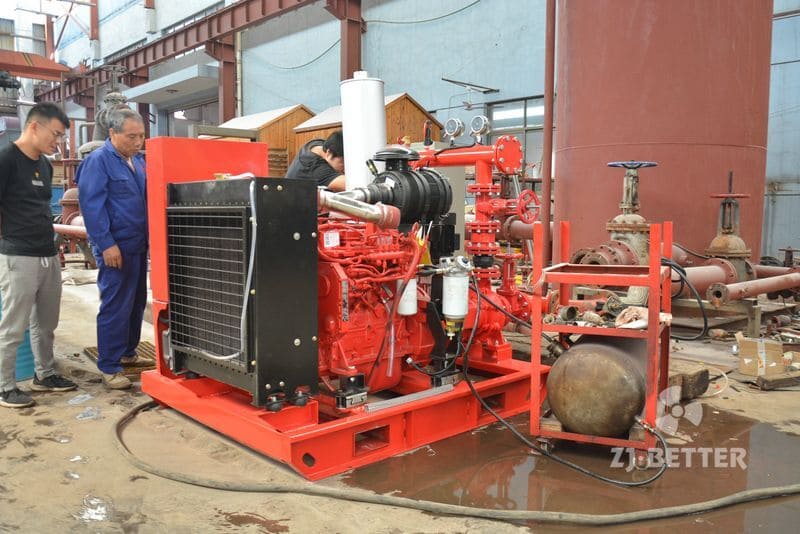
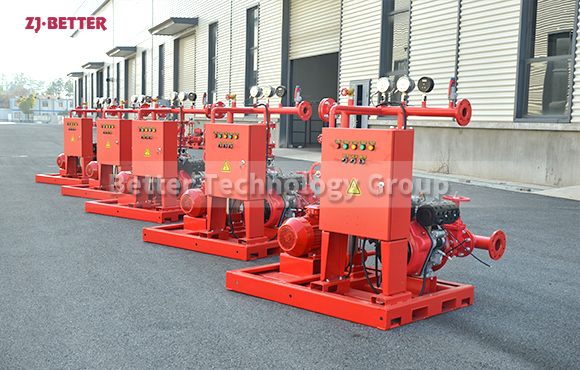
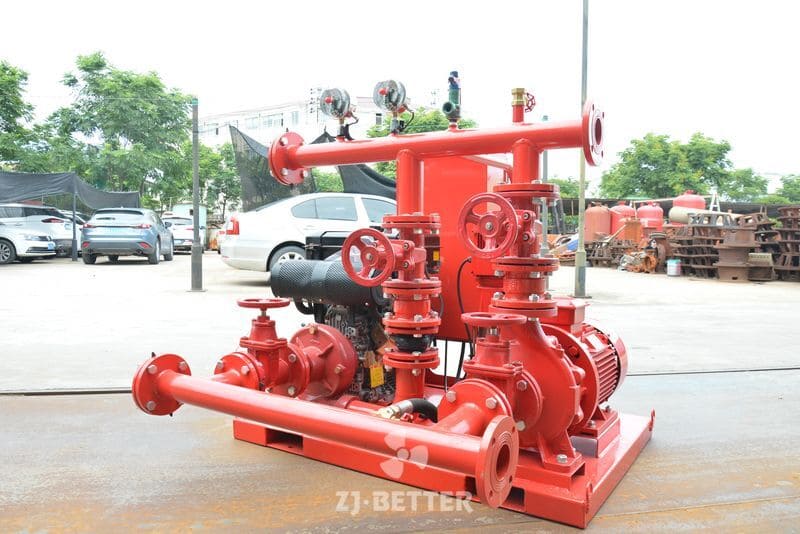
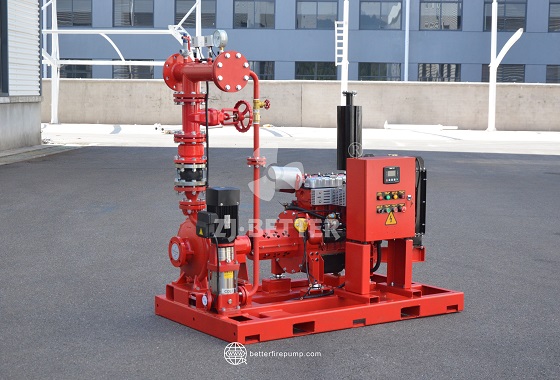
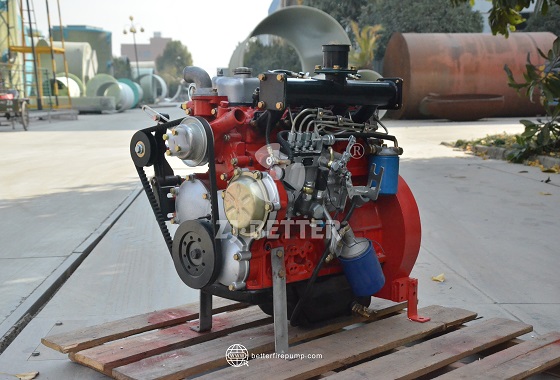
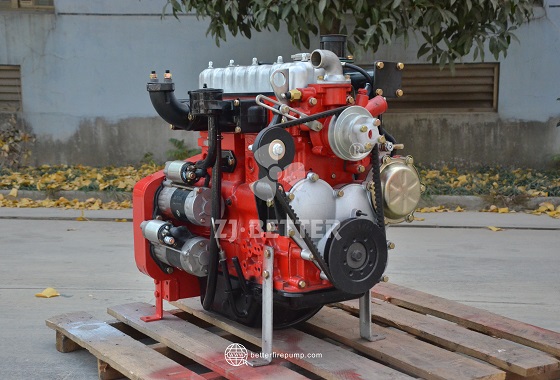
The dedicated diesel engine system for fire pumps provides a stable and reliable power source for fire pump units, featuring high efficiency, strong power output, and independent operation capability. It is widely used in industrial fire protection systems, building fire pump stations, and emergency fire water supply equipment.
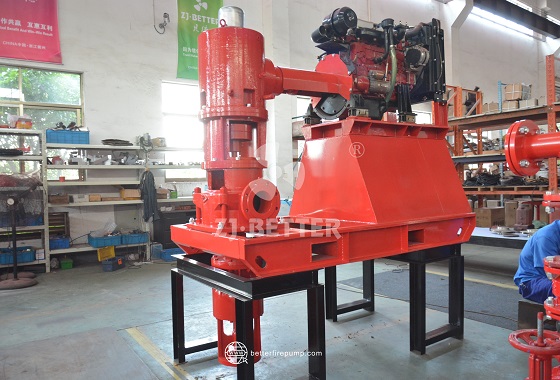
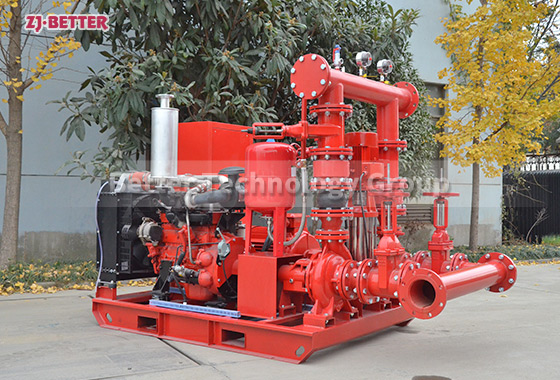
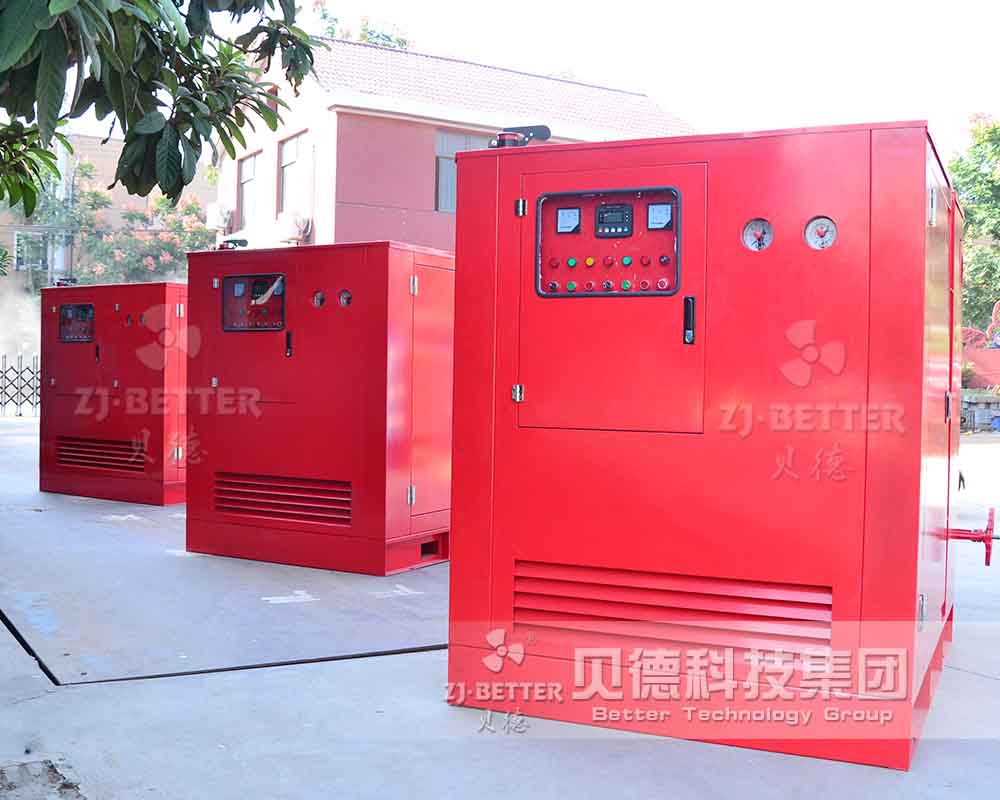
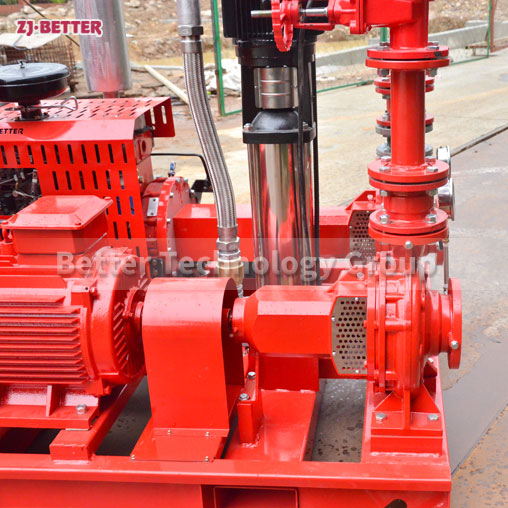
In modern fire protection engineering systems, a stable and reliable power system is a crucial foundation for ensuring the rapid deployment of fire protection equipment in emergencies. With the continuous expansion of urban construction and the increasing complexity of industrial facilities, the reliability requirements for fire protection systems in various buildings and industrial projects are constantly rising. In many large-scale fire water supply systems, fire pump units typically serve as core equipment, undertaking the vital task of providing a stable water source to the fire protection network. The power system driving the fire pumps becomes one of the key factors determining the normal operation of the entire fire protection system. In practical applications, fire protection systems often need to operate under extreme conditions. For example, during a fire, the power system may experience interruptions or instability. If the fire pumps rely entirely on electric power, a power failure could cause the fire protection system to malfunction. Therefore, diesel engine systems with independent power capabilities have become an indispensable and important component of modern fire pump units. Specialized diesel engine systems are designed specifically for fire pump equipment, with the core objective of providing stable, reliable, and efficient power output to the fire pumps, thereby ensuring that the fire protection system can maintain a continuous water supply capacity under any circumstances. In fire protection engineering applications, diesel engine drive systems are typically installed in fire pump units as either primary or backup power. When an electric fire pump fails to start due to a power outage, the diesel engine can quickly start and take over the water supply, ensuring the fire protection system can still operate normally in critical moments. Specialized diesel engine systems are designed and manufactured with full consideration of the special requirements of fire protection equipment operation. Through optimized structural design, enhanced power output, and improved environmental adaptability, they can maintain stable operation in complex environments. Diesel engines typically possess high torque output capabilities, enabling them to maintain a stable speed when driving high-flow fire pumps, thus ensuring stable flow and pressure output. In fire water supply systems, stable power output is crucial for maintaining network pressure and flow; therefore, the performance of the diesel engine system directly affects the overall operational effectiveness of the fire protection system. To meet the demands of long-term fire pump operation, specialized diesel engine systems typically employ high-strength engine structures and high-quality internal components, allowing them to operate continuously under high loads without affecting performance. Simultaneously, advanced fuel injection systems enable precise fuel control, thereby improving combustion efficiency and reducing fuel consumption, maintaining high economic efficiency during long-term operation. Another significant advantage of diesel engine systems in firefighting equipment is their excellent environmental adaptability. In many industrial facilities or firefighting projects in remote areas, equipment often needs to operate in high-temperature, high-humidity, or dusty environments, placing higher demands on the reliability of power equipment. Specialized diesel engines, through optimized cooling and air filtration systems, enable the engine to maintain stable operation under complex environmental conditions. For example, high-efficiency radiators can quickly reduce engine operating temperature, thus preventing overheating from affecting equipment performance; multi-stage air filtration systems can effectively filter dust and impurities from the air, ensuring that the air entering the engine remains clean, thereby improving combustion efficiency and extending engine life. In applications where firefighting equipment is typically idle for extended periods, diesel engine systems are usually equipped with automatic start-up devices and battery-powered systems to ensure rapid start-up in emergencies. When the fire hydrant pressure drops or the fire control system issues a start signal, the engine can start quickly and drive the fire pump into operation, thus achieving rapid water supply. This automated start-up mechanism is crucial for shortening the response time of firefighting systems, rapidly providing fire-fighting water in the early stages of a fire, thereby effectively controlling the spread of the fire. To further enhance system reliability, diesel engine systems are typically equipped with various protection devices, such as low oil pressure protection, overspeed protection, coolant temperature protection, and battery voltage monitoring. When the system detects an abnormality, the protection devices will automatically issue an alarm or stop the equipment, thus preventing the engine from continuing to operate under abnormal conditions and causing damage. Diesel engine systems generally employ a modular layout in their structural design, allowing for the rational distribution of components and facilitating maintenance. The engine body, fuel system, intake system, exhaust system, and cooling system are all precisely designed to form a compact structure within a limited space, facilitating installation on the fire pump unit base. Modular design not only improves the overall structural stability of the equipment but also facilitates the disassembly and replacement of parts during maintenance, thereby reducing maintenance time and costs. In fire pump unit applications, the diesel engine is typically connected to the fire pump via a coupling or transmission device, allowing power to be directly transmitted to the pump body to drive the water pump. By properly matching the engine power with the pump performance parameters, the entire system can operate under optimal conditions, achieving high-efficiency water supply. In large-scale fire protection projects, diesel engine systems can be combined with automatic control systems to form a complete fire pump control system. The control system can monitor engine speed, oil pressure, water temperature, and operating status in real time, displaying relevant parameters on a control panel, allowing operators to monitor equipment operation at any time. Some advanced systems can also achieve remote monitoring and automatic operation management, ensuring reliable operation of fire-fighting equipment even when unattended. In terms of application areas, specialized diesel engine systems are widely used in various fire protection projects, such as high-rise building fire protection systems, industrial plant fire pump stations, petrochemical facility fire protection systems, port and dock fire protection projects, and power facility fire protection systems. In these locations, fire protection systems often need to be deployed quickly in emergencies, therefore the power system must possess extremely high reliability. Diesel engines, with their independent operating capability and stable power output, play a vital role in these areas. Furthermore, in some remote areas or temporary fire-fighting facilities, where power supply is limited, diesel engine drive systems become an important power source for fire-fighting equipment. With the development of fire protection technology, diesel engine systems are also undergoing continuous technological upgrades. These upgrades include improving fuel efficiency through optimized combustion systems, enhancing engine durability through the use of advanced materials, and achieving more precise operation management through intelligent control technology. These technological advancements not only improve engine performance but also enable them to better meet the high reliability and efficiency requirements of modern fire protection systems. Overall, specialized diesel engine systems, as a crucial component of fire pump power solutions, play a vital role in modern fire protection engineering. They not only provide a stable and reliable power source for fire pumps but also ensure the continuous operation of fire protection systems during power outages or emergencies, thus providing strong support for firefighting operations. As global fire safety standards continue to rise and the scale of fire protection projects continues to expand, specialized diesel engine systems will play an even more important role in the future of fire protection equipment, providing safe, efficient, and reliable power for various fire water supply systems.