Automatic Start Diesel Fire Pump Set – Pressure-Signal Control for Rapid Pump Response
The automatic-starting diesel fire pump unit is powered by a diesel engine and integrated with pressure sensors and an automatic control cabinet, enabling it to start automatically based on preset conditions. It can be configured to meet specific flow rate and head requirements, making it suitable for fire water supply systems in industrial facilities, warehouses, and large-scale complexes.
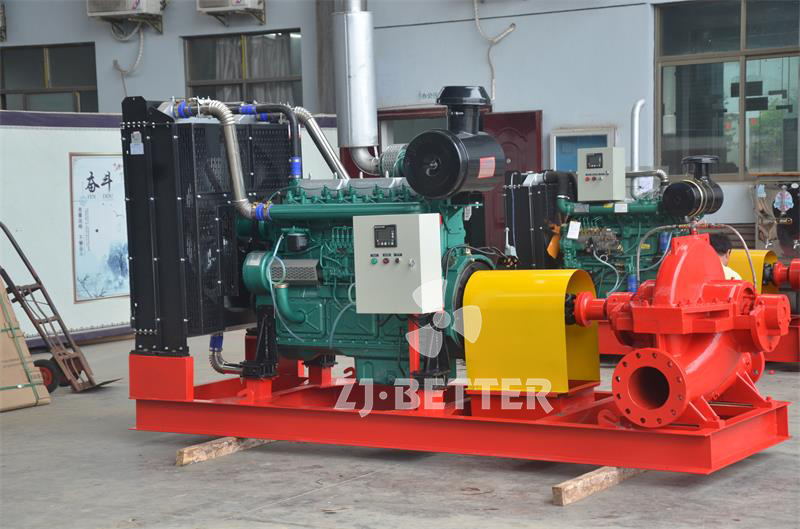
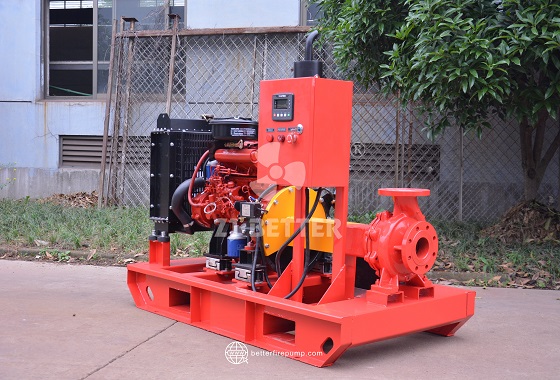
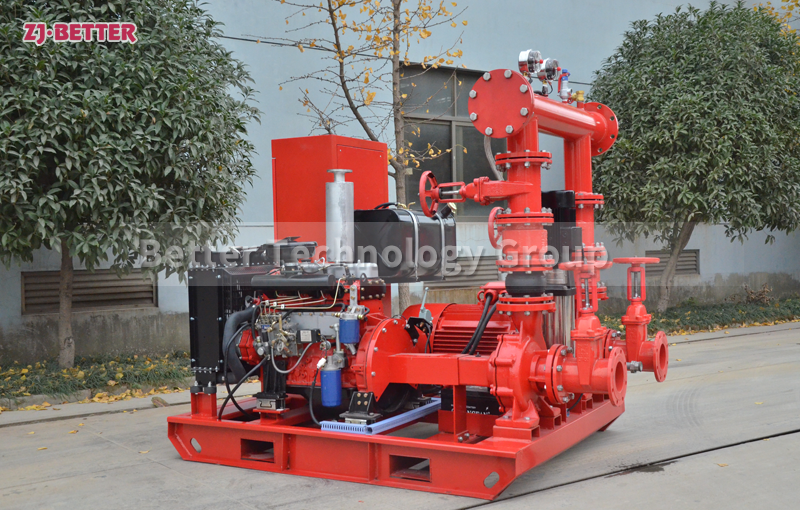
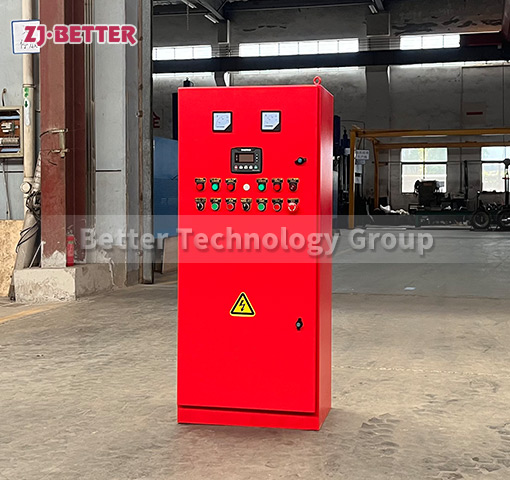
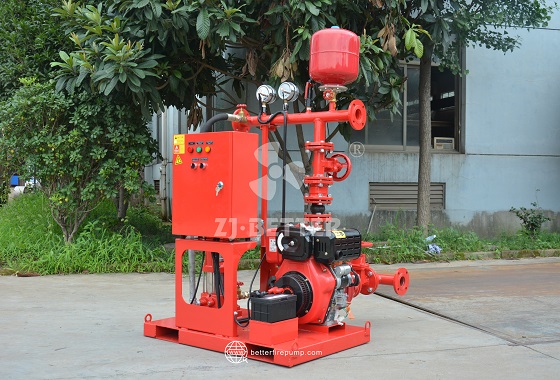
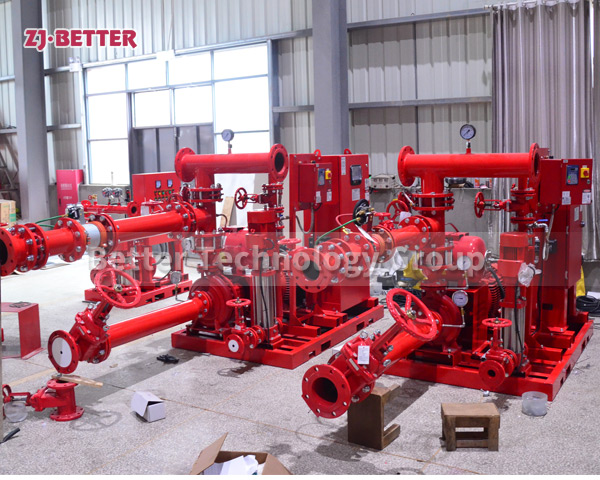
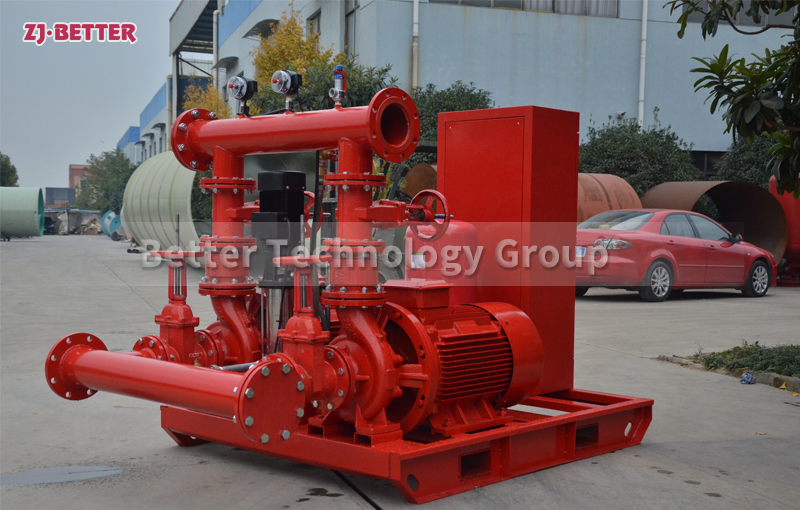
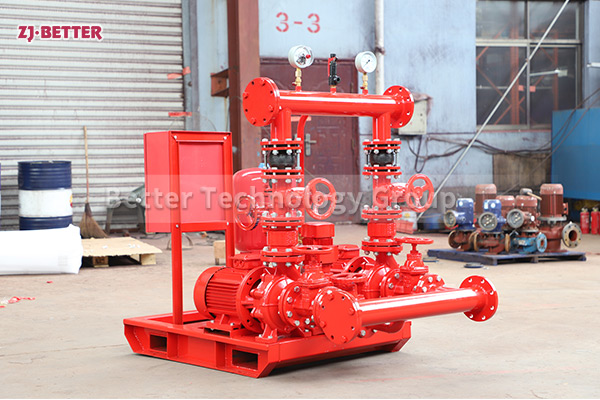
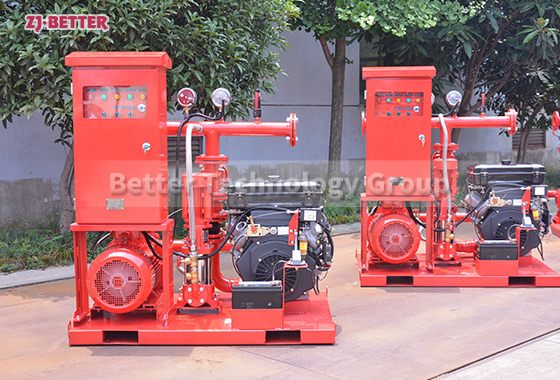
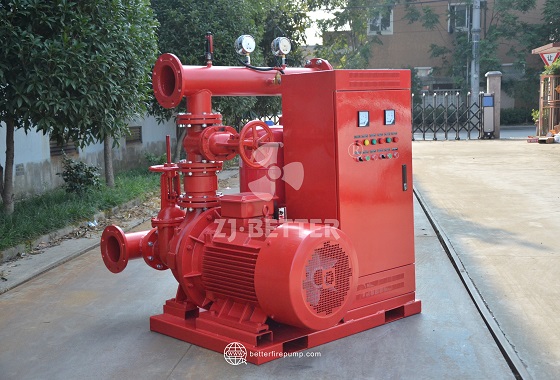
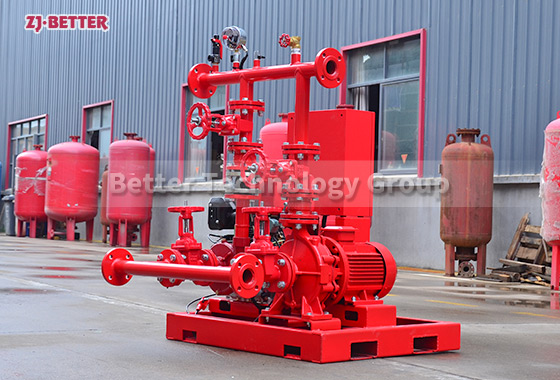
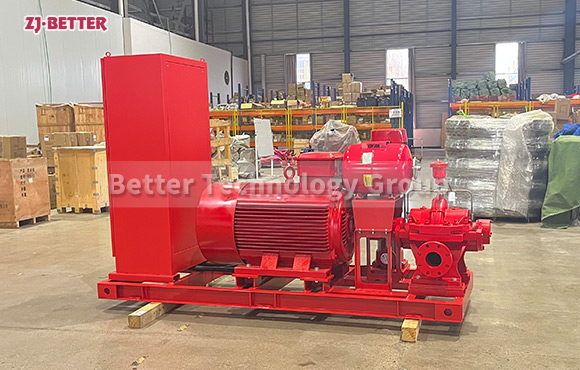
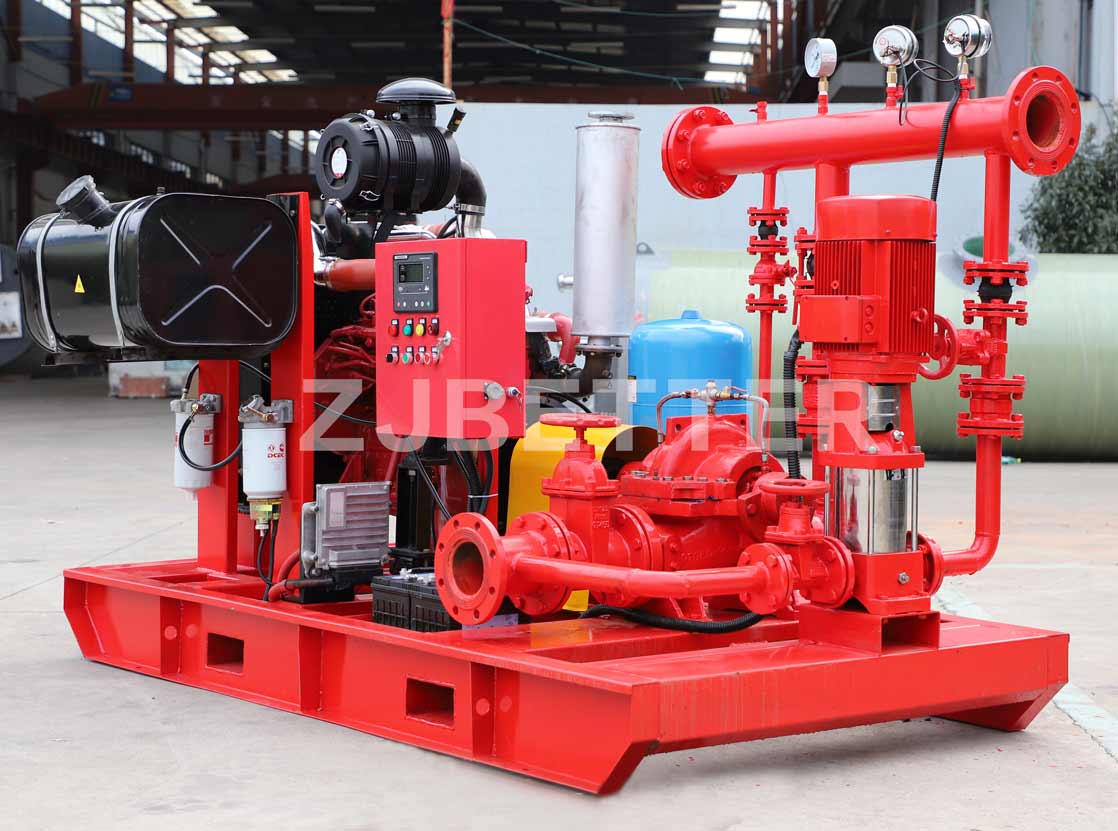
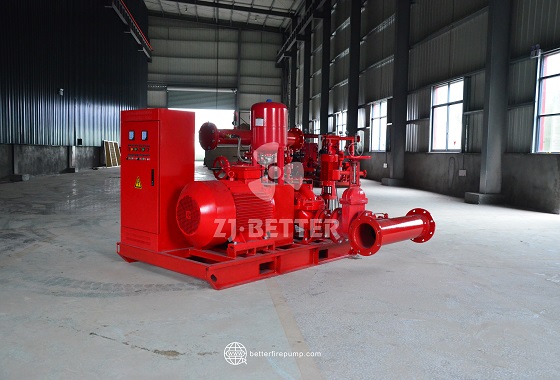
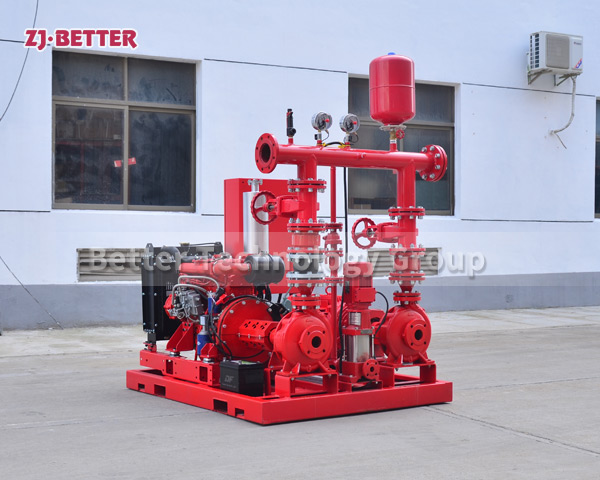
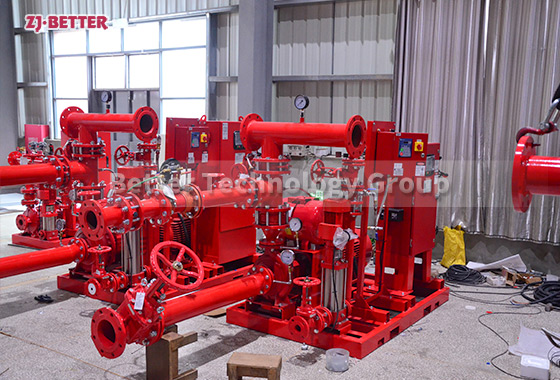
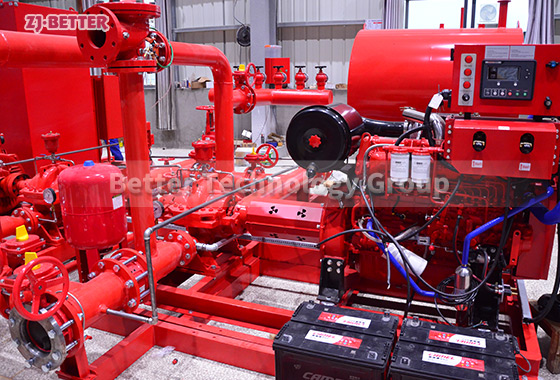
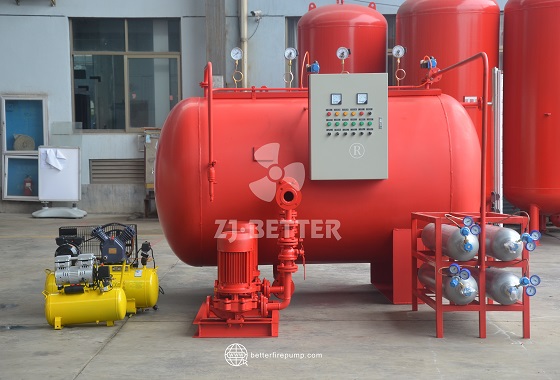
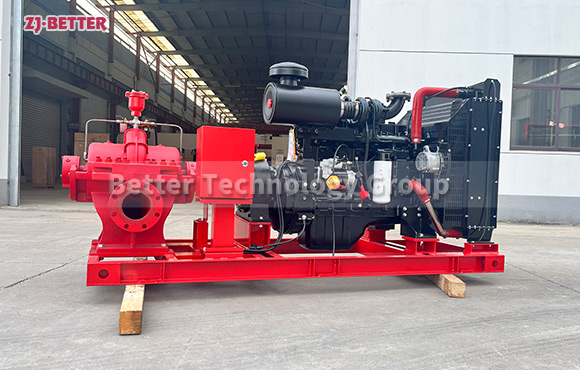
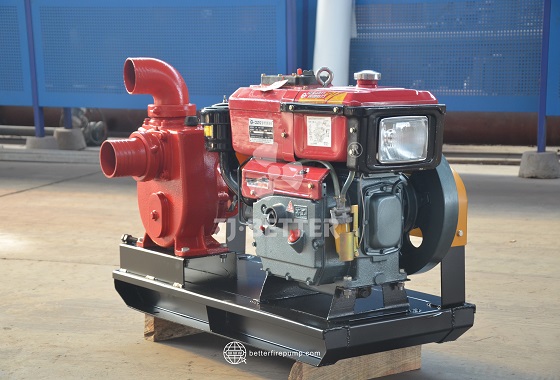
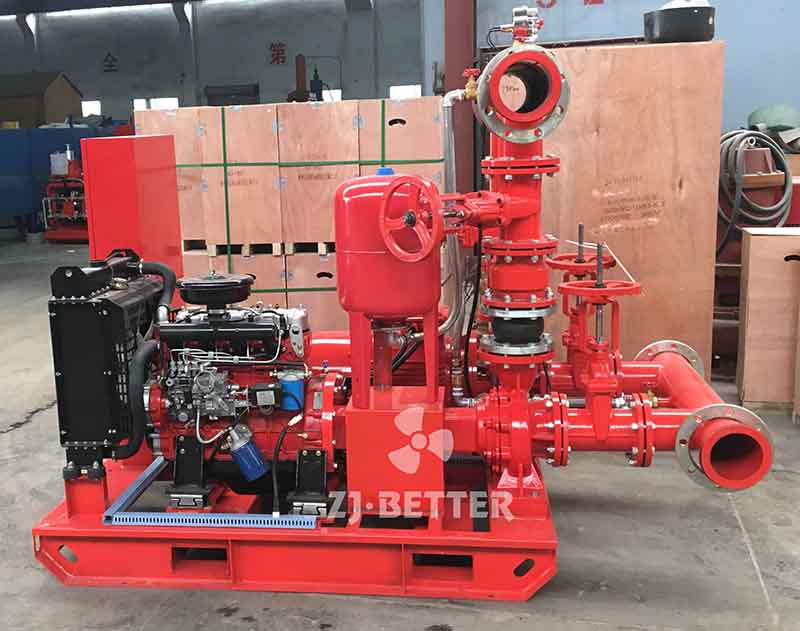
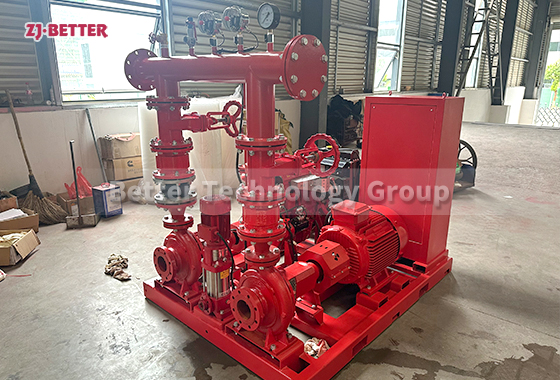
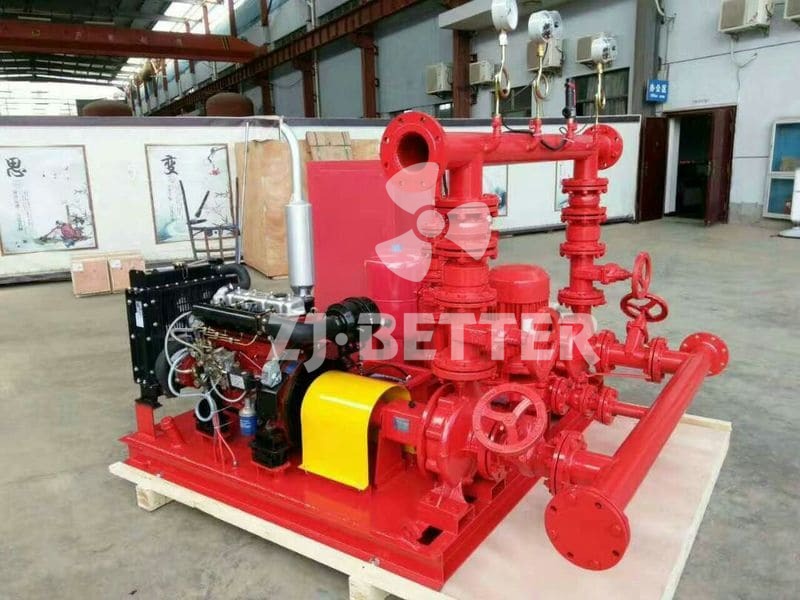
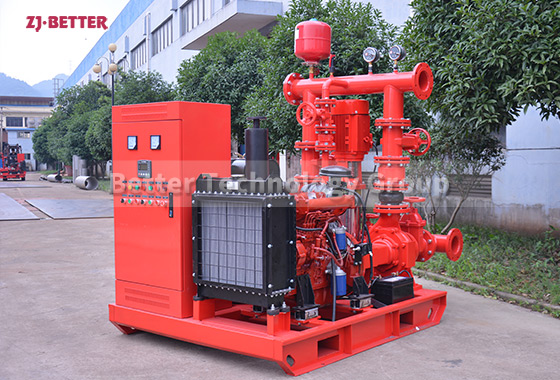
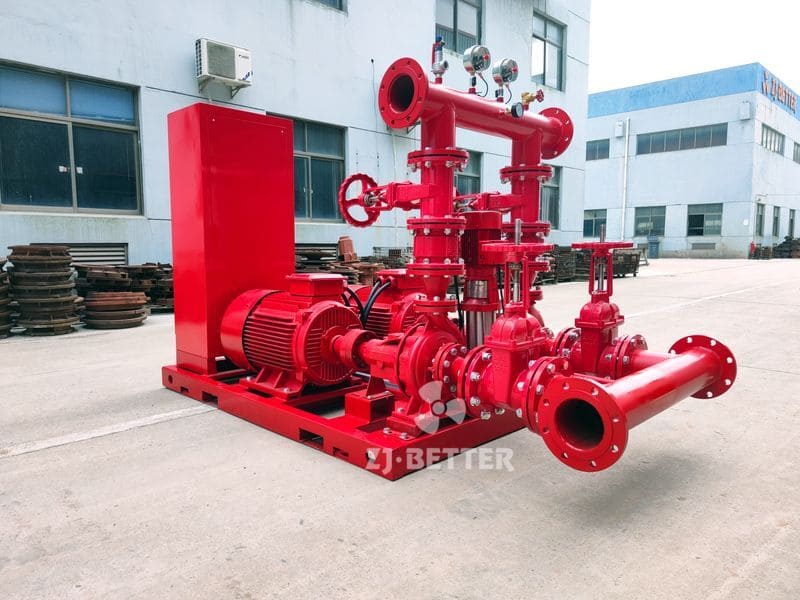
An automatic-starting diesel fire pump set is a complete fire-fighting water supply system driven by a diesel engine and equipped with an automatic control unit. It is primarily designed for fixed fire-fighting water supply systems that require an independent power source and automatic startup capabilities. The system typically consists of a diesel engine, a main fire pump, a control cabinet, pressure sensors, and associated piping and accessories; it may also include a jockey pump (pressure-maintaining pump) and a pressure tank, depending on project requirements. During operation, pressure sensors monitor the pressure within the fire-fighting piping network. When the pressure reaches a preset threshold, the control system—following established logic—triggers the diesel fire pump to start, thereby initiating the water supply process and reducing the need for manual on-site intervention. The diesel engine provides an independent mechanical power source for the fire pump, serving as a reliable backup for fire-fighting water supply. This equipment is suitable for industrial facilities, logistics warehouses, docks, airports, and other projects that require a diesel-powered fire pump. By integrating the power unit, pump components, and control equipment, the system facilitates streamlined installation, wiring, and commissioning, while also making it easier to inspect the connections between various components. Depending on specific hydraulic requirements, the fire pump can be configured as an end-suction, single-stage, horizontal split-case, or multi-stage pump, with the specific model selected based on design flow rate, head, pipe diameter, and operating pressure. The output power of the diesel engine must be appropriately matched to the hydraulic performance of the fire pump to ensure the system can deliver the required water supply under specified operating conditions. The automatic control system is a critical component, enabling functions such as automatic startup, manual operation, status monitoring, and fault alarms. Additionally, the diesel engine control unit can incorporate protective and monitoring devices to keep operators informed of the equipment’s status. It should be noted that while pressure sensors provide the signals necessary for triggering a startup, the actual startup logic, conditions, and control methods are determined by project design specifications, applicable standards, and the specific configuration of the control cabinet; the mere presence of a pressure sensor does not automatically imply that a system possesses a specific, standardized automatic-starting functionality. In systems equipped with both a pressure-maintenance (jockey) pump and a pressure tank, the jockey pump is primarily responsible for maintaining pressure in the piping network during standby, while the pressure tank stores water under pressure to buffer minor pressure fluctuations. The main diesel-driven fire pump, meanwhile, engages to provide fire-fighting water supply once specific, pre-set starting conditions are met. Defining the distinct roles of each component helps prevent unnecessary activation of the main pump caused by minor pressure variations and facilitates more effective pressure management within the system. Depending on project requirements, the pump assembly may include components such as check valves, gate valves, pressure gauges, pressure sensors, suction and discharge piping, flexible connectors, flanges, and a common base frame; the specific configuration should align with the project design and the supplied equipment package. A common base frame facilitates the centralized mounting of major components, simplifying transport, positioning, and on-site installation—though the layout must still account for equipment weight, foundation load-bearing capacity, piping connections, and space for maintenance access. To ensure the reliability of the automatic start function, the system must undergo thorough verification before commissioning, including checks of control logic and sensors, diesel engine start-up tests, inspections of fuel and cooling systems, and operational testing of the pump assembly. Ongoing maintenance and functional testing should also be performed at prescribed intervals. Product performance should be evaluated based on specific models and technical documentation; the available diesel fire pump series offer a range of flow rates (30–9,000 GPM) and heads (3–20 bar), with precise parameters determined by the performance curves of the selected model and the specific operating conditions of the project. In summary, by integrating pressure signal detection, control systems, and diesel-powered drive units, these automatic-start diesel fire pump assemblies provide both autonomous activation and an independent power source—making them ideal for projects that require automated fire pump control and backup power. Proper selection of parameters, compliant installation and commissioning, and regular functional testing are essential to ensuring that the equipment meets actual fire-fighting water supply requirements.