Complete Diesel Fire Pump Equipment – Integrated Components for Fire Pump Room Installation
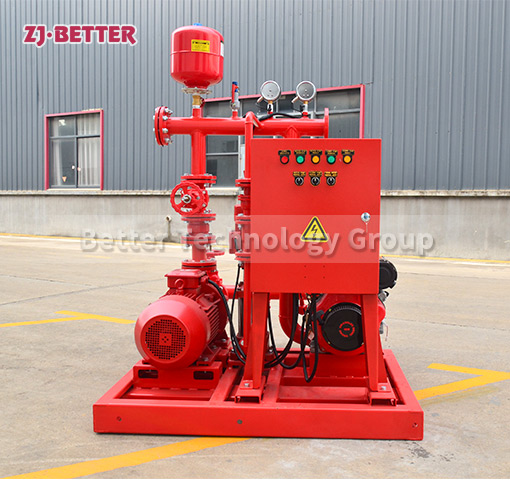
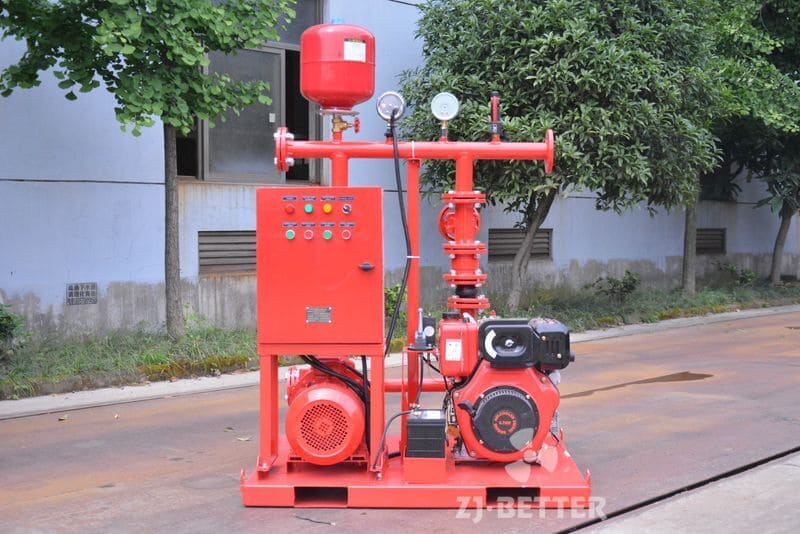
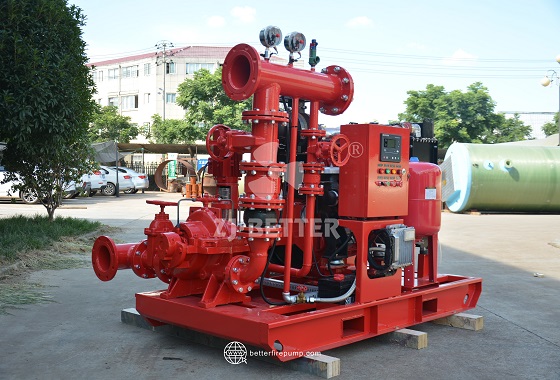
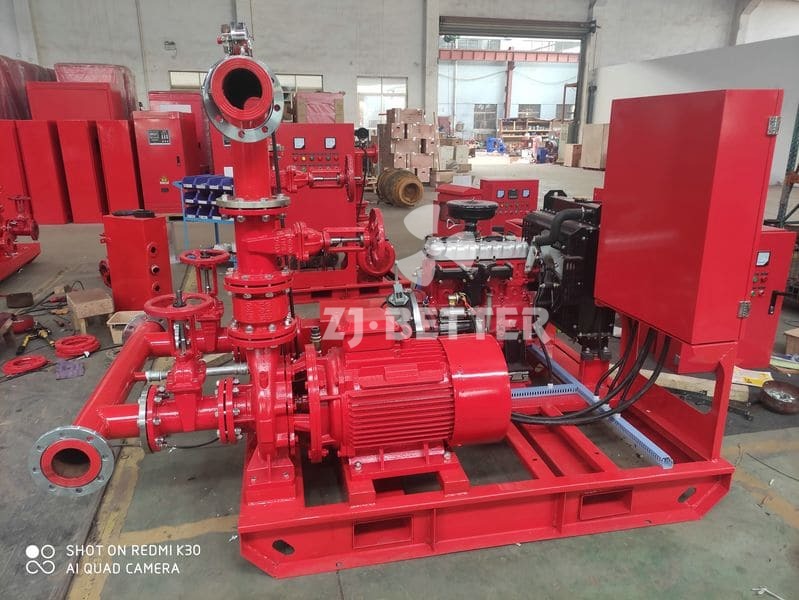
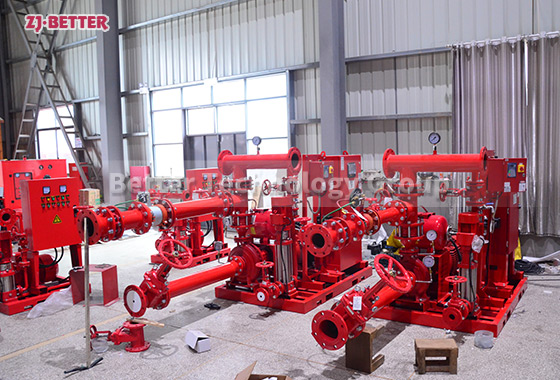
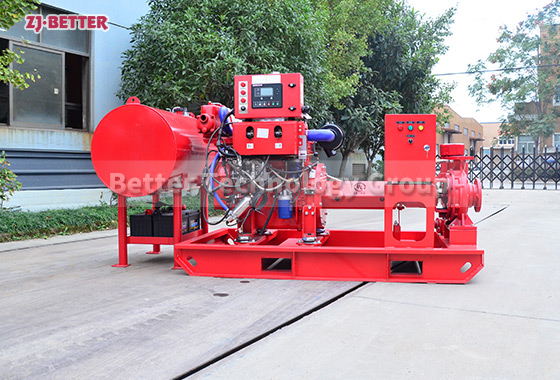
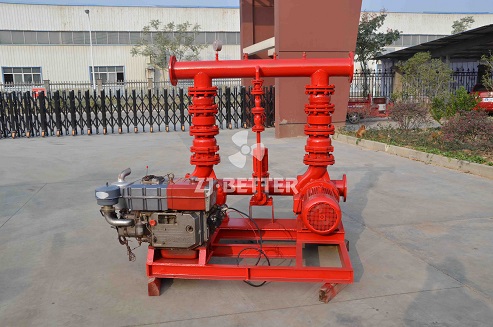
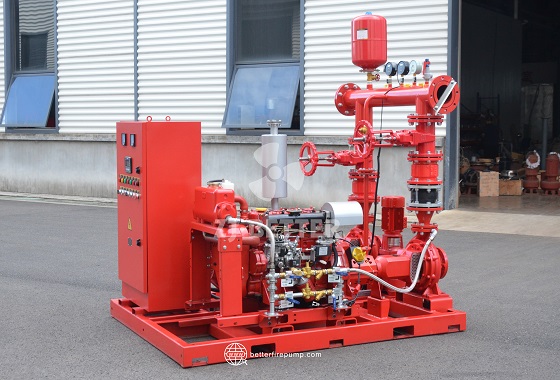
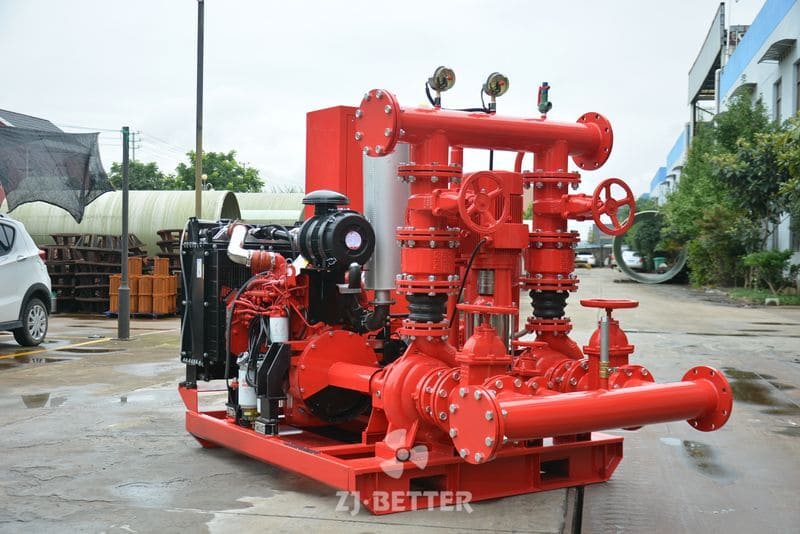
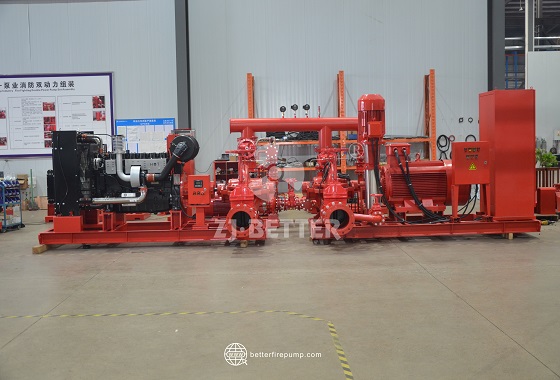
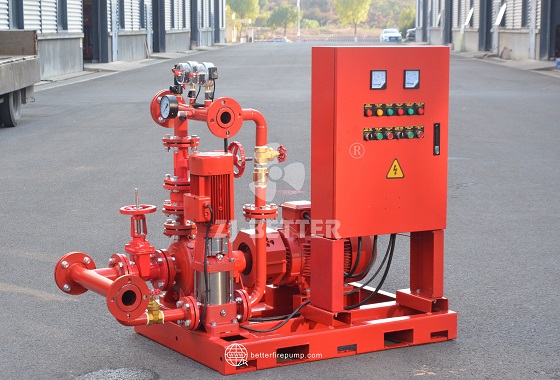
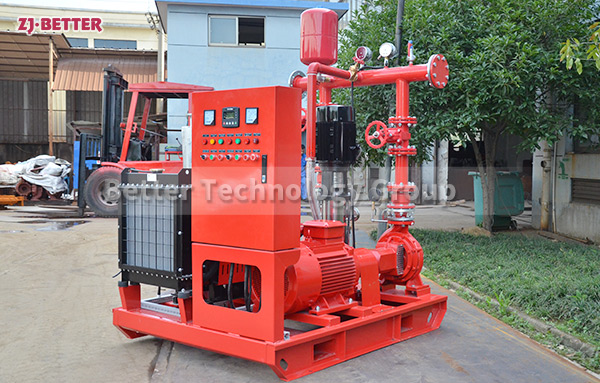
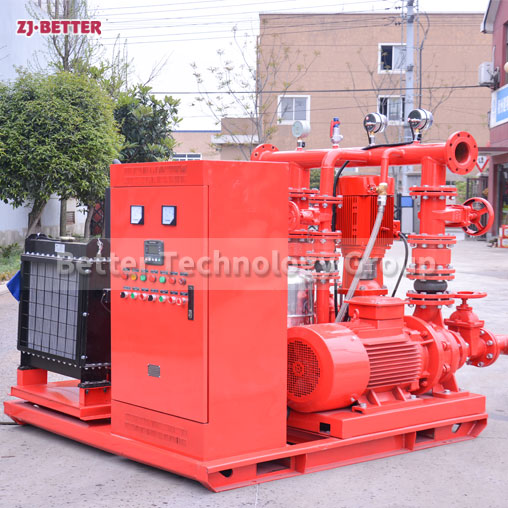
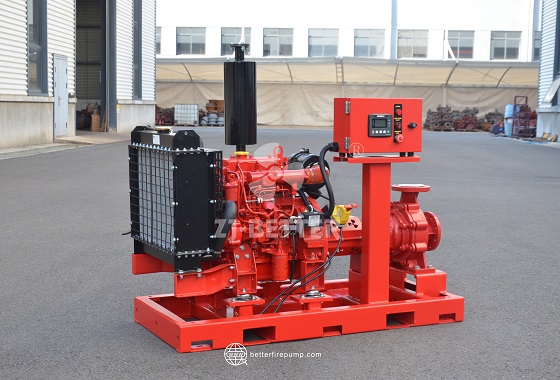
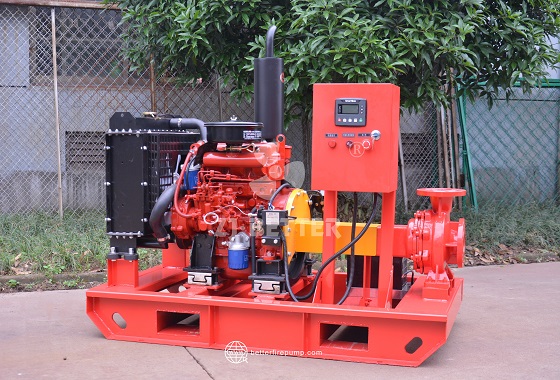
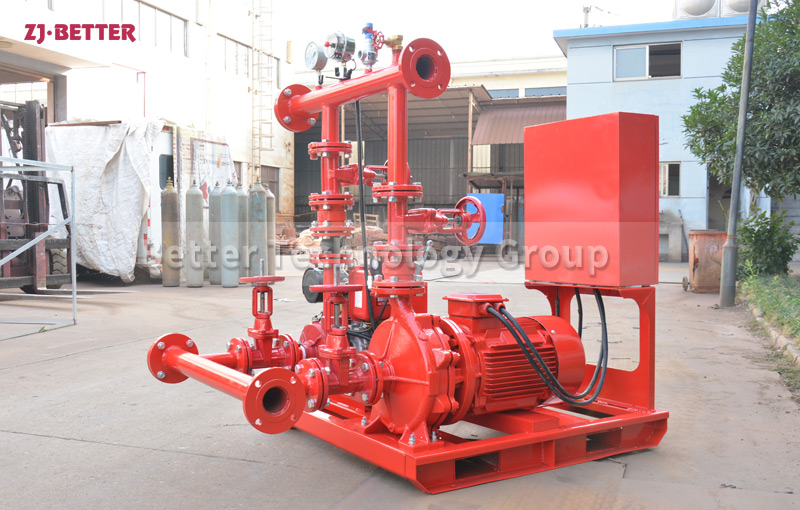
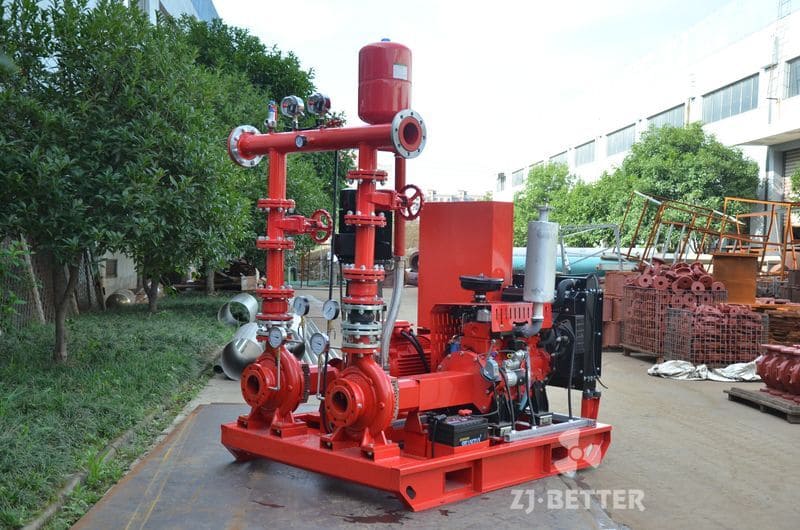
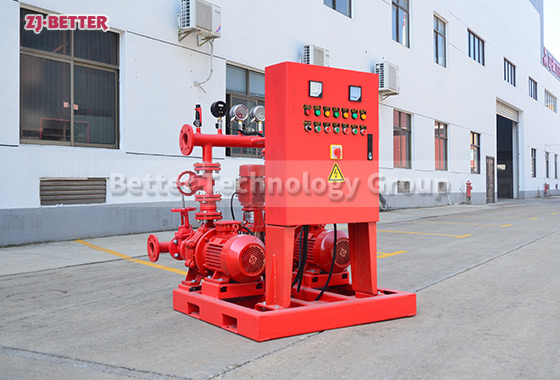
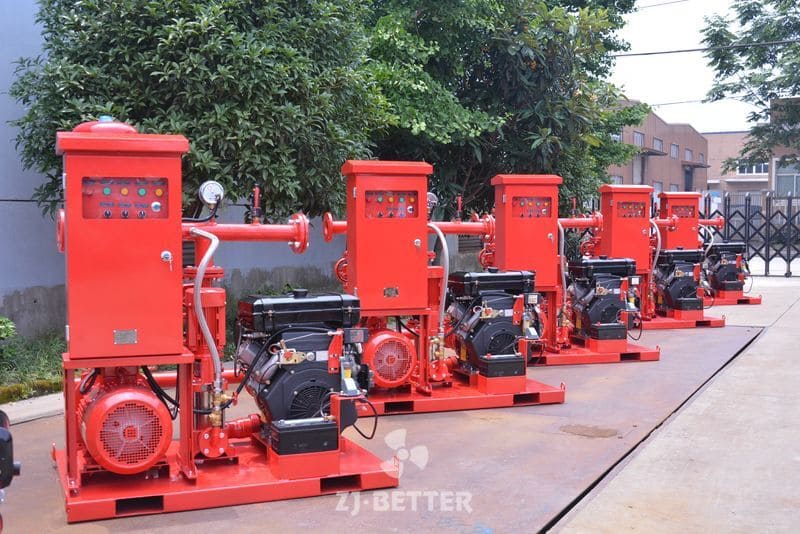
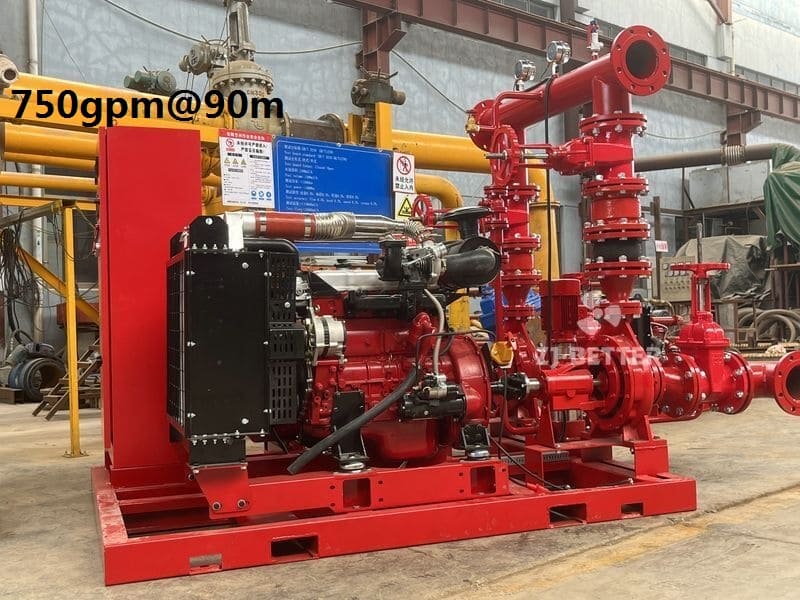
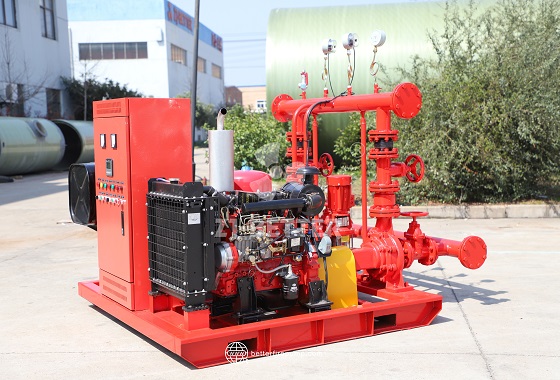
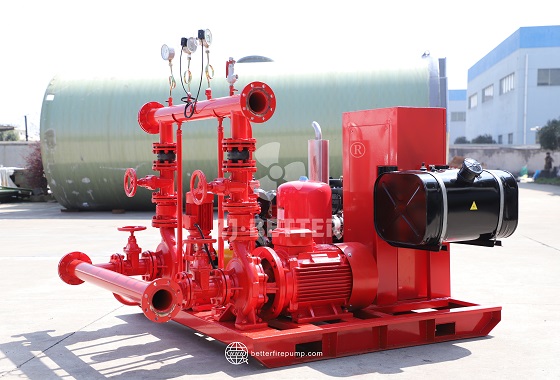
Diesel fire pump assemblies integrate a diesel engine, fire pump, control cabinet, piping, and pressure-monitoring components. Supporting a wide range of flow rate and head configurations, these systems are suitable for industrial facilities, warehouses, docks, and other fixed fire-fighting water supply installations.
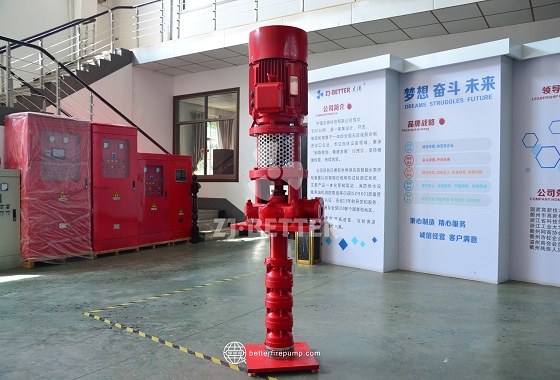
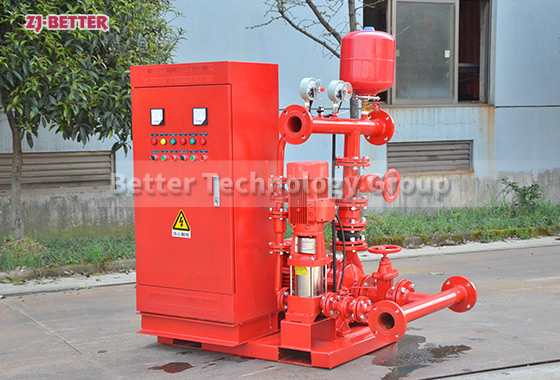
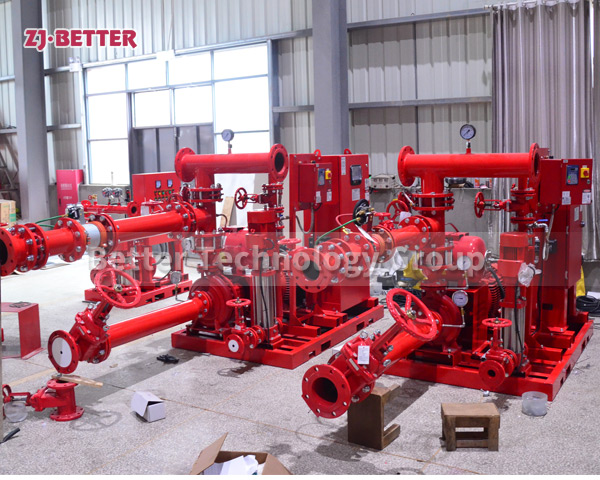
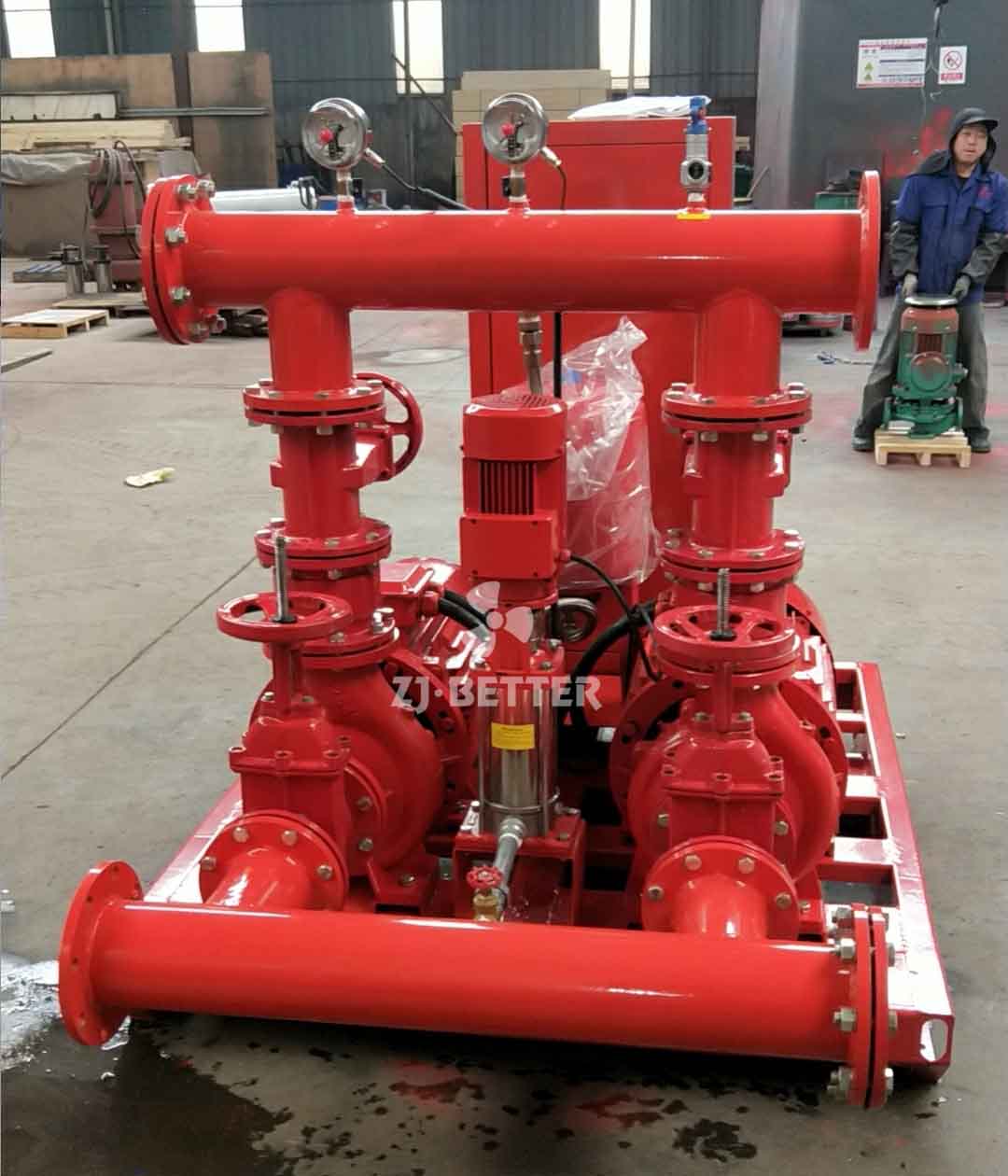
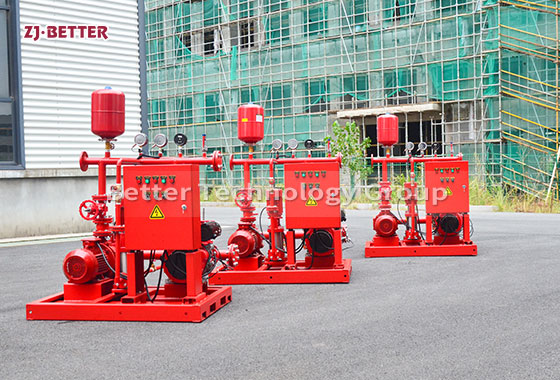
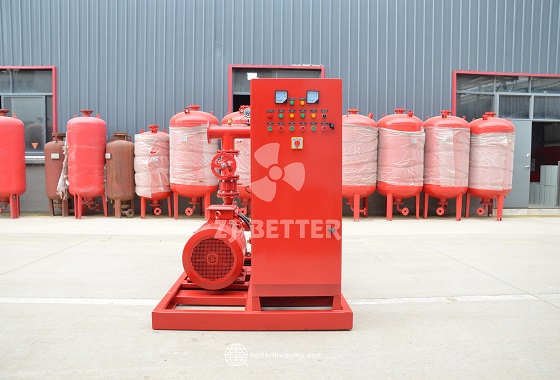
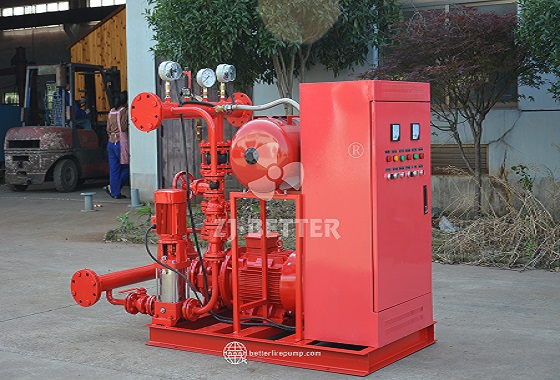
Diesel-driven fire pump sets are pumping units designed for fixed fire-fighting water supply systems. By integrating a diesel engine, a fire pump, a control cabinet, connecting piping, valves, and monitoring instrumentation, these units provide a comprehensive fire-water supply solution for industrial facilities, logistics warehouses, ports, airports, power infrastructure, and petrochemical plants. Compared to procuring components separately and assembling them on-site, an integrated, pre-engineered design ensures that key components are arranged according to a cohesive system plan, streamlining equipment installation, piping connections, and the commissioning of control systems. Serving as the prime mover, the diesel engine provides a power source independent of the primary electric-driven pump—a critical feature for projects that require diesel-powered fire-water supply or a backup power configuration. The diesel engine and the fire pump must be properly power-matched to ensure that the output meets the required flow rate, head, and operational conditions. Depending on the hydraulic parameters of a specific project, the fire pump may be configured as an end-suction, horizontal split-case, vertical multistage, or other suitable type, with pump casing and impeller materials selected based on the medium and project requirements. The integrated control cabinet enables pump set operation, status monitoring, and system protection; when combined with pressure gauges and sensors, it allows operators to track system pressure and equipment performance. The integrated piping system may include suction and discharge pipes, check valves, gate valves, flexible connectors, and flanges to facilitate connection to the on-site fire-fighting network—with specific accessories and interface dimensions determined by engineering drawings and the bill of materials. A common base frame secures the primary equipment, simplifying transport, positioning, and layout within the pump room; however, final on-site installation must still account for equipment weight, foundation load-bearing capacity, piping stress, and space requirements for maintenance. In systems equipped with a jockey pump (pressure-maintenance pump) and a pressure tank, the jockey pump compensates for normal pressure fluctuations in the network, while the main fire pump handles the primary fire-fighting water supply; the control logic for each component should be configured according to the specific system design. When selecting equipment, it is essential to carefully verify design flow rate, head, diesel engine power, pump unit rotational speed, suction and discharge conditions, control functions, and applicable standards; one should avoid judging performance based solely on external appearance or a single parameter. Diesel fire pump sets are available in a wide range of flow and head configurations—typically spanning 30–9000 GPM in flow and 3–20 bar in head—with specific performance determined by the technical specifications and performance curves of the chosen model. Following delivery, the equipment must be properly installed—including securing the base, connecting piping and electrical wiring, inspecting the diesel engine system, and conducting comprehensive operational testing. Furthermore, regular checks of the fuel system, cooling system, batteries, control cabinet, and the pump unit itself are necessary to ensure the equipment remains ready to operate under the required conditions whenever needed. By integrating power, pumping, control, and piping components into a complete package, diesel fire pump systems offer a clear, unified solution for fire protection projects of various scales, facilitating the selection, installation, and operational management of equipment in accordance with specific fire safety design requirements.