Fire Main Pump and Jockey Pump Combination System – Supporting Fire Pipeline Pressure Management
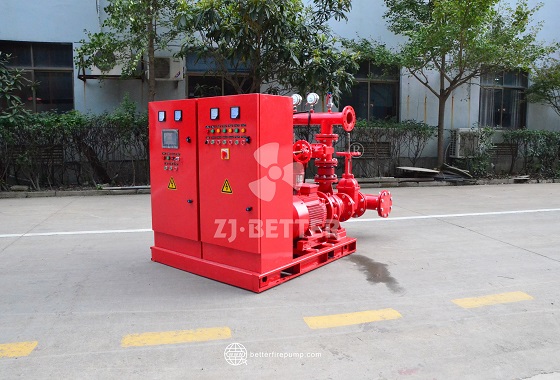
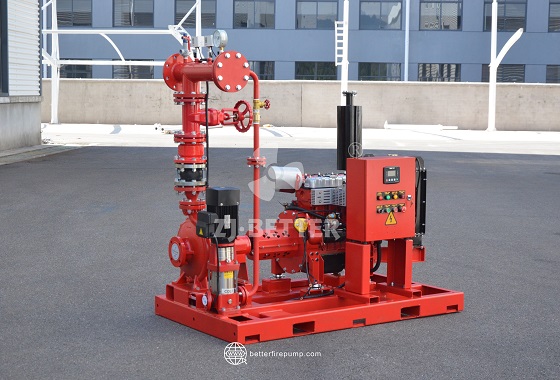
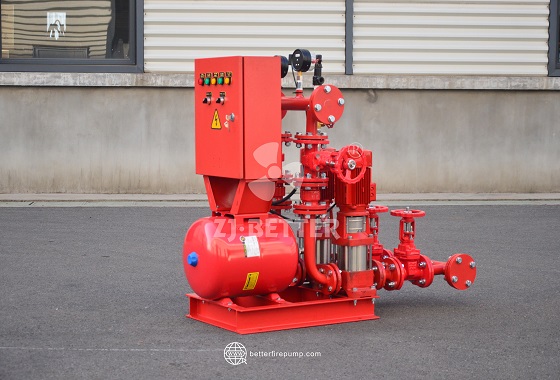
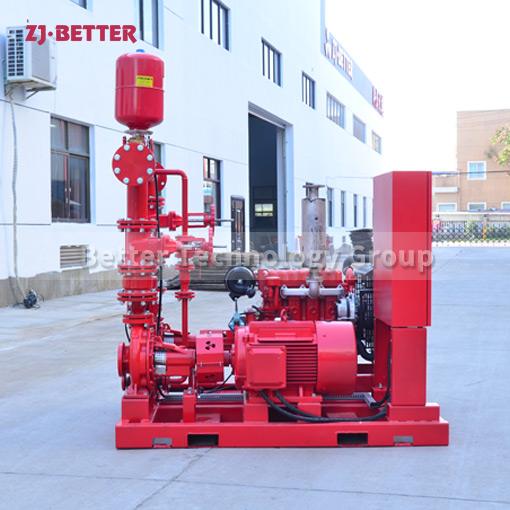
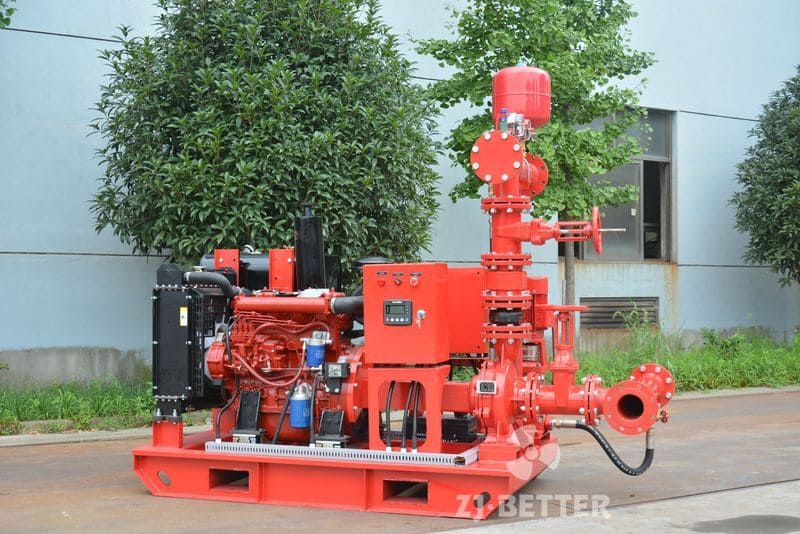
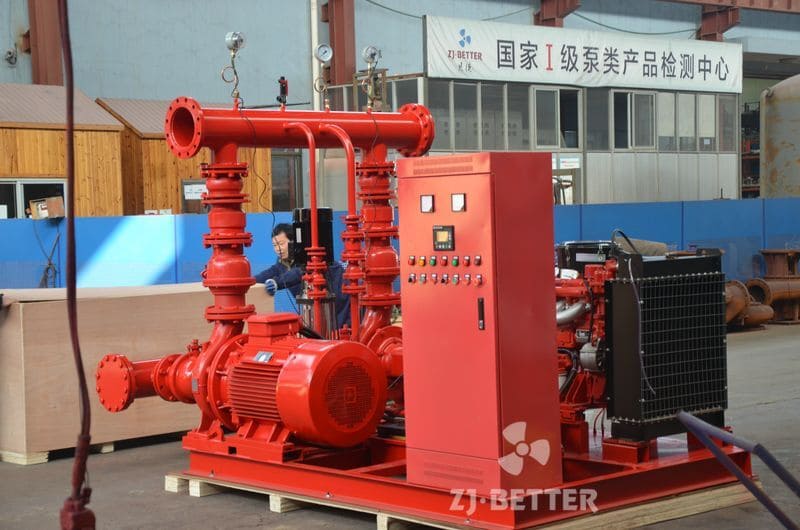
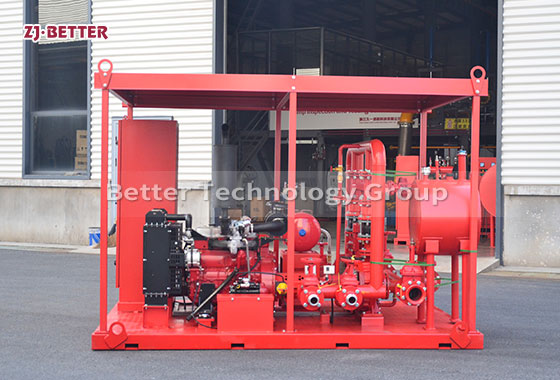
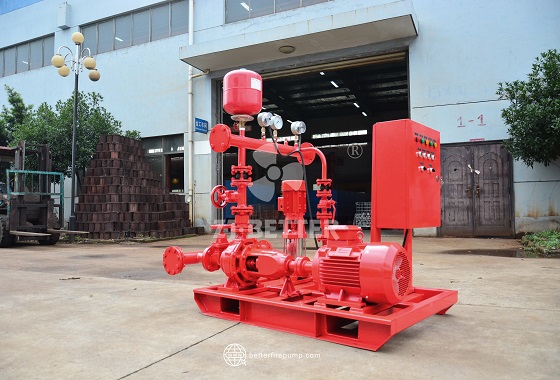
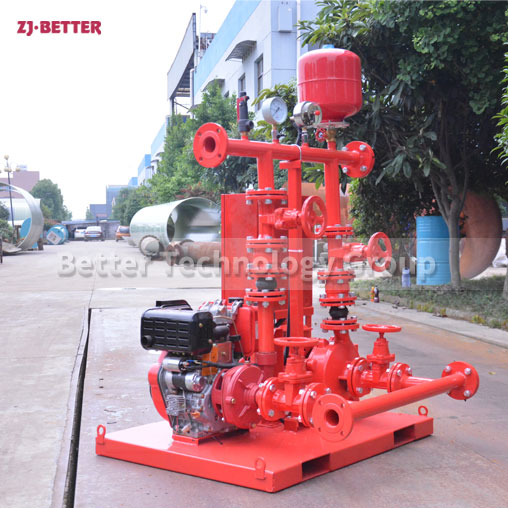
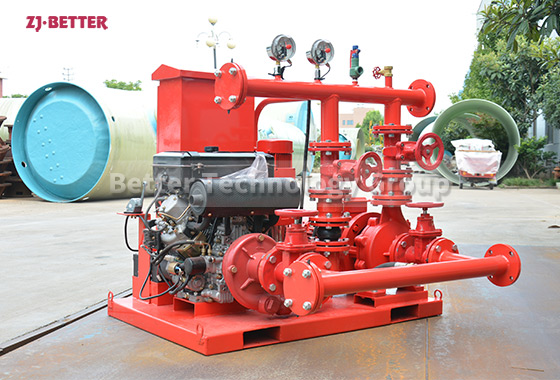
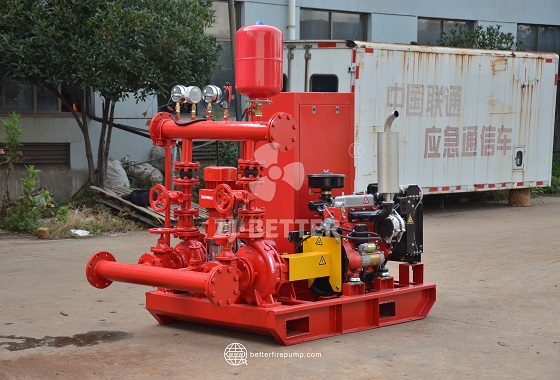
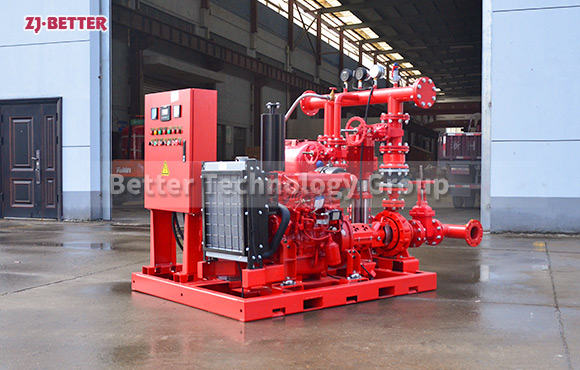
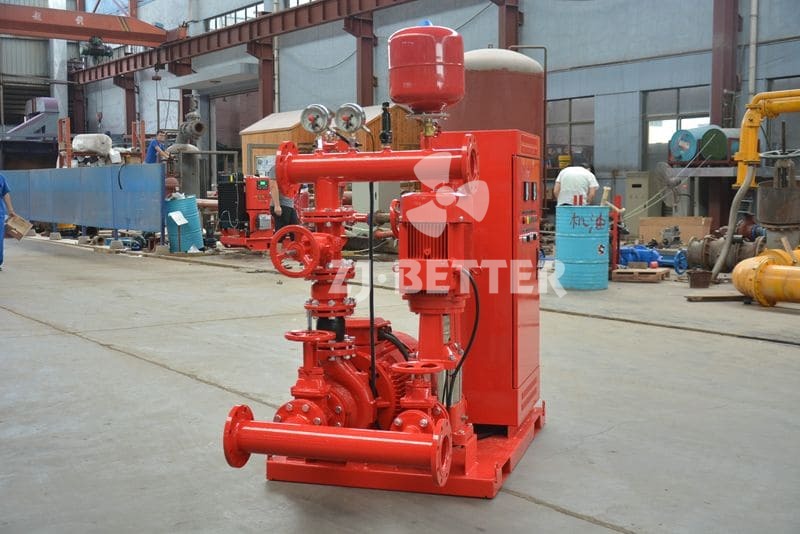
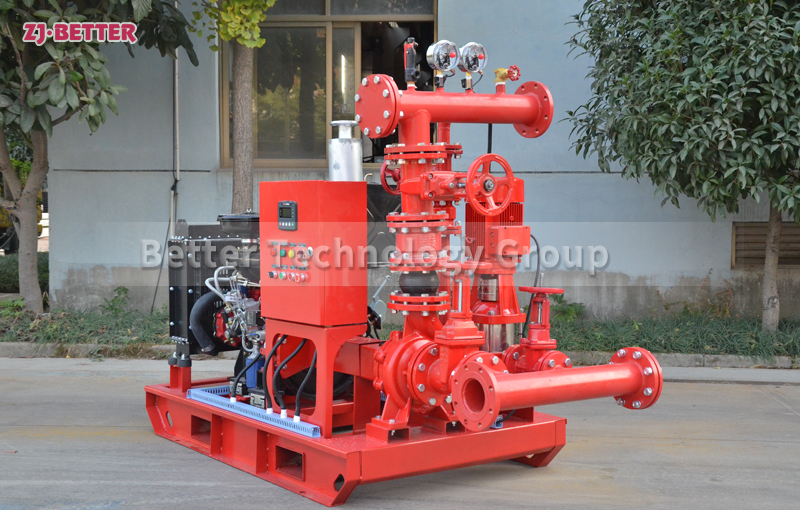
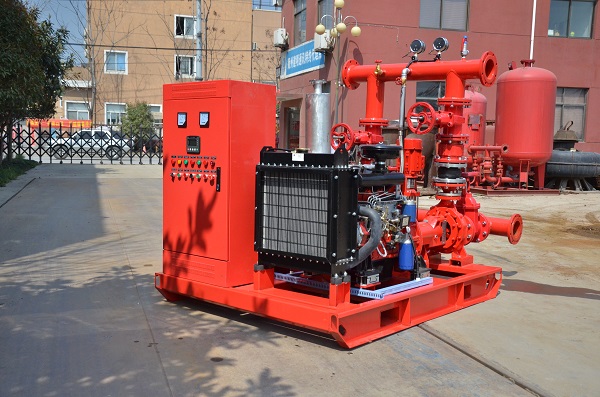
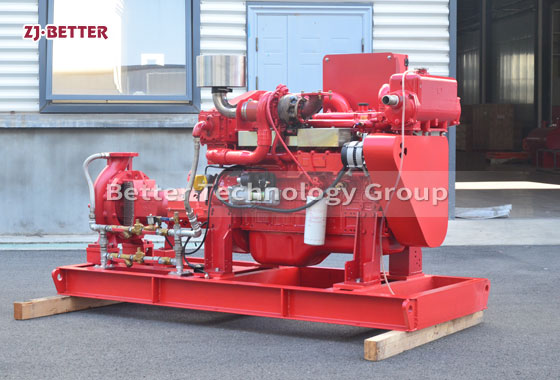
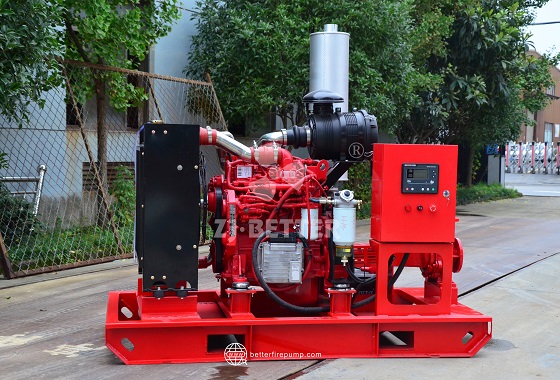
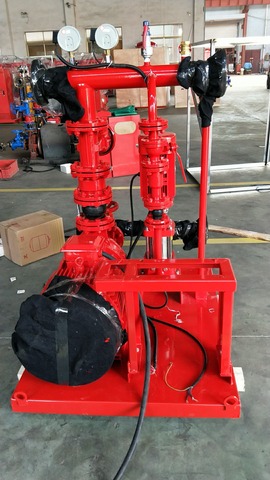
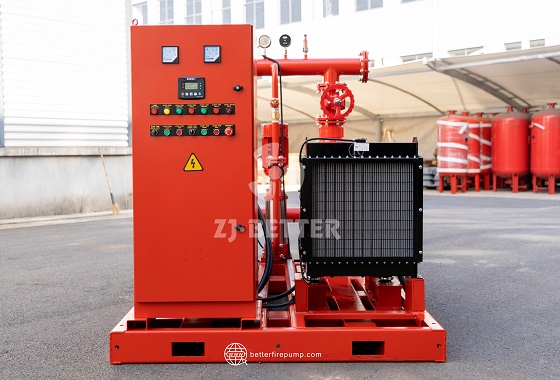
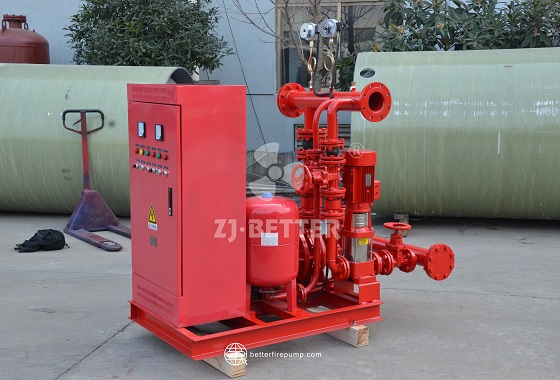
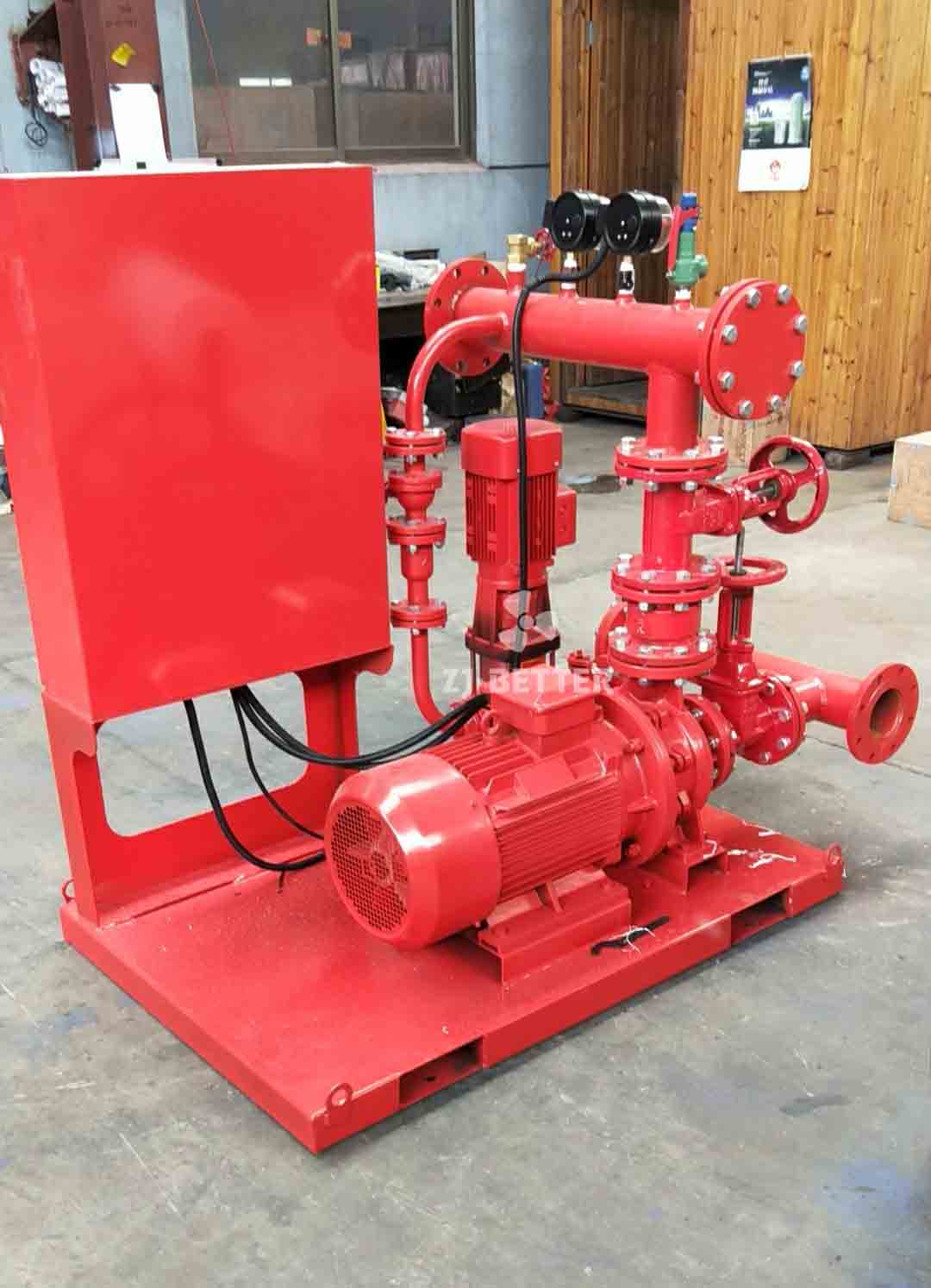
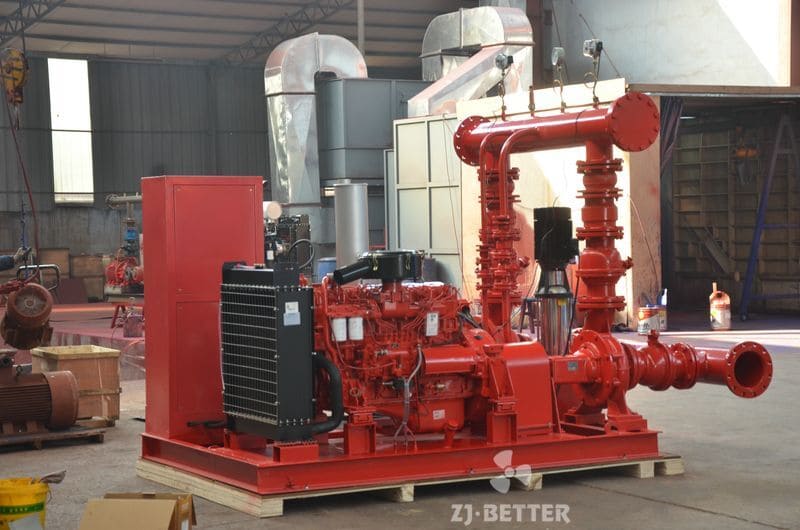
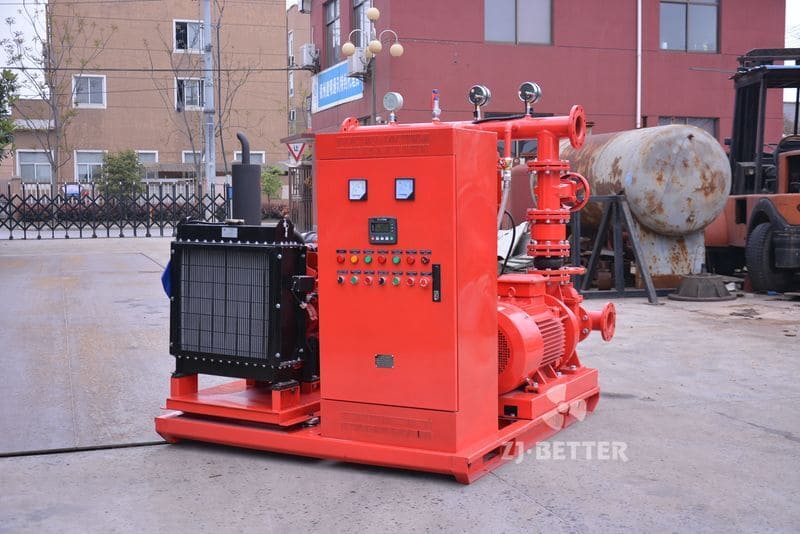
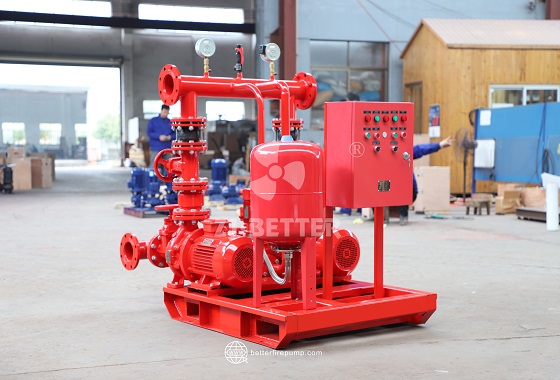
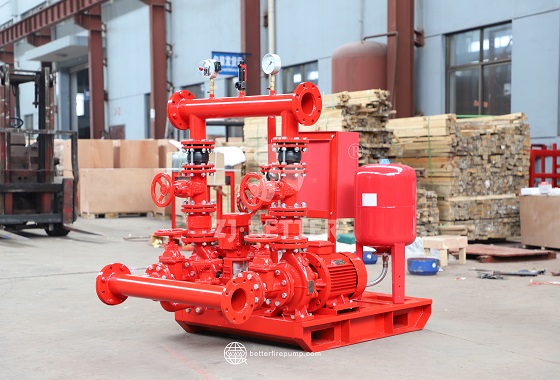
The integrated fire pump and pressure-maintenance pump system combines electric fire pumps, pressure-maintenance pumps, control cabinets, piping, and pressure-monitoring instrumentation. It serves the dual purpose of providing a fire-fighting water supply and maintaining pressure within the piping network, making it suitable for commercial buildings, industrial facilities, and storage warehouses.
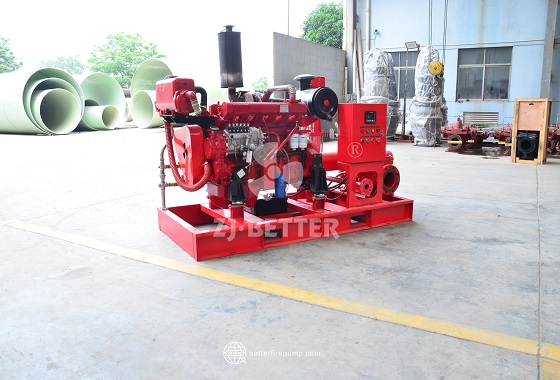
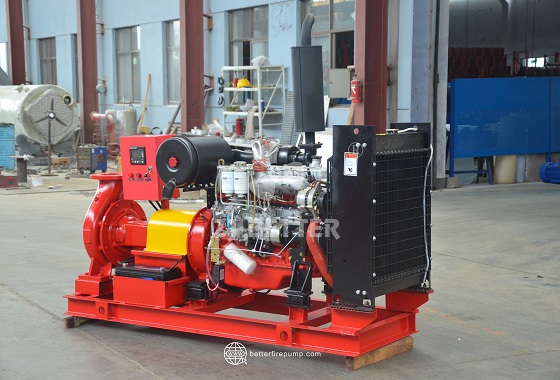
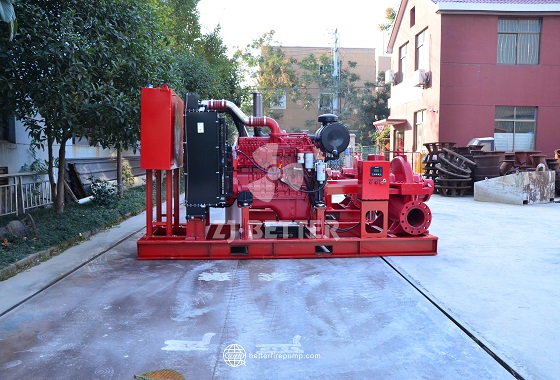
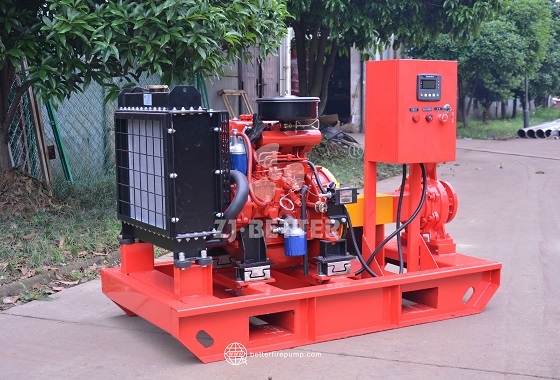
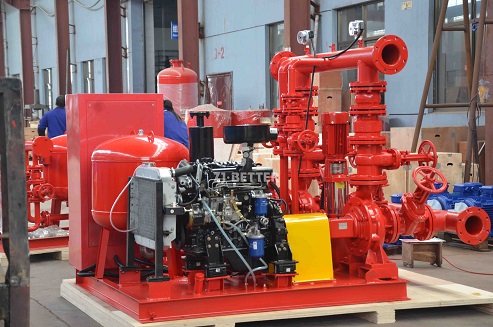
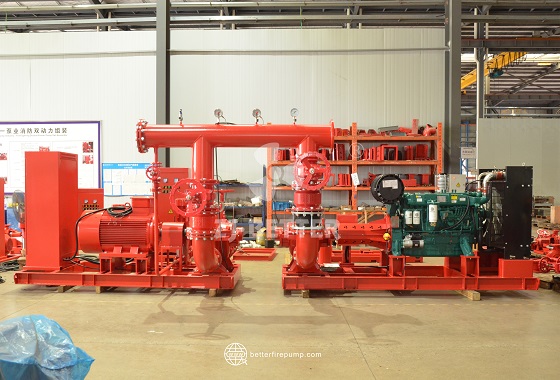
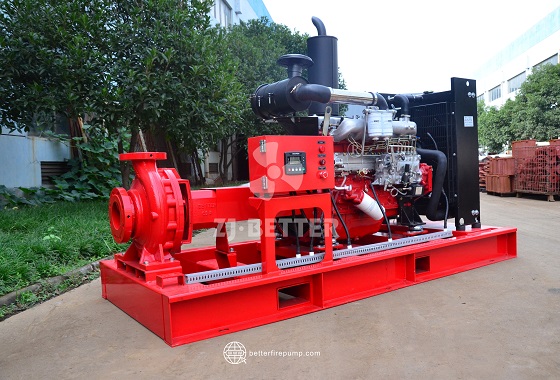
A fire pump system—comprising a main fire pump and a pressure-maintenance (jockey) pump—is an integrated assembly designed for fixed fire-suppression water supply systems. By coordinating the functions of the main pump and the pressure-maintenance pump, the system provides both the necessary water supply for firefighting and the maintenance of system pressure during routine, non-emergency periods. The assembly typically consists of an electric main fire pump, a pressure-maintenance pump, a control cabinet, interconnecting piping, valves, and pressure-monitoring instruments, all mounted on a common base to facilitate transport, on-site positioning, and piping connections. The main fire pump is tasked with delivering the required water flow for fire suppression; its flow rate, head, and motor power are determined based on factors such as building height, pipeline resistance, fire-water demand, and specific project design parameters. The pressure-maintenance pump, meanwhile, compensates for minor, routine pressure losses within the network, keeping the system pressure within a pre-set range and preventing the main pump from starting unnecessarily due to slight leaks or normal pressure fluctuations. By clearly delineating the operational roles of the main pump and the pressure-maintenance pump, the system can more effectively address both routine pressure stabilization and emergency fire-water supply requirements. The accompanying control cabinet manages the starting and stopping of the pumps, responds to pressure signals, and monitors operational status, while pressure gauges and sensors provide essential data for system inspection and performance tracking. The specific control logic—governing how and when the pressure-maintenance pump and the main fire pump engage—must be established in accordance with the pump configuration, project design, and applicable fire safety codes. Depending on project requirements, the main fire pump may be an end-suction, single-stage centrifugal, horizontal split-case, or multi-stage pump, selected to suit specific flow, head, and installation constraints; the pressure-maintenance pump may be a vertical or horizontal model, chosen based on the system’s pressure requirements. The materials for the pump casings and impellers—commonly cast iron, stainless steel, or other corrosion-resistant materials—are selected based on water quality, the operating environment, and project specifications. The integrated piping assembly may include suction and discharge manifolds, gate valves, check valves, flexible connectors, flanges, and pressure instruments, forming a comprehensive equipment connection package; the exact configuration should be verified against the project engineering drawings and the bill of materials. A common baseplate allows for the centralized mounting of primary equipment, improving the spatial efficiency within a pump room. However, installation must account for factors such as foundation load-bearing capacity, stresses on piping connections, electrical wiring, and adequate space for equipment maintenance. In fire protection systems, a pressure-maintenance (jockey) pump cannot substitute for a main fire pump in delivering the design fire-fighting flow rate; therefore, when selecting equipment, it is essential to verify the rated flow and head of the main pump, as well as the pressure-compensation capacity, set pressure, and start/stop logic of the jockey pump, ensuring that all parameters are compatible for proper system operation. Control cabinets, pressure sensors, and associated valves must be commissioned in accordance with project specifications. Before the system is put into service, it must undergo necessary start-up tests, pressure checks, and operational trials. Furthermore, a maintenance schedule should be established to conduct regular inspections of motors, pump casings, piping, valves, and control components. A combined system consisting of a main fire pump and a jockey pump is suitable for commercial buildings, industrial facilities, warehouses, and other locations that require a fixed fire-water supply and the maintenance of pressure within the piping network. Through the effective integration of main supply equipment and pressure-maintenance units—supported by precise parameter selection—this system enables a well-defined configuration for fire-water supply, while facilitating ongoing operational management and maintenance. Ultimately, the performance of the equipment shall be determined by the technical specifications and performance curves of the specific models, as well as the design requirements of the project.