Packaged Fire Pump Systems Meet High-Demand Fire Protection Water Supply Requirements
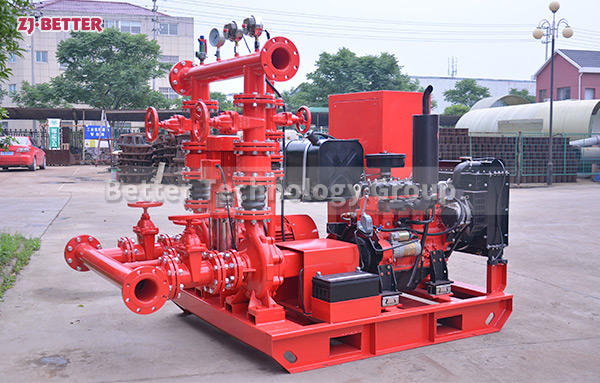
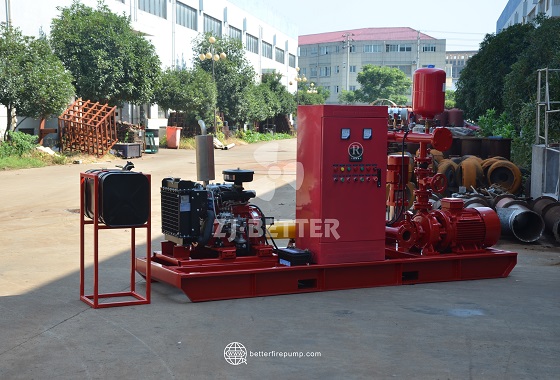
The combined fire pump system integrates electric fire pumps, diesel fire pumps, pressure-stabilizing pumps, and intelligent control systems. It has advantages such as automatic switching, stable water supply, continuous operation, and high reliability. It is widely used in petrochemical, warehousing and logistics, data centers, high-rise buildings, and large industrial projects, providing safe and efficient fire water supply solutions for high-requirement fire protection projects.
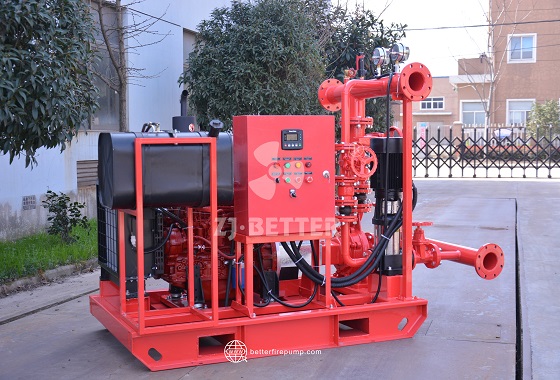
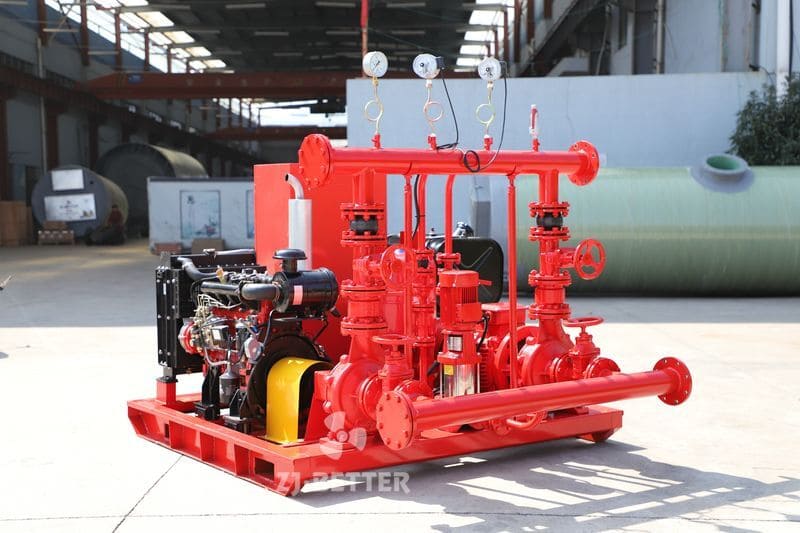
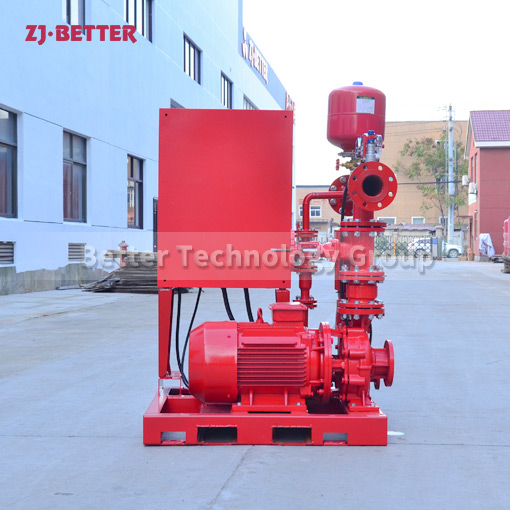
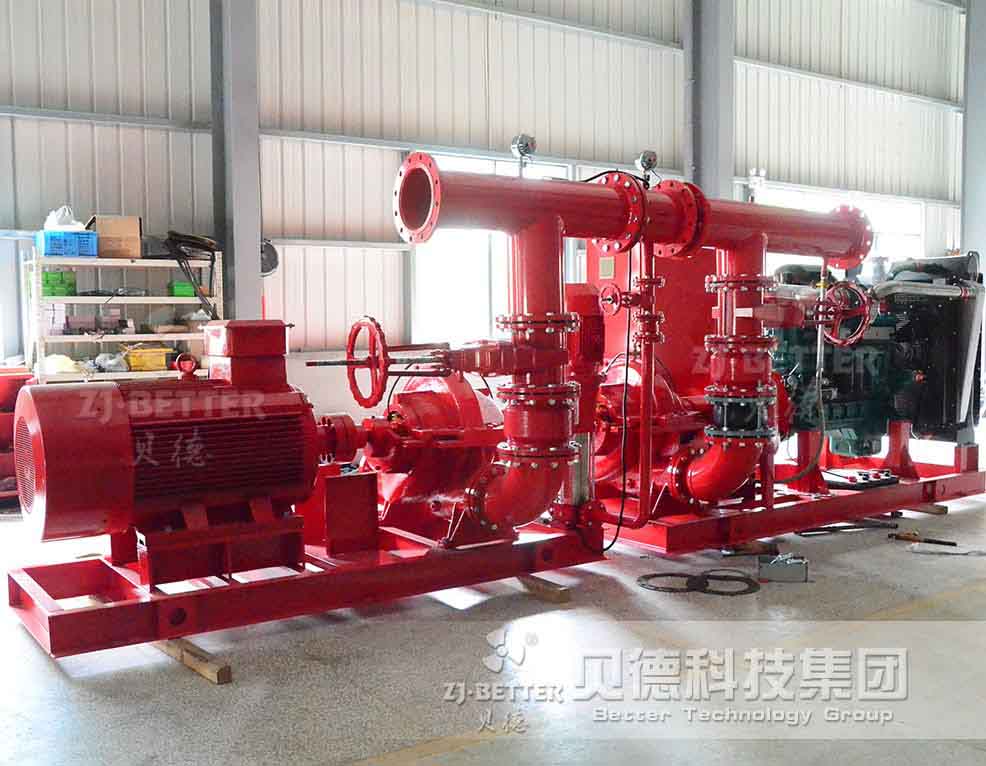
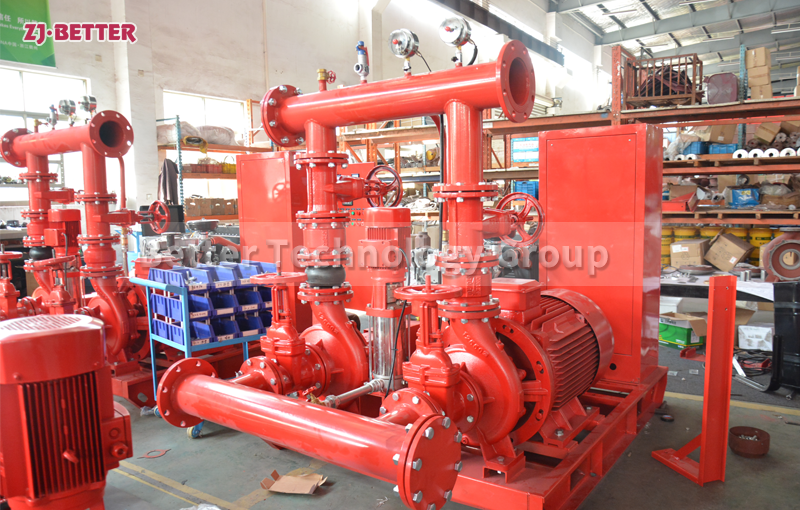
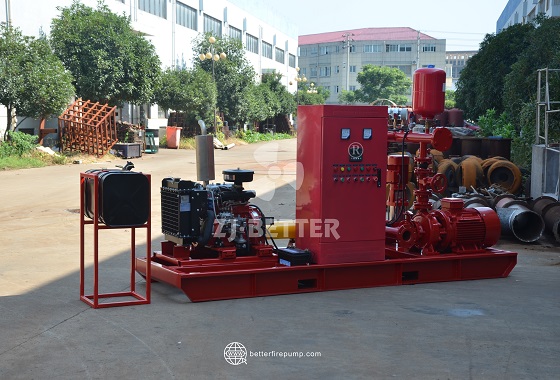
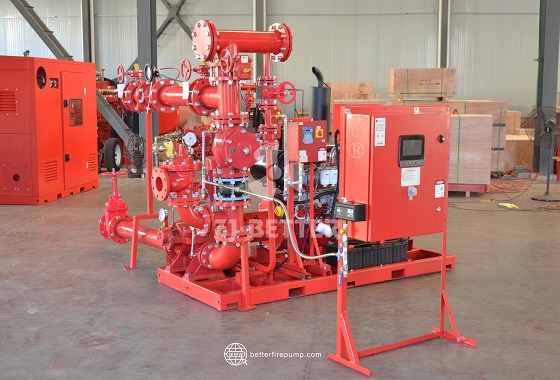
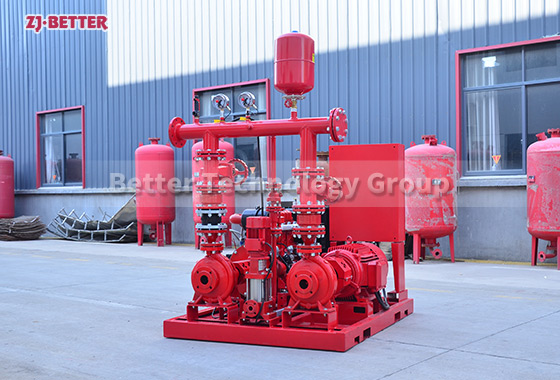
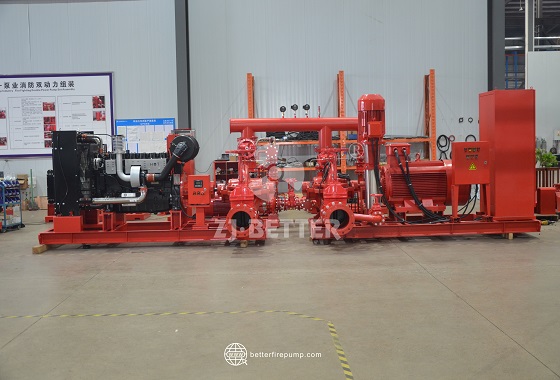
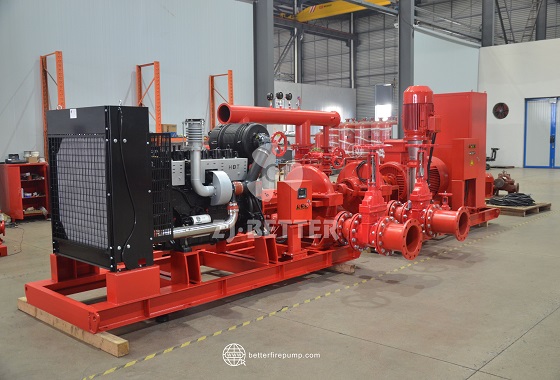
In modern fire protection engineering, fire water supply systems not only need sufficient flow and pressure, but also must possess high reliability, continuous operation capability, and adaptability to complex operating conditions. For key locations such as petrochemical enterprises, large-scale warehousing and logistics centers, data centers, power facilities, airports, ports, rail transit, high-rise buildings, and large commercial complexes, the fire water supply system must be activated and operate stably and continuously in the shortest possible time in the event of a fire. The modular fire pump system is an integrated fire water supply solution designed to meet the needs of high-standard fire protection engineering. By integrating electric fire pumps, diesel fire pumps, pressure-stabilizing pumps, intelligent control cabinets, valve components, and piping systems onto a unified platform, it achieves coordinated operation of main pump water supply, backup water supply, and pressure-stabilizing water replenishment functions, providing reliable, efficient, and stable water supply for various fire protection facilities.
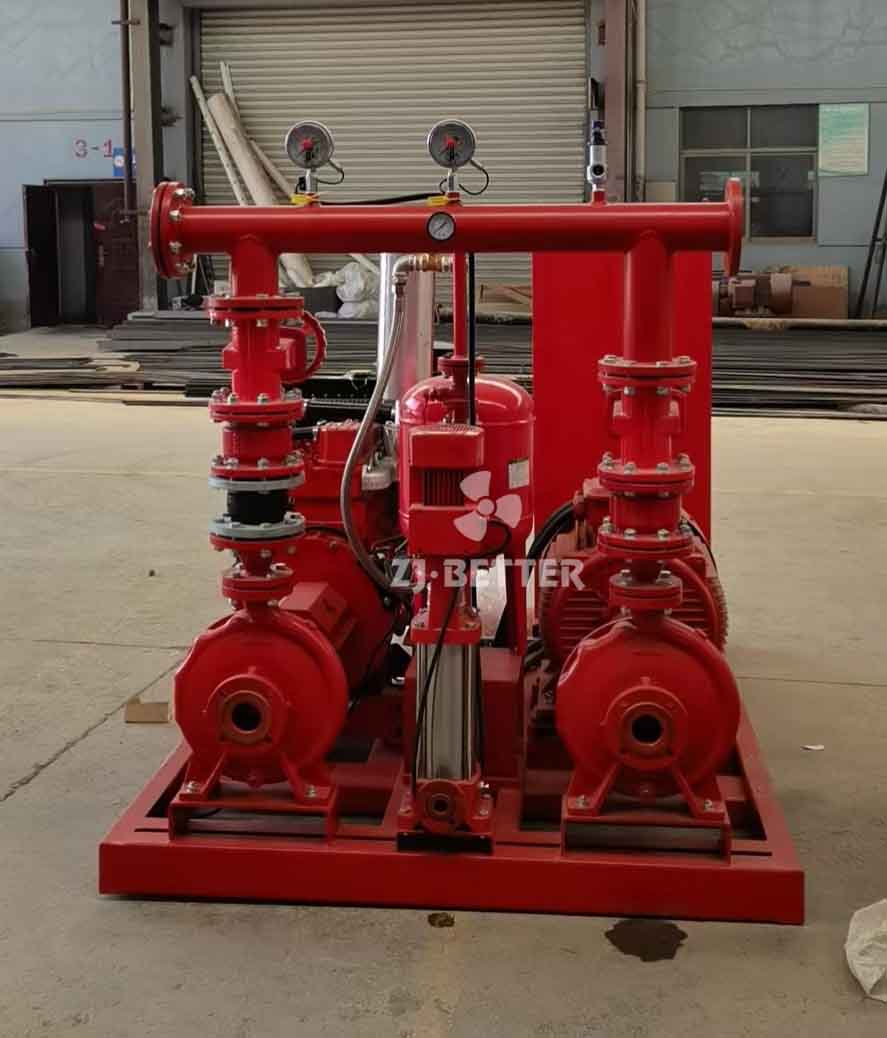
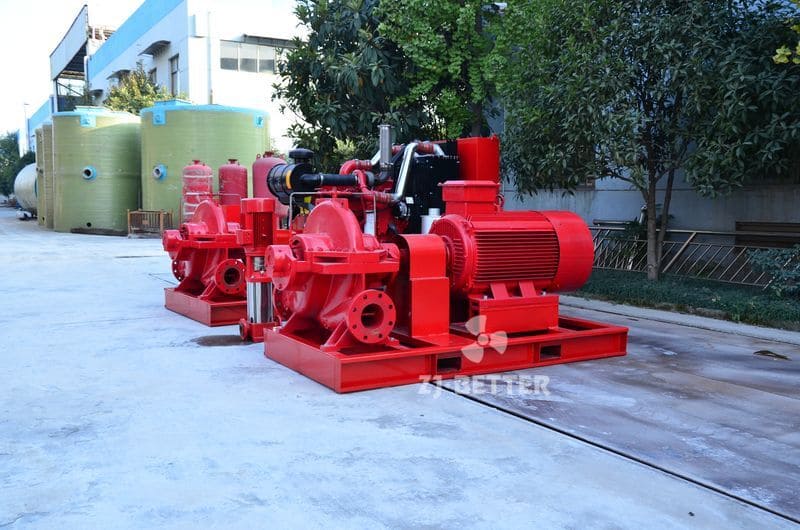
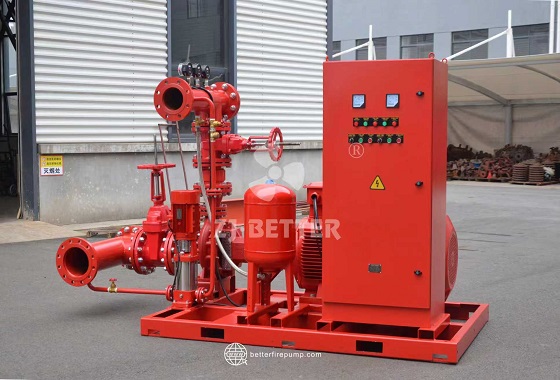
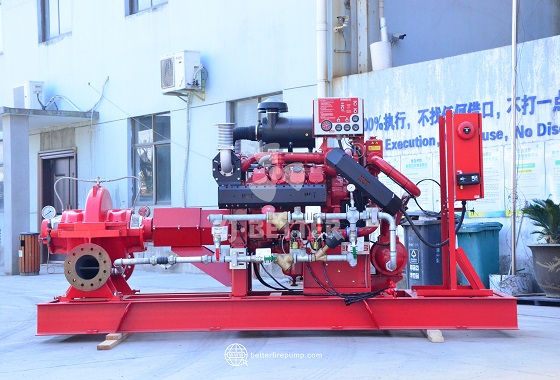
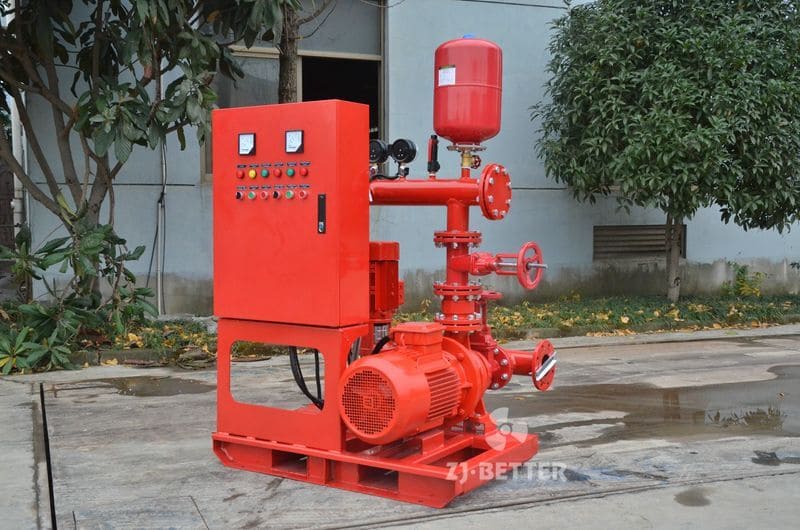
The biggest advantage of the modular fire pump system lies in its multiple protection capabilities. The system typically uses an electric fire pump as the main working pump, undertaking daily fire water supply tasks when the mains power is normal. A diesel fire pump serves as a backup power unit, automatically starting and taking over the water supply when the mains power fails or the main pump malfunctions. A pressure-stabilizing pump maintains stable pressure in the fire pipeline network, reducing frequent main pump starts. These three systems work together to form a complete fire water supply guarantee system, significantly improving the overall reliability of the fire protection system and ensuring a continuous and stable water supply in various emergencies.
Regarding water supply performance, the combined fire pump system employs a high-efficiency centrifugal pump design. Optimized impeller structure and flow channel layout effectively reduce energy loss and improve hydraulic efficiency. The system can be configured with different flow and head parameters according to project requirements, meeting diverse fire water supply needs from small and medium-sized buildings to large industrial facilities. Whether it’s a fire hydrant system, automatic sprinkler system, foam extinguishing system, or fire monitor system, all systems receive stable pressure and sufficient flow support, ensuring that fire extinguishing equipment performs optimally in critical moments.
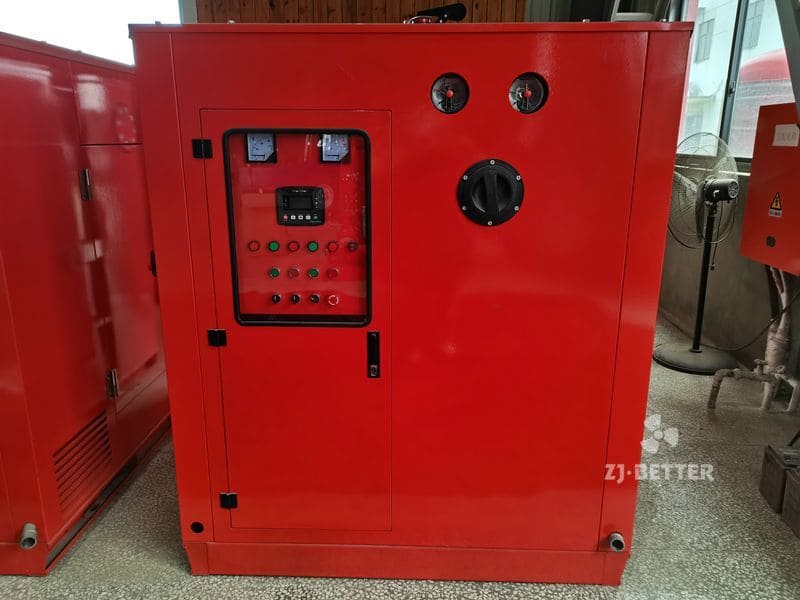
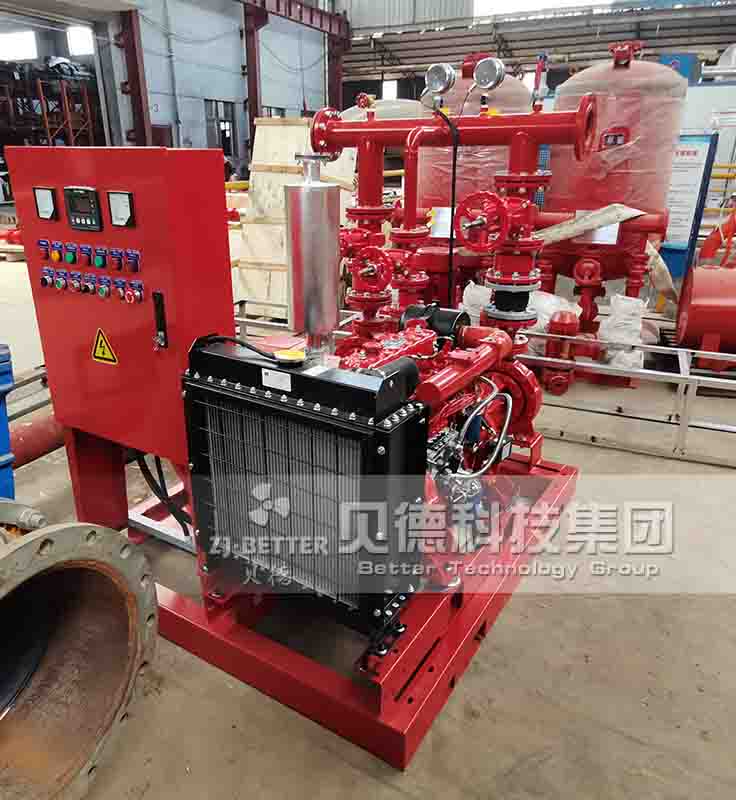
Intelligent automatic control is a key feature of this system. The control system can monitor fire pipeline pressure, equipment operating status, power supply, and various key parameters in real time, and automatically switch operating modes according to preset logic. When the pipeline pressure drops, the pressure-stabilizing pump automatically starts to replenish pressure; when a fire occurs and a start signal is received, the main fire pump quickly starts operating; in the event of a main power failure or abnormal shutdown of the main pump, the diesel engine fire pump can automatically start and continuously supply water, achieving truly unattended automated operation. The system also features fault alarms, operation records, remote monitoring, and multi-level safety protection functions, further improving operational safety and management efficiency.
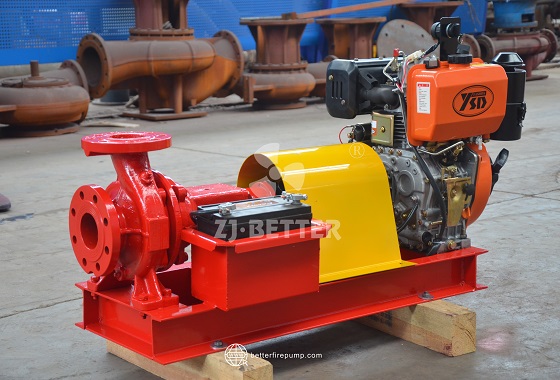
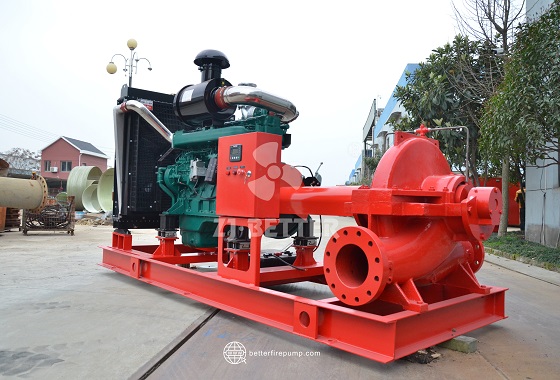
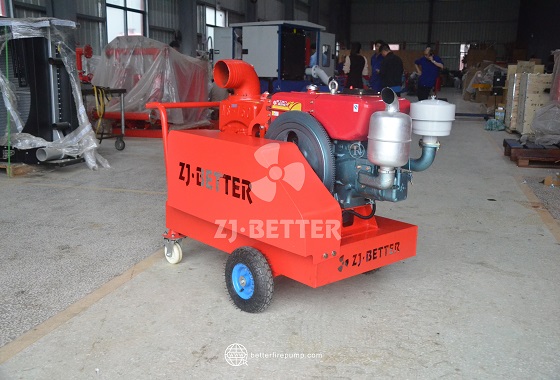
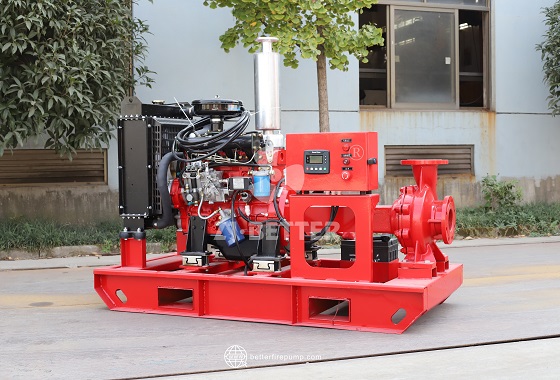
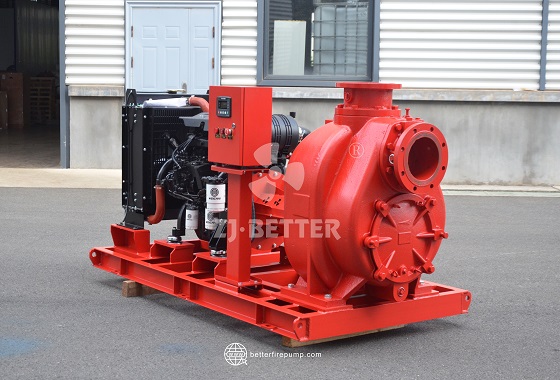
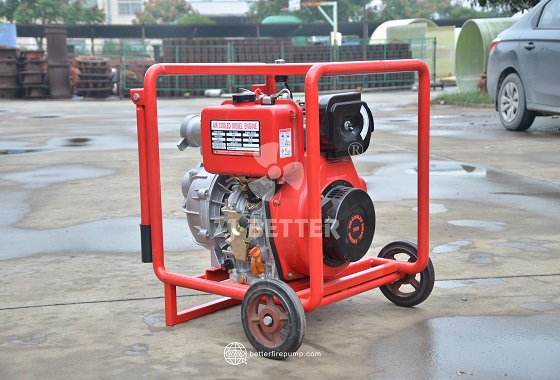
The diesel backup water supply unit is an important component of the combined fire pump system. The diesel engine has the advantage of independent power, enabling stable operation even in the event of a large-scale power outage or grid failure, providing a continuous power source for the fire protection system. The engine undergoes rigorous matching and performance tuning, featuring rapid start-up, good fuel economy, stable operation, and strong continuous working capability, meeting the needs of long-term fire water supply. For critical infrastructure and key fire protection areas, this independent backup power configuration can significantly improve the resilience of the fire protection system.
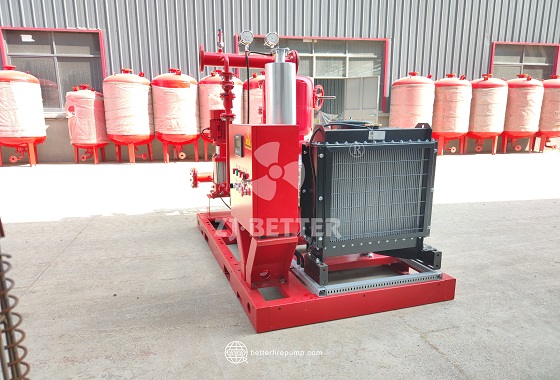
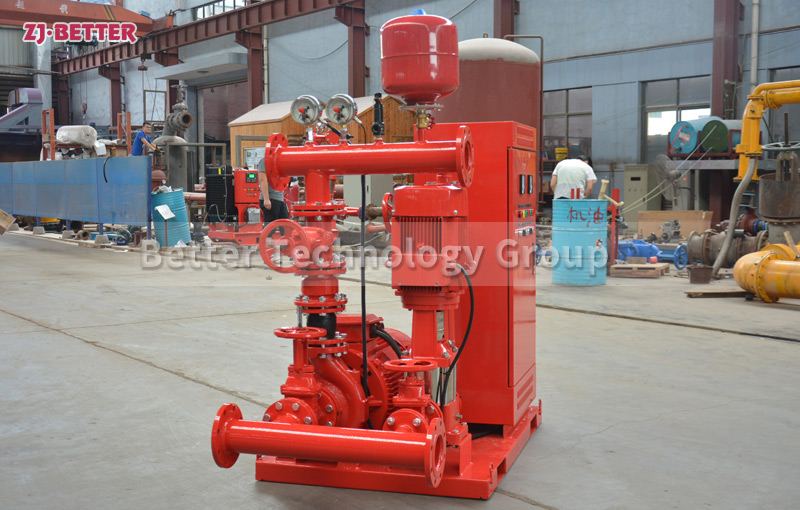
The pressure stabilizing system uses a closed-loop control mechanism comprised of a pressure tank, a pressure-stabilizing pump, and pressure sensors to continuously maintain the fire-fighting pipeline network within the set pressure range. When pressure fluctuations occur in the pipeline network due to minor leaks or environmental changes, the system can automatically replenish the pressure, ensuring the fire-fighting system is always on standby. Stable pipeline pressure not only improves fire response speed but also reduces mechanical wear caused by frequent start-ups and shutdowns of the main fire pump, extending equipment lifespan and lowering operation and maintenance costs.
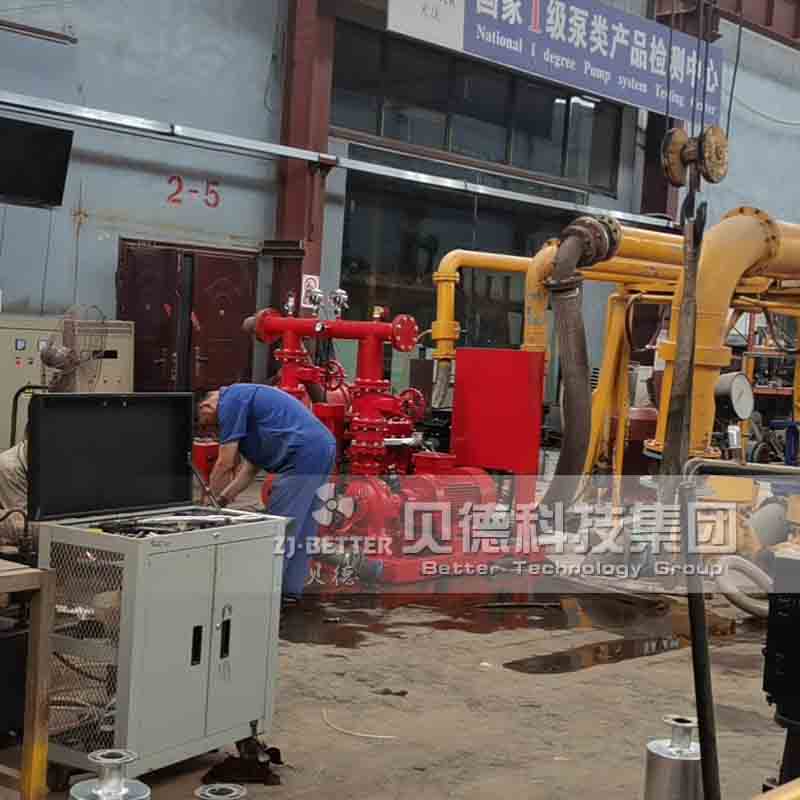
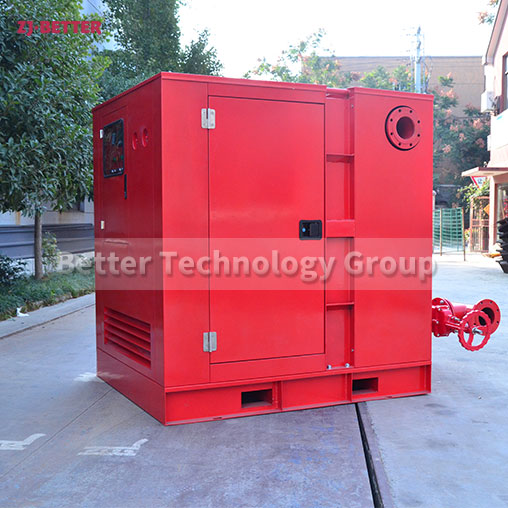
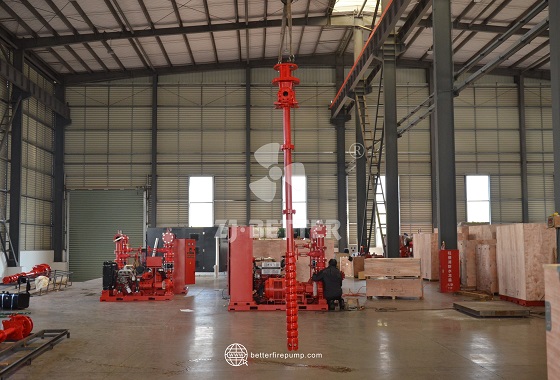
In terms of structural design, the combined fire pump system adopts a skid-mounted or integrated base structure, with a rational layout of functional modules, high integration, and a small footprint. The equipment undergoes complete assembly, commissioning testing, and performance verification before leaving the factory. On-site installation only requires foundation fixing, pipeline connection, and electrical connection before it can be put into use, effectively shortening the construction cycle and improving project implementation efficiency. Simultaneously, the open design facilitates equipment inspection and subsequent maintenance, with ample maintenance space reserved for each key component, reducing maintenance difficulty.
To meet the fire protection standards of different countries and regions, the system supports various control methods, flow configurations, head ratings, and interface standards. Electric pumps, diesel pumps, and pressure-stabilizing pumps can be flexibly selected according to the actual needs of the project. It is widely used in petrochemical, natural gas storage and transportation, power energy, mining, ports and terminals, airports, high-rise buildings, commercial complexes, data centers, warehousing and logistics parks, and municipal fire protection engineering, providing highly reliable water supply solutions for various complex fire protection projects.
With its efficient water supply capacity, dual-power guarantee mechanism, intelligent automatic control system, stable pressure management capabilities, and excellent engineering adaptability, the combined fire pump system has become one of the core equipment in modern fire protection engineering. It not only meets the stringent standards for water supply reliability in high-requirement fire protection projects but also significantly improves the overall operational efficiency and safety level of the fire protection system, building a more complete, stable, and reliable fire water supply guarantee system for various key locations.