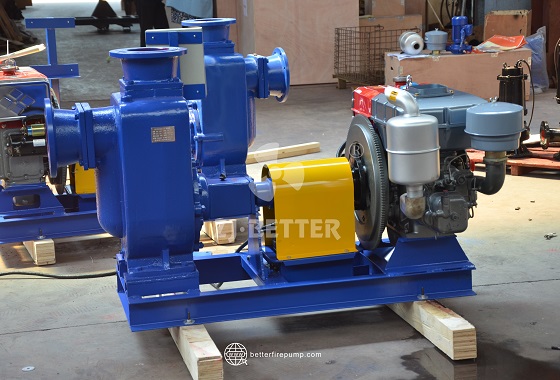
Self-Priming Diesel Fire Pump for Rapid Start Fire Protection
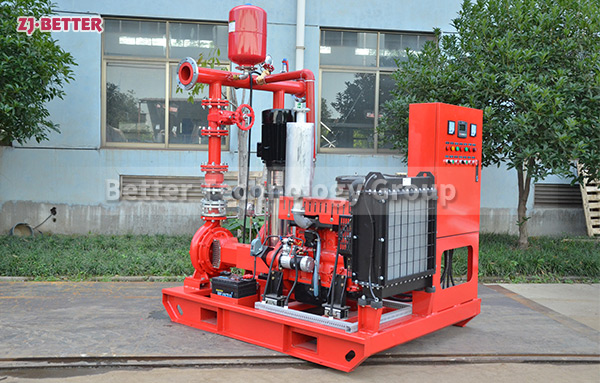
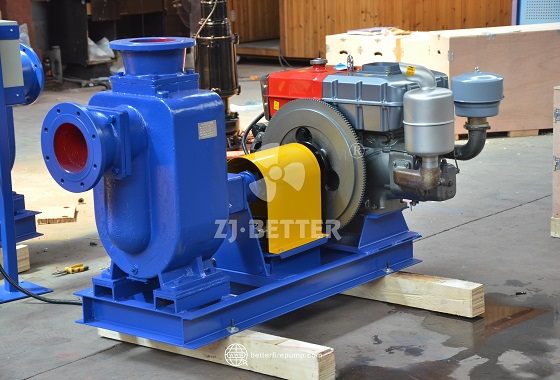
Self-priming diesel fire pumps have the advantages of rapid start-up, self-priming, independent power operation, and stable high-flow output. They are suitable for environments without power supply and emergency backup fire protection systems. They are widely used in industrial parks, warehousing and logistics, ports and docks, and municipal fire water supply projects, improving fire extinguishing response efficiency and system reliability.
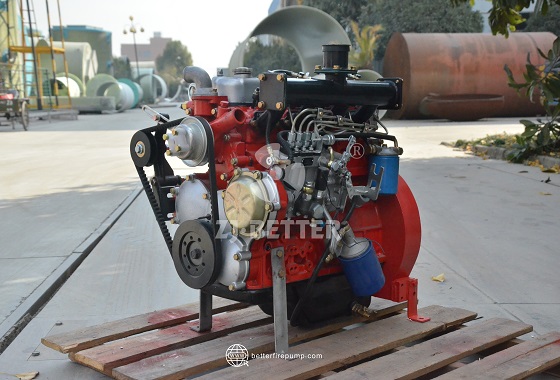
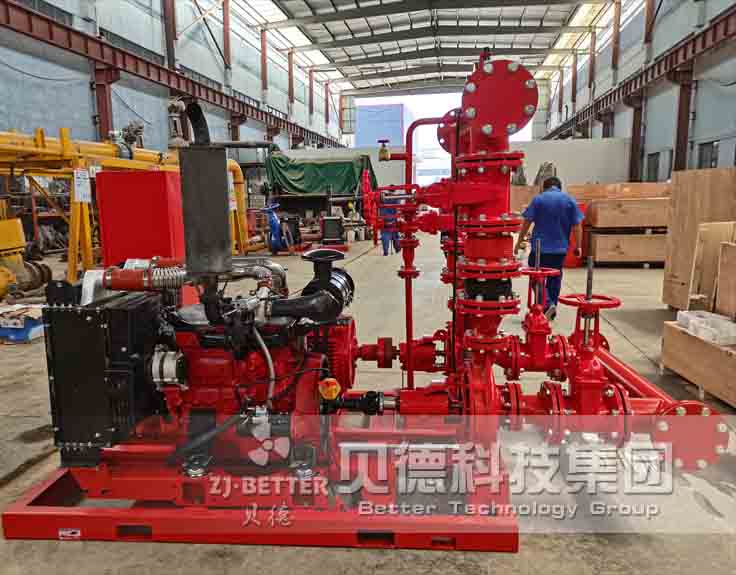
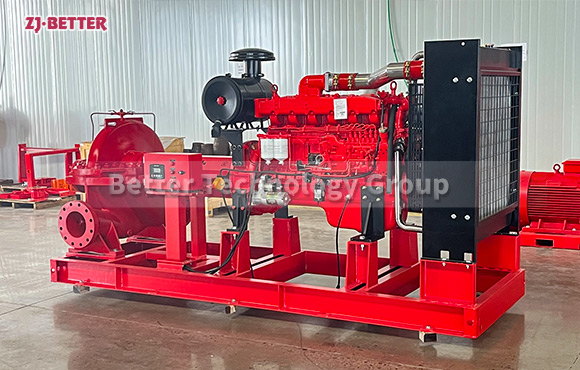
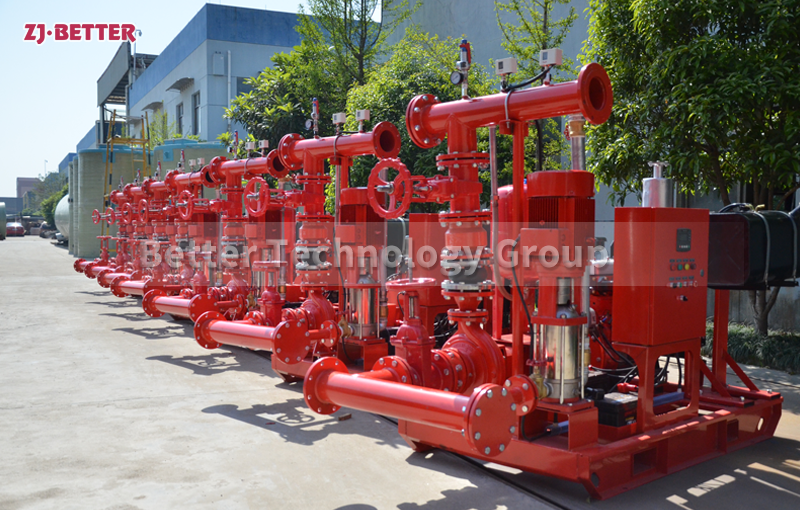
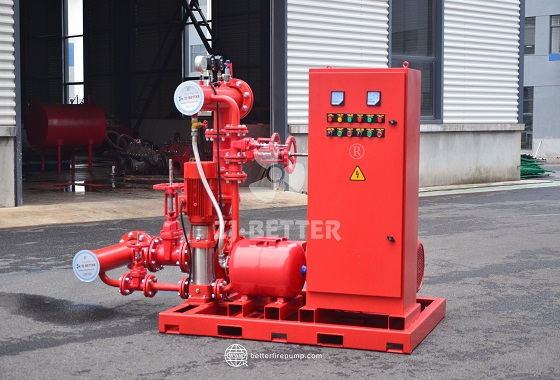
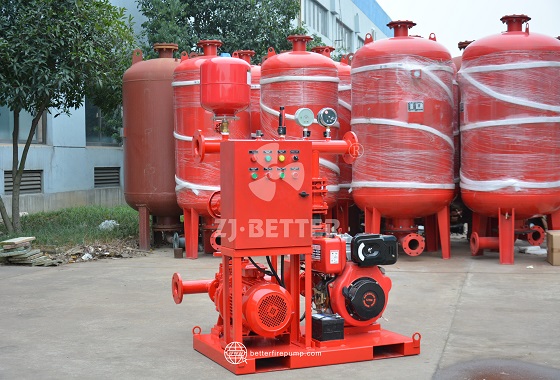
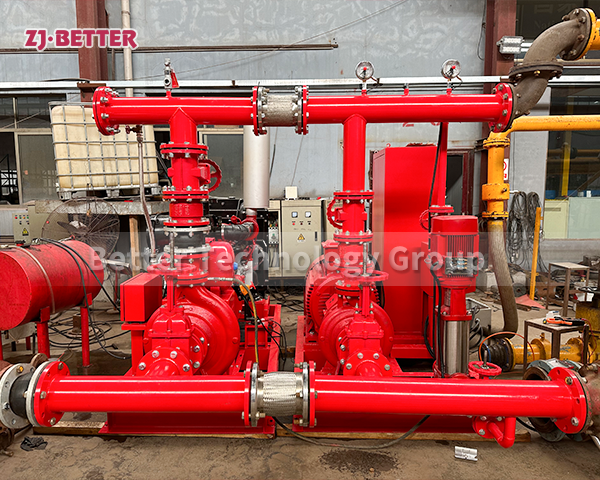
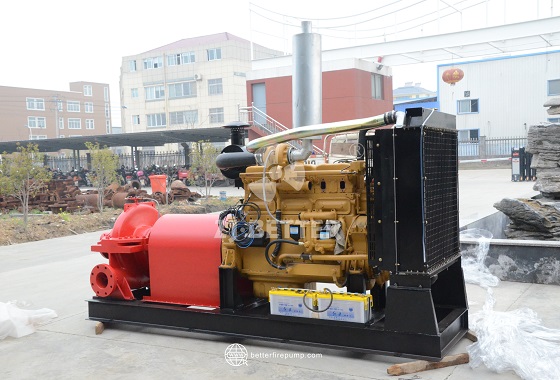
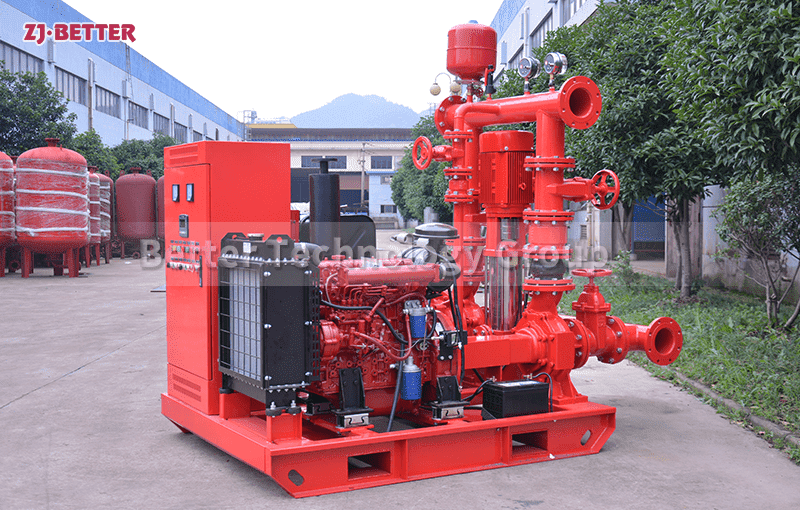
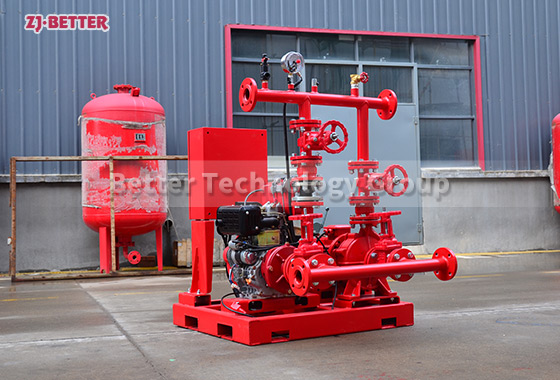
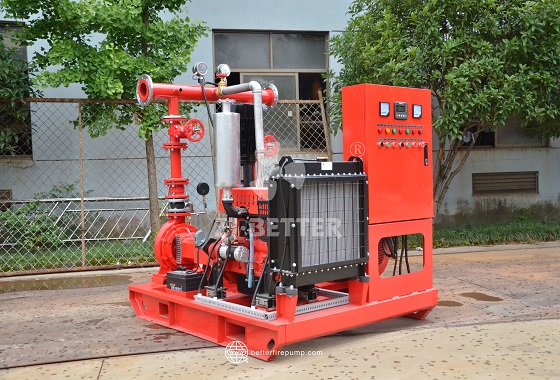
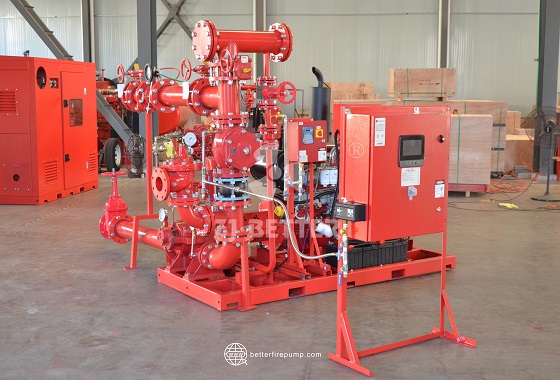
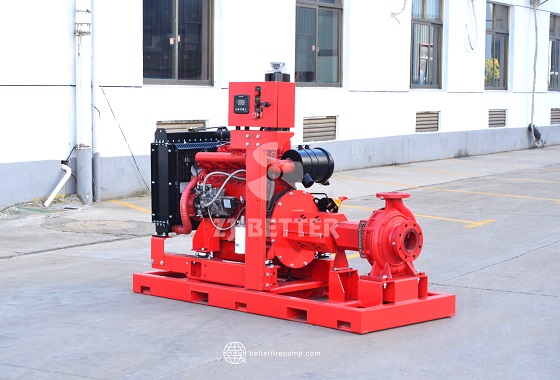
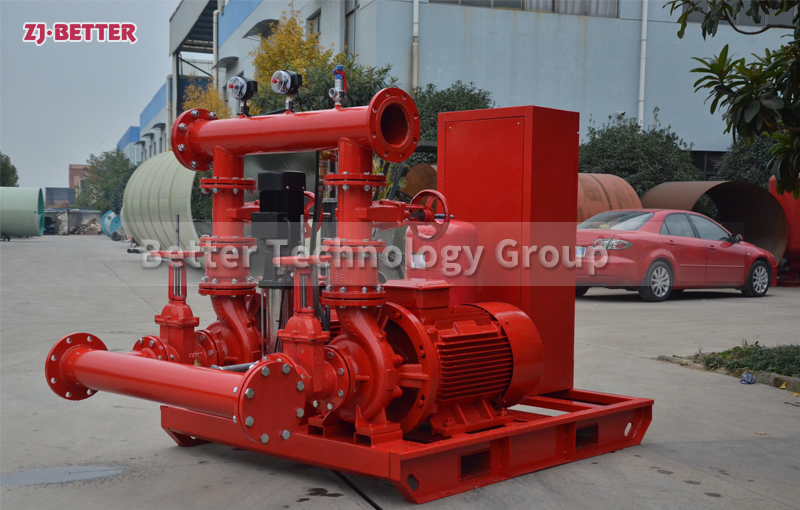
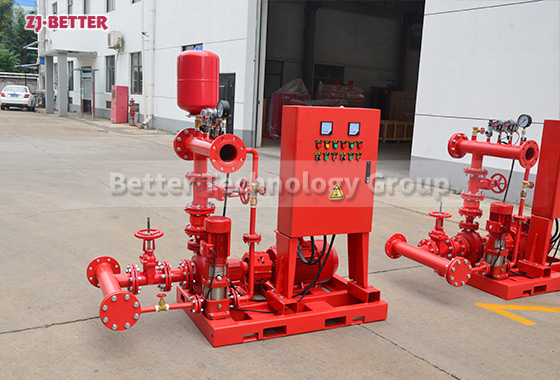
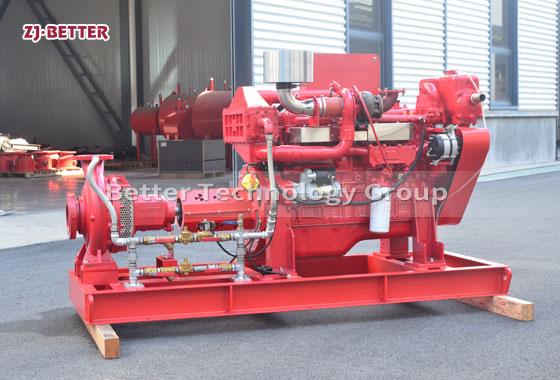
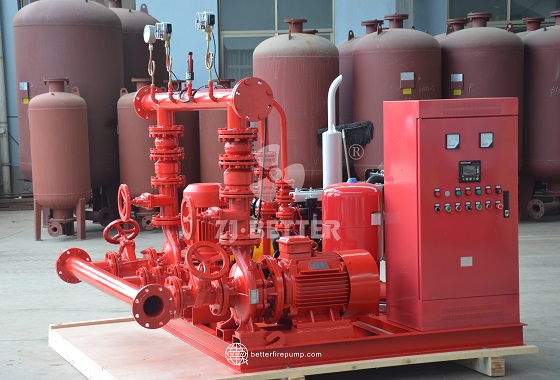
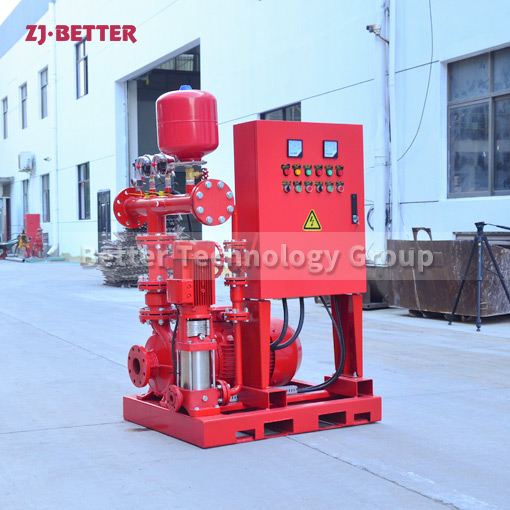
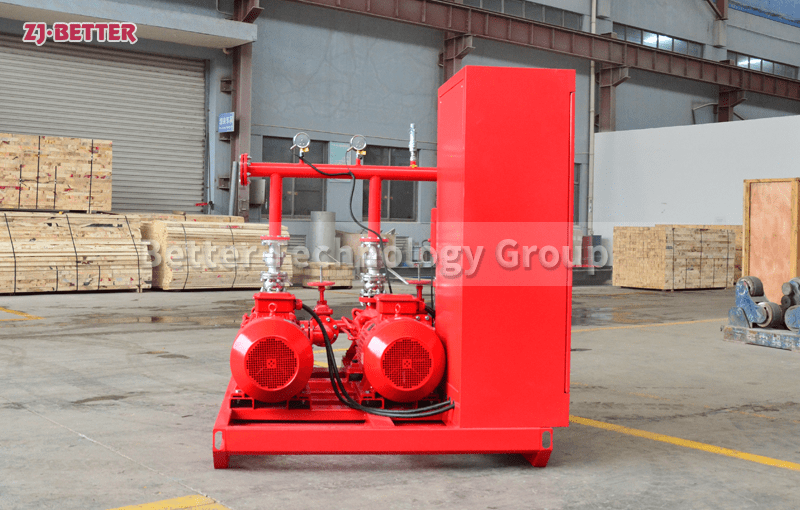
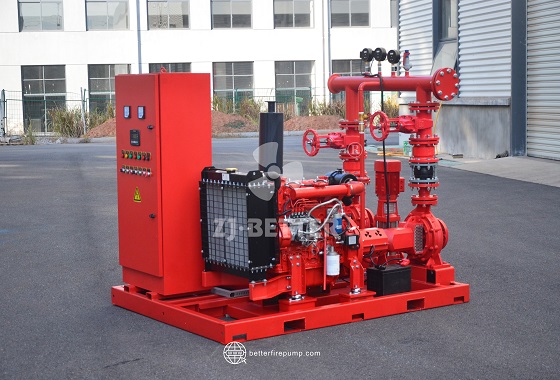
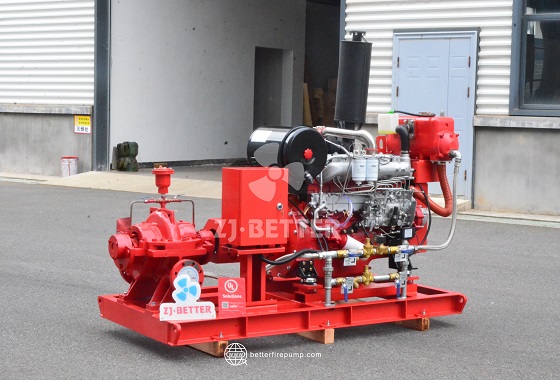
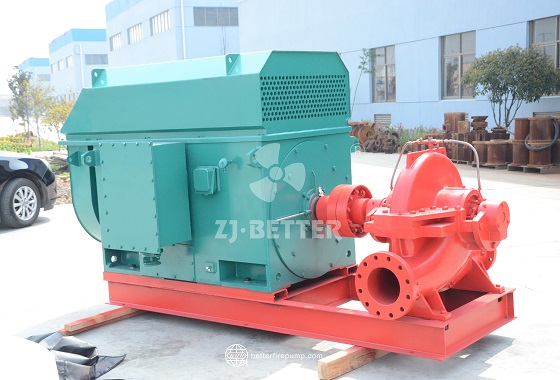
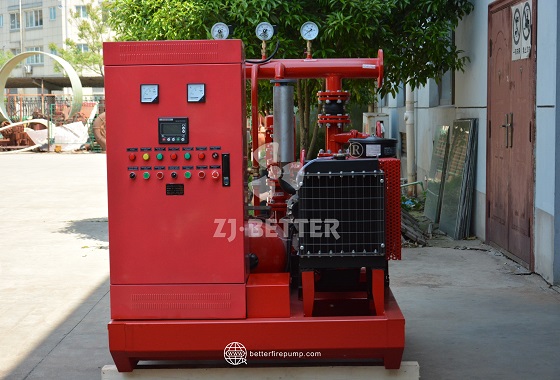
Self-priming diesel fire pumps offer enhanced rapid start-up efficiency and are highly reliable fire-fighting water supply equipment designed for environments without stable power supply or emergency backup scenarios. They play a vital role in modern industrial parks, petrochemical plant areas, warehousing and logistics centers, ports, and municipal fire protection systems. This product uses a diesel engine as its power source, combined with a highly efficient self-priming pump body structure, enabling the equipment to quickly establish a vacuum, rapidly draw water, and enter a stable water supply state in emergencies. This significantly shortens start-up preparation time, buying valuable time for initial fire control. Compared to traditional electrically driven fire pumps, diesel power systems offer the advantage of independent operation, maintaining normal operation even in the event of sudden power outages or grid failures, thus providing a higher level of safety for fire protection systems. The self-priming structure design is a core advantage of this type of product. By optimizing the internal flow channel and return channel structure of the pump body, the equipment can automatically expel air from the suction pipeline after initial start-up or after a long period of shutdown, achieving rapid water intake without the need for additional foot valves or complex auxiliary devices, greatly improving the convenience of on-site installation and maintenance. In practical applications, the quality of self-priming performance directly affects the response speed of a fire pump. This product, through enhanced self-priming chamber volume design and impeller structure optimization, achieves stronger suction lift and faster vacuum formation, ensuring a rapid establishment of stable water flow in emergency situations. The diesel engine features a high-torque output design, possessing excellent low-speed performance and load adaptability. It provides sufficient power to drive the pump at high speed immediately upon startup, while maintaining stable speed output during continuous operation, ensuring that flow rate and head parameters remain within the design range. For complex outdoor environments, this product adopts an integrated base structure design. The pump body and engine are connected via a flexible coupling or direct connection, reducing transmission losses, improving energy conversion efficiency, enhancing overall stability, and reducing the impact of vibration on equipment lifespan. The reinforced base structure can adapt to long-term outdoor operation or mobile work requirements, demonstrating excellent adaptability in construction sites, mining areas, or temporary fire stations. To meet the flow requirements of different fire suppression systems, this type of diesel self-priming fire pump offers various flow and head configurations based on engineering design. It can be used in fire hydrant systems, sprinkler systems, water curtain systems, and long-distance water delivery fire suppression scenarios. The high flow design ensures stable pressure output even when multiple points are using water simultaneously, preventing pressure fluctuations from affecting fire suppression effectiveness. The equipment prioritizes corrosion and wear resistance in its material selection. The pump casing is typically made of high-strength cast iron or ductile iron, and the impeller undergoes dynamic balancing, ensuring smooth operation and reducing water impact damage to the internal structure, thus extending the overall service life of the machine. The shaft sealing system uses high-temperature and wear-resistant sealing components, maintaining excellent sealing performance during long-term continuous operation, preventing leakage and improving overall equipment reliability. The diesel engine cooling system employs a high-efficiency heat dissipation design, maintaining stable operation even in high-temperature environments, preventing power reduction or equipment shutdown due to overheating, and ensuring continuous fire suppression operations. Considering ease of operation in practical applications, this product is equipped with a comprehensive control system, enabling automatic start-up, manual start-up, and remote control. When the fire-fighting network pressure drops to a set value, the system automatically starts the pump unit, improving response efficiency. The control panel has a clear layout and simple operating logic, allowing on-site personnel to quickly master its use. Regarding noise control, optimized silencing devices and vibration-damping structures effectively reduce operating noise and improve the on-site working environment. The equipment was designed with transportation and installation needs in mind, featuring a compact and reasonable overall structure that facilitates hoisting and handling, allowing for rapid placement and deployment on-site. For long-term standby operation scenarios, the diesel engine can be equipped with an automatic charging system and a fuel monitoring system to ensure the equipment is always ready and prevents starting issues caused by battery depletion or insufficient fuel. Compared to traditional non-self-priming diesel pumps, this product eliminates the need for manual water injection during initial use or restart, significantly improving operational efficiency and reducing the risk of human error. The self-priming function not only saves installation costs but also simplifies the system layout, reducing the number of piping accessories and thus lowering overall maintenance workload. For use in port, dock, and coastal environments, the equipment features a reinforced coating for enhanced corrosion resistance and salt spray resistance, ensuring long-term stable operation in humid environments. In high-lift applications, optimized impeller diameter and speed matching achieve efficient pressurization, meeting the needs of long-distance water delivery and fire protection in high-rise buildings. The overall structure undergoes rigorous dynamic balancing and performance testing to ensure continuous operation without abnormal vibration or noise under rated conditions. The equipment’s continuous operation capability supports extended firefighting operations, demonstrating excellent durability in industrial fires or large-scale fires. A well-designed inlet and outlet system ensures smooth water flow, reduces energy loss, and improves overall hydraulic efficiency. The independence of the diesel power system provides a significant advantage in areas with unstable power supply, making it particularly suitable for remote industrial and mining enterprises or emergency mobile firefighting systems. In terms of maintenance, the equipment’s key components are rationally laid out with ample maintenance space, facilitating regular maintenance and component replacement, and reducing long-term maintenance costs. Overall, self-priming diesel fire pumps offer multiple advantages, including an independent power system, high-efficiency self-priming capability, rapid start-up performance, and stable high-pressure output, providing reliable support for various emergency fire extinguishing systems. They demonstrate outstanding performance in scenarios without power or in emergency backup situations, making them an indispensable and important equipment choice in modern fire protection systems.