Home » Fire Pump Set » Diesel engine fire pump product overview and performance characteristics

Diesel engine fire pump product overview and performance characteristics

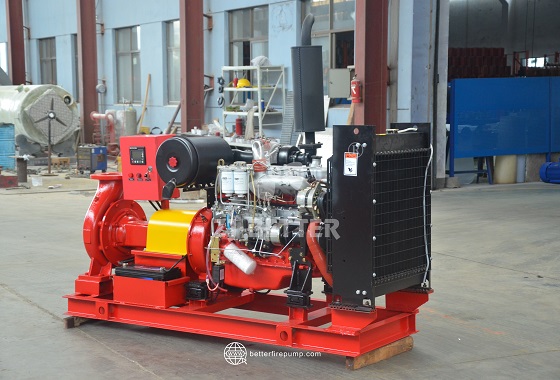
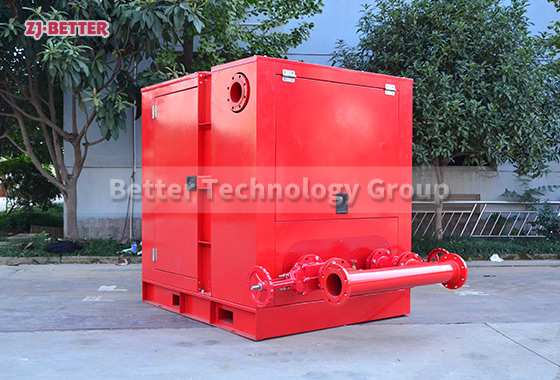
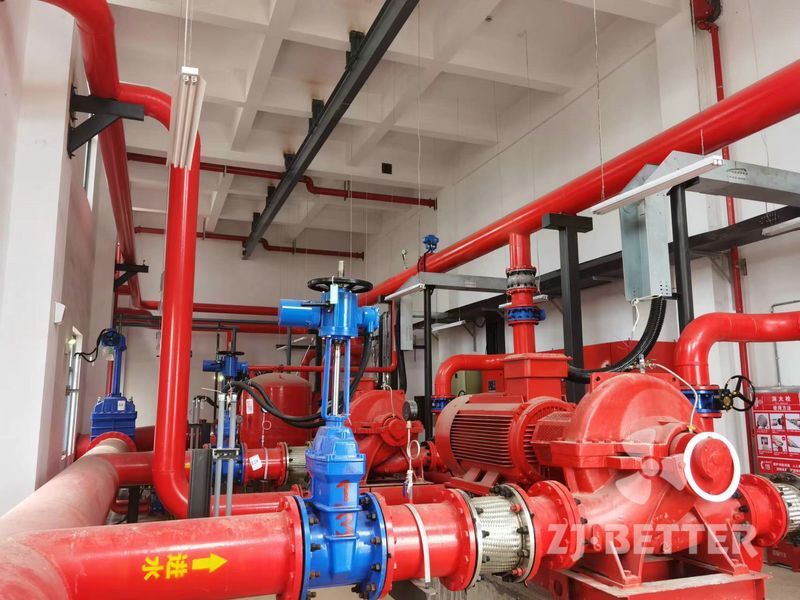
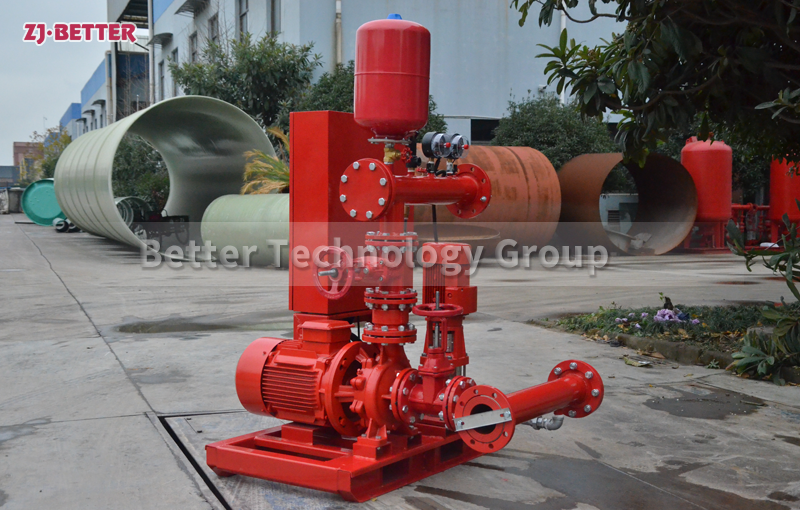
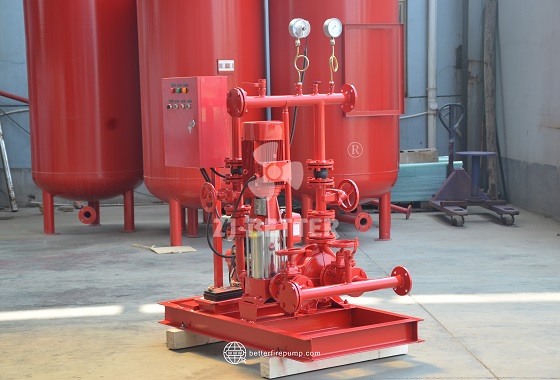
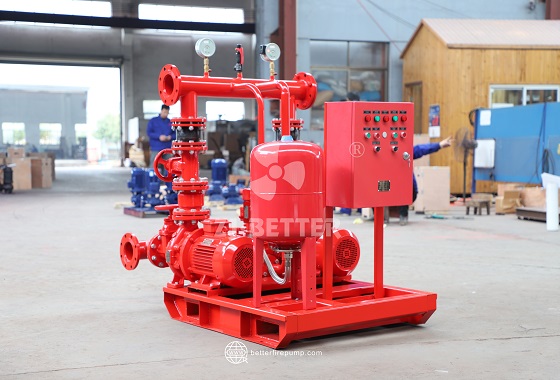
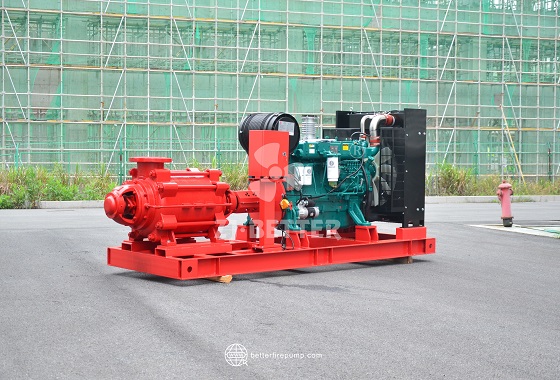
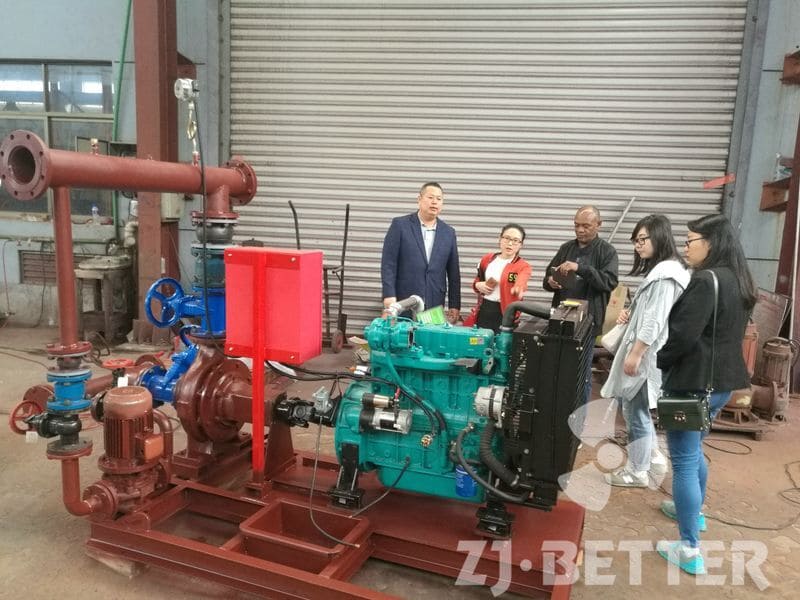
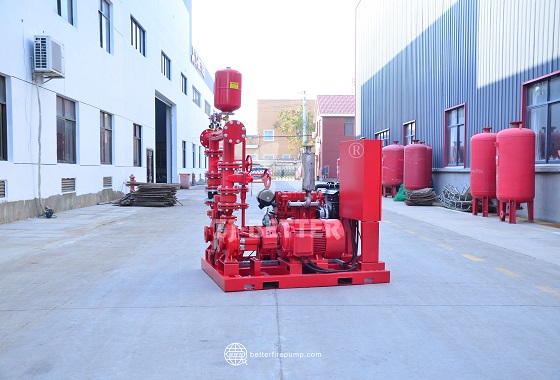
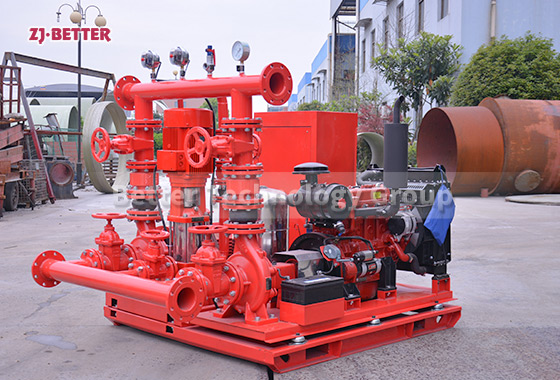
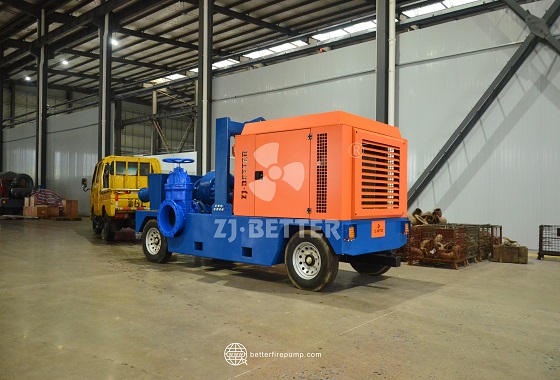
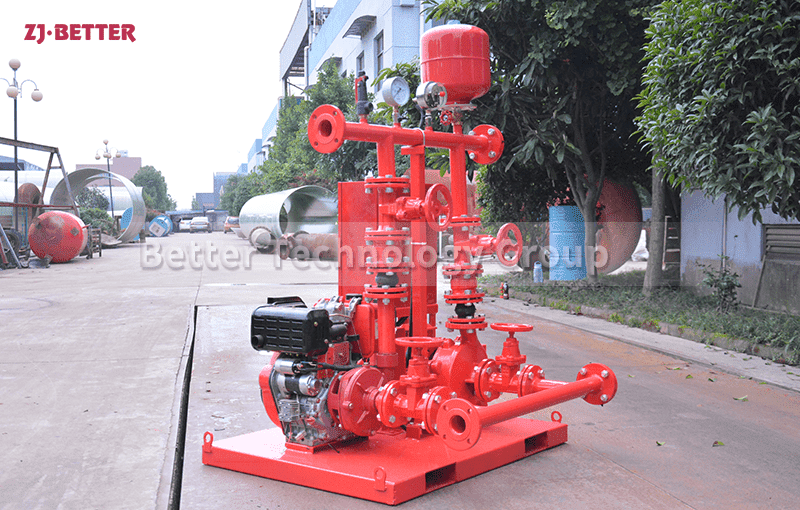
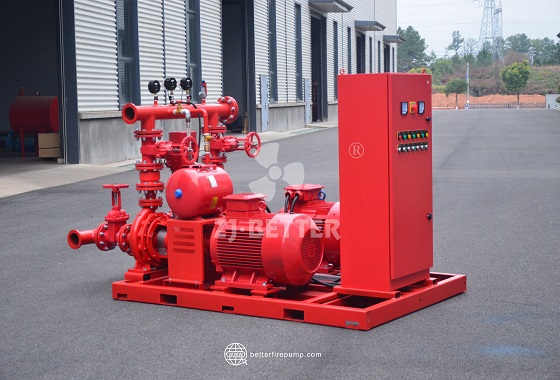
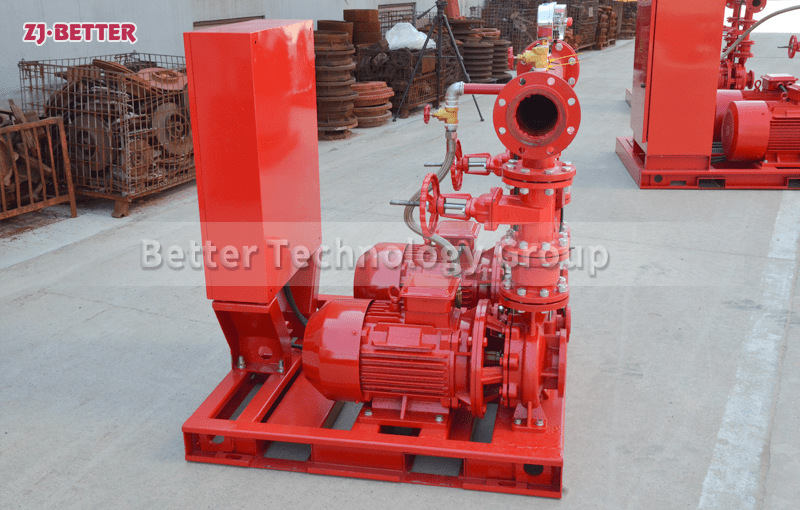
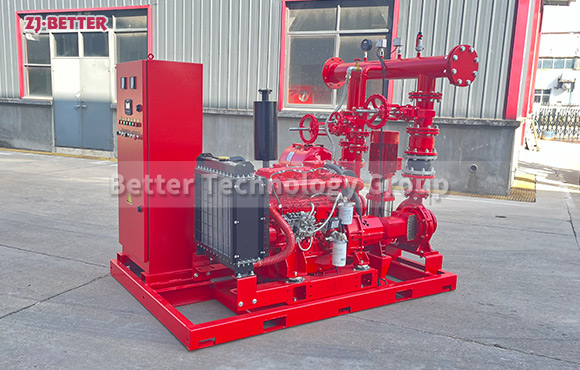
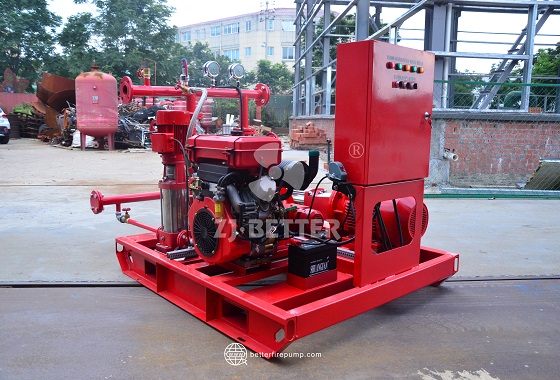
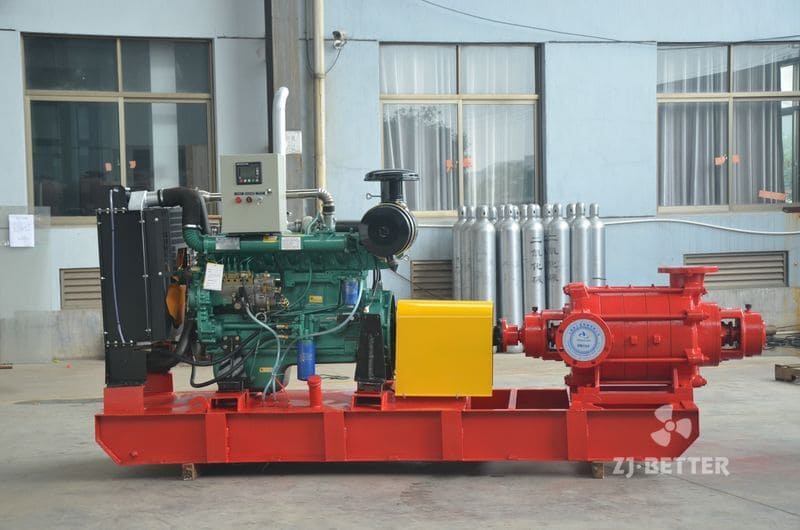
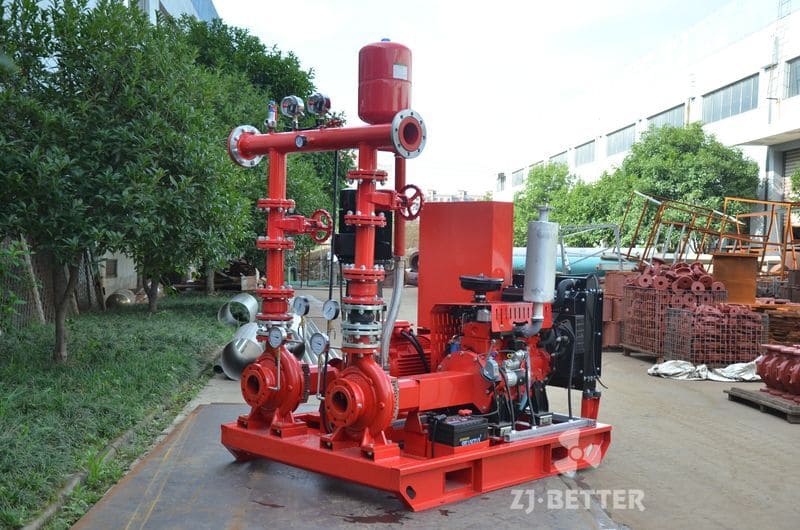
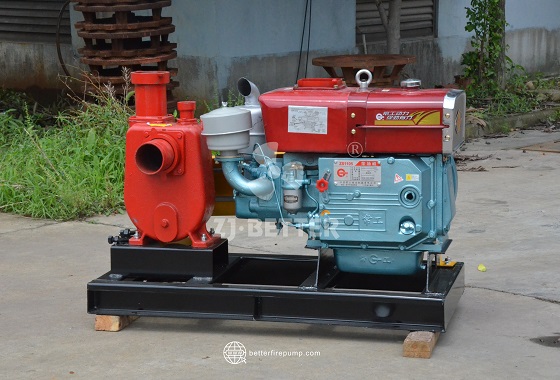
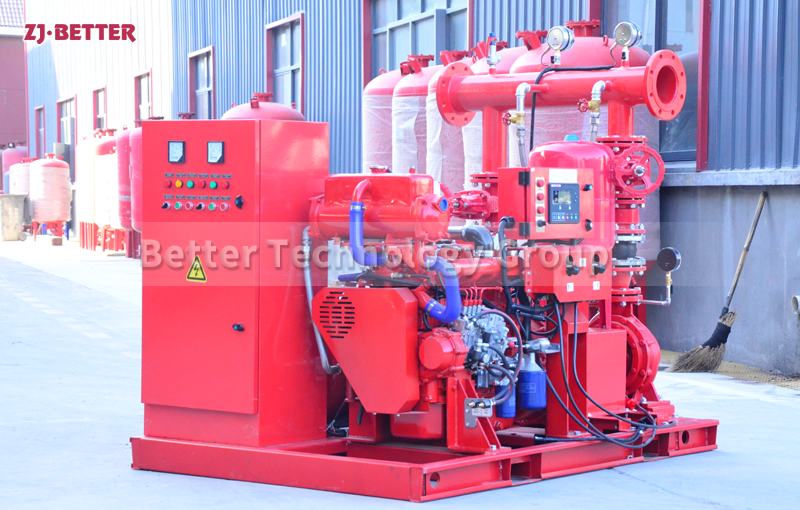
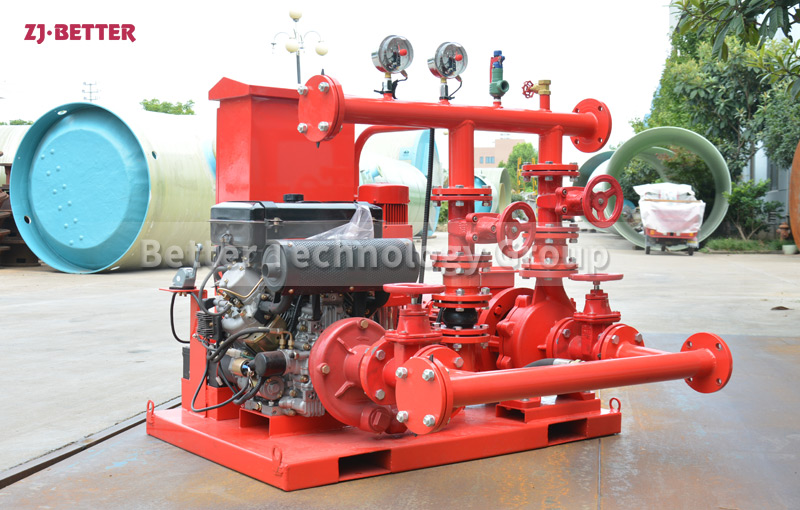
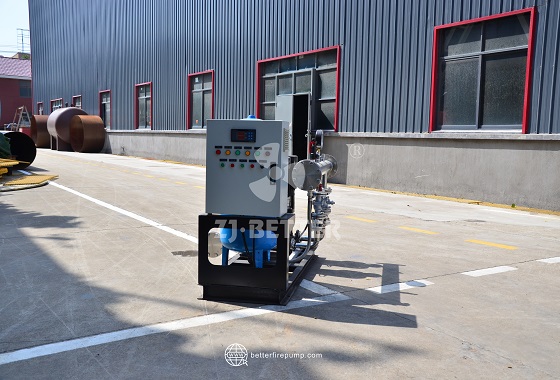
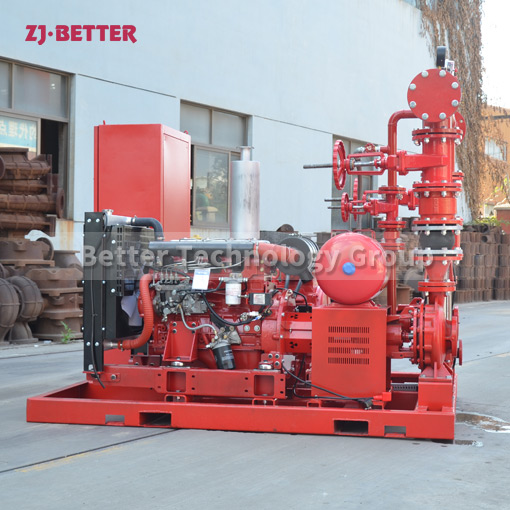
The fire pumps used in the complete set of diesel engine fire pumps can be the IS series single-stage type, the S series new single-stage two-stage type, and the D-type series segmental multi-stage type produced by our company. The diesel engine water pumps used in this series of equipment are made of domestic or imported high-quality products. They have the characteristics of good starting characteristics, strong overload capacity, compact structure, convenient maintenance, simple use, and high degree of automation. They are advanced and reliable fire-fighting equipment.

Rated 5/5 based on 322 customer reviews
Share:
Content

The diesel fire pump has three perfect starting functions:

1. Manual start function: Manual and automatic interlocking can be completed through the transfer switch and manual start function can be realized:

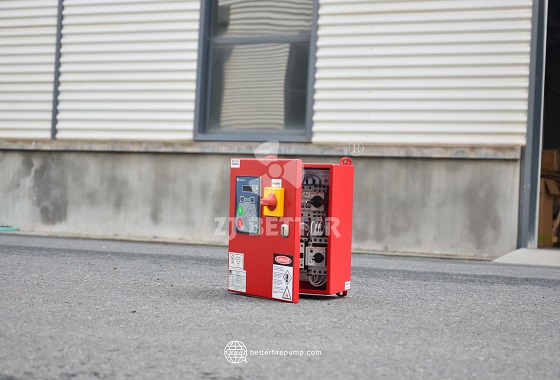
2. Automatic and manual function: three starts are allowed, if the three starts are unsuccessful, a “start failure alarm” will be issued and the start state will be automatically exited; after one start is successful, the time to start to rated load is 5-10-15S (depending on the capacity of the unit) );

3. Emergency manual direct start function: When the automatic control device fails, the emergency manual direct start function can be realized.
Inquiry


    More Fire Pump Set

    Using a fire pump efficiently and reasonably is crucial to ensure its optimal performance and effective firefighting capabilities. Here are some key considerations for using a fire pump efficiently:

    Proper Sizing: Ensure that the fire pump is properly sized for the specific application.

    Regular Maintenance: Perform regular maintenance on the fire pump to keep it in optimal condition.

    Optimal Operating Speed: Operate the fire pump at the optimal speed based on the required flow rate and pressure.

    Water Management: Manage the water supply efficiently to avoid unnecessary waste.

    Training and Familiarization: Provide training to firefighters and operators on the proper operation of the fire pump.

    Monitoring and Control: Utilize monitoring and control systems to optimize pump operation. These systems can provide real-time information on flow rates, pressures, and energy consumption. Use this data to adjust operating parameters as needed and identify any anomalies or inefficiencies that may require attention.

    Shut Down When Not in Use: When the fire pump is not actively needed, consider shutting it down to conserve energy and reduce wear on the equipment.

    Record Keeping: Maintain records of pump operation, maintenance activities, and any performance issues.

    Efficient and reasonable use of a fire pump not only helps conserve resources but also ensures its readiness to combat fires effectively. By following proper operating procedures, conducting regular maintenance, and promoting a culture of efficiency among operators, the fire pump can operate optimally and provide reliable firefighting capabilities when needed most.