Automated Skid-Mounted Fire Pump Equipment for Improved Pressure Response and Pump Management
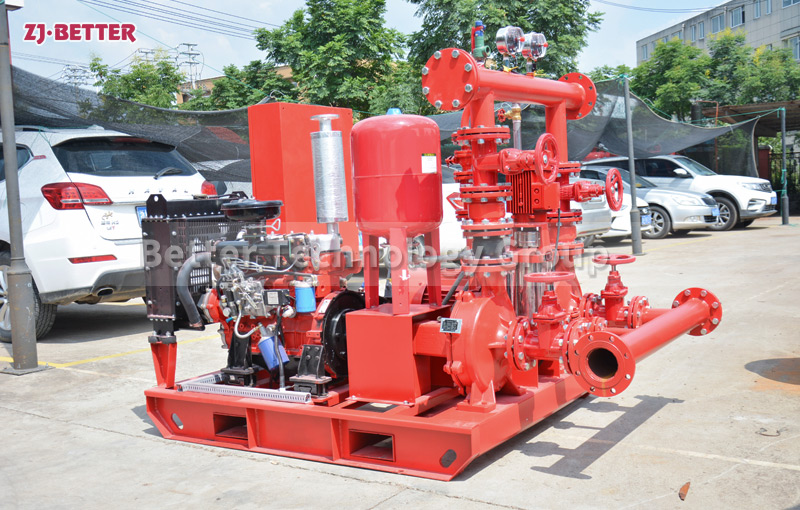
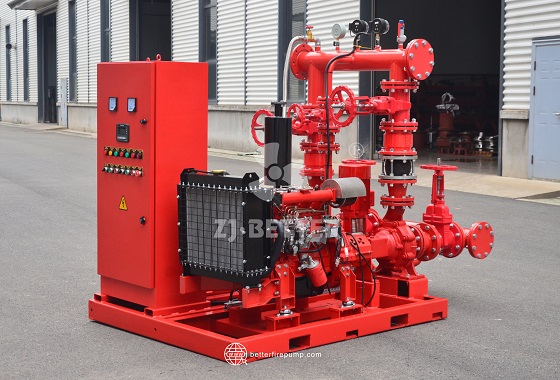
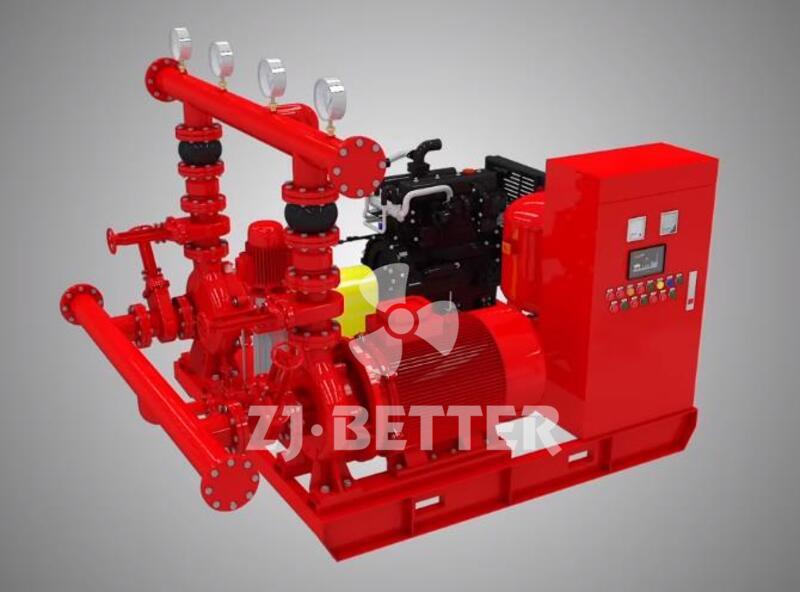
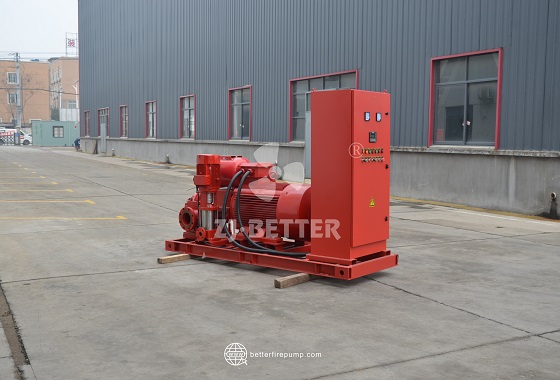
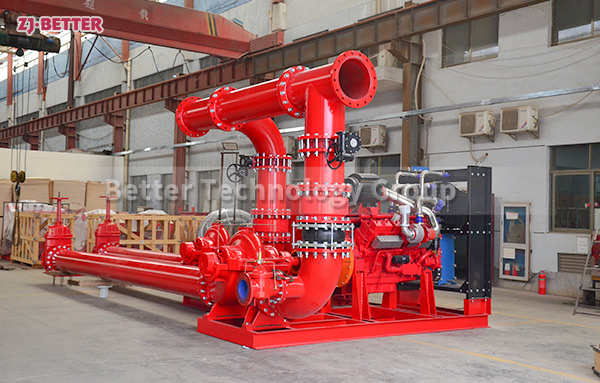
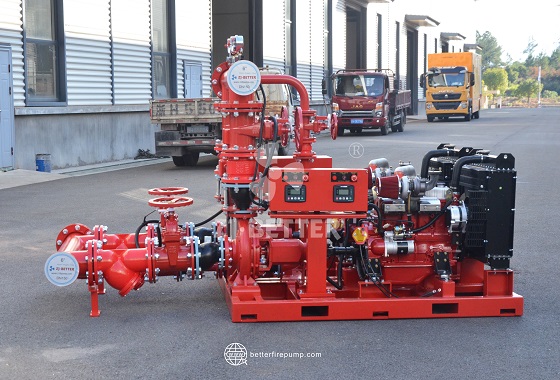
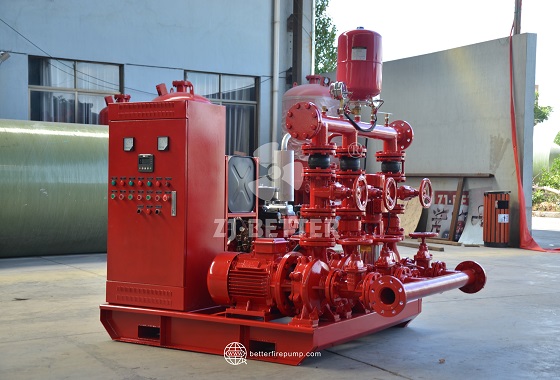
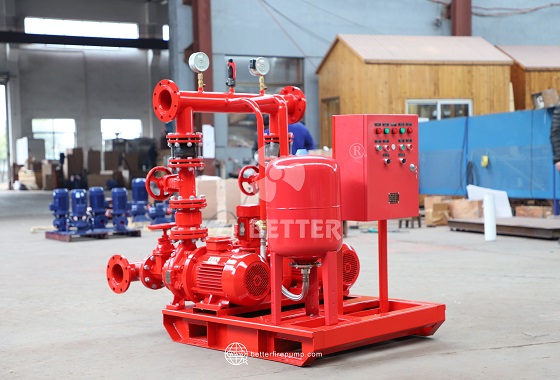
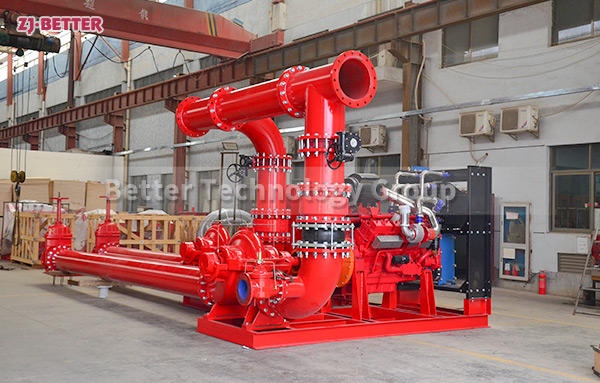
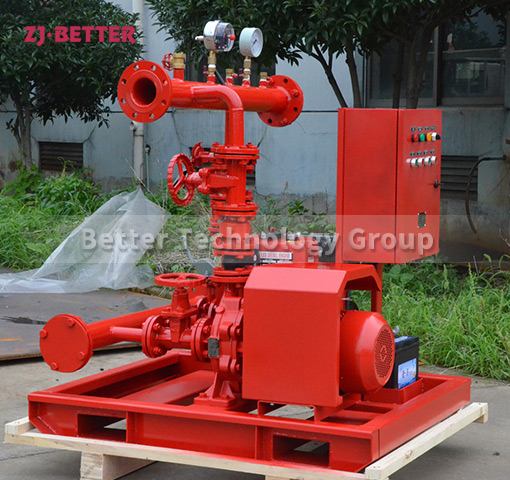
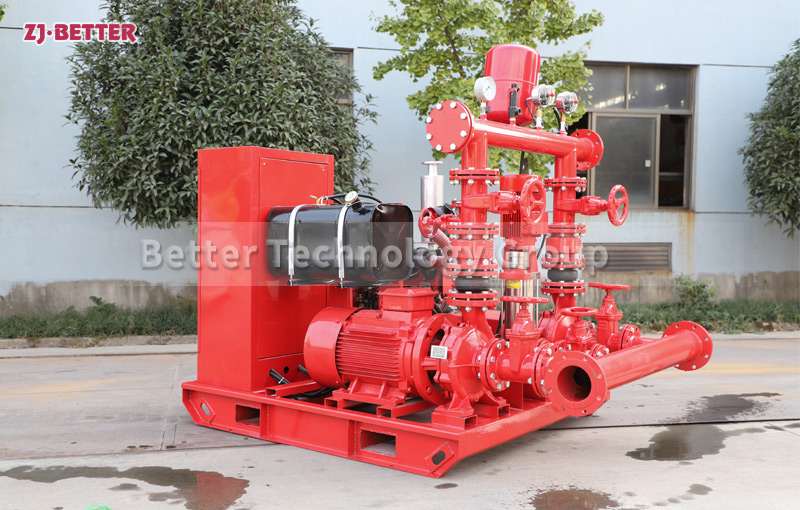
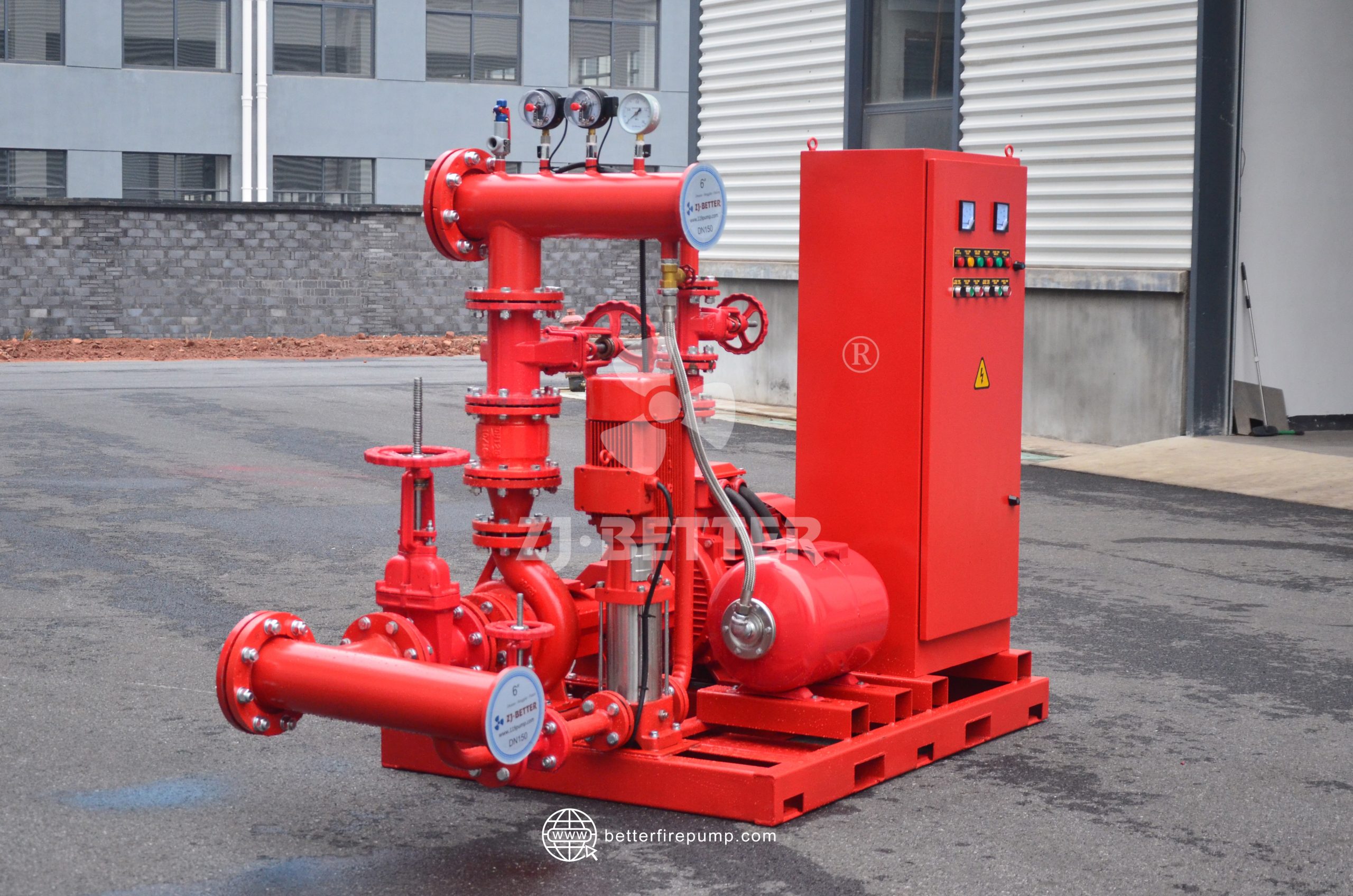
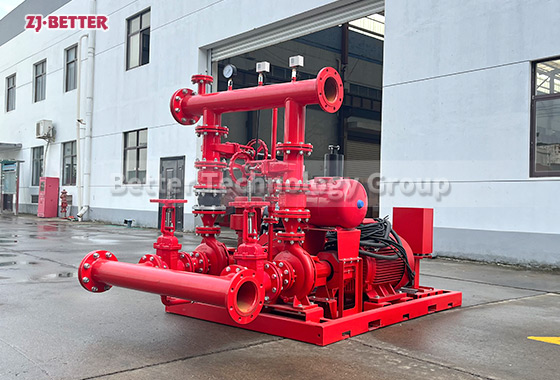
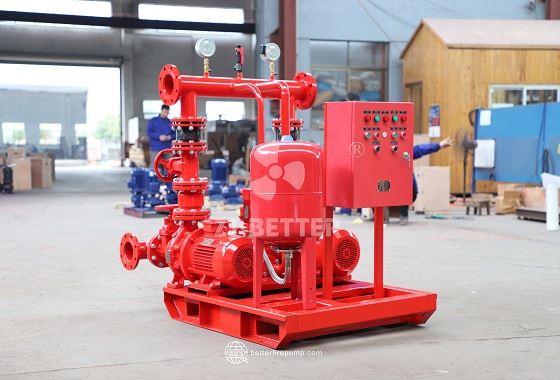
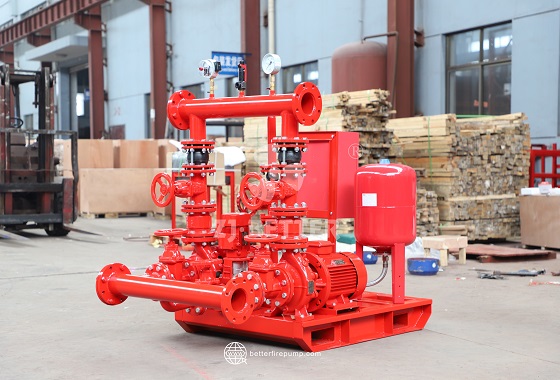
This automated skid-mounted fire pump system integrates the main fire pump, jockey pump, control cabinet, and pressure monitoring components. It optimizes pressure response within the fire piping network and pump unit management, supports various configurations regarding flow rate, head, and pump type, and is suitable for fire water supply systems in both building and industrial applications.
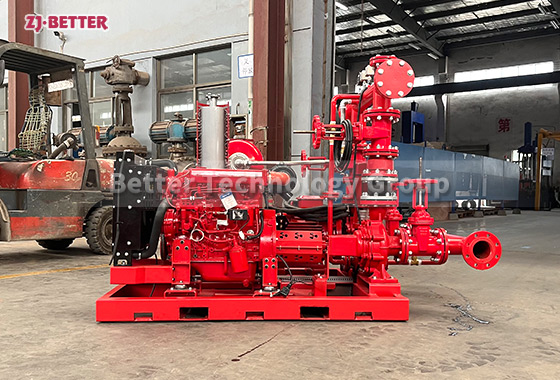
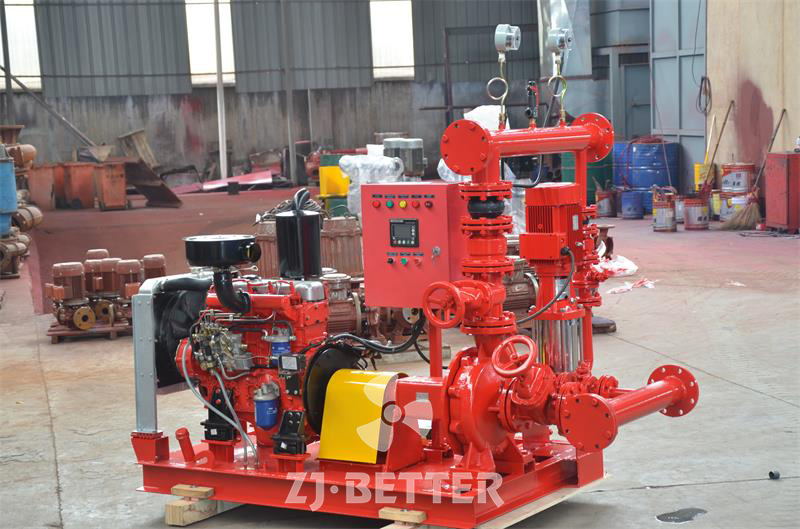
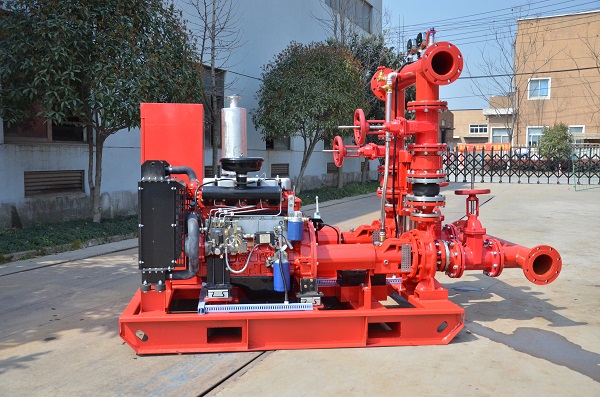
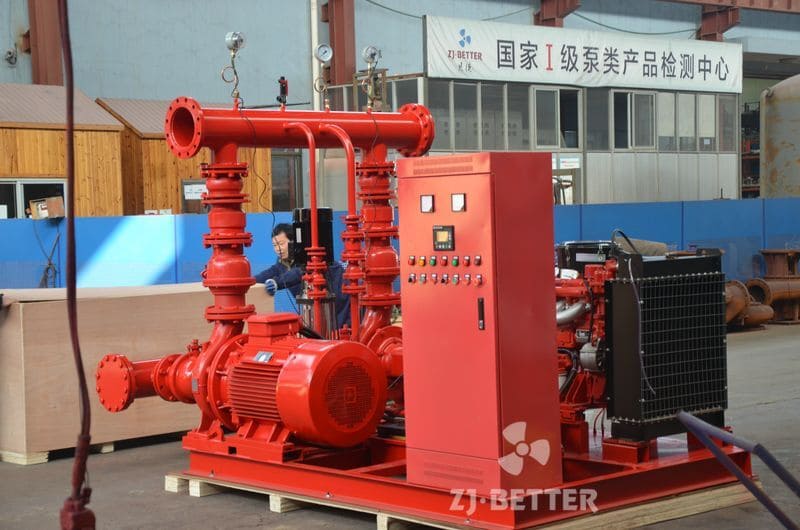
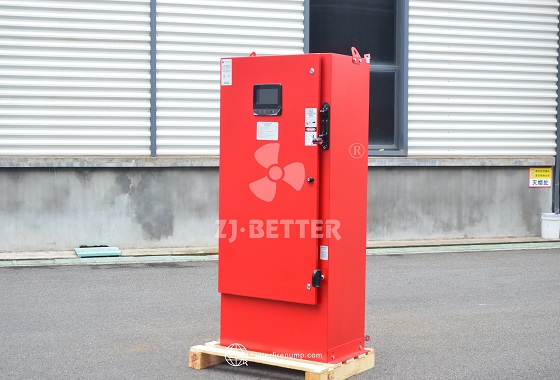
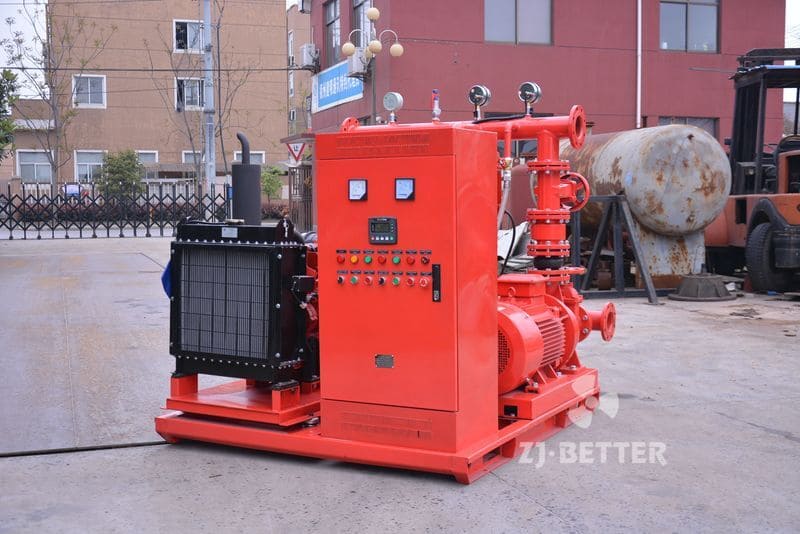
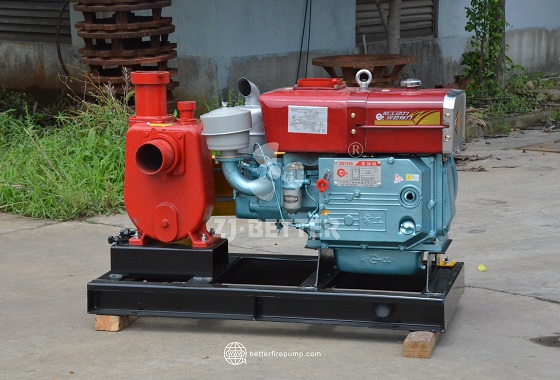
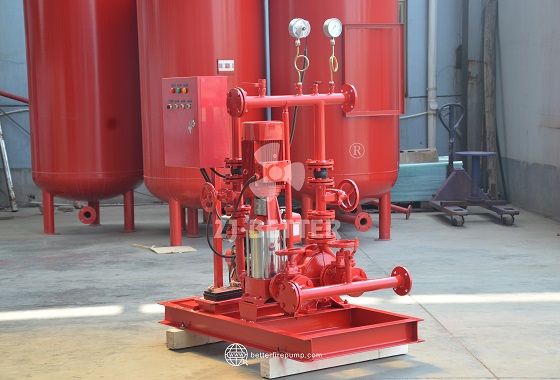
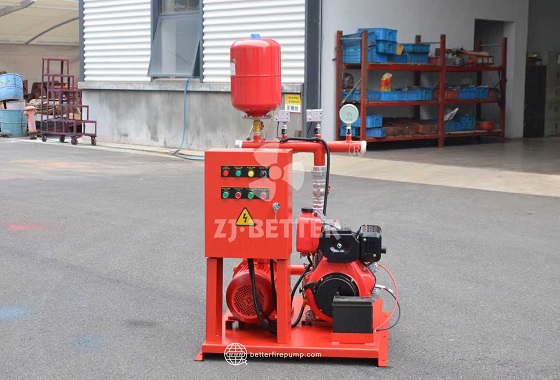
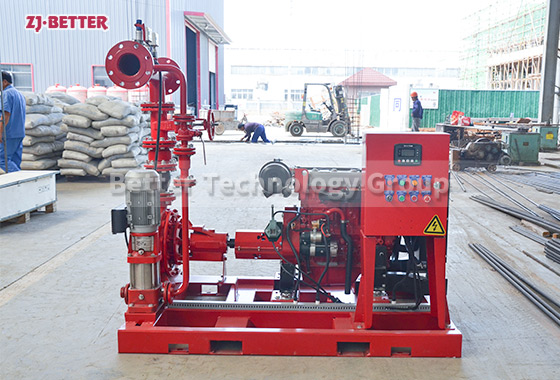
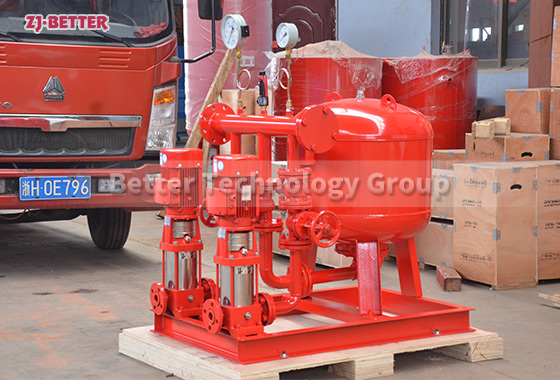
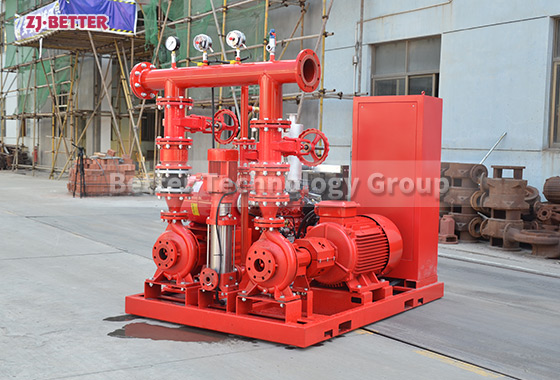
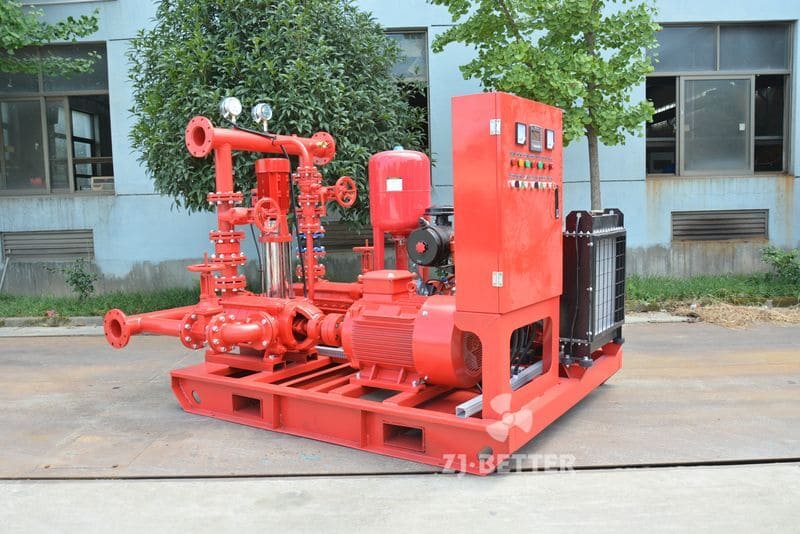
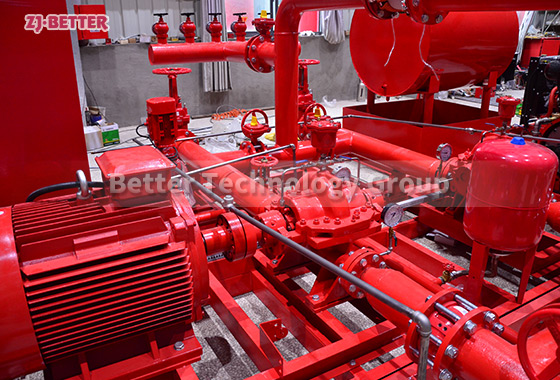
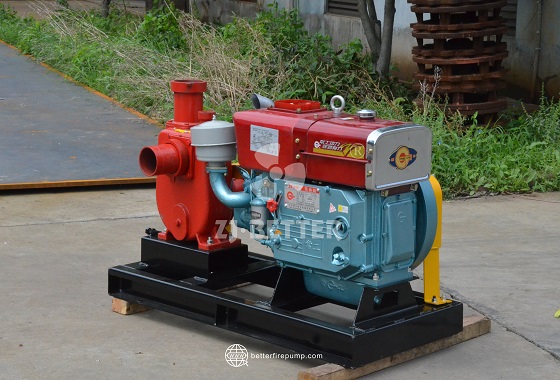
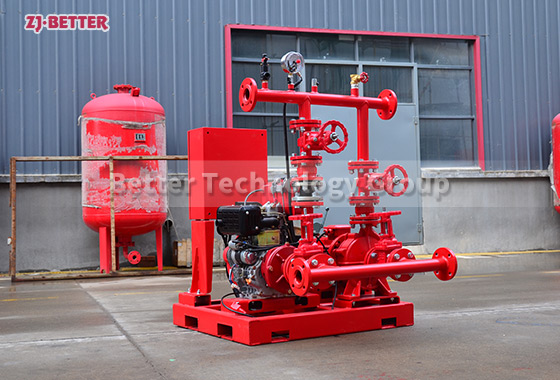
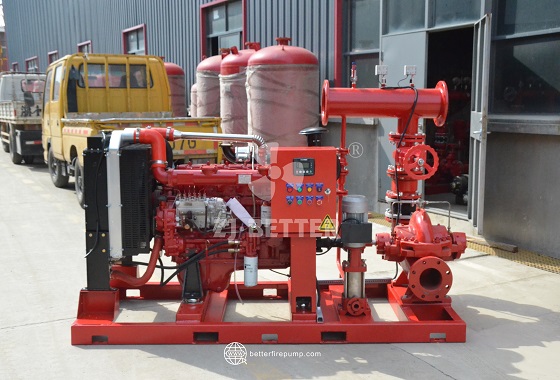
The automated skid-mounted fire pump system is an integrated fire water supply unit comprising a main fire pump, a jockey pump, electric motors, a control cabinet, pressure monitoring instruments, valves, and interconnecting piping. Featuring an integrated base design that consolidates key equipment, the system minimizes on-site installation work, optimizes pump room space utilization, and enhances convenience regarding transport, installation, and routine maintenance. By combining automatic control with pressure monitoring, the system coordinates the operation of the main fire pump and the jockey pump to meet the distinct requirements of maintaining network pressure during normal operation and providing emergency water supply during a fire. When network pressure drops due to minor leaks or normal fluctuations, the jockey pump activates—based on preset pressure parameters—to restore pressure, thereby maintaining system stability and preventing unnecessary, frequent cycling of the main fire pump. Conversely, when there is a significant demand for fire water and network pressure hits the activation threshold, the main fire pump engages according to the control logic to deliver the necessary flow and pressure to the fire protection facilities. The associated control cabinet centrally manages pump start/stop operations and—depending on the specific configuration—provides status indications, pressure signal responses, and electrical protection functions, allowing operators to easily monitor equipment performance. Pressure gauges and monitoring components enable real-time visualization of system pressure, facilitating commissioning, routine inspections, and troubleshooting. Various pump types—such as end-suction pumps, horizontal split-case (double-suction) pumps, vertical in-line pumps, or multistage pumps—can be selected based on project design requirements; these are matched to specific building heights, network resistance, rated flow rates, and required head to suit fire water supply scenarios of varying scales. For some electric fire pump packages, flow rates typically range from 14 to 2,700 GPM with heads of approximately 12 to 80 meters, though actual performance depends on the specific pump model, drive power, and configuration; components such as jockey pumps, pressure tanks, piping diameters, and control methods can also be customized to meet project-specific needs. The skid-mounted structure integrates the pump unit, drive mechanism, and control components onto a unified base frame, resulting in a compact equipment layout and centralized piping connections that facilitate overall site planning and system commissioning. Materials for the pump body and wetted parts can be selected based on the operating environment and the properties of the medium, ensuring a balance of mechanical strength, corrosion resistance, and long-term operational reliability. This type of automated fire-fighting pump system is suitable for commercial buildings, industrial plants, warehouses, logistics centers, and other facilities requiring fixed fire-fighting water supplies; it is particularly well-suited for projects aiming to simplify on-site installation and enhance the efficiency of pump unit management. Selection should involve a comprehensive assessment based on fire safety design standards, rated flow, head, system operating pressure, power supply conditions, and control requirements; furthermore, the automatic start logic, backup water supply configuration, and protective functions must be verified to meet project specifications, thereby ensuring a stable fire-fighting water supply, appropriate pressure response, and efficient equipment management.