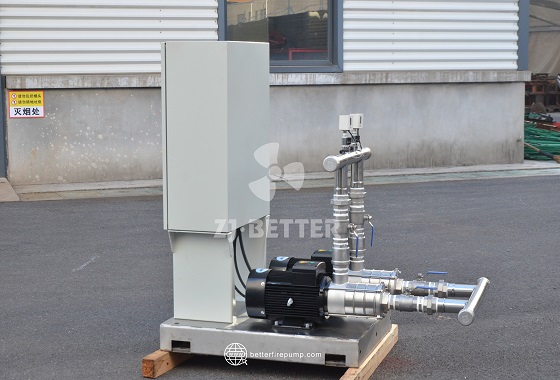
Indoor Fixed Fire Pump System Designed for Fire Safety and System Efficiency
Indoor fixed fire pump systems are compact, start up quickly, and provide stable water supply. They are suitable for building fire water supply and sprinkler systems and have advantages such as automatic control, reliable operation, and convenient maintenance, meeting the needs of various fire protection conditions.
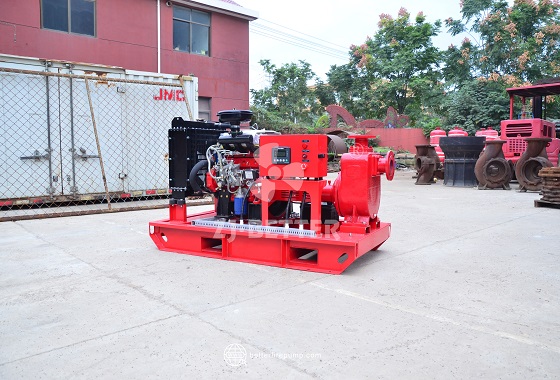
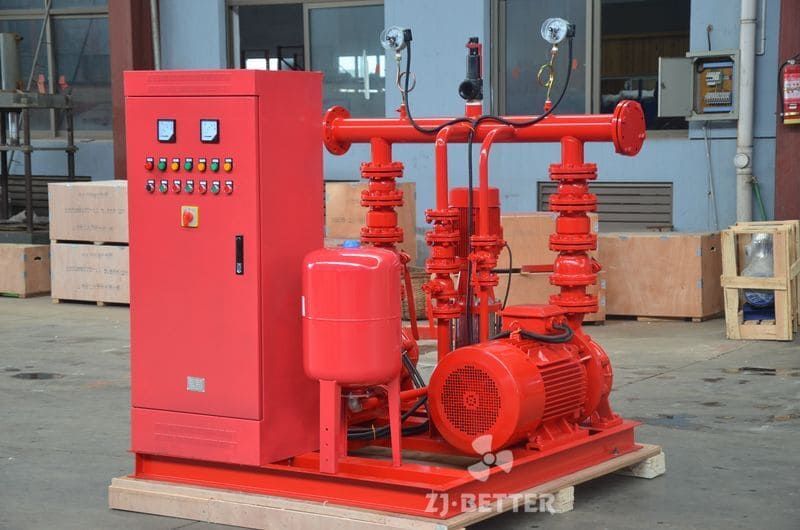
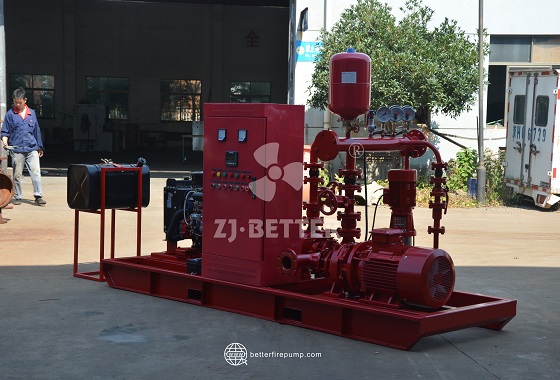
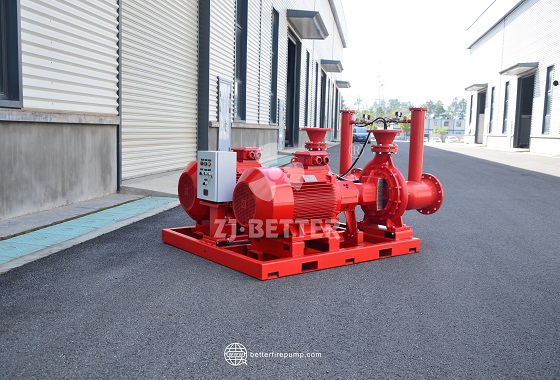
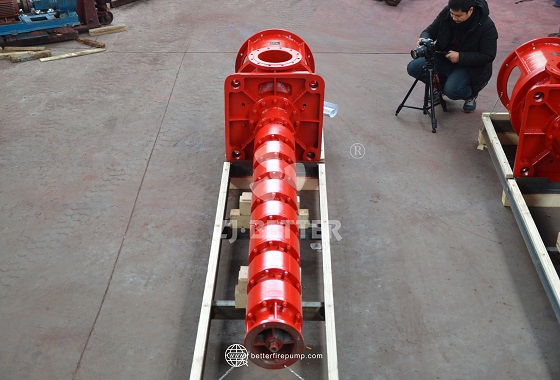
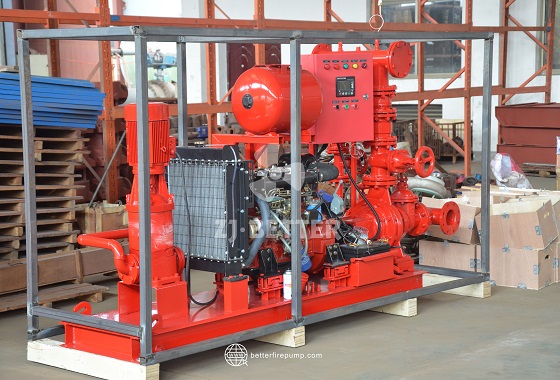
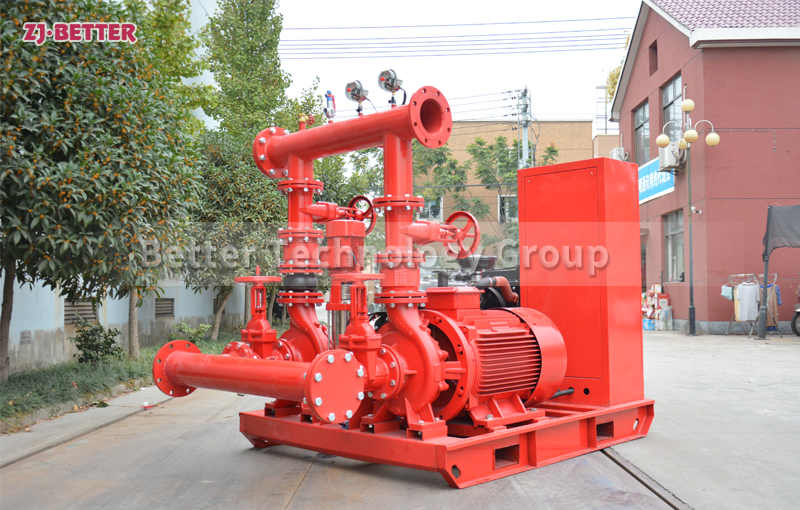
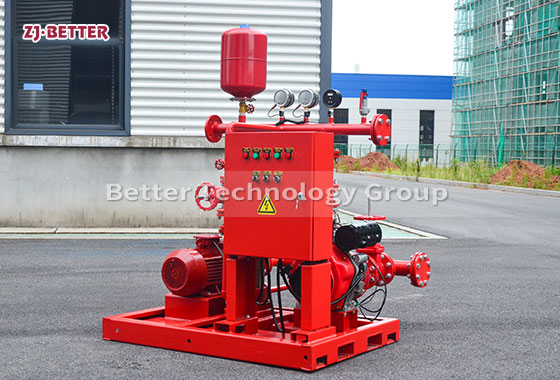
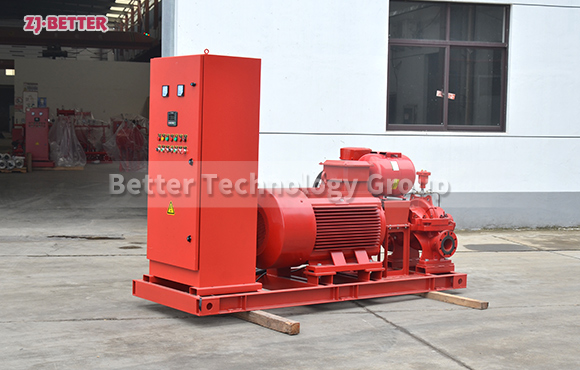
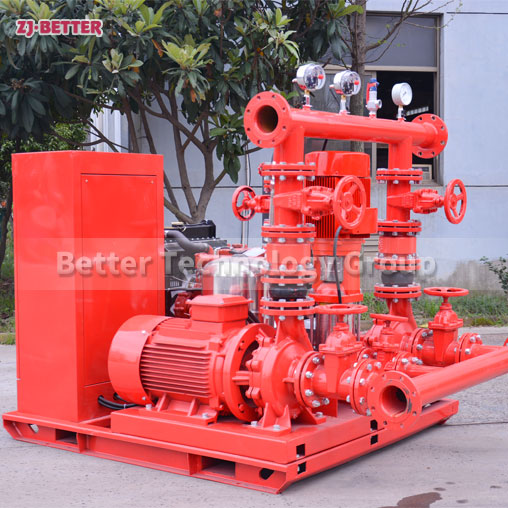
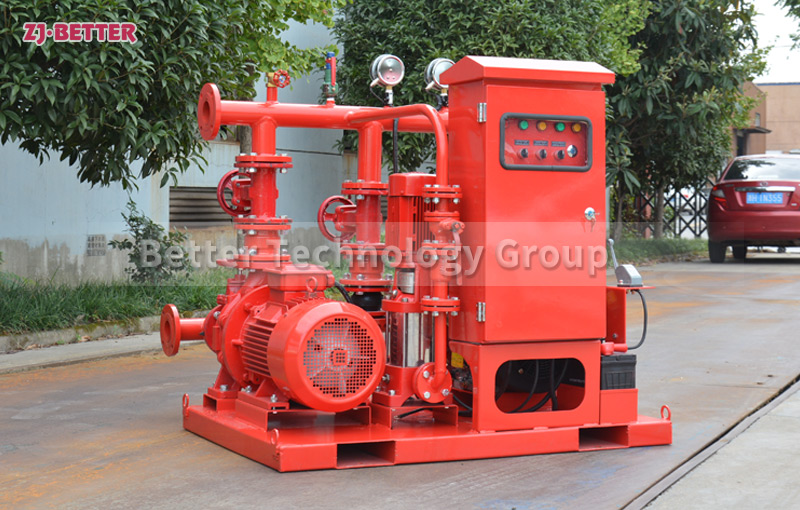
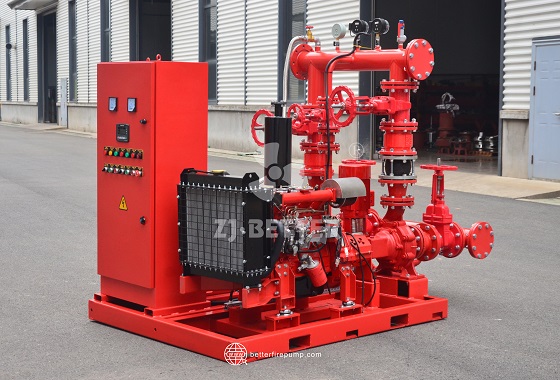
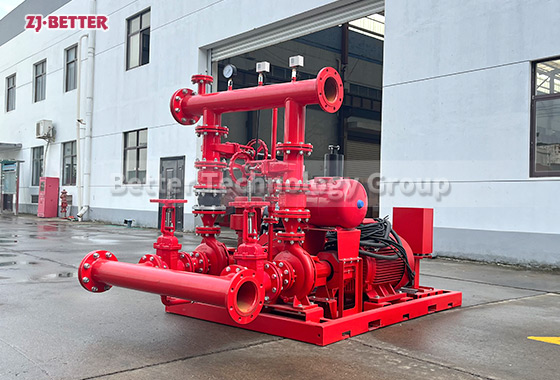
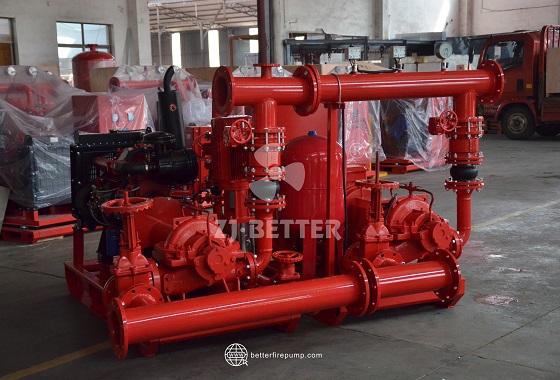
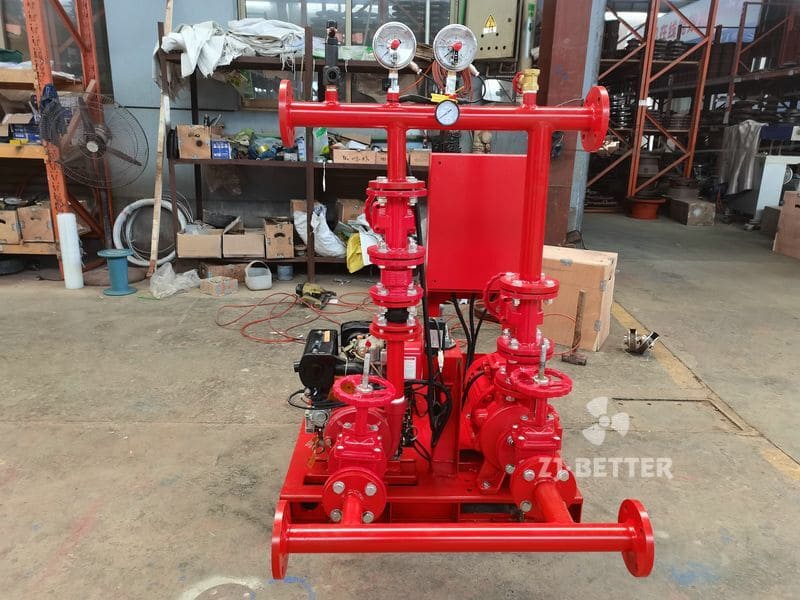
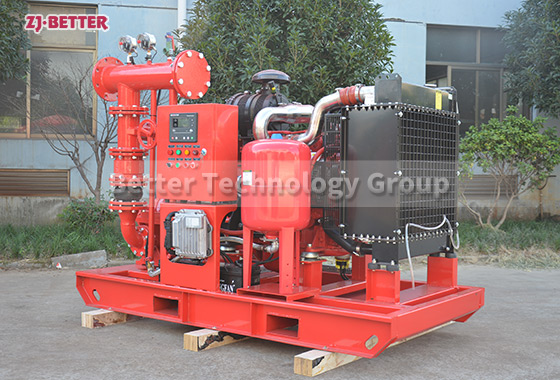
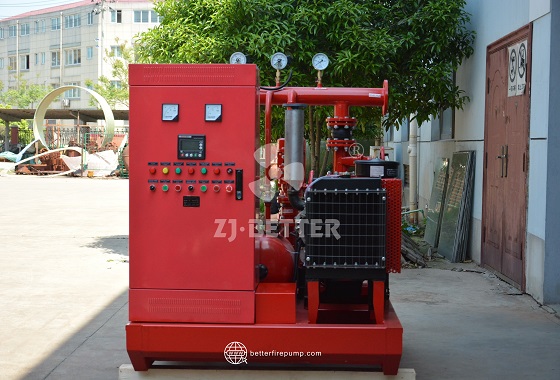
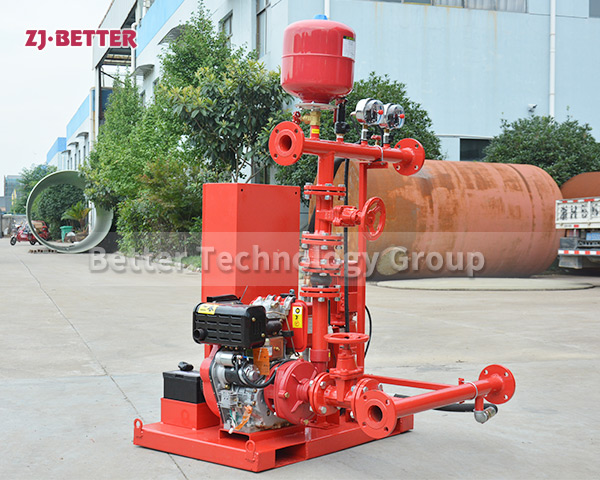
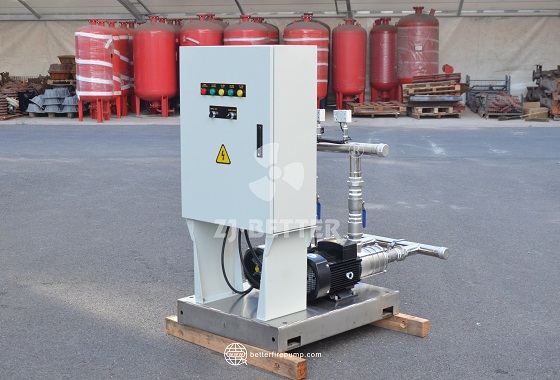
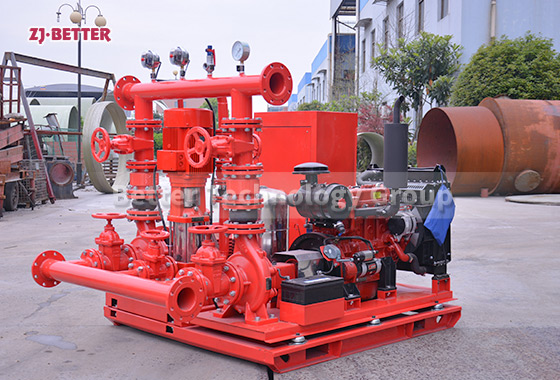
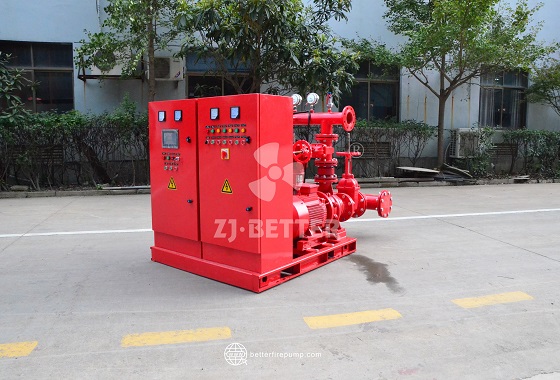
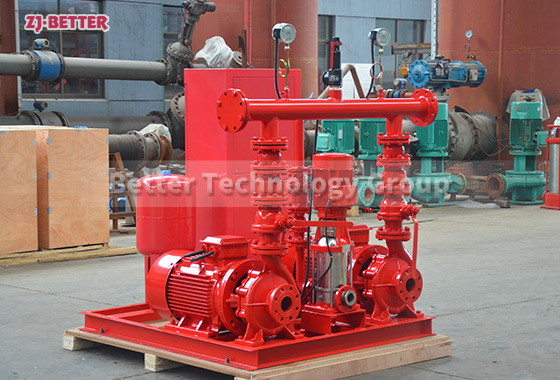
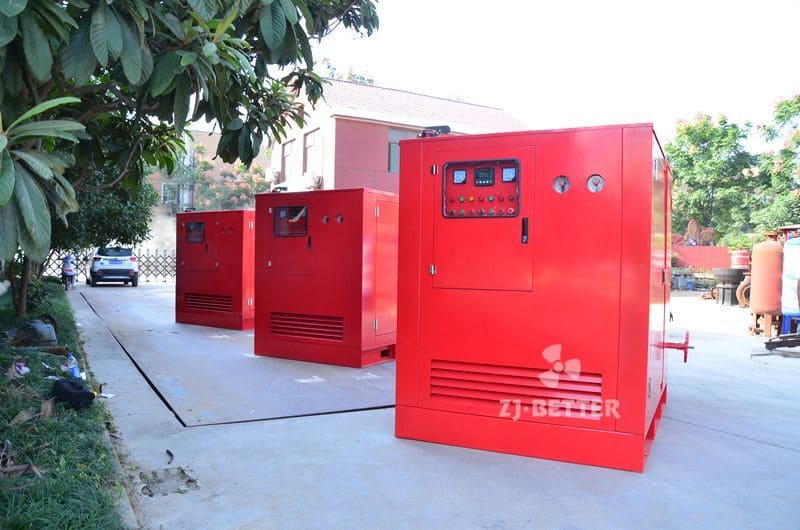
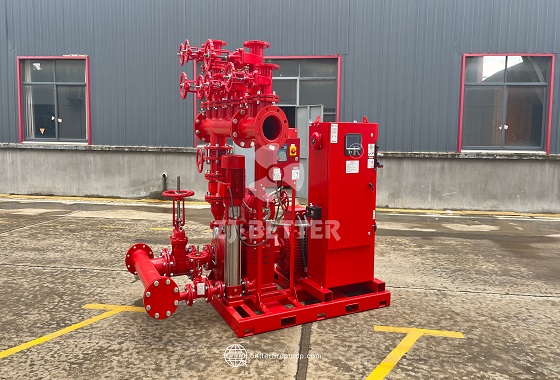
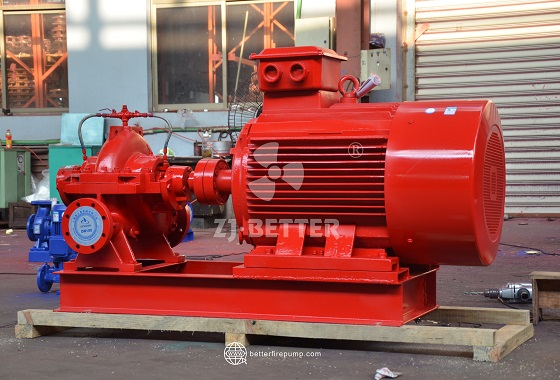
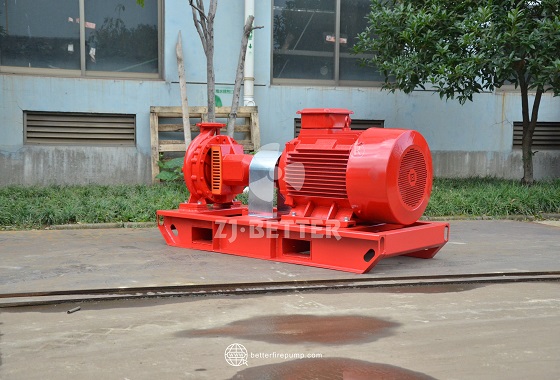
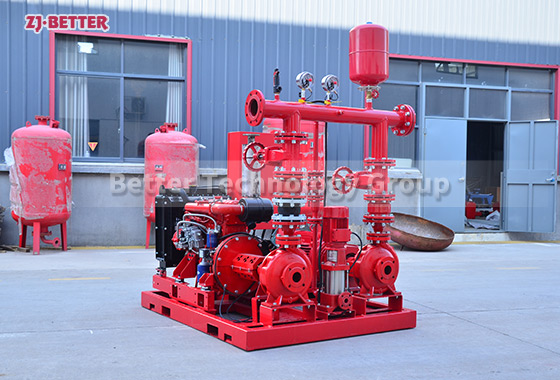
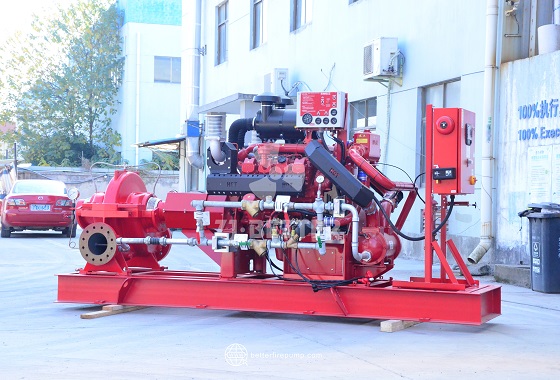
Indoor stationary fire pump systems are indispensable core equipment in modern building fire water supply systems. Their design purpose is to provide a continuous supply of fire-fighting water that meets regulatory requirements during critical fire moments, with the shortest response time, most stable operation, and most reliable water supply capacity. This buys valuable time for personnel evacuation, initial fire control, and fire rescue. These fire pump systems typically employ a complete, integrated design, rationally arranging the fire pump, motor, control cabinet, stainless steel or carbon steel piping, valve components, pressure monitoring devices, and necessary pressure stabilizing or supplementing units on the same base or skid-mounted structure. The overall structure is compact, occupying little space, making it particularly suitable for installation in fire pump rooms or equipment rooms within buildings, effectively improving space utilization. In terms of performance, the core advantage of the indoor fixed fire pump system lies first in its superior water supply stability. The system utilizes a centrifugal pump structure based on a high-efficiency hydraulic model, and through precise flow channel design and dynamic balancing, it maintains stable flow and head output under rated operating conditions. Even when pipeline pressure fluctuates or water points are simultaneously activated, it ensures that the fire pipeline pressure remains within a safe range, meeting the dual demands of fire hydrant systems and automatic sprinkler systems for instantaneous high flow and continuous water supply. Secondly, the system excels in starting performance. The matching motor possesses high starting torque and excellent overload capacity. Combined with the intelligent control cabinet, it can achieve automatic, manual, and remote starting modes. When pipeline pressure drops or a fire alarm signal is received, the system can start rapidly, avoiding delays in optimal firefighting time due to slow startup. The control system, as the brain of the entire system, employs mature and reliable electrical components and a clear human-machine interface. It features comprehensive status display, fault alarm, and operational protection functions, and can monitor motor current, voltage, operating status, and pipeline pressure changes in real time. In case of abnormal operating conditions, it promptly issues alarms and takes protective measures, effectively reducing the risk of equipment failure and extending the overall service life of the system. In terms of structural design, indoor stationary fire pump systems fully consider long-term operational reliability and maintenance convenience. The pump body and key flow components are made of high-strength, corrosion-resistant materials, enabling them to withstand long-term operation under varying water quality conditions. The sealing system is optimized to reduce leakage risks and lower maintenance frequency. The piping layout is rational, with highly standardized interfaces, facilitating on-site installation and subsequent maintenance. Valves and instruments are clearly and intuitively arranged, making daily inspections more efficient. To further enhance system safety and economy, some systems can be equipped with pressure-stabilizing pumps or pressure-replenishing devices to maintain network pressure in non-fire conditions, reducing frequent start-stop cycles of the main pump, thereby effectively reducing energy consumption and extending the service life of the main pump and motor. It is worth mentioning that this type of fire pump system also excels in adaptability, allowing for flexible configuration based on different building sizes, fire protection design requirements, and operating conditions. Whether in high-rise residential buildings, commercial complexes, office buildings, hospitals, schools, industrial plants, or warehousing facilities, appropriate selection can achieve a high degree of compatibility with the overall fire protection system. In practical operation, indoor fixed fire pump systems, with their low-noise and low-vibration operating characteristics, are particularly suitable for installation inside buildings with high environmental requirements, effectively reducing the impact on the surrounding working and living environment. Simultaneously, the system as a whole complies with mainstream fire protection design codes and engineering application standards, enabling it to pass fire protection acceptance smoothly and providing a solid guarantee for project delivery and subsequent operation. Overall, indoor fixed fire pump systems not only possess significant advantages in water supply performance, start-up reliability, and operational stability, but also excel in structural integration, ease of installation, maintenance friendliness, and long-term operating cost control. They are an ideal choice for modern building fire protection engineering, balancing safety, efficiency, and economy, providing solid and reliable technical support for fire water supply safety and overall system operational efficiency.
.jpg)
-2.jpg)