High Stability Fire Booster Pump for Reliable Sprinkler Water Supply
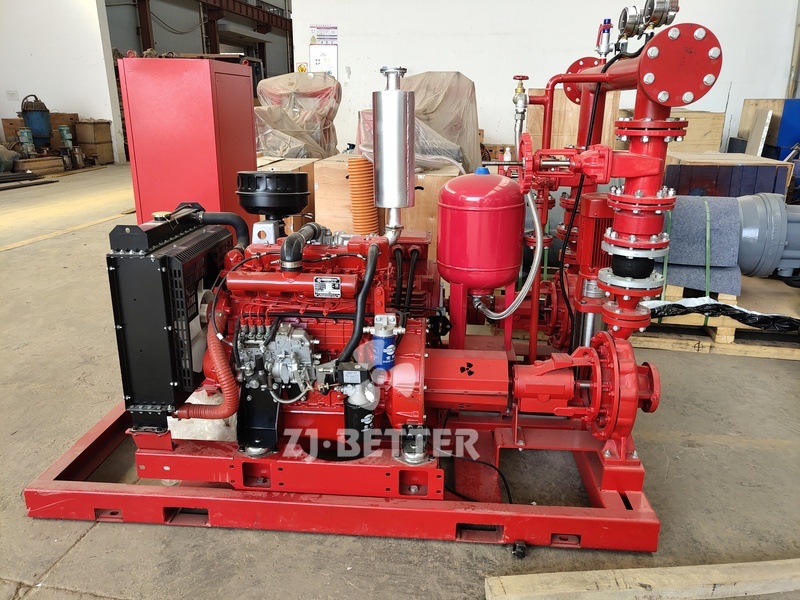
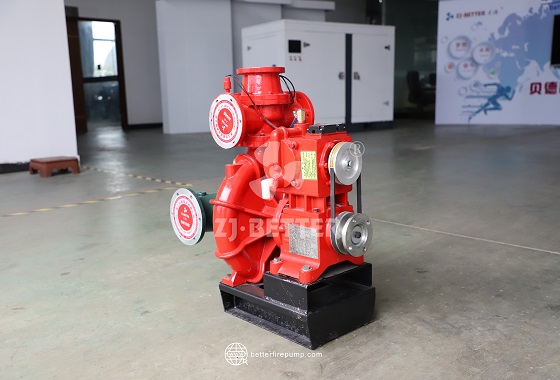
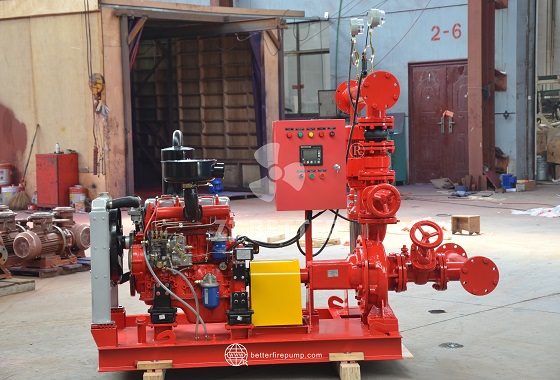
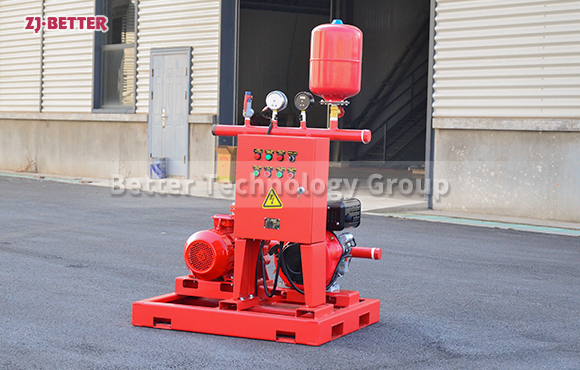
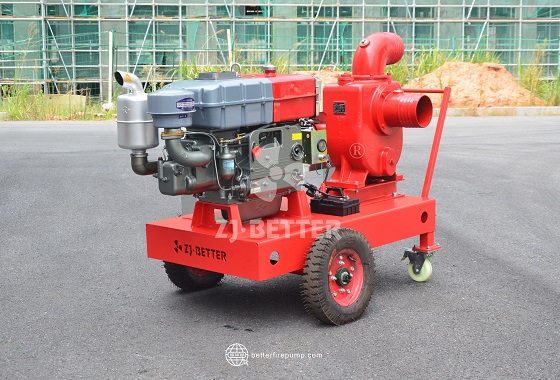
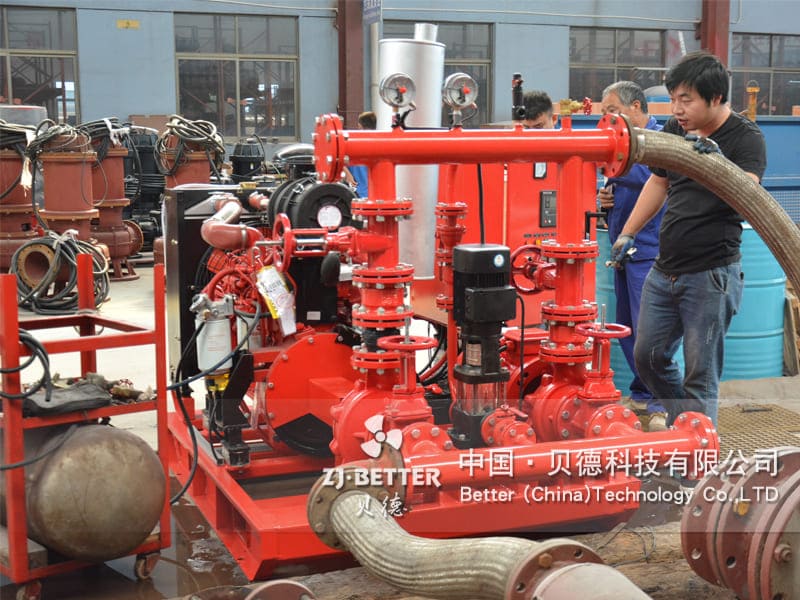
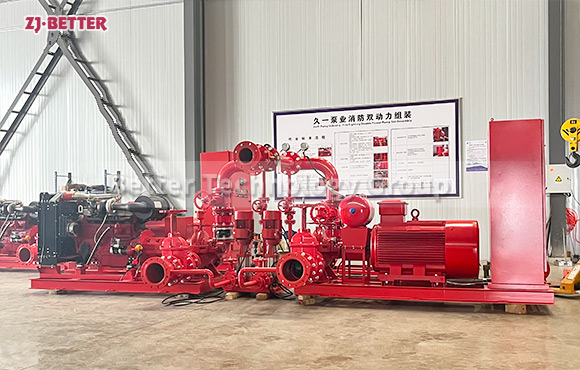
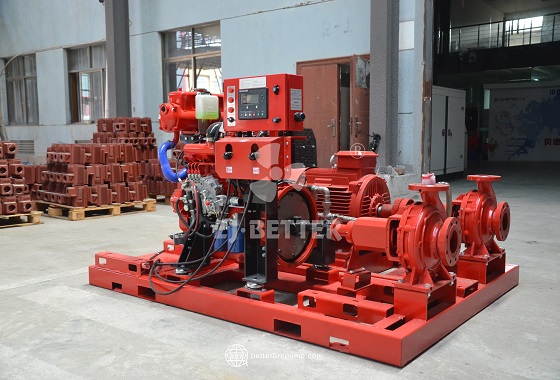
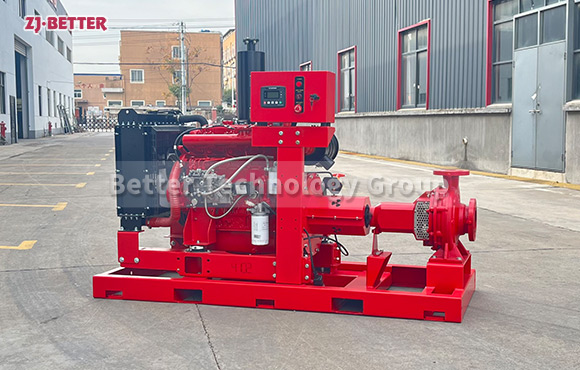
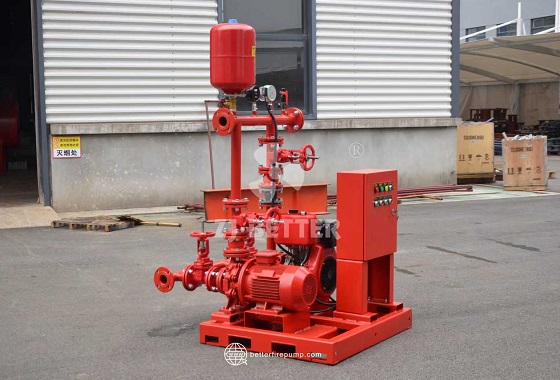
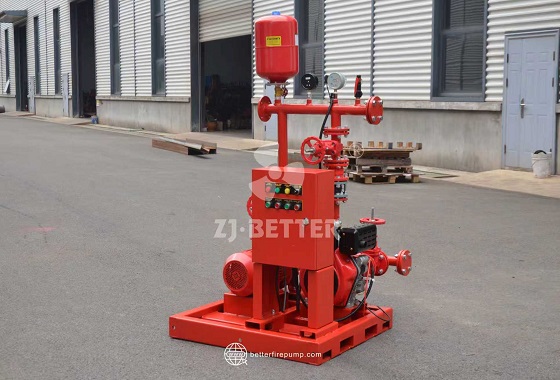
High-stability fire-fighting booster units have advantages such as constant pressure water supply, intelligent control, low noise operation and high-efficiency water delivery, and are widely used in sprinkler systems, high-rise buildings and commercial fire protection projects.
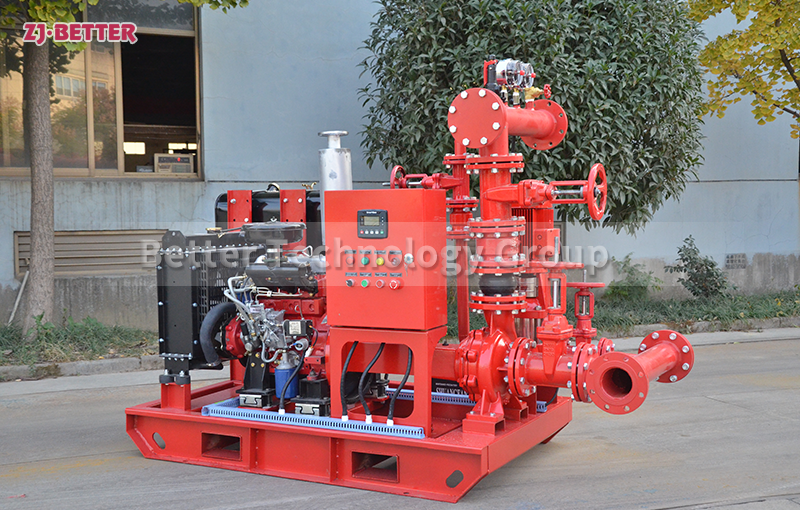
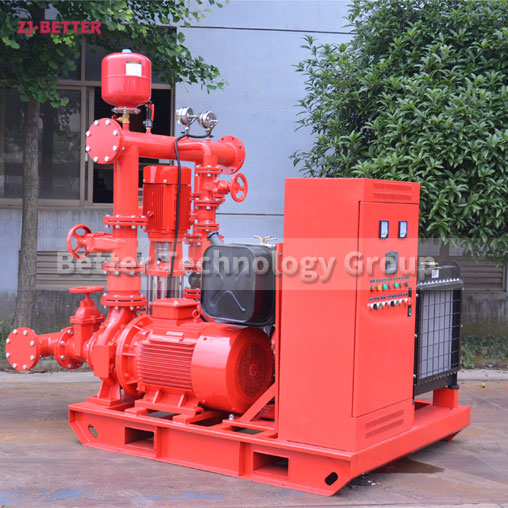
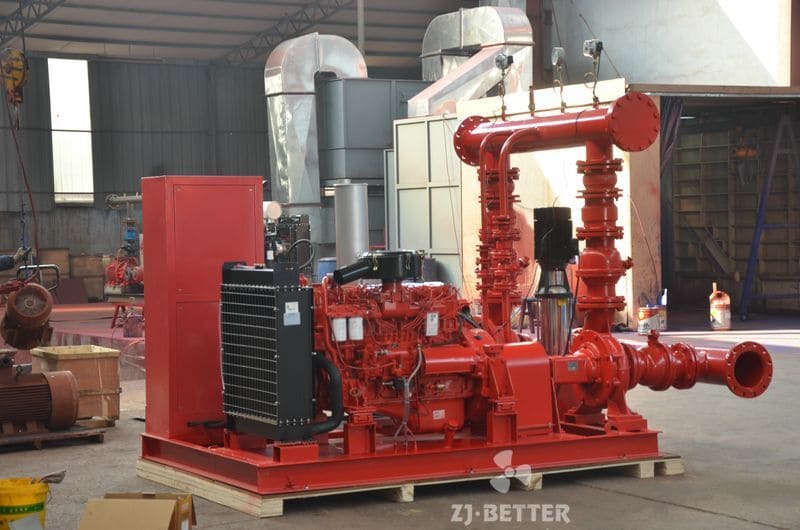
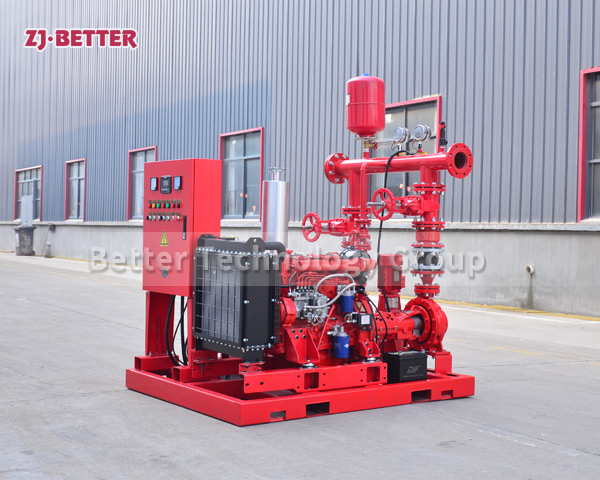
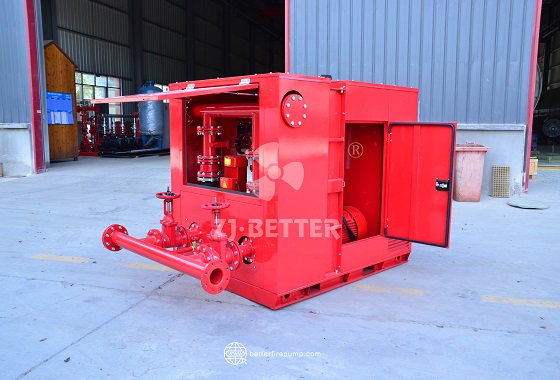
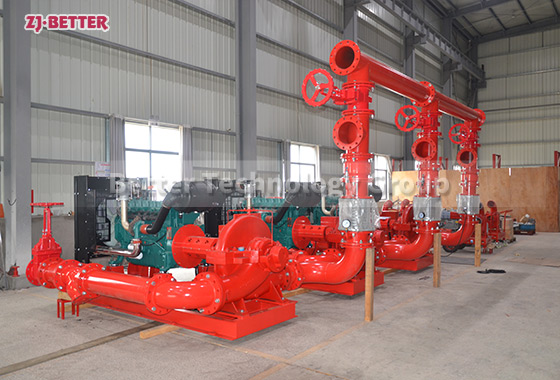
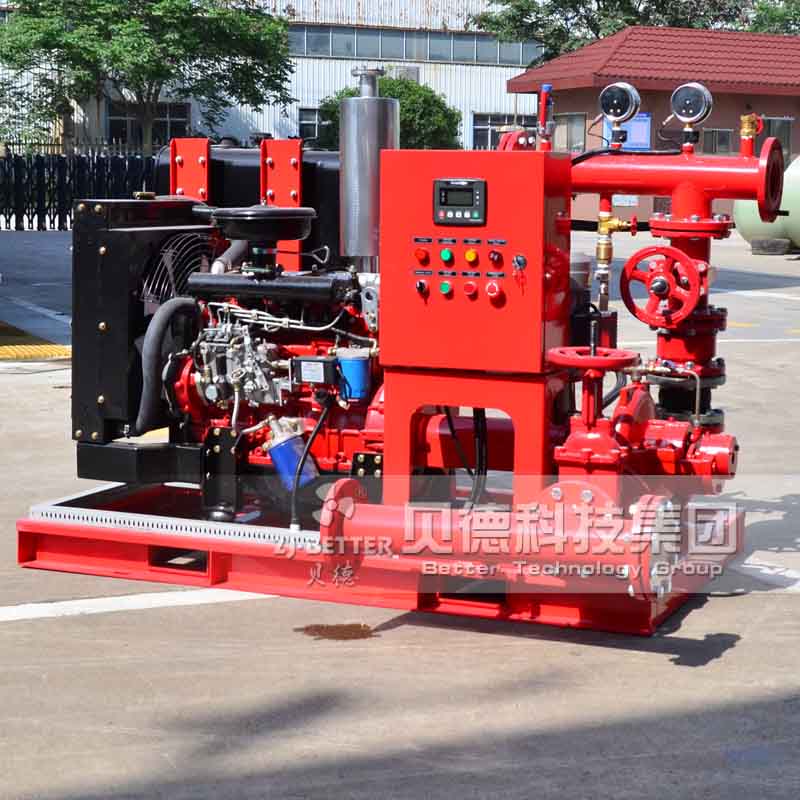
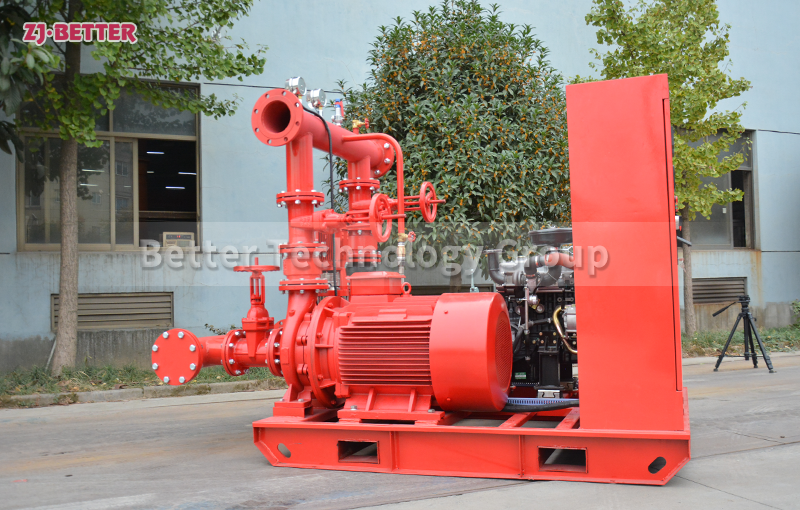
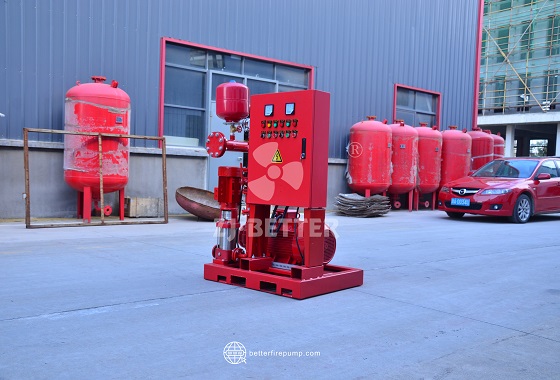
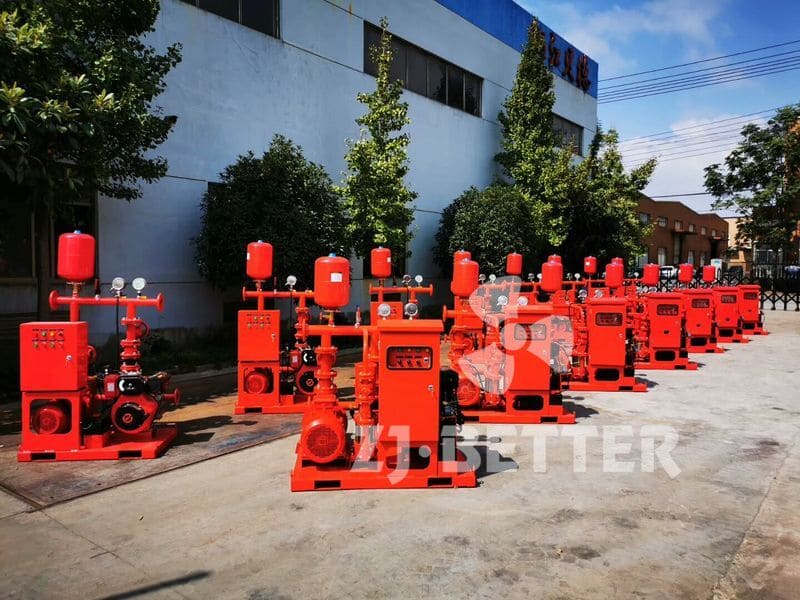
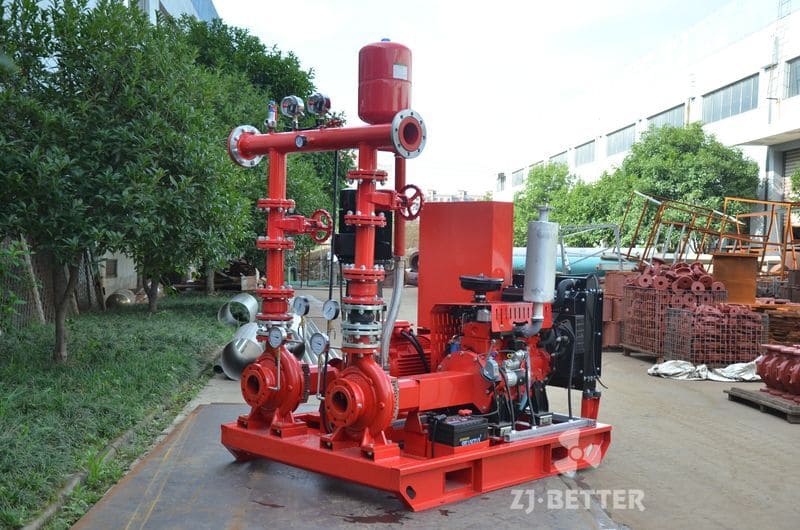
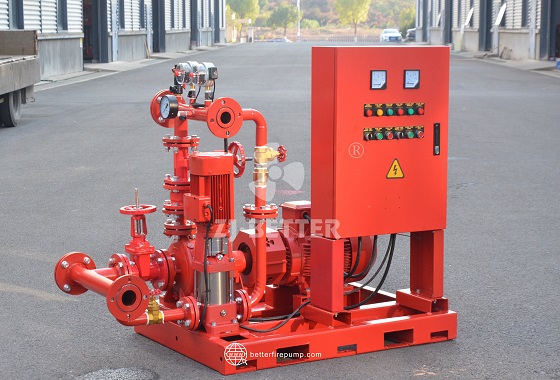
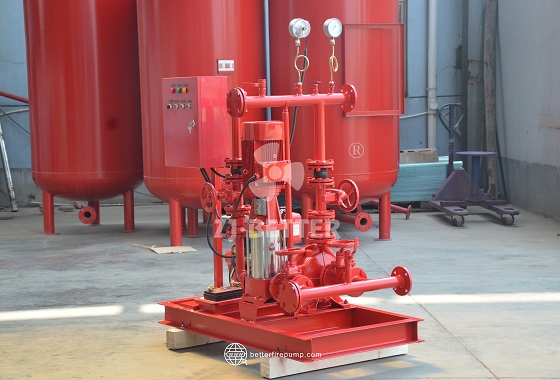
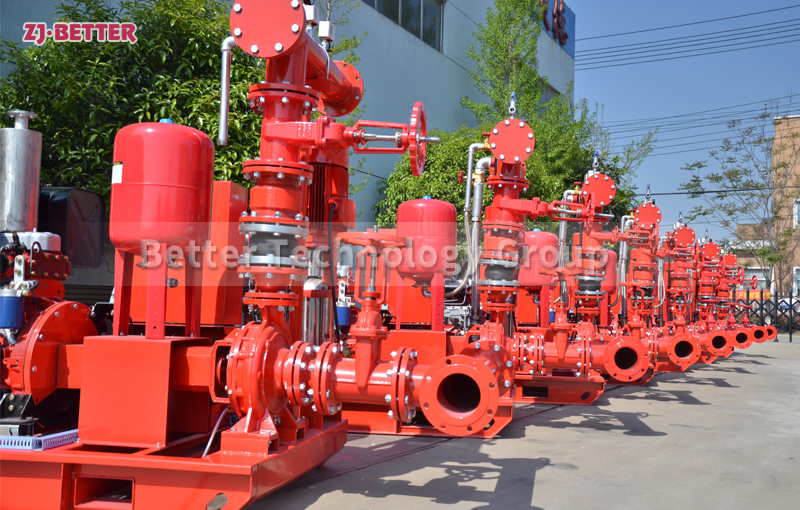
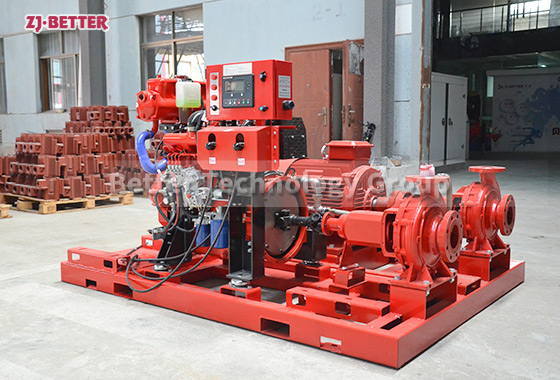
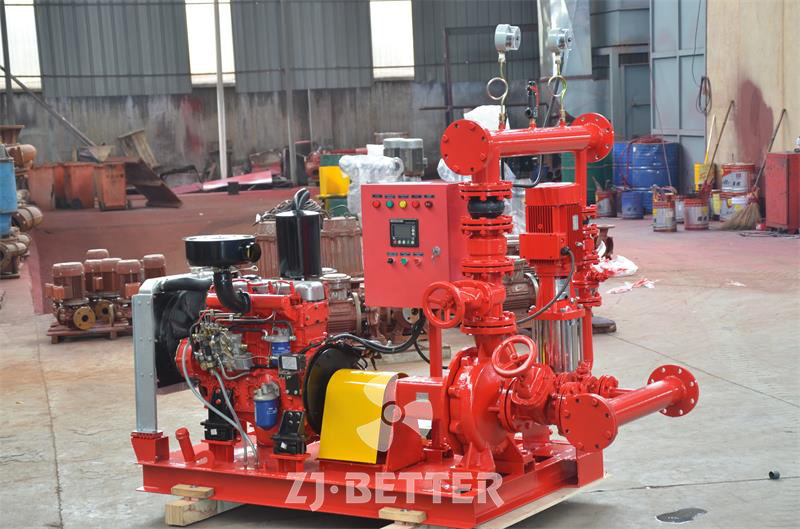
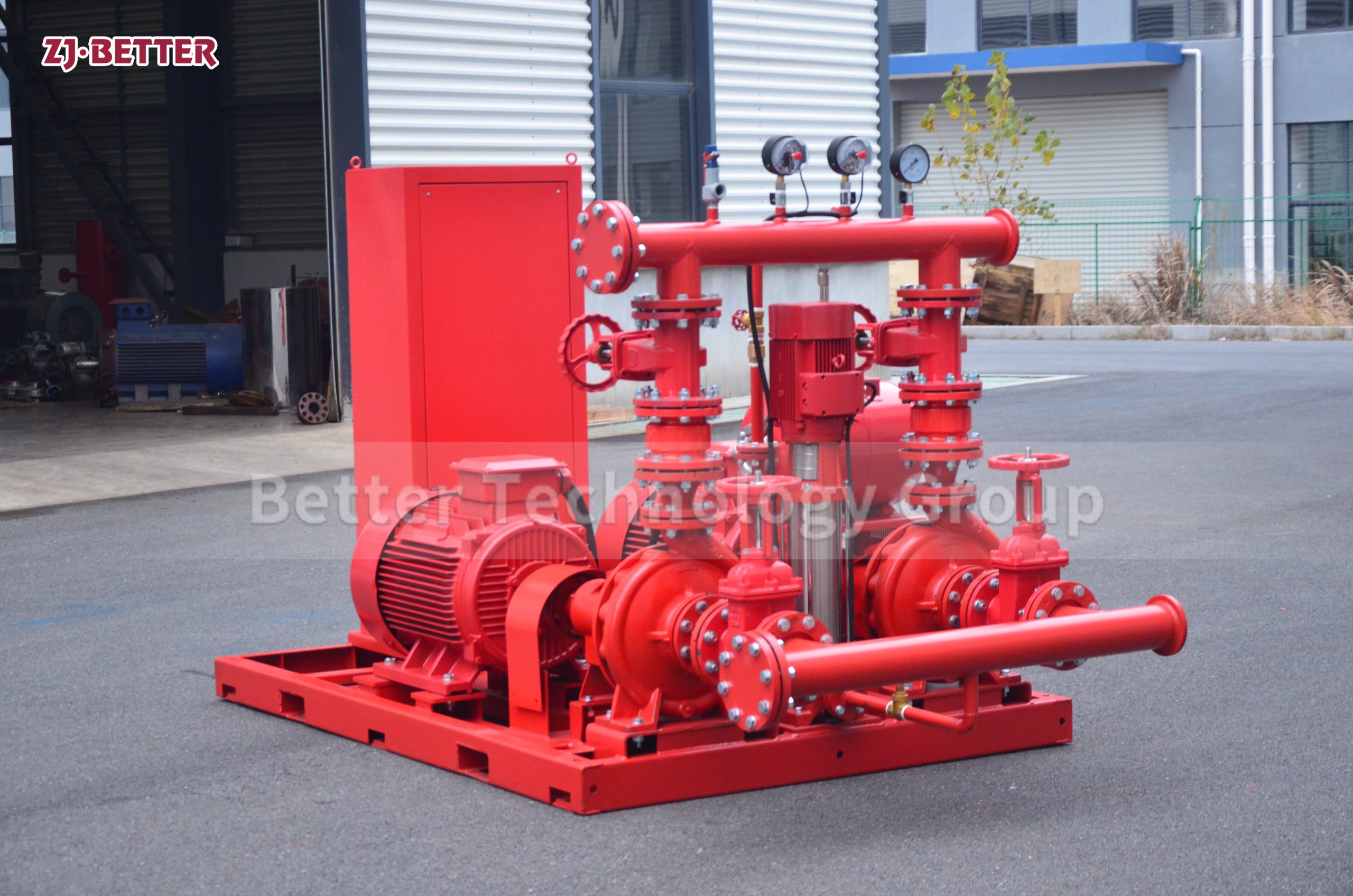
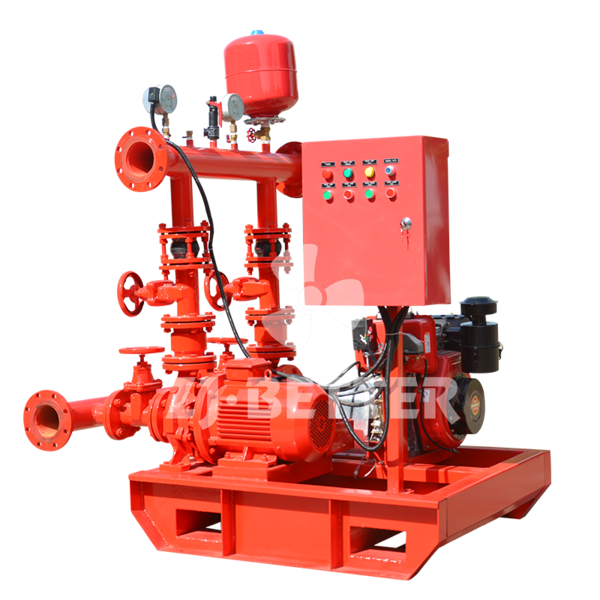
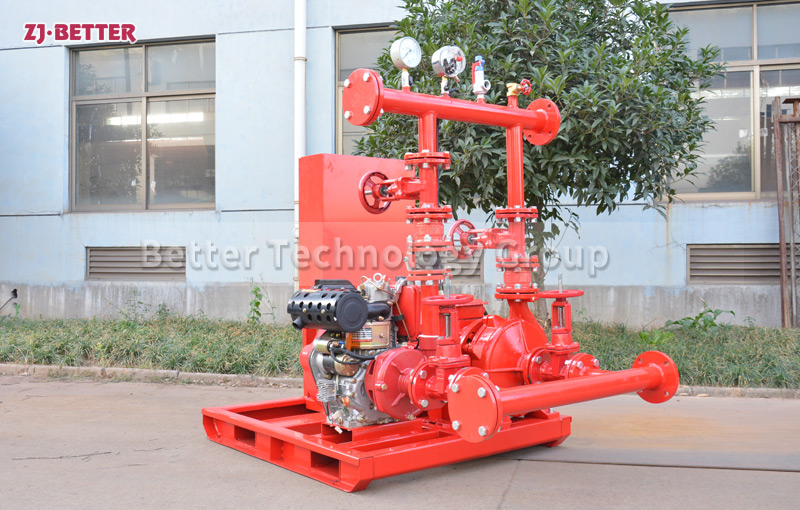
With the continuous improvement of modern building fire protection standards, fire protection systems are no longer required to have only basic fire-fighting water supply capabilities, but also to maintain long-term stable operation under various complex conditions. Especially in scenarios such as large commercial complexes, high-rise office buildings, industrial plants, warehousing and logistics centers, and underground spaces, sprinkler systems, as a crucial component of automatic fire suppression in the early stages of a fire, have extremely high requirements for water supply pressure stability and system response speed. Once the fire protection pipeline pressure is unstable or the water supply is interrupted, the sprinkler system will be unable to function effectively in the early stages of a fire, thereby increasing the risk of fire spread. High-stability fire-fighting booster units are advanced fire-fighting water supply equipment developed under these high-standard fire protection requirements. Through a high-efficiency hydraulic structure, intelligent constant pressure control, and a highly reliable mechanical system, they achieve long-term stable water supply to the fire protection pipeline network, effectively improving the overall fire-fighting reliability of the sprinkler system and providing a safer and more efficient water supply guarantee for modern fire protection engineering construction. The most significant feature of high-stability fire-fighting booster units is their superior stable pressure supply capability. Traditional fire-fighting water supply equipment is prone to pressure instability in the fire-fighting pipeline network due to pressure fluctuations, water flow changes, and frequent start-ups and shutdowns during long-term operation. High-stability fire-fighting booster units, however, utilize advanced constant pressure control technology and a highly sensitive pressure monitoring system to detect pressure changes within the fire-fighting pipeline network in real time and automatically adjust their operating status. When the pipeline pressure drops, the equipment can quickly start to replenish pressure; when the pressure returns to normal, the system automatically enters standby mode. This intelligent constant pressure operation mode ensures that the sprinkler system maintains a stable working pressure, guaranteeing that sprinkler heads can spray water normally at the first sign of a fire, improving initial fire-fighting efficiency. To further enhance water supply performance, the high-stability fire-fighting booster unit adopts a high-efficiency centrifugal pump structure design. By optimizing the impeller flow channel, hydraulic balance system, and internal pump structure, the water flow is smoother and more stable. Compared to traditional fire pump equipment, it can achieve higher flow rates and more stable head output with lower energy consumption. Even in long-distance water supply environments in large buildings, the equipment can maintain stable water supply pressure, meeting the stringent requirements of high-rise buildings and complex fire-fighting pipeline networks for stable water delivery capabilities. The high-efficiency hydraulic design effectively reduces internal water flow impact and energy loss, thereby reducing wear and tear during long-term operation and extending the overall service life. The intelligent automatic control system is a crucial component of the high-stability fire-fighting booster unit. Equipped with an advanced automatic control cabinet, the equipment can monitor pressure, flow rate, voltage, current, and equipment operating status in real time, and automatically adjust the operating mode according to actual working conditions. When the system detects abnormal pressure changes, the equipment can automatically start or stop operation, thus preventing fire water supply interruptions due to untimely human intervention. Some high-end units also support variable frequency control technology, automatically adjusting the operating speed according to the real-time needs of the fire-fighting pipeline network for more stable and efficient operation. Simultaneously, the equipment also features intelligent functions such as fault alarms, automatic inspections, and remote monitoring, significantly improving the overall management efficiency and safety of the fire-fighting system. To ensure stable performance during long-term operation, the high-stability fire-fighting booster unit adopts an industrial-grade power system and a high-strength mechanical structure design. Core components, including high-performance motors, high-strength pump shafts, wear-resistant impellers, and high-quality bearings, have all undergone rigorous quality testing and dynamic balancing. The equipment maintains stable operation even under high load conditions, reducing vibration and noise. This highly stable structure not only improves equipment reliability but also reduces the risk of loosening, misalignment, or damage to mechanical components during long-term operation, thereby lowering maintenance costs. For commercial buildings and industrial projects, long-term stable operation translates to a higher level of fire safety assurance. Low vibration and low noise operation are also important development directions for modern fire protection equipment. The high-stability fire booster unit effectively reduces mechanical vibration and water flow noise by employing flexible couplings, vibration-damping bases, and optimized hydraulic flow channel design. The equipment maintains a stable and quiet operation, causing no significant disturbance to the surrounding environment. This low-noise operation mode is particularly suitable for places with high environmental comfort requirements, such as hospitals, schools, high-end office buildings, and large commercial complexes. At the same time, the low-vibration design also reduces the impact of the equipment on the piping system and building structure, further improving the overall system stability. To meet the long-term operating requirements in complex environments, key components of the high-stability fire booster unit are manufactured using high-strength, wear-resistant, and corrosion-resistant materials, including stainless steel impellers, high-temperature mechanical seals, high-strength pump casings, and wear-resistant bearing structures. These high-quality materials effectively resist corrosion and wear during long-term operation, maintaining stable performance even in humid, high-temperature, or complex water quality environments. For special environments such as underground pump rooms, coastal areas, and industrial plants, corrosion resistance is crucial for improving the long-term reliability of equipment. Modular integrated structural design is another major advantage of the high-stability fire booster unit. The equipment centrally mounts the fire pump, motor, control cabinet, and auxiliary pipelines on a unified base, significantly reducing on-site installation work and improving overall layout rationality. Most of the commissioning work can be completed before leaving the factory, making on-site installation more convenient and faster. For underground pump rooms or equipment floors with limited space, the compact structural design effectively improves space utilization. At the same time, the rationally laid-out structural design facilitates later maintenance and repair, allowing maintenance personnel to quickly complete equipment inspection and maintenance, thereby reducing equipment downtime and improving overall operating efficiency. Energy-saving operation capability is also an increasingly important indicator in modern fire protection system construction. The high-stability fire booster unit combines a high-efficiency motor with intelligent frequency conversion technology to achieve on-demand water supply operation. When the fire protection network load is low, the equipment automatically reduces its operating power, thereby reducing energy waste and lowering long-term operating costs. Compared to traditional constant-speed operating equipment, it can significantly improve energy efficiency while ensuring stable water supply. For large commercial buildings and industrial parks, energy-saving fire protection equipment not only reduces operating costs but also aligns with the modern trends of green building and energy conservation. High-stability fire booster units are widely applicable to various fire protection engineering scenarios, including high-rise buildings, commercial complexes, industrial plants, warehousing and logistics centers, hospitals, schools, and underground spaces. In these projects, sprinkler systems and fire protection networks not only require stable water supply but also must possess rapid response and long-term reliable operation. With its advantages of constant pressure water supply, high-efficiency water delivery, intelligent automatic control, and low-noise energy-saving operation, this equipment can fully meet the demands of modern fire protection engineering for high-quality fire water supply systems. As modern fire protection technology continues to develop towards intelligence and digitalization, high-stability fire booster units will further integrate with the Internet of Things, remote monitoring, and intelligent early warning technologies to achieve a more intelligent and automated fire water supply management model, providing a more comprehensive and reliable solution for modern building fire safety. In the future, with the continued advancement of urbanization and the increasing number of large commercial buildings, the market demand for highly stable fire-fighting water supply equipment will continue to grow. Highly stable fire-fighting booster units, with their advantages of stable pressure supply, high-efficiency water delivery, energy saving and environmental protection, and intelligent control, will undoubtedly play a more important role in the field of modern fire protection engineering and continuously drive the development of fire-fighting water supply systems towards greater efficiency, safety, and intelligence.