Vertical Sump Pump Drive System – Coordinated Top-Mounted Motor and Vertical Shaft Design
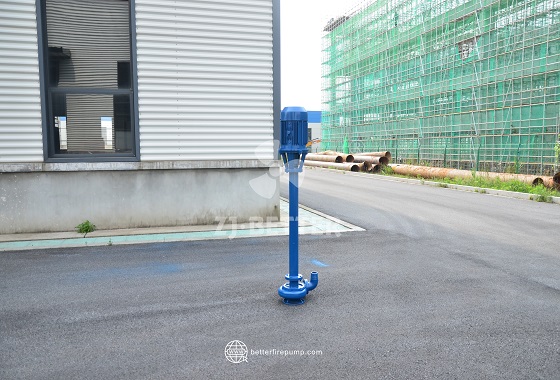
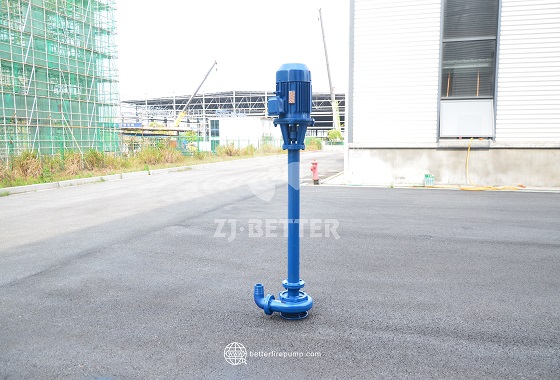
The drive system of the vertical submerged pump utilizes a top-mounted motor connected via a long vertical shaft to transmit power to the pump unit below. Designed for the drainage and transfer of liquids from industrial sumps, equipment pits, and storage vessels, the pump can be configured according to specific installation depths and the nature of the medium being handled.
The drive system of a vertical submerged pump is a critical component of industrial liquid-handling equipment. It utilizes a top-mounted motor to provide power, which is transmitted via a vertical drive shaft to the submerged pump unit, enabling the extraction and transport of media from sumps, equipment pits, and other liquid storage vessels. This vertical configuration—featuring a motor positioned at the top and a pump unit located below—employs a long shaft to connect the two, allowing the pump to reach the required operating depth based on the specific installation site and liquid level. Compared to conventional horizontal pumps, this design minimizes the horizontal footprint, making it ideal for industrial environments where the pump must be submerged while the motor remains accessible above the liquid surface. The top-mounted motor arrangement keeps the drive unit separate from the pumped medium, which facilitates equipment inspection and routine maintenance. The vertical drive shaft is the essential link between the motor and the pump unit; its length, diameter, connection method, and support structure must be engineered according to the pump model, installation depth, and operating conditions to ensure efficient power transmission and mechanical stability. Motor selection must be carefully matched to the pump’s power requirements, rotational speed, and the characteristics of the pumped medium to prevent underpowering or prolonged overload operation. The submerged pump unit handles the suction and transport of the liquid; its specific impeller design, flow-path configuration, discharge diameter, and material composition are determined by the nature of the medium and project-specific requirements. Such equipment is commonly used for draining industrial sumps, removing accumulated liquid from equipment pits, and transferring various industrial fluids—with its specific range of application dictated by the pump design and the properties of the medium. While the vertical installation reduces the pump’s direct footprint on the floor and allows for flexible positioning based on the depth of the vessel, the installation process must account for factors such as foundation load-bearing capacity, shaft verticality, motor securing, and piping connections. For liquids containing impurities, corrosive substances, or high temperatures, the pump materials, sealing mechanisms, and shaft configurations must be selected based on the actual medium; one should never determine the suitability of the equipment based solely on its external appearance. During equipment operation, it is essential to regularly monitor the motor temperature rise, shaft connections, fasteners, and the operating status of the pump body. Any abnormal vibration, noise, or leakage should be investigated and addressed promptly, and maintenance must be performed in accordance with the manufacturer’s specifications. By integrating a top-mounted motor, a vertical long-shaft transmission system, and a submerged pump body, vertical submersible pumps offer flexible configuration options for industrial fluid-handling projects with specific installation depth and space requirements—demonstrating the distinct advantages of a vertical design in terms of power transmission, installation layout, and routine maintenance.