Multistage Impeller Fire Booster Pump – Pump Configuration for Different Head Requirements
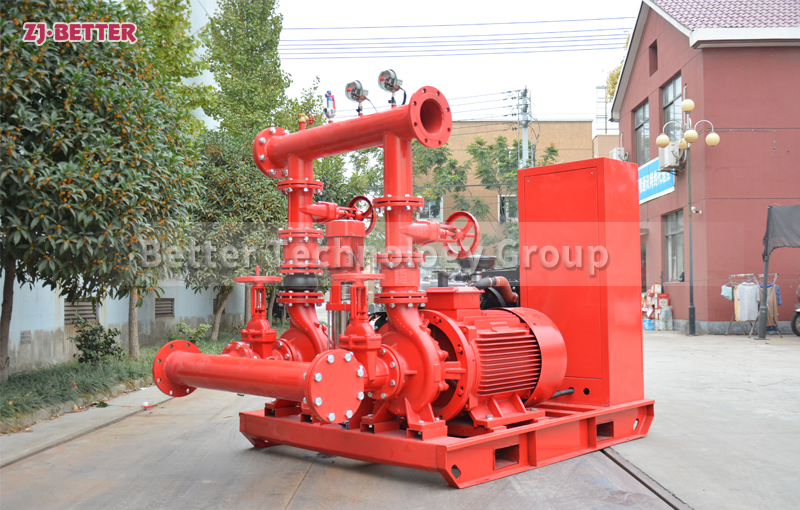
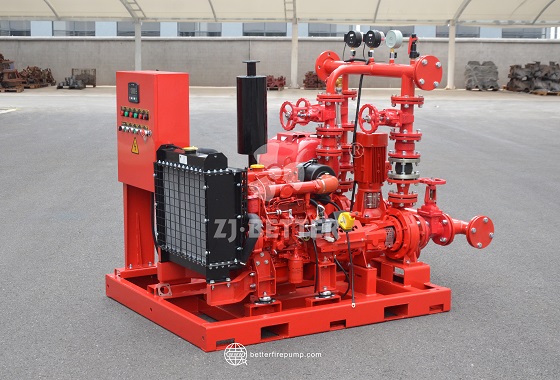
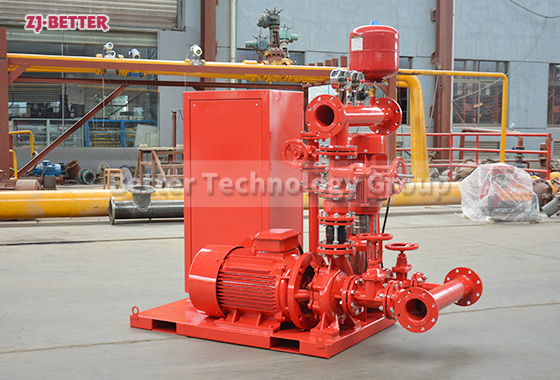
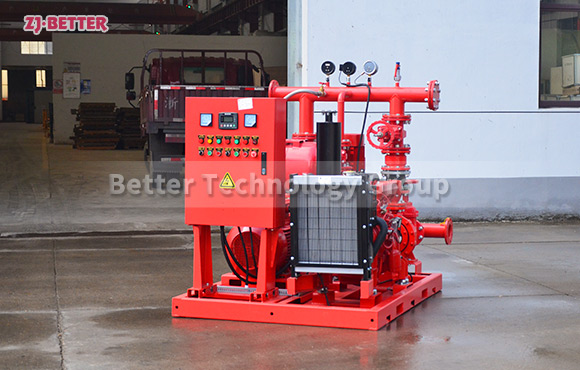
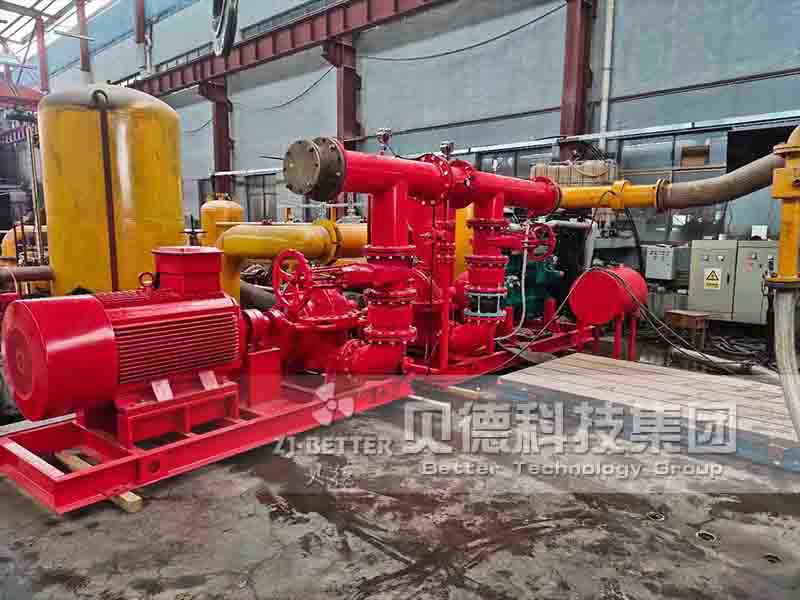
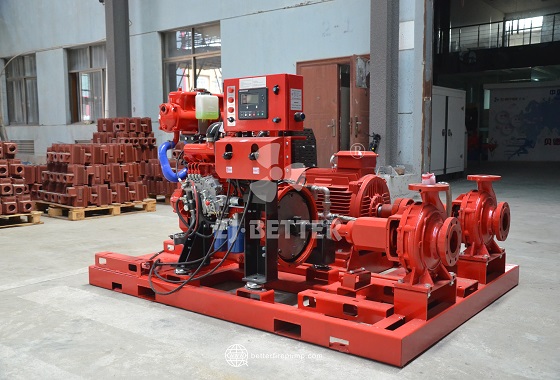
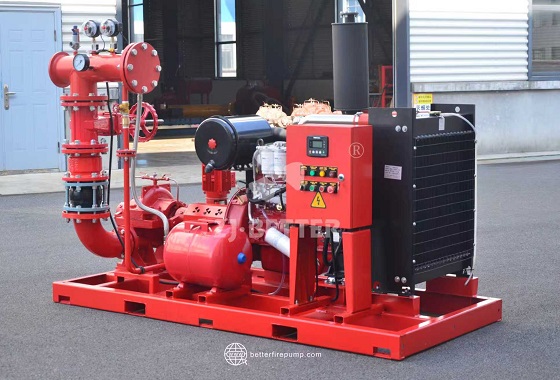
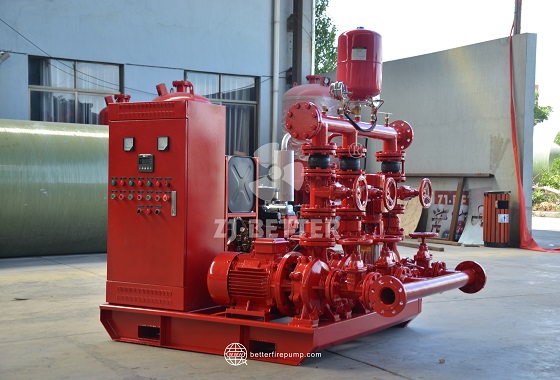
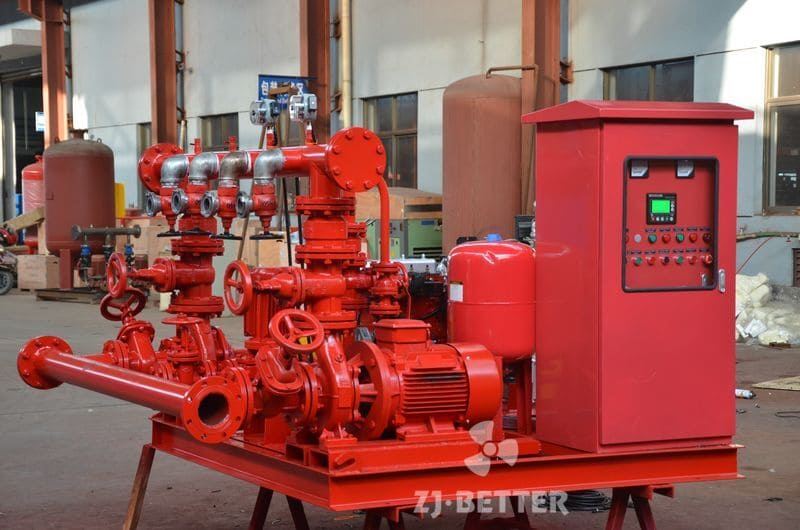
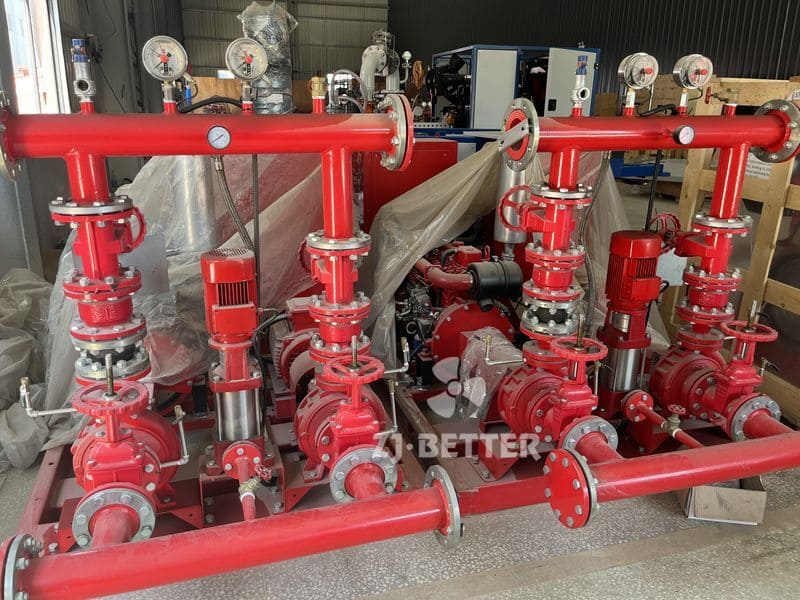
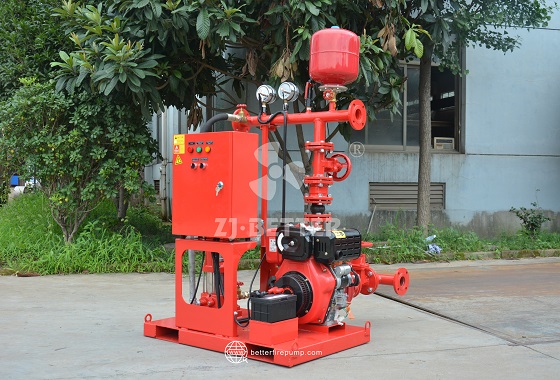
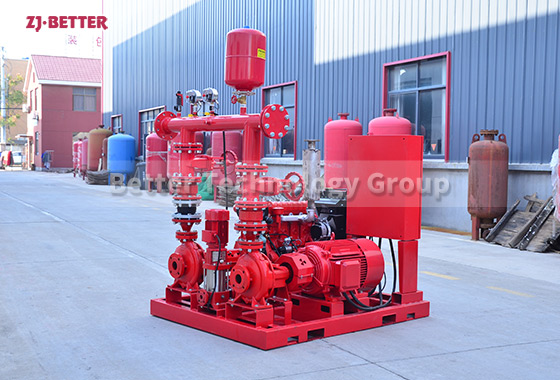
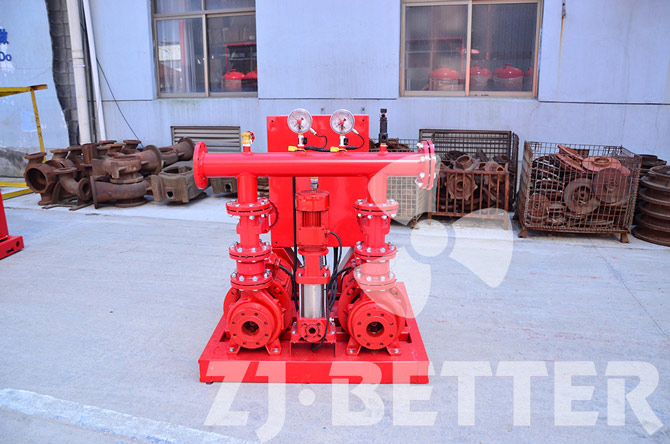
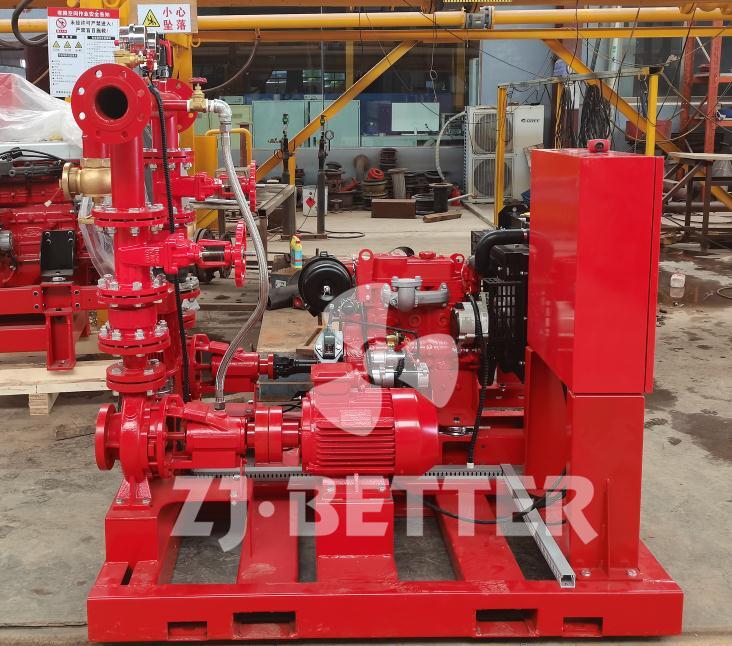
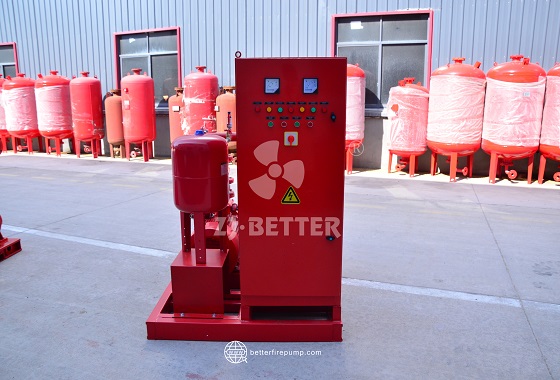
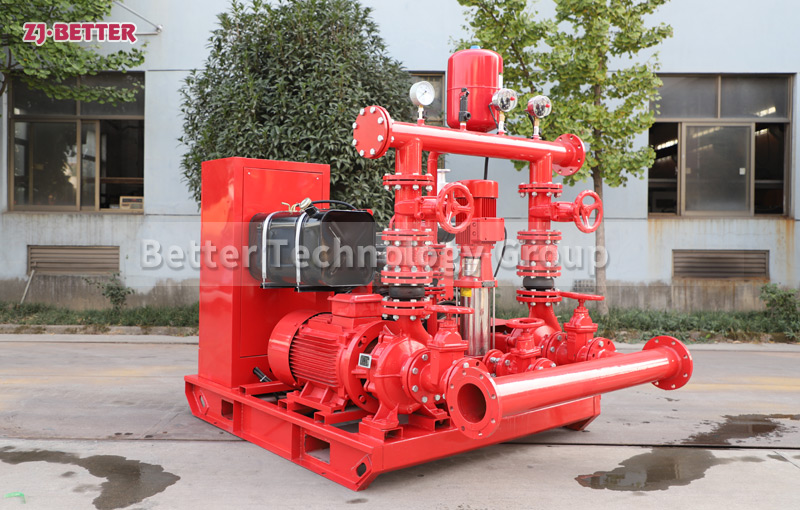
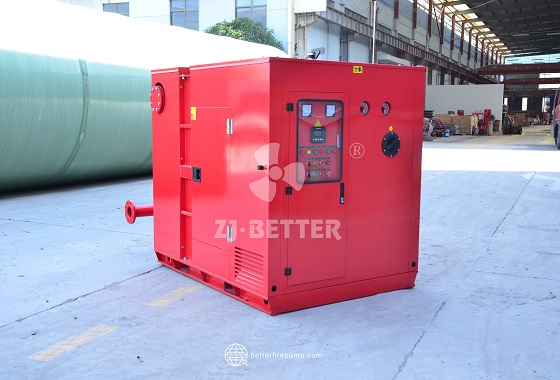
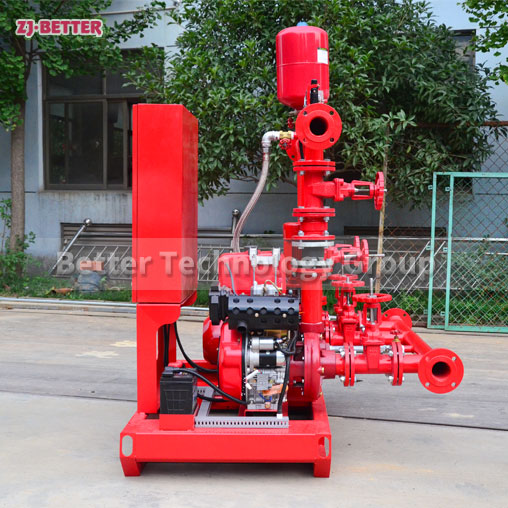
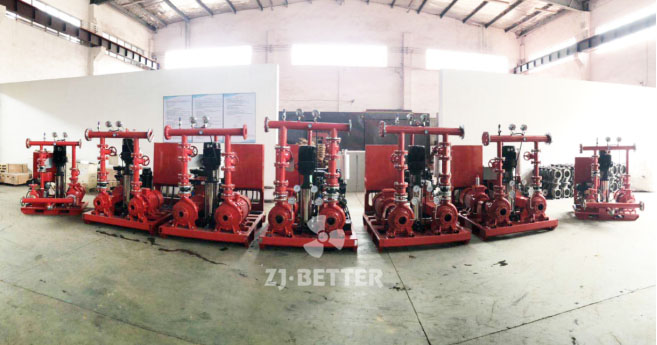
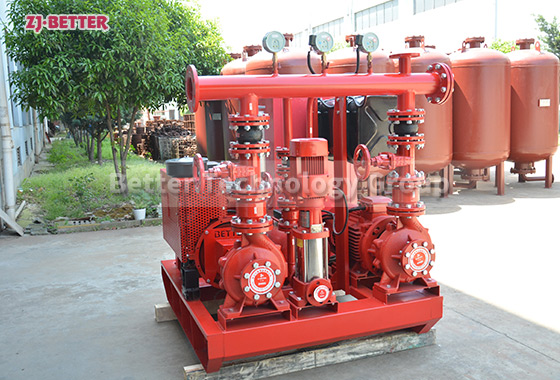
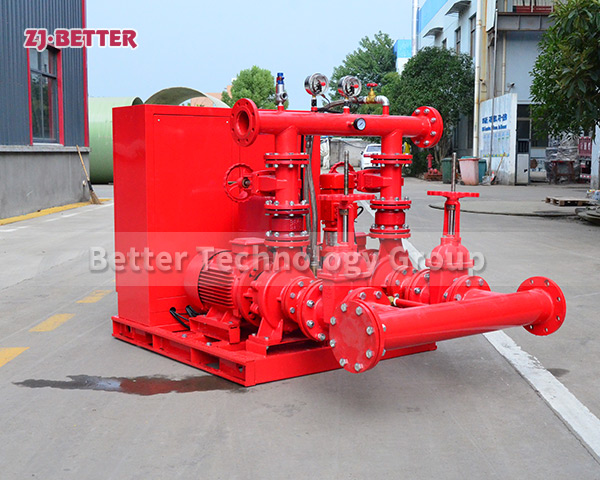
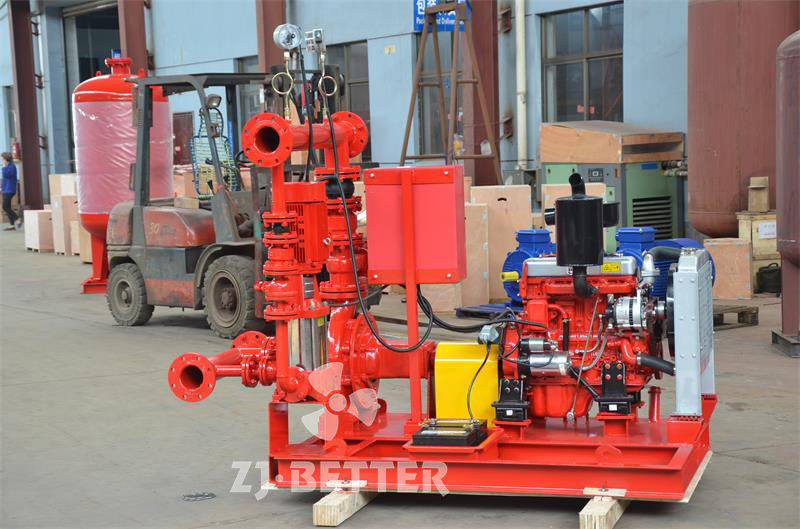
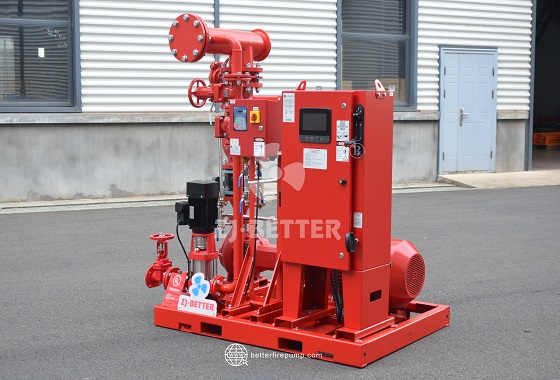
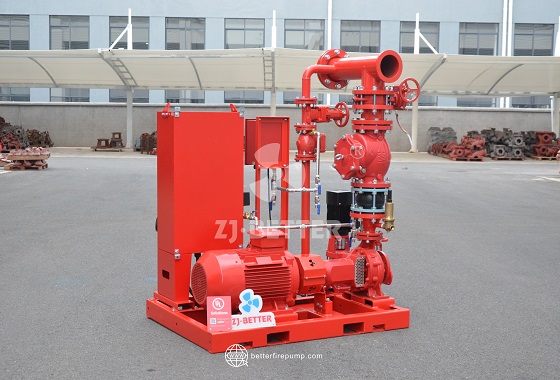
The multi-stage impeller fire-fighting booster pump features a progressive pressurization design and a compact vertical structure. It can be selected based on the specific flow rate and head requirements of a fire-fighting system. The unit comes equipped with an electric motor, control cabinet, pressure gauges, and piping accessories, making it suitable for fire-fighting water supply systems in both buildings and industrial facilities.
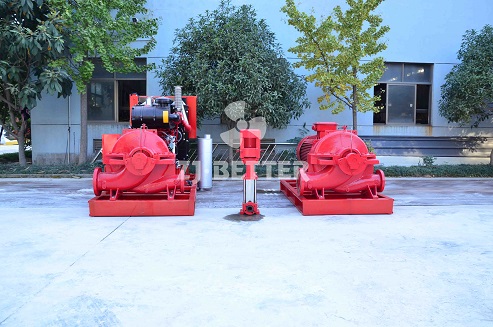
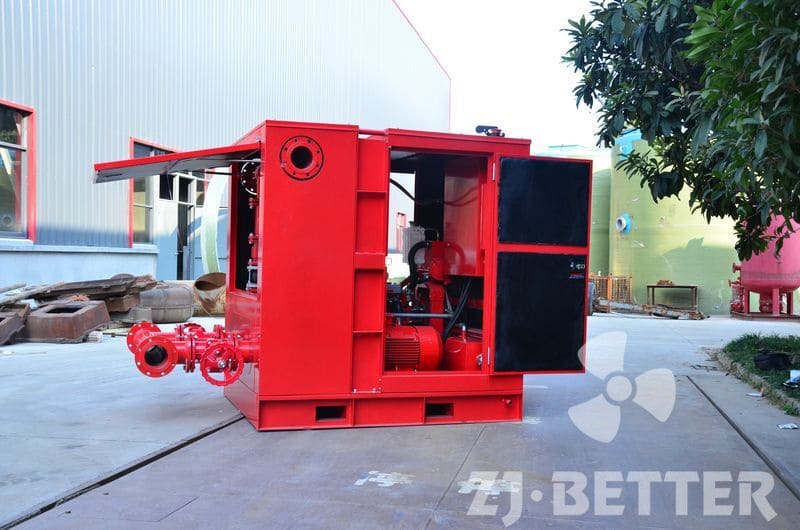
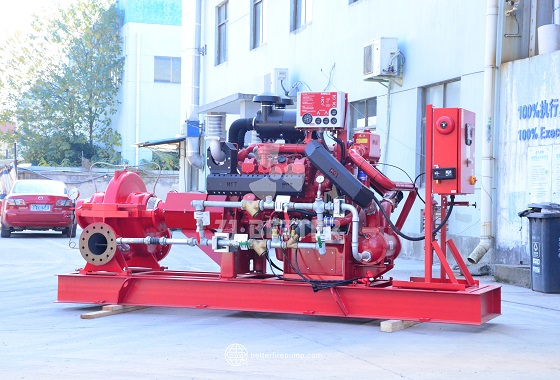
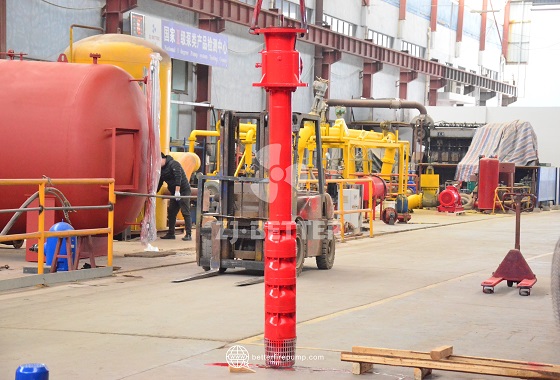
A multi-stage impeller fire-fighting booster pump is a pressurization device designed for fire-fighting water supply systems. Through the interaction between its multi-stage impellers and flow-guiding components, the pump imparts energy to the water flow in successive stages, thereby meeting the pressure and head requirements for fire-fighting water supply in various building and industrial projects. The equipment features a vertical design, with the electric motor, pump body, and associated control components mounted on a common base. This configuration ensures a compact overall layout, a relatively small footprint, and ease of integration into engineering systems, making it well-suited for installation in building fire-pump rooms and industrial fire-fighting water supply facilities. The multi-stage impeller design is a key structural characteristic; the impellers work in tandem to achieve a high-head output within a relatively compact pump housing. Compared to single-stage pumps, multi-stage pumps offer greater flexibility—by adjusting the number of impeller stages and optimizing hydraulic design, they can be tailored to specific pressure requirements, providing a range of selection options for high-rise buildings, industrial plants, and other fire-fighting systems that demand specific water supply pressures. The pump unit is driven by an electric motor, with the power configuration determined by factors such as rated flow, head, rotational speed, and actual operating conditions to ensure the equipment functions within its designed operating range. The vertical arrangement of the pump body and motor minimizes the horizontal footprint, facilitating efficient piping layout within the confined space of a pump room. Depending on project specifications, the equipment can be equipped with an independent control cabinet, pressure-monitoring instruments, valves, and inlet/outlet piping accessories, enabling effective operation management and connection to the fire-fighting piping network. The control cabinet handles start/stop functions and status monitoring based on the selected control scheme; the specific automatic control logic, protective functions, and signal interfaces are determined by the actual configuration. Pressure instruments provide on-site personnel with real-time data on pipeline pressure, while the included valves facilitate piping connections, system isolation, and maintenance. For projects with varying building heights, network resistance, and water supply requirements, the pump’s flow rate and head must be determined through system calculations—the number of impeller stages alone is not a sufficient indicator of actual performance. Proper selection helps prevent issues such as insufficient head, mismatched flow rates, or the motor operating under unsuitable load conditions for extended periods. During equipment installation, attention should be paid to foundation anchoring, motor wiring, the support of inlet and outlet piping, and the arrangement of valves; this ensures reliable pipe connections while leaving sufficient space for routine maintenance. During operation, the motor temperature rise, pump vibration, seal integrity, instrument readings, and the status of the control cabinet should be monitored periodically, with any anomalies addressed promptly. Utilizing a multi-stage impeller design for progressive pressure boosting—combined with a compact vertical structure and compatible electrical control and piping components—these multi-stage fire-fighting booster pumps can be configured to meet specific project requirements regarding flow rate, head, and installation constraints, offering an ideal pressure-boosting solution for fire-suppression water supply systems in both buildings and industrial facilities.