Horizontal Electric Fire Pump Equipment – Coordinated Motor Drive and Piping Configuration
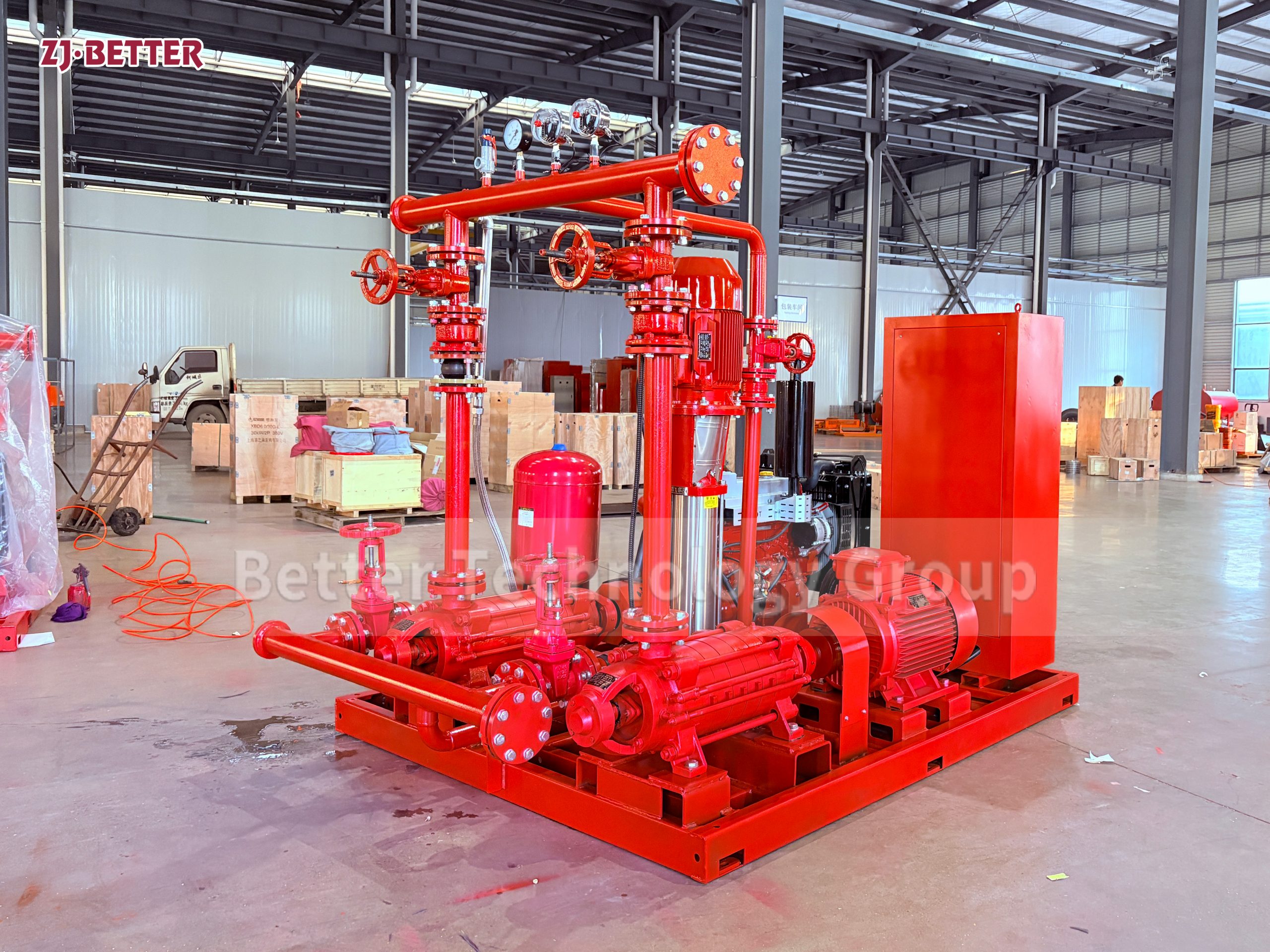
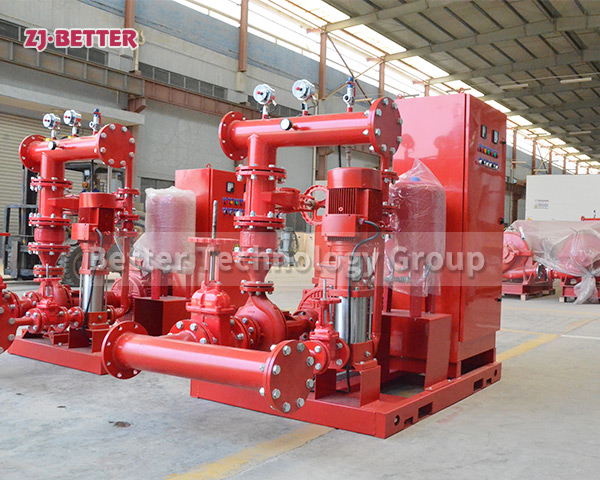
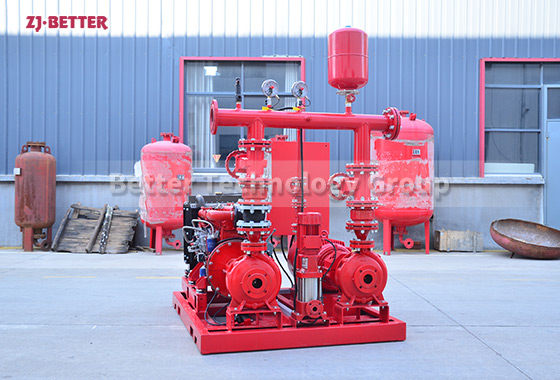
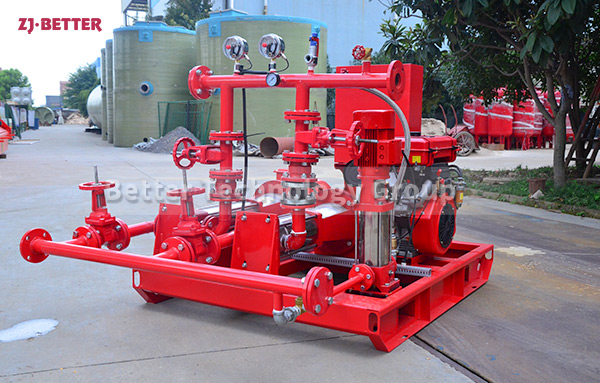
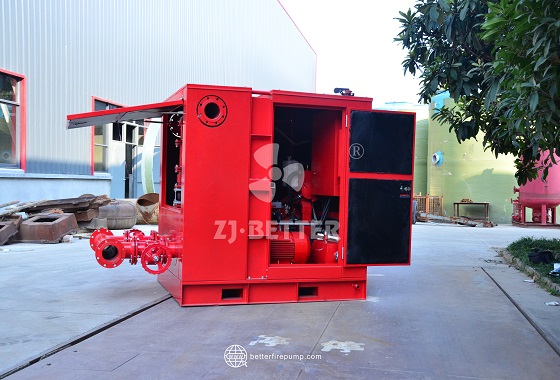
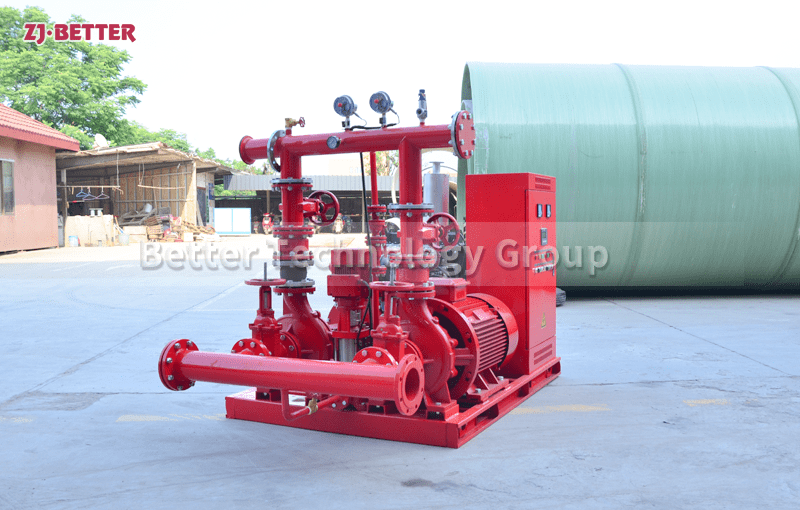
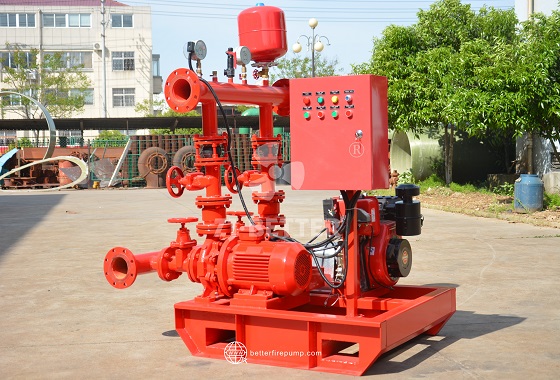
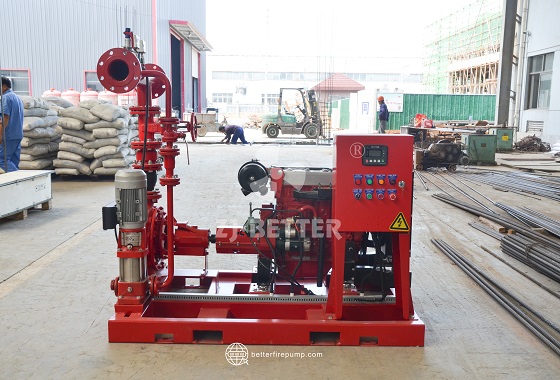
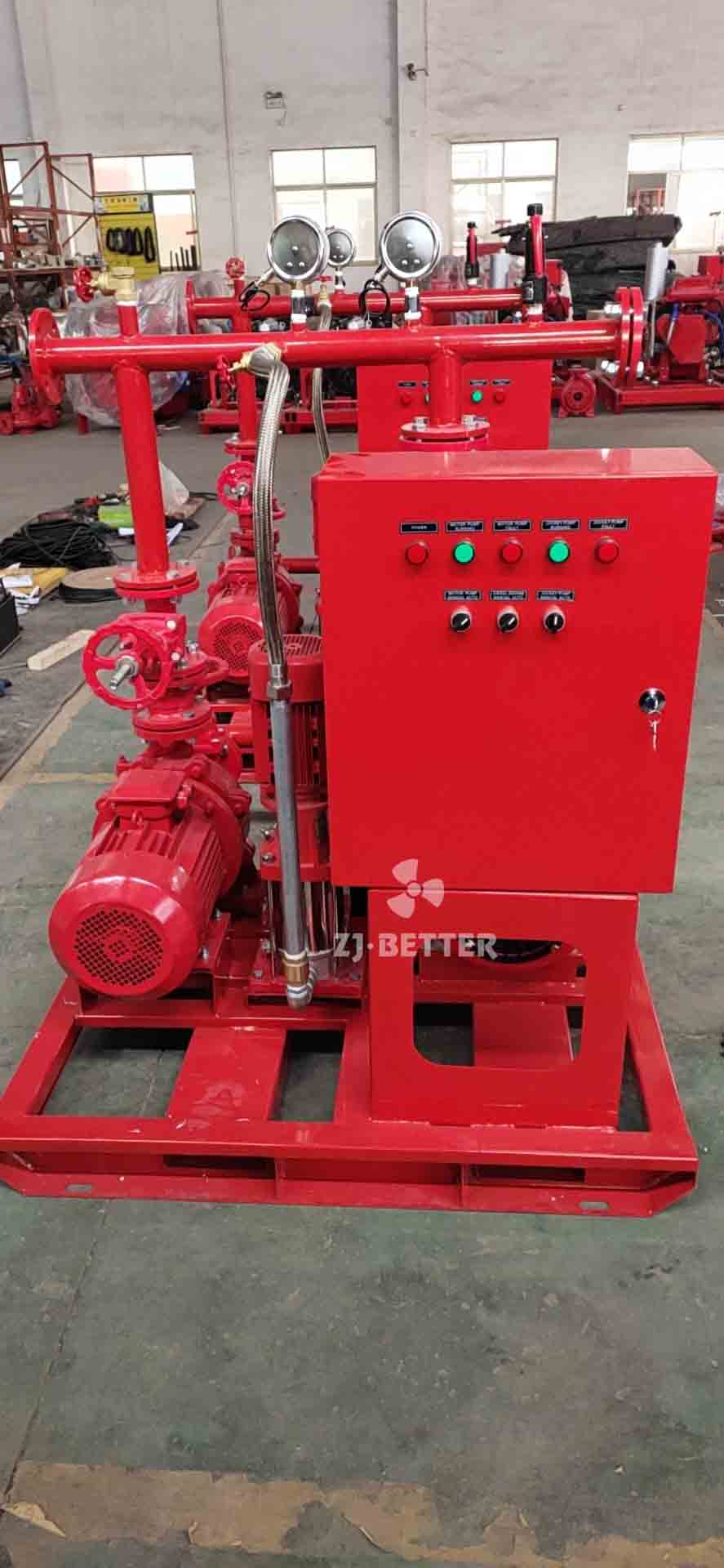
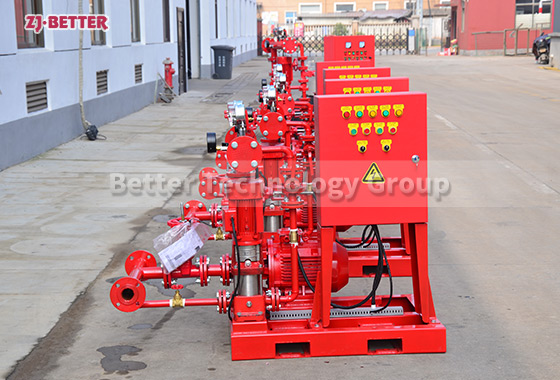
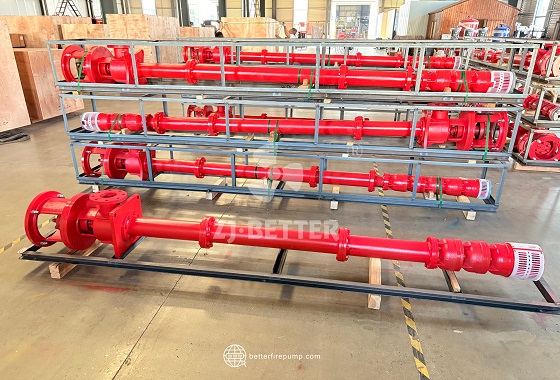
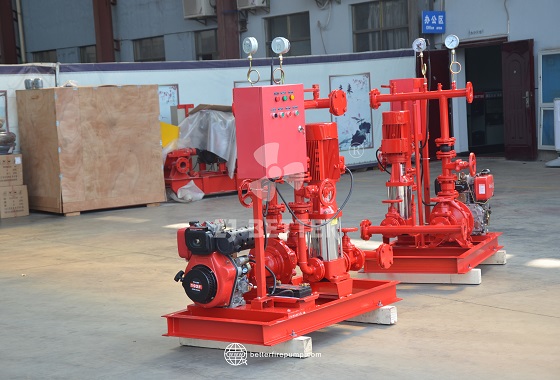
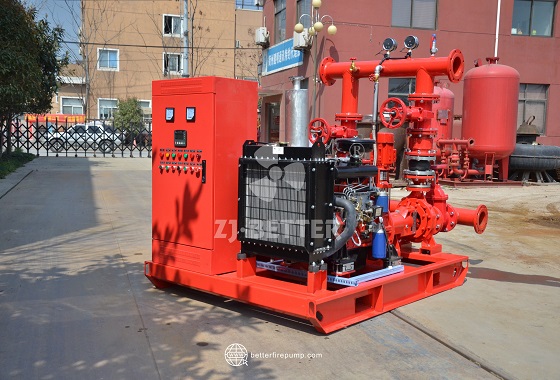
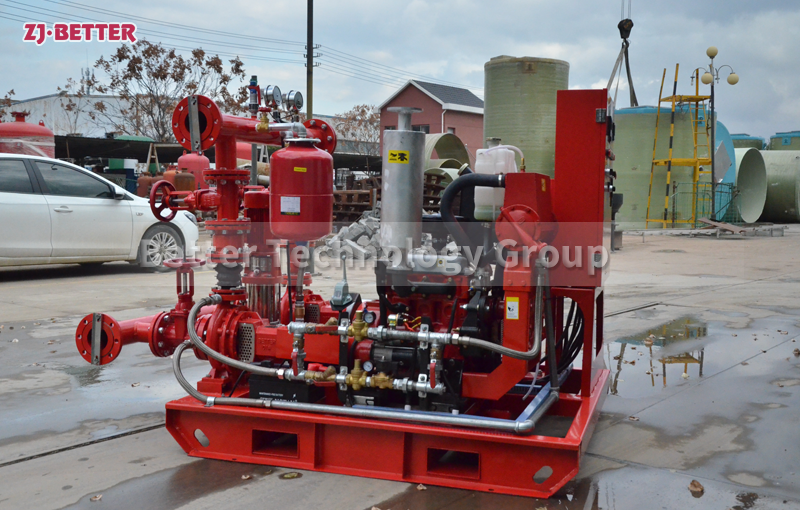
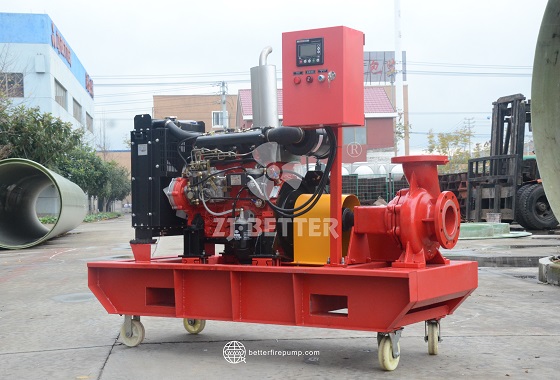
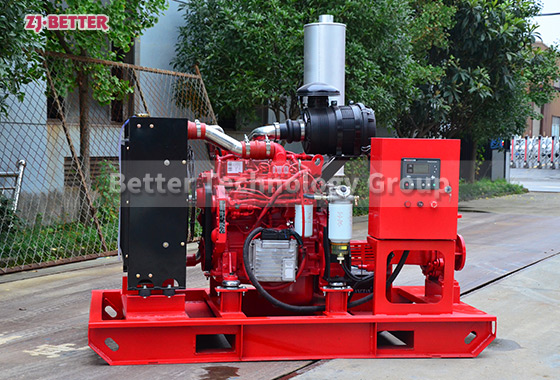
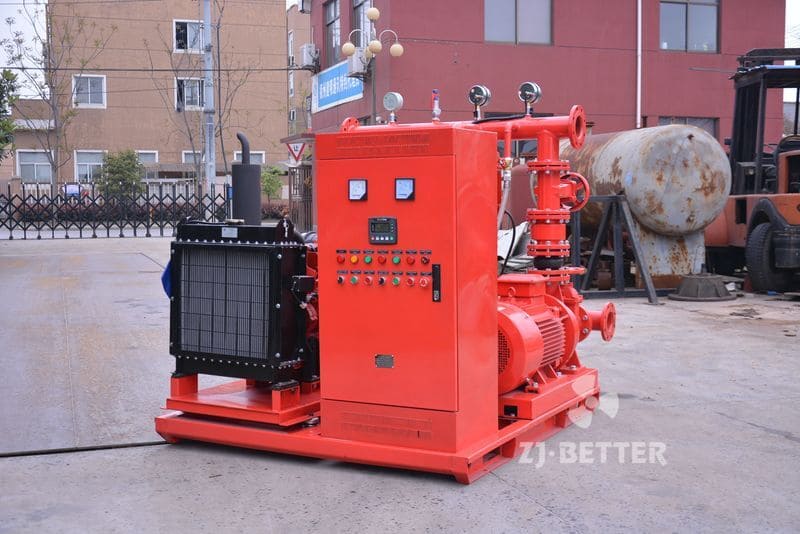
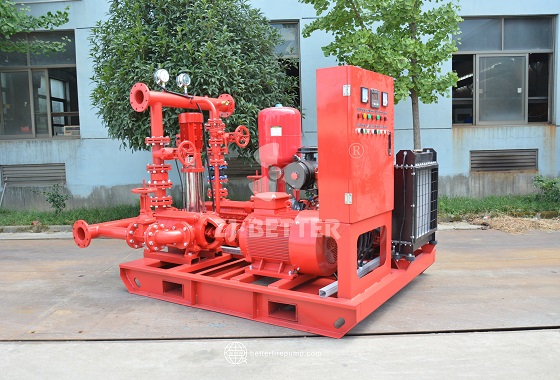
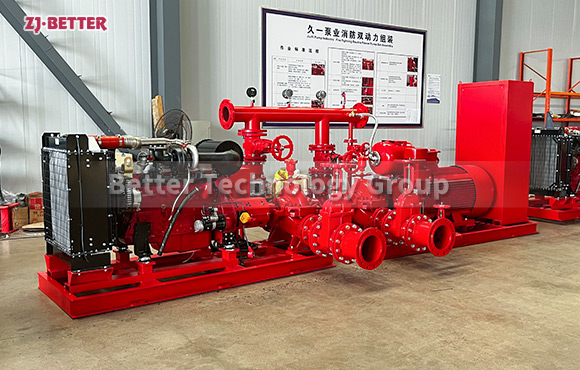
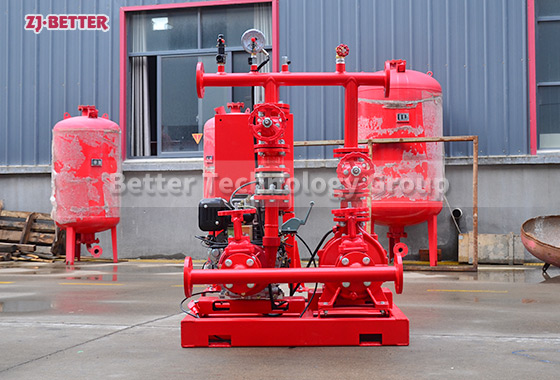
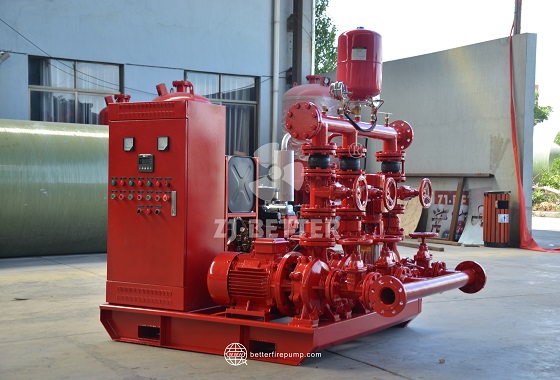
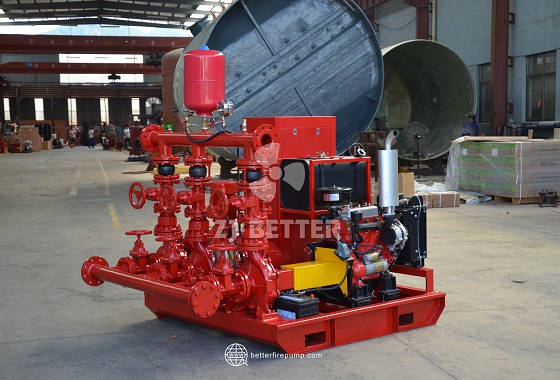
The horizontal electric fire pump system features a motor-driven design, comprising a horizontal pump unit, a control cabinet, pressure gauges, and piping accessories. It can be customized based on the specific flow rate, head, and installation requirements of a fire protection system, making it suitable for fire water supply systems in industrial plants, commercial buildings, and storage facilities.
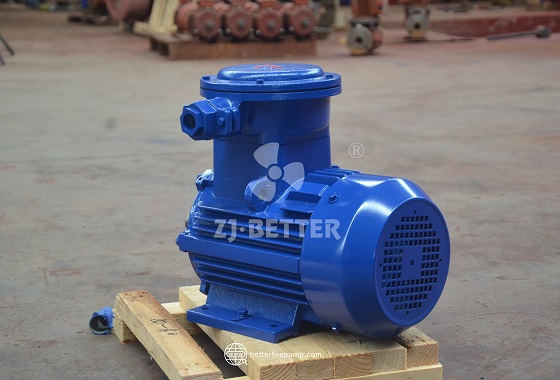
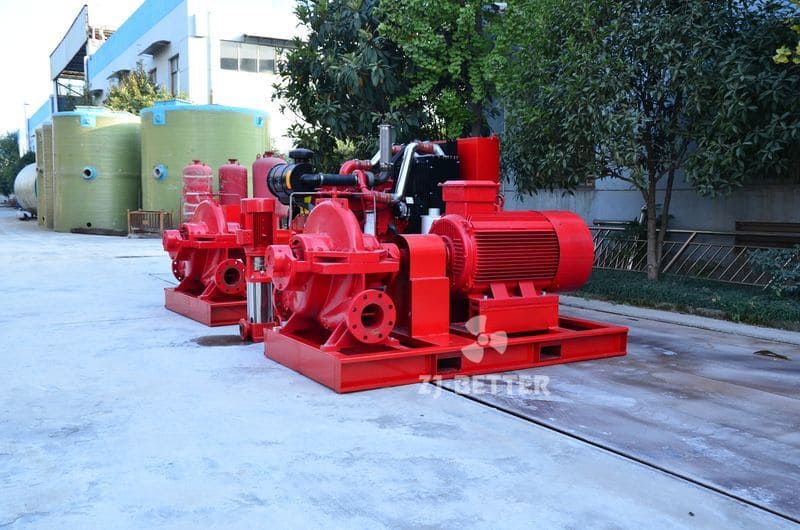
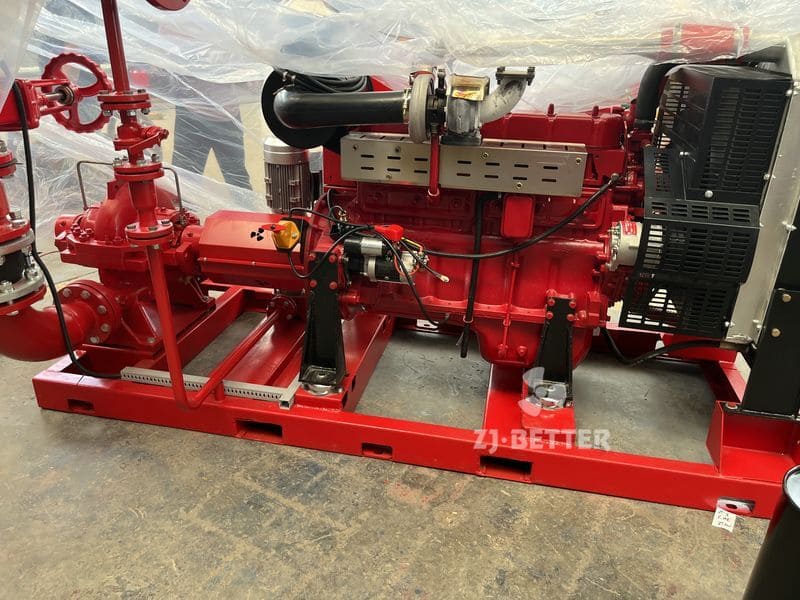
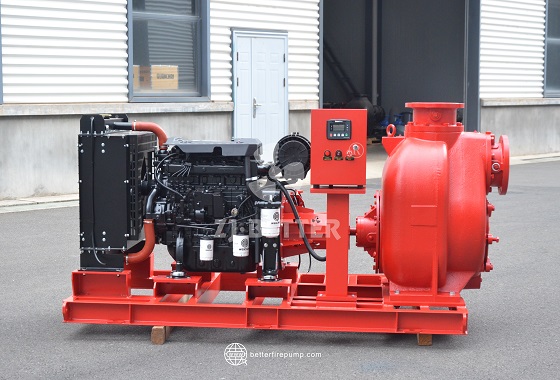
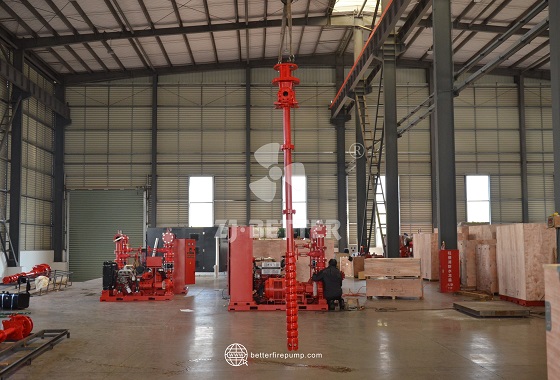
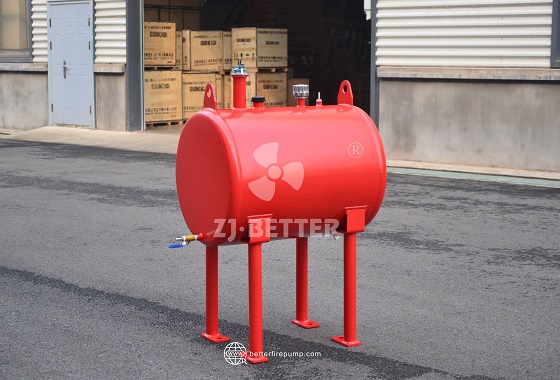
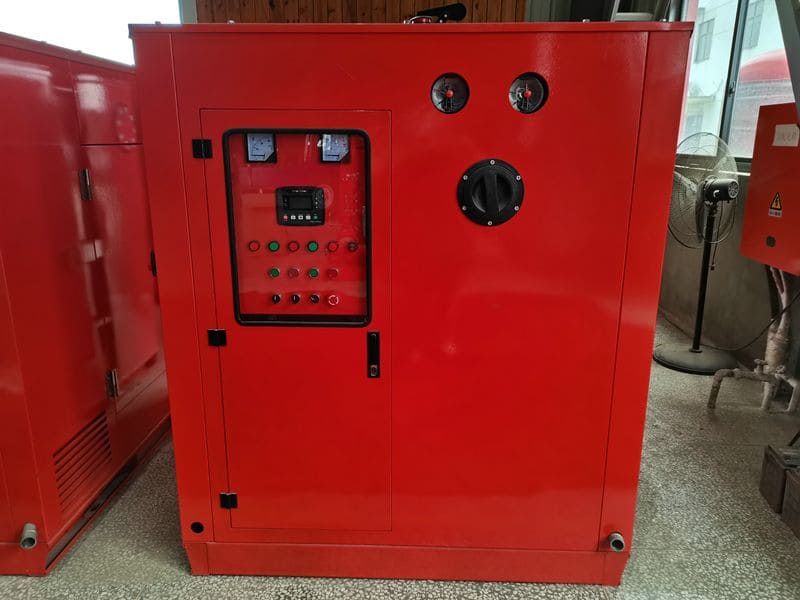
A horizontal electric fire-fighting pump system is a complete water supply unit that utilizes an electric motor as its power source to transport and pressurize water for fire-fighting purposes via a horizontal pump body. It is primarily designed for use in industrial facilities, commercial buildings, warehousing and logistics centers, and other locations requiring a fixed fire-fighting water supply system. The equipment features a horizontal configuration, with the electric motor and pump coupled and matched according to design specifications; the motor provides rotational power to drive the impeller, thereby generating the necessary water pressure and flow rate. Compared to vertical pump units, the horizontal design offers a more intuitive installation layout and provides easier access for maintenance, making it well-suited for pump rooms with sufficient space. As the core power component, the electric motor—including its power rating, rotational speed, voltage, and operating characteristics—must be precisely matched to the pump’s flow rate, head, and specific operating conditions to ensure the unit functions correctly within its design parameters. The pump body can be selected from various centrifugal pump configurations—such as single-stage centrifugal pumps, horizontal multistage pumps, or horizontal split-case pumps—based on the technical requirements of the specific fire-fighting project. Ancillary components, including suction and discharge piping, valves, and flanges, are configured to align with on-site piping network interfaces, ensuring a seamless connection between the pump and the fire-fighting water supply lines. An efficient piping layout helps minimize unnecessary elbows and localized resistance, while also facilitating valve operation, equipment isolation, and future maintenance. The system shown in the image also includes an electrical control cabinet, which manages the operation of the motor and pump unit. Depending on the control scheme, it supports manual or automatic operation and can be equipped with features such as status monitoring, pressure signal reception, and fault alarms. Pressure gauges and sensors provide data for system pressure monitoring, allowing personnel to track the status of the piping network and the equipment. Additionally, a pressure tank may be incorporated based on system design requirements; when properly configured, it can buffer minor pressure fluctuations within the network and function in tandem with pressure-stabilizing equipment and the control system. Horizontal electric fire pump units feature a centralized base-mounted design, which allows for the integrated assembly of the electric motor, pump body, piping accessories, and various auxiliary components. This configuration facilitates factory pre-assembly, transportation, and on-site positioning, thereby reducing the need for fragmented, individual component installation. Key specifications—such as flow rate, head, motor power, inlet/outlet diameters, and control methods—can be tailored to specific project requirements, ensuring compatibility with varying building heights, pipeline network pressures, and fire-fighting water demands. In fire water supply systems, the performance of a pump unit depends not only on the motor and pump itself but also on suction conditions, pipeline resistance, valve specifications, and overall system design; consequently, all technical parameters must be carefully evaluated during the selection process. Routine operation and maintenance should include regular inspections of motor wiring, grounding, bearing condition, pump seals, pipe connections, valve status, and the control cabinet, alongside periodic start-up tests and maintenance procedures as prescribed by the equipment specifications. Through a horizontal, motor-driven configuration—combined with an appropriate pump selection and a well-coordinated arrangement of piping and control components—horizontal electric fire pump units provide effective water supply solutions for building and industrial fire protection systems, addressing requirements for power matching, piping integration, installation, and long-term maintenance.