Automatic Fire Water Supply Unit – Integrated Pressure Monitoring and Multi-Pump Operation Management
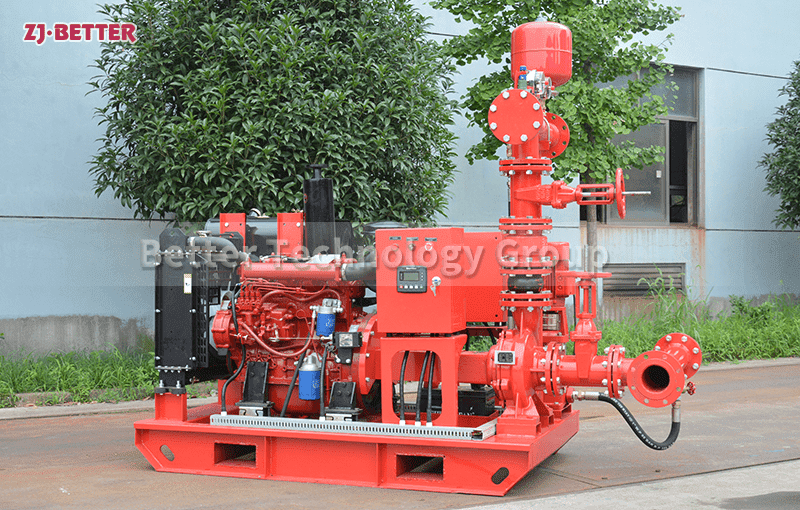
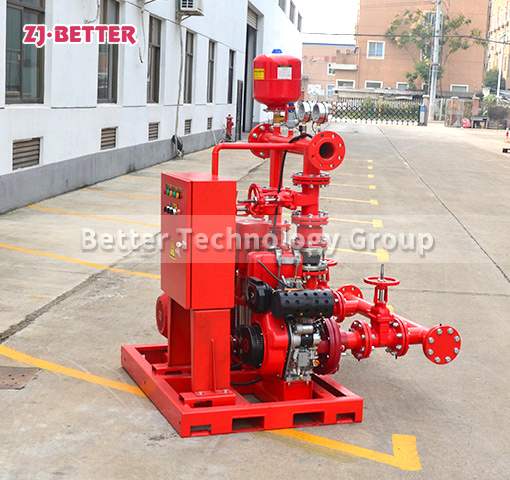
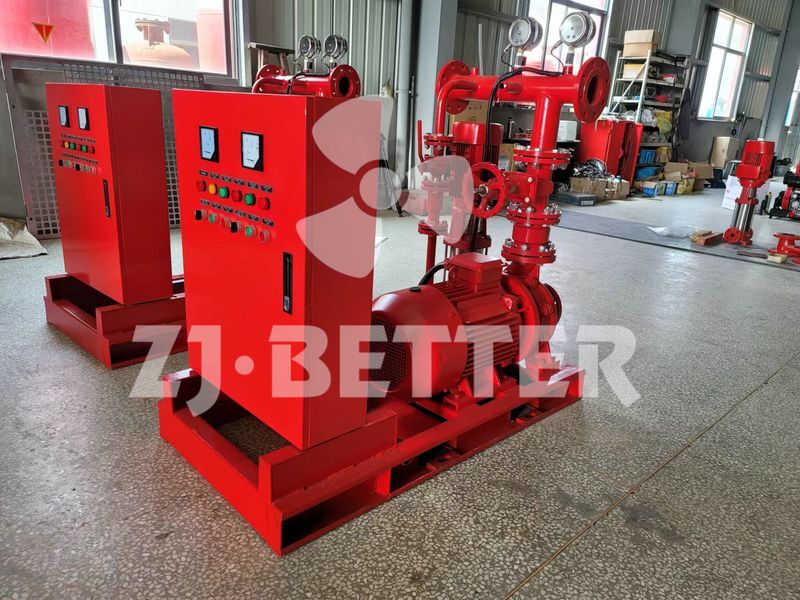
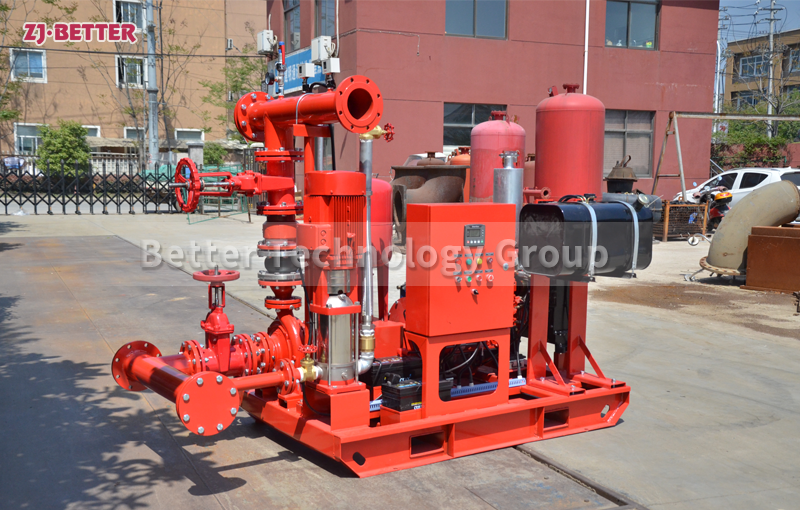
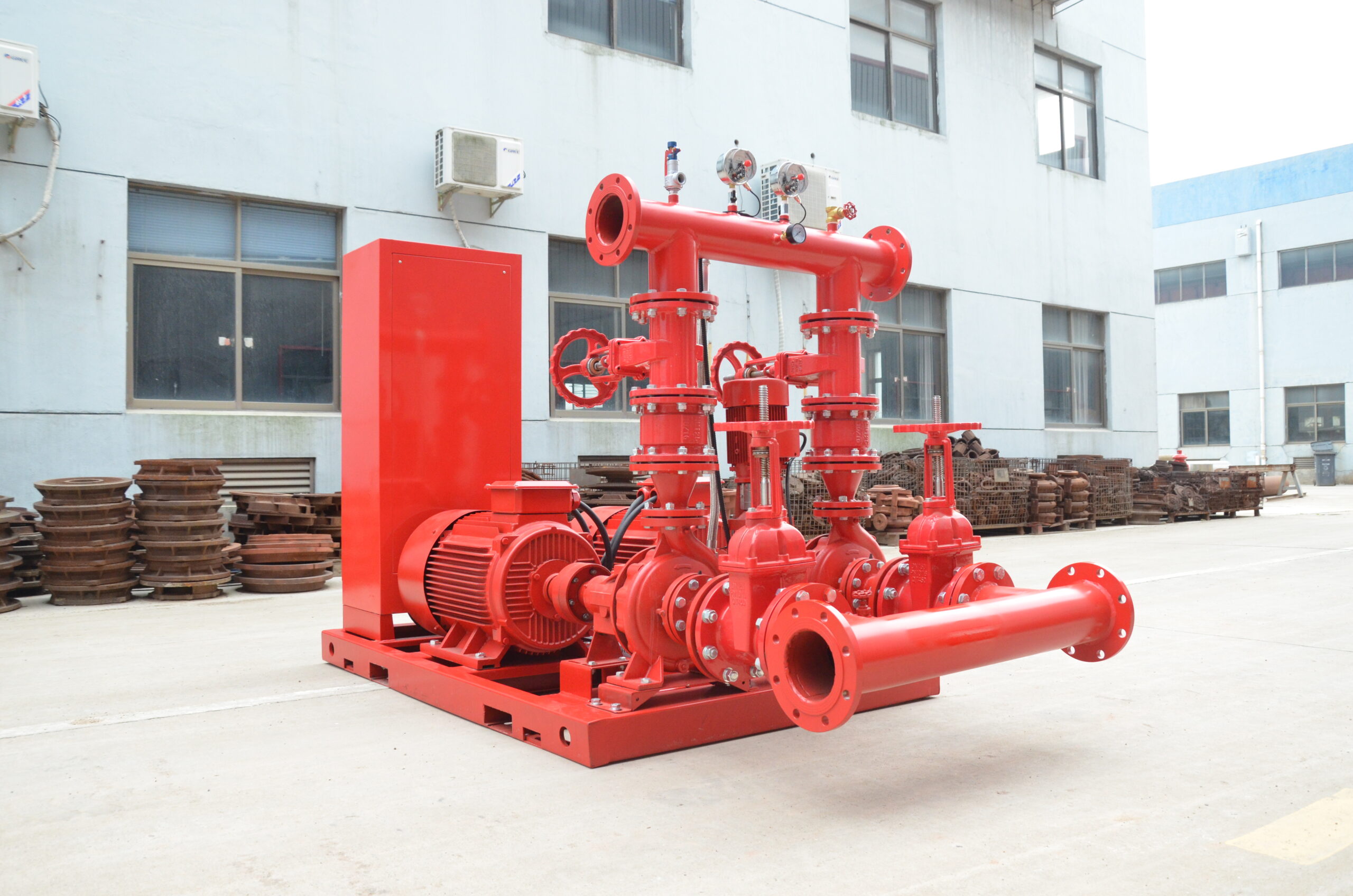
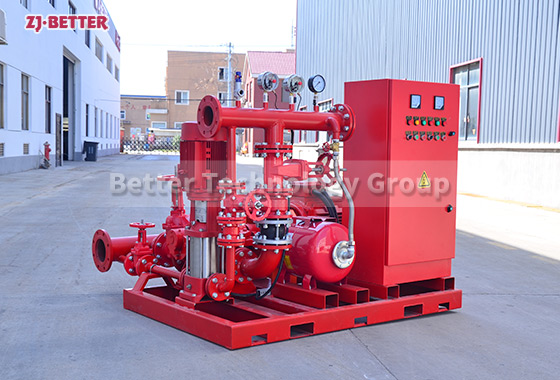
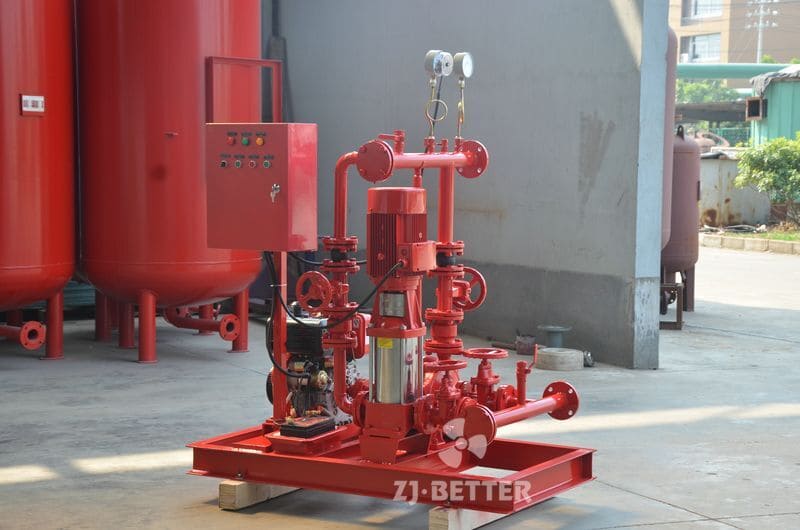
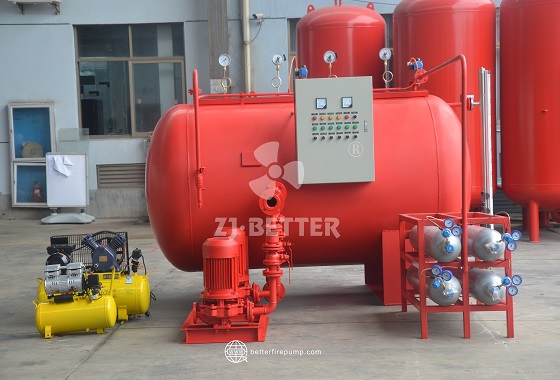
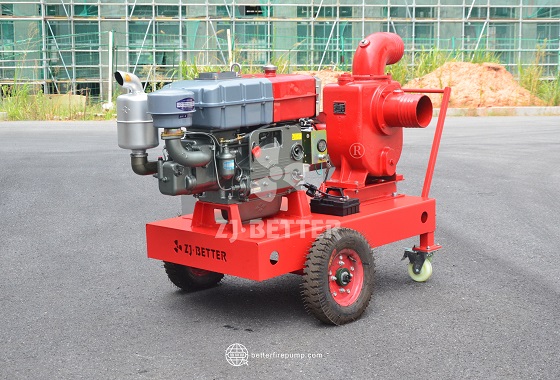
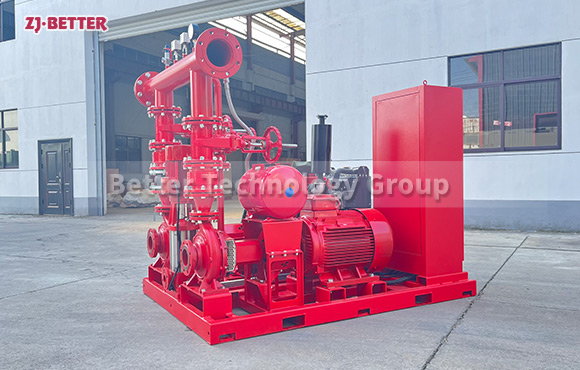
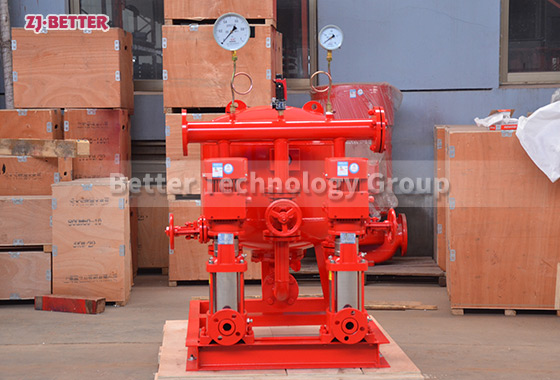
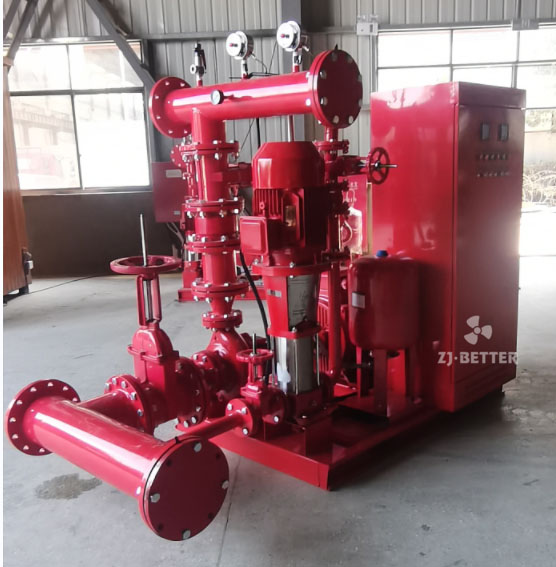
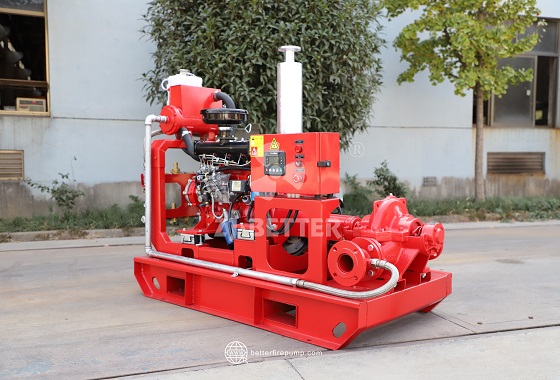
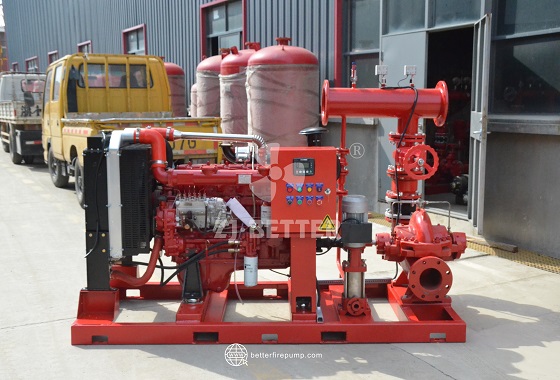
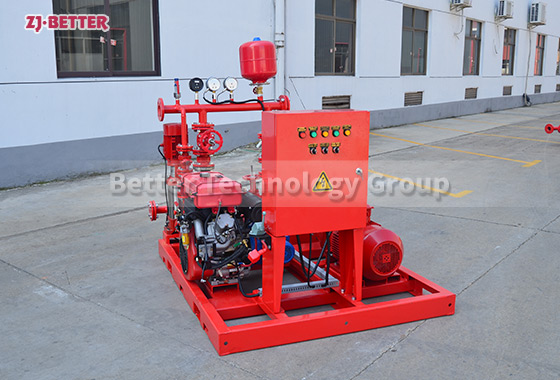
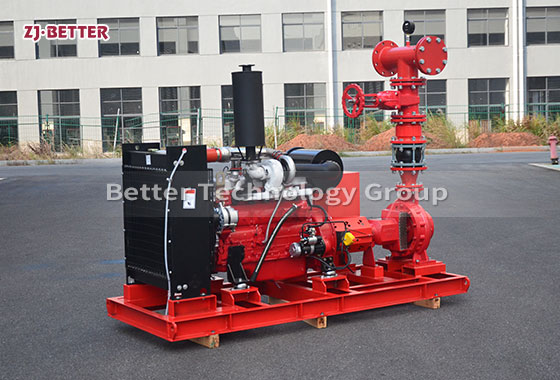
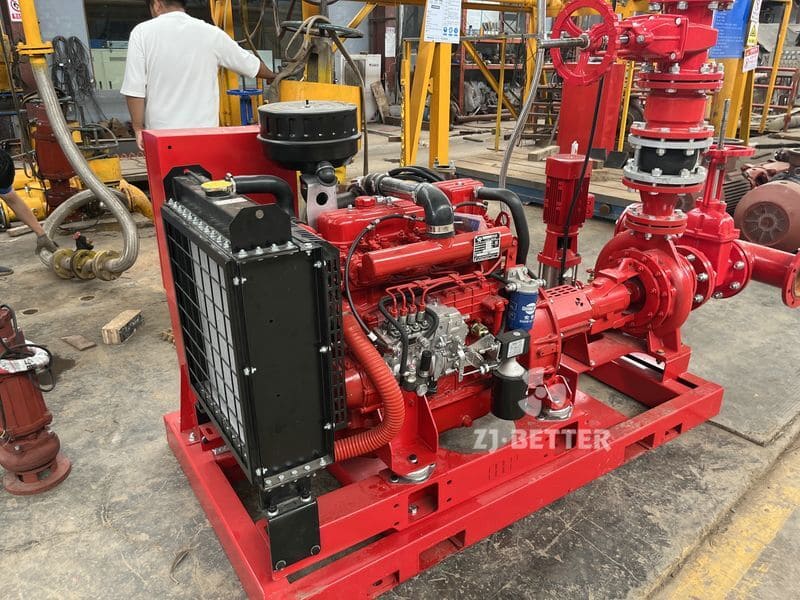
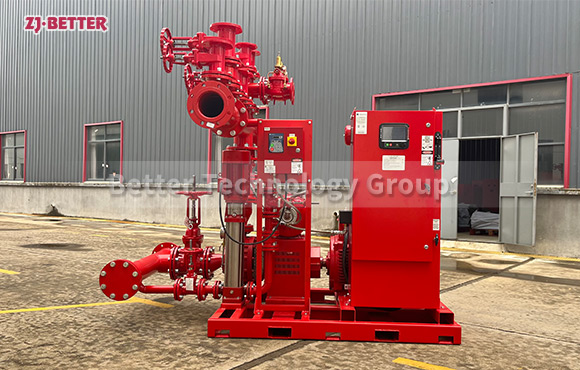
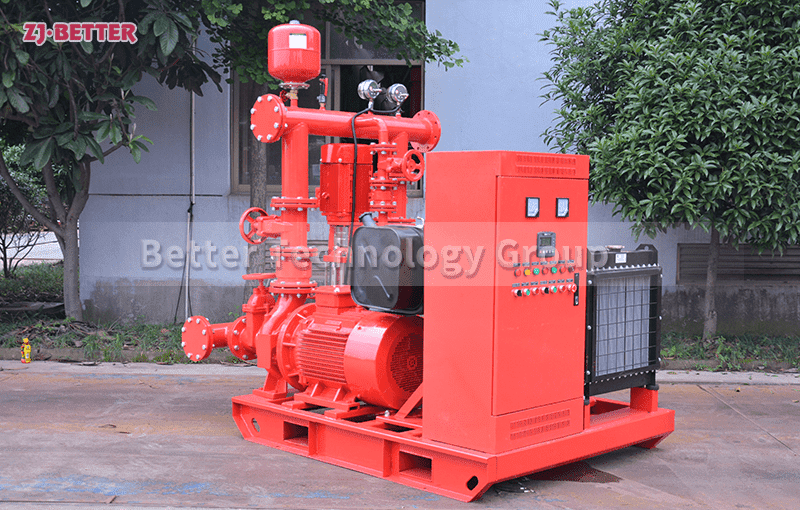
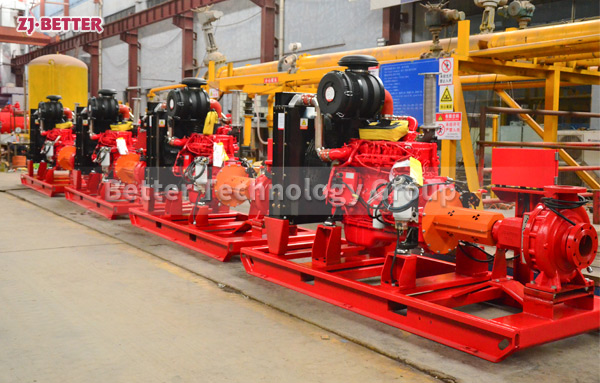
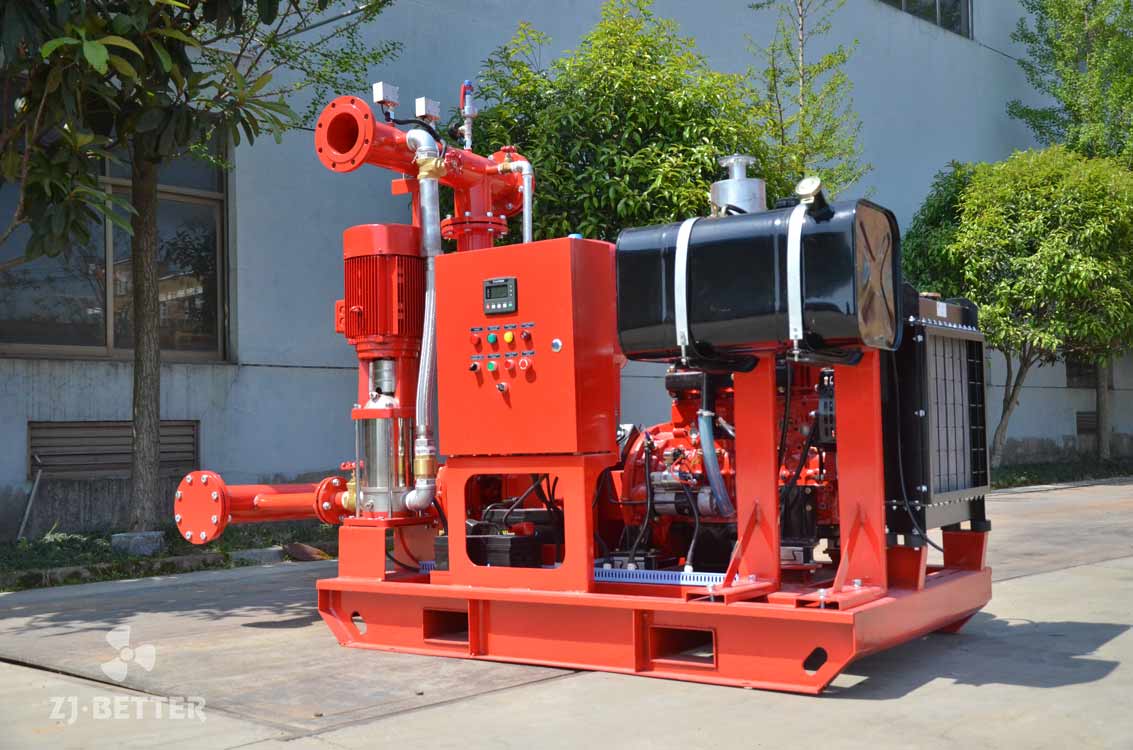
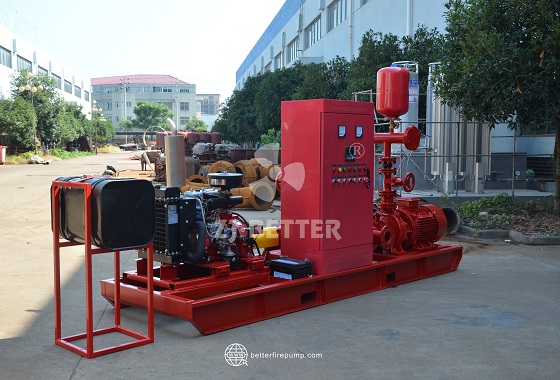
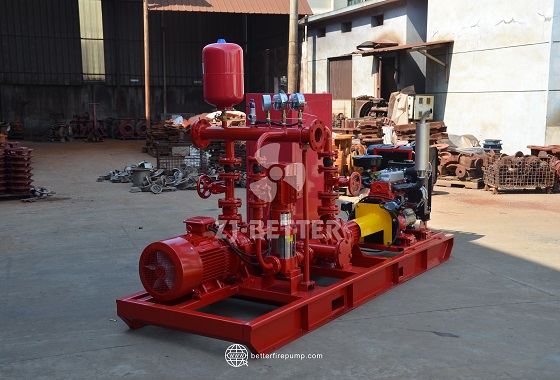
The automated fire-fighting water supply unit integrates electric-driven pumps, diesel engine-driven pumps, control cabinets, pressure tanks, and pressure-sensing components. It supports multi-pump operation control configured according to system pressure and project requirements, making it suitable for fire-fighting water supply systems in industrial plants, commercial buildings, and storage facilities.
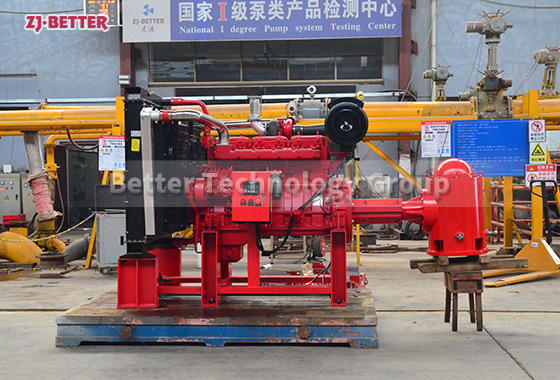
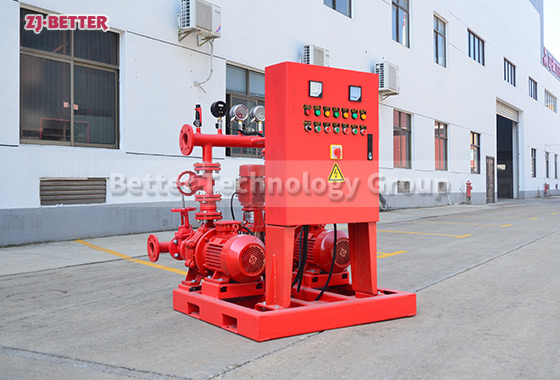
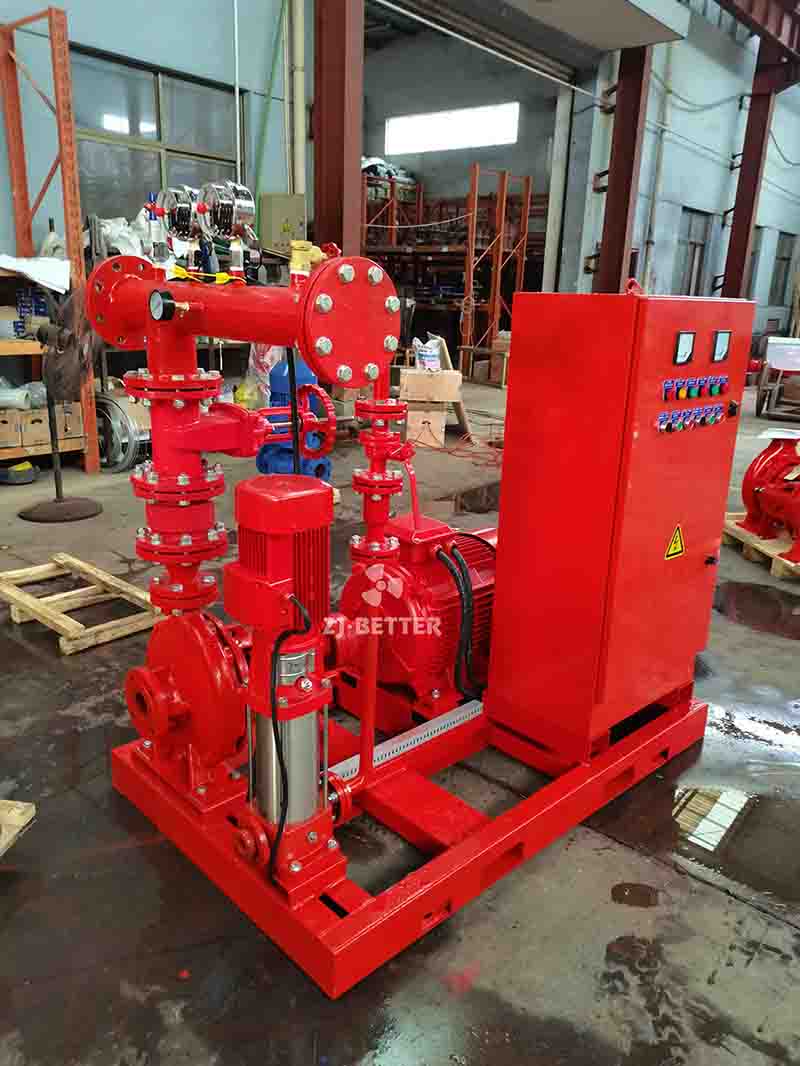
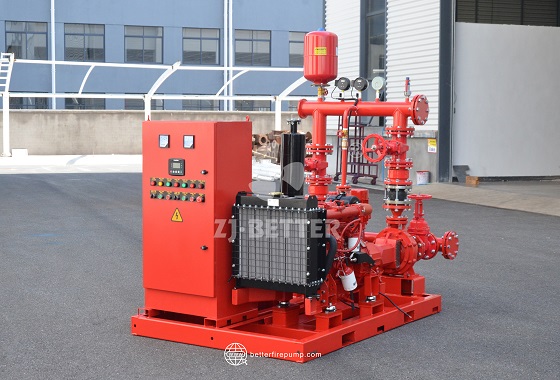
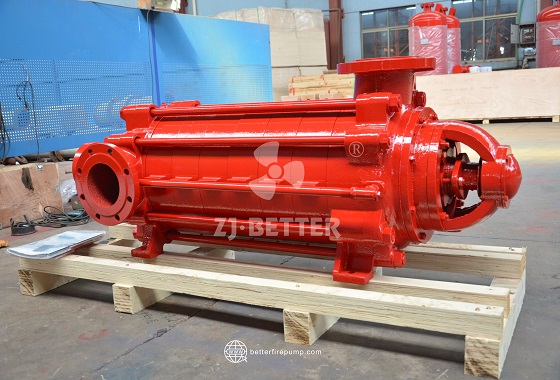
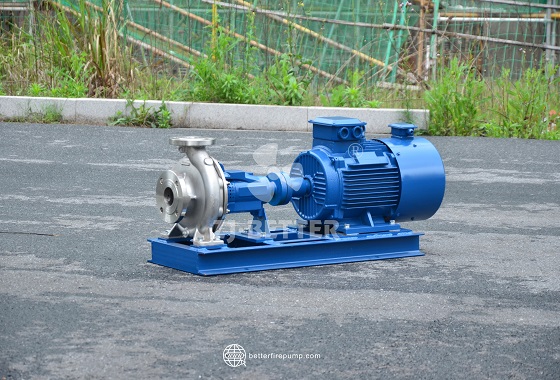
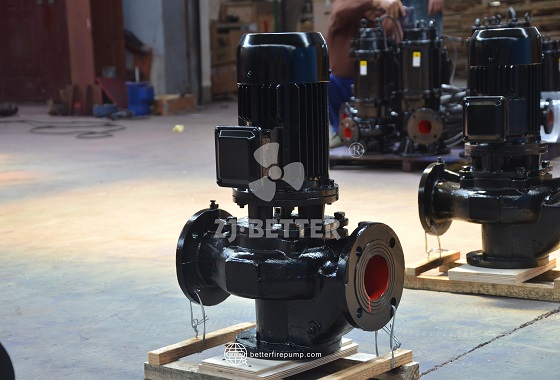
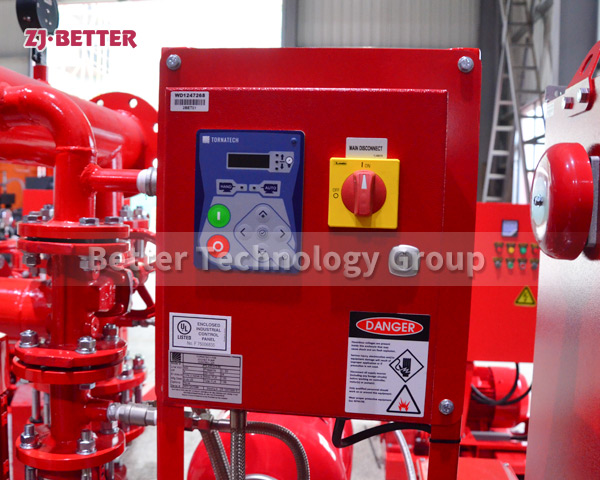
An automated fire-fighting water supply unit is an integrated system comprising fire pumps, diesel-powered equipment, electric drive units, control cabinets, pressure tanks, and piping accessories. It is primarily designed for industrial plants, commercial buildings, storage facilities, and other locations requiring a reliable fire-fighting water supply. The equipment utilizes a skid-mounted common base, consolidating various types of pump sets and auxiliary components into a cohesive unit. Depending on specific engineering requirements, it can be configured with electric pumps, diesel-driven pumps, and auxiliary pressure-stabilizing equipment. A multi-pump design allows for the distribution of water supply tasks among different pump sets based on system demands, offering flexible power configuration options—subject to available power supply conditions and control strategies. The control cabinet serves as the core of the system’s automation, supporting both automatic and manual operation modes while managing pump performance based on pressure-sensing signals. When pressure fluctuations occur within the piping network, pressure sensors capture the data and transmit it to the control system, which then determines whether to start or stop the relevant equipment. This integration of pressure monitoring and control facilitates real-time oversight of network pressure, minimizes the need for frequent manual intervention, and enhances operational convenience. The included pressure tank acts as a buffer against pressure fluctuations and helps maintain baseline pressure within the network; its specific volume and operating pressure are determined by the system design and water usage requirements. Electric pumps utilize grid power, while diesel-driven pumps provide an independent power source, reducing the system’s reliance on a single power supply. The flow rate, head, power, and startup sequence of the various pump sets are carefully matched to the fire-fighting system’s design parameters, ensuring that the configuration aligns with actual operational needs. The skid-mounted design—which houses the pumps, power units, control cabinets, pressure tanks, and piping—facilitates factory pre-assembly and streamlined transport, reducing the need for on-site installation and resulting in a more organized equipment layout. Furthermore, the piping and valve components can be configured to meet specific engineering interface requirements, ensuring seamless integration with the building’s fire-fighting water network. The equipment can be customized with additional components—such as pressure gauges, pressure sensors, check valves, isolation valves, and other accessories—to facilitate system monitoring and routine maintenance. During operation, the control cabinet, electrical wiring, pressure-sensing components, pump sets, diesel engines, pressure tanks, and piping/valves should be inspected regularly. Furthermore, start-up tests and maintenance procedures must be carried out in accordance with the equipment specifications to ensure all components remain in proper working order. When selecting equipment, factors such as the required fire-fighting design flow rate, head, pipeline network pressure, power supply conditions, backup power requirements, and available installation space must be carefully considered. Additionally, the automatic control logic and multi-pump operating modes should be defined based on the specific technical requirements of the project. By integrating pressure sensing, automatic control, multi-power pump configurations, and a centralized skid-mounted layout, these automated fire-fighting water supply units offer flexible solutions for various building and industrial projects, effectively addressing operational management, power reliability, and on-site installation needs.