Vertical Fire Pump Motor Assembly – Integrated Electrical Connection and Mechanical Drive Design
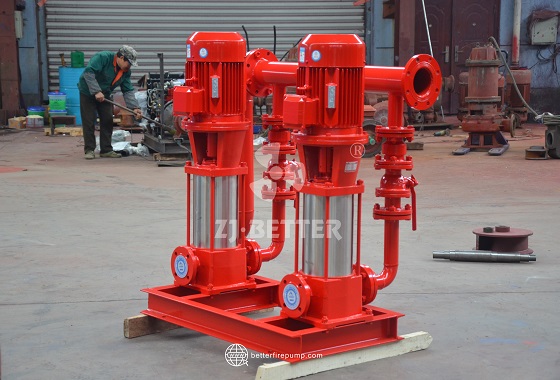
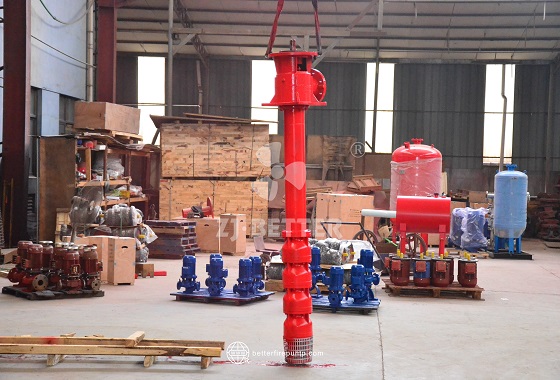
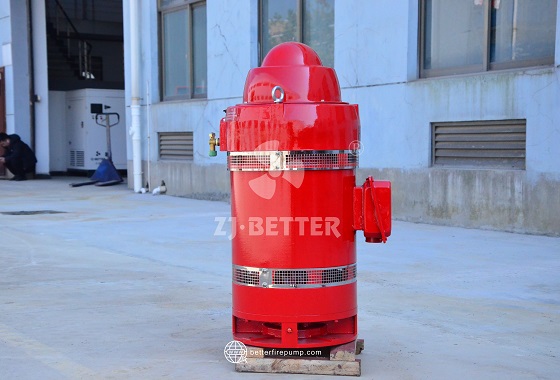
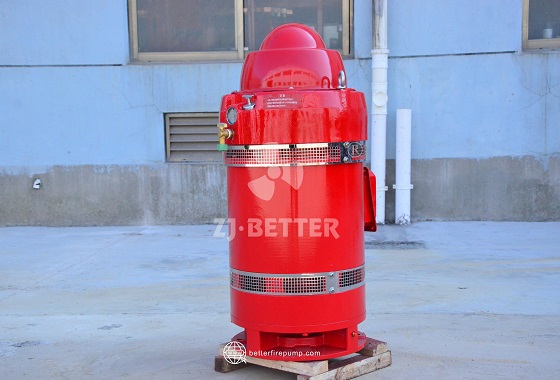
The motor assembly for vertical fire pumps features a vertical mounting configuration and includes components for electrical wiring and mechanical drive connections. It can be selected and configured based on the pump shaft design, power requirements, and operational parameters, making it suitable for vertical turbine fire pumps and similar vertical pump units.
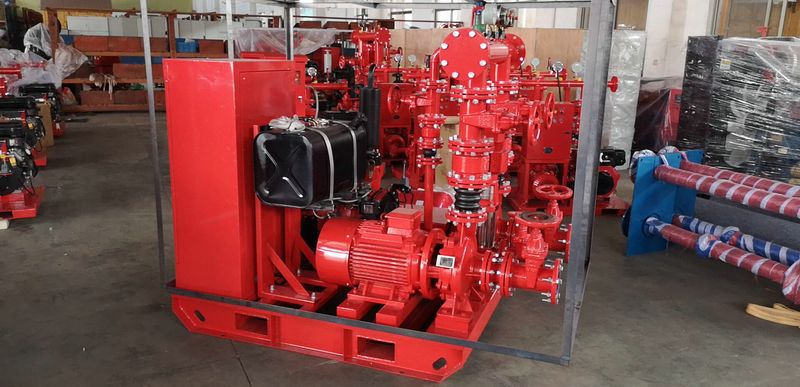
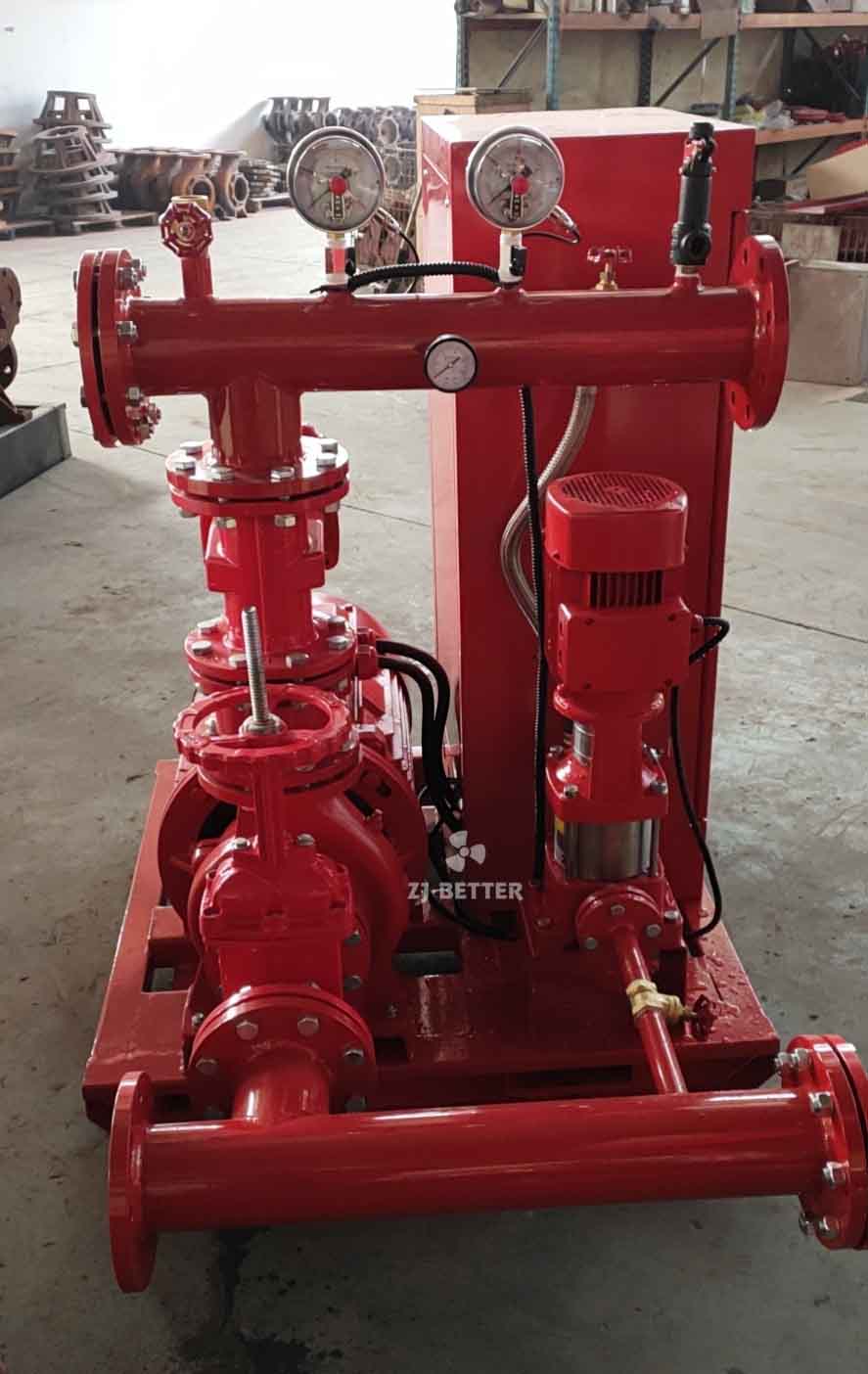
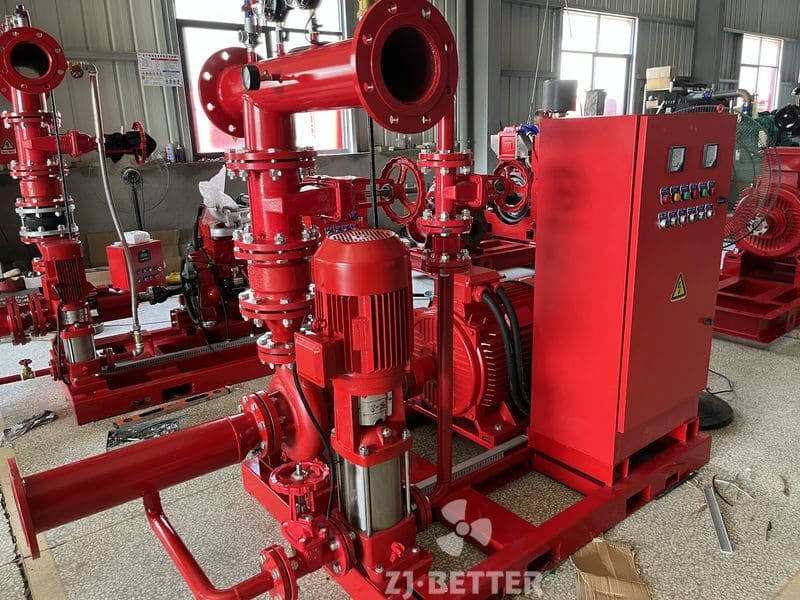
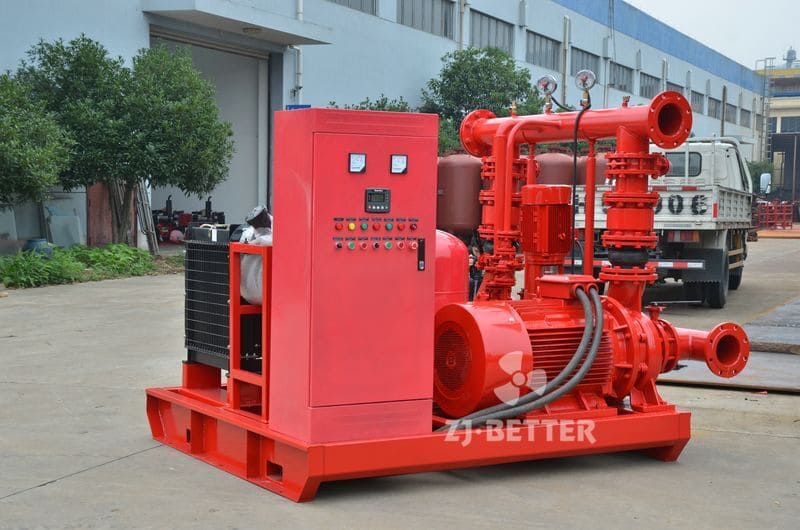
The motor assembly for a vertical fire pump serves as a critical power source, providing continuous rotational drive to the pump. It is designed for use with vertical turbine fire pumps and other pump units that utilize a vertical drive configuration. Featuring a vertical mounting orientation and a cylindrical overall structure, the motor includes a mechanical drive connection at the top, electrical connection components on the side, and an integrated ventilation/cooling system. It is engineered to interface seamlessly with the corresponding pump shaft and drive components. Compared to standard horizontal motors, the vertical orientation and connection method are better suited for vertically arranged pump units; this design minimizes the horizontal footprint and allows the motor and pump to be aligned along a common vertical axis. In models with a hollow-shaft design, the pump shaft can pass through the center of the motor rotor, with power transmitted via specialized coupling components—a configuration that facilitates the installation of long-shaft systems in vertical turbine pumps (the specific connection method depends on the particular motor and pump models). The mechanical drive interface at the top of the motor handles power transmission and assembly; during selection, it is essential to verify parameters such as shaft diameter, connection dimensions, rotational speed, and load-bearing requirements to ensure compatibility between the motor and the pump shaft system. The electrical connection section facilitates integration with the external power supply, with a terminal box provided for cable termination and wiring organization; all wiring must be performed in accordance with the motor nameplate, wiring diagrams, and the requirements of the control system. The integrated ventilation structure promotes airflow and heat dissipation, improving thermal conditions during operation—the effectiveness of which depends on the motor design, installation environment, and operational load. Vertical fire pump motors can be specified with appropriate power ratings, voltages, frequencies, rotational speeds, and protection classes to meet the diverse power requirements of various fire-fighting water supply systems. When pairing a motor with a pump, factors such as the pump’s shaft power, operating speed, axial load, and specific operating conditions must be carefully evaluated to prevent performance issues caused by mismatched parameters. For vertical turbine fire pumps, the motor must also be capable of handling specific axial thrust loads; therefore, the configuration and operational limits of the motor’s thrust bearings must be verified based on the design of the pump unit. The integrated design of the motor and mechanical transmission system clarifies the relationships between power output, shaft connections, and electrical interfaces, thereby facilitating overall assembly, on-site installation, and long-term maintenance. During routine operation, it is essential to regularly inspect electrical wiring, grounding, bearing performance, fasteners, and ventilation areas; keep the motor clean; and conduct insulation testing and maintenance in accordance with the manufacturer’s specifications. With its vertical mounting configuration, compatible mechanical transmission, and centrally located electrical interfaces, the vertical fire pump motor assembly provides an effective power solution for vertical pump units, meeting the specific requirements of various vertical fire pump systems regarding installation space, shaft connectivity, and electrical control.