Industrial Diesel Power Unit for Fire Pumps – Matching Engine Power to Pump Requirements
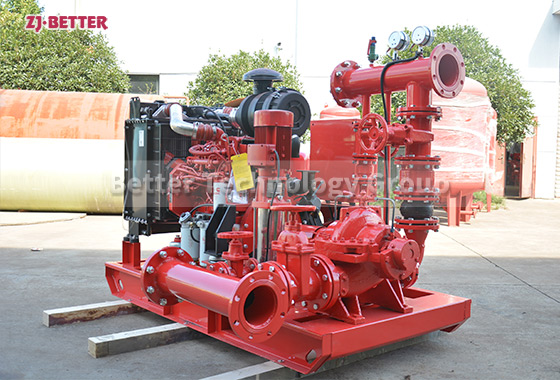
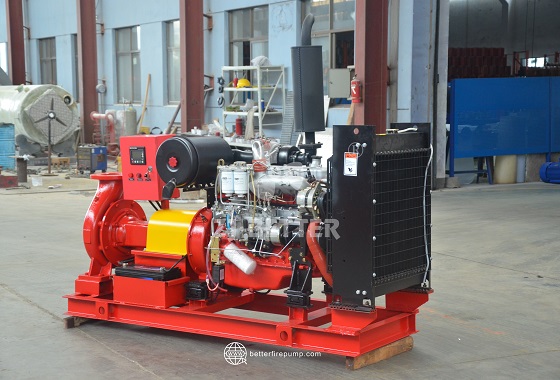
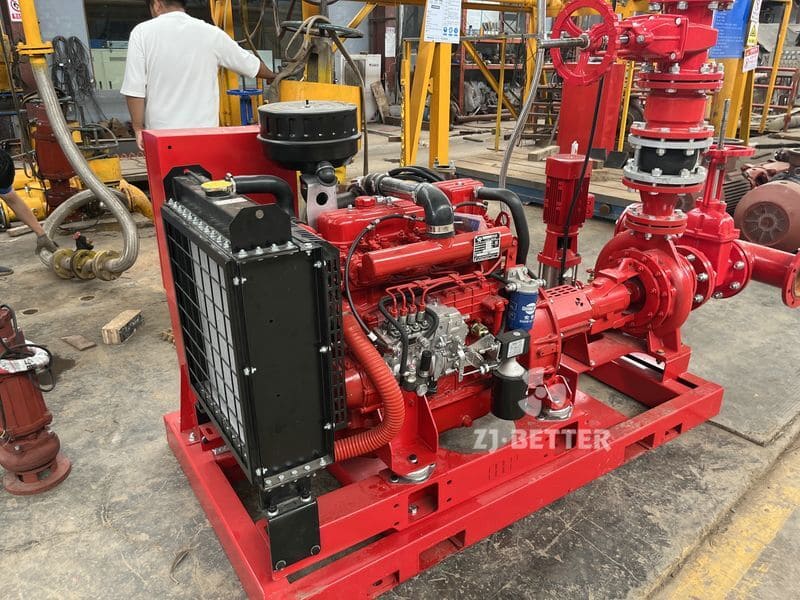
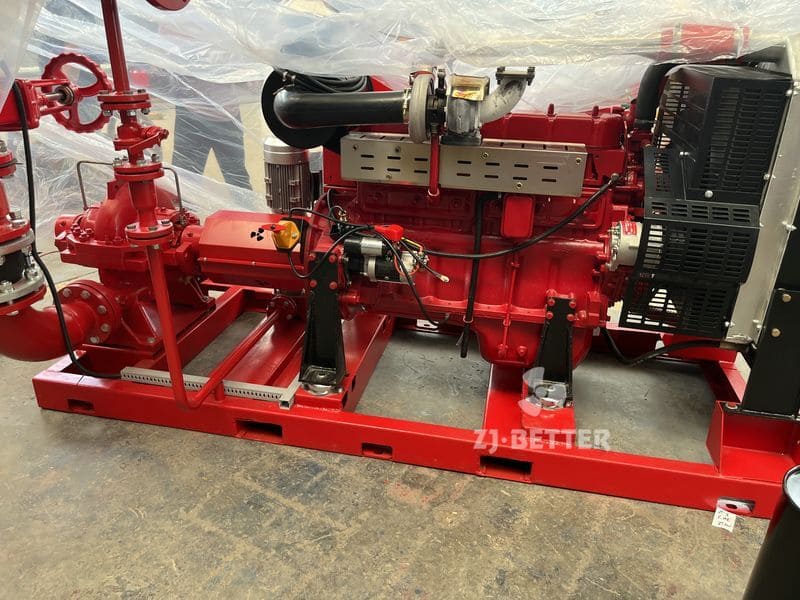
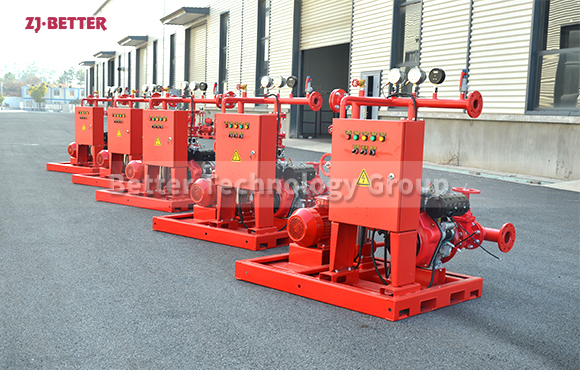
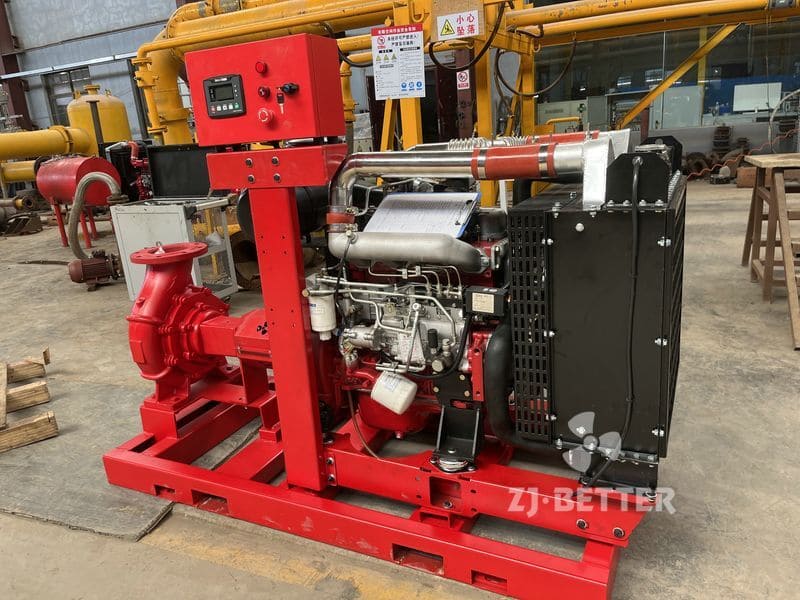
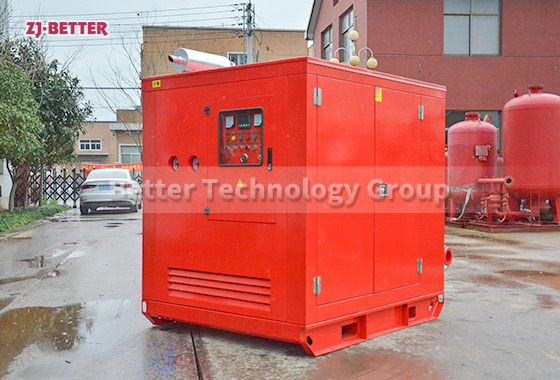
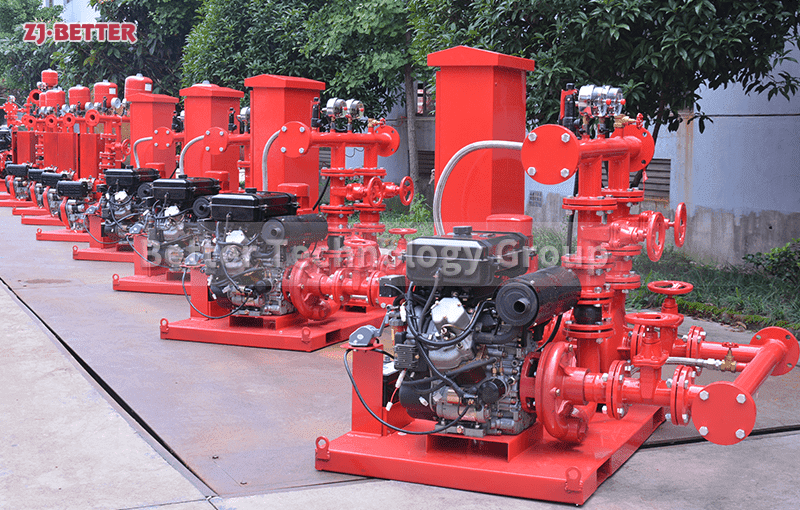
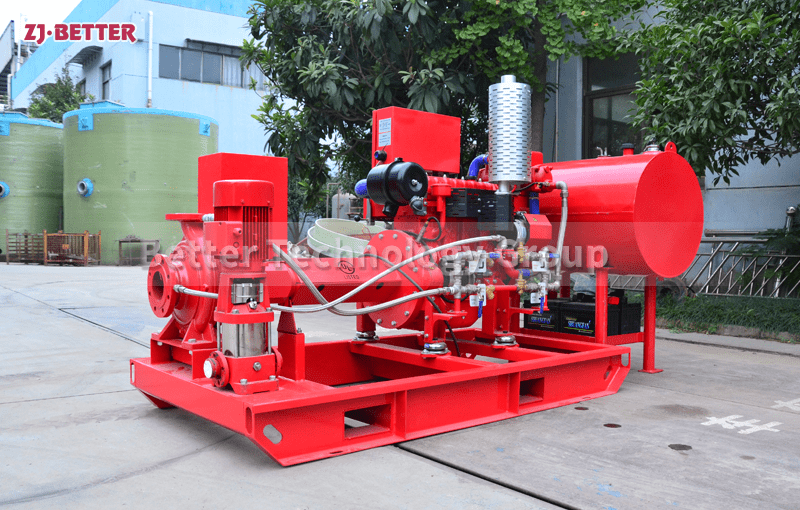
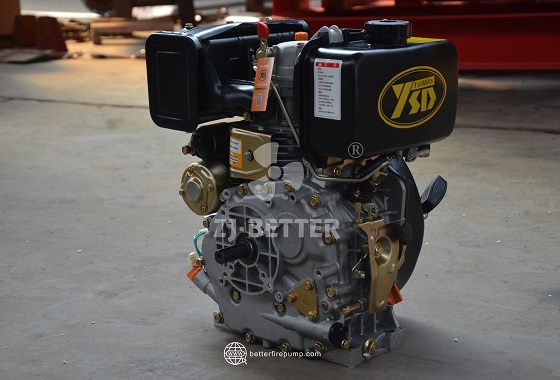
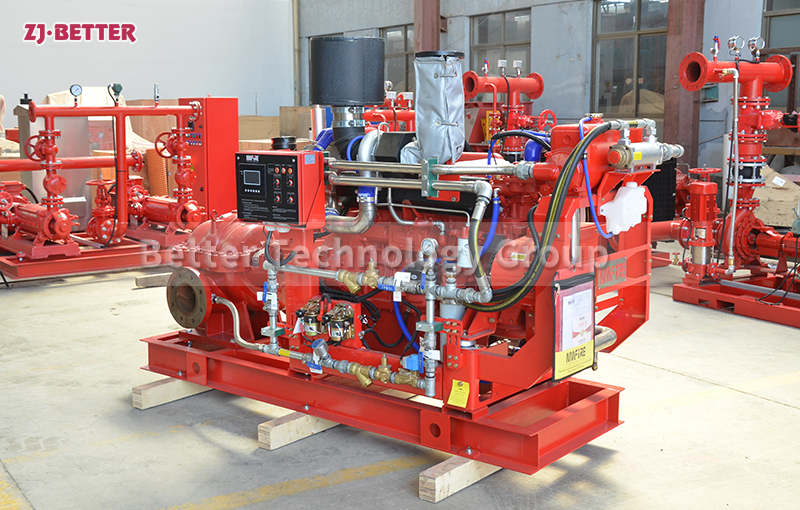
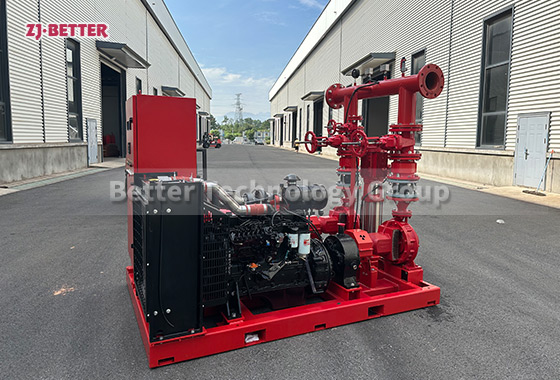
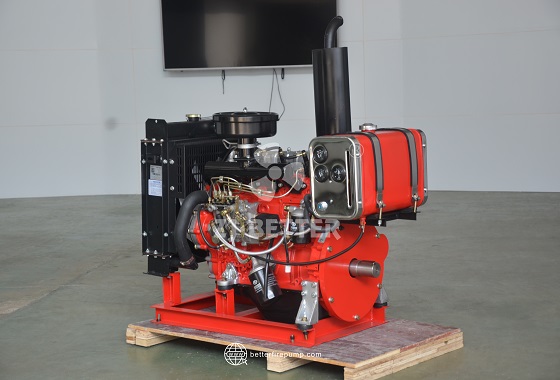
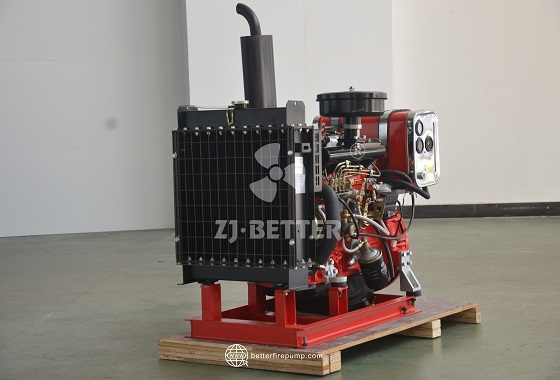
The diesel-powered unit for industrial fire pumps utilizes a diesel engine equipped with a radiator, air cleaner, exhaust silencer, and auxiliary components. It can be configured to meet specific flow rate, head, and power requirements for fire pumps, making it suitable for industrial fire-fighting systems and standalone, diesel-powered water supply equipment.
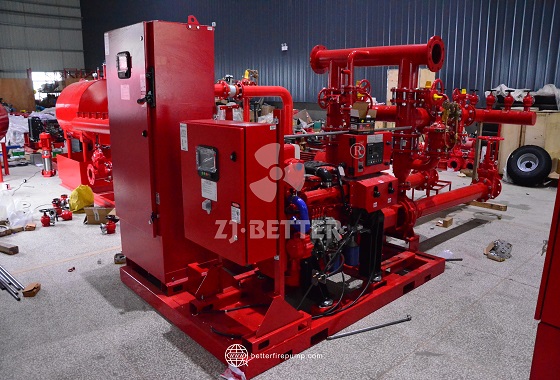
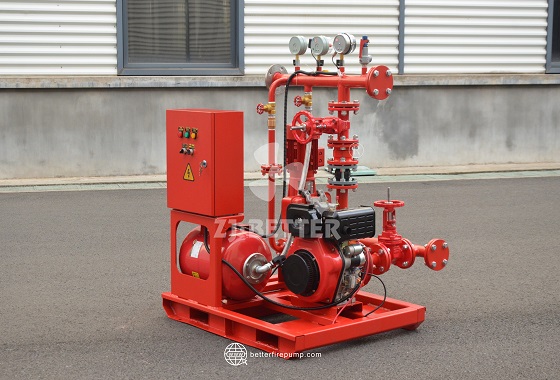
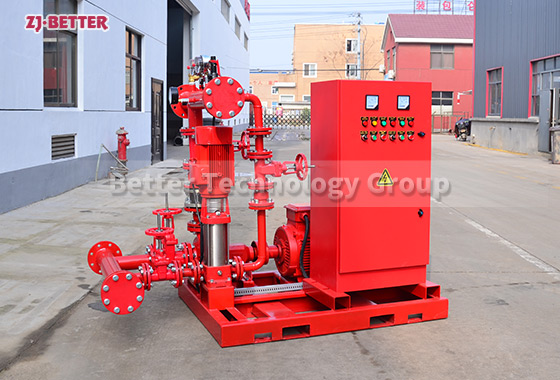
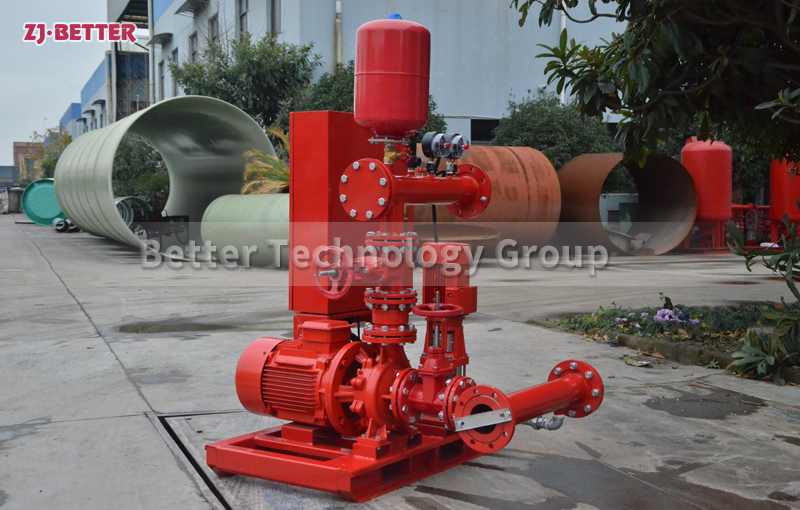
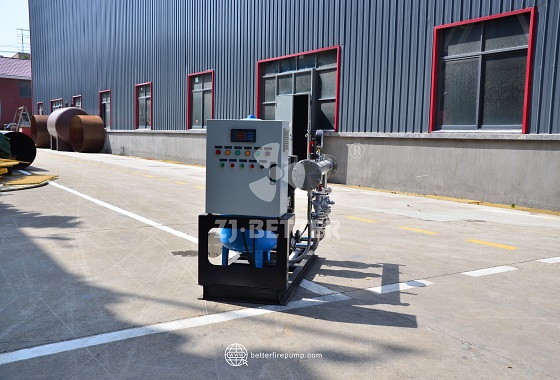
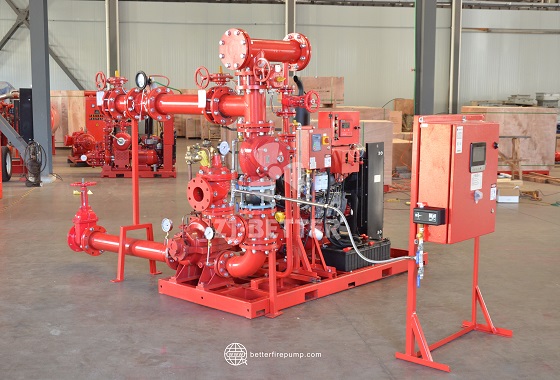
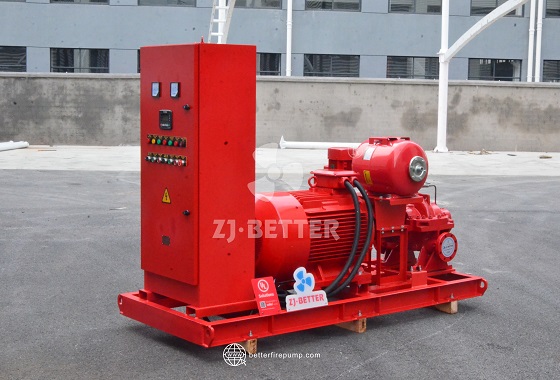
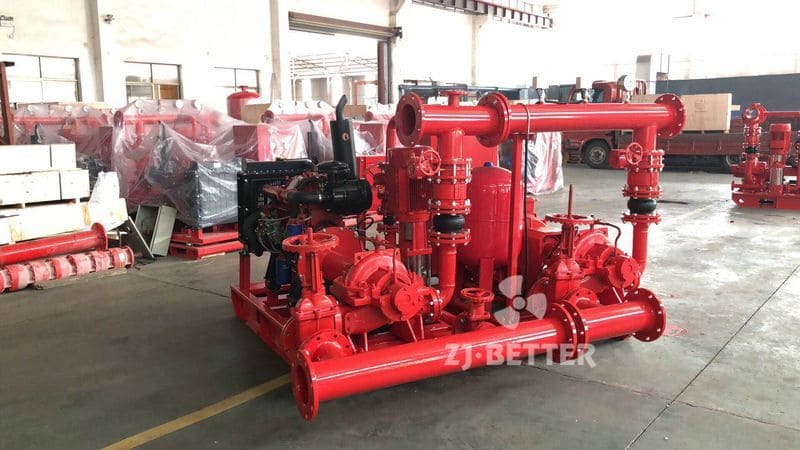
A diesel-powered unit for industrial fire pumps is a critical component of a diesel-driven fire-fighting water pump system. It serves primarily to provide mechanical power to the fire pump and is suitable for use in industrial plants, storage facilities, energy projects, and other locations requiring an independent power source for fire-fighting water supply. The unit is centered around a diesel engine, integrated with a radiator, air cleaner, exhaust silencer, fuel system, and other auxiliary components to form a comprehensive power assembly. Compared to standard industrial power units, diesel engines designed for fire pumps are specifically optimized to match the operating conditions of the water pump; the engine specifications—such as power output—must be selected based on the pump’s rated flow, head, shaft power, and operating speed to ensure it meets the pump’s performance requirements. Proper power matching prevents the engine from operating under long-term overload while avoiding the waste of resources that would result from an oversized power configuration. The unit includes a cooling radiator, which dissipates excess heat during operation to maintain an optimal working temperature; the specific configuration of the cooling system is determined by the engine’s power, operational load, and ambient temperature. An air cleaner filters the intake air, preventing dust and particulate matter from entering the cylinders, thereby protecting internal engine components and ensuring suitability for various site environments. The exhaust system features a silencer to direct exhaust gases away from the unit and reduce operational noise; proper planning of the exhaust direction and ventilation is essential during installation. Engine instrumentation and monitoring components allow operators to track key operational data—such as rotational speed, temperature, and pressure—to stay informed of the equipment’s status (with specific monitoring parameters varying by engine model and configuration). As a diesel-powered system, it operates independently of external electrical power, serving as a reliable drive source for fire pumps in the event of a main power failure or in scenarios where an independent power configuration is required. In a complete diesel fire pump system, the engine must be properly integrated with the pump coupling, base frame, and control system to ensure efficient power transmission and reliable start-up control in accordance with design specifications. The unit is designed for base-mounted installation, facilitating its integration with the corresponding fire pump, as well as streamlining factory assembly, transportation, and on-site installation. Users can select engine configurations based on specific water pump models, power requirements, installation space, and environmental conditions, with the flexibility to adjust cooling methods, exhaust components, starting systems, and auxiliary accessories. Before the equipment is put into service, it is essential to verify fuel, lubricating oil, coolant, battery status, and all mechanical connections in accordance with technical specifications. Regular start-up tests and routine maintenance should also be performed to ensure the engine remains in an optimal standby state. Through appropriate engine selection, power matching, and the configuration of auxiliary systems, diesel-powered units for industrial fire pumps can provide tailored drive solutions for various types of fire-fighting pumps, ensuring reliable power support for fire-suppression water supply systems in industrial and building environments.