Advantages of Intelligent Fire Pump Control Systems for Stable Pressure and Continuous Flow
Intelligent control fire pump systems achieve stable water pressure and continuous water supply through automated pressure regulation, rapid start-up and shutdown, and coordinated operation of the main pump and pressure-stabilizing pump. This article comprehensively introduces its structural advantages, power performance, safety protection, and application scenarios, serving as an important reference guide for selecting efficient fire water supply systems.
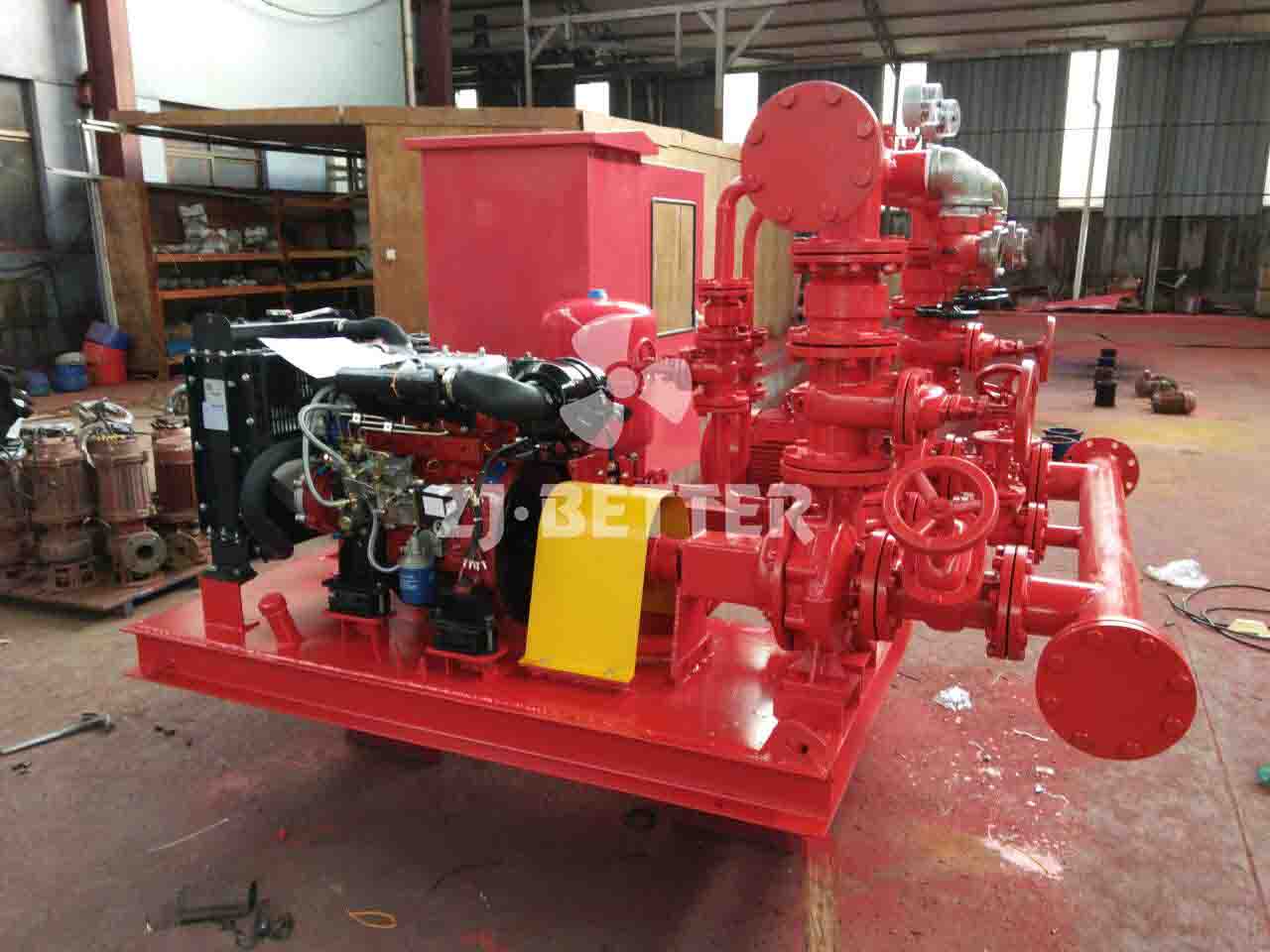
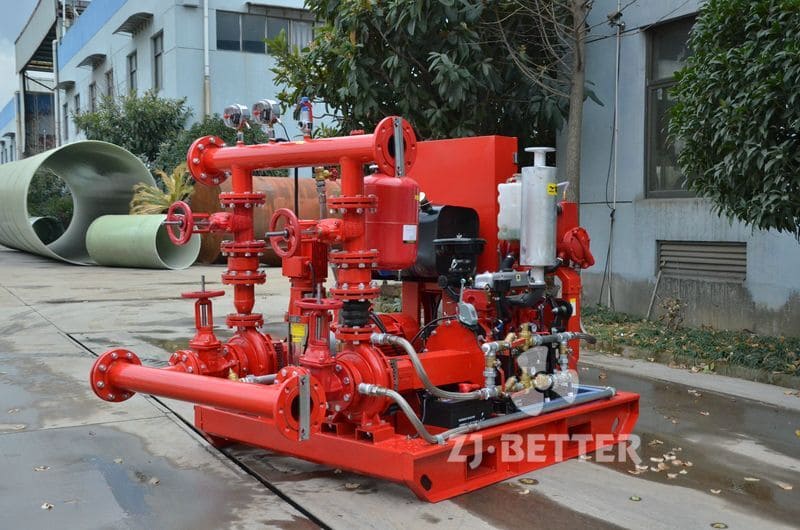
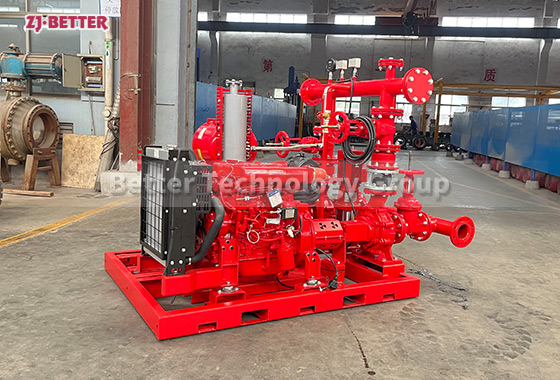
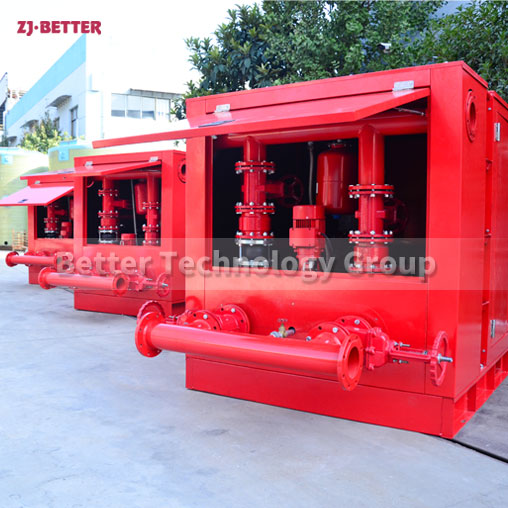
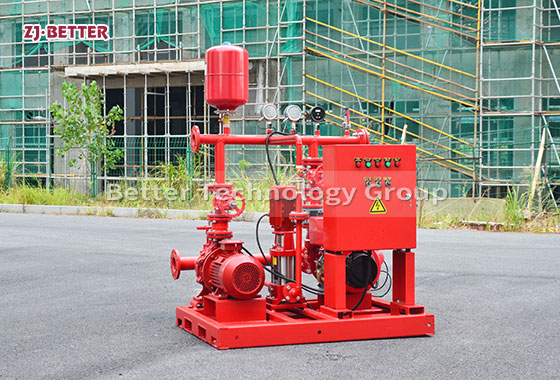
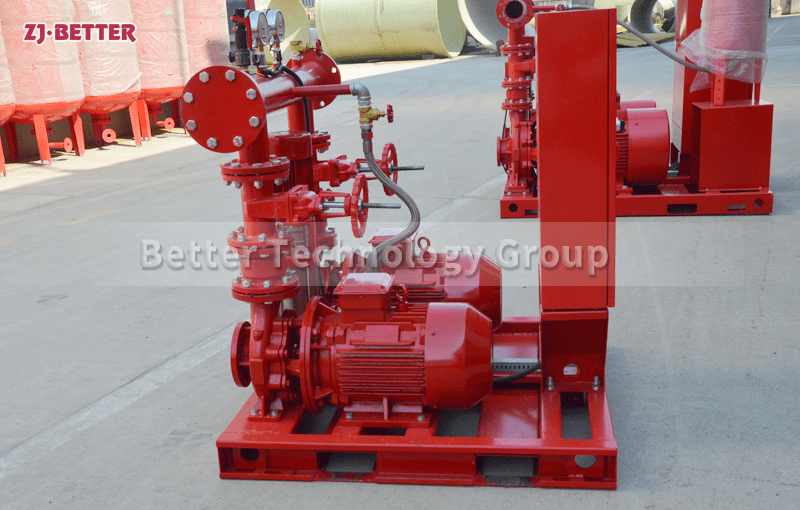
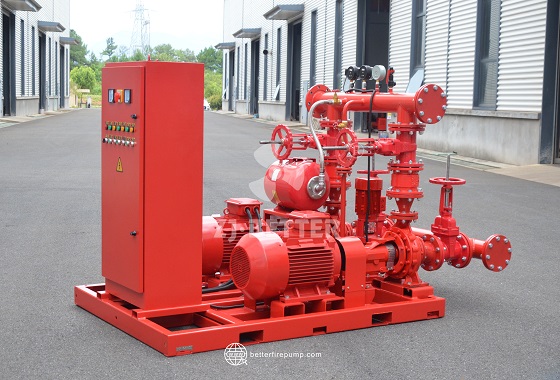
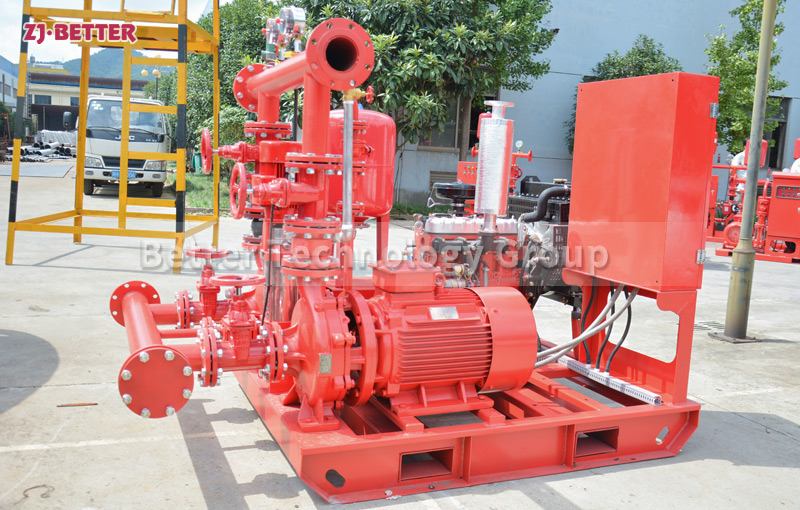
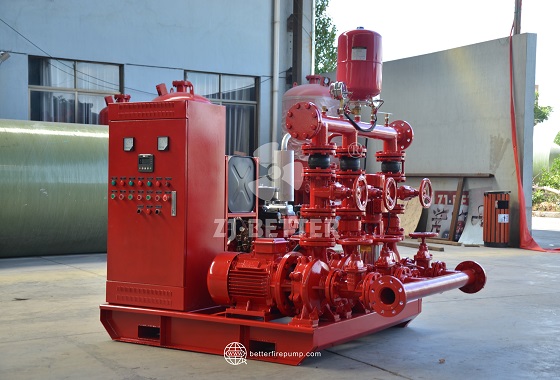
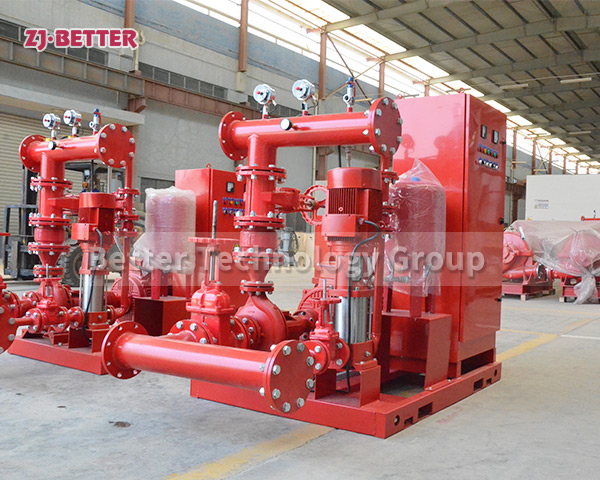
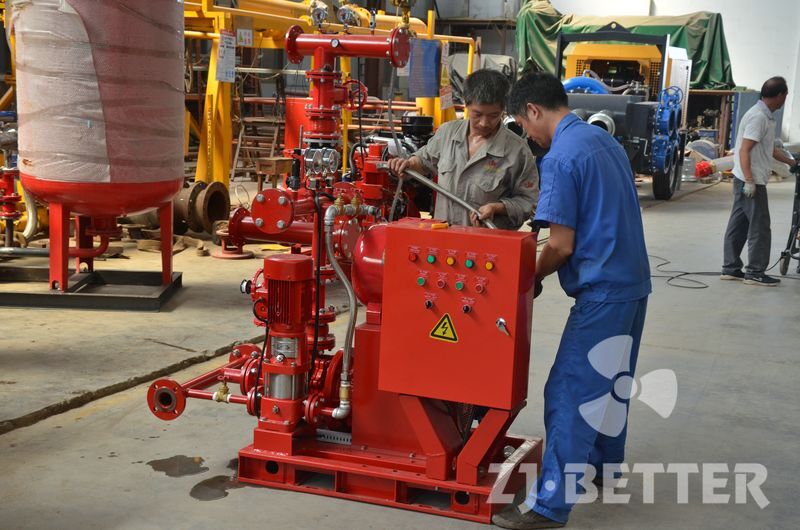
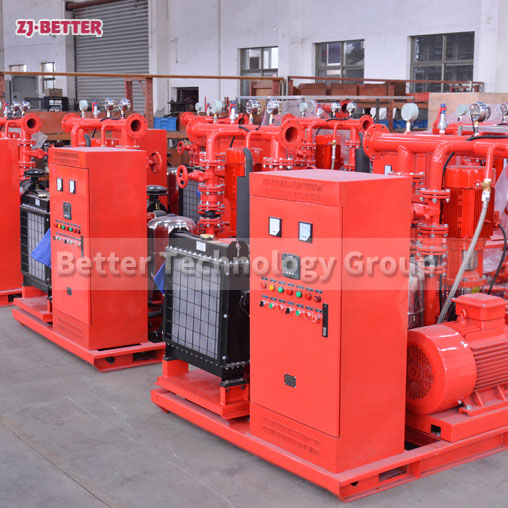
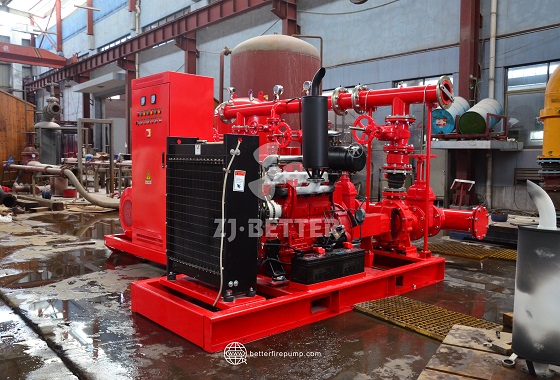
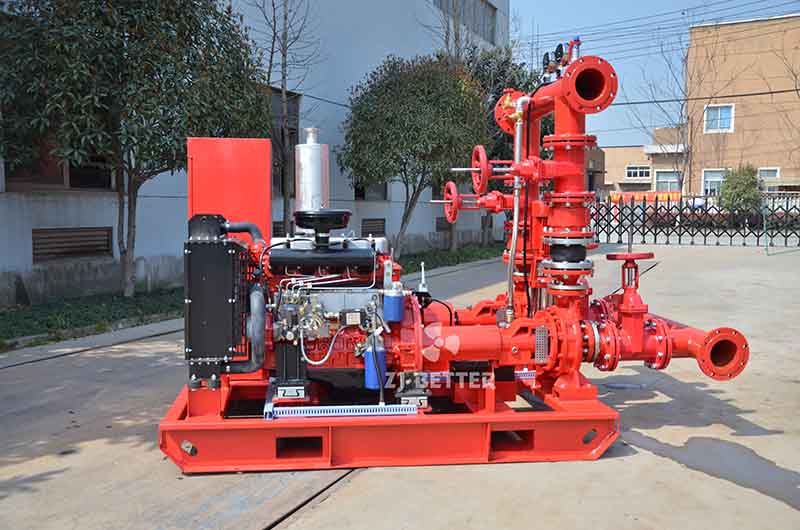
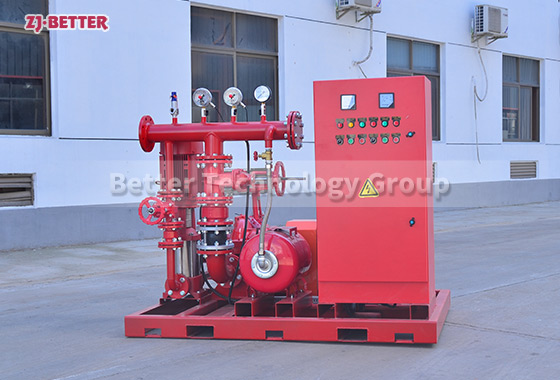
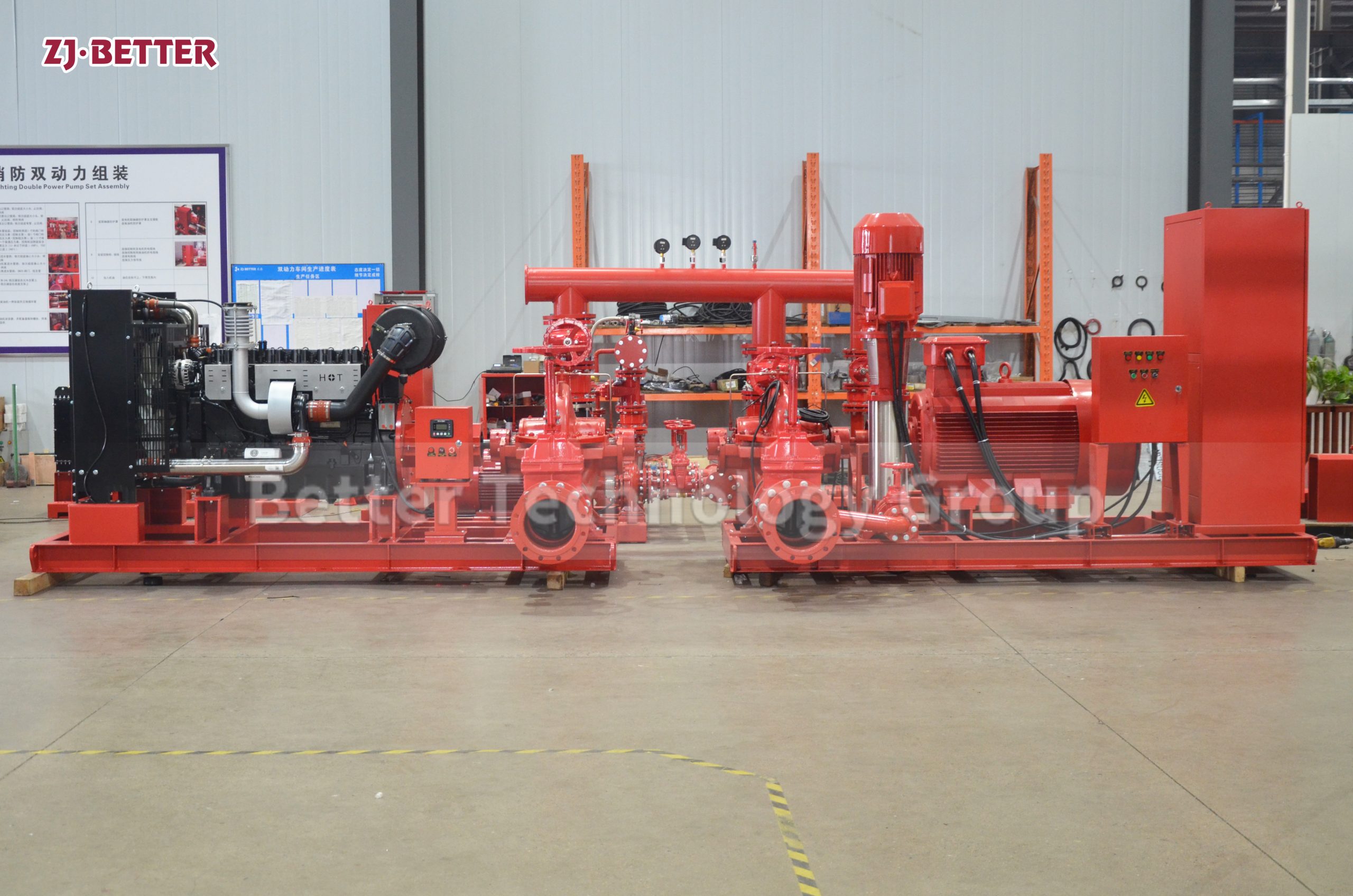
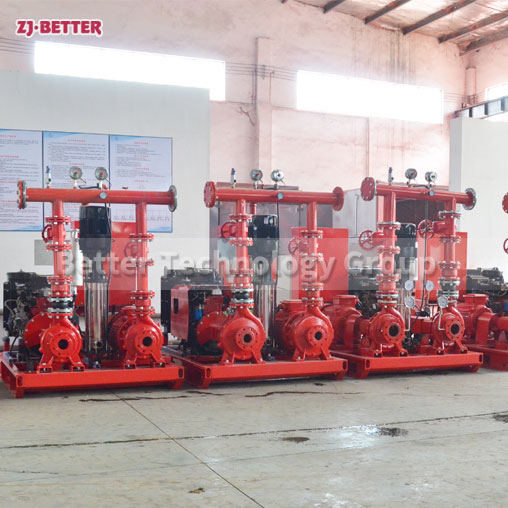
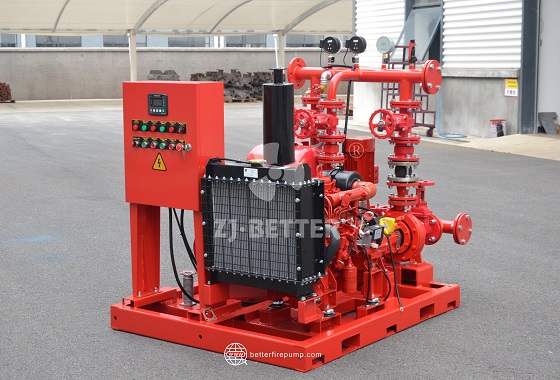
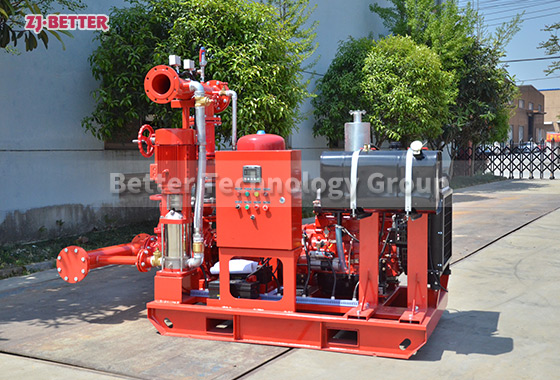
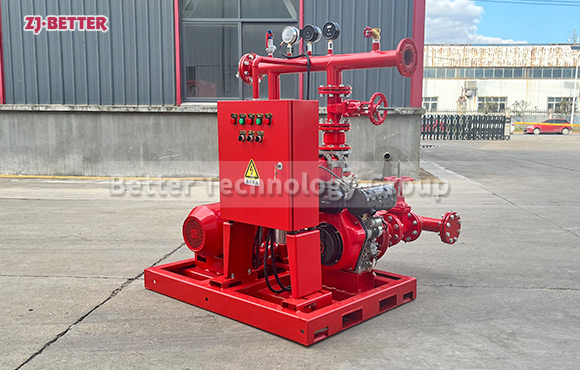
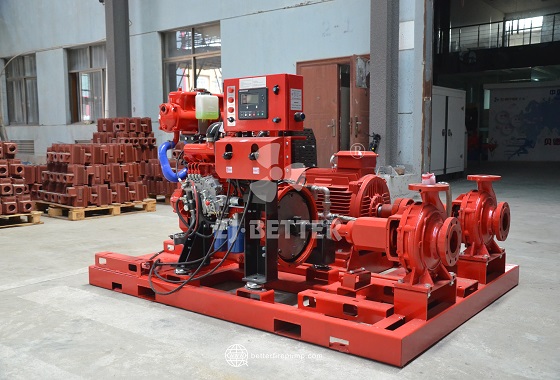
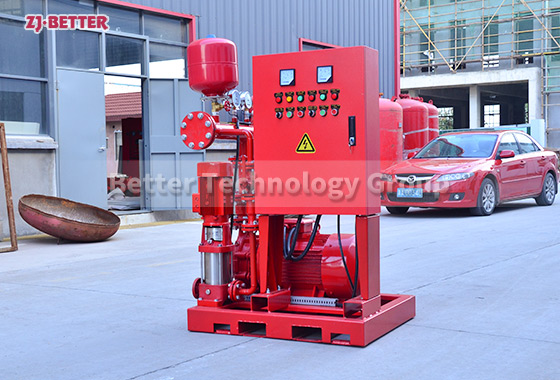
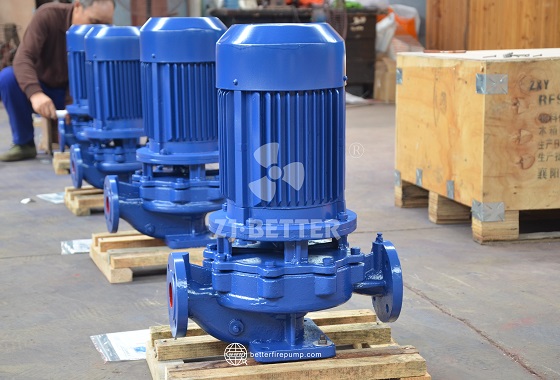
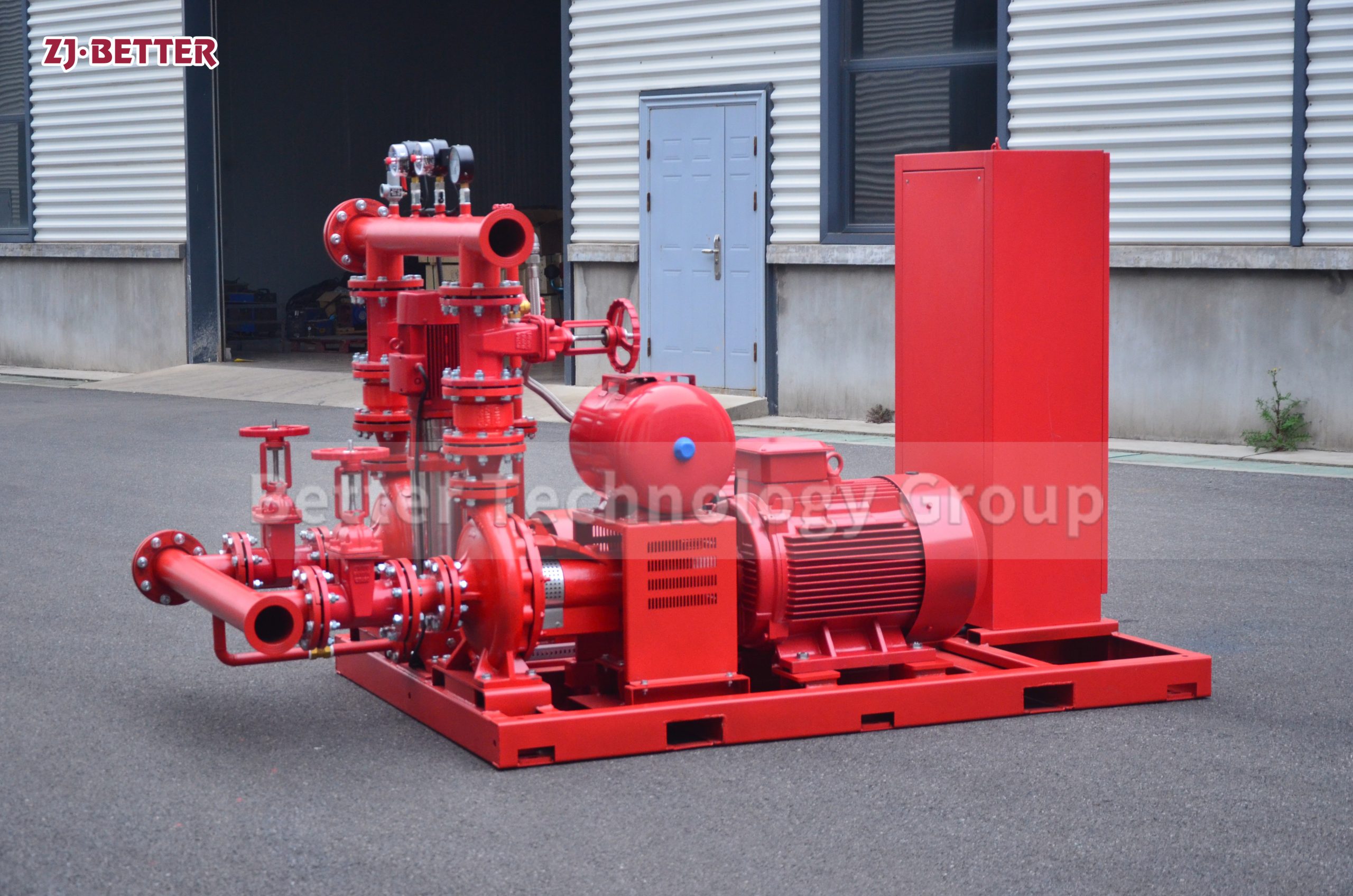
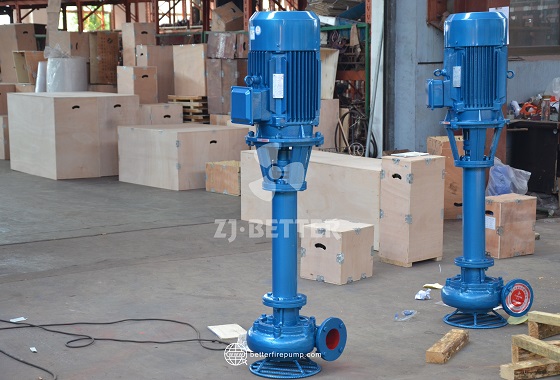
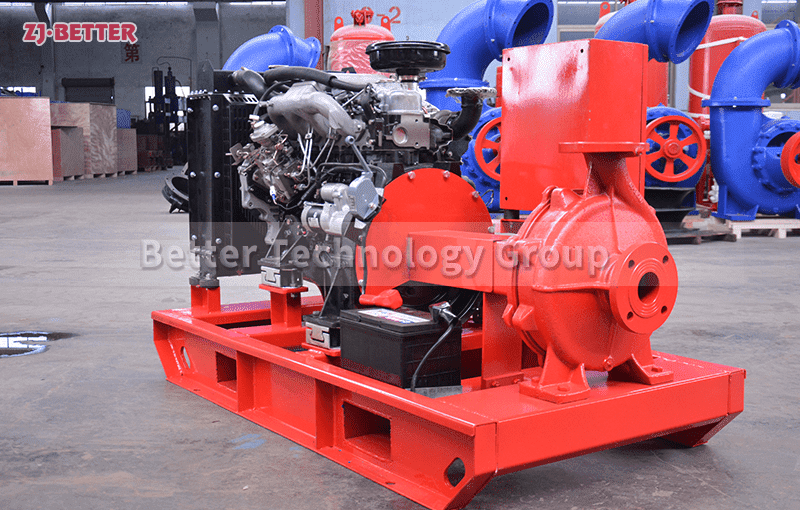
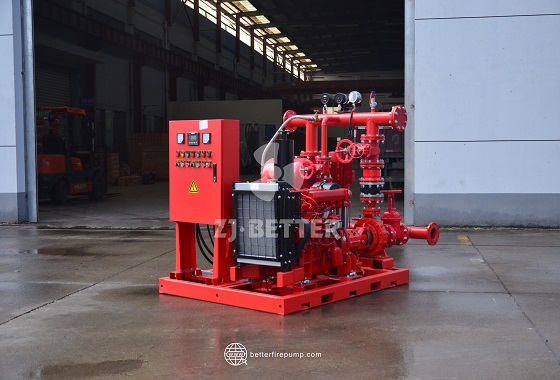
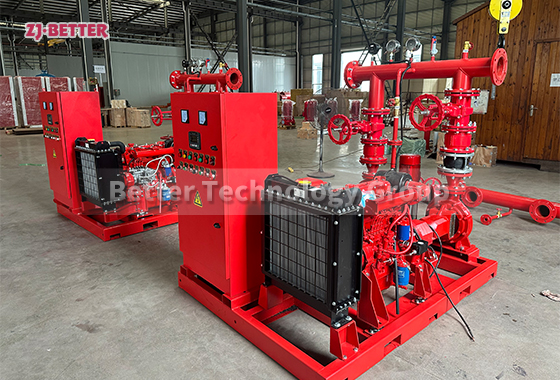
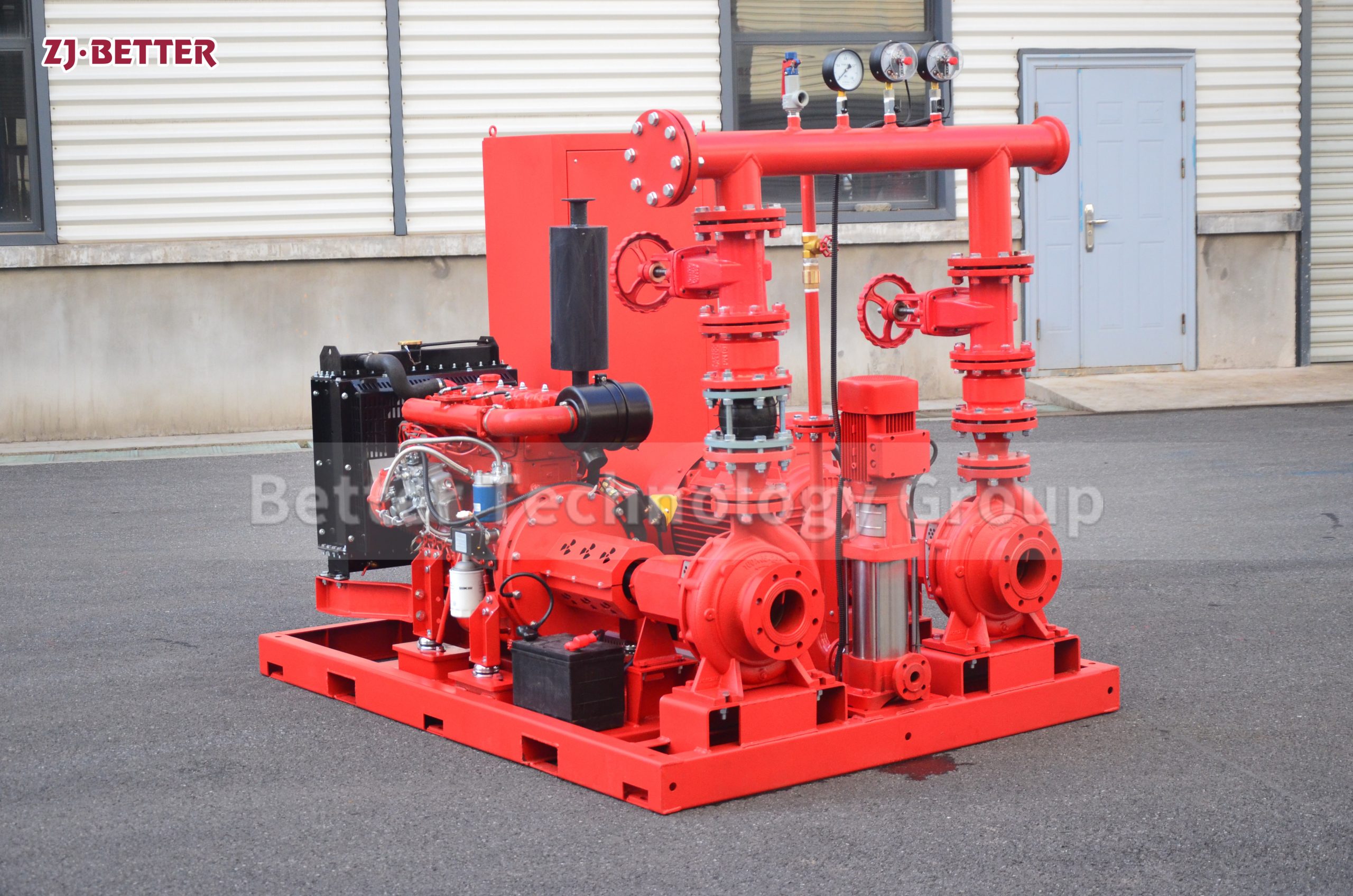
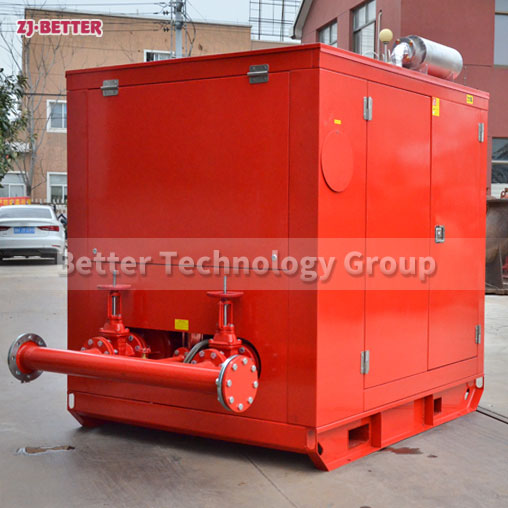
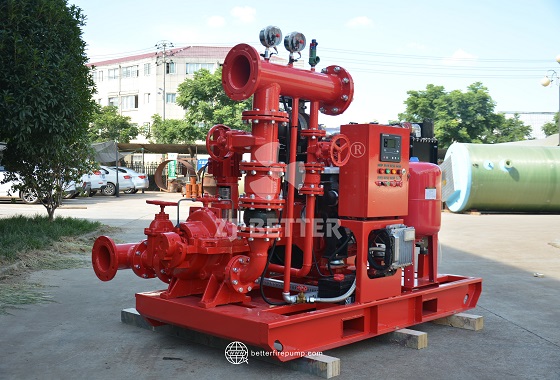
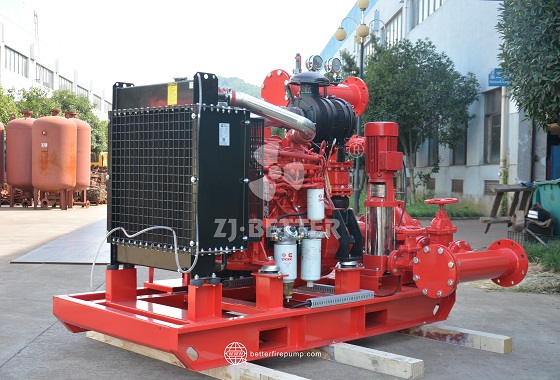
Intelligent control fire pump systems, as an indispensable core equipment in modern fire protection engineering, have become the preferred fire water supply solution for large building complexes, commercial complexes, industrial parks, warehousing and logistics centers, and municipal engineering projects due to their advantages such as stable pressure, continuous water supply, automated operation, and high reliability. In the field of fire water supply, stable water pressure, reliable starting mechanisms, and continuous flow delivery capacity directly affect fire extinguishing efficiency and the safety of life and property. Intelligent control fire pump systems are designed to solve these critical issues. Through powerful core pump sets, precise pressure monitoring systems, automated control programs, and efficient pipeline integration, they provide rapid response, intelligent adjustment, and uninterrupted water supply for fire protection in various buildings. One of the biggest advantages of intelligent control fire pump systems is their high-precision pressure sensing and automatic start-stop function. In traditional fire pump systems, pump starting often relies on manual operation or relatively simple mechanical control, which can cause response delays or the risk of false starts. However, intelligent control systems monitor changes in pipeline pressure in real time. As long as the pressure is lower than the set value, the equipment can automatically start the main pump or pressure-stabilizing pump to ensure that the system water pressure remains within a safe range. Once the pipeline network regains stable pressure, the system intelligently shuts down, achieving automated adjustment and avoiding energy waste. The entire process requires no manual intervention, making fire water supply more reliable and efficient, particularly suitable for large facilities with complex fire pipeline network pressure fluctuations. The pressure-stabilizing pump in the system is also a key component. It maintains constant pipeline pressure through continuous operation at low flow rates, ensuring the fire protection system is always ready to be activated. When the pipeline network requires minor pressure replenishment, the pressure-stabilizing pump can independently adjust the pressure, avoiding frequent start-stop cycles of the main pump, reducing equipment wear and extending the main pump’s lifespan. In emergencies, the system automatically switches to main pump operation, providing high-flow, high-lift fire-fighting water, achieving a seamless transition from small-scale pressure compensation to large-scale water supply. This collaborative operation of the main pump and pressure-stabilizing pump significantly improves the stability and reliability of the entire fire protection system. The intelligent control fire pump system also excels in power performance. The system is typically equipped with high-efficiency electric fire pumps or diesel-powered fire pumps, configured according to the needs of different building scenarios. Electric pumps offer advantages such as low noise, low maintenance costs, and rapid start-up, while diesel pumps are suitable for locations experiencing power outages or unstable power supplies, enabling continuous operation in complete power-free environments. To ensure timely startup in emergencies, diesel-powered systems are typically equipped with independent battery packs, automatic heating devices, and emergency start procedures, ensuring rapid response capabilities even in low temperatures, outdoor conditions, or harsh environments. Regardless of the power source, the system undergoes rigorous head testing, flow calibration, and pressure verification to ensure stable and powerful water supply performance in actual firefighting operations. The integrated piping system is another highlight of intelligent control fire pump systems. The equipment typically includes multiple components such as suction pipes, drainage pipes, check valves, gate valves, pressure gauges, pressure sensors, and pressure tanks. These devices are systematically arranged to ensure smoother water flow, less pressure loss, and higher overall efficiency. The pressure tank plays a crucial role in the system, providing instantaneous pressure replenishment by storing pressure, preventing frequent start-ups and shutdowns due to slight pressure fluctuations, thereby extending pump life and maintaining the fire protection system in a stable standby state. To ensure rapid water priming even in environments with significant suction depth, the system typically employs an optimized pump body structure and enhanced mechanical seals, resulting in shorter priming times and stronger suction lift, meeting the water supply needs of special scenarios such as underground water tanks or long-distance water sources. The powerful functions of the intelligent control system demonstrate significant advantages in reliability, safety, and ease of operation. The system control cabinet is equipped with a display screen, intelligent monitoring module, automatic alarm system, fault diagnosis system, and other functional components. Operators can view real-time information such as pump status, pressure data, current load, and running time through a touch interface, achieving visualized management. The system can be set to different operating modes according to different scenarios, such as automatic mode, manual mode, linkage mode, and remote monitoring mode, greatly improving operational flexibility. In automatic mode, the equipment can automatically complete tasks such as pressure monitoring, start/stop determination, main/standby switching, and alarm prompts; in manual mode, professionals can directly control the pump start/stop according to on-site needs; in linkage mode, it connects with the building’s automatic fire alarm system, automatically starting the fire pump upon detection of a fire alarm signal, achieving integrated response of the fire protection system. To enhance safety, the intelligent control fire pump system is equipped with multiple protection mechanisms, such as overload protection, low-pressure protection, over-temperature protection, water shortage protection, and pipeline leakage alarms. These ensure that the pumps automatically shut down or issue alarm signals in abnormal situations, preventing equipment damage and even secondary accidents. The intelligent control system also supports historical data recording, storing operation logs, alarm records, and fault records for easy analysis and judgment by maintenance personnel. The intelligent control fire pump system also boasts unique advantages in its versatility. Whether it’s high-rise buildings requiring stable high-lift water supply, large commercial centers needing reliable water supply systems for extended periods, or chemical plants and industrial pipe corridors requiring explosion-proof fire pump sets to support special operating conditions, this type of intelligent system can provide highly suitable solutions. In areas such as large warehousing and logistics centers, underground garages, equipment rooms, and urban integrated pipe corridors, stable fire water pressure is crucial for fire control, and the intelligent control fire pump system is the best choice for these high-risk areas. It provides reliable fire protection for critical areas through real-time pressure adjustment, uninterrupted water supply, and automatic linkage startup. As modern buildings continue to expand in scale, higher demands are placed on the reliability, intelligence, automation, and operational efficiency of fire-fighting equipment, highlighting the increasing value of intelligent control fire pump systems. Compared to traditional pump sets, intelligent control systems effectively reduce reliance on manual operation, significantly improve emergency start-up speed, and reduce the danger caused by human error. Simultaneously, through automated management and efficient collaborative working modes, fire water supply systems offer advantages such as greater stability, safety, and energy efficiency, making them an irreplaceable and crucial piece of equipment in modern fire protection engineering. In the future, intelligent fire protection technology will continue to develop towards the Internet of Things, big data monitoring, and remote management. Intelligent control fire pump systems will further integrate into the smart fire protection system, achieving advanced functions such as cross-regional monitoring, remote start/stop, and operational data analysis, providing more efficient, intelligent, and reliable technical support for fire management. In summary, intelligent control fire pump systems, with their precise pressure control, rapid-response automatic start/stop mechanism, high-performance pump power, comprehensive safety protection system, and wide applicability, play a key role in modern fire protection engineering. They possess irreplaceable advantages in stabilizing water pressure, ensuring continuous water supply, and guaranteeing fire-fighting efficiency, making them core equipment for building a high-standard fire safety system and an important component of future smart fire protection development.