Diesel Fire Pump Unit with Efficient Cooling System for Continuous Operation
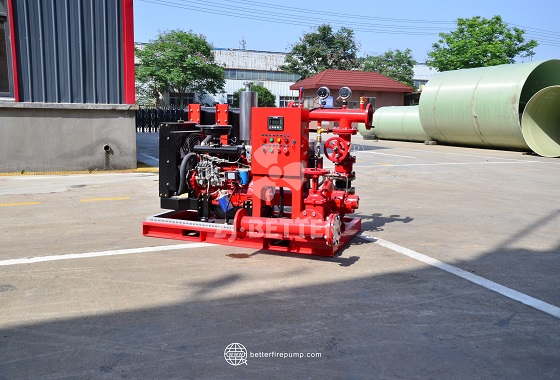
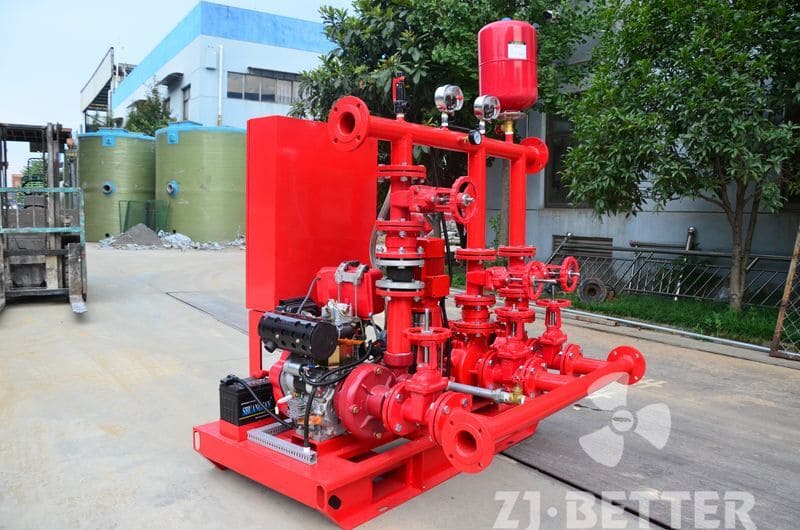
Diesel fire pump units with high-efficiency cooling systems have independent power, large flow rate, high head and continuous operation capability, and are suitable for fire water supply in industrial, petrochemical and remote areas, providing a stable and reliable high-performance fire protection solution.
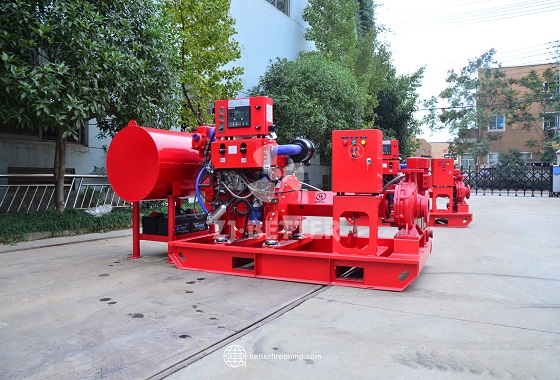
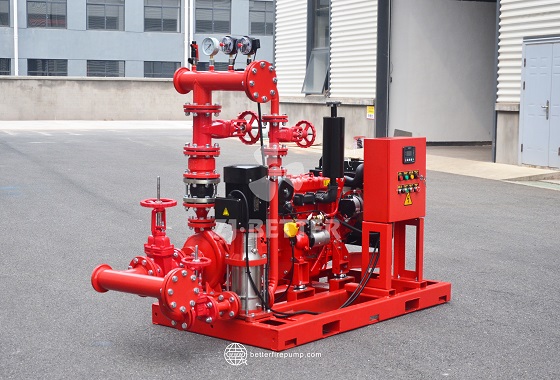
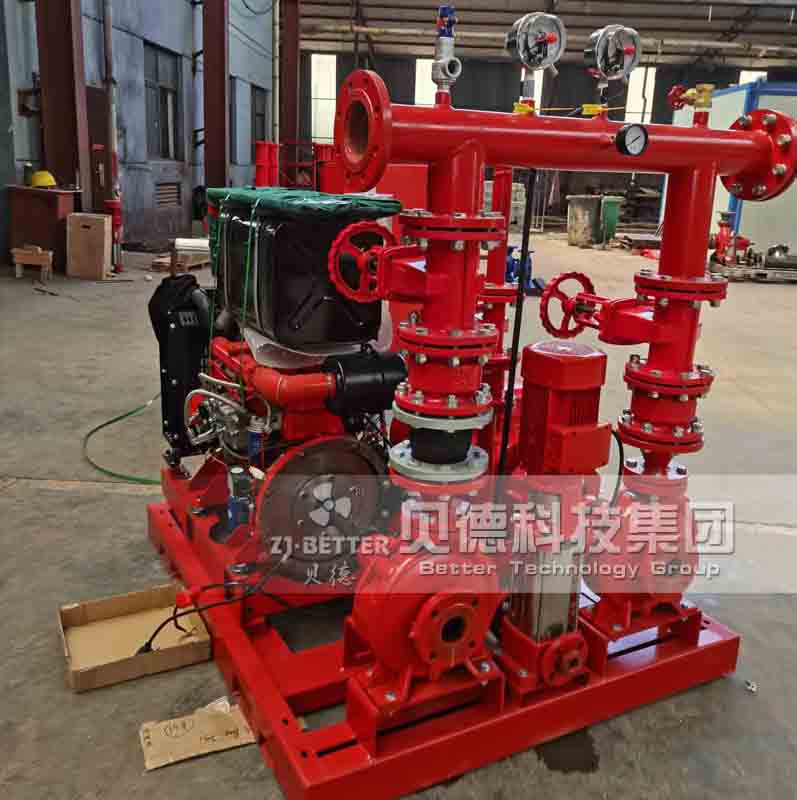
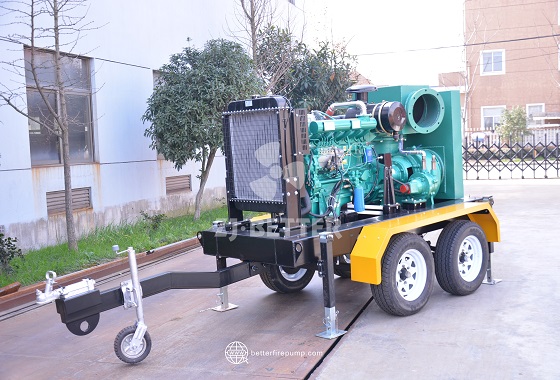
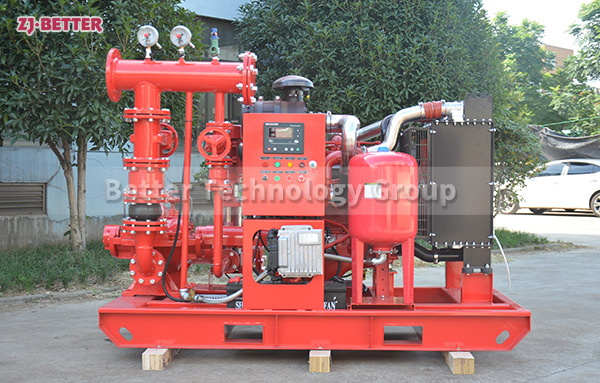
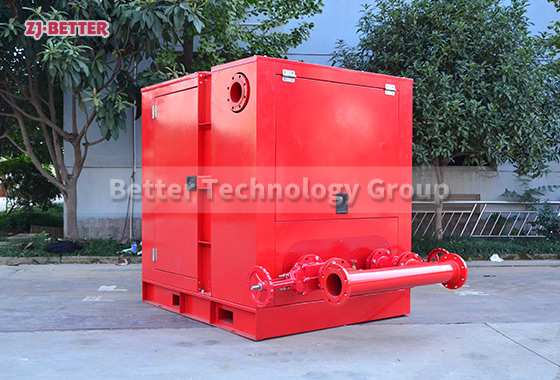
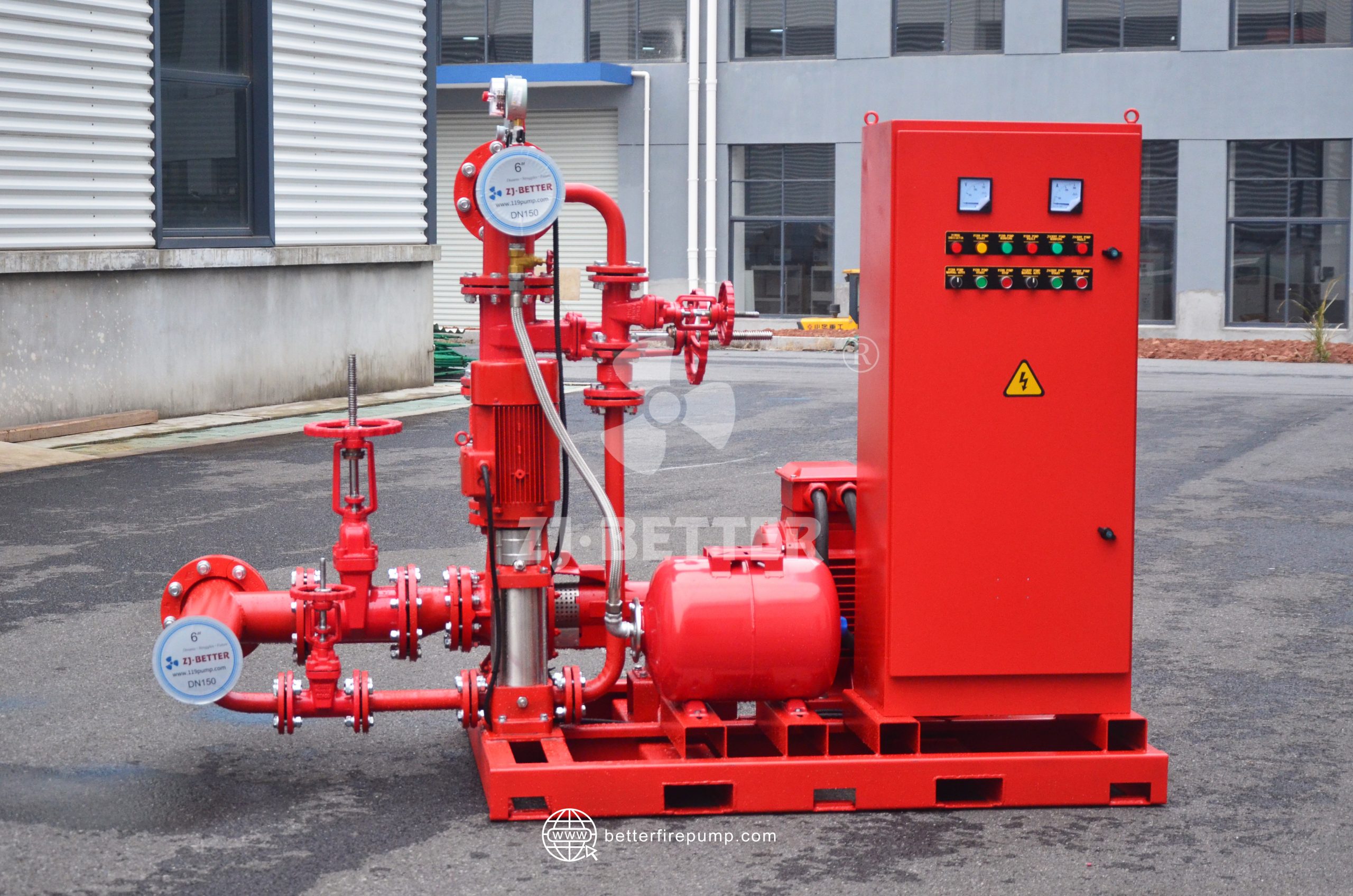
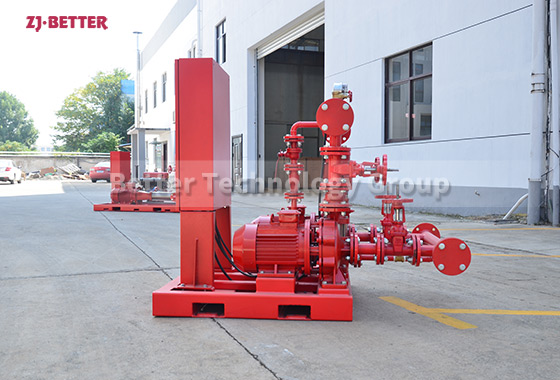
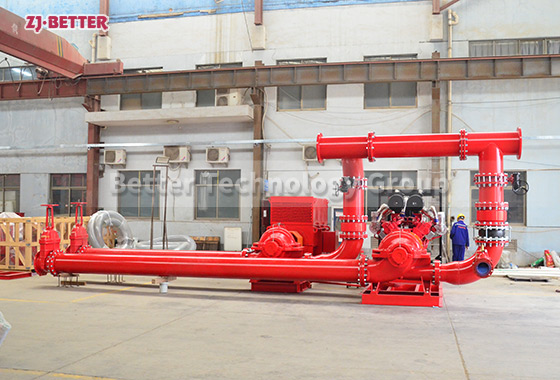
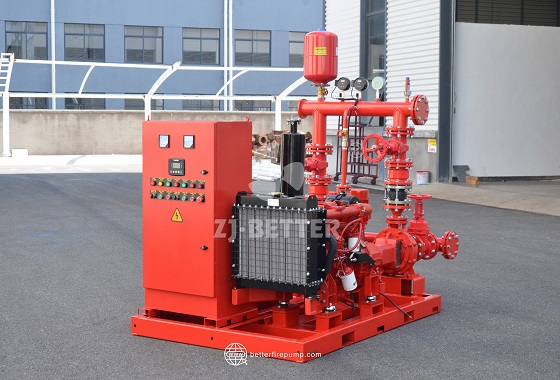
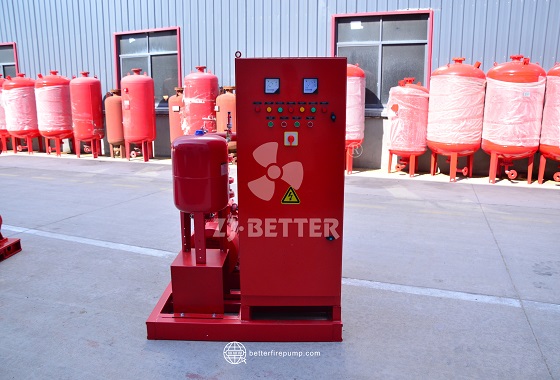
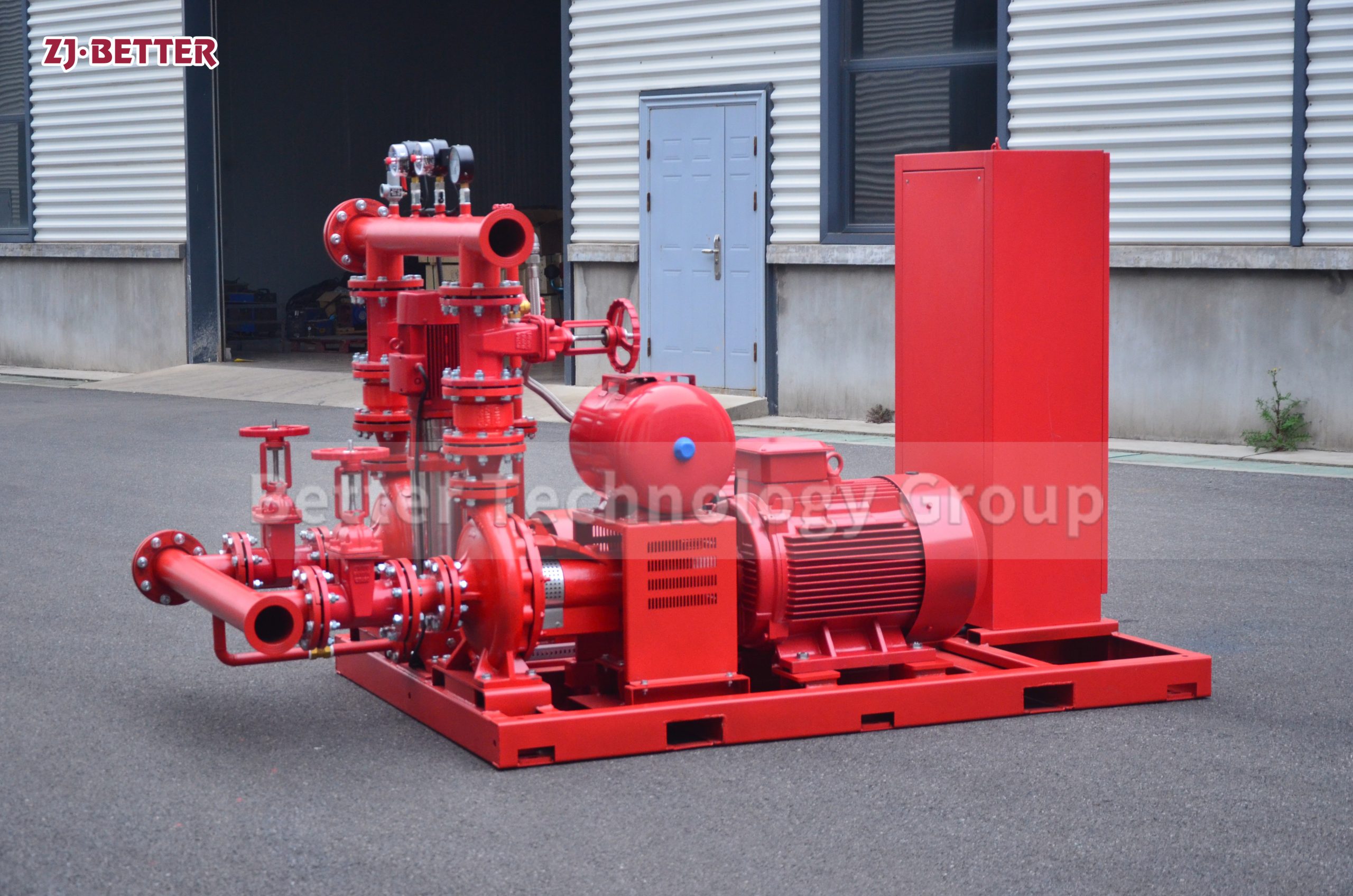
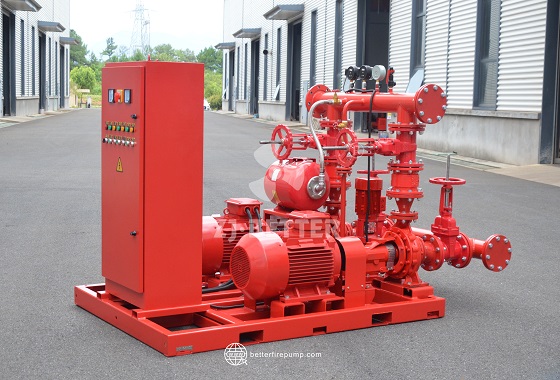
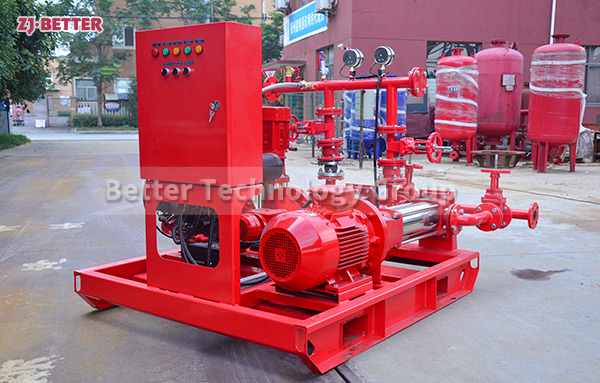
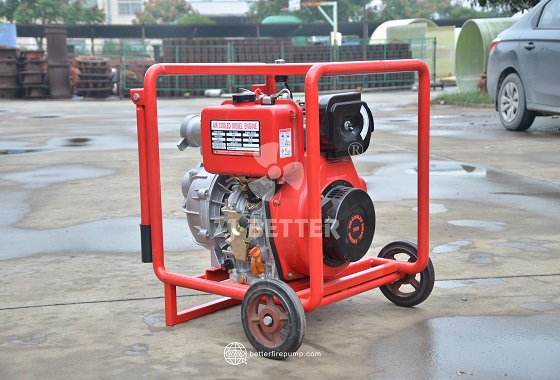
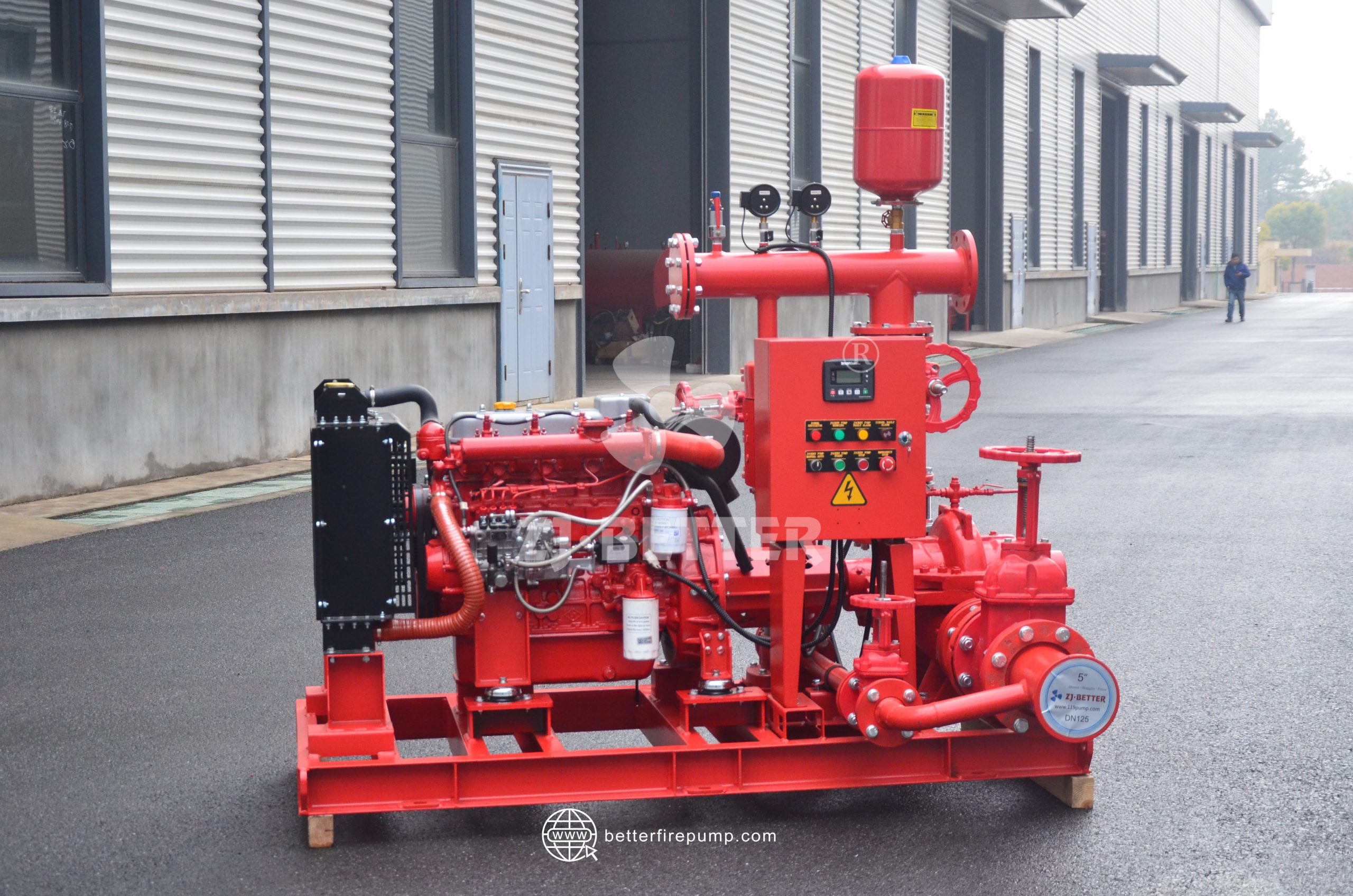
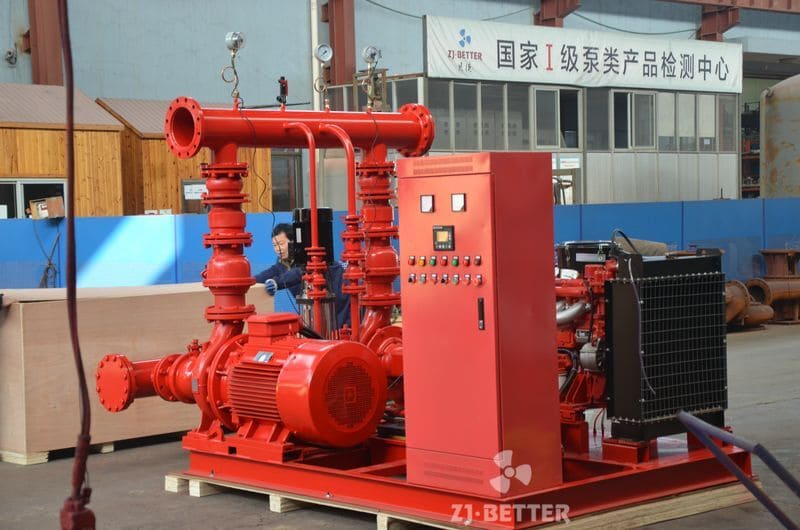
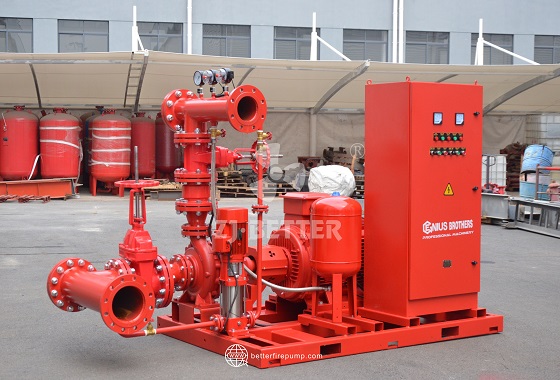
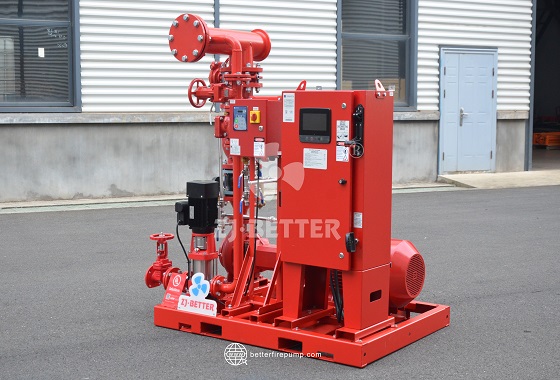
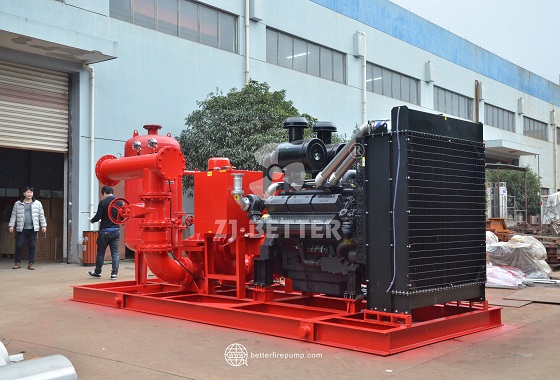
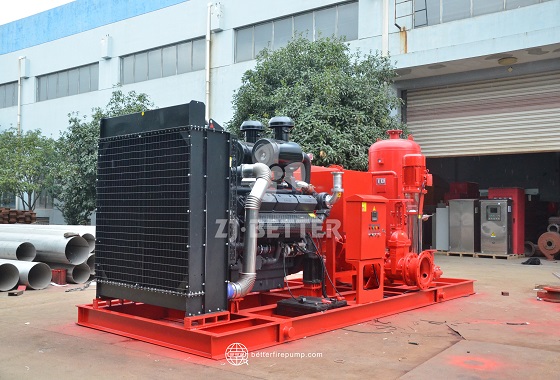
In modern fire protection engineering systems, fire water supply equipment not only needs to start quickly and provide sufficient flow and pressure in emergencies, but also must have the ability to operate continuously and stably for a long time. Especially in industrial parks, petrochemical facilities, large warehousing and logistics centers, and remote area projects, once a fire occurs, it is often necessary to supply water continuously for several hours or even longer. Therefore, the heat dissipation performance and power system stability of the equipment have become key factors affecting the reliability of the overall fire protection system. Diesel fire pump units with high-efficiency heat dissipation systems have been widely used in this context. By optimizing and integrating the diesel engine drive system with high-performance heat dissipation components, the equipment can maintain stable output even under high load conditions, thereby significantly improving the continuous operation capability and emergency protection level of the fire protection system. These fire pump units typically employ a skid-mounted design, integrating the diesel engine, water pump, radiator, control system, and auxiliary devices onto a steel base. This not only facilitates transportation and installation but also effectively reduces on-site construction time, enabling rapid deployment. It offers significant advantages in emergency firefighting needs or temporary projects. The diesel engine, as the core power source, is capable of independent operation, not relying on external power. It can continue to function normally even during power outages or when power supply is unstable, providing reliable protection for the fire protection system. The efficient cooling system, through a large-capacity radiator, forced air cooling structure, and optimized cooling circulation design, maintains a suitable engine temperature during prolonged operation, preventing performance degradation or equipment shutdown due to overheating, thus ensuring uninterrupted fire water supply. Compared to traditional fire pumps, this type of equipment features comprehensive optimization in heat dissipation performance. The radiator typically employs a high-density heat exchange structure design, increasing the heat dissipation area and improving heat exchange efficiency. Simultaneously, a high-power fan creates forced airflow, accelerating heat dissipation and enabling the system to maintain stable operation even in high-temperature environments or under continuous high-load conditions. This is particularly important for equipment operation in hot regions or confined spaces, effectively preventing equipment failure due to excessively high ambient temperatures and further enhancing system reliability. In terms of performance, diesel fire pump units with efficient cooling systems possess large flow and high head output capabilities. Pump types and parameters can be flexibly configured according to different project requirements, meeting various operating conditions from low-pressure, high-flow to high-pressure, long-distance water supply. The pump section typically uses a high-efficiency centrifugal pump structure. Optimized impeller and flow channel designs reduce hydraulic losses and improve energy conversion efficiency, ensuring water supply capacity while reducing fuel consumption, achieving a balance between high efficiency and energy saving. The equipment also supports multiple starting methods, including automatic start, remote control, and manual operation, allowing for rapid response in the event of a fire and ensuring immediate operational readiness. To further enhance the system’s intelligence, these fire pump units are typically equipped with advanced control systems that can monitor key parameters such as engine operating status, pump pressure, temperature, and speed in real time. Multiple protection mechanisms ensure safe operation, including high-temperature alarms, low oil pressure protection, overspeed protection, and automatic shutdown in case of malfunction. When the system detects an abnormality, it can promptly issue an alarm and take corresponding measures to prevent equipment damage or escalation of the accident. Furthermore, by linking with the fire alarm system, it can automatically activate upon the occurrence of a fire, significantly shortening response time and improving firefighting efficiency. In practical applications, diesel fire pump units with high-efficiency cooling systems exhibit strong environmental adaptability. Their structural design fully considers outdoor usage requirements and can be configured with rainproof, dustproof, and corrosion-resistant measures according to project conditions, enabling stable operation in high-temperature, humid, dusty, and corrosive environments. They are particularly suitable for complex environments such as petrochemical plants, mines, power facilities, and ports. Simultaneously, their skid-mounted structure provides excellent seismic resistance, effectively reducing the impact of vibration on the equipment during transportation and operation, extending its service life. In terms of maintenance and upkeep, this type of equipment also has significant advantages. Its modular design allows for a rational layout of functional components, facilitating daily inspection and maintenance. Key component replacement is simple and quick, reducing downtime and improving equipment utilization. Meanwhile, the diesel engine system is mature and stable, with relatively controllable maintenance costs, making it suitable for long-term use. For fire protection systems requiring long-term standby and uninterrupted availability, this combination of high reliability and low maintenance costs is of great significance. Furthermore, the equipment supports parallel operation of multiple units. Through proper configuration, flow and pressure can be flexibly adjusted to maintain optimal operating conditions under different circumstances. In daily operation, single-unit or low-load operation can be used to reduce energy consumption, while in fire or emergency situations, it can quickly switch to multi-unit collaborative operation to provide maximum water supply capacity, further enhancing the overall system performance. As the fire protection industry continues to demand higher safety and reliability, diesel fire pump units with high-efficiency cooling systems are gradually becoming an important choice for fire protection systems in various large-scale projects due to their advantages such as independent power, high-efficiency heat dissipation, stable performance, and intelligent control. They can not only meet the continuous water supply needs in complex environments, but also reduce operational risks through optimized design, providing a solid guarantee for fire protection systems. In the future, with continuous technological advancements, this type of equipment will be further improved in terms of energy saving, intelligence, and environmental adaptability, providing more efficient and reliable fire protection solutions for various industries, thereby playing a more important role in protecting personnel safety and corporate asset security.