Home » Fire Pump Set » Common Control Methods of ED Fire Pump Sets

Common Control Methods of ED Fire Pump Sets

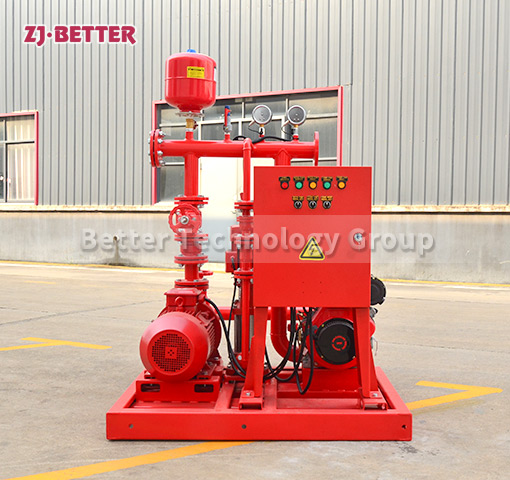
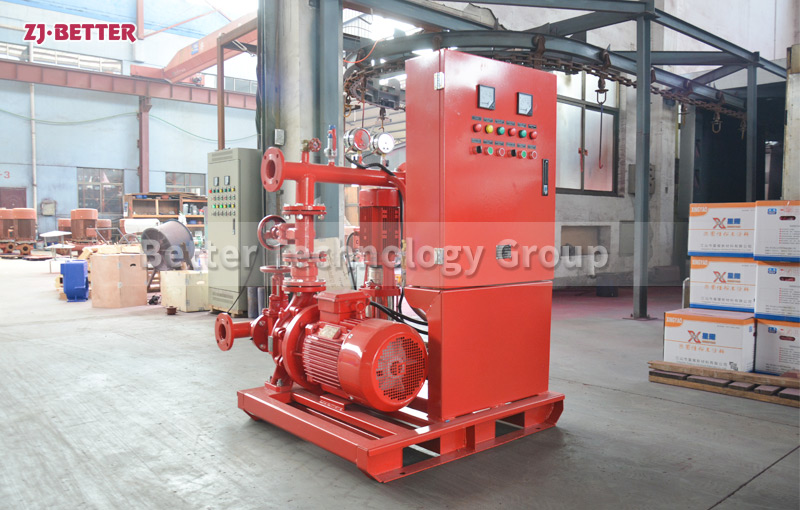
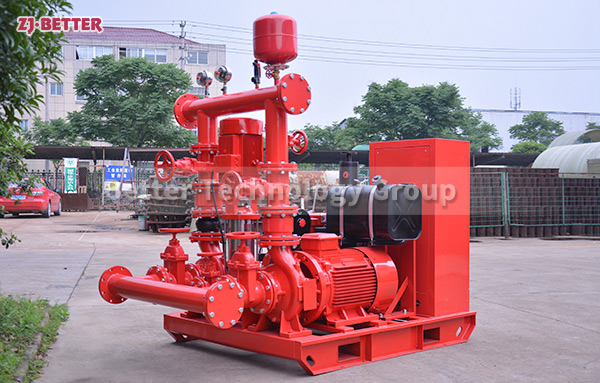
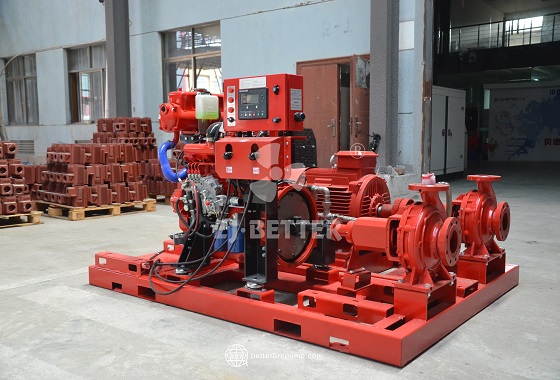
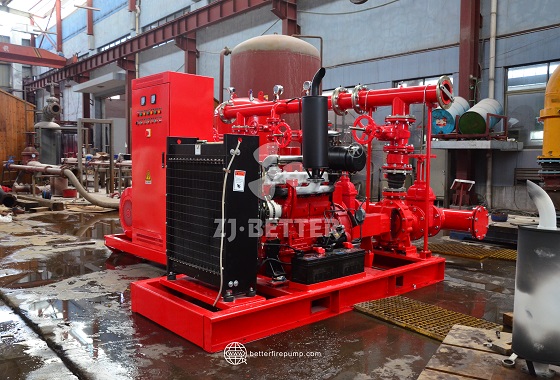
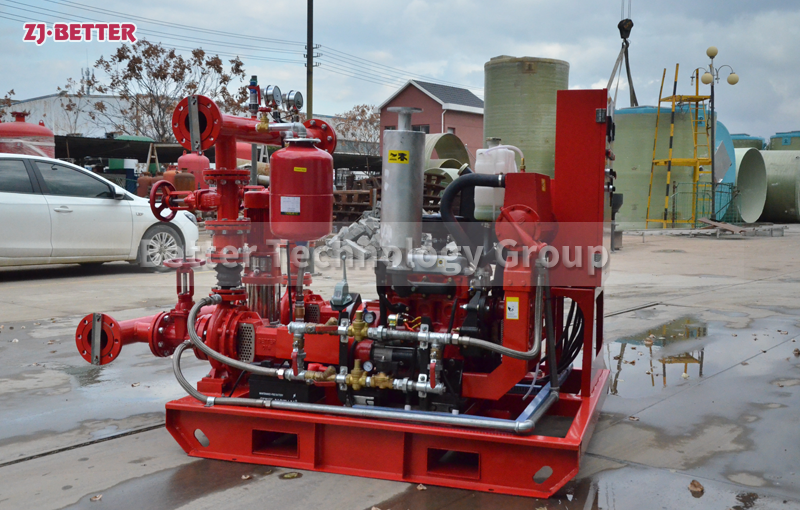
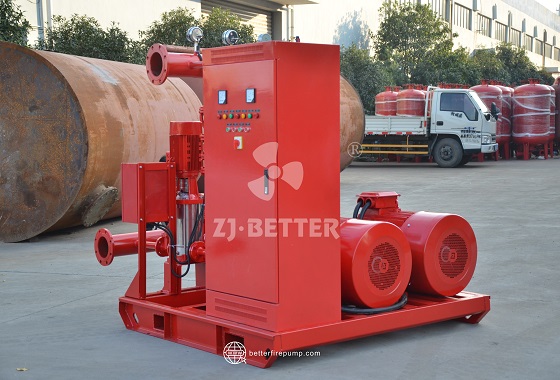
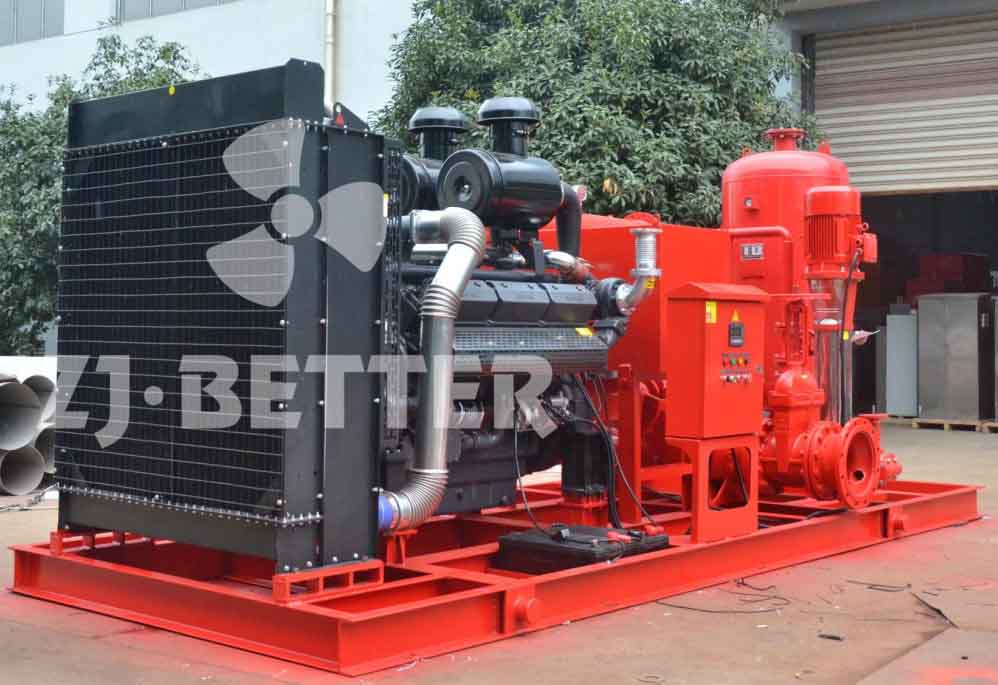
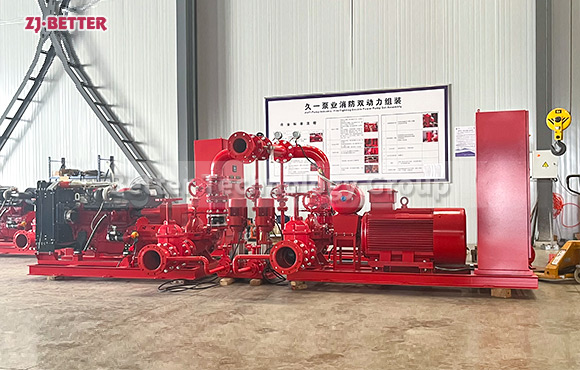
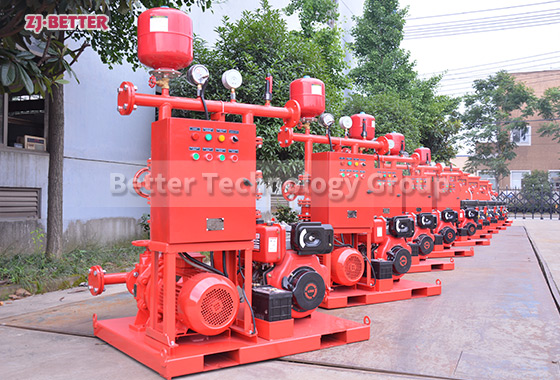
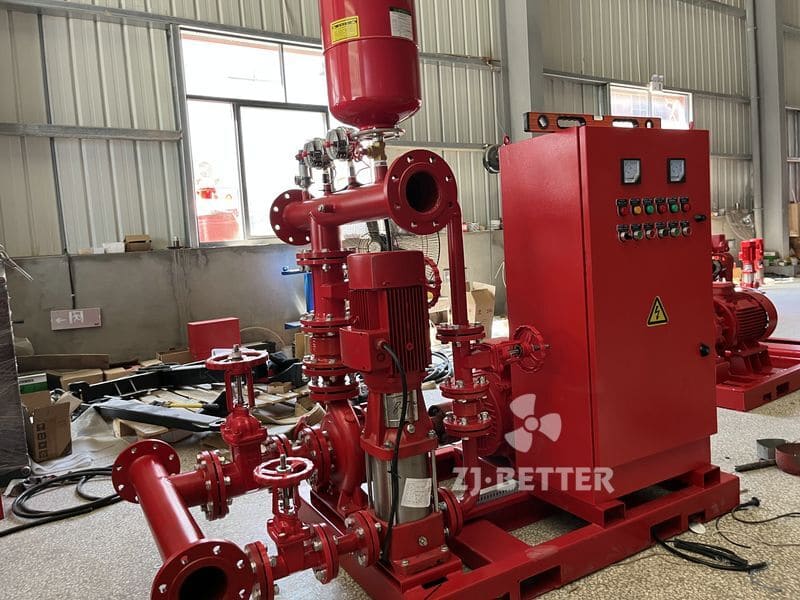
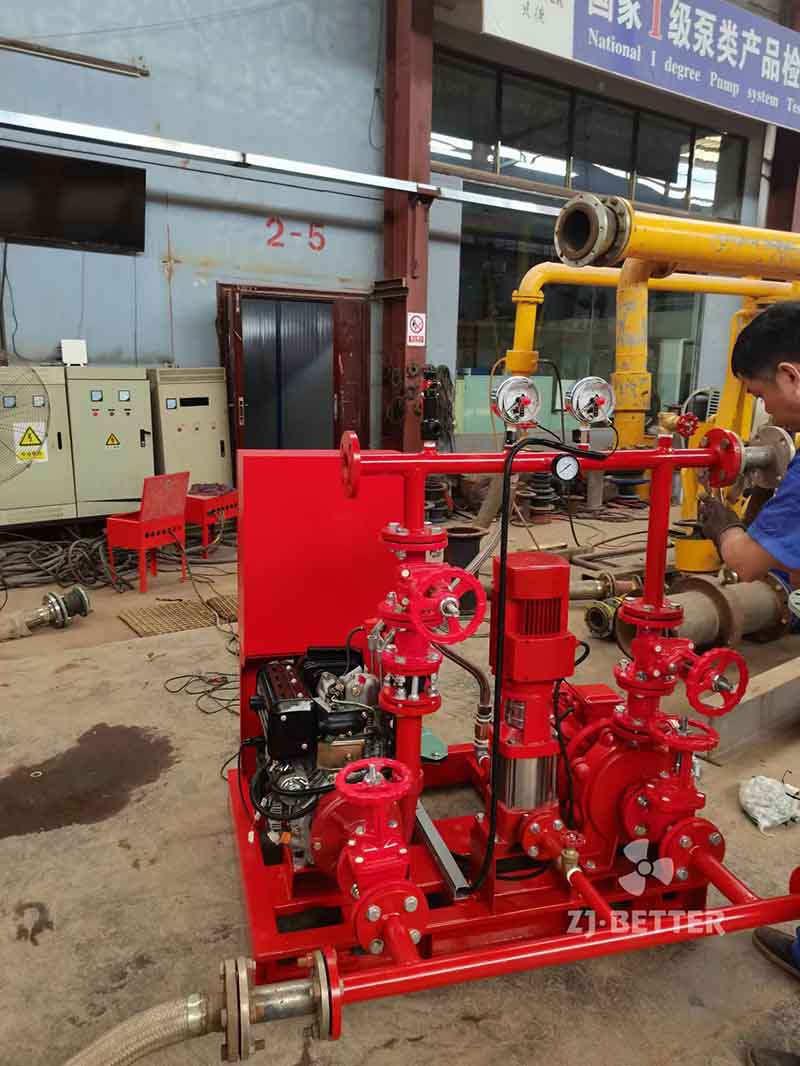
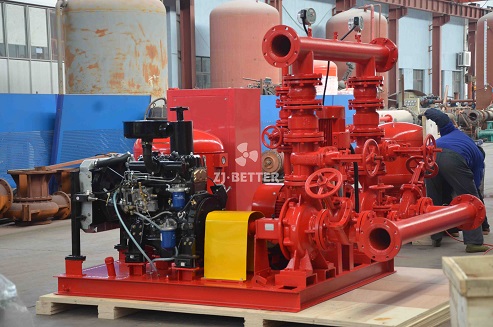
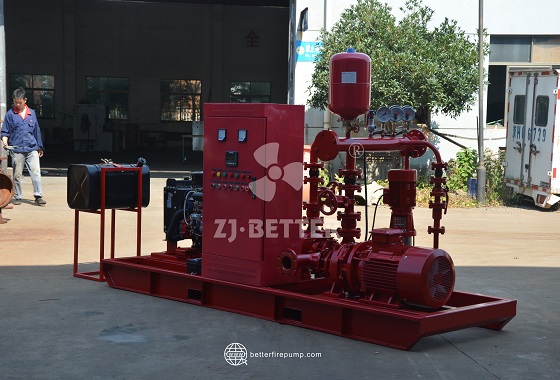
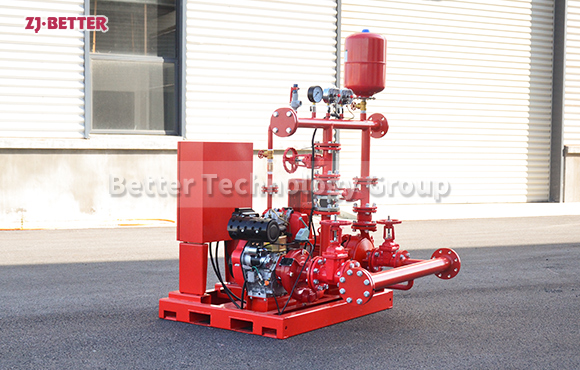
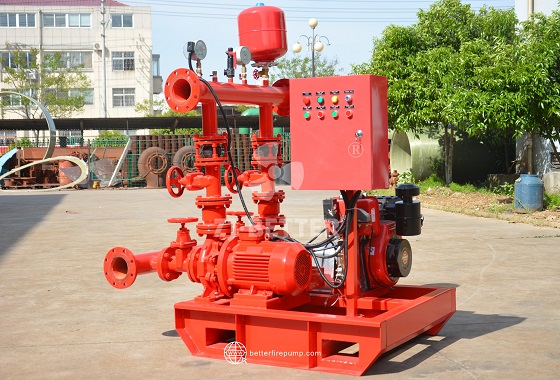
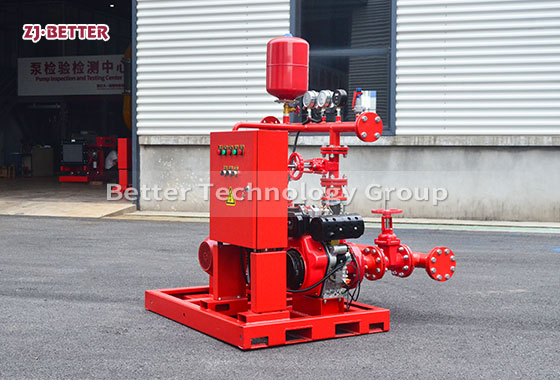
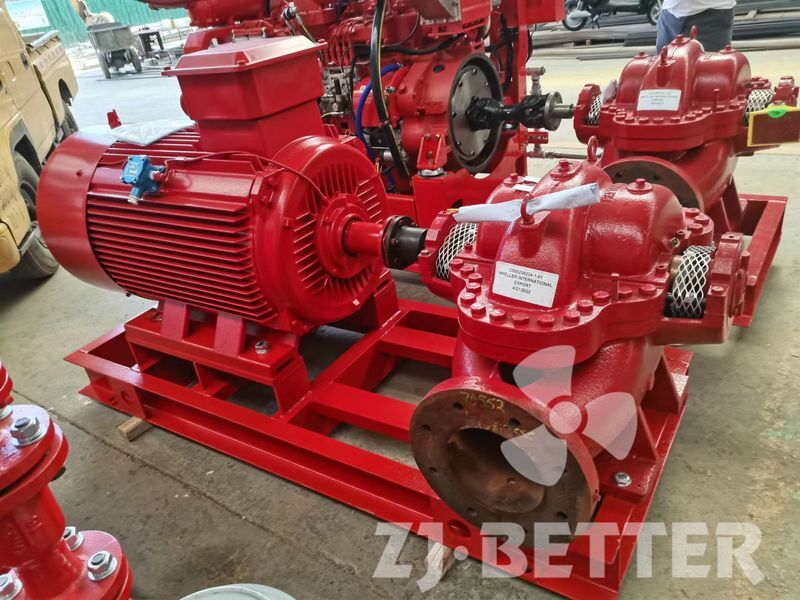
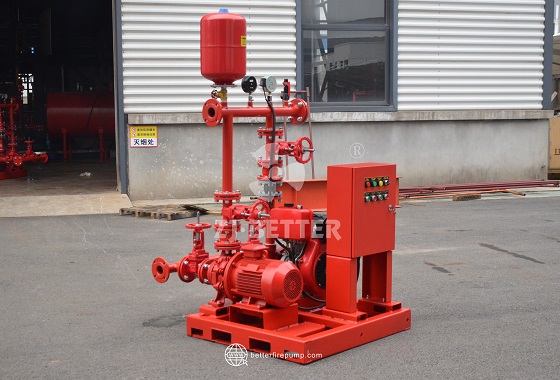
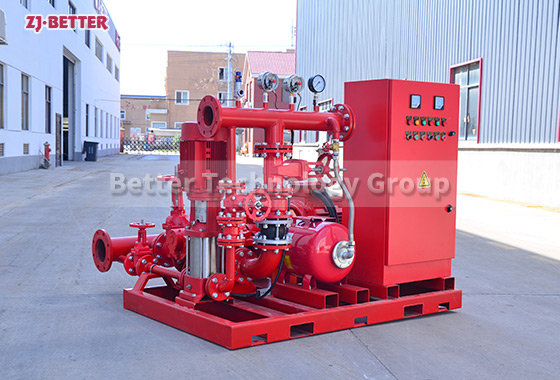
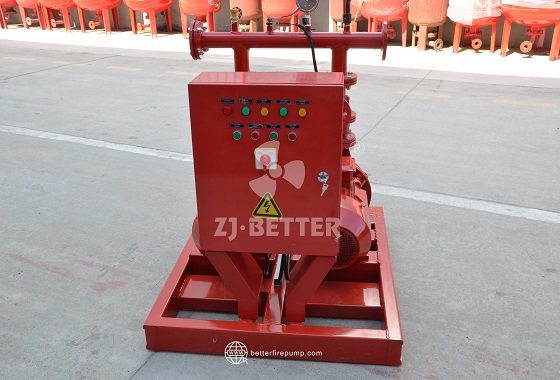
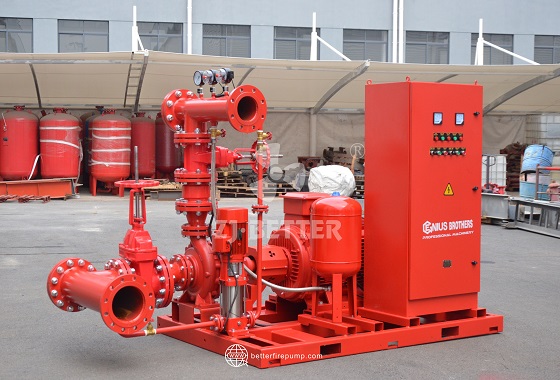
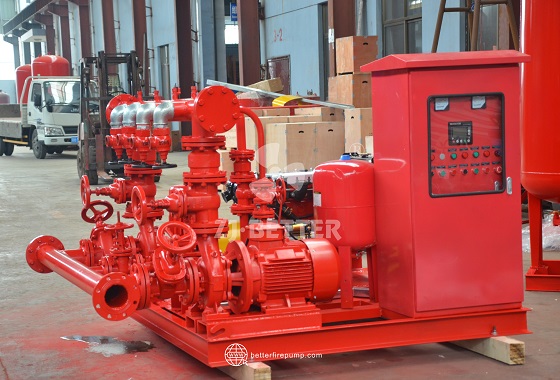
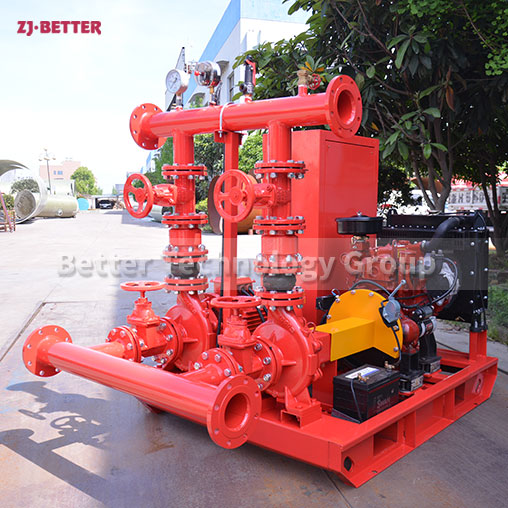
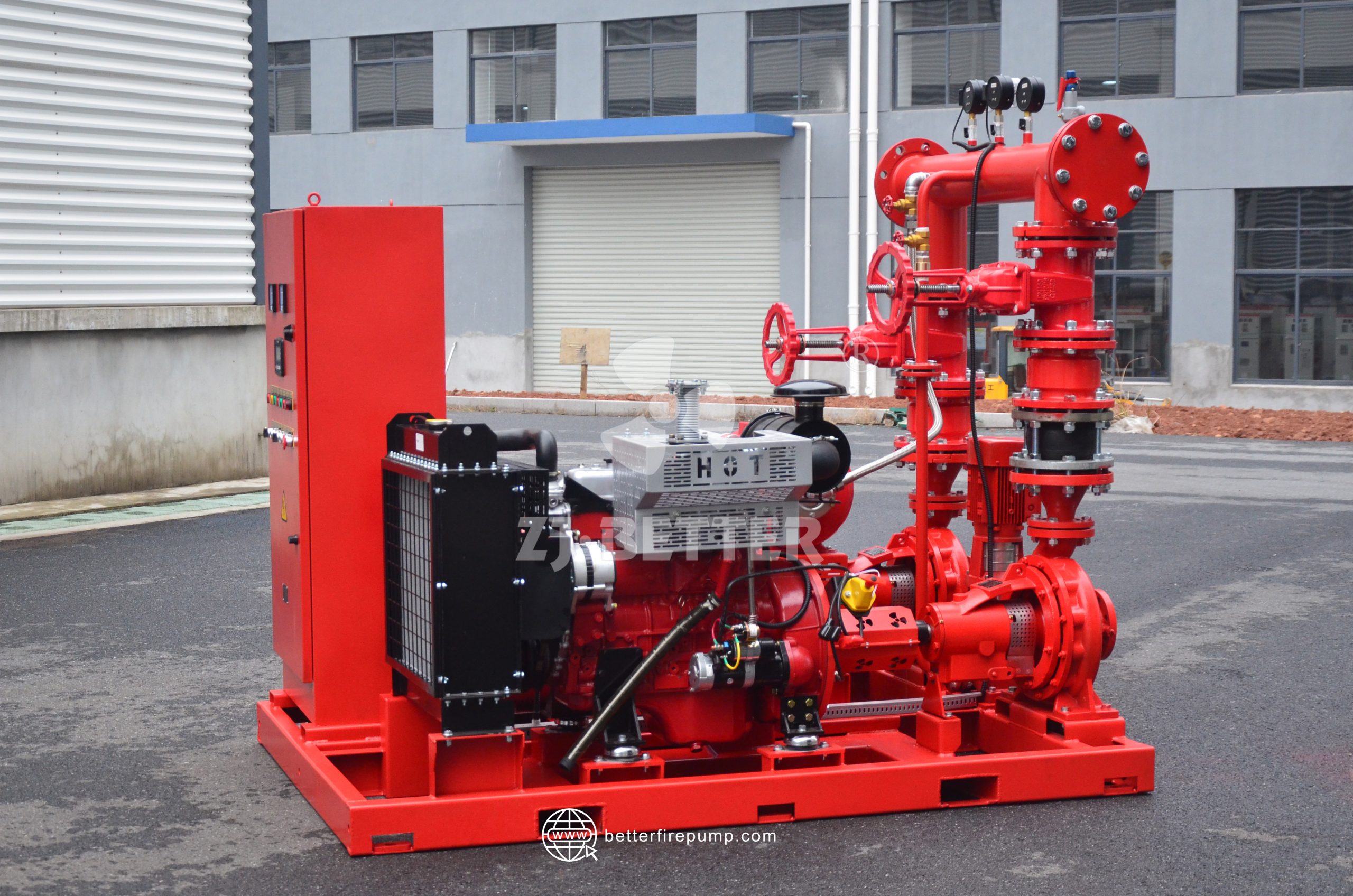
Diesel engine fire pump is a common necessary facility. Only when the fire signal comes, and the electric water pump fails or the power supply is cut off, the diesel engine fire pump will automatically start. The diesel engine fire pump is installed together with the electrical instrument, with complete functions, compact structure, automatic fault alarm, accepting the starting signal, and can automatically complete the starting procedure and run at full load quickly. When the diesel engine fire pump is insufficient in fuel, low battery voltage, and high lubricating oil temperature , enough to ensure that the diesel engine fire pump starts in a low temperature environment, the entire system of the diesel engine fire pump is safe, reliable, and easy to use.

Rated 4.8/5 based on 575 customer reviews
Share:
Content

Diesel engine fire pumps can be widely used in environmental protection, water treatment and fire protection departments to transport various liquids by using their own advantages. There are three common control methods for diesel fire pumps:

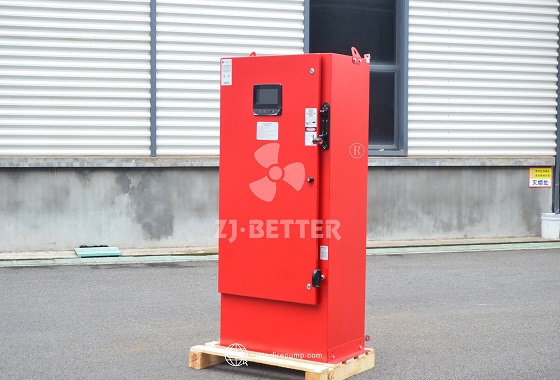
1. Manual control: Diesel fire pumps manually press and hold the control button, and the operation process is automatically completed by a preset program.
2. Automatic control: When the diesel engine fire pump is affected by fire and pipeline pressure or other automatic control signals, the preset program of the diesel engine fire pump will be automatically completed.
3. Remote control: The computer will perform remote monitoring, remote control, remote communication and remote adjustment in real time through the network.
Inquiry


    More Fire Pump Set

    Installing fire pumps requires careful planning and adherence to specific precautions to ensure proper functionality and compliance with safety standards. Here are some important precautions to consider during the installation process:

    Compliance with Codes and Standards: Familiarize yourself with local fire codes, regulations, and industry standards applicable to fire pump installations. Ensure that the installation meets the requirements of organizations such as the National Fire Protection Association (NFPA) and local authorities having jurisdiction (AHJs).

    Professional Installation: Fire pump installations should be carried out by qualified professionals experienced in fire protection systems. Engage licensed contractors or fire protection engineers who specialize in fire pump installations. They possess the necessary knowledge and expertise to ensure a correct and safe installation.

    Proper Location: Choose an appropriate location for the fire pump installation. Consider factors such as accessibility, proximity to water sources, electrical connections, and suitable drainage. The location should allow for easy maintenance and serviceability. Follow the manufacturer’s guidelines regarding clearance requirements and proximity to other equipment.

    By following these precautions, you can ensure a safe and effective installation of a fire pump system. Proper installation is critical for the system’s performance, compliance with regulations, and the overall safety of the facility and its occupants. Consult with fire protection professionals and refer to relevant codes and standards throughout the installation process.