Heavy-Duty Horizontal Diesel Fire Pump Units for Continuous Water Supply Applications
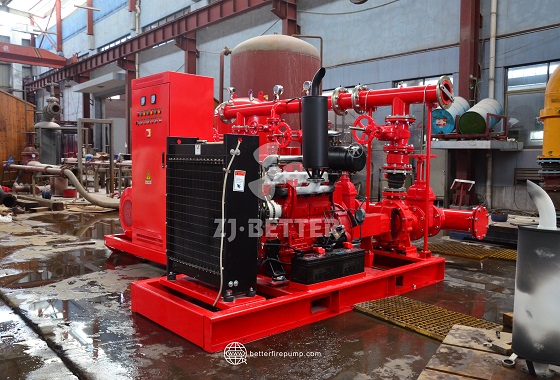
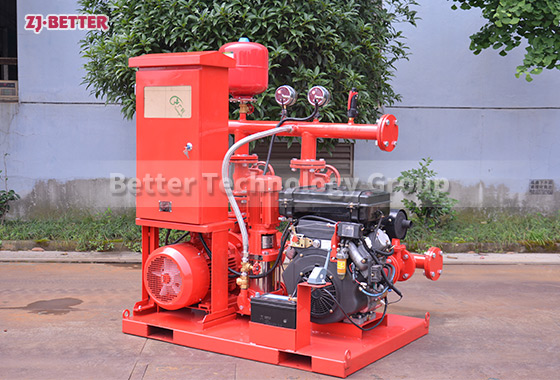
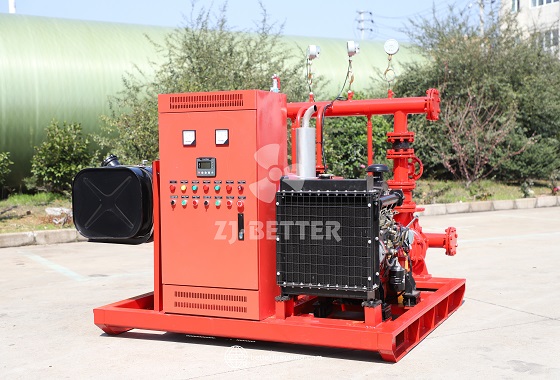
The heavy-duty horizontal diesel fire pump unit uses a diesel engine to drive a high-efficiency horizontal centrifugal fire pump. It integrates intelligent control system, automatic start, continuous water supply, large flow, high head, multiple safety protections and modular design. It is suitable for industrial parks, petrochemical plants, warehousing and logistics, airports, ports, power facilities, high-rise buildings and municipal fire protection projects, providing a stable and reliable emergency fire water supply solution for fixed fire protection systems.
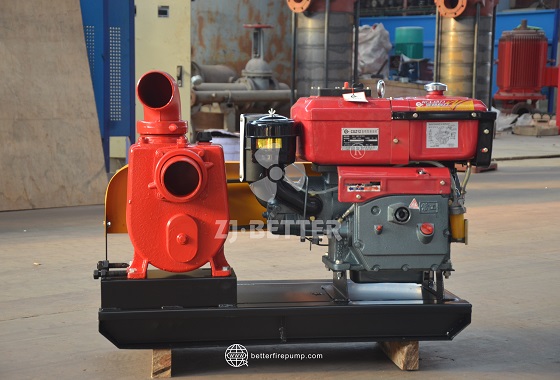
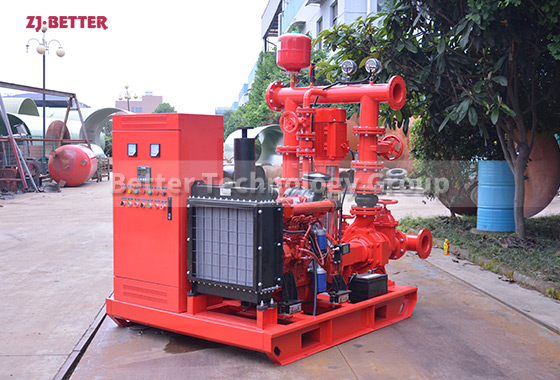
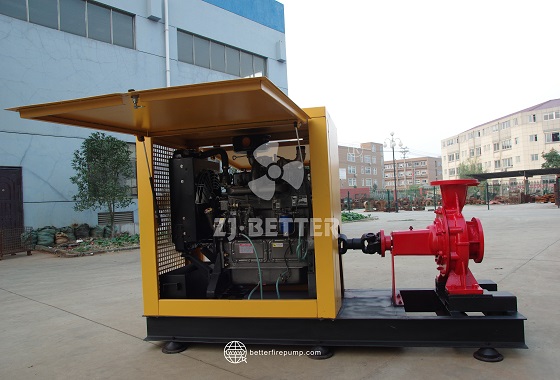
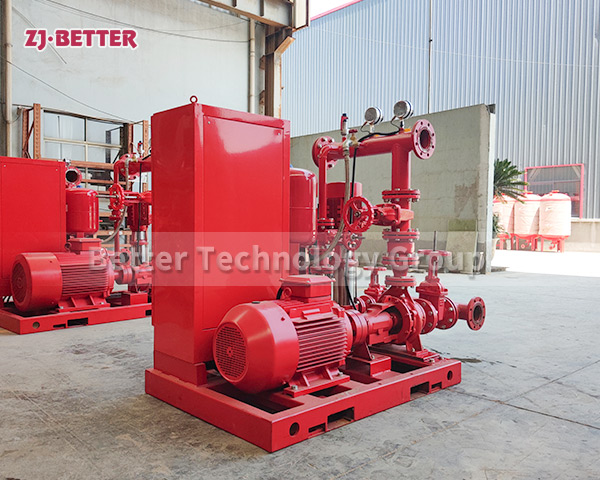
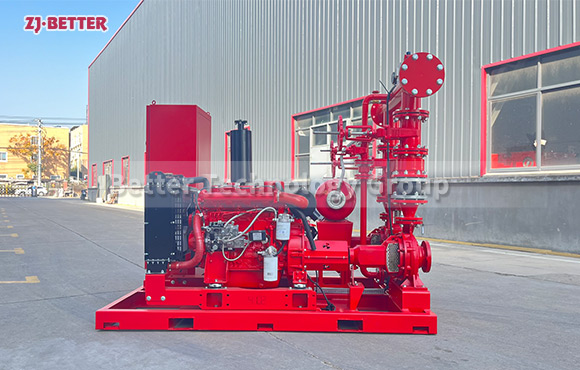
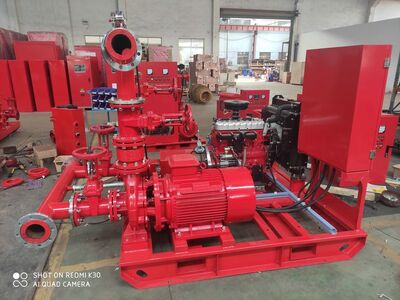
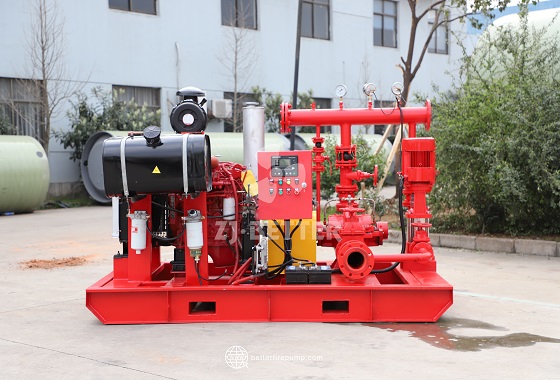
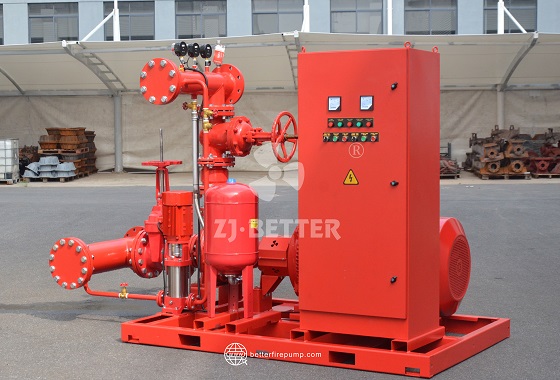
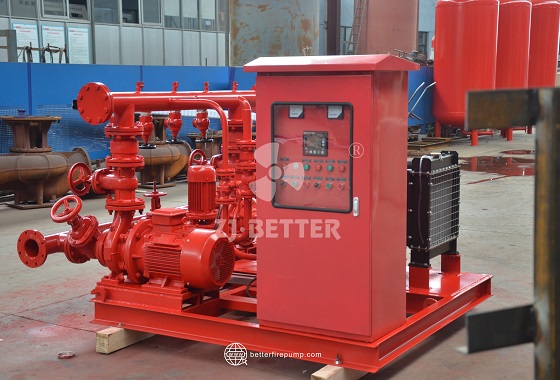
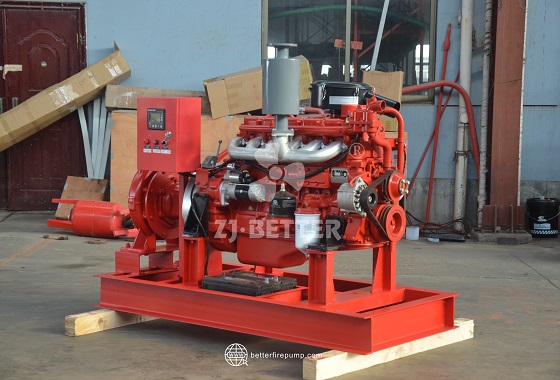
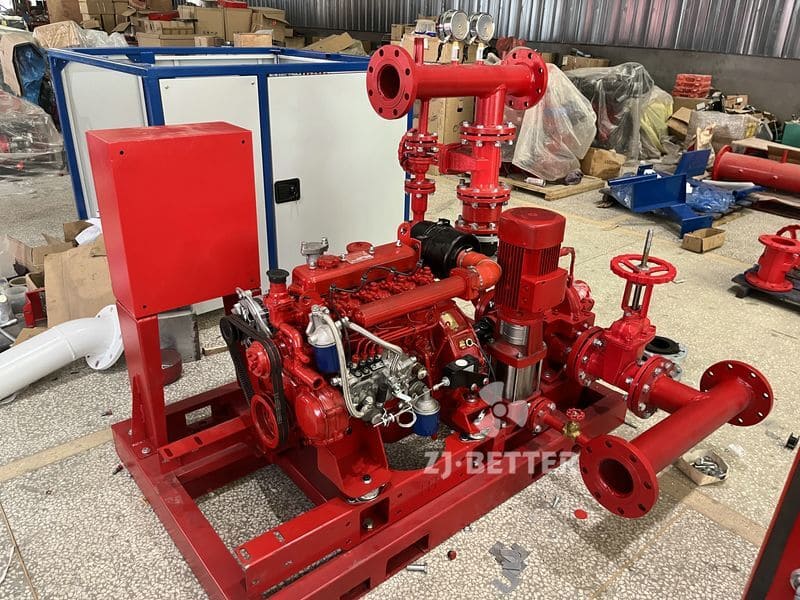
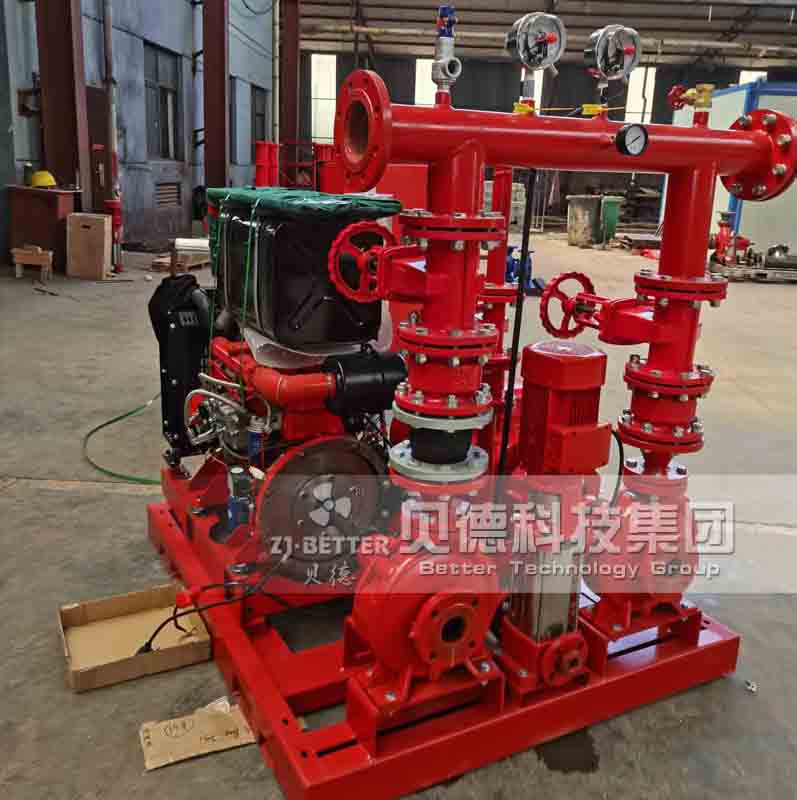
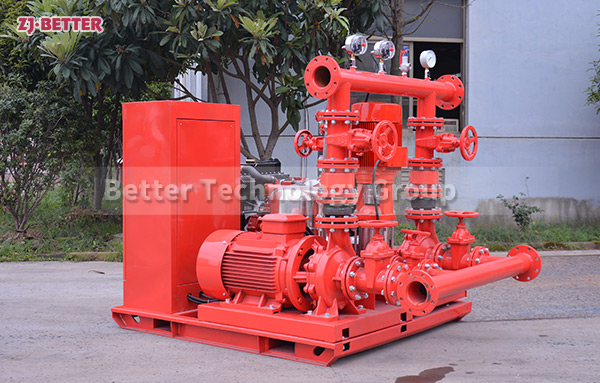
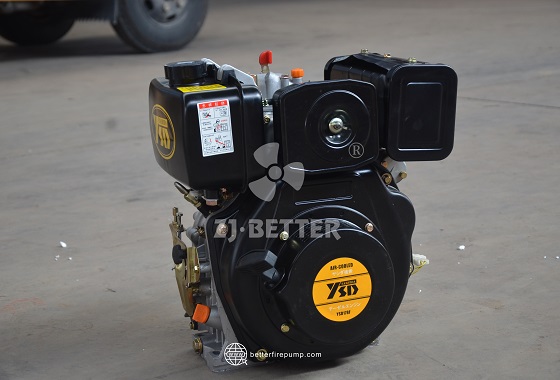
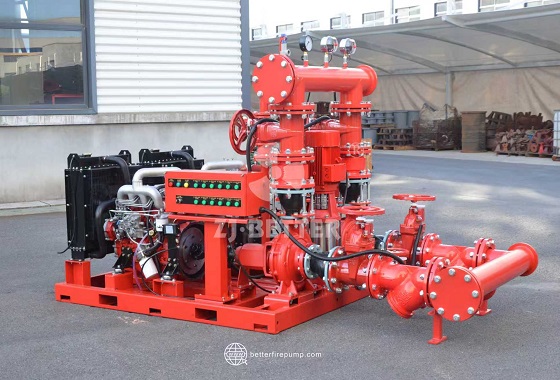
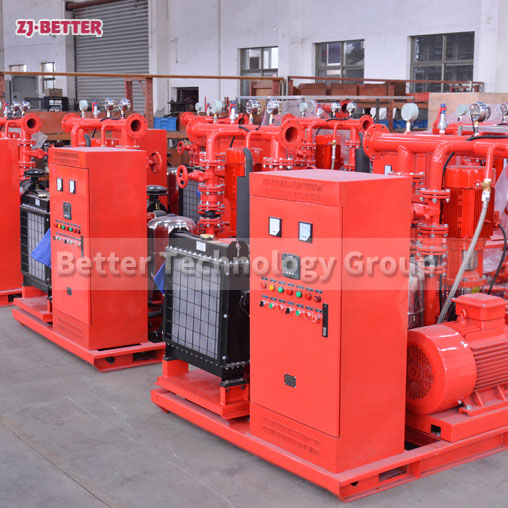
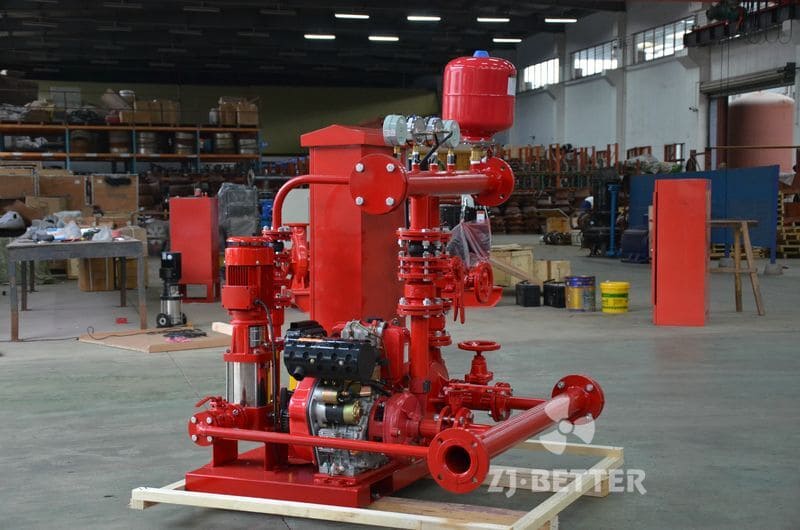
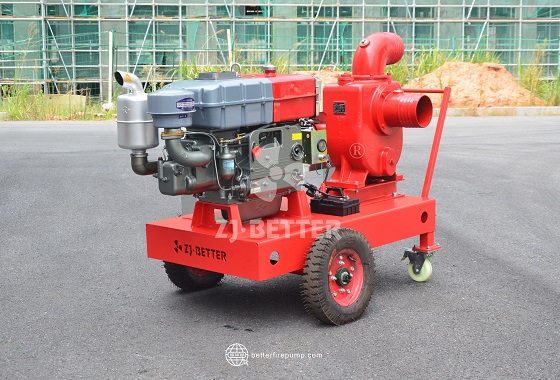
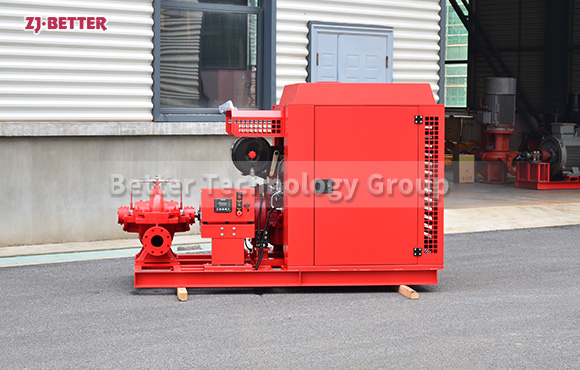
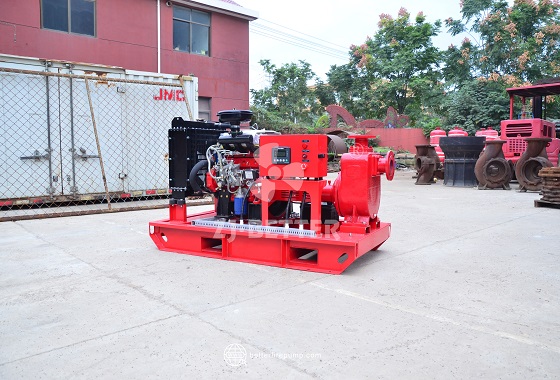
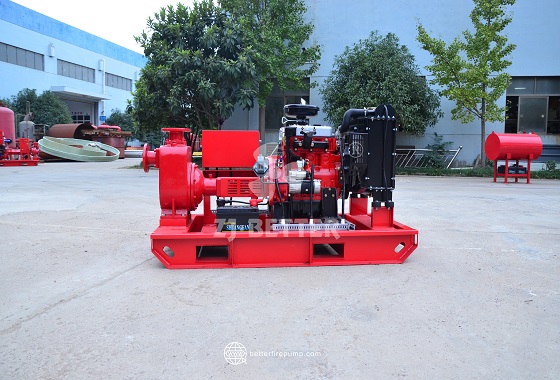
The heavy-duty horizontal diesel fire pump unit is a highly reliable fire-fighting equipment specifically designed for fixed fire water supply systems. It integrates a diesel engine, horizontal centrifugal fire pump, intelligent control system, cooling system, fuel system, and common base, enabling rapid startup in the event of power outages, sudden fires, or other emergencies, providing a continuous and stable supply of fire-fighting water to the system. The product adopts a modular design, with each component scientifically laid out and rigorously tested. While ensuring ease of installation, it significantly improves the overall stability and operational efficiency of the equipment. It is widely applicable to locations with extremely high requirements for continuous fire water supply, such as petrochemical plants, natural gas storage and transportation, power facilities, mines, steel metallurgy, ports, airports, warehousing and logistics, large commercial complexes, high-rise buildings, hospitals, data centers, municipal fire protection, and industrial parks. The unit uses a high-performance diesel engine as its power source and has independent operating capabilities, not relying on external power supplies. Even if the building’s main power supply fails or the entire area experiences a power outage, the equipment can still automatically start operating according to a preset program, continuously supplying sufficient water to the fire-fighting network. This ensures that fire hydrant systems, automatic sprinkler systems, foam extinguishing systems, and other fire-fighting facilities remain in normal working order, effectively improving the overall safety level of the fire-fighting system. Diesel engines feature high output torque, ample power reserves, good fuel economy, and strong continuous operation capabilities, enabling them to meet the long-term, high-load water supply demands of large-scale fire protection projects. They maintain stable performance even in high-temperature, low-temperature, high-humidity, dusty, and complex industrial environments, providing reliable power for fire protection systems. The horizontal centrifugal fire pump employs an advanced hydraulic model design with smooth flow channels. The impeller undergoes precision machining and dynamic balancing, effectively reducing hydraulic losses, improving water delivery efficiency, and achieving high flow rate, high head, and stable pressure output, maintaining balanced water supply in large fire protection networks. The pump body is constructed from high-strength, corrosion-resistant materials, possessing excellent wear resistance and corrosion resistance, adapting to long-term continuous operation environments and extending the overall service life. High-quality mechanical seals combined with wear-resistant bearings effectively reduce leakage and wear, further improving equipment reliability and reducing maintenance frequency. To meet continuous water supply demands, the unit is equipped with a high-efficiency cooling system. A large-capacity radiator combined with forced air cooling design can quickly dissipate the heat generated during engine operation, ensuring the engine always maintains optimal operating temperature, preventing overheating from affecting equipment performance even during long-term continuous operation. The fuel system employs a high-efficiency filtration device to effectively remove impurities and moisture, improving combustion efficiency, reducing engine wear, optimizing fuel utilization, and lowering long-term operating costs. The lubrication system continuously provides sufficient lubrication to key moving components, reducing friction loss and improving engine reliability and durability. The intelligent control system utilizes microcomputer control technology to monitor fire protection network pressure, engine speed, oil pressure, coolant temperature, battery voltage, and equipment operating status in real time, enabling automatic start-up, automatic shutdown, automatic inspection, fault alarm, operation recording, and status display, among other intelligent functions. When the fire protection system pressure drops or a fire alarm linkage signal is received, the equipment can quickly complete the startup process and begin operation, significantly shortening emergency response time and improving fire extinguishing efficiency. The control system supports automatic, manual, and remote control modes, and can be easily integrated into the building’s fire protection control center for centralized monitoring and intelligent management, meeting the requirements of modern fire protection engineering for automated management. The unit also features comprehensive safety protection functions, including low oil pressure alarm, high water temperature alarm, overspeed protection, start-up failure alarm, low fuel alarm, battery abnormality alarm, and emergency shutdown protection. These multiple measures ensure timely alarm issuance and automatic protective measures in case of equipment malfunctions, effectively preventing equipment damage and improving system safety. The entire unit utilizes a heavy-duty common base, boasting a robust structure, excellent rigidity, and good vibration resistance, effectively reducing vibration and noise during operation and enhancing overall stability. The base and exposed metal components are treated with anti-corrosion spraying, resisting corrosion from humidity, salt spray, and harsh industrial environments, making it suitable for coastal areas and various complex operating environments. The modular structure design facilitates transportation, hoisting, and installation. Sufficient maintenance space is reserved for each major component, allowing maintenance personnel to quickly complete routine inspections, replace parts, and perform fault repairs, significantly reducing equipment maintenance difficulty and downtime, and improving equipment efficiency. Standardized interface design facilitates connection to different specifications of fire protection pipe networks, and flow rate, head, and control methods can be flexibly configured according to project needs, meeting the construction requirements of various fire protection projects. The equipment can be integrated with electric fire pumps, pressure stabilizing equipment, fire water tanks, and fire control systems to form a complete fire water supply system, achieving main/standby linkage and automatic switching, providing a more comprehensive water supply guarantee solution for fire protection projects. The product design fully considers long-term operational reliability and economy. By optimizing the power system, hydraulic system, and control system, it not only improves fire water supply efficiency but also effectively reduces energy consumption and maintenance costs, creating higher overall value for users. With the continuous expansion of modern building scale and the continuous improvement of fire protection standards, fire water supply equipment not only needs rapid response capabilities but also long-term stable operation and excellent environmental adaptability. The heavy-duty horizontal diesel fire pump unit, with its advantages of independent power, high-efficiency water delivery, intelligent control, automatic start-up, continuous operation, compact structure, convenient installation, simple maintenance, and comprehensive safety protection, can operate continuously and stably in various complex fire environments, providing reliable fire water supply guarantees for industrial enterprises, public buildings, and large infrastructure, effectively improving the operational efficiency and emergency response capabilities of the entire fire protection system, and establishing a solid and reliable fire water supply foundation for the safety of life and property.