Home » Fire Pump Set » Diesel engine fire pump set is a good choice

Diesel engine fire pump set is a good choice

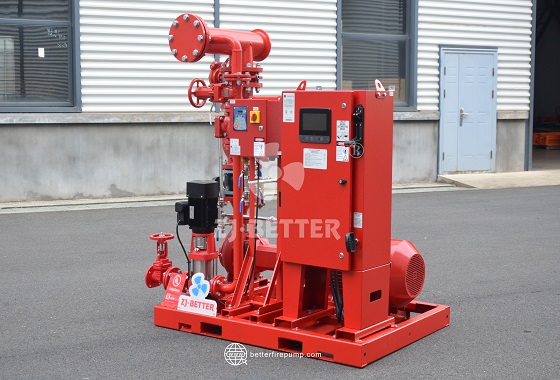
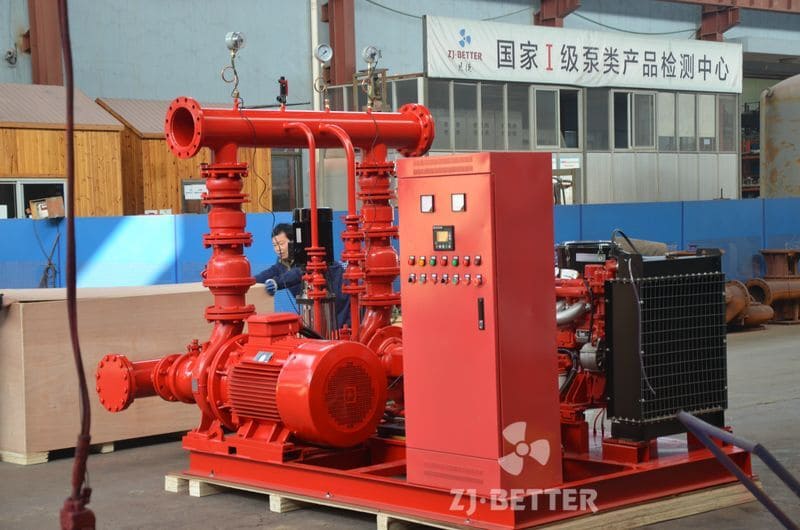
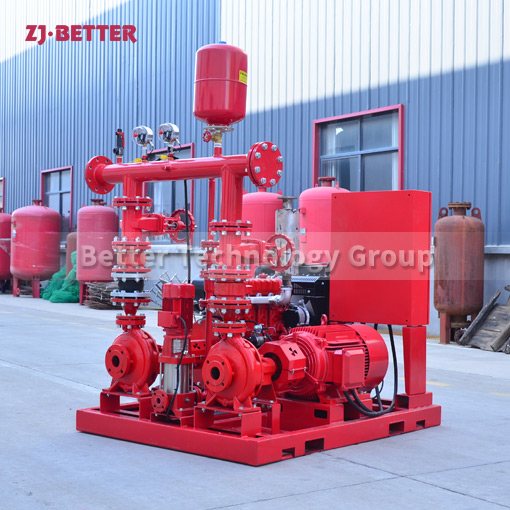
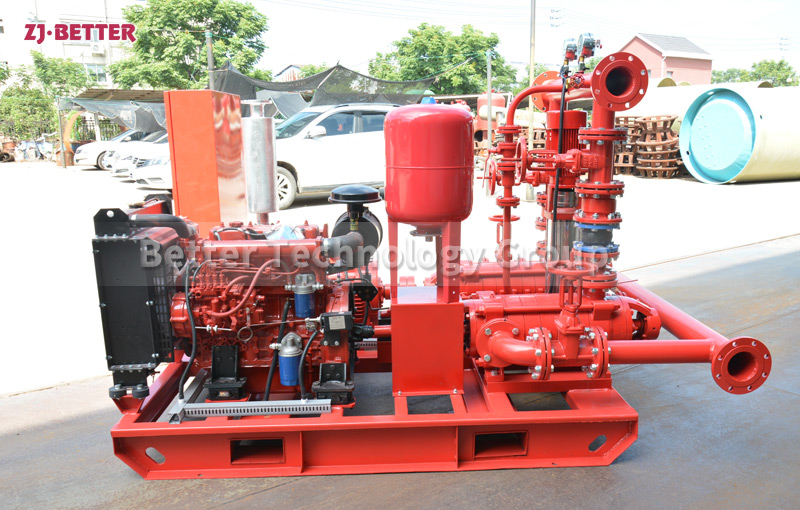
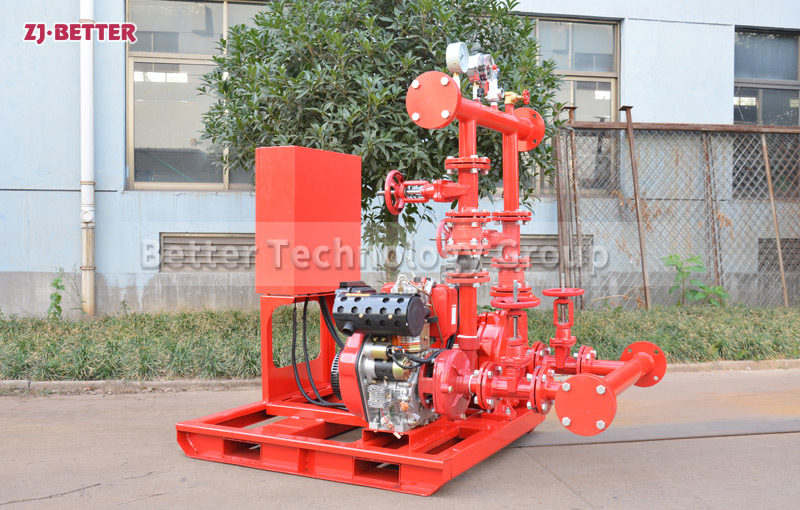
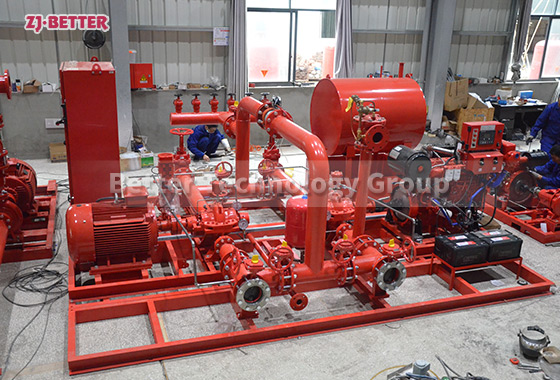
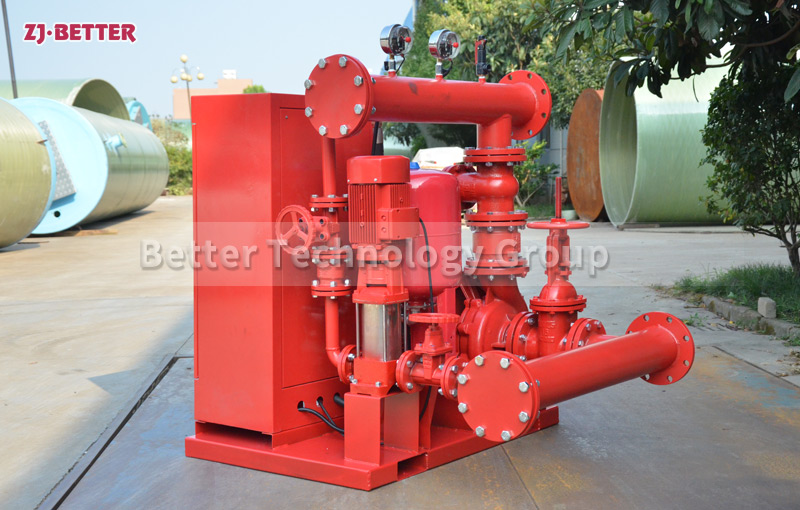
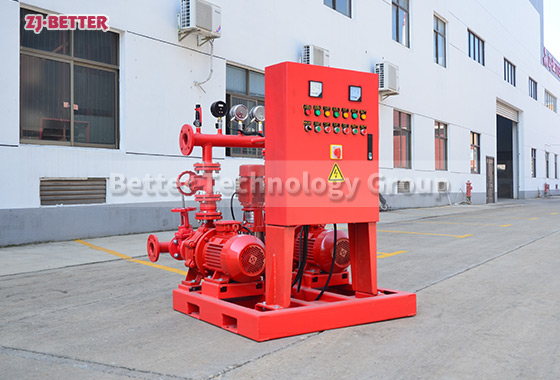
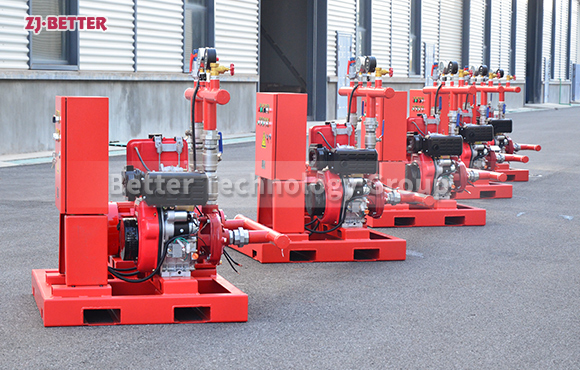
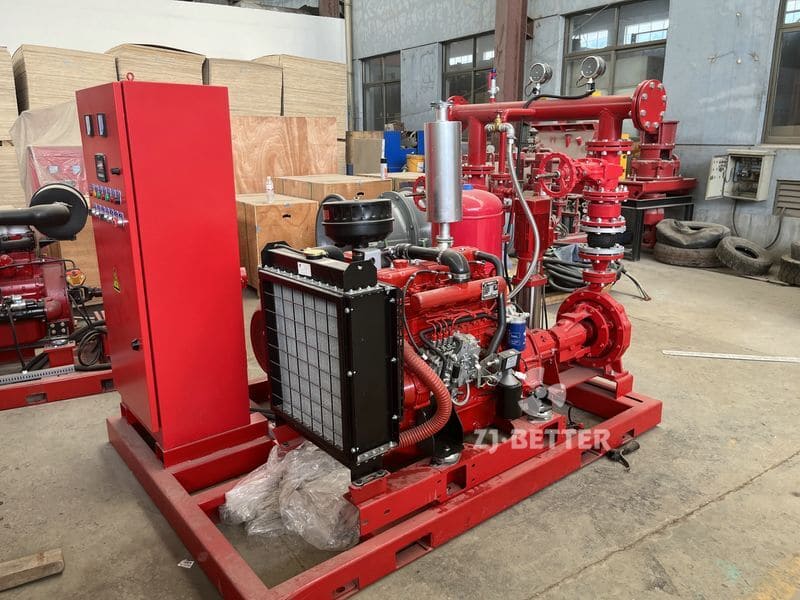
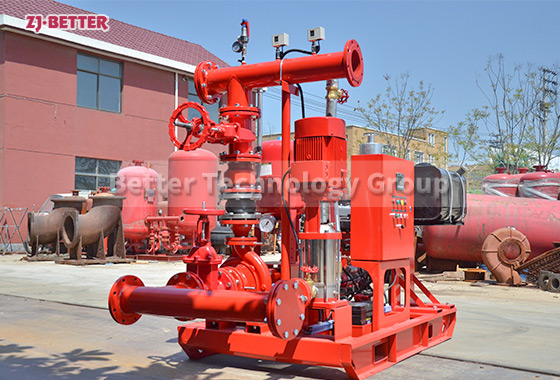
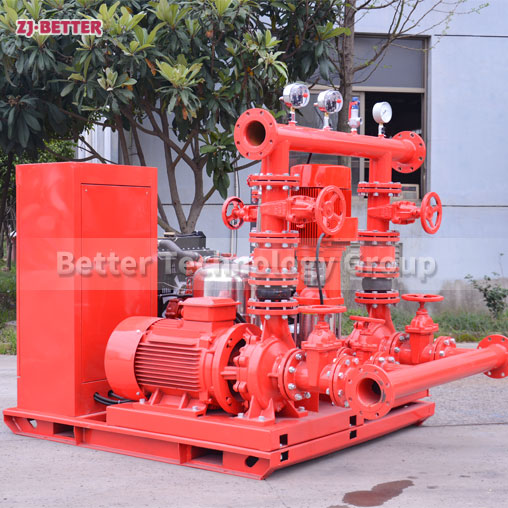
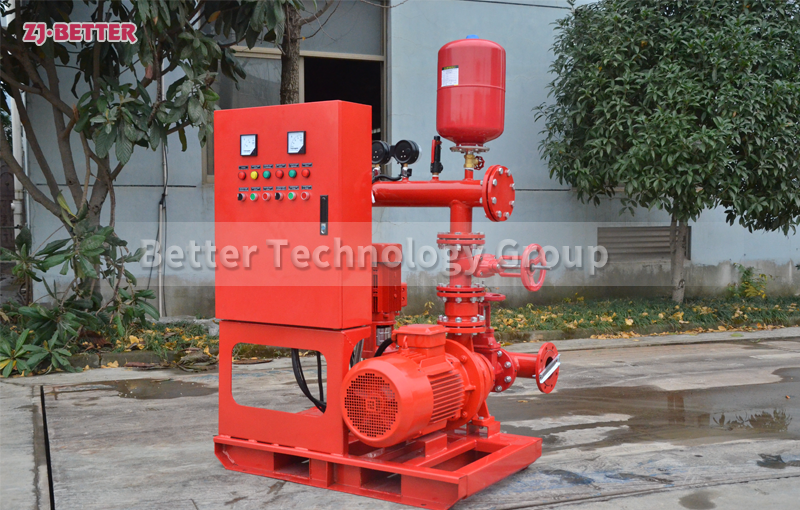
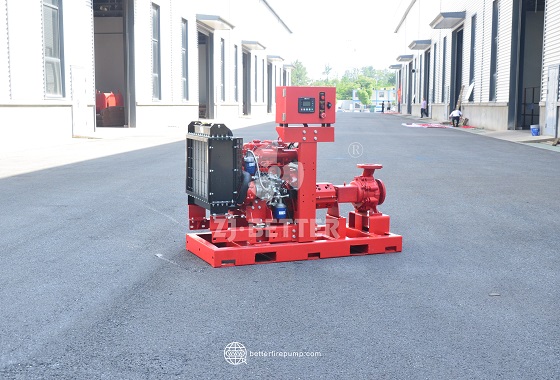
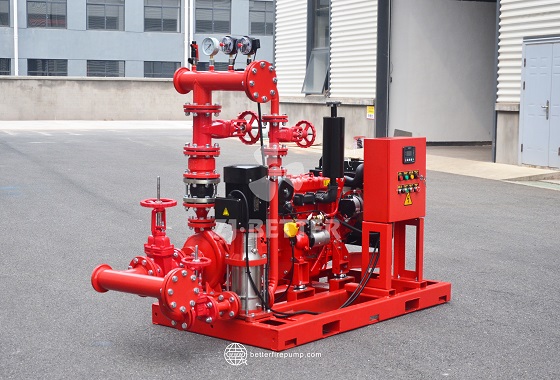
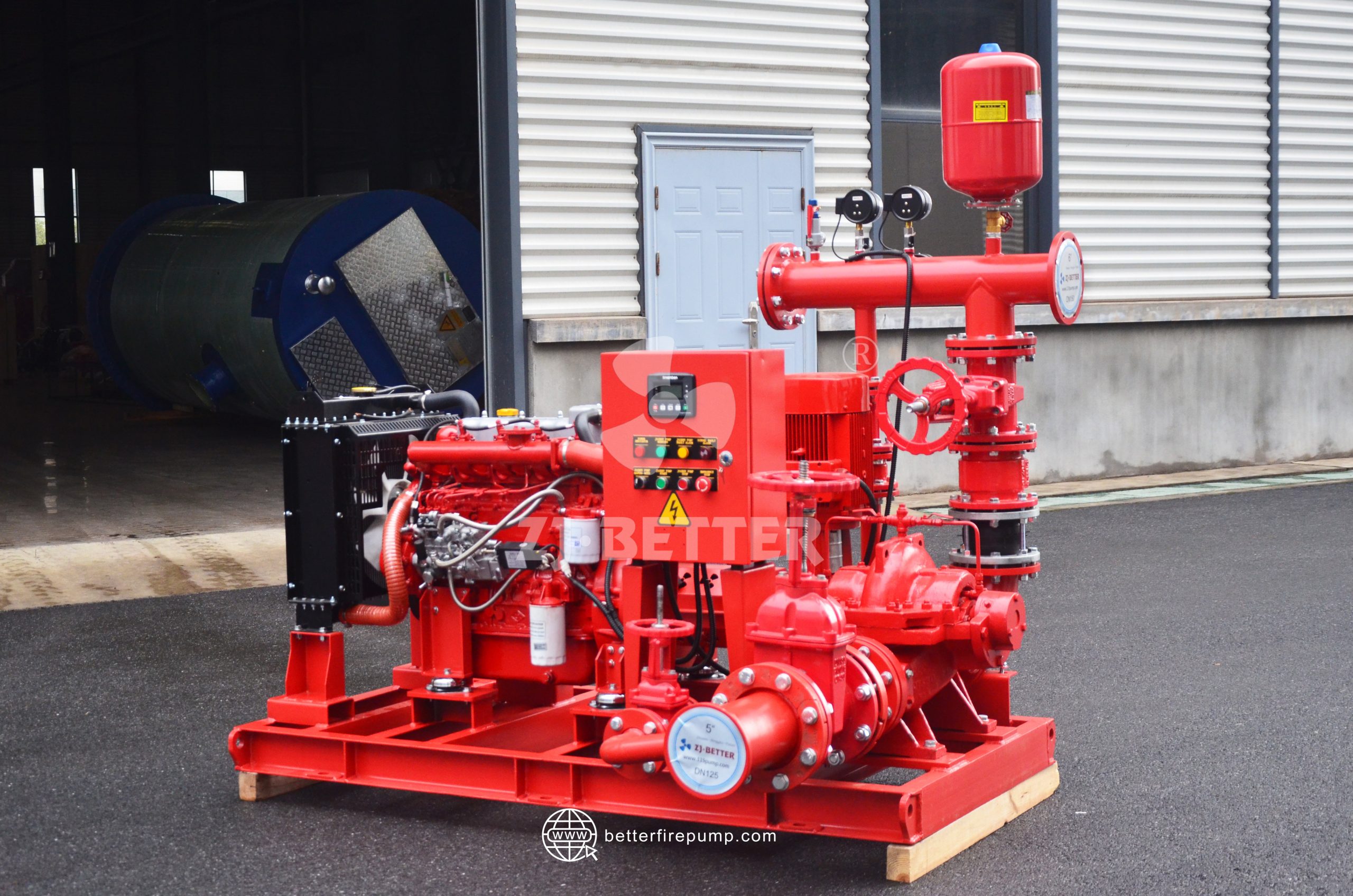
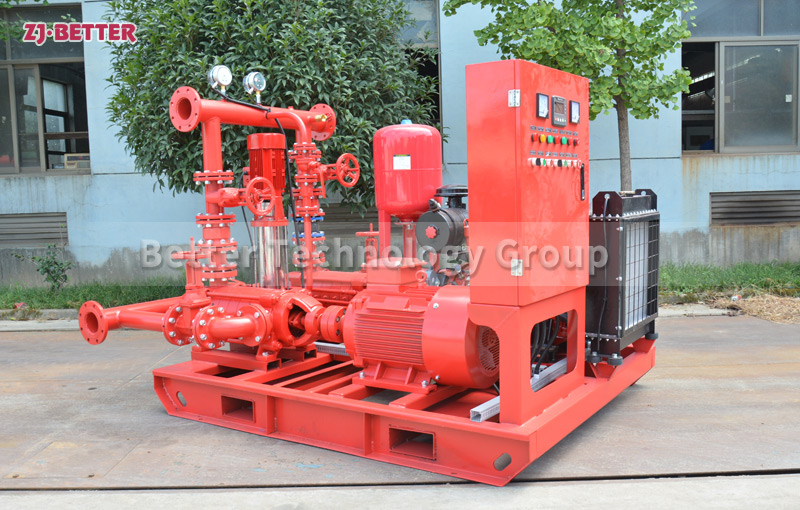
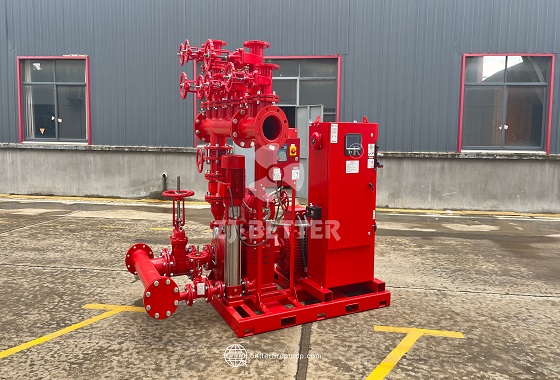
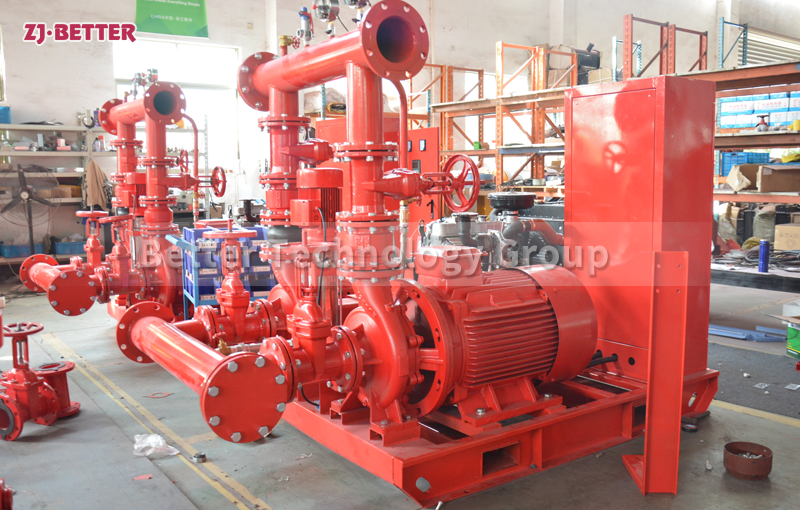
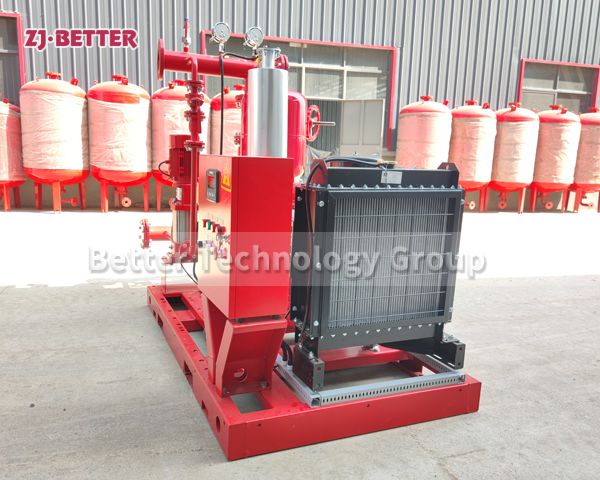
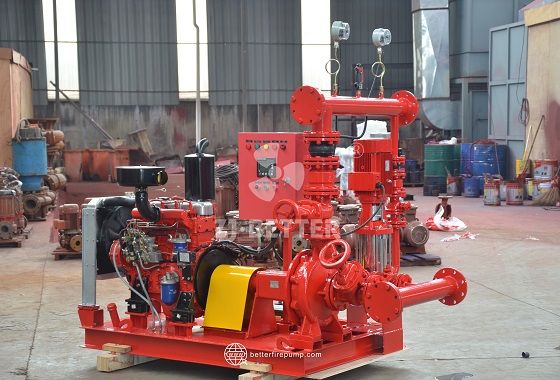
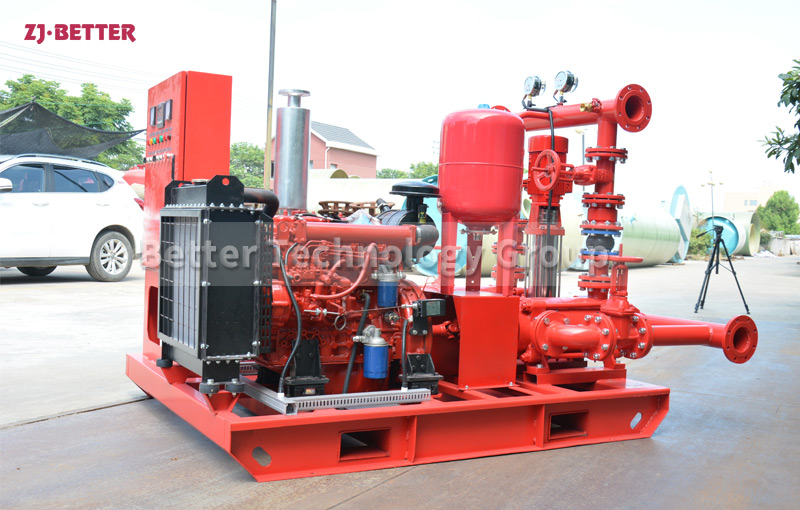
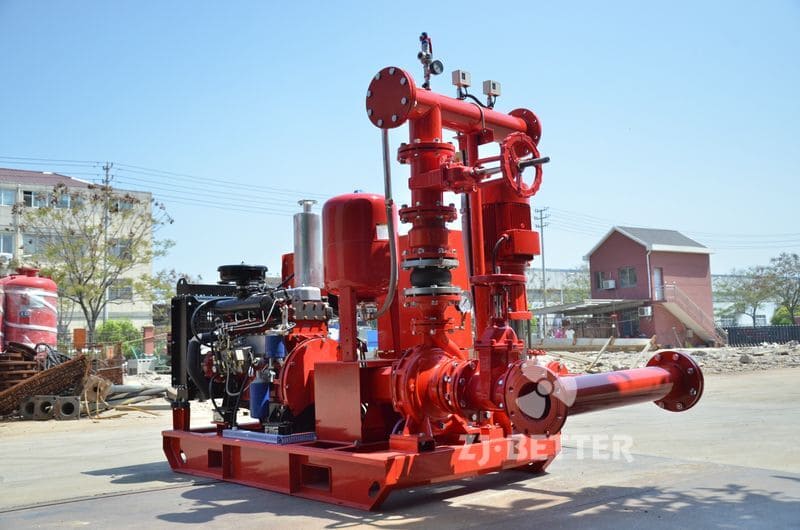
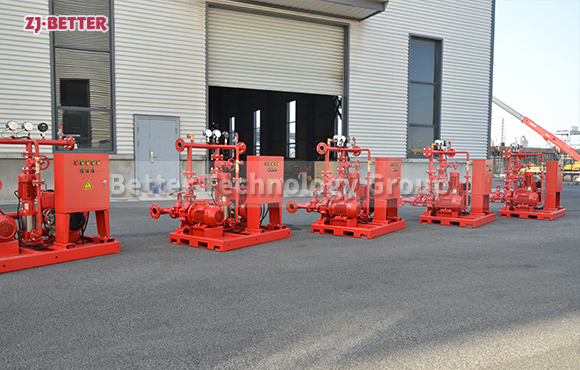
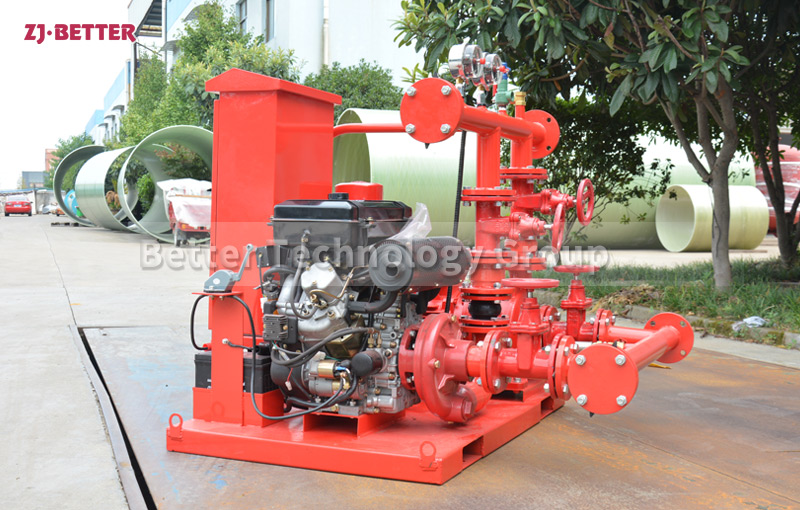
The diesel engine fire pump has the advantages of long head and wide application range, and can meet the fire water supply in multiple places such as warehouses, docks, airports, power plants, liquefied gas stations, and petrochemical industries. This type of diesel engine fire pump set has good starting performance, compact structure, humanized design, convenient maintenance, simple and convenient use, and high degree of automation. It is a very good fire pump.

Rated 4.6/5 based on 272 customer reviews
Share:
Content

1. Automatic start, the diesel fire pump set can automatically trigger the start button after encountering fire alarm, pipe network pressure, power failure or other start signals set in advance, and start automatically within 15 seconds.
2. Automatic charging. When the power is insufficient, the built-in battery can be automatically connected to the mains or diesel engine charger for charging to ensure the normal operation of the work.
3. Automatic alarm. The diesel engine fire pump will automatically alarm and stop working when it encounters a fault, such as low oil pressure, high water temperature and other special circumstances.
4. Automatic preheating. In order to ensure that it can be put into use quickly, the diesel engine fire pump can automatically preheat the machine.
5. Direct-connection, the direct-connection coupling technology effectively reduces the occurrence of failures, shortens the start-up time of the machine group, and ensures the efficiency of use.
6. Custom settings, users can customize the alarm conditions according to their own needs.

Inquiry


    More Fire Pump Set

    1. When the pipeline fire pump noise occurs, the most likely fault is the imbalance of the fire pump rotor. Since the water output of the fire pump mainly depends on the high-speed rotation of the rotor, when the rotor is unbalanced for some reason, it will cause the fire pump to deviate from the original rotation track during the rotation process, resulting in the fire pump appearing in the pipeline. When judging the failure of the rotor, it is mainly to replace the rotor of the pump or make a balance hole on the rotor blade of the pump to find out the balance difference.

    2. The production noise of the fire pump pipeline has a certain effect. For example, forcing a small flow of a pipe “fire pump” to increase power to increase the original flow will create vibrations in the fire pump. Therefore, whether you use a pipeline fire pump or other types of water pumps, you should follow the water pump use standards to prevent the water pump from making noise, which will affect the service life of the water pump. The solution is to use the pump according to the instructions. If the efficiency of use is affected, it is recommended to replace the appropriate pipeline “fire pump” for use.

    3. The installation did not meet the standards, resulting in abnormal noise from the pipeline fire pump. Fire pumps and fire hydrant pumps vibrate at a high frequency during operation, so they must be fixed during installation. If the bolt between the pump body and the base or between the base and the base is loose when installing the pipe fire pump, the transmission shaft between the pump body and the motor of the pipe pump will be bent. It lowered the concentricity and caused an imbalance in the fire pump rotor. This is one of the noise phenomena of fire pumps. In order to improve this phenomenon, the pump shaft of the fire pump needs to be balanced and then reinstalled. Finally, the base of the pump was reinforced.

    4. Blockage of the impeller passage can also cause fire pump noise. When the internal flow channel of the fire pump is blocked by foreign matter, it will cause uneven resistance of the fire pump impeller and vibrate the fire pump. Therefore, it is necessary to regularly disassemble and maintain the fire pump to prevent foreign matter from blocking the pipeline.

    5. The bearing of the fire pump is damaged. Bearing damage generally does not occur on the main body of an in-line fire pump. If there is a problem with the quality of the pump, or because some hard objects enter the pump body of the tube pump, the bearing is damaged, and the rotor is unstable at first. Causes noise from pipeline fire pumps.

    6. Finally, cavitation, cavitation occurs in any type of pump, but some are obviously not noticeable. If cavitation occurs, consider raising the fire pump or increasing the pressure in the piping. If the cavitation phenomenon cannot be changed, the fire pump model needs to be redesigned and replaced.