Packaged Diesel Fire Water Supply Equipment – Centralized Pump, Valve and Control Configuration
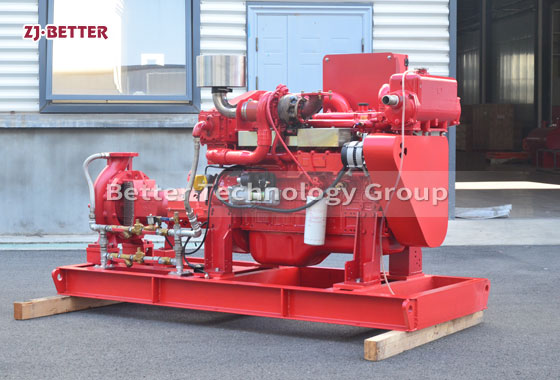
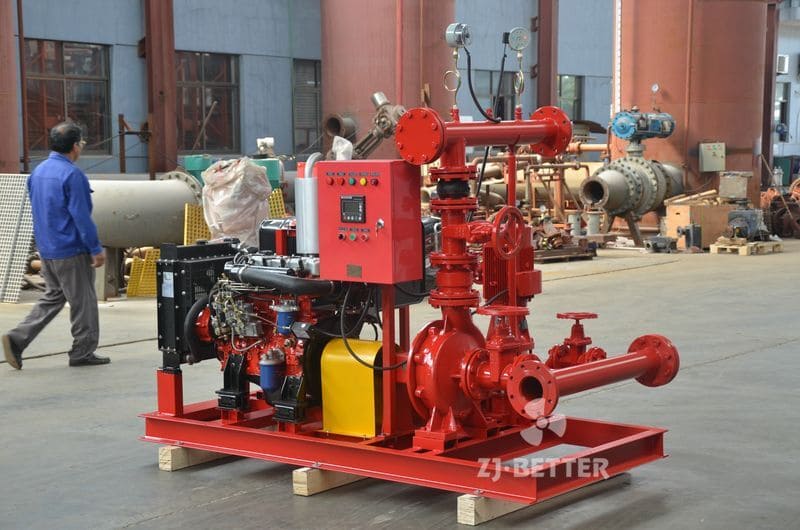
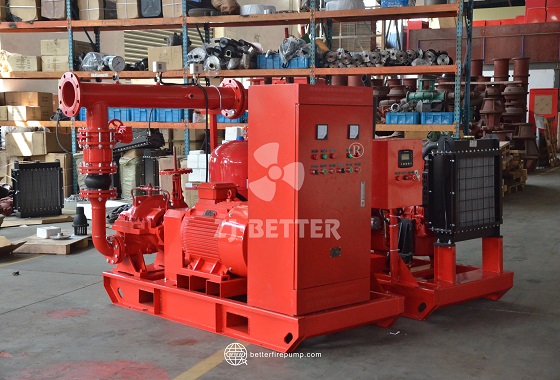
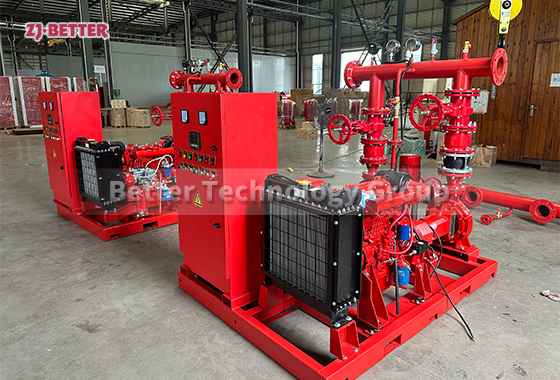
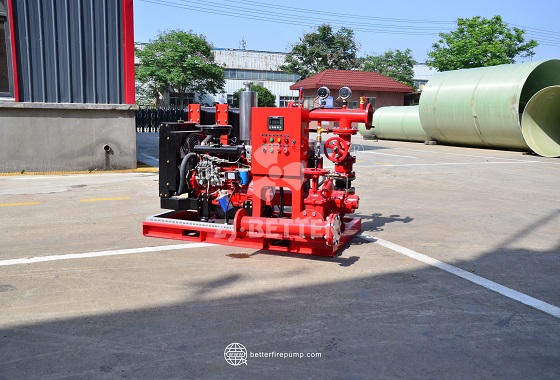
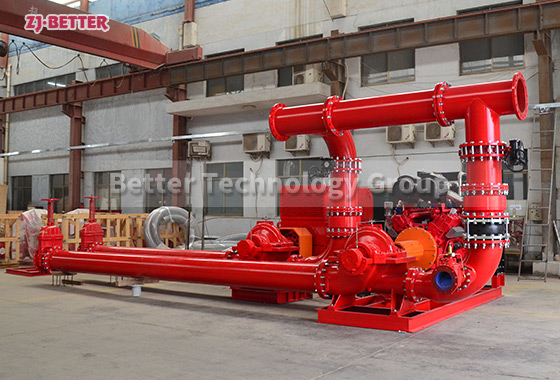
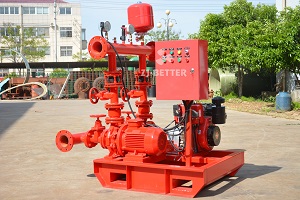
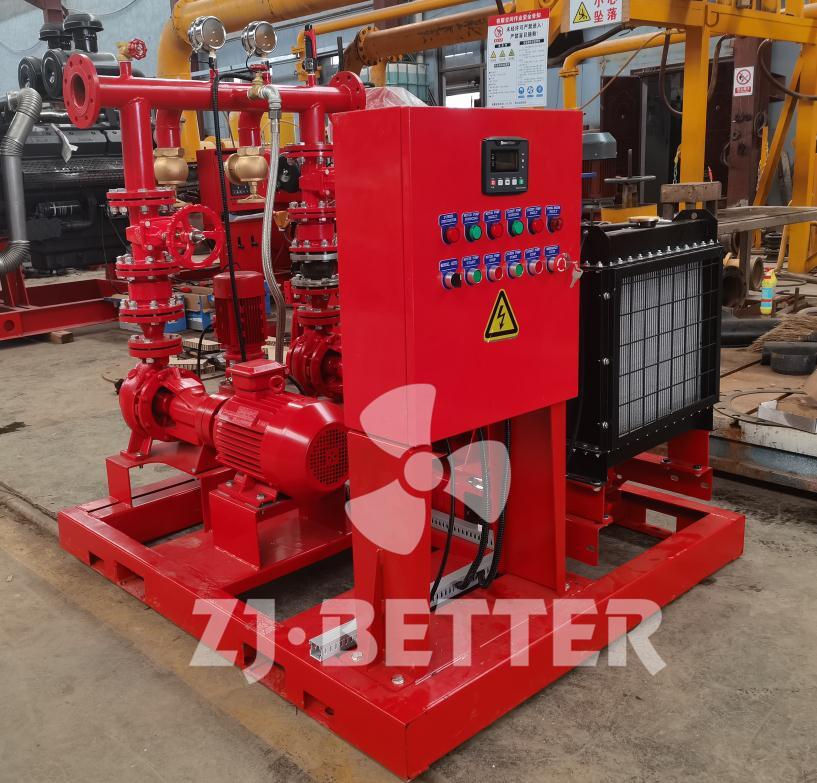
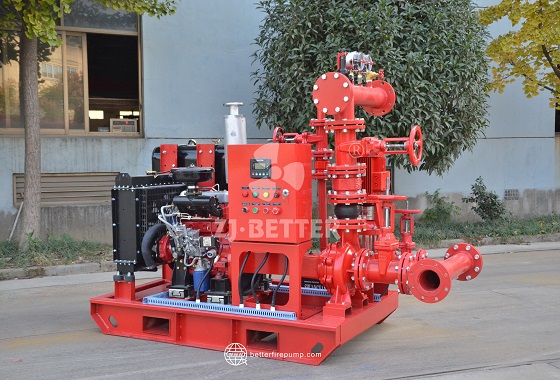
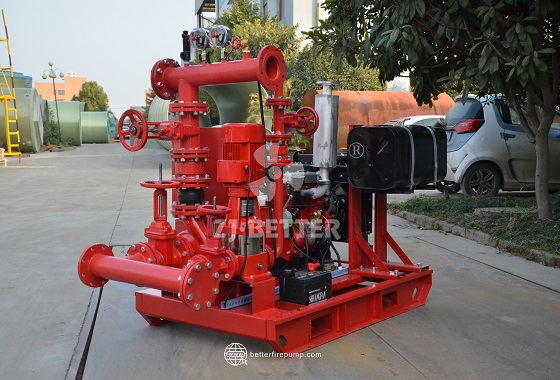
This integrated diesel-powered fire water supply system comprises a diesel fire pump, control cabinet, valves, piping, and pressure monitoring components. It supports a wide range of flow rate and head configurations, making it suitable for fixed fire water supply systems in facilities such as warehouses, industrial plants, docks, airports, and petrochemical sites.
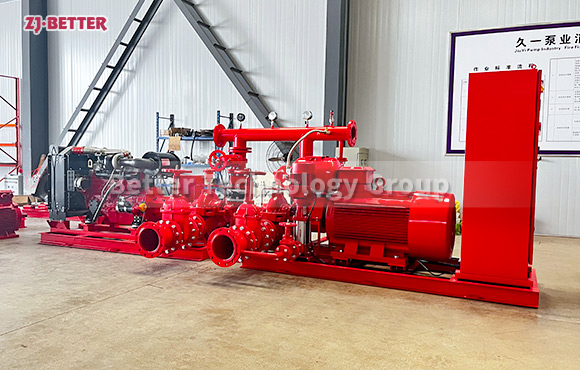
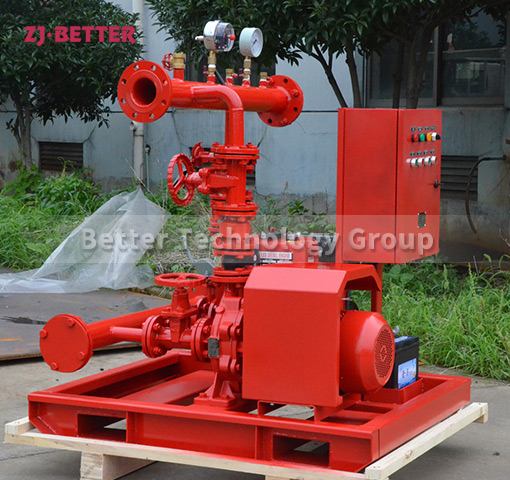
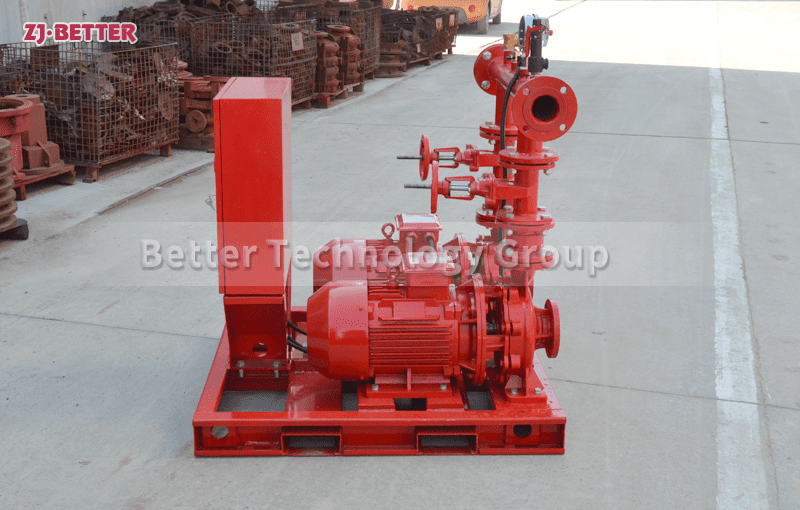
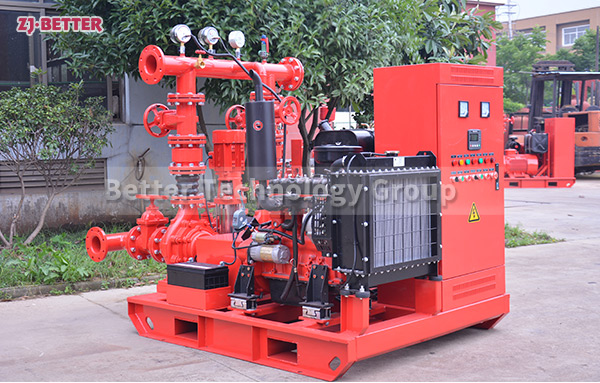
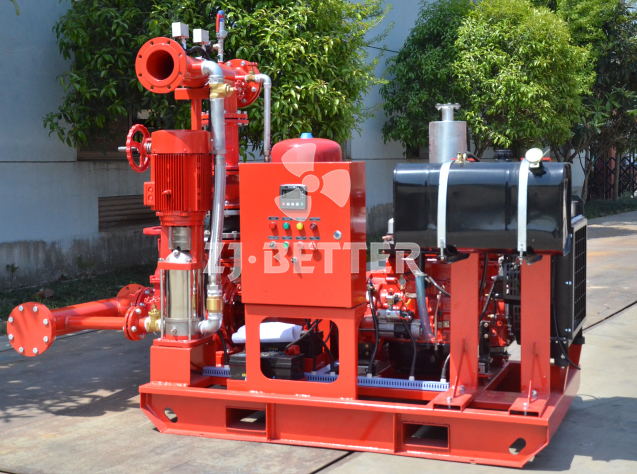
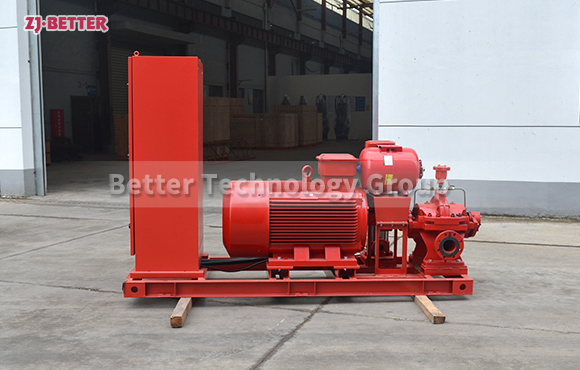
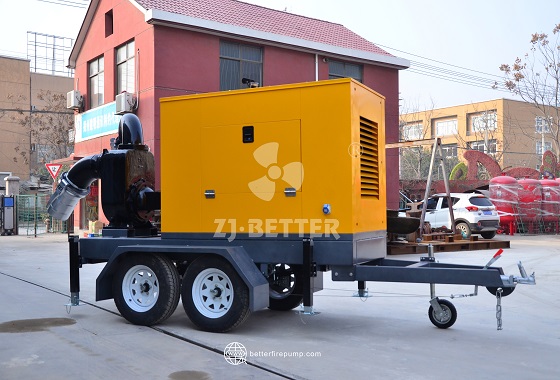
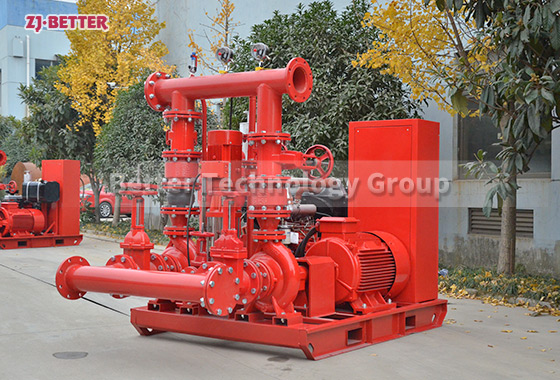
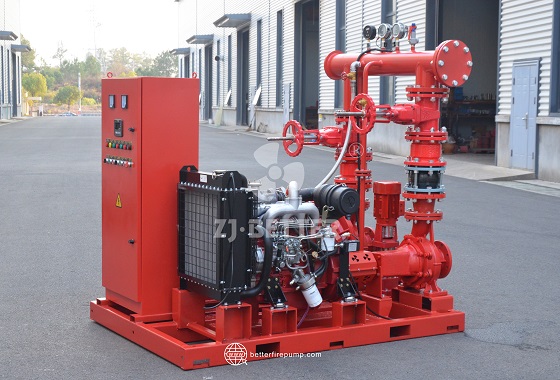
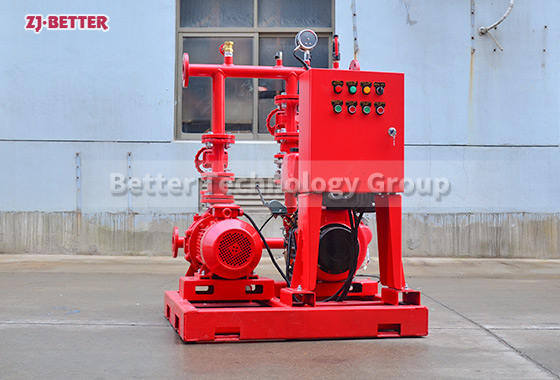
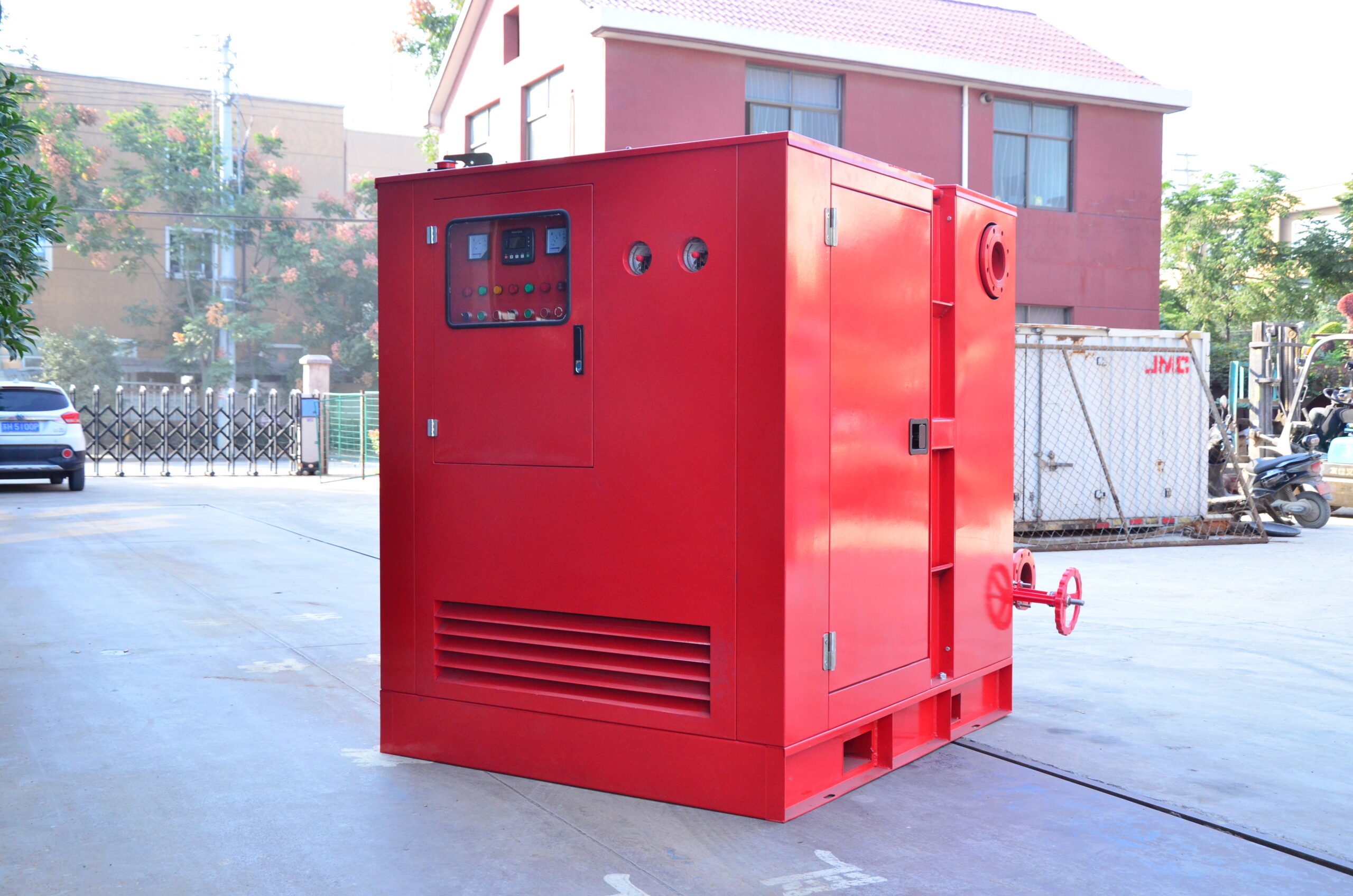
A complete diesel-powered fire water supply system is an integrated assembly comprising a diesel engine-driven fire pump, a control cabinet, piping, valves, and pressure monitoring components. Designed primarily for fixed fire protection systems, it provides water supply solutions for industrial facilities, warehouses, docks, airports, power infrastructure, and petrochemical plants. The components—including the prime mover, pump, and control system—are mounted on a common base, forming a cohesive unit that simplifies on-site positioning, piping connections, and system commissioning. The diesel engine provides an independent mechanical power source for the fire pump; the pump model and engine power can be selected based on the project’s specific flow rate, head, and operating requirements, ensuring the system meets the hydraulic demands of various fire protection applications. According to publicly available information, such integrated fire pump systems can cover flow rates from 30 to 9,000 GPM and heads from 3 to 20 bar, with power ratings for diesel or electric pump configurations ranging from 1.5 to 710 kW (exact specifications depend on the specific model).
Optimized Power System Configuration: The diesel engine serves as the prime mover for the fire pump, matched to the flow, head, and operating point of the main pump. This independent diesel power source is ideal for fixed fire water supply systems that require a diesel-driven pump, offering an alternative to purely electric-driven configurations.
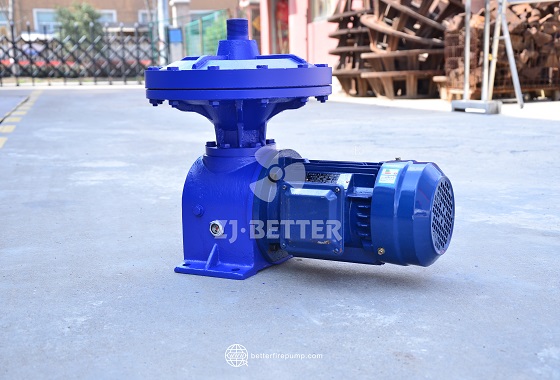
Flexible Pump Selection: Depending on the project’s flow, head, available installation space, and piping network conditions, various pump types can be selected—such as end-suction, horizontal split-case, vertical split-case, vertical in-line, or vertical turbine pumps. This structural diversity allows for tailored configurations to suit specific operational conditions, enhancing flexibility in equipment selection.
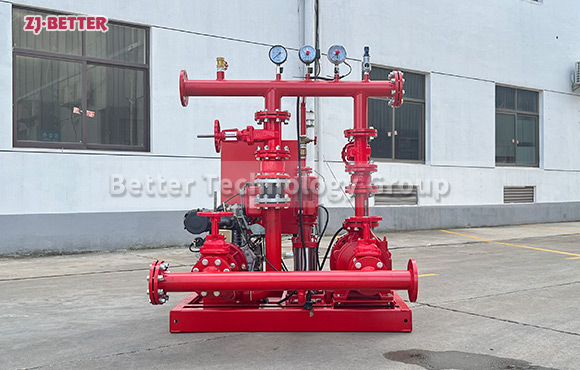
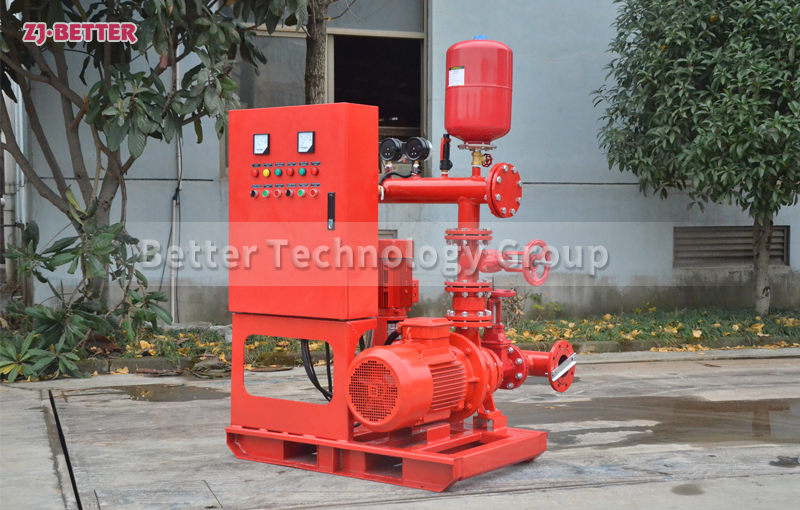
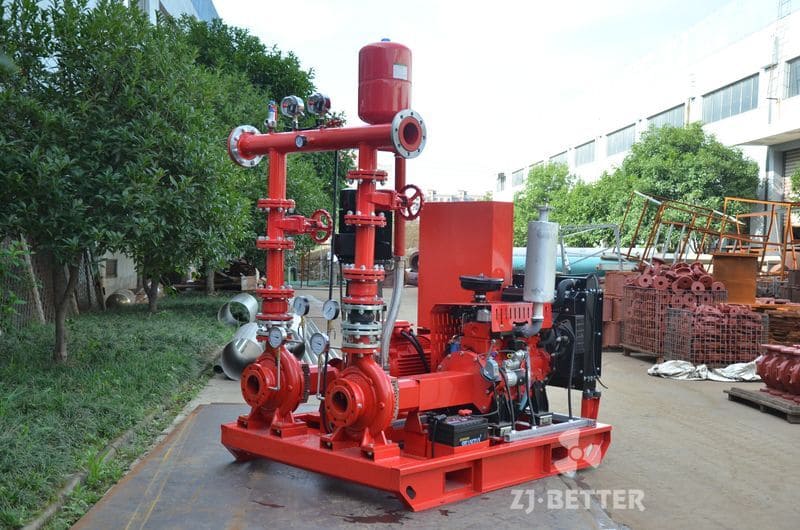
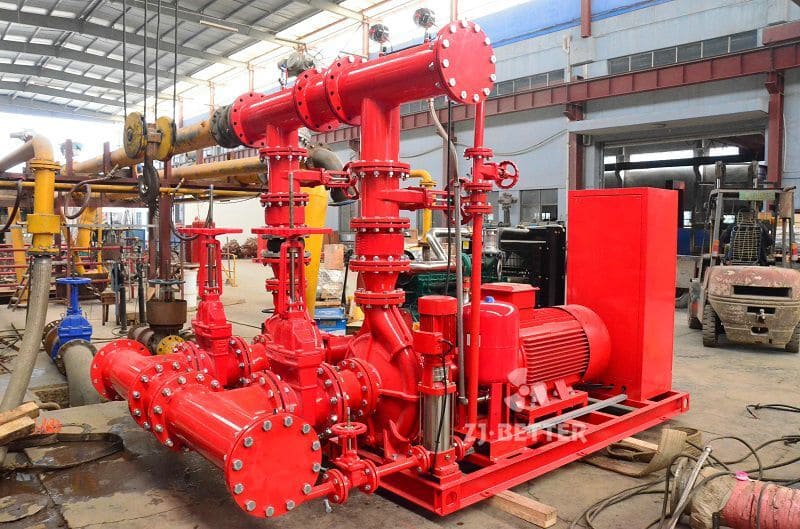
Integrated Valve Assemblies: The system can be equipped with check valves, gate valves, and associated piping accessories, ensuring a clear and organized layout for the pump’s inlet and outlet connections. Strategically placed valves facilitate the isolation, inspection, and maintenance of the equipment; specific valve sizes are determined based on the project’s pipe diameters and design requirements.
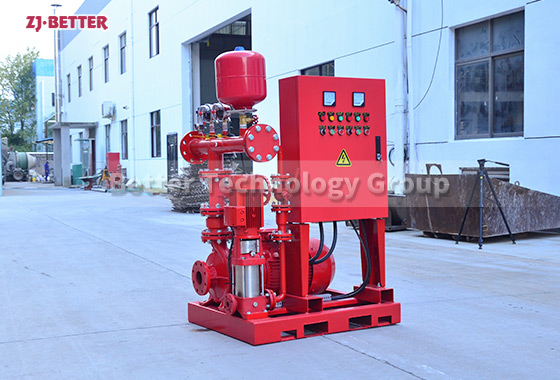
Pressure Monitoring Capabilities: The system can be fitted with pressure gauges and sensors, enabling real-time observation and signal acquisition regarding the pressure status of the fire water supply system. Pressure gauges enable operators to monitor equipment status and provide a reference for pressure-based decision-making within control systems, as well as for routine inspections.
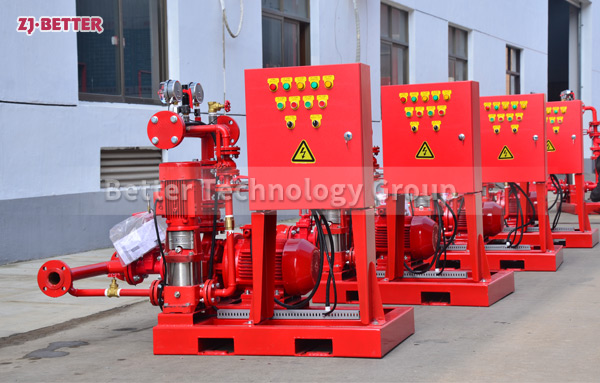
Centralized Control: The control cabinet manages the operation of electric pumps, diesel-driven fire pumps, and jockey (pressure-maintenance) pumps. Depending on the configuration, it can also provide protection against issues such as overloads and overcurrents. Specific control modes, start-up conditions, and alarm functions are determined based on the design of the control cabinet and the requirements of the project.
Common Base for Simplified Installation: Key components—including the pump, diesel engine, and control system—are mounted on a common base, which facilitates transportation, positioning, and overall site layout. During on-site installation, factors such as foundation load-bearing capacity, piping connections, equipment vibration, and space for maintenance must be carefully considered to ensure proper installation and future servicing.
Integrated Design Reduces On-Site Configuration: By consolidating primary pumping equipment, power units, control components, and piping accessories into a single, pre-configured system, the processes of procurement and installation are streamlined. For projects requiring a complete fire pump assembly, this integrated supply approach also simplifies the verification of equipment specifications and configuration lists.
Flexible Flow and Head Combinations: Parameters can be selected to match the specific design requirements of a fire protection system. Standard offerings include various flow rate capacities—such as 100, 150, 200, 300, 400, 500, 750, and 1000 GPM—along with a range of pressure configurations. Final selection should be based on the project’s specific flow, head, and performance curve requirements.
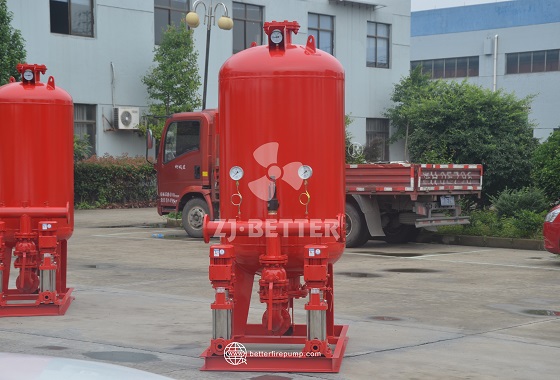
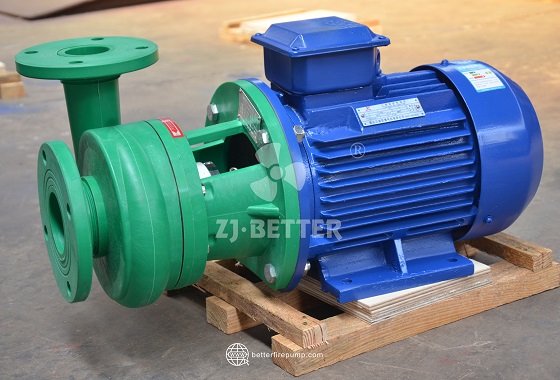
Compatibility with Pressure-Maintenance Equipment: A complete fire water supply system can incorporate jockey pumps and pressure tanks. Jockey pumps, typically characterized by lower flow rates and higher heads, maintain the necessary pressure within the piping network, while the main fire pumps handle the primary water supply during fire-fighting operations—ensuring a clear division of functions within the system.
Versatile Application: These integrated diesel-driven fire water supply systems are suitable for a wide range of environments, including warehouses, docks, airports, petrochemical plants, power stations, liquefied gas facilities, textile manufacturing plants, and marine vessels or tankers. In practical application, equipment selection and installation design should be determined based on factors such as ambient temperature, altitude, fire safety regulations, and specific project operating conditions.
A complete diesel-powered fire water supply system—comprising a diesel engine, fire pump, control cabinet, valves, piping, and pressure monitoring components—provides an integrated equipment solution for fixed fire protection systems. Its key advantages include flexible power configuration, a wide range of pump options, centralized piping and control components, ease of pressure monitoring, and convenient installation on a common base frame. For any given project, the specific configuration should be established by carefully considering the required fire-fighting flow rate, head, pipe diameter, power supply conditions, installation environment, and applicable standards. Furthermore, proper installation, commissioning, and regular maintenance are essential to ensure the equipment remains in its required operational state.