Diesel Fire Pump Set with Separate Control Cabinet – Independent Arrangement of Pump and Electrical Control Equipment
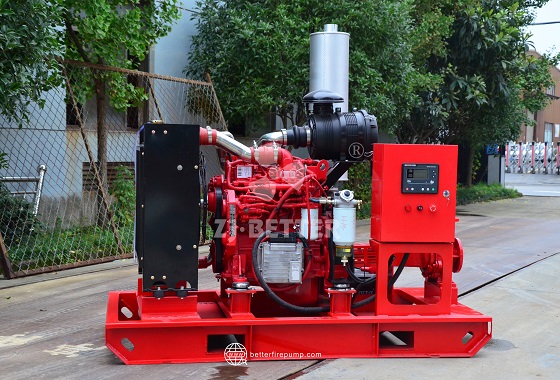
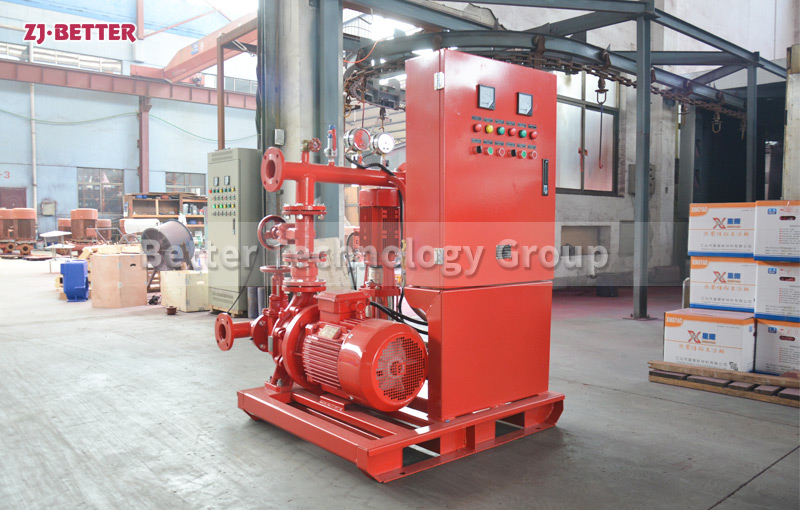
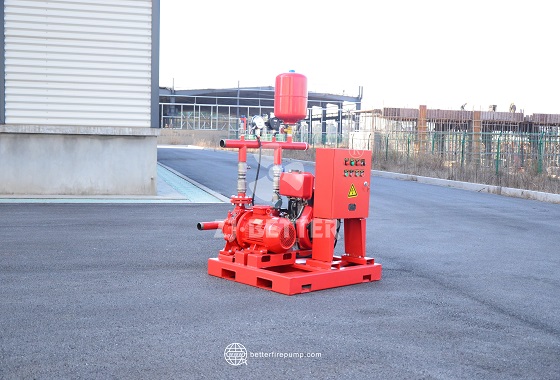
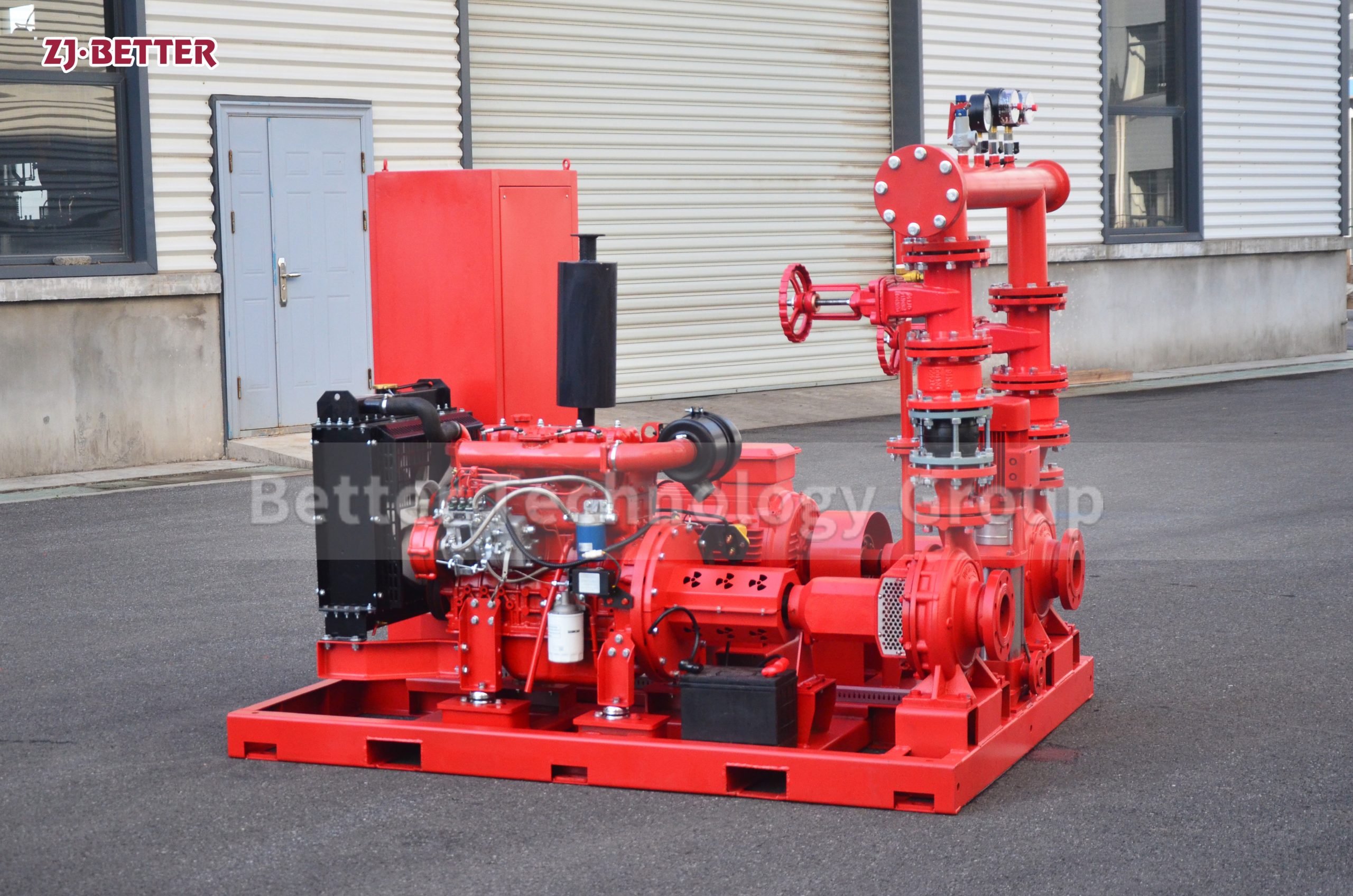
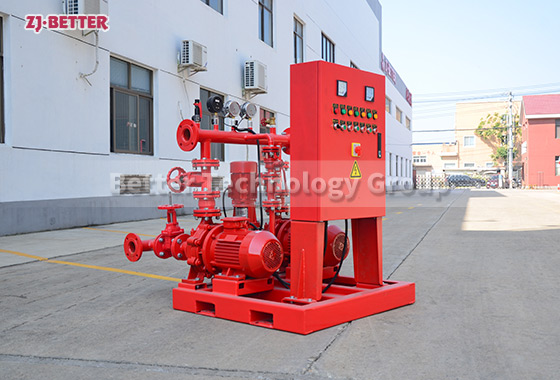
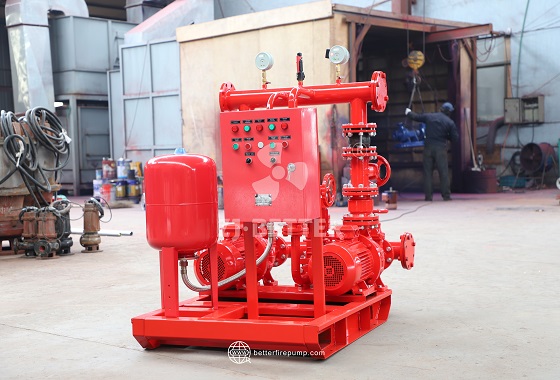
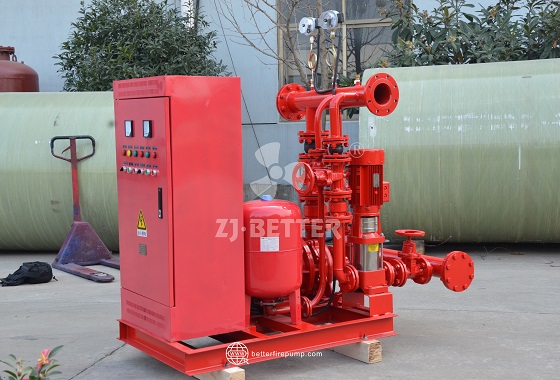
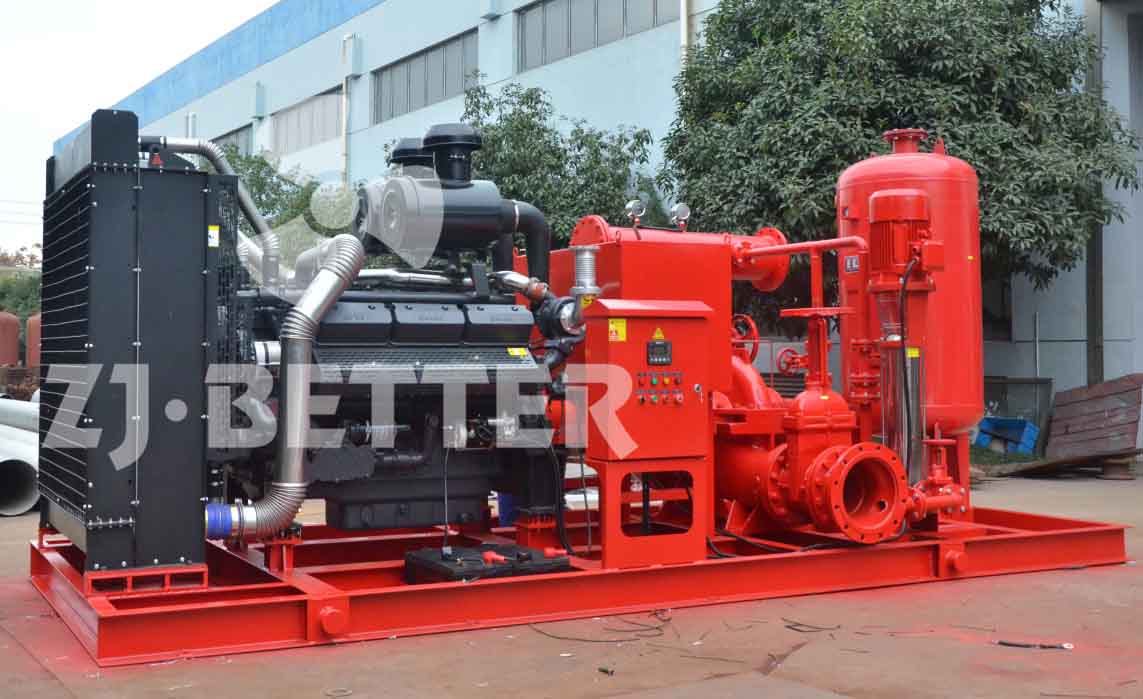
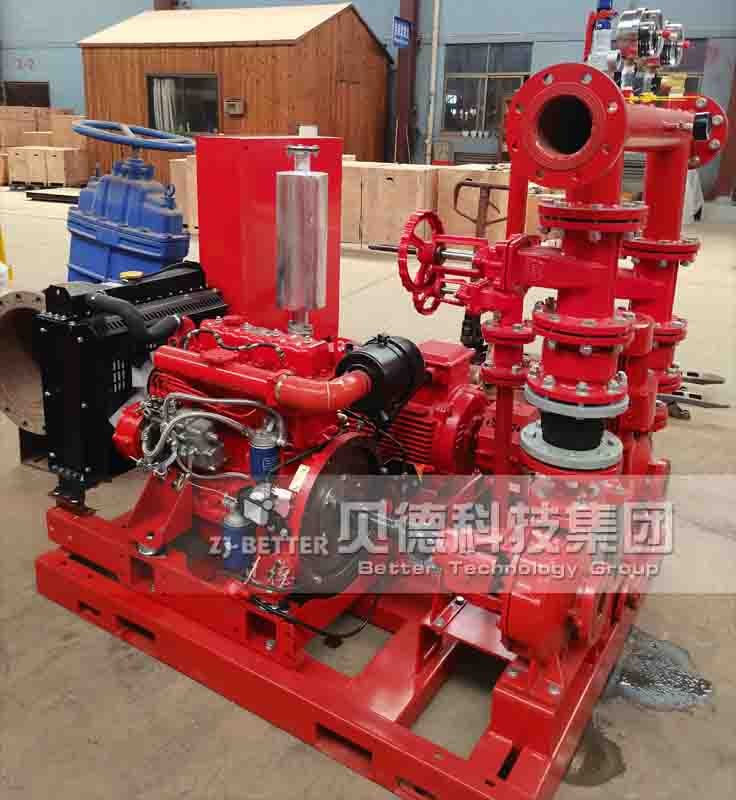
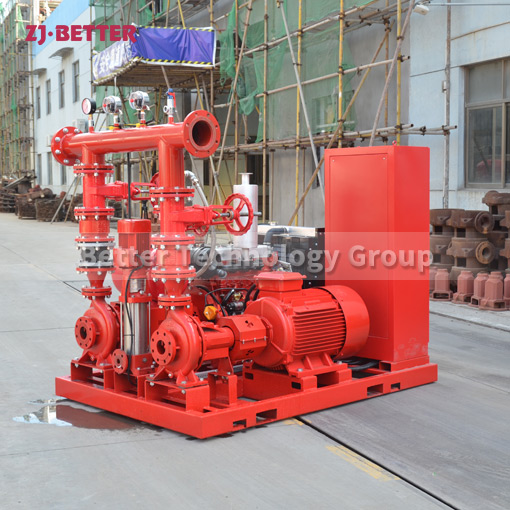
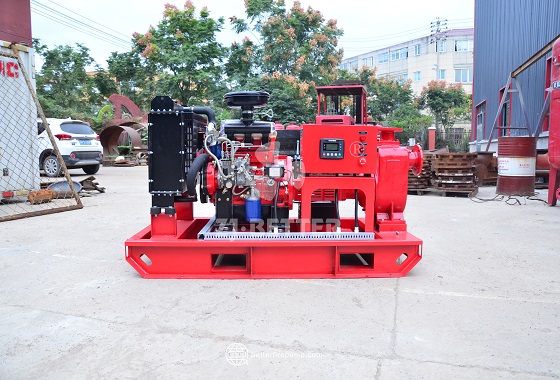
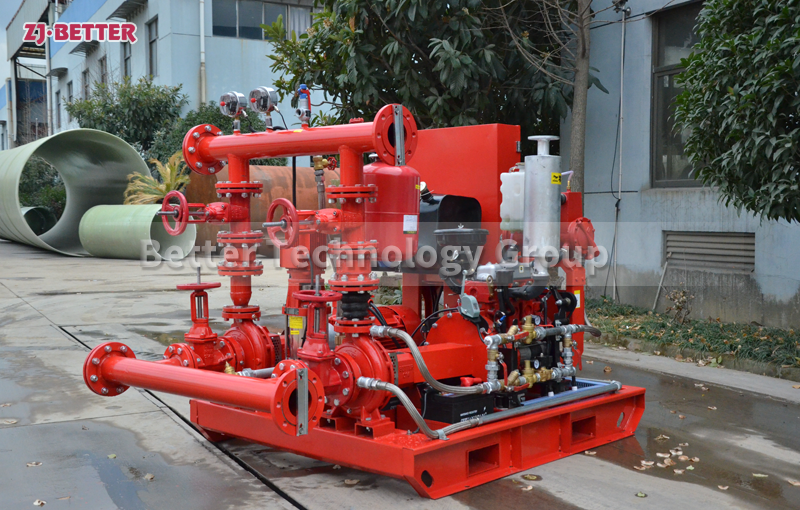
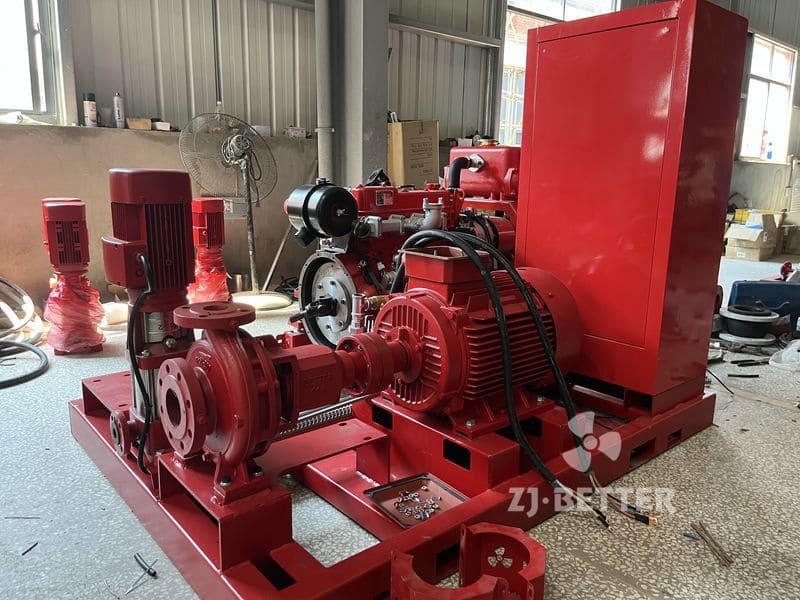
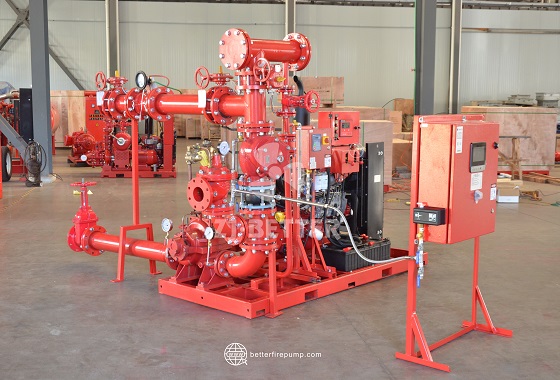
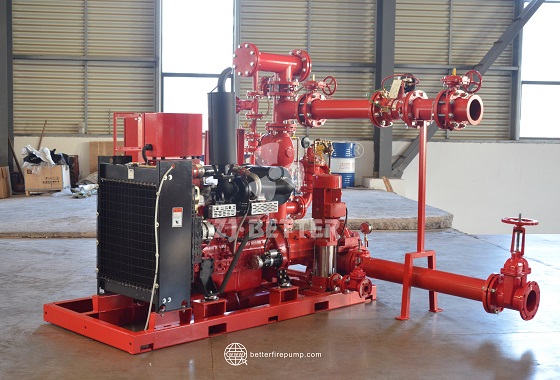
The diesel-powered fire pump unit with a separate control cabinet features an independent diesel engine drive, integrating the fire pump, piping components, and an electrical control cabinet. This configuration offers flexible placement of the control cabinet, clear functional zoning of equipment, and ease of installation and maintenance, making it suitable for fire water supply systems in industrial and building applications.
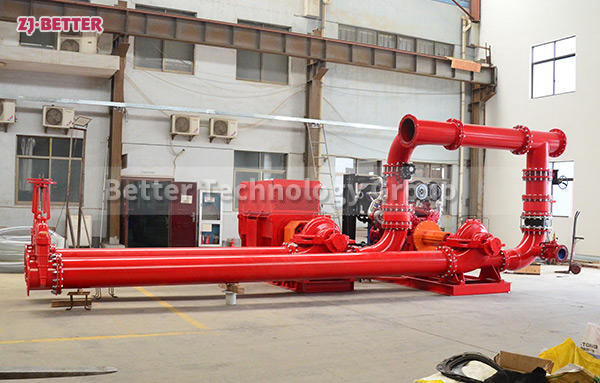
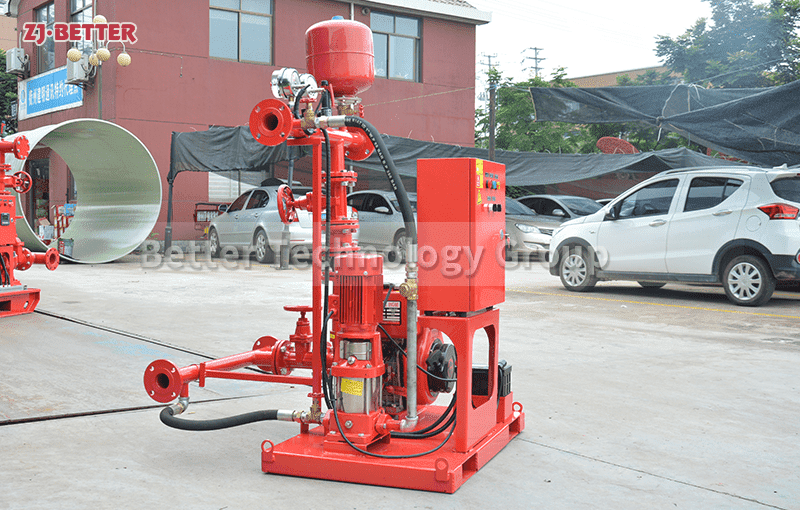
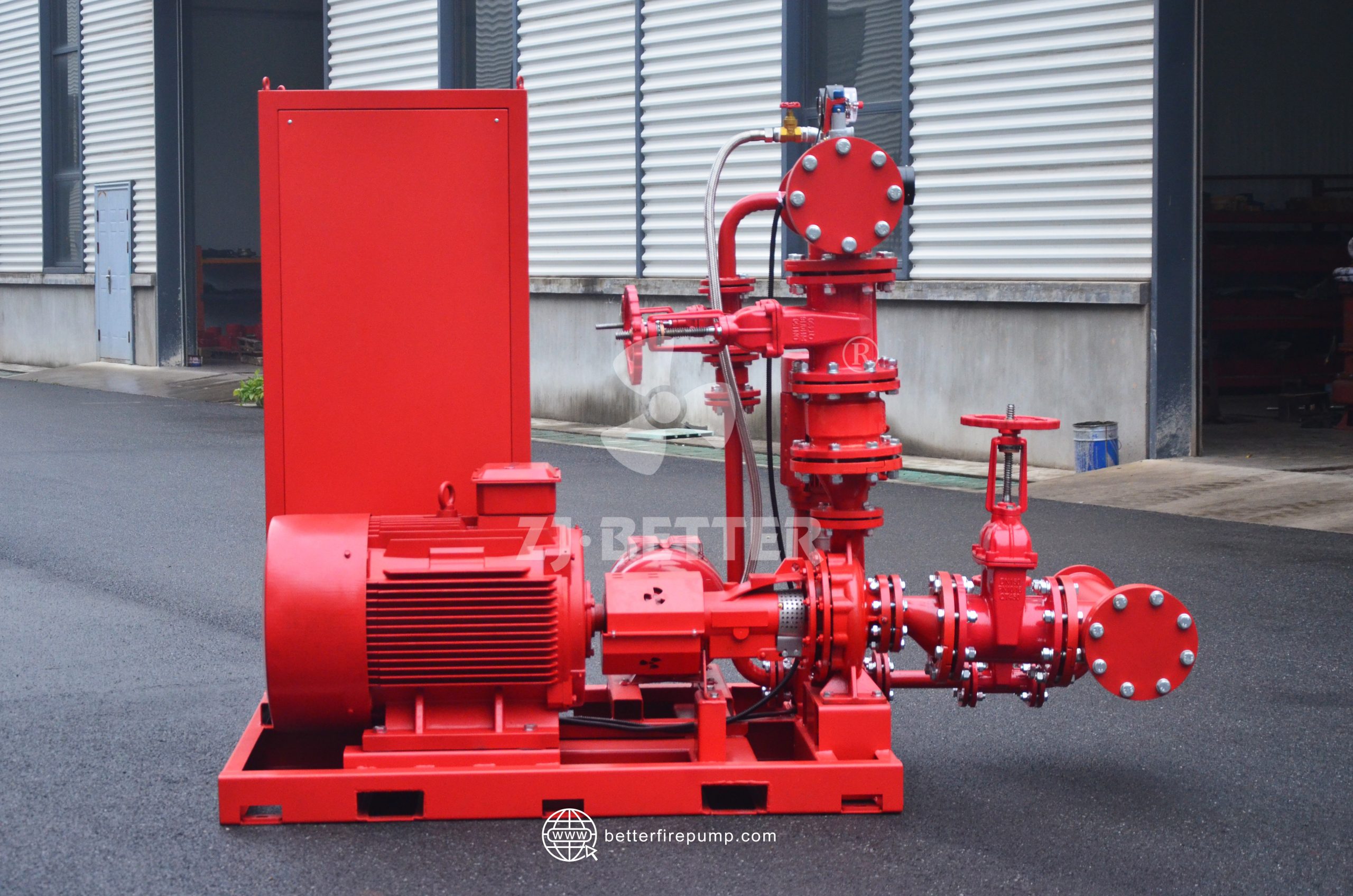
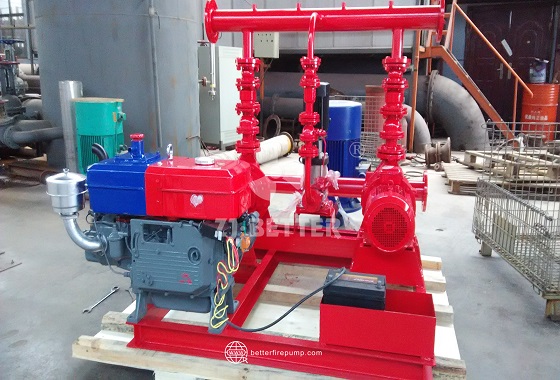
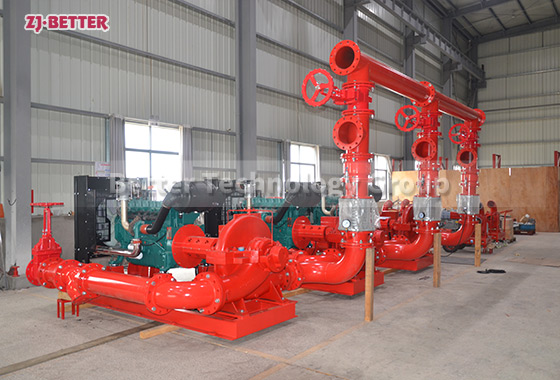
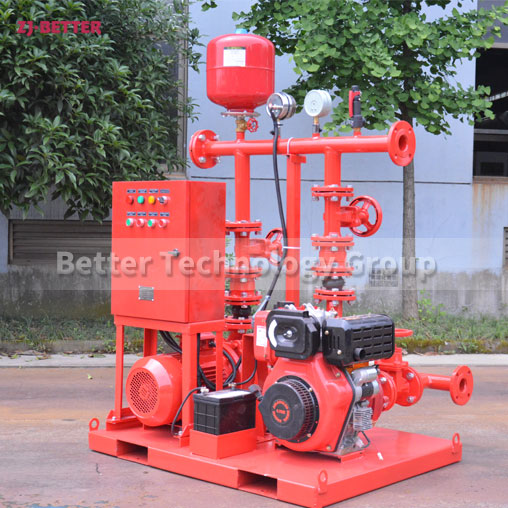
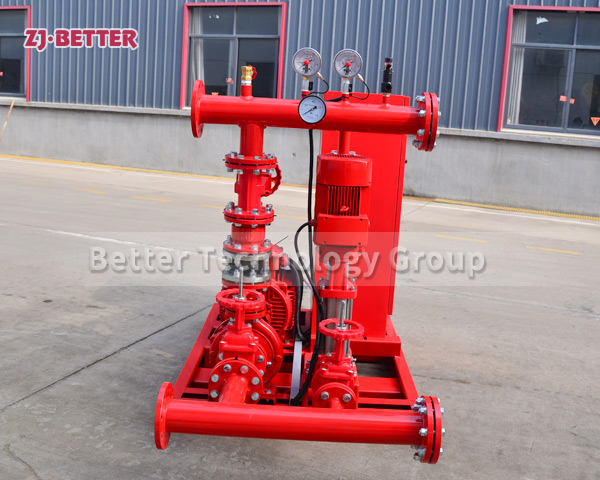
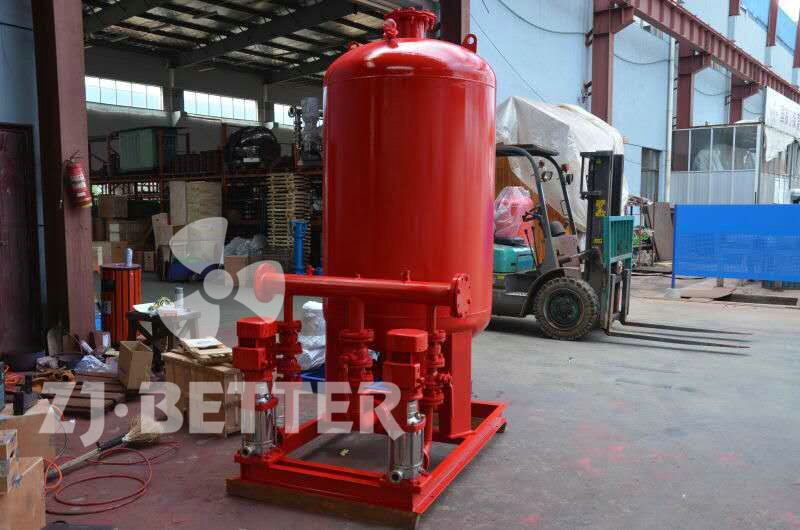
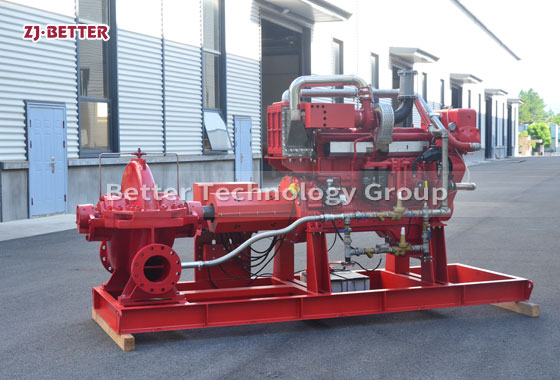
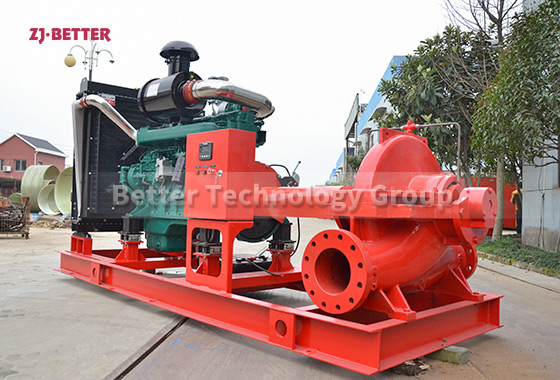
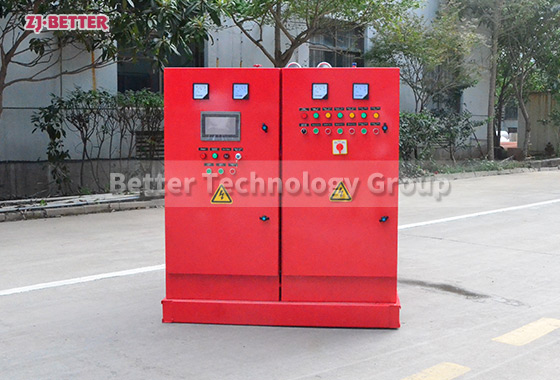
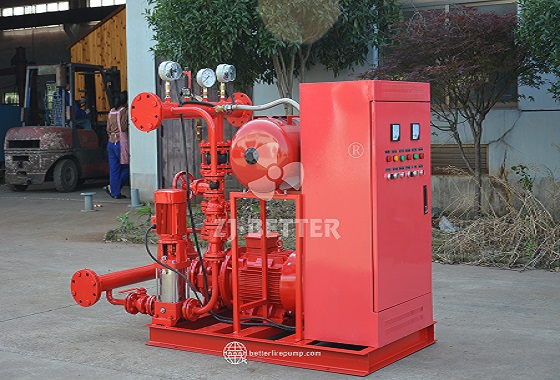
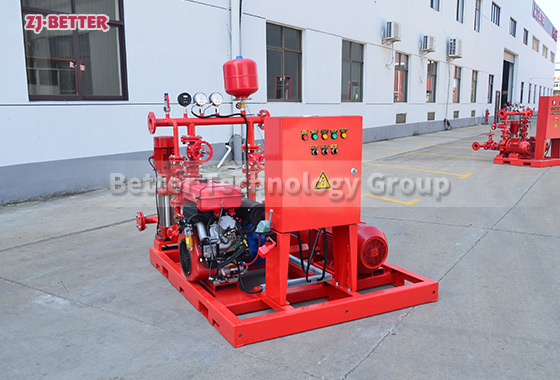
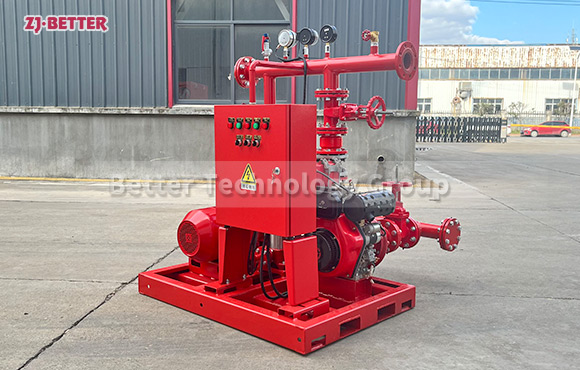
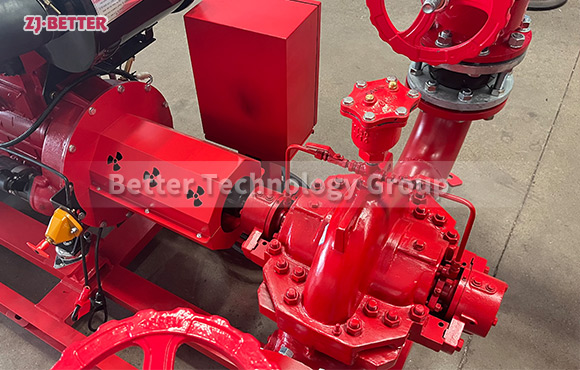
A diesel-powered fire pump unit with a separate control cabinet is a fire-fighting water supply system driven by a diesel engine, comprising a fire pump, a power system, piping components, and an independent electrical control cabinet. Unlike configurations where the control cabinet is mounted directly onto the pump unit’s base, this design utilizes a separate stand for the control cabinet, effectively isolating the electrical control section from the power and pumping components. This allows for flexible equipment placement based on the specific space constraints and operational requirements of the pump room. The diesel engine provides an independent power source for the fire pump, making it highly suitable for locations where external power supply is limited or where an autonomous power backup is required. The engine and fire pump are mounted on a common base, ensuring a compact power transmission structure; this minimizes the coordination challenges associated with installing separate components and facilitates transport, positioning, and foundation anchoring of the entire unit. The integrated piping system—consisting of various connecting pipes, flanges, valves, and pressure-monitoring instruments—enables seamless connection to the fire-fighting network, ensuring clear water flow paths and well-defined equipment interfaces. Pressure gauges and sensors monitor operational pressure, providing essential data for assessing equipment status and supporting the control system. The independent control cabinet can be configured to include start-up controls, operational status indicators, fault alarms, and various protective functions, allowing operators to manage the system from a centralized point. This separate installation approach also offers the flexibility to adjust the control cabinet’s position to optimize space for inspections, electrical wiring, and routine operation—provided that the installation distance and environmental conditions meet the technical specifications for the control equipment. The diesel engine is selected with an appropriate power rating to match the required flow rate, head, and operational load of the pump, and is equipped with a dedicated cooling system and auxiliary components to ensure reliable performance. As the core hydraulic component, the fire pump is selected based on specific project design requirements—such as pressure demands, pipeline resistance, and water source conditions—to ensure optimal compatibility with the fire-fighting network. The system is supplied as a complete, integrated package, with clearly defined functional zones for the pump, power unit, piping, and control cabinet, which streamlines factory pre-assembly, quality inspection, and on-site installation and commissioning. This equipment is suitable for industrial plants, storage facilities, energy projects, and other locations requiring a diesel-powered fire-fighting water supply. When selecting a unit, factors such as the required fire-fighting design flow rate, head, diesel engine power, control method, piping connections, control cabinet placement, and on-site maintenance space should be comprehensively evaluated to ensure all components are properly matched. Before the equipment is put into operation, it is essential to inspect the fuel, lubrication, and cooling systems, verify that all piping connections and valves meet the required specifications, and test both the control cabinet functions and the diesel engine’s starting performance. Featuring an independent diesel drive, a separate control cabinet, and integrated piping components, this type of diesel-powered fire pump system—with its split-cabinet design—effectively balances power reliability, operational space planning, and maintenance requirements, offering a flexible, complete water supply solution for fire protection in various industrial and building projects.