Diesel Fire Pump Set with Large-Diameter Piping – Integrated Pump and Suction/Discharge Connections
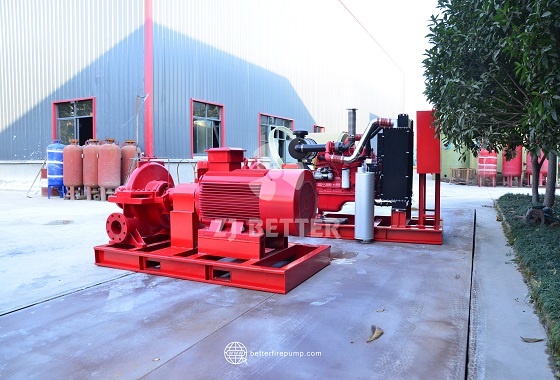
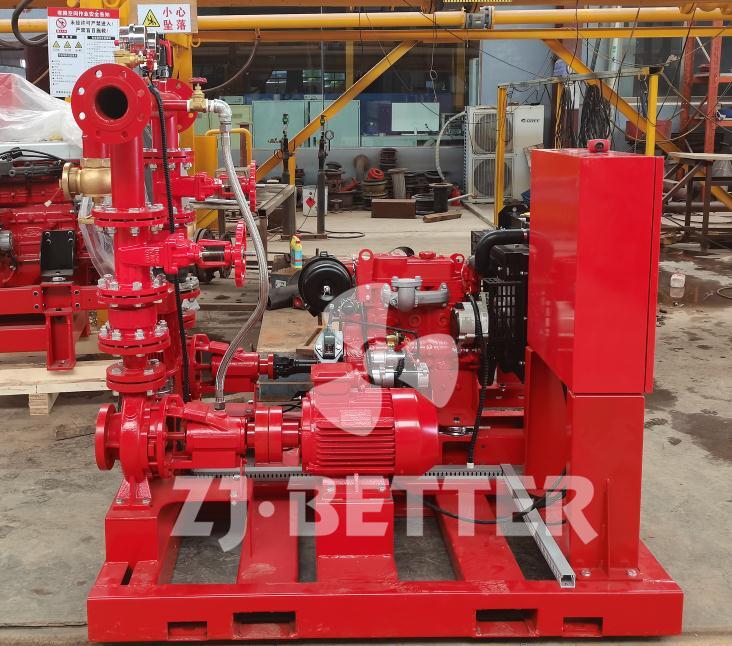
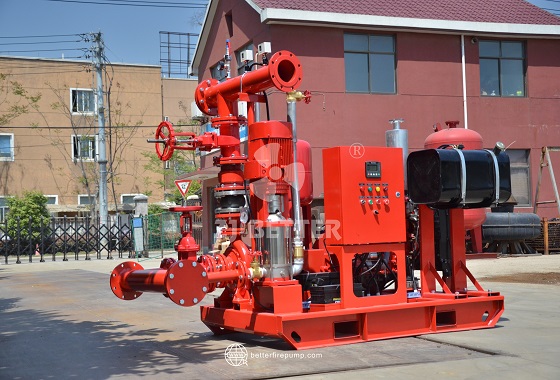
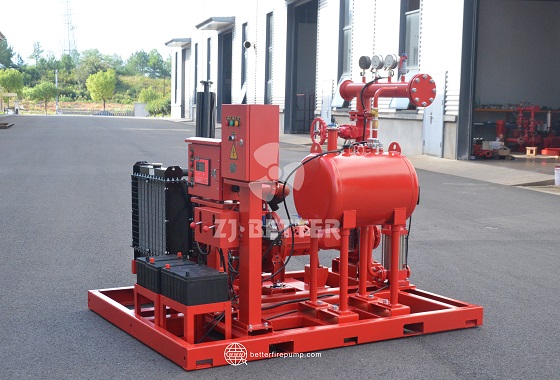
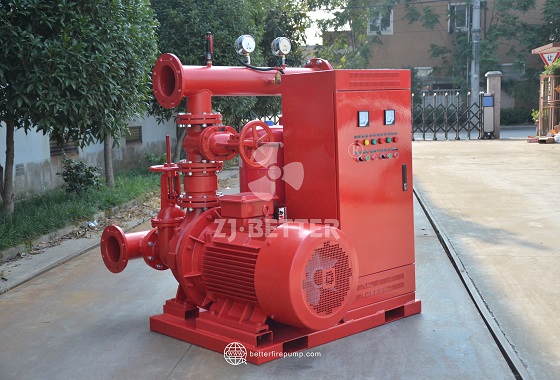
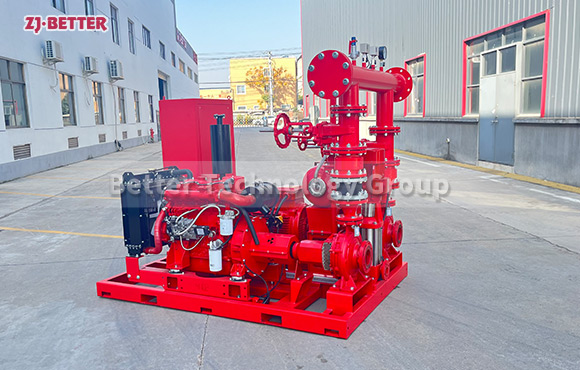
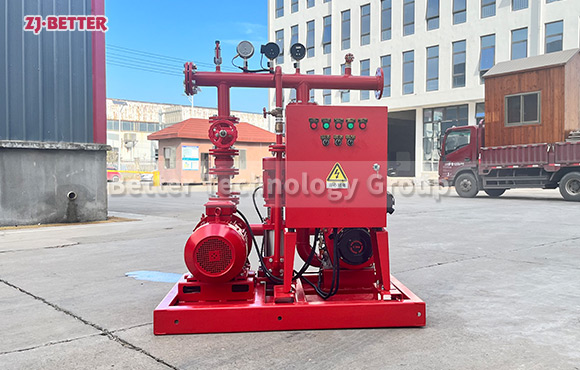
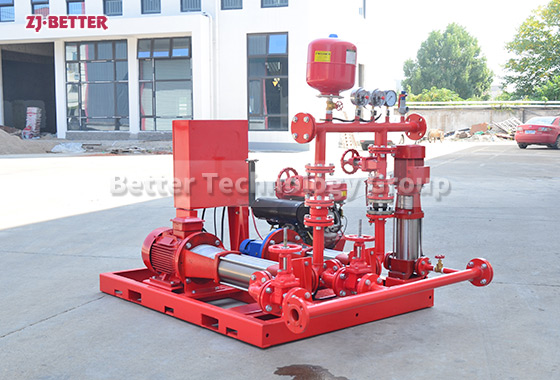
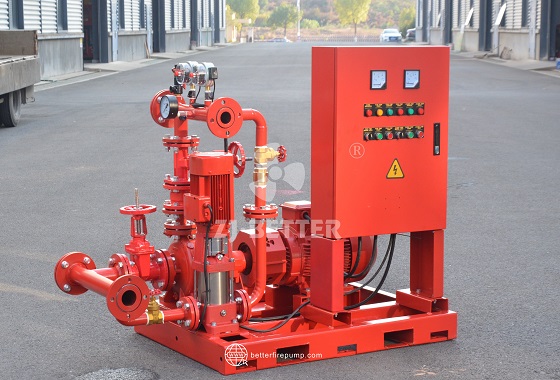
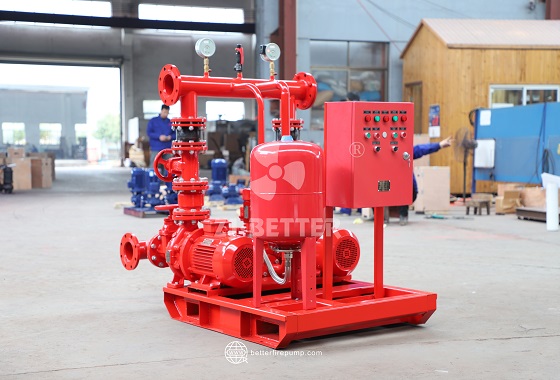
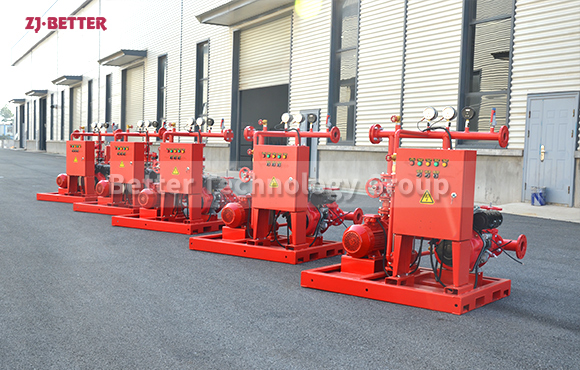
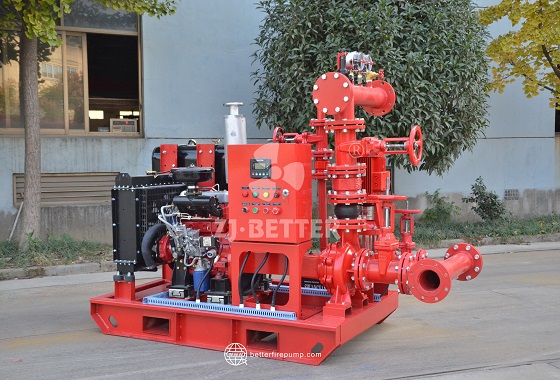
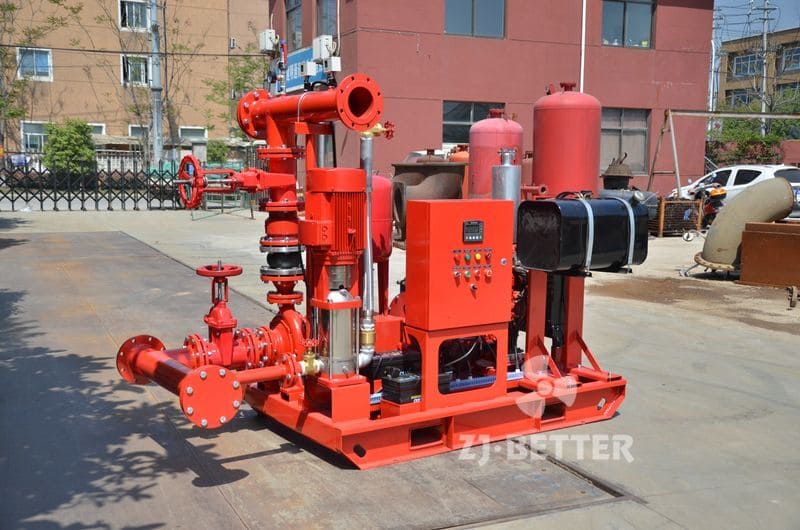
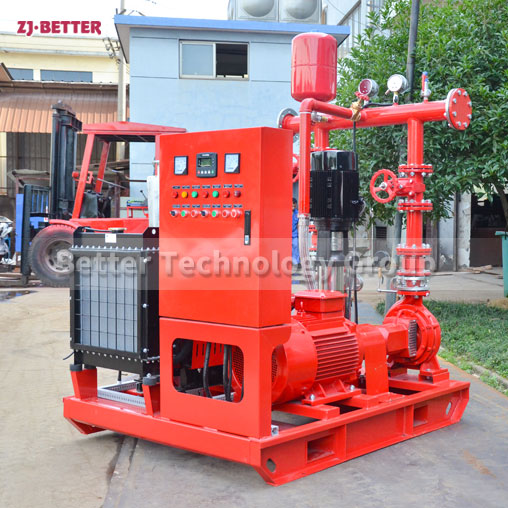
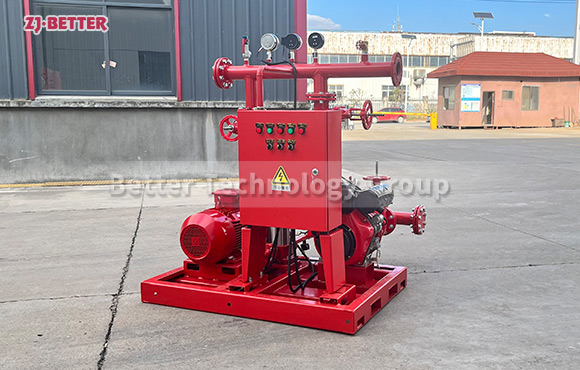
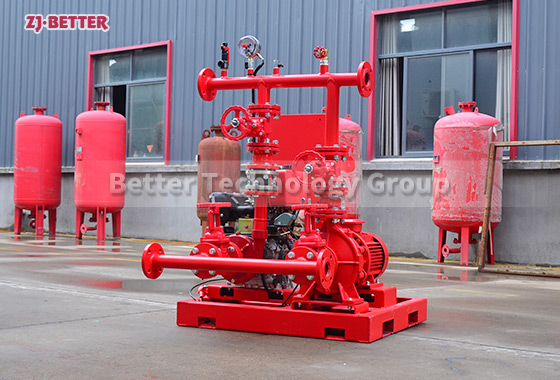
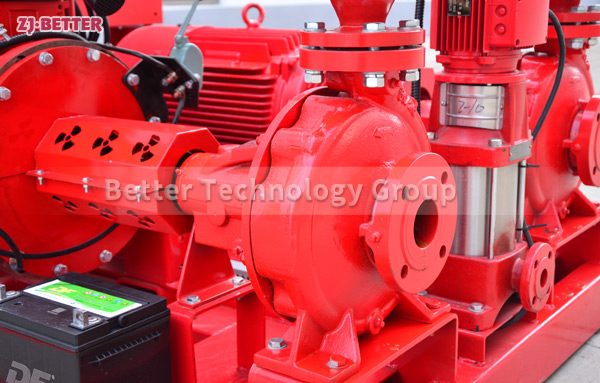
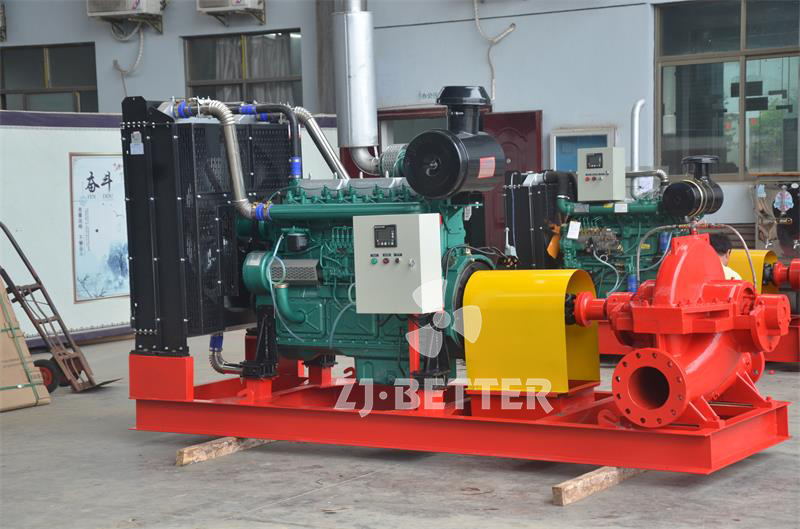
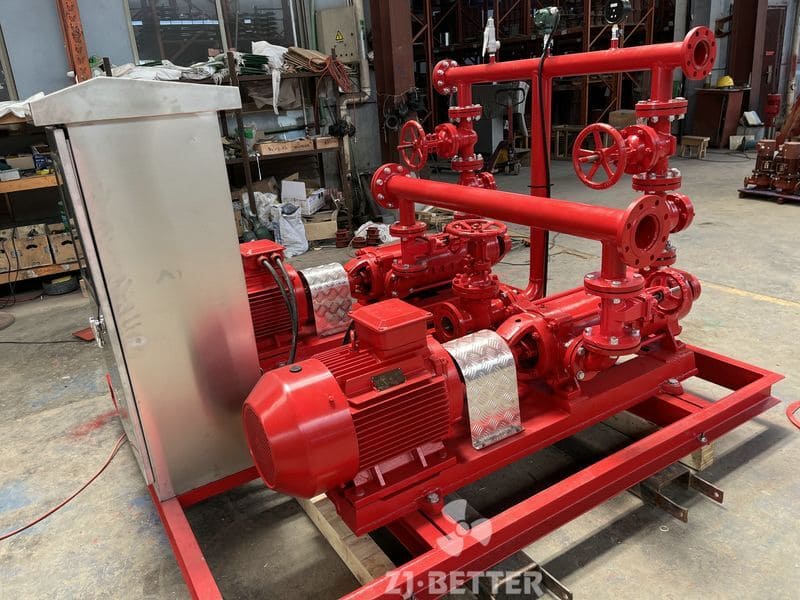
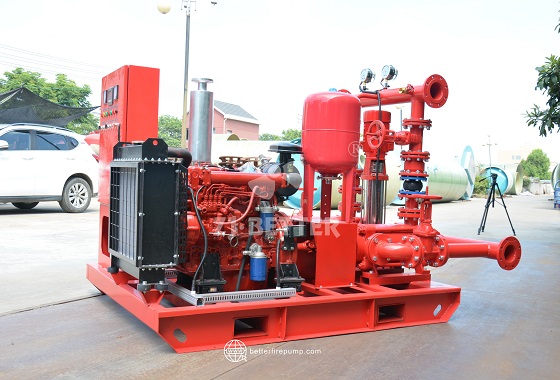
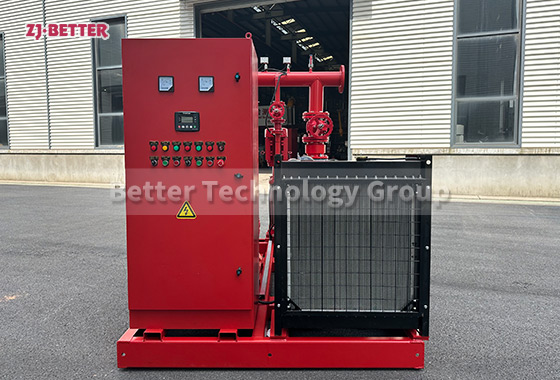
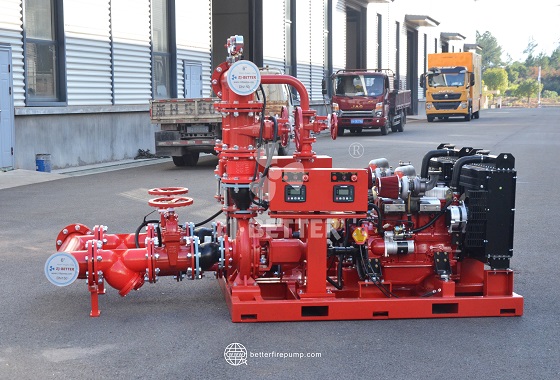
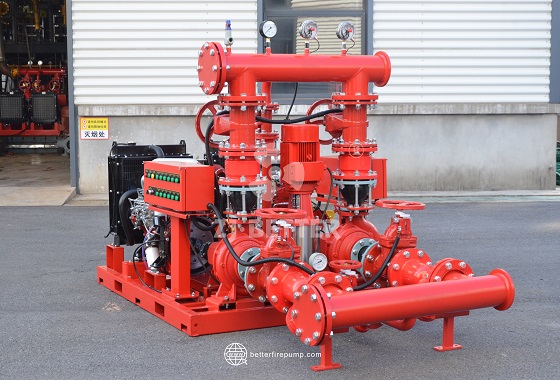
This large-bore diesel-powered fire pump unit integrates a diesel engine, a fire pump, a control cabinet, and large-diameter inlet and outlet piping. Featuring flanged connections and a complete, unified base design, it is easily integrated into industrial fire protection piping networks and is well-suited for fire water supply systems in large-scale industrial facilities and engineering projects.
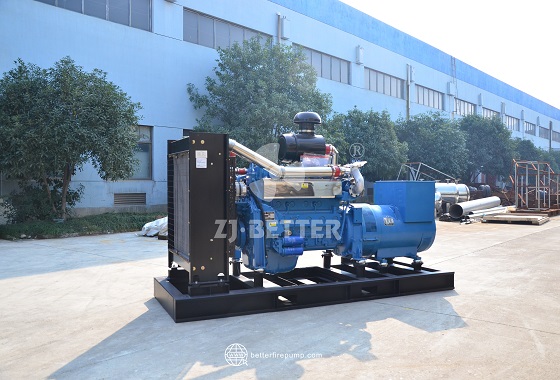
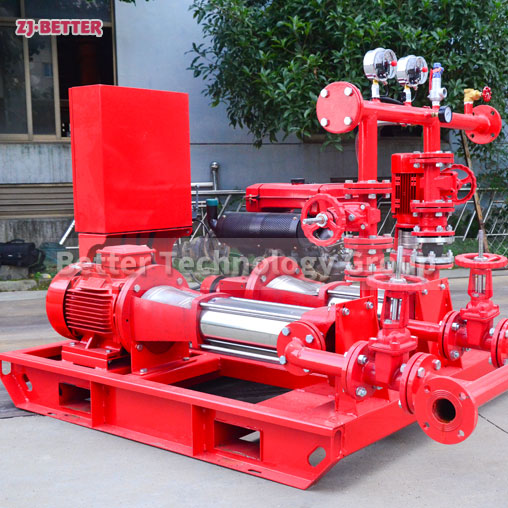
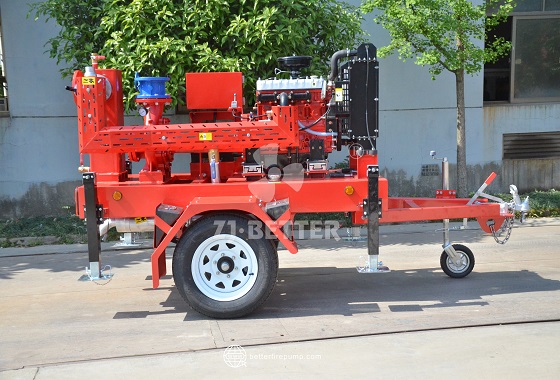
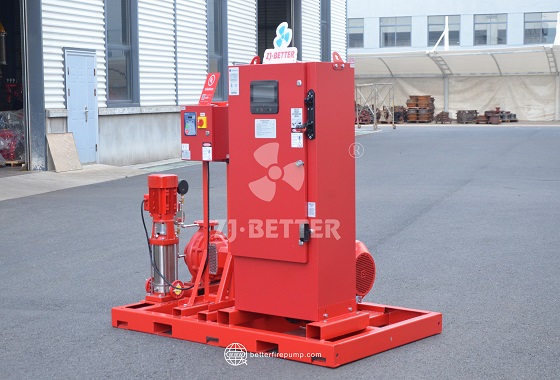
A large-bore diesel-driven fire pump unit is a comprehensive fire-fighting water supply system powered by a diesel engine and equipped with large-diameter inlet/outlet piping and valve assemblies. It is primarily designed for use in industrial facilities, warehouses, energy projects, and large-scale fire-fighting water supply infrastructure. The system integrates the diesel engine, fire pump, control cabinet, piping components, and associated valves onto a common base frame, forming a complete, skid-mounted unit that facilitates transport, on-site positioning, and integration into larger engineering projects. Unlike standalone pump units, this integrated system features a centralized design for inlet/outlet connections and piping accessories; it can be configured with specific flange connections to match project-specific pipe specifications, ensuring seamless integration with external fire-fighting piping networks. The large-bore inlet and outlet piping provide a dedicated conduit for water flow, with the actual flow capacity determined by factors such as pipe diameter, flow velocity, hydraulic resistance, and pump performance. Powered by a diesel engine, the system is particularly advantageous for locations where the external power supply is unstable or where an independent power source is required. Mounting the diesel engine and the pump on a unified base ensures an organized layout and simplifies the inspection and maintenance of both the power system and the pump. The engine is equipped with a radiator and cooling system to manage heat during operation, with the specific cooling capacity depending on the engine model and the operating environment. As the core hydraulic component, the fire pump can be selected—based on specific engineering requirements—in terms of pump type, flow rate, and head, ensuring the system meets the water supply demands of the fire-fighting network. The piping system includes valves for flow control and operational management, while flange connections allow for straightforward mechanical integration with the project’s piping, reducing the complexity of on-site installation. The control cabinet manages the start-stop functions and operational status of the pump unit, and can be configured—according to project requirements—to include automatic or manual control, operational status indicators, and fault alarms. By strategically positioning the pump, power unit, piping connections, and control components, the system achieves an optimal balance between space efficiency and ease of routine maintenance. For large-scale industrial fire protection systems, equipment can be customized based on design flow rate, head, pipe diameter, water source conditions, diesel engine power, and the installation environment, ensuring that the pump unit’s performance aligns with on-site water supply requirements. Before the equipment is put into service, it must undergo foundation anchoring, connection of inlet and outlet piping, inspection of valve status, checks of the fuel and cooling systems, and commissioning of control functions; furthermore, operational testing and regular maintenance must be carried out in accordance with fire protection system standards. Featuring diesel-engine drive, large-diameter pipe connections, and an integrated, modular installation structure, this fire pump unit provides essential equipment support for fire water supply in industrial and large-scale engineering projects—making it well-suited for applications that require independent power sources, specific piping configurations, and comprehensive equipment integration.