Home » Fire Pump Set » Electric fire pump set is an important fire pump equipment

Electric fire pump set is an important fire pump equipment

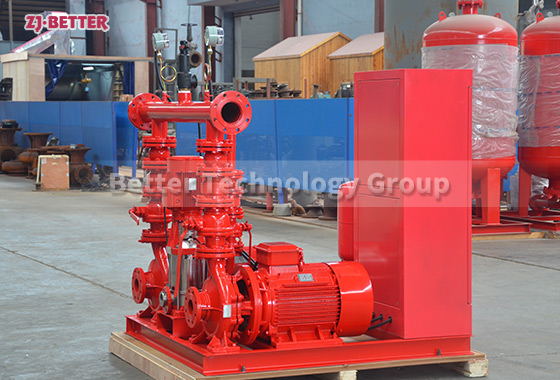
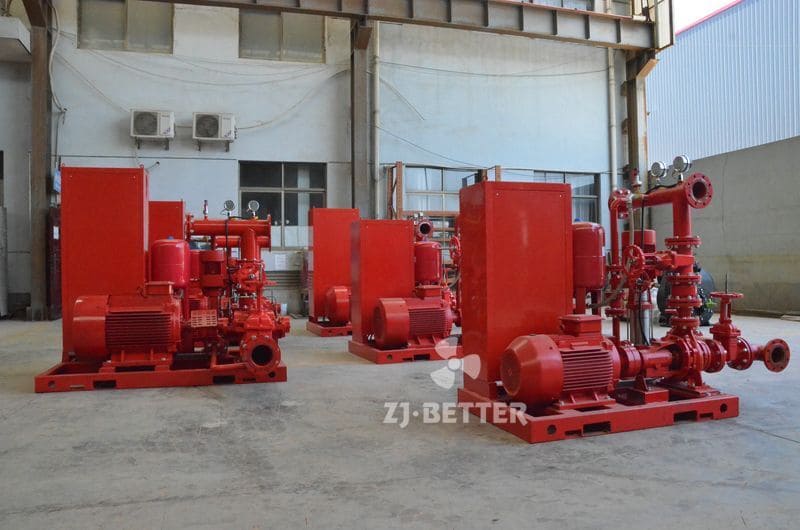
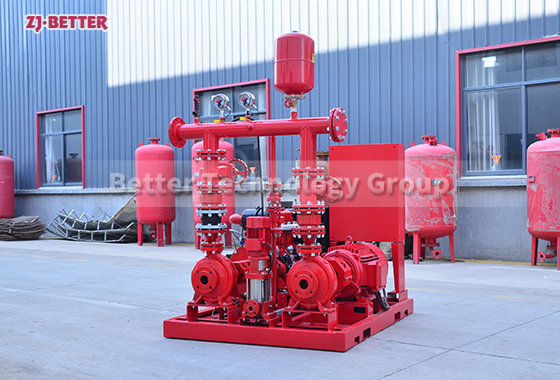
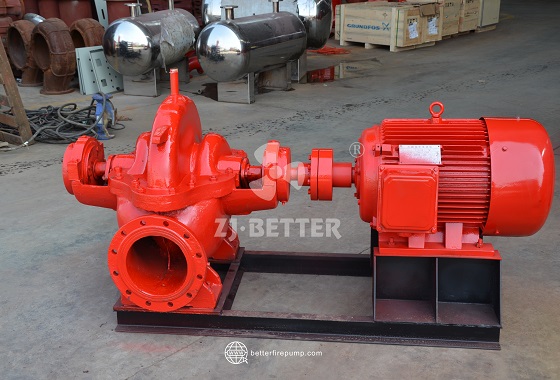
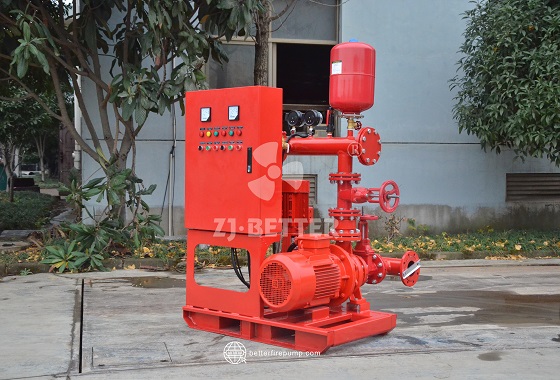
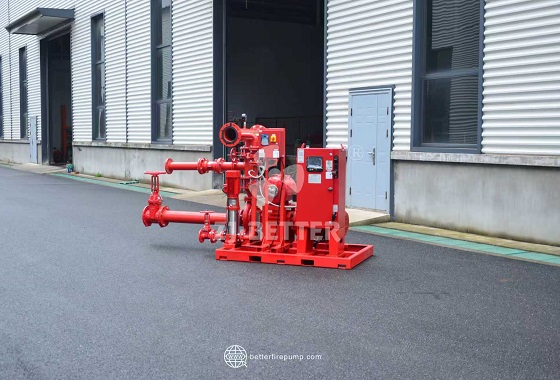
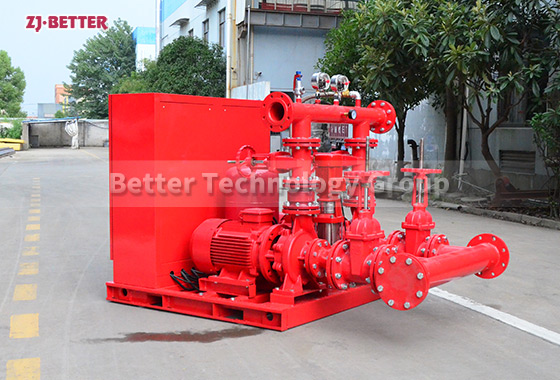
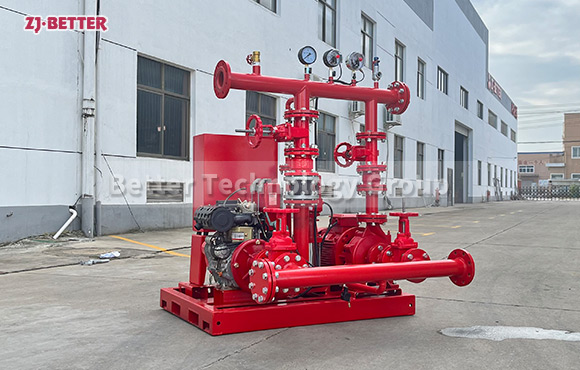
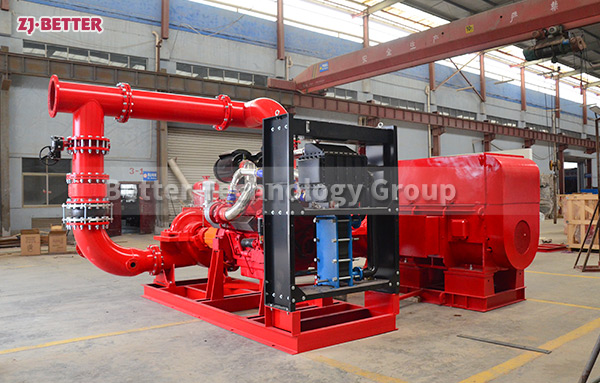
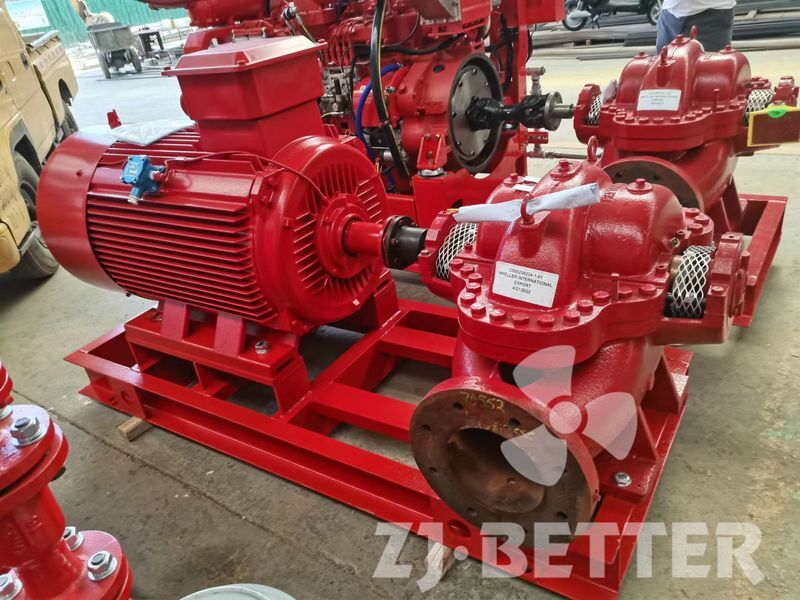
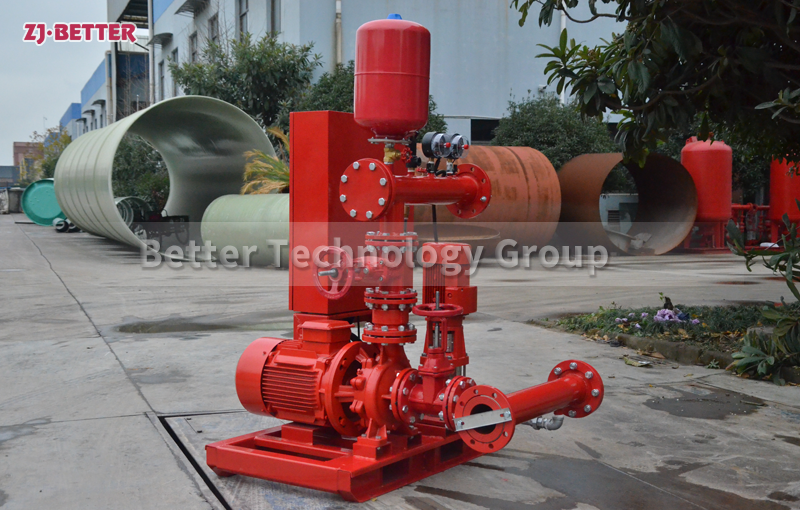
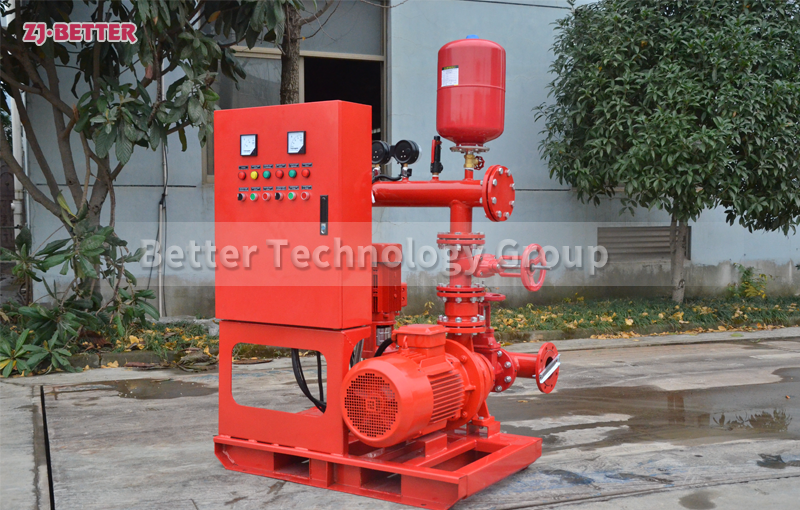
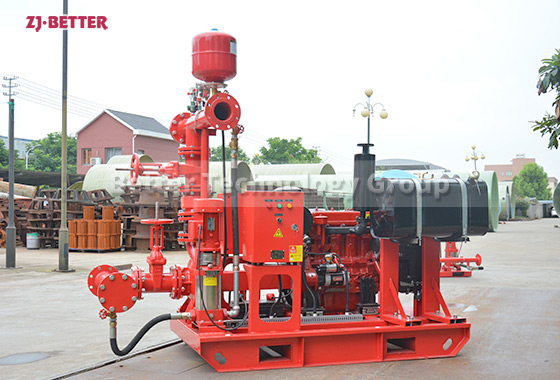
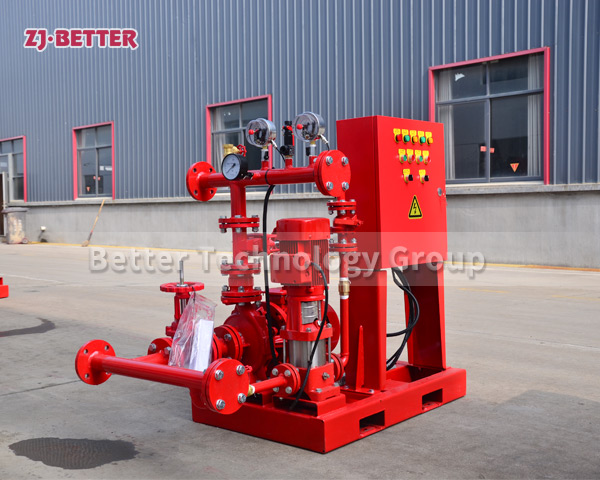
The electric fire pump set is an important fire pump equipment, usually in a horizontal state. Each pump group is composed of five parts: front pump, electric motor, hydraulic coupling, main feed water pump, lubricating oil device (including lubricating oil cooler and working oil cooler. In normal state, two sets are running, one There are two standby pumps, and any feedwater pump set can be used as a standby pump. When one of the two running pumps stops due to an accident, the standby pump will be put into operation automatically.

Rated 4.8/5 based on 584 customer reviews
Share:
Content

Functions of fire pump electrical control cabinet:
1. The function of the electrical control cabinet of the fire pump group
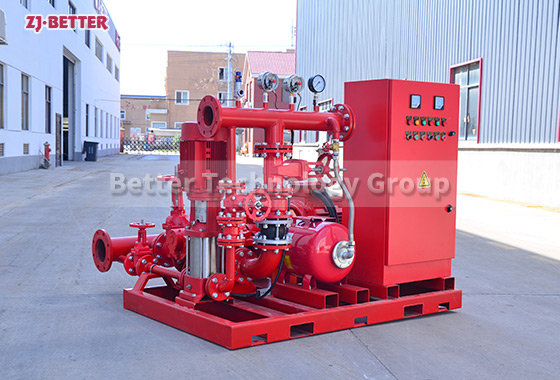
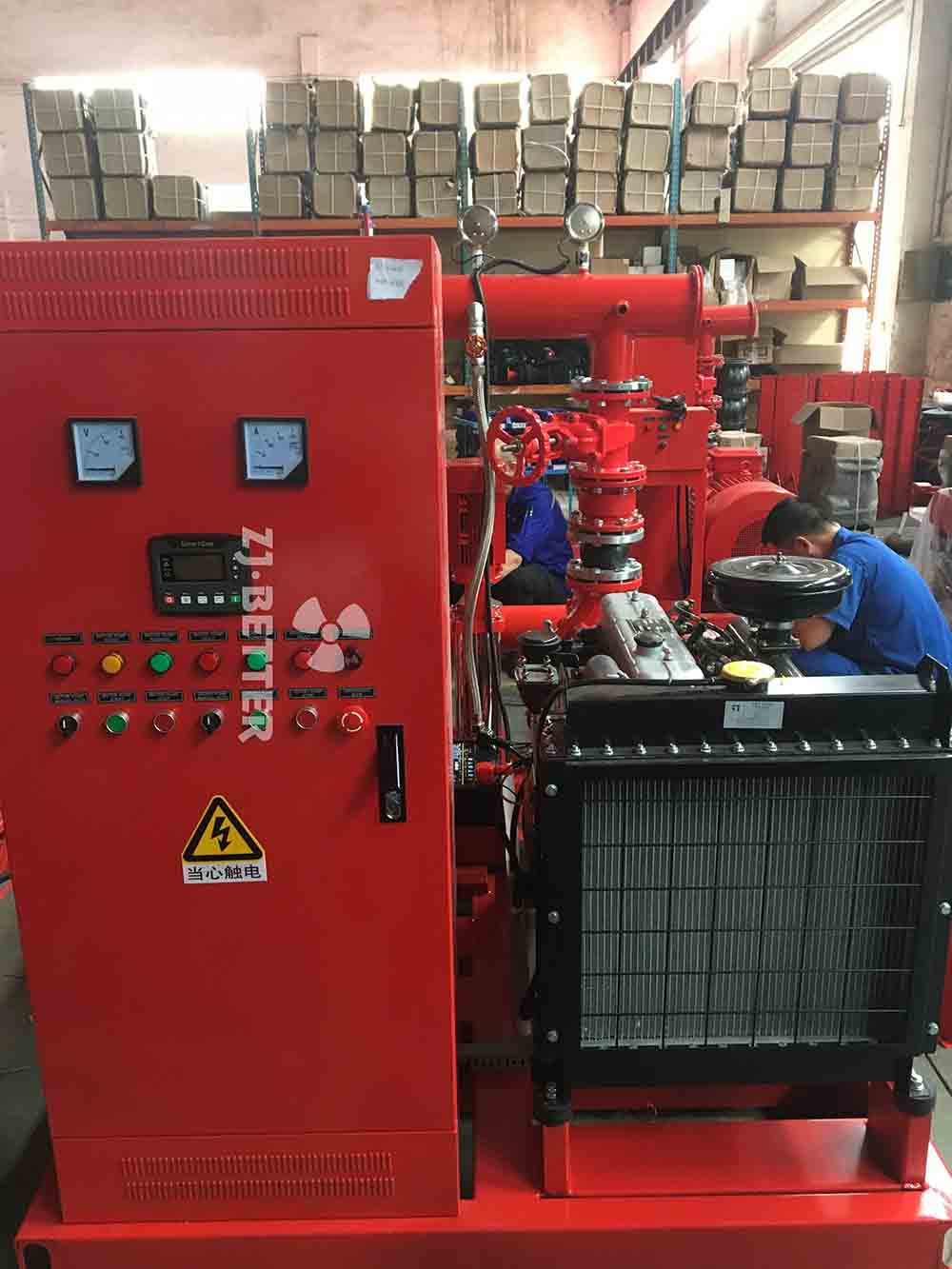
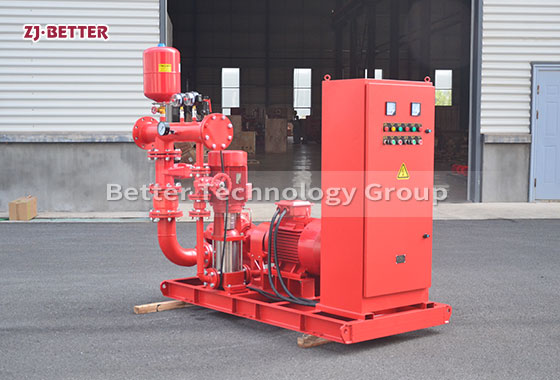
According to the needs of system operation control and maintenance management, the fire pump electrical control cabinet mainly has the functions of starting and stopping the pump, main and standby switching, manual and automatic switching, dual power switching, inspection, protection, feedback mechanical emergency start, etc.
2. Pump start and stop function
The control cabinet is equipped with buttons for manually starting and stopping each fire pump, and input terminals for remotely controlling the start of the fire pump. The fire pump starts, runs, and stops normally, and the indicators and instruments display normally.
3. Manual and automatic conversion function
In the automatic state, the water pump can be started automatically or remotely manually, and the multi-line control panel can remotely stop the water pump. In manual mode, the pump can be started and stopped by the start and stop button of the control cabinet.
Inquiry


    More Fire Pump Set

    1. When the pipeline fire pump noise occurs, the most likely fault is the imbalance of the fire pump rotor. Since the water output of the fire pump mainly depends on the high-speed rotation of the rotor, when the rotor is unbalanced for some reason, it will cause the fire pump to deviate from the original rotation track during the rotation process, resulting in the fire pump appearing in the pipeline. When judging the failure of the rotor, it is mainly to replace the rotor of the pump or make a balance hole on the rotor blade of the pump to find out the balance difference.

    2. The production noise of the fire pump pipeline has a certain effect. For example, forcing a small flow of a pipe “fire pump” to increase power to increase the original flow will create vibrations in the fire pump. Therefore, whether you use a pipeline fire pump or other types of water pumps, you should follow the water pump use standards to prevent the water pump from making noise, which will affect the service life of the water pump. The solution is to use the pump according to the instructions. If the efficiency of use is affected, it is recommended to replace the appropriate pipeline “fire pump” for use.

    3. The installation did not meet the standards, resulting in abnormal noise from the pipeline fire pump. Fire pumps and fire hydrant pumps vibrate at a high frequency during operation, so they must be fixed during installation. If the bolt between the pump body and the base or between the base and the base is loose when installing the pipe fire pump, the transmission shaft between the pump body and the motor of the pipe pump will be bent. It lowered the concentricity and caused an imbalance in the fire pump rotor. This is one of the noise phenomena of fire pumps. In order to improve this phenomenon, the pump shaft of the fire pump needs to be balanced and then reinstalled. Finally, the base of the pump was reinforced.

    4. Blockage of the impeller passage can also cause fire pump noise. When the internal flow channel of the fire pump is blocked by foreign matter, it will cause uneven resistance of the fire pump impeller and vibrate the fire pump. Therefore, it is necessary to regularly disassemble and maintain the fire pump to prevent foreign matter from blocking the pipeline.

    5. The bearing of the fire pump is damaged. Bearing damage generally does not occur on the main body of an in-line fire pump. If there is a problem with the quality of the pump, or because some hard objects enter the pump body of the tube pump, the bearing is damaged, and the rotor is unstable at first. Causes noise from pipeline fire pumps.

    6. Finally, cavitation, cavitation occurs in any type of pump, but some are obviously not noticeable. If cavitation occurs, consider raising the fire pump or increasing the pressure in the piping. If the cavitation phenomenon cannot be changed, the fire pump model needs to be redesigned and replaced.

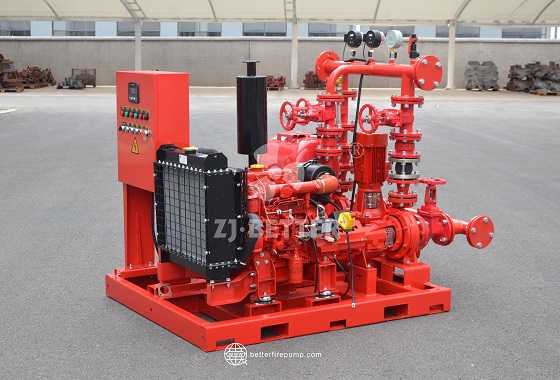
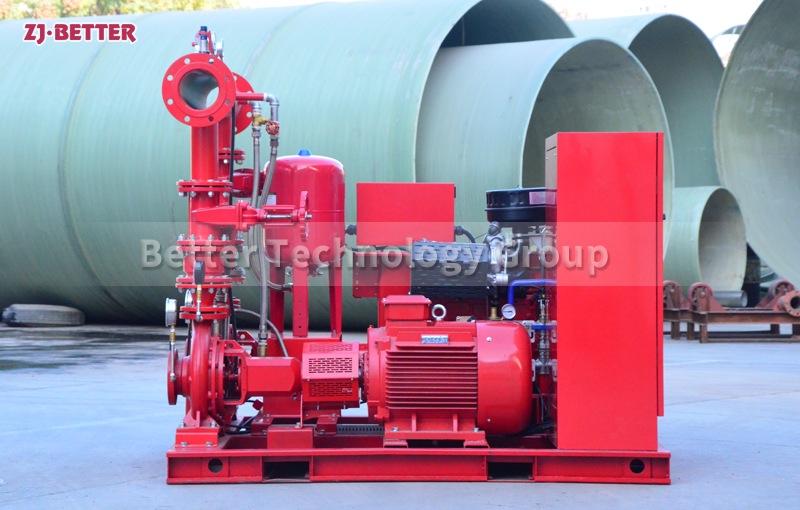
    In modern fire protection systems, rapid response to fire incidents is crucial for safeguarding life and property. The Pressure Stabilization and Dual-Function Pump System integrates powerful pressure regulation with dual power sources to ensure that the fire protection system quickly responds and maintains a continuous, stable water supply during emergencies.

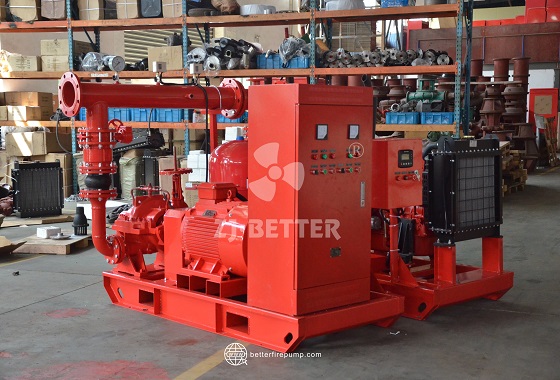
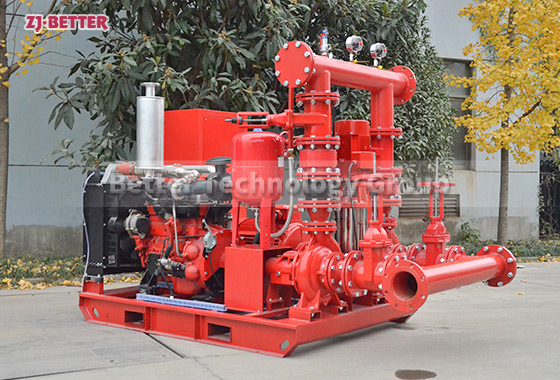
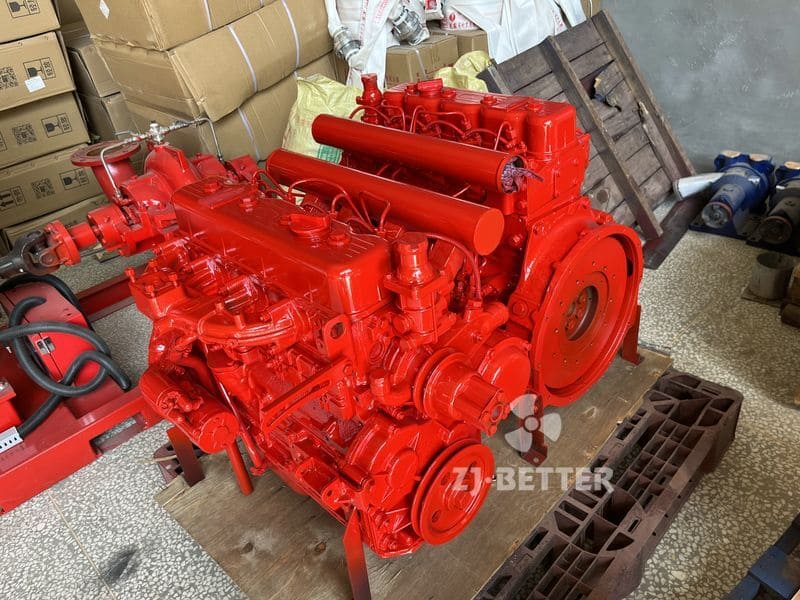
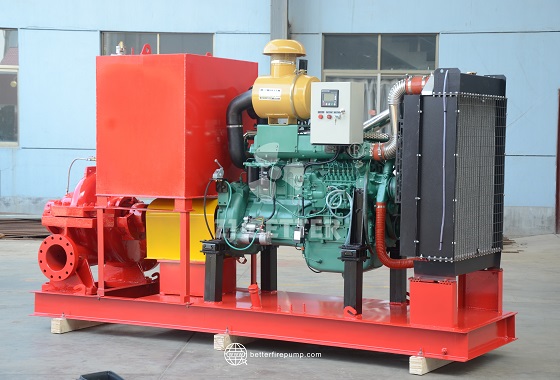
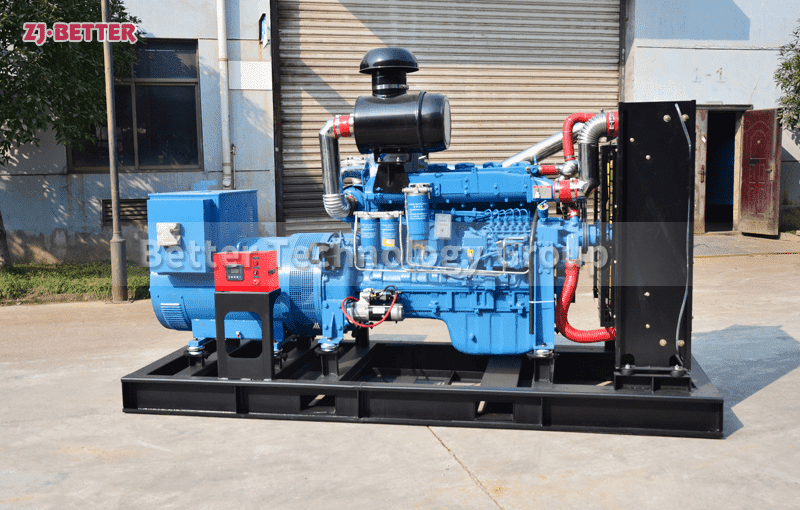
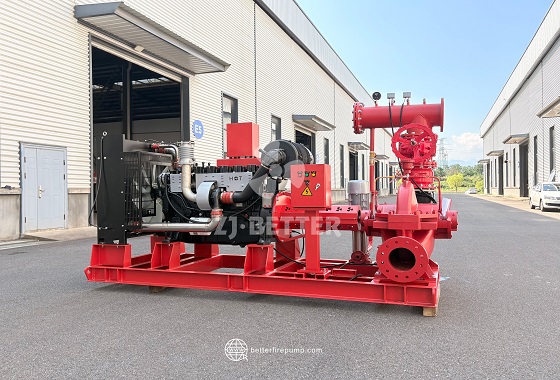
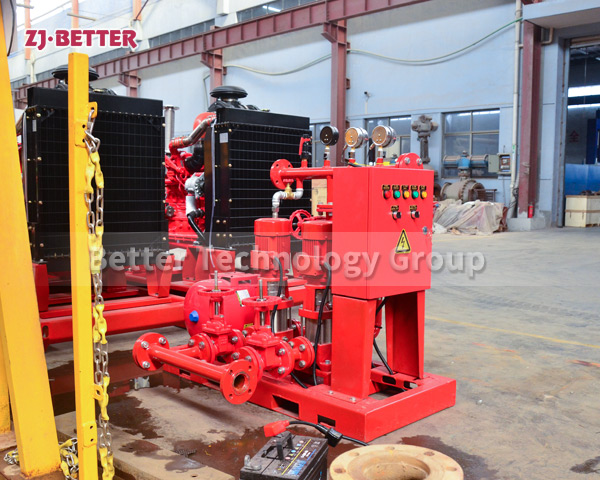
    This pump system is designed with two power sources—an electric motor and a diesel engine. When the primary power source fails, the diesel engine automatically starts, ensuring uninterrupted operation of the fire protection system even during power outages. Its pressure stabilization system automatically adjusts pressure during operation, ensuring stable water flow for fire suppression and preventing water interruptions due to insufficient or fluctuating pressure, ultimately improving firefighting efficiency.

    The intelligent control system further enhances the efficiency of the pump system, allowing users to monitor the system’s status in real-time through a touch panel. The system is easy to operate, and any malfunction is quickly detected and alarms are triggered, activating backup systems to effectively prevent emergency issues caused by system failure.

    This pump unit is ideal for applications in high-rise buildings, industrial zones, storage facilities, and other locations with high reliability requirements for fire protection, ensuring that the fire pump can be immediately activated and continue to supply water in any emergency.