High-Mobility Diesel Fire Pump for Forest Fire Prevention and Emergency Rescue
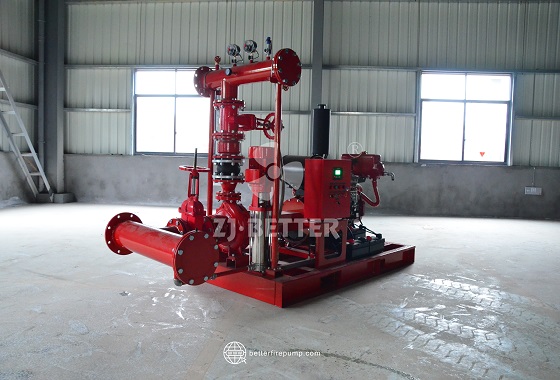
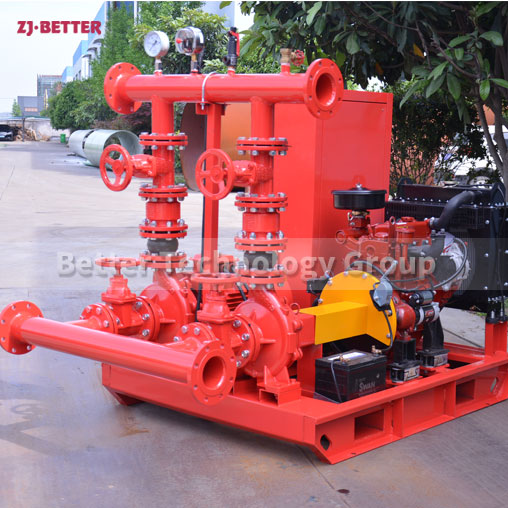
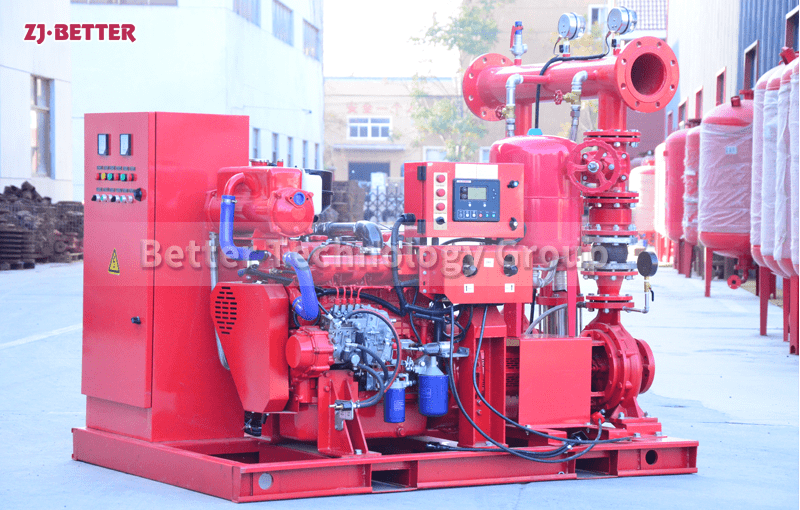
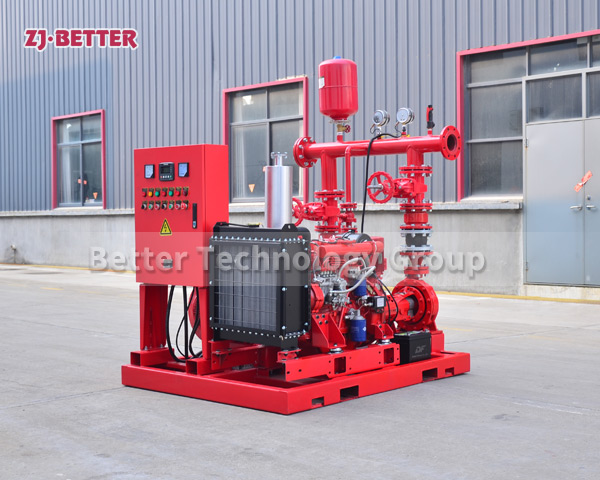
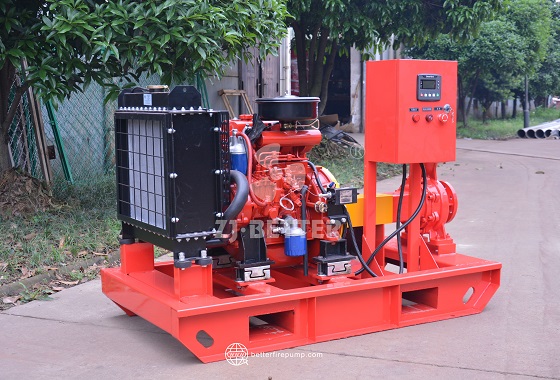
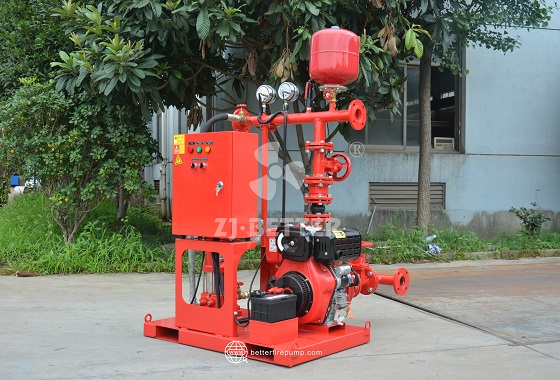
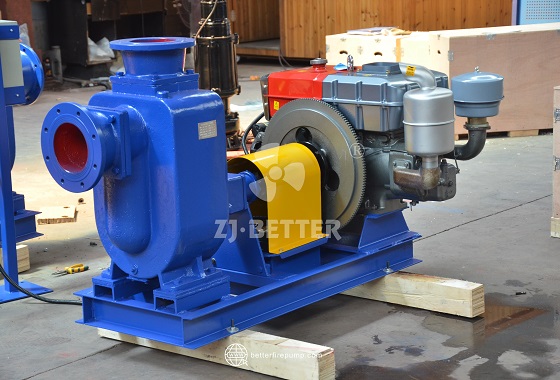
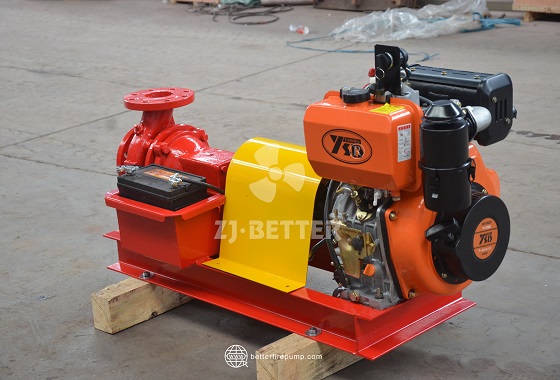
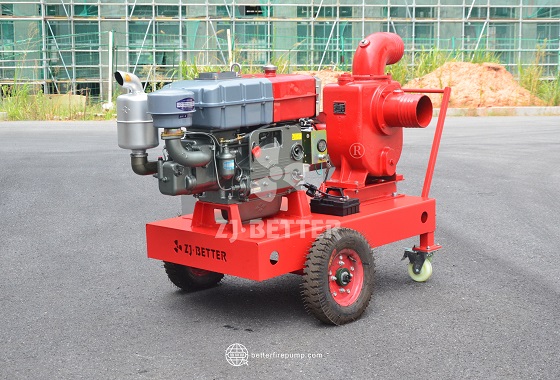
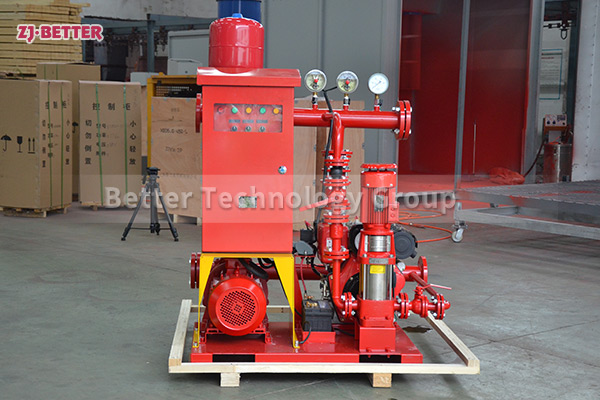
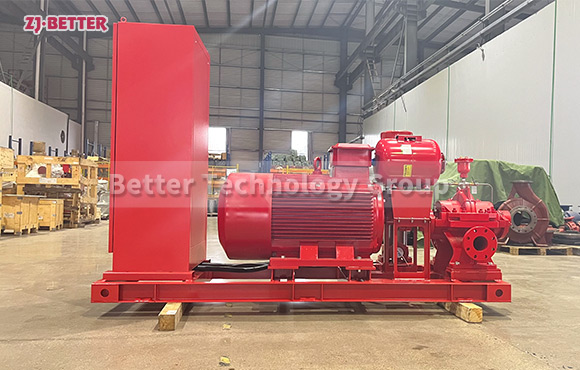
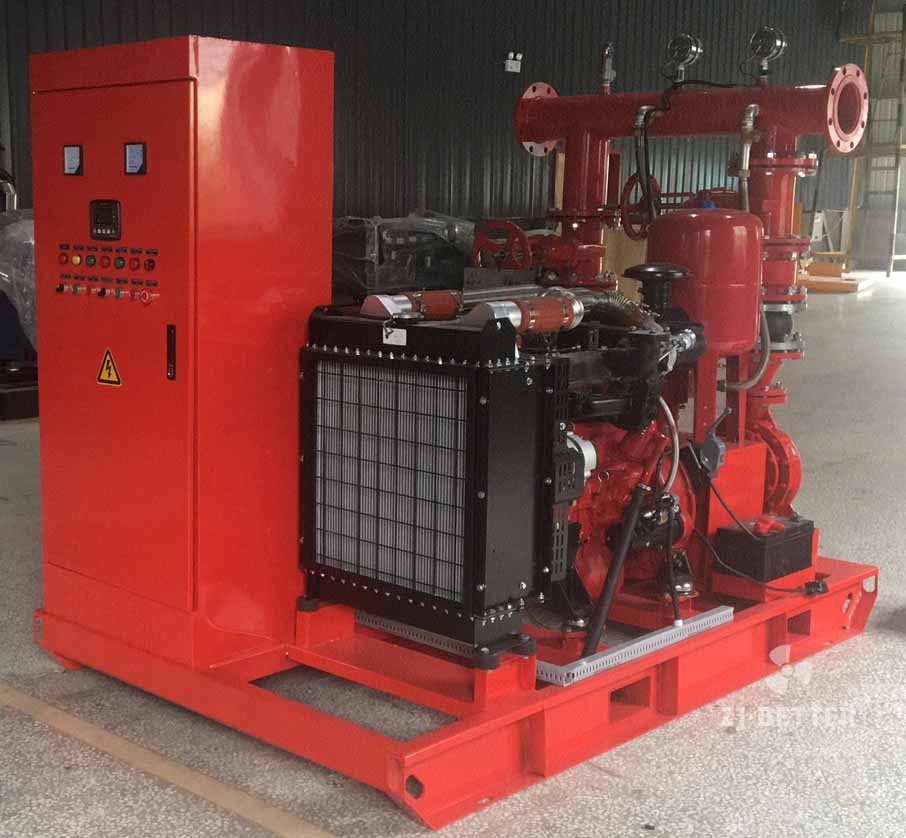
High-mobility diesel fire pumps are designed specifically for forest fire prevention and emergency rescue. They feature independent power, strong self-priming capability, high flow and high head output, and excellent environmental adaptability. They can be quickly deployed and provide a continuous and stable water supply in conditions without power or in complex terrain, making them a reliable solution for field fire fighting and emergency rescue.
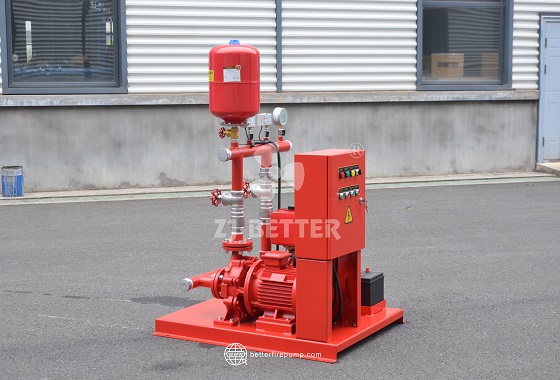
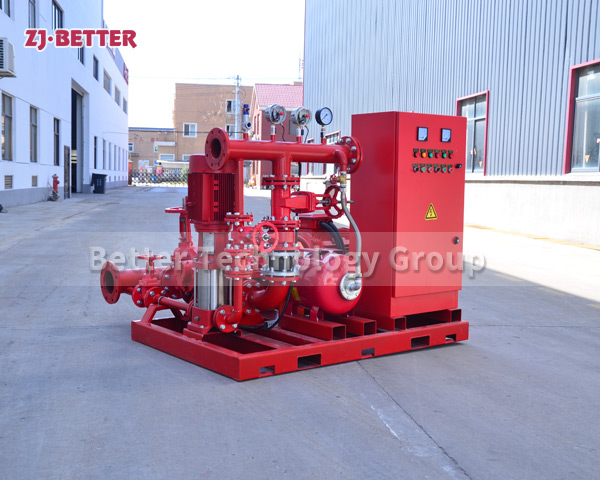
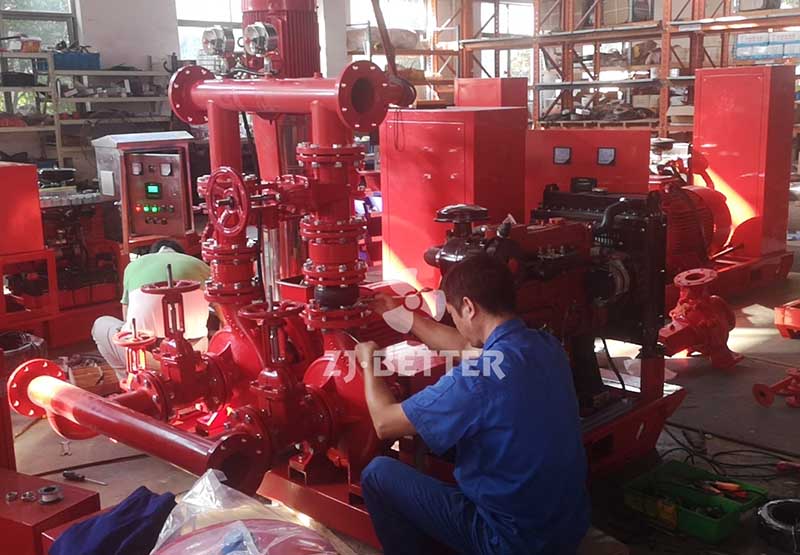
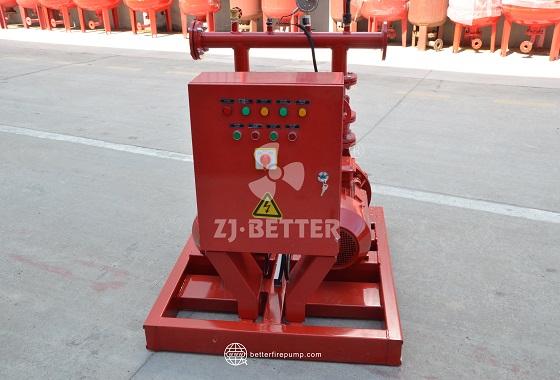
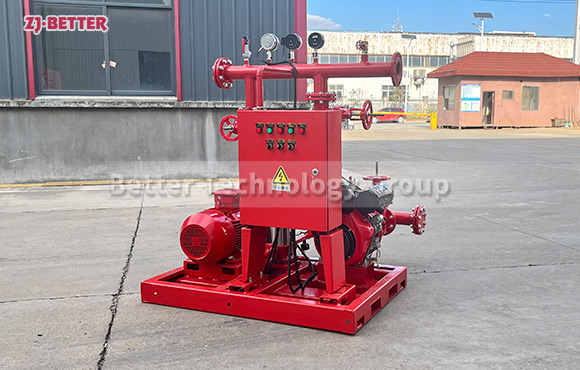
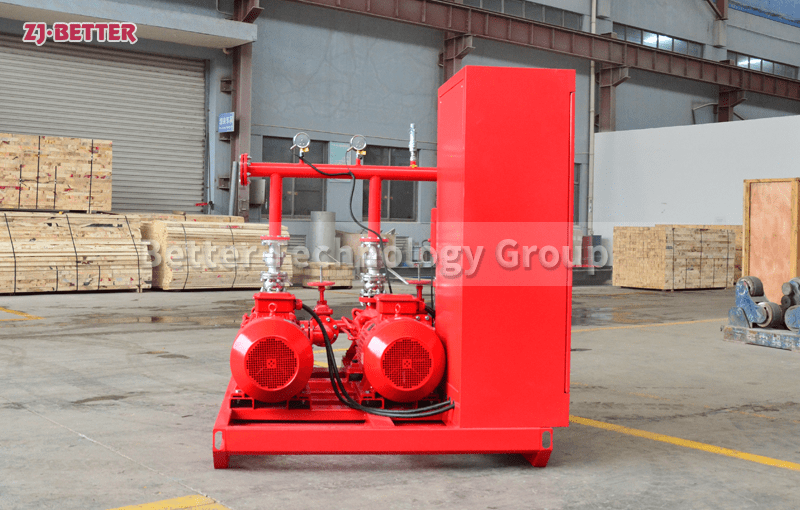
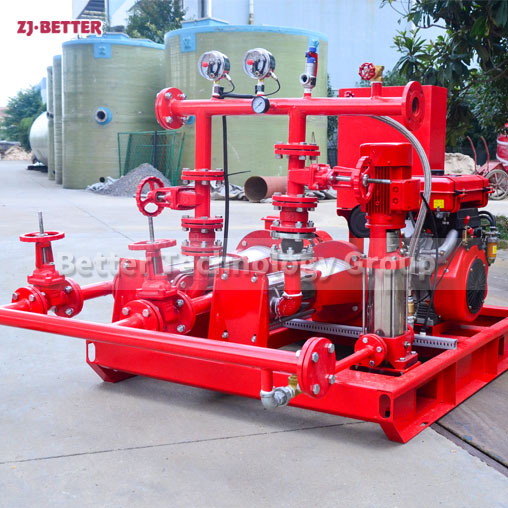
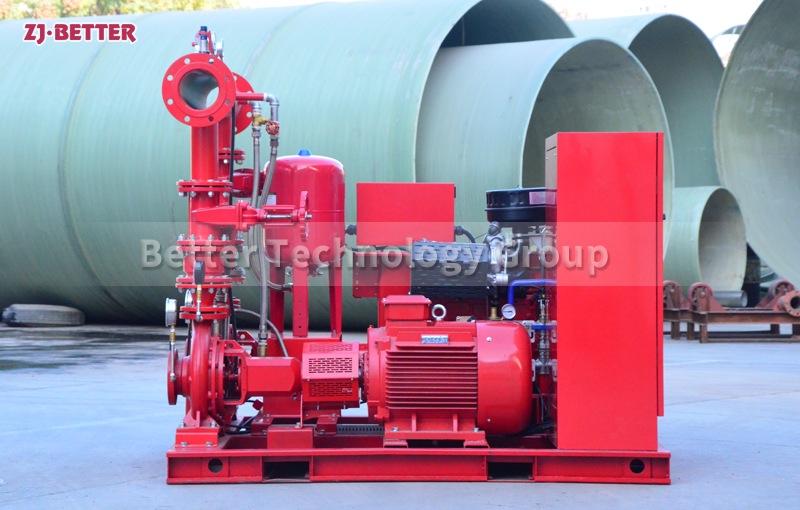
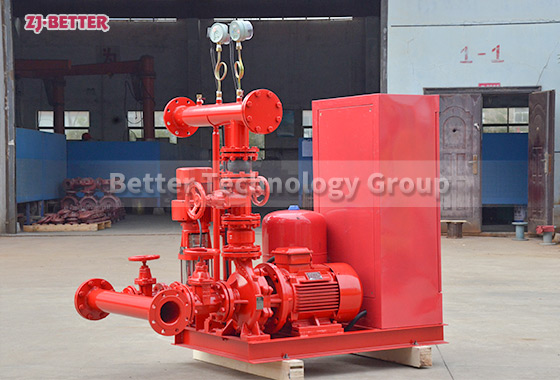
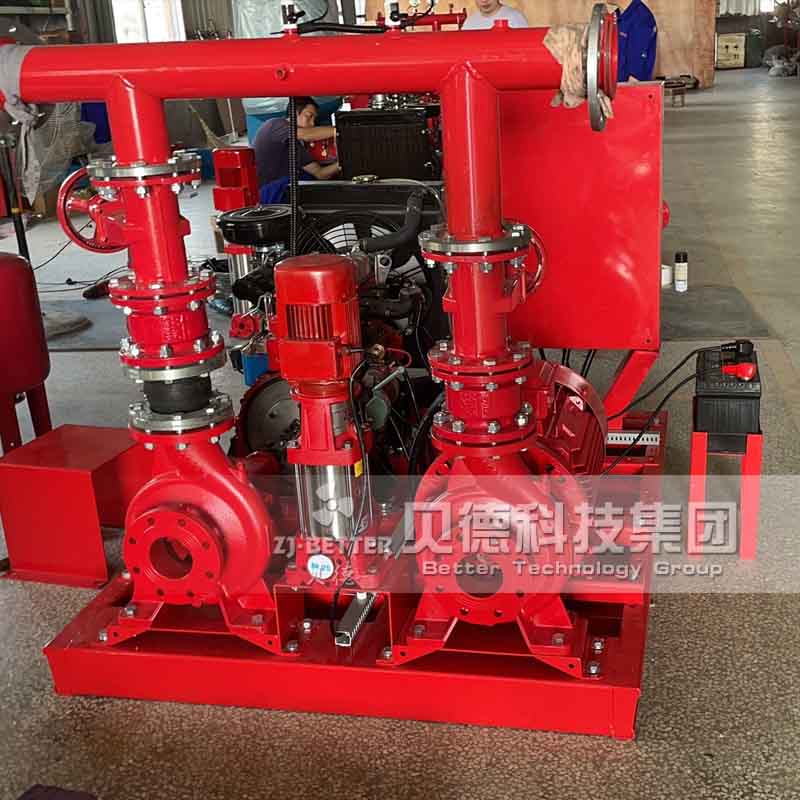
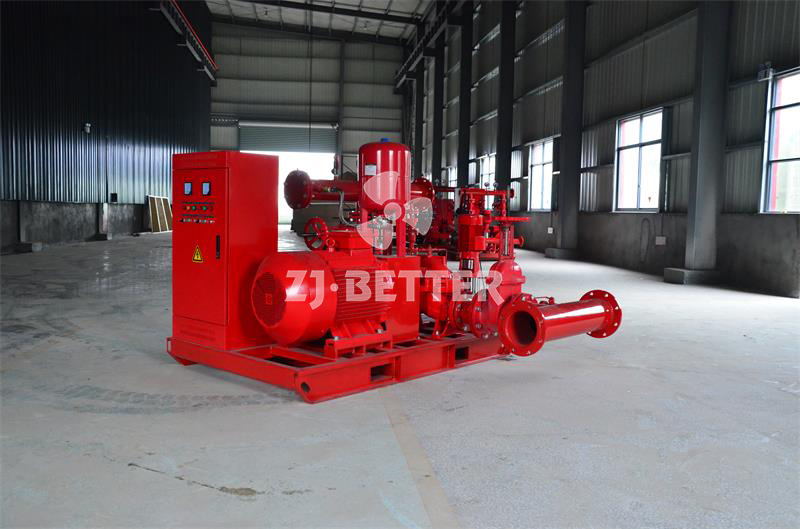
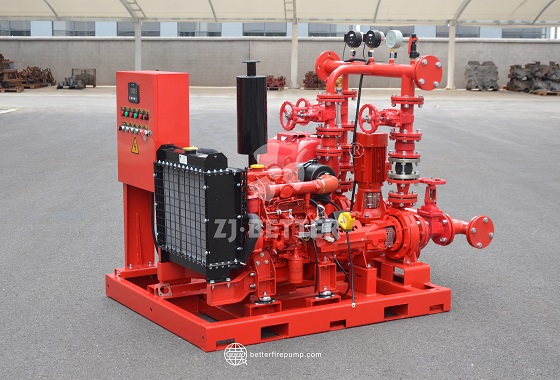
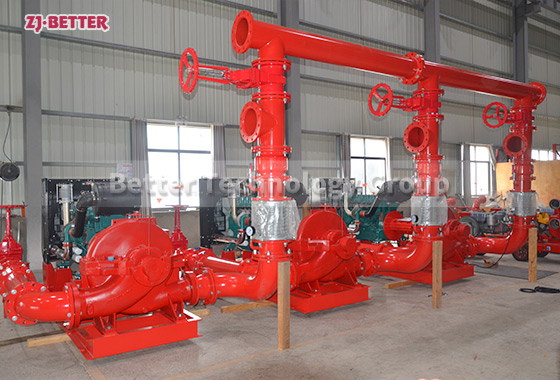
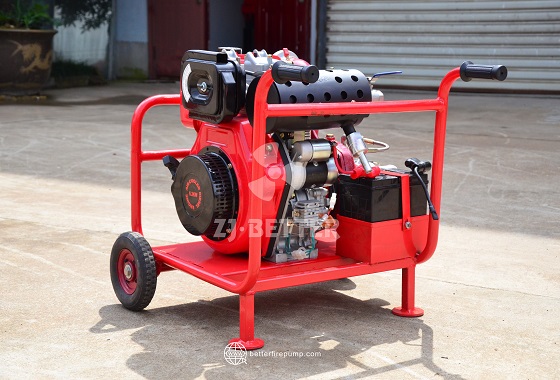
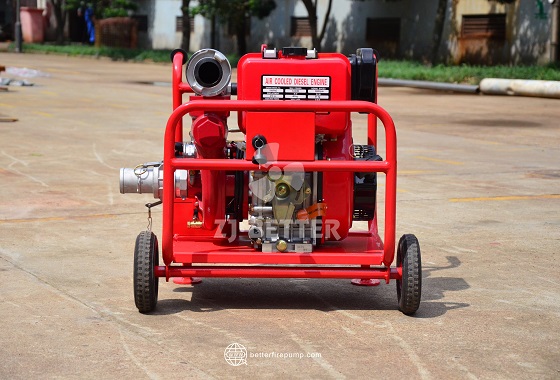
Analysis of the Advantages of High-Mobility Diesel Fire Pumps in Forest Fire Prevention and Emergency Rescue: This type of product is mainly designed for forest fire prevention, mountain rescue, field operations, sudden disasters, and areas without fixed fire-fighting facilities. Its core design revolves around high mobility, strong adaptability, and continuous stable output capacity, demonstrating comprehensive advantages that traditional fixed fire-fighting equipment cannot match in complex environments. These diesel fire pumps typically adopt a compact integrated structure, rationally integrating the power system, pump body, water system, and control components onto a high-strength steel base frame or portable frame. The overall layout is scientific, with a low center of gravity and strong stability, facilitating short-distance manual transport and rapid transfer by vehicles, trailers, or simple machinery. It can quickly reach its destination in forests, mountains, rural areas with narrow roads, or areas with significant terrain undulations, gaining valuable time for immediate firefighting and rescue operations. The power system is one of the core advantages of this product. It uses a mature and reliable diesel engine as its power source, completely eliminating its dependence on external electricity. It can still operate stably in the event of power outages, in remote areas, or after infrastructure damage following a disaster. The diesel engine features low fuel consumption, high torque output, and strong continuous operation capability, maintaining a stable speed under prolonged high-load conditions to provide continuous and reliable power support for the fire pump. This is particularly suitable for applications requiring long-term continuous water supply, such as forest fires. The pump body typically employs a high-efficiency hydraulic model design. By optimizing the impeller structure and flow channel shape, it ensures both high flow rate output and high head, meeting the needs of long-distance water delivery and effectively supplying water to terrains with elevation differences. It can quickly pump water from rivers, ponds, pools, emergency water sources, and even temporary water intake points, providing stable water pressure for frontline firefighters. Addressing the complex water source conditions encountered in forest fire prevention and wilderness rescue, this type of diesel fire pump has undergone significant optimization in terms of self-priming performance and throughput. It possesses strong self-priming capabilities, enabling it to complete the water intake process quickly, reducing waiting time. It also exhibits adaptability to water sources containing small amounts of sediment or impurities, lowering the risk of equipment failure due to water quality issues and improving the continuity and reliability of on-site operations. Regarding mobility, high-mobility diesel fire pumps are typically equipped with wear-resistant wheel sets, shock-absorbing supports, or optional towing structures, ensuring good mobility on uneven ground, gravel roads, or forest paths. Some models can even be quickly moved by manual pushing, meeting the practical needs of multi-point, multi-line operations in forest fires. In terms of control and operation, this product is designed with simplicity, intuitiveness, and reliability in mind. The start-up method is clear, and the operation process is simple, allowing non-professionals to quickly master basic usage. It is suitable for the complex personnel composition and tight operational timelines in emergency rescue scenarios. Key operating parameters are clearly displayed on instruments, allowing on-site personnel to monitor equipment status at any time and adjust operating conditions promptly, preventing equipment damage due to misoperation or overload. Safety performance is also a key advantage of high-mobility diesel fire pumps. The entire unit is designed with extreme conditions such as high temperature, vibration, and continuous operation in mind. Key components are reinforced, and necessary protective devices and alarm systems are installed to ensure safe and stable operation even in harsh environments, thus protecting the personal safety of operators. In forest fire prevention, these diesel fire pumps can serve not only as the main water supply equipment for frontline firefighting but also as temporary water supply relay points. Multiple units can be connected in series or parallel to achieve long-distance, multi-stage water delivery, effectively covering the fire area and improving overall firefighting efficiency. In emergency rescue, their applications are equally extensive, including flood drainage, temporary water supply, and emergency support at disaster sites. With their strong adaptability and rapid deployment advantages, they have become an indispensable part of emergency equipment systems. From a maintenance and operating cost perspective, high-mobility diesel fire pumps have a mature structure, highly interchangeable parts, relatively simple daily maintenance, and low environmental requirements. Over long-term use, they can effectively reduce overall operation and maintenance costs, making them suitable for long-term deployment by government emergency departments, forest fire prevention units, and various emergency rescue organizations. In summary, high-mobility diesel fire pumps, with their independent power, strong self-priming capability, high flow and high head output, excellent environmental adaptability, and outstanding mobile deployment capability, demonstrate significant advantages in the field of forest fire prevention and emergency rescue. They can not only be quickly deployed in complex and ever-changing natural environments, but also maintain stable performance under long-term, high-intensity operating conditions, providing reliable support for emergency response. They are a highly valuable key piece of equipment in the modern emergency fire-fighting equipment system.