Portable Diesel Fire Pump: Professional Solution for Rapid Response and Field Operations
Discover the ZJ-Better Portable Diesel Fire Pump — a compact, powerful, and easy-to-deploy firefighting solution ideal for rapid emergency response, off-grid areas, and field operations. Designed for mobility and reliability with low maintenance and high efficiency.
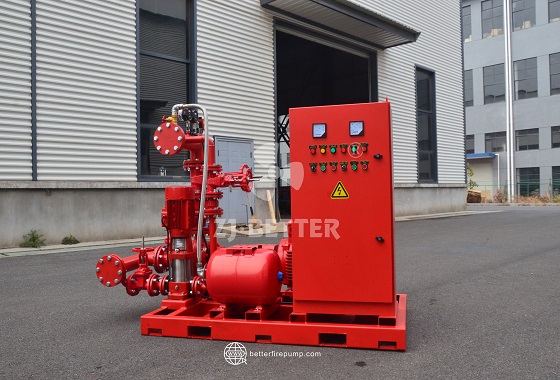
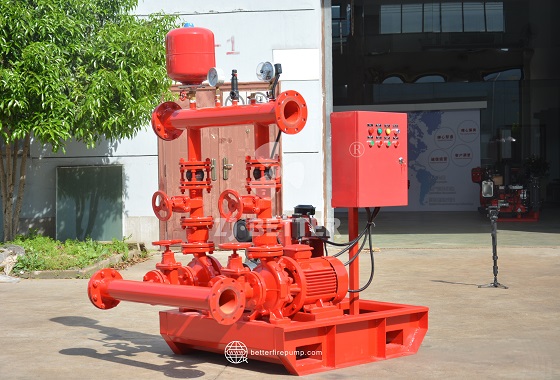
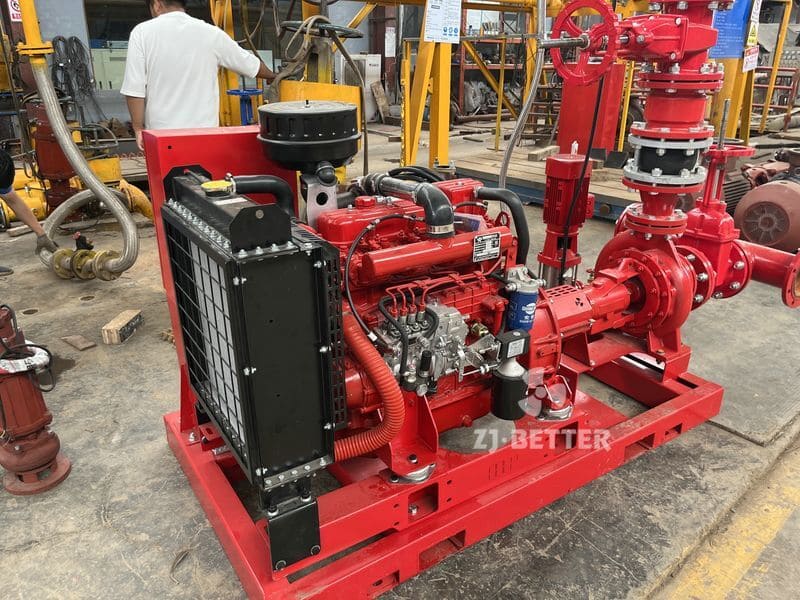
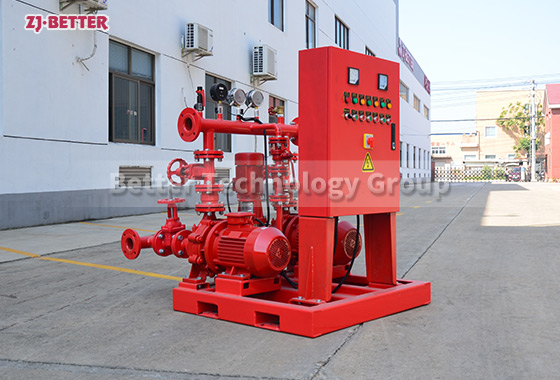
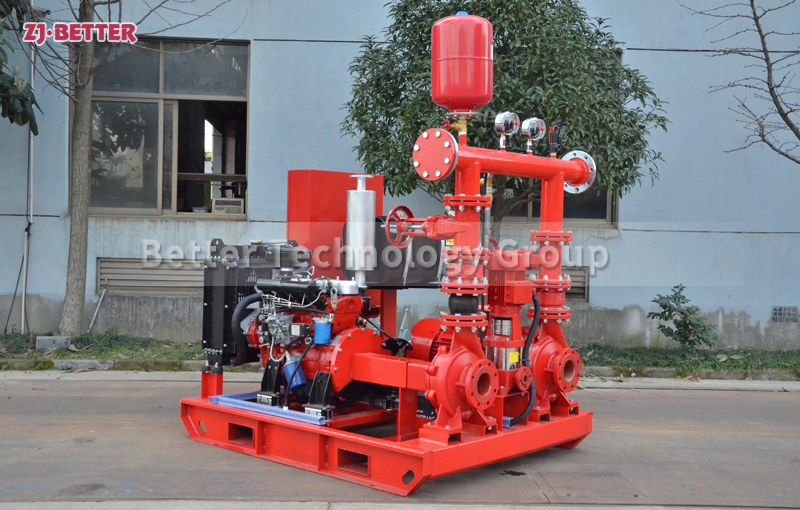
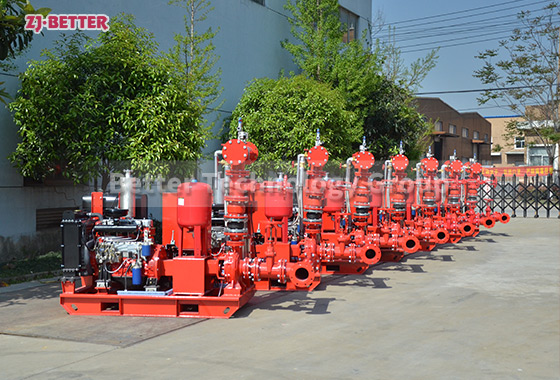
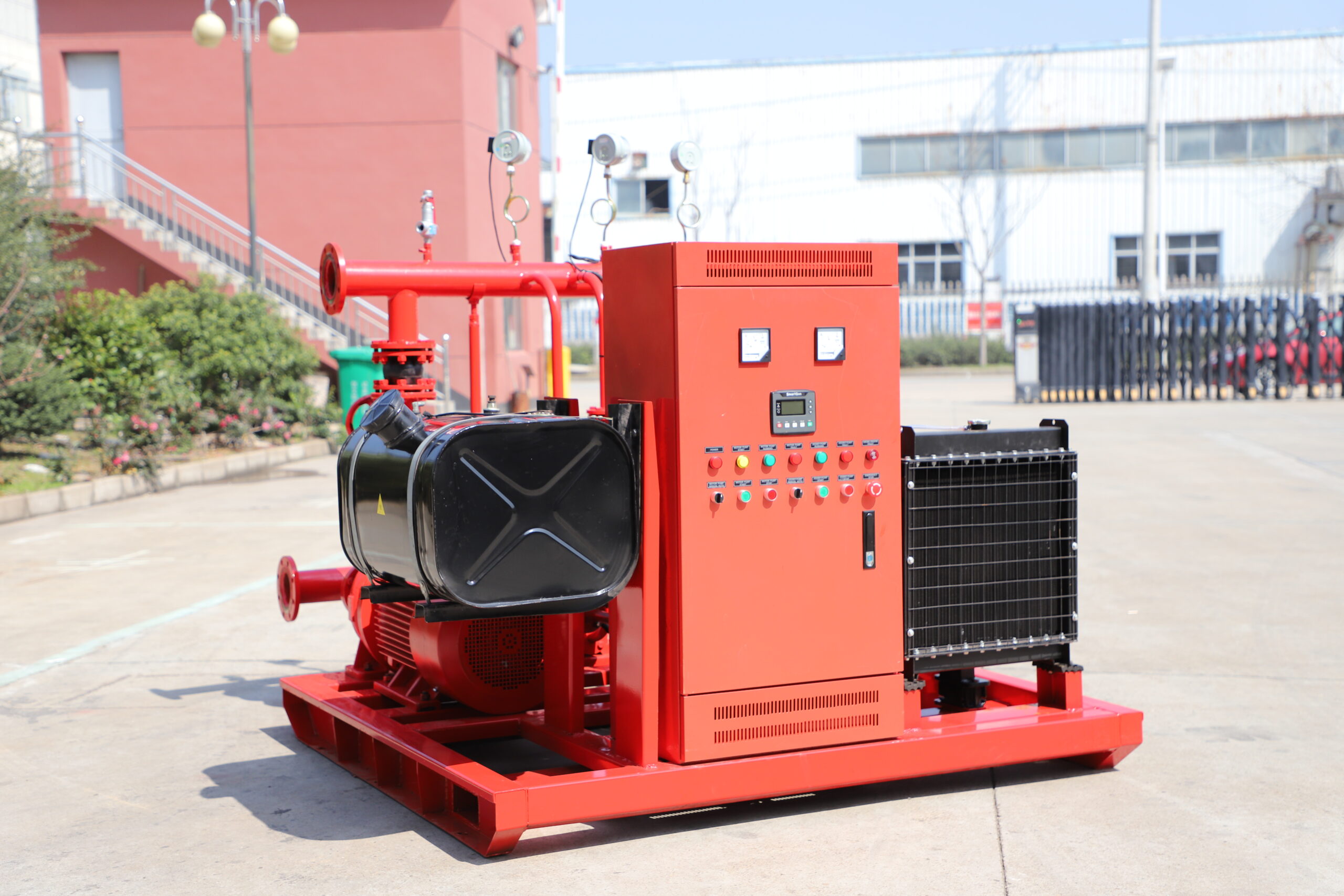
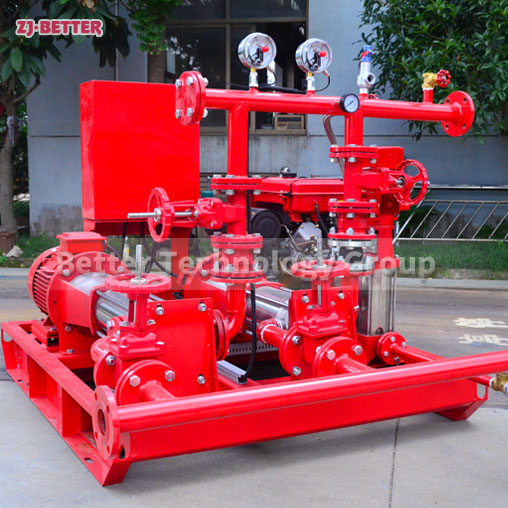
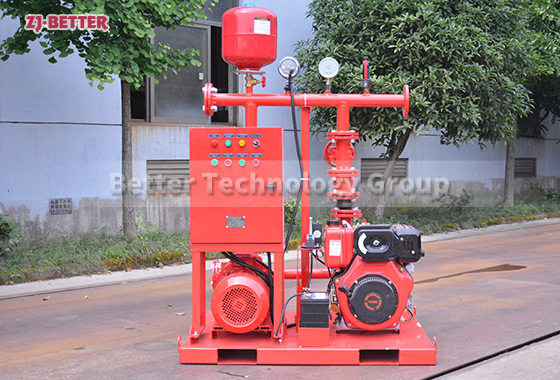
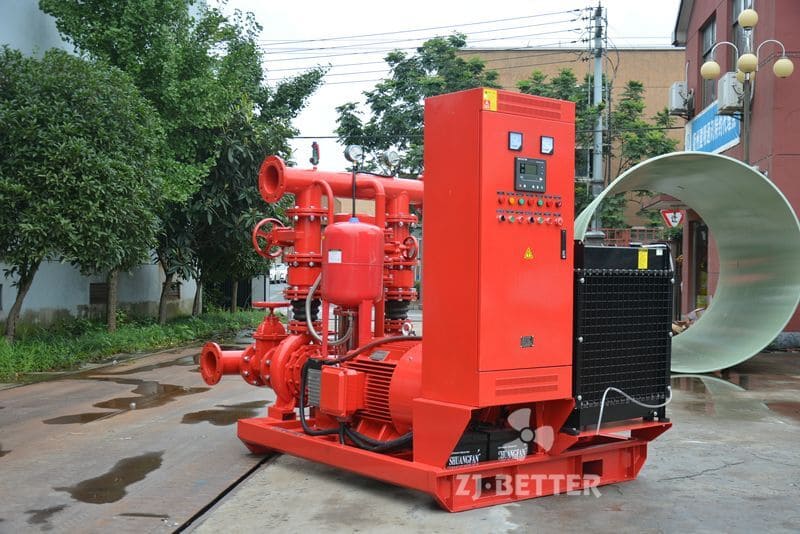
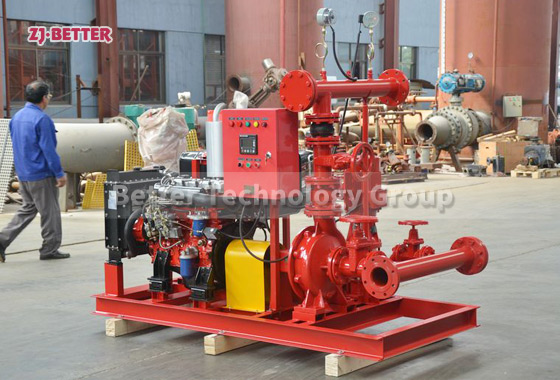
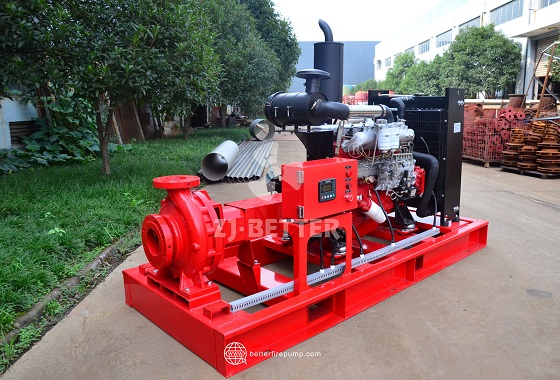
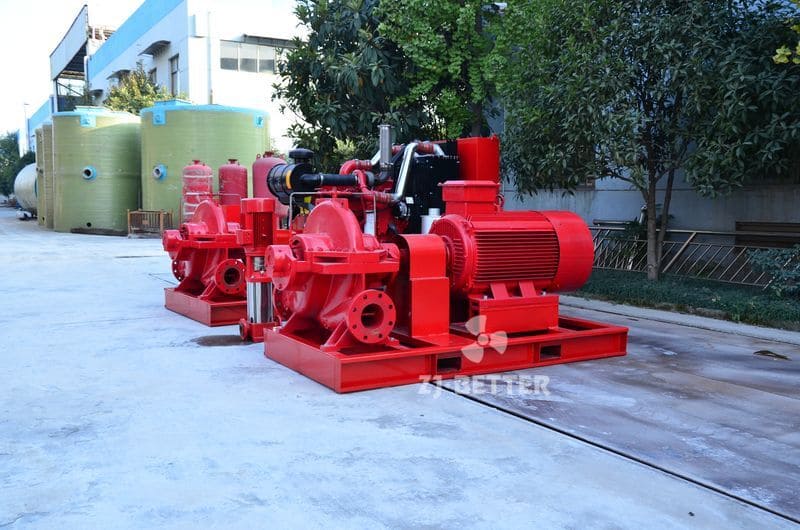
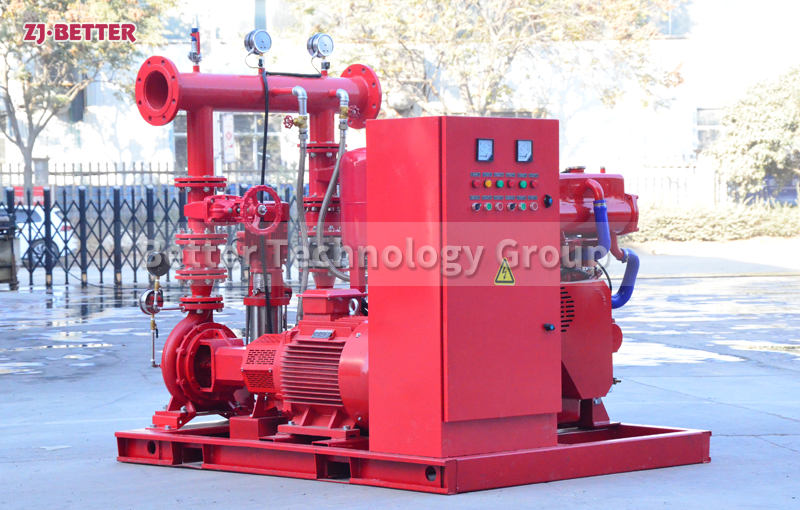
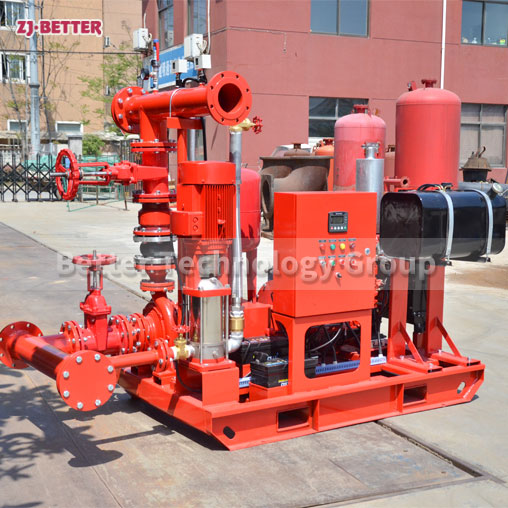
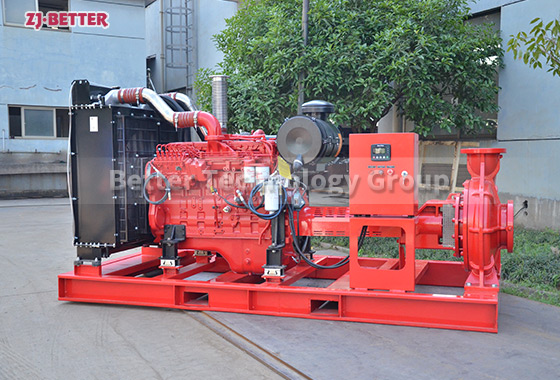
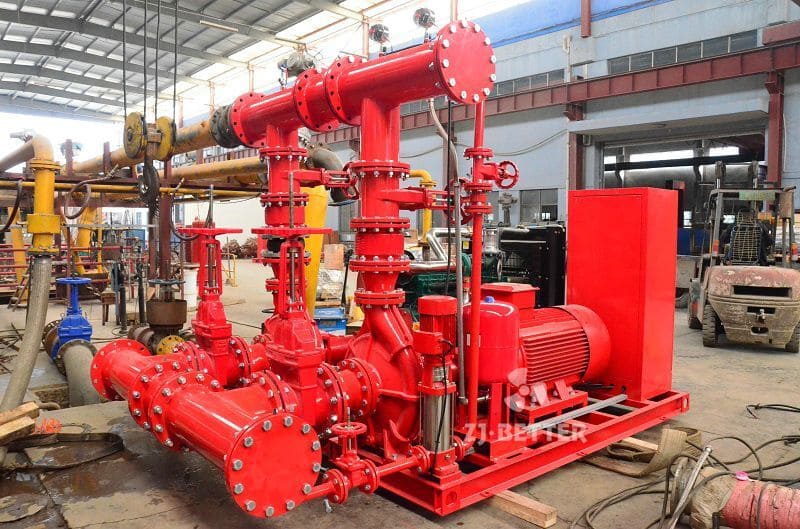
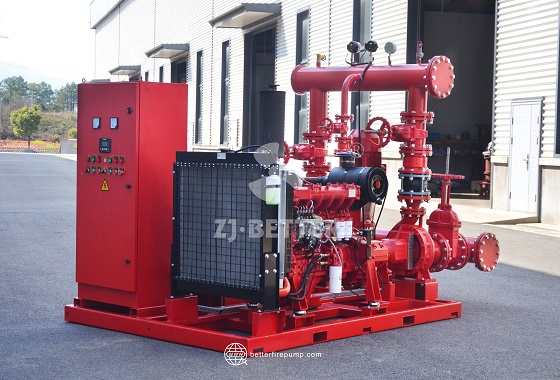
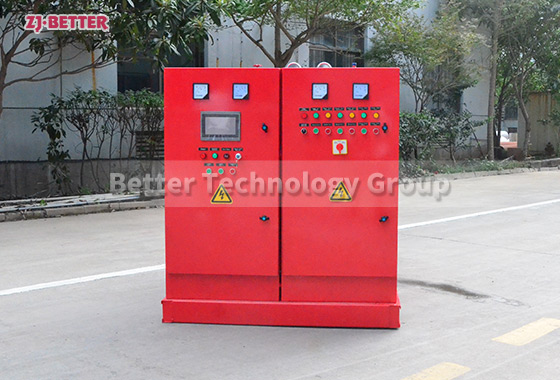
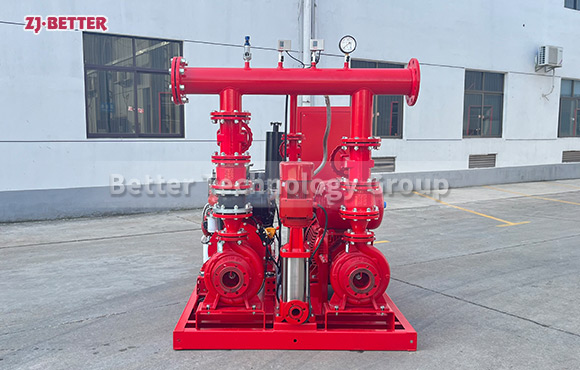
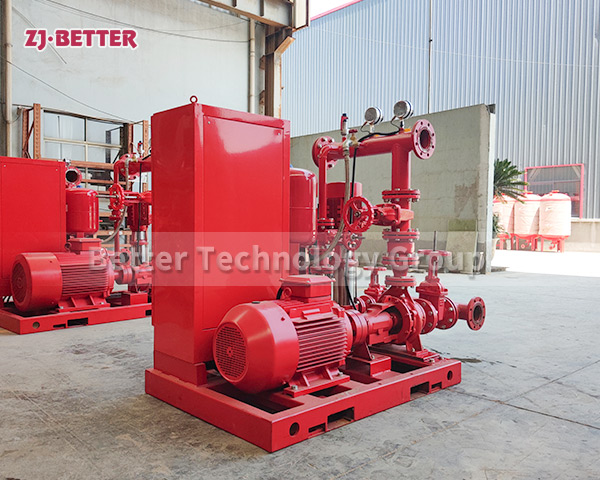
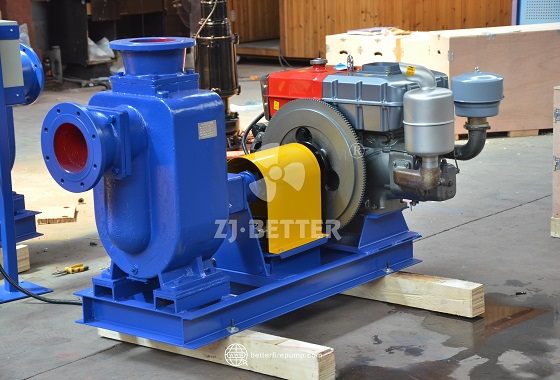
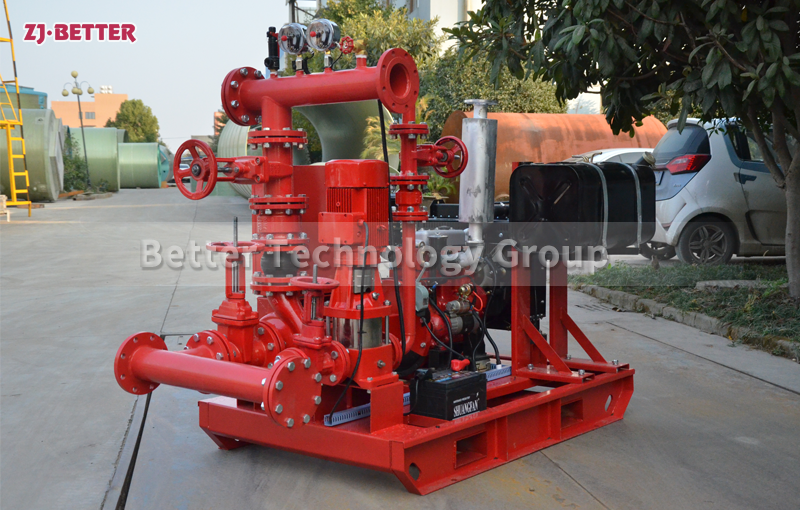
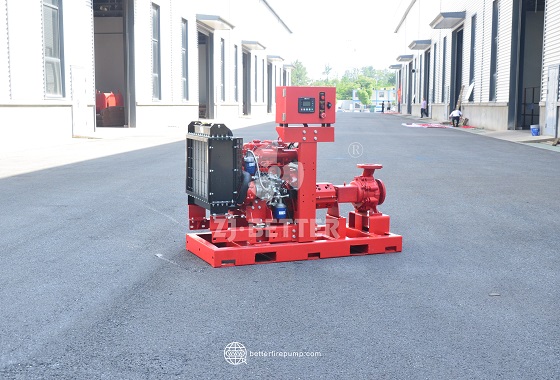
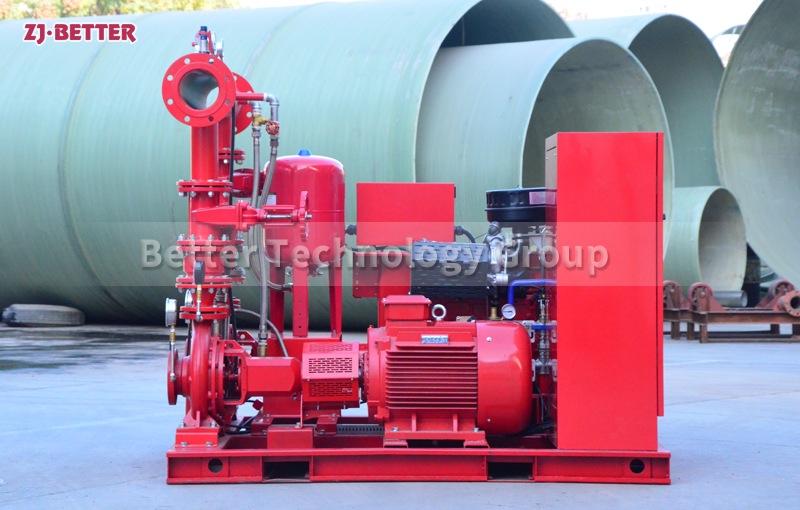
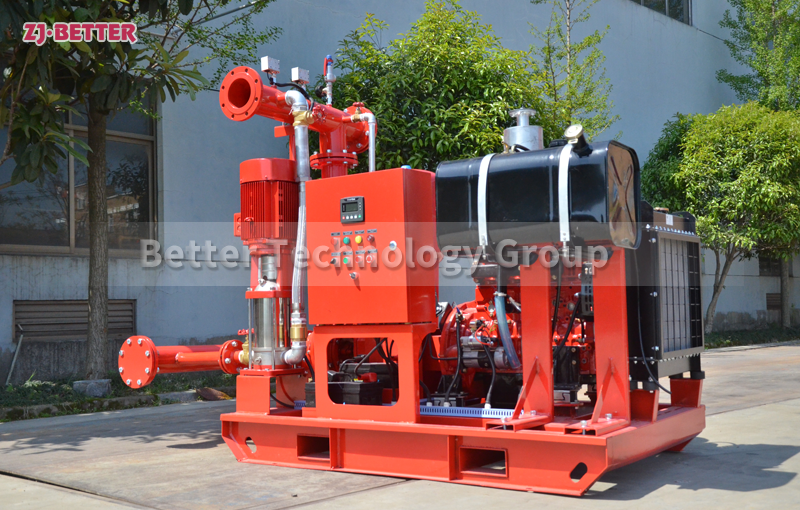
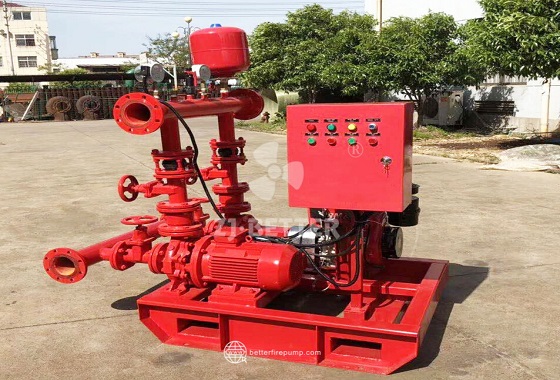
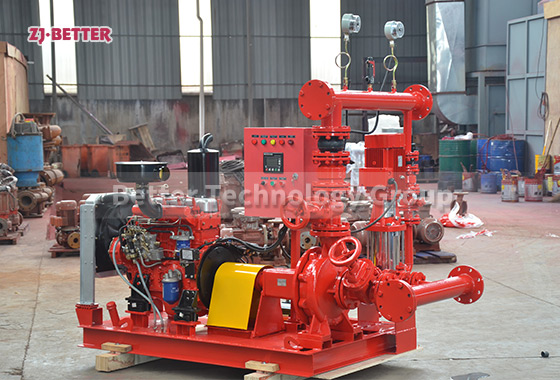
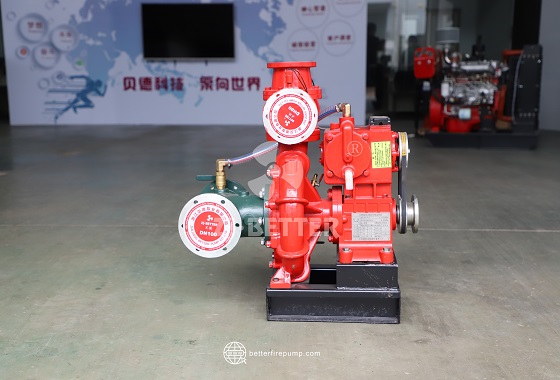
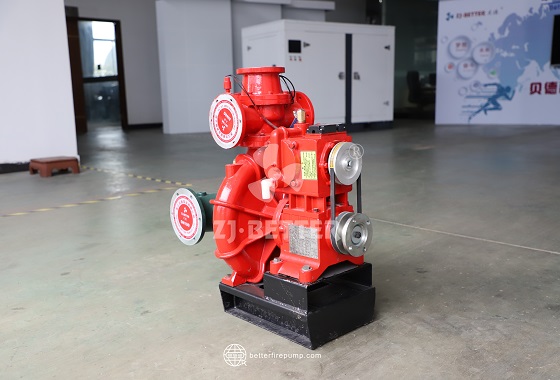
The ZJ-Better portable diesel-powered fire pump is a high-performance firefighting device specifically designed for rapid response to fire scenes and outdoor applications. This product has gained widespread recognition in the emergency firefighting industry for its compact design, powerful performance, reliable operation, and user-friendly controls. It is particularly suitable for areas without power supply, locations with poor transportation access, regions prone to natural disasters, and temporary large-scale event sites. This model of fire pump utilizes an advanced air-cooled or water-cooled diesel engine as its power source, combined with a high-efficiency centrifugal pump body, to form an independent, high-mobility fire suppression system that can operate without external power. This ensures that water pumping and supply tasks can be completed promptly in any emergency situation, effectively controlling the fire and minimizing property damage. Its design philosophy centers on the dual balance of “portability + stability.” The pump body features a compact structure, minimal footprint, and lightweight design, with a sturdy base that can be directly placed on the ground or mounted on various vehicles such as fire trucks, trailers, or pickup trucks, enabling rapid deployment and relocation. Unlike traditional large diesel-powered fire pumps, this equipment focuses on combining lightweight design with high efficiency, enabling it to perform on-site positioning and startup operations without relying on lifting equipment in emergency situations, providing frontline firefighters with significant flexibility. In terms of the power system, ZJ-Better selects internationally renowned diesel engine brands such as Yanmar, Kubota, Perkins, and Changchai, which offer advantages such as quick startup, low fuel consumption, smooth operation, and low failure rates. It is also equipped with a large-capacity fuel tank to ensure uninterrupted continuous water supply for extended periods. Start-up methods can be selected from electric start, manual pull start, or dual start mode, ensuring high-reliability start-up even in complex environments such as low temperatures, high humidity, or sandstorms. Additionally, the diesel engine pump set is equipped with multiple safety protection systems, including oil pressure alarms, high-temperature shutdown protection, low oil level alerts, battery charge monitoring, and fuel level indicators, providing comprehensive safety assurance for the pump set’s operation and preventing secondary risks caused by improper operation or equipment aging. The pump body is a high-efficiency single-stage or multi-stage centrifugal pump, with impellers made of precision casting and excellent hydraulic design, featuring high flow rate, high head, and low cavitation. It provides stable water discharge and long-range water supply, making it particularly suitable for large-area firefighting or water supply to high-rise buildings. The materials used are high-strength cast iron or stainless steel, with mechanical seals or packing seal systems installed internally to effectively prevent leaks and bearing wear, thereby extending the pump body’s service life. The control panel integrates functions such as start buttons, indicator lights, fault alarms, and operational data display, making it easy to operate. Non-professional personnel can master its use after simple training, making it highly suitable for daily and emergency use in scenarios such as grassroots fire departments, enterprise-built fire brigades, agricultural and forestry systems, and mountainous water conservancy projects. The pump set also supports customization of various outlet diameters, interface specifications, pressure ranges, and flow standards according to customer requirements, meeting fire safety standards of different countries and regions, such as NFPA, EN, and GB. Additionally, to address sudden emergencies, this fire pump can be combined with accessories such as hose reels, foam mixers, and water guns to form a complete fire extinguishing system, achieving an efficient emergency rescue mechanism where “one vehicle, one pump, and one person can extinguish a fire.” In terms of maintenance, the ZJ-Better portable diesel-powered fire pump also demonstrates superiority. Its modular design facilitates disassembly, assembly, and maintenance. Components such as the fuel filter, oil filter, and cooling system are easy to inspect and replace. Users can perform basic maintenance operations following the product’s accompanying user manual or video instructions without requiring specialized tools, ensuring the equipment remains in optimal condition year-round while reducing operational costs and downtime risks. Additionally, ZJ-Better provides detailed user manuals, training videos, and technical online support services for this series of pump units, ensuring that global customers can easily master operational techniques. All products undergo rigorous testing procedures before shipment, including power tests, pressure tests, seal tests, and performance curve tests, ensuring that each unit meets standards upon delivery, truly achieving “ready-to-use upon delivery.” Currently, this portable diesel-powered fire pump has been widely exported to Southeast Asia, the Middle East, Africa, Latin America, and other regions, and is applied in various scenarios such as airport runway firefighting, rural water supply firefighting, oilfield emergency response, military fire drills, agricultural irrigation, and mine accident rescue. With its high reliability and rapid deployment capabilities, it has earned the trust and praise of customers. ZJ-Better continuously optimizes the design of this series of products, iterating and updating them based on market feedback, such as developing wheeled mobile chassis, soundproof enclosures, and high-altitude specialized models to enhance the product’s adaptability in special environments. Some models are also equipped with GPS remote monitoring modules, allowing users to view the pump’s operational status in real-time via a mobile app or central control backend, enabling smart firefighting and data visualization management. In summary, the ZJ-Better portable diesel-powered fire pump, with its compact design, efficient power, user-friendly operation, simple maintenance, and strong adaptability, perfectly meets the stringent requirements for rapid response, efficient water supply, and independent operational capabilities in various complex emergency scenarios. It is a core equipment choice for grassroots firefighting force development, fire prevention in areas without power supply, and emergency rescue during natural disasters. It not only represents ZJ-Better’s professional capabilities in the emergency firefighting field but also embodies the product design philosophy of “safety-centric and practicality-oriented,” making it a reliable mobile fire pump solution for global customers.