Home » Fire Pump Set » EDJ fire pump package
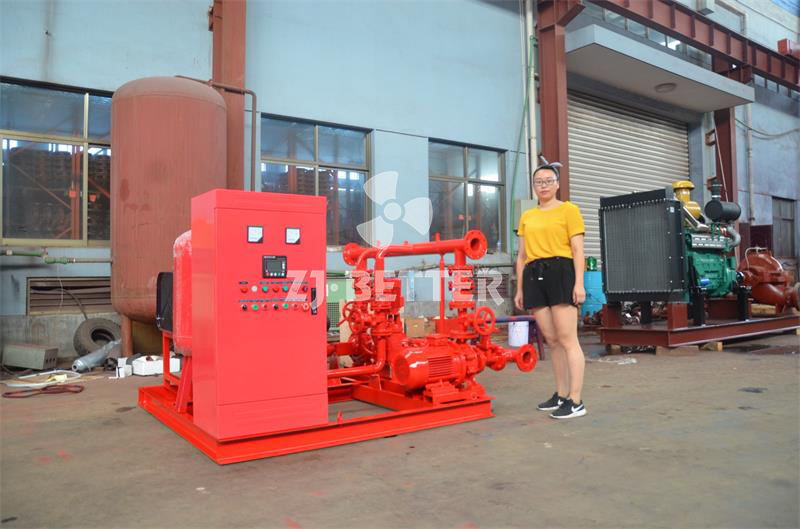
EDJ fire pump package
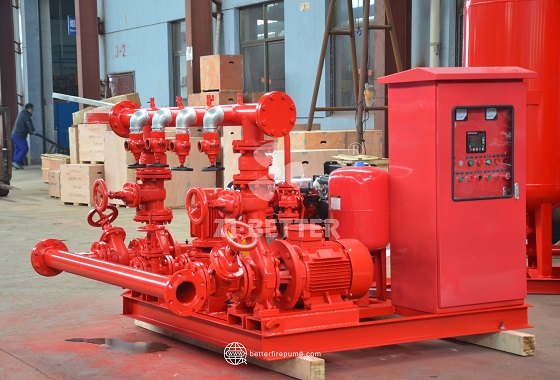
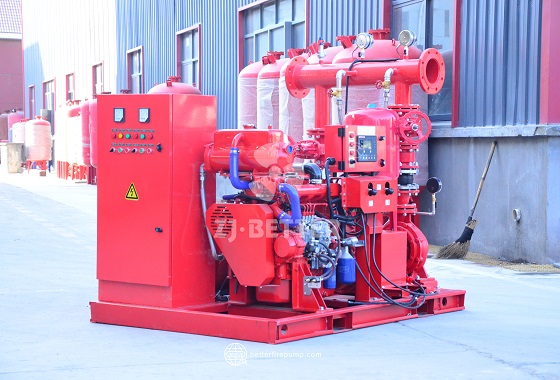
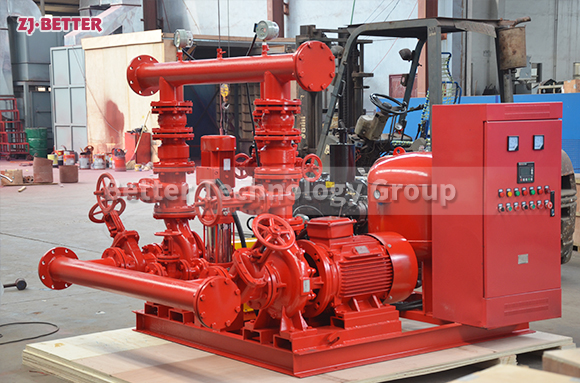
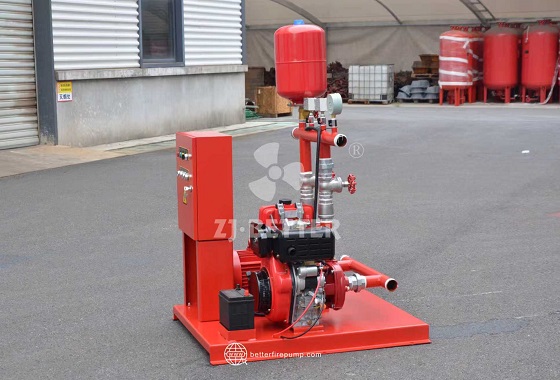
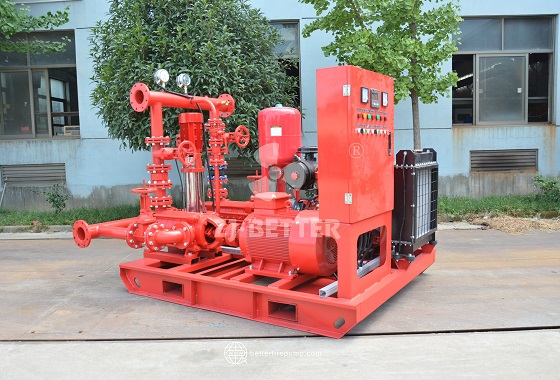
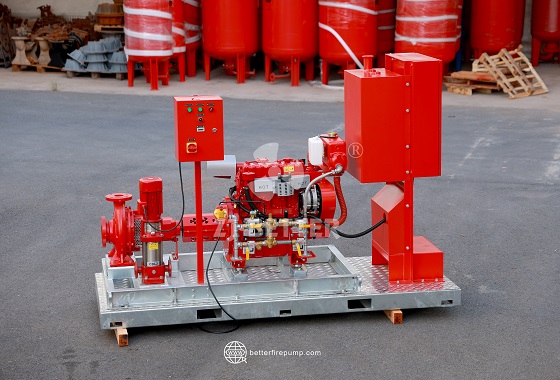
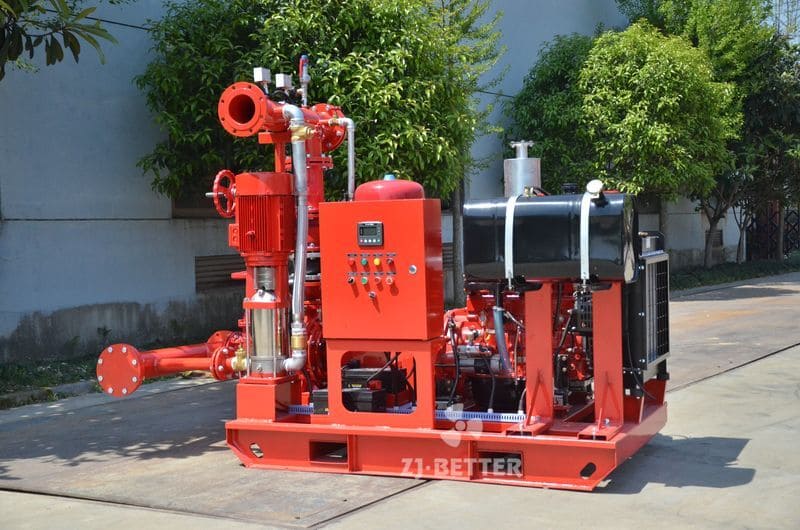
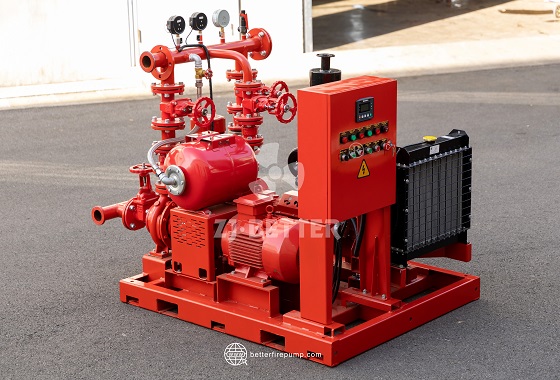
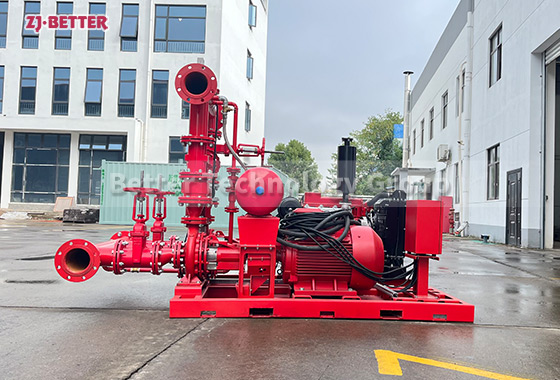
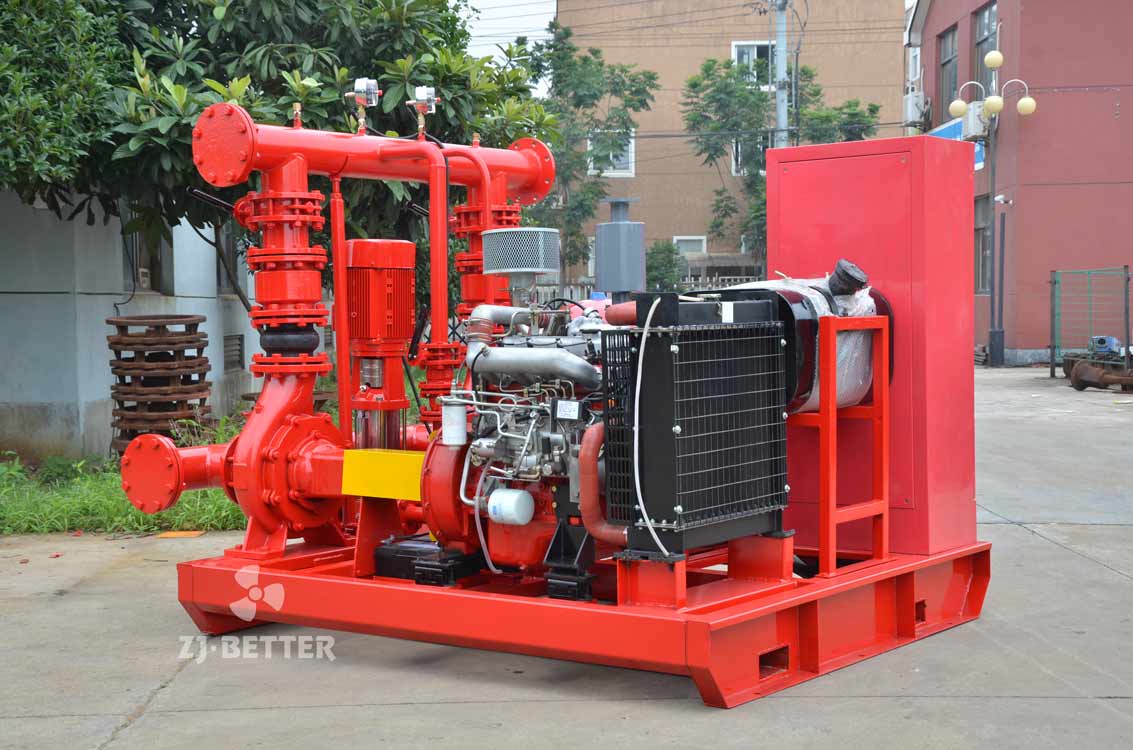
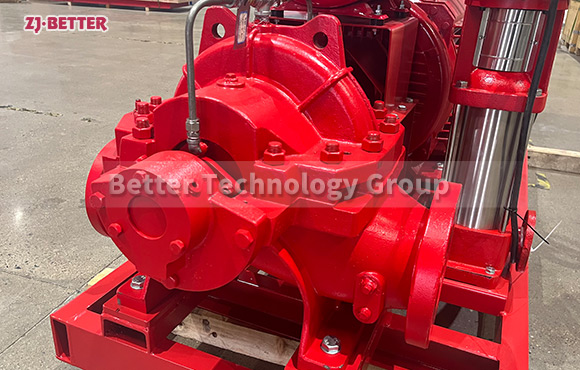
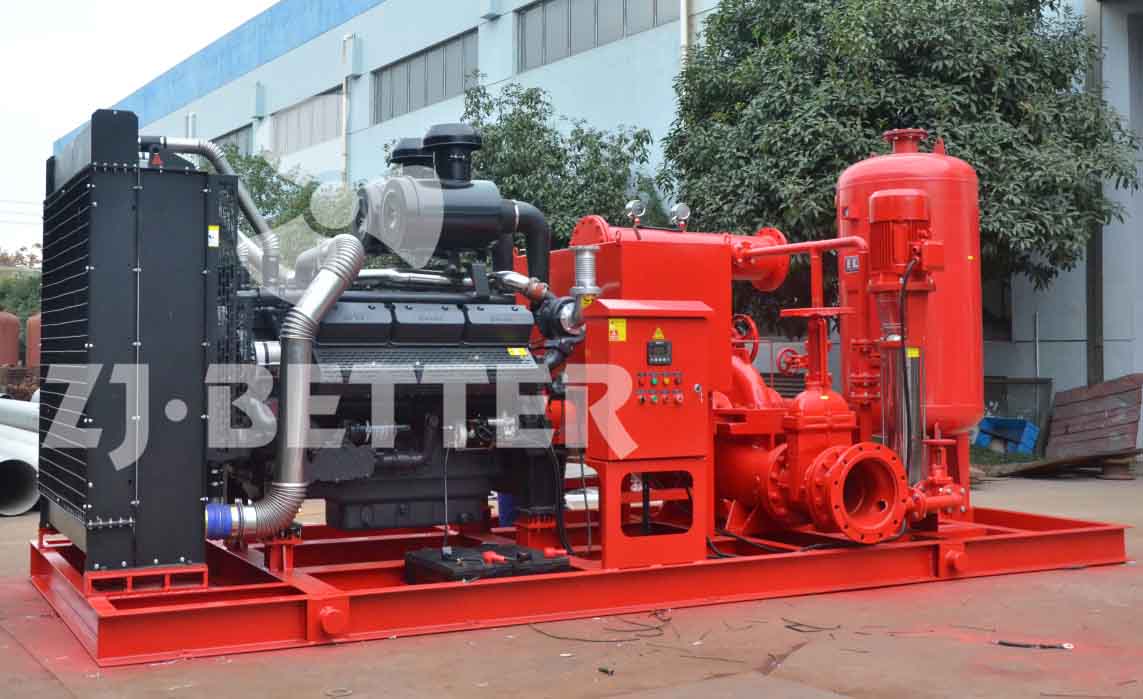
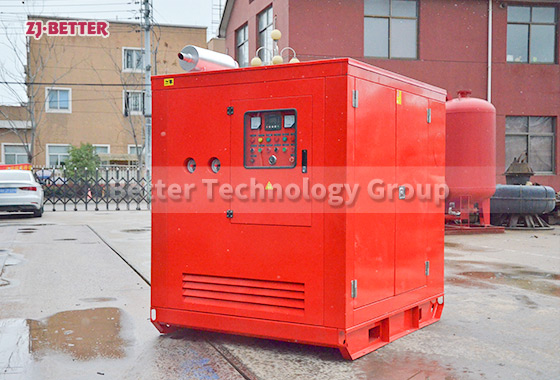
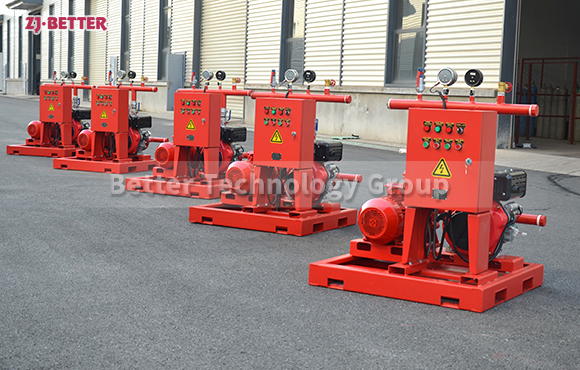
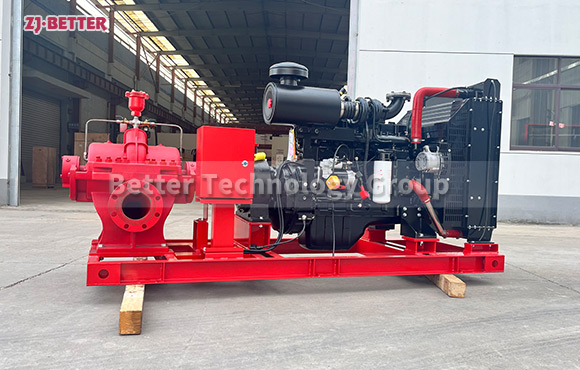
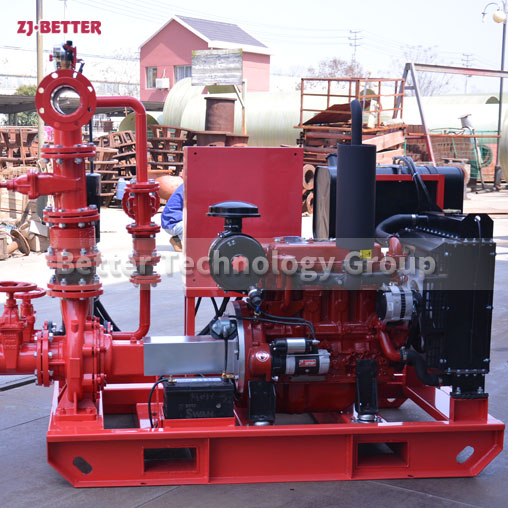
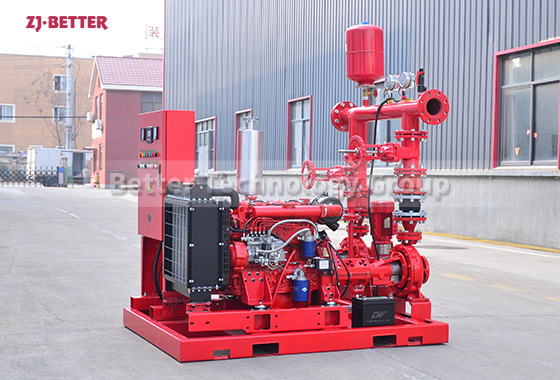
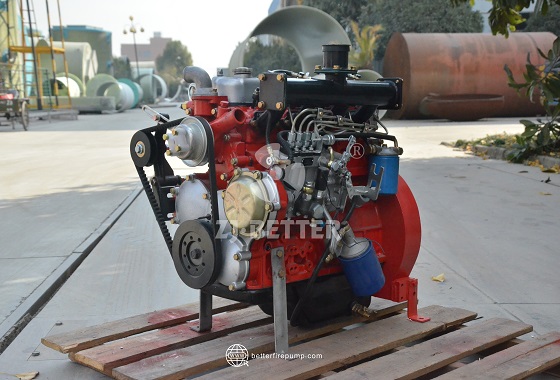
Diesel engine fire pump is a new type of fire-fighting product that made strictly according to the national standard GB6245 and NFPA 20 fire pump performance requirements and testing methods, this series have wide head, flow range, can fully meet various occasions fire water supply in the warehouse, docks and airports, petroleum chemical industry, power plant, liquefied gas station, textile and other industrial and mining enterprises.
Contact US
Get Price
Share:
Previous:
Fire pump application scenarios
Next:
DJ Diesel Fire Pump
Content
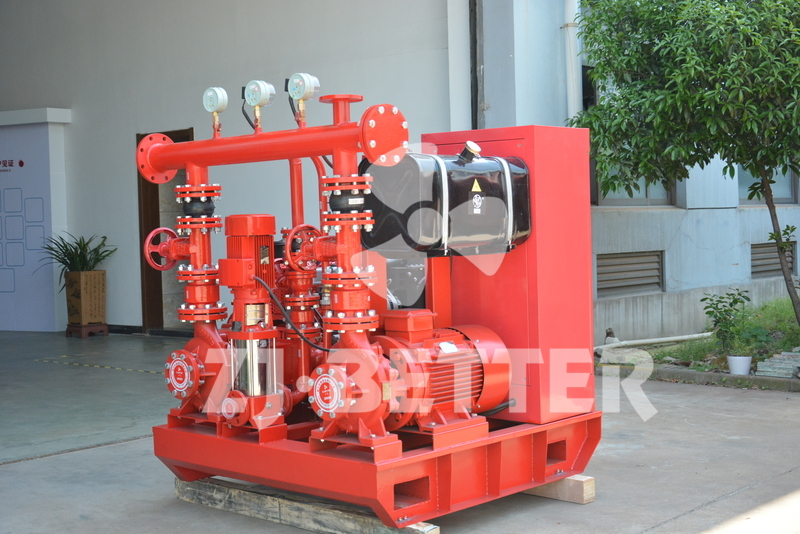
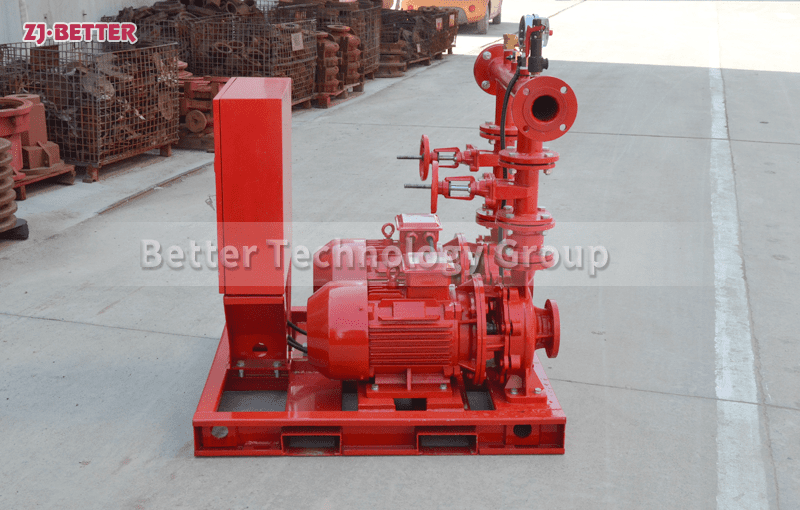
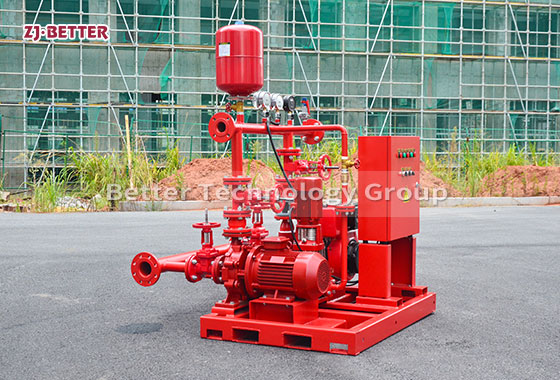
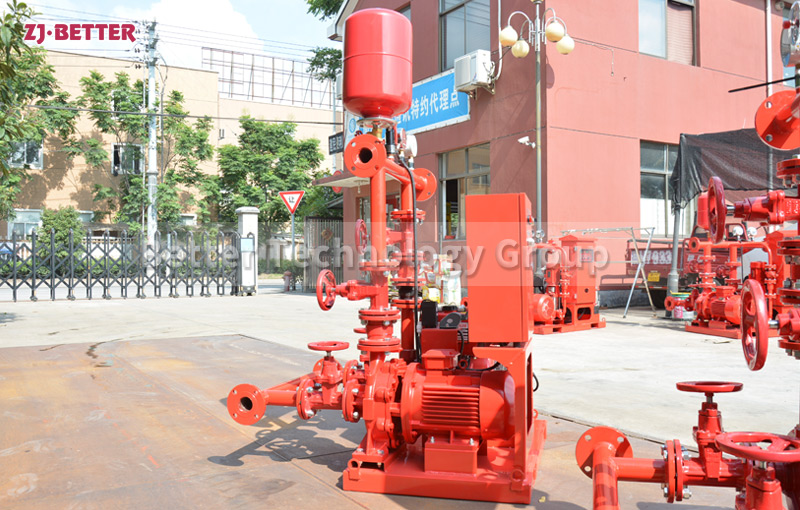
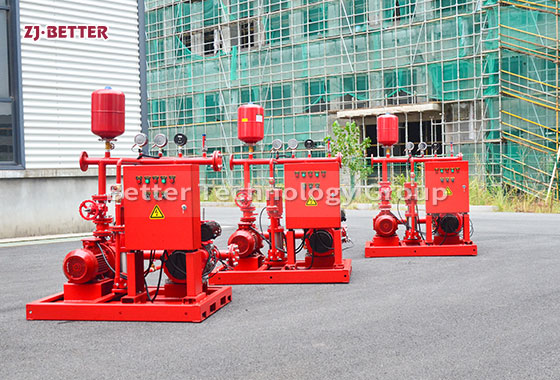
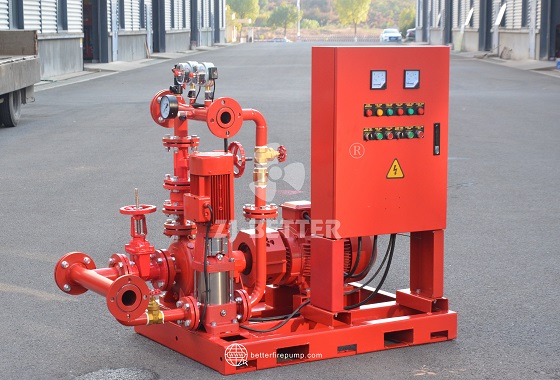
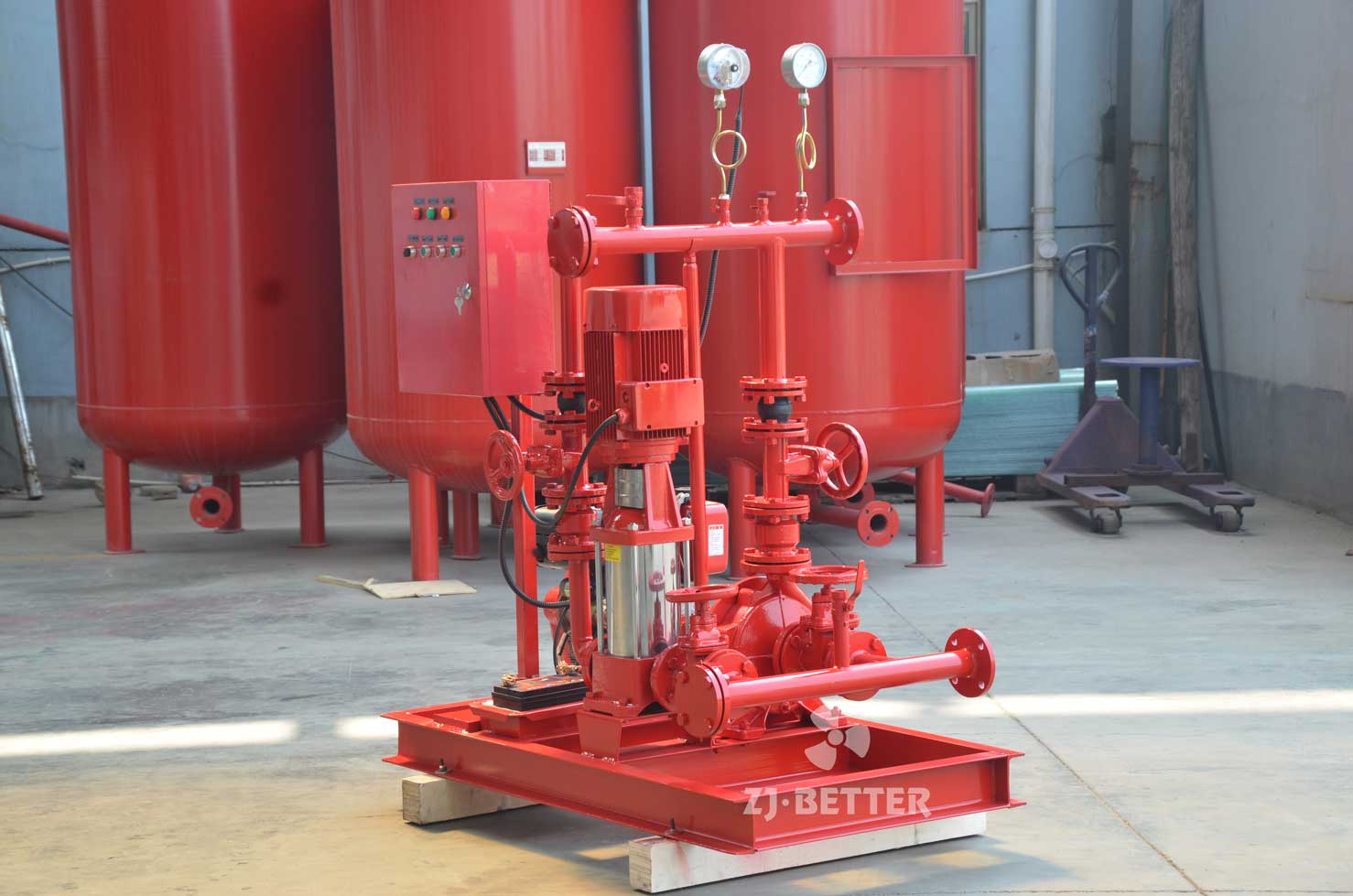
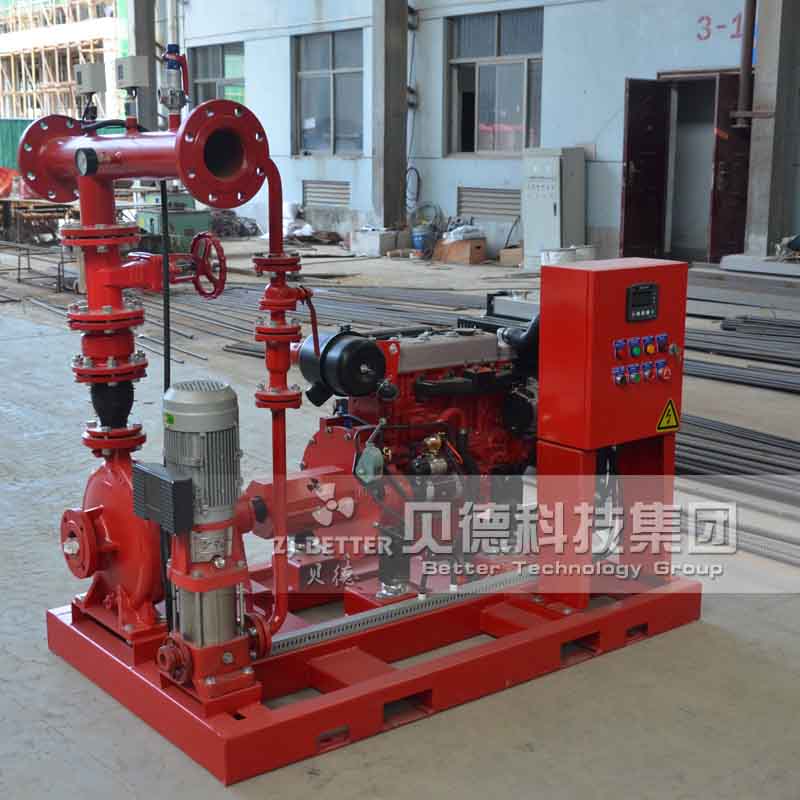
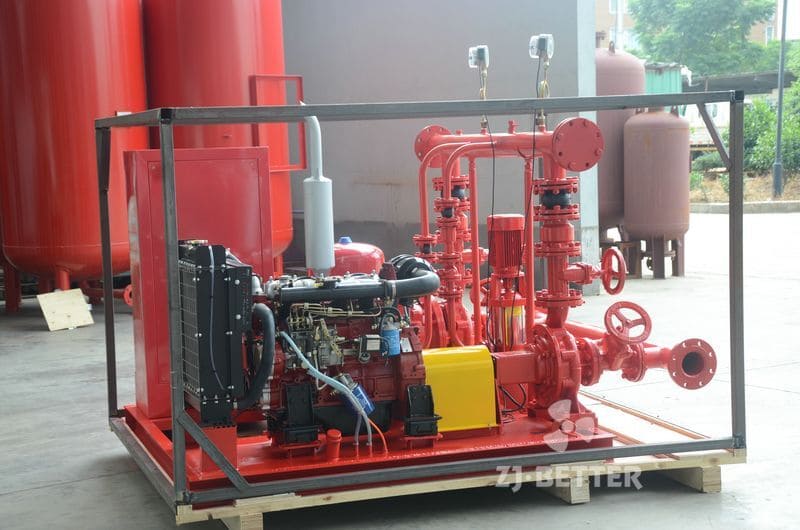
EDJ series Fire Fighting Pump System Packages
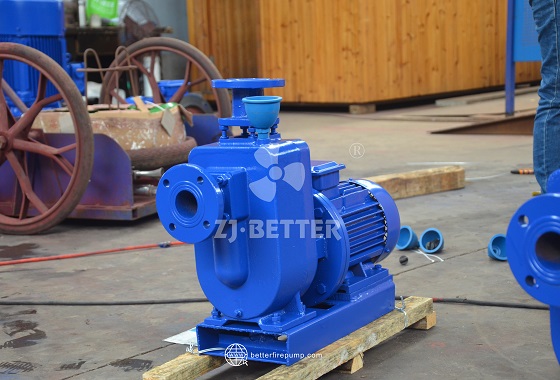
1. Electric pump:kinds of end suction pump, split case pump.
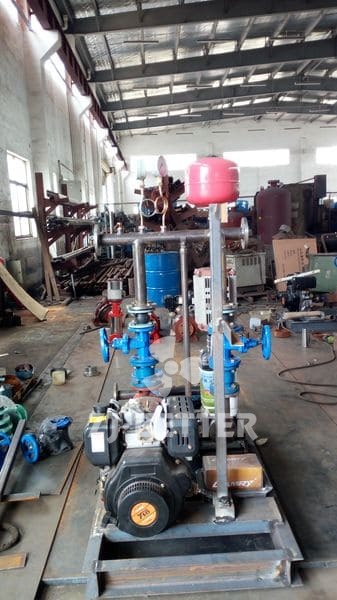
2. Diesel pump:flow is the same with electric pump. It connects the pump set with high elastic coupling or universal joint.
3. Jockey pump:vertical, small flow, head is higher than electric or diesel pump.
4. Control panel: control the pumps automatically with overload, overcurrent protection
5. Accessories: Suction pipe, Discharge pipe with flange, Battery, Gate valve, Check valve, Flexible expansion joints, Pressure switches, Pressure gauge, base frame etc.
2. Diesel pump:flow is the same with electric pump. It connects the pump set with high elastic coupling or universal joint.
3. Jockey pump:vertical, small flow, head is higher than electric or diesel pump.
4. Control panel: control the pumps automatically with overload, overcurrent protection
5. Accessories: Suction pipe, Discharge pipe with flange, Battery, Gate valve, Check valve, Flexible expansion joints, Pressure switches, Pressure gauge, base frame etc.
Inquiry
More Fire Pump Set