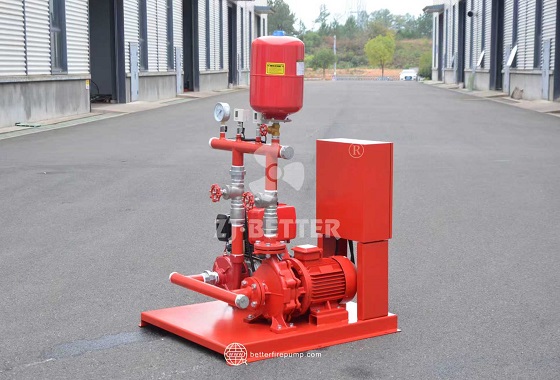
Building Fire Water Pressure Control System to Keep Fire Networks Standby-Ready
The building fire water pressure boosting system ensures stable pipeline pressure, rapid response, and reliable fire protection by combining efficient control, energy-saving operation, and smart automation — delivering continuous readiness for high-rise buildings, industrial sites, and commercial facilities.
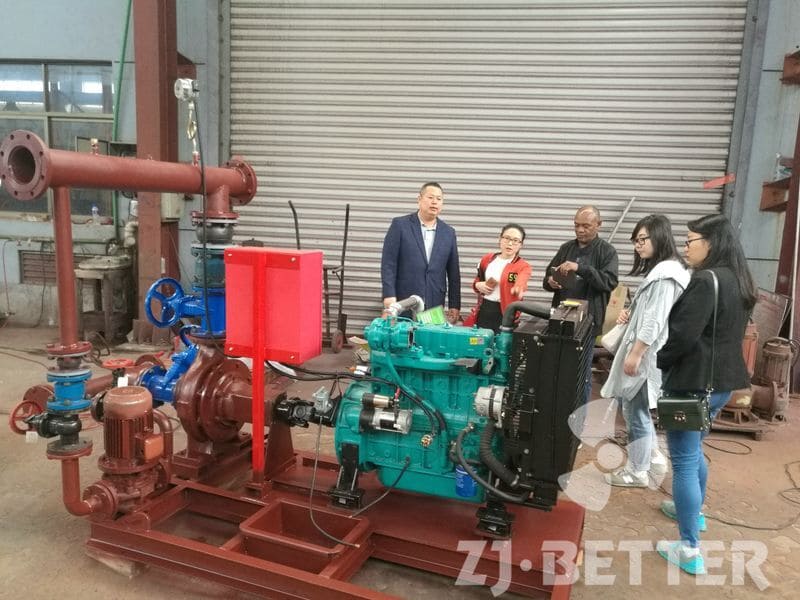
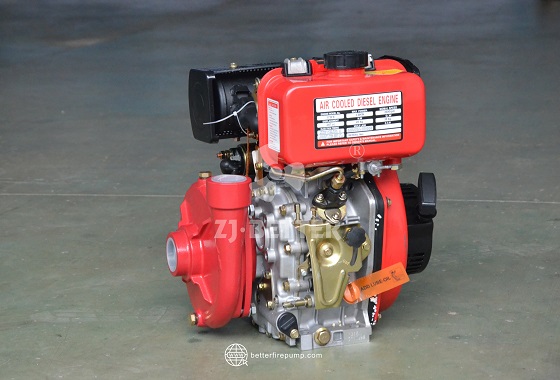
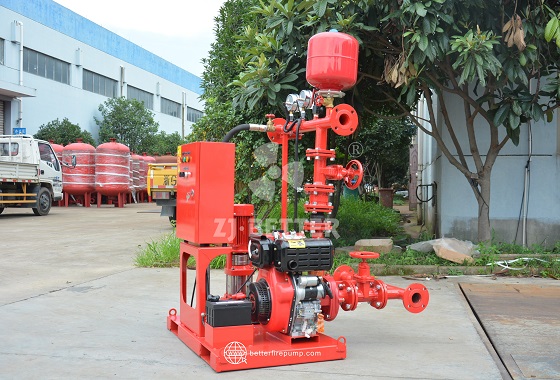
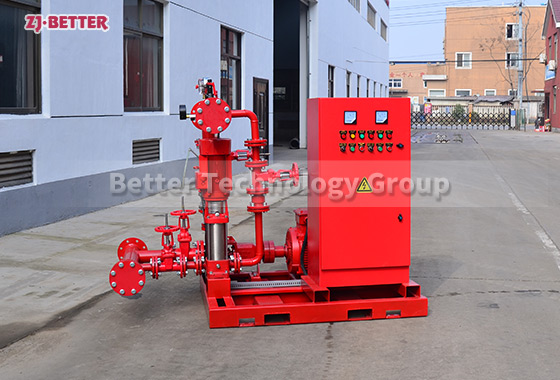
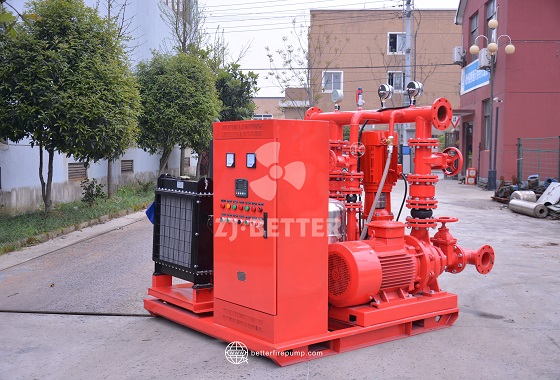
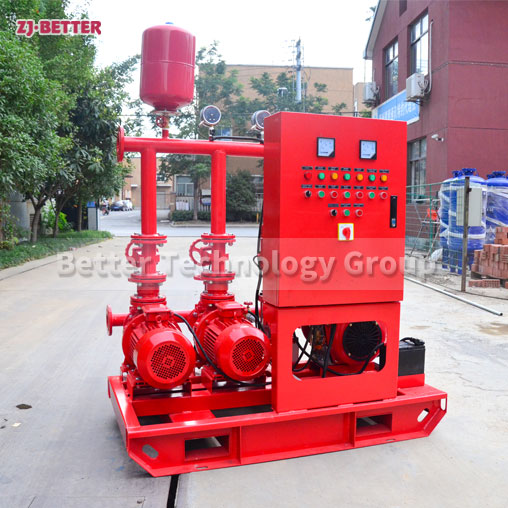
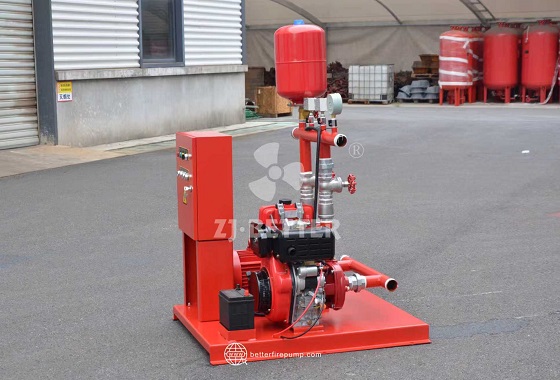
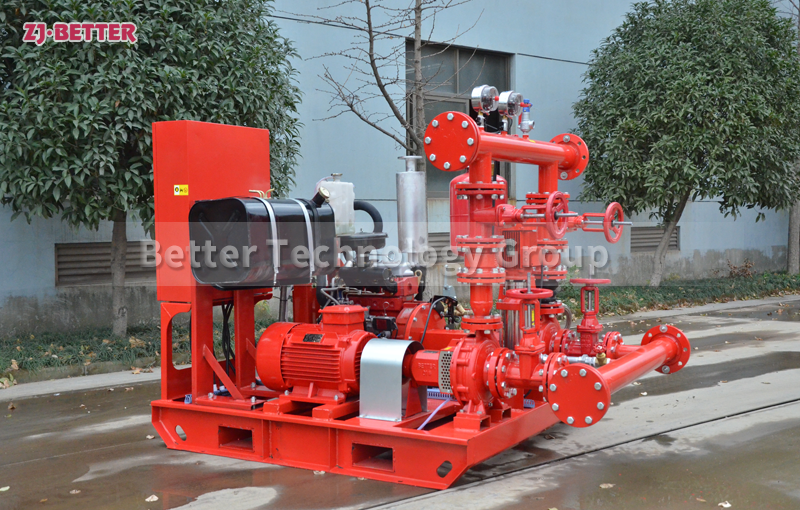
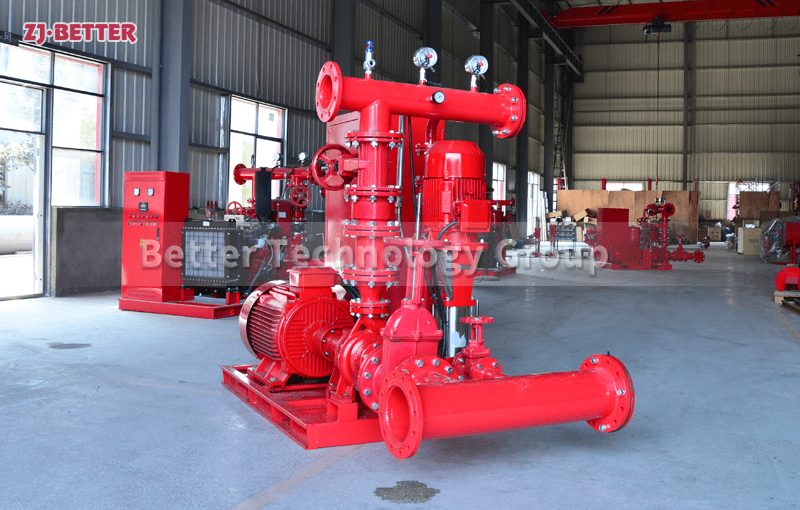
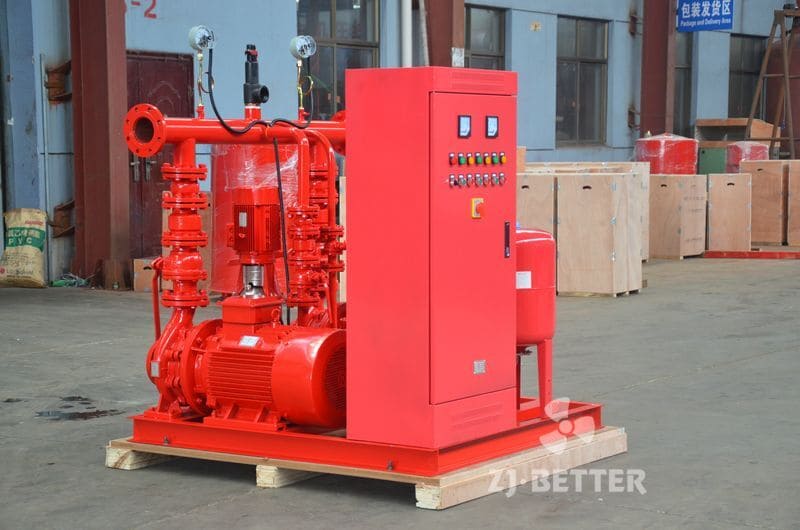
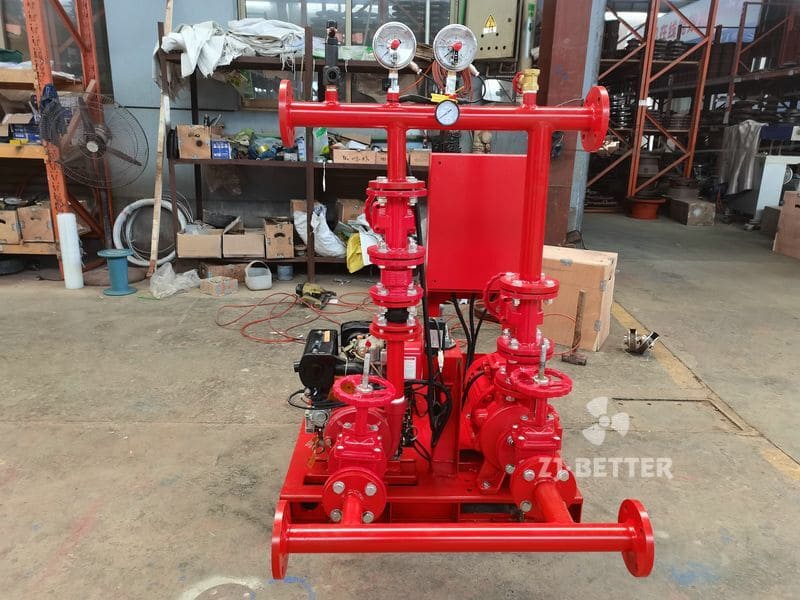
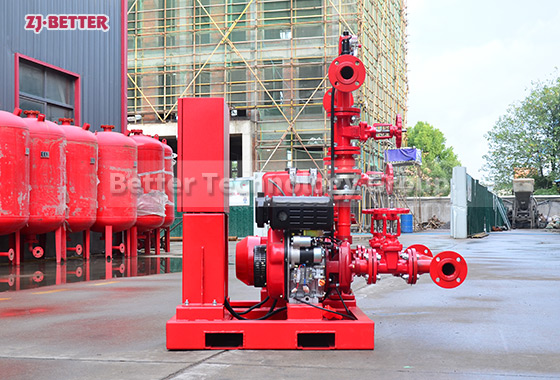
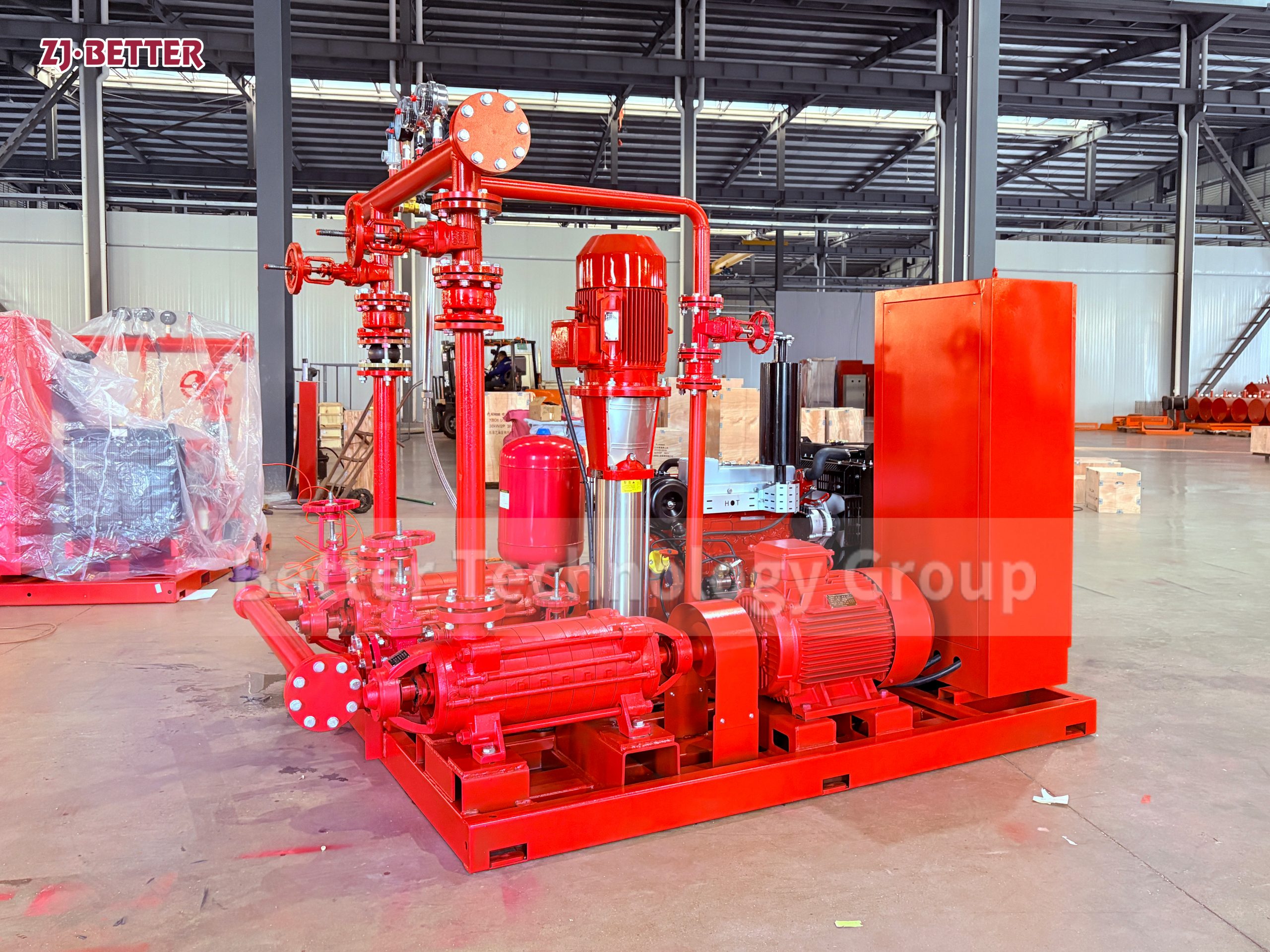
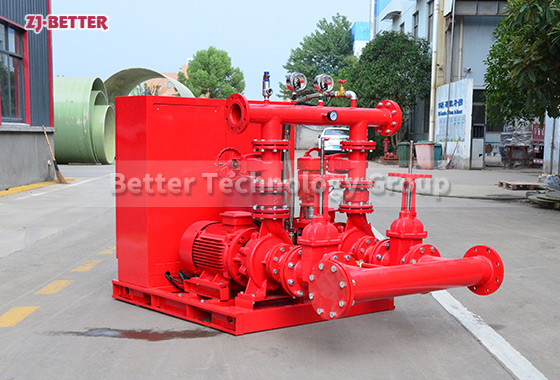
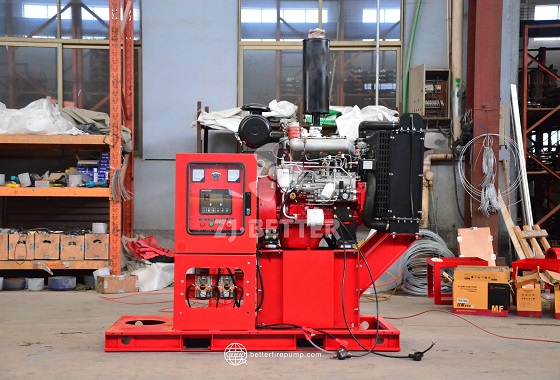
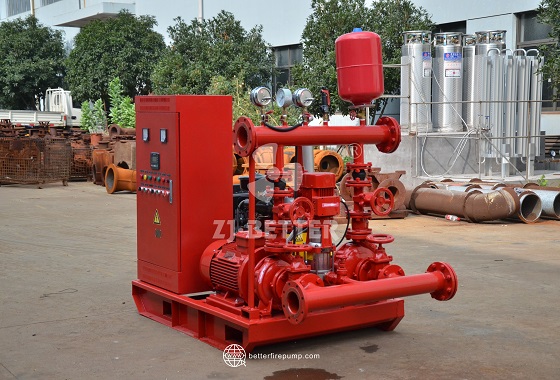
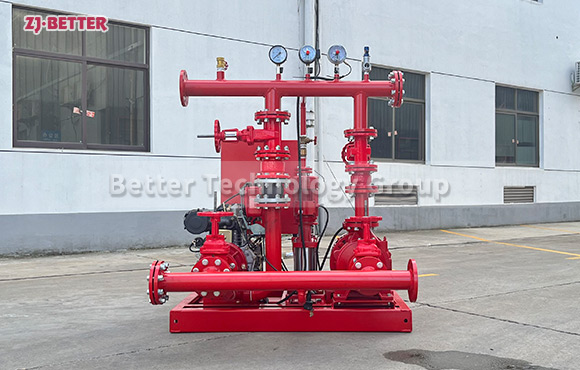
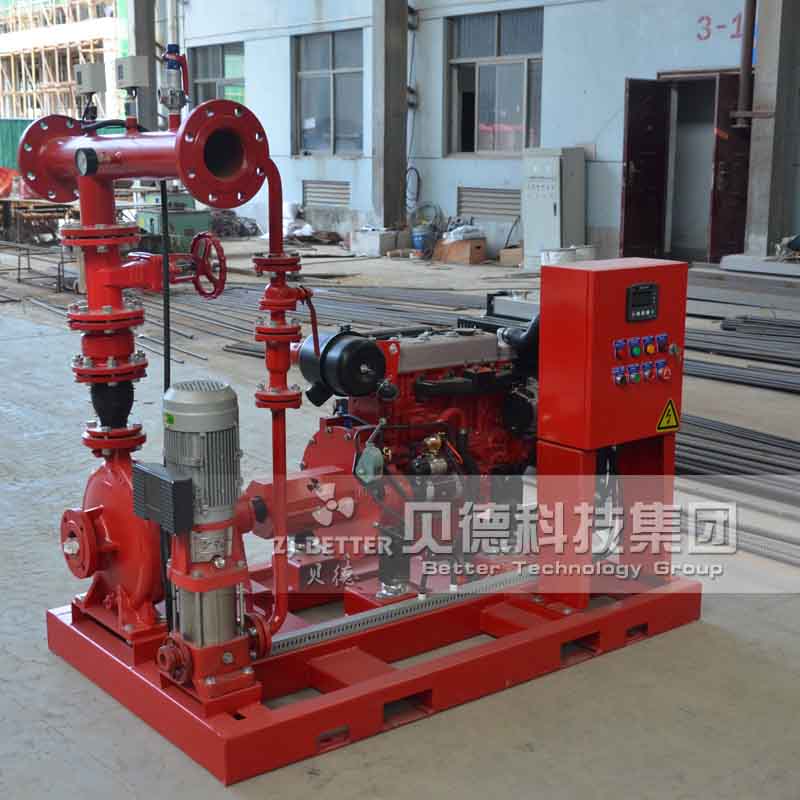
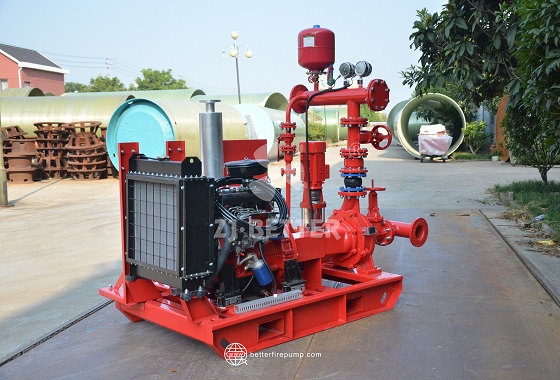
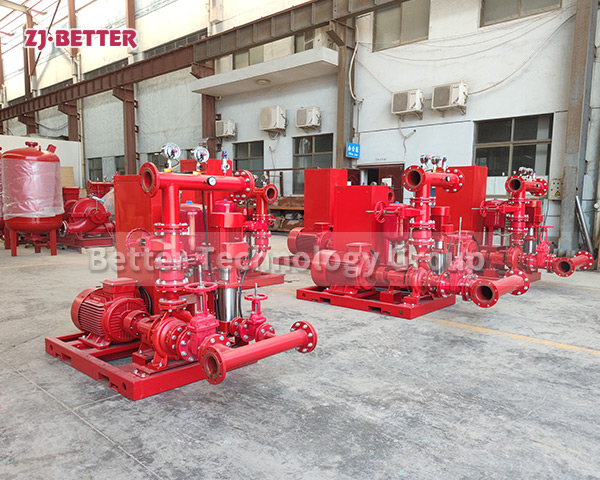
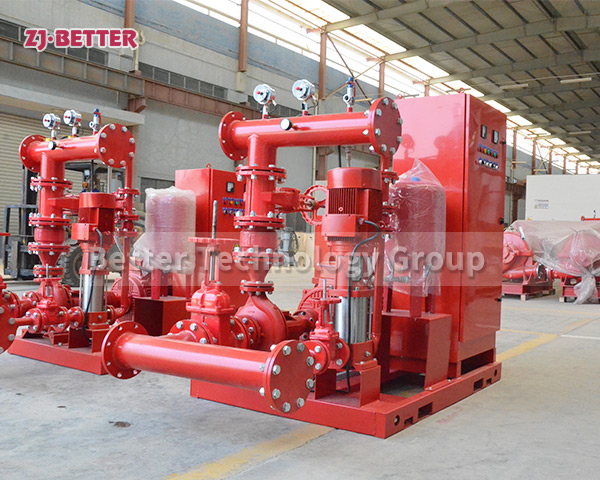
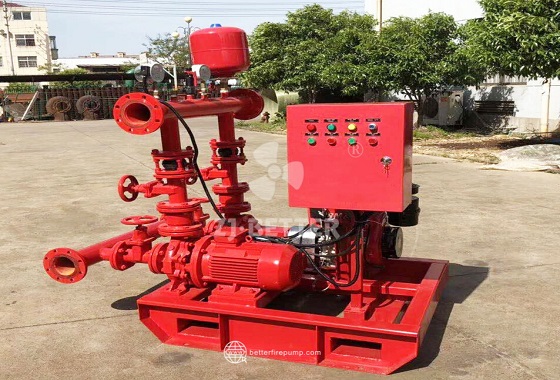
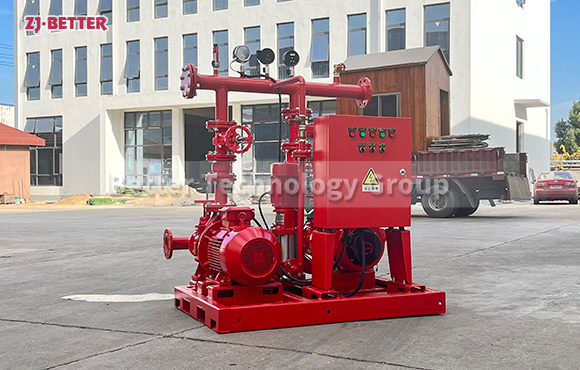
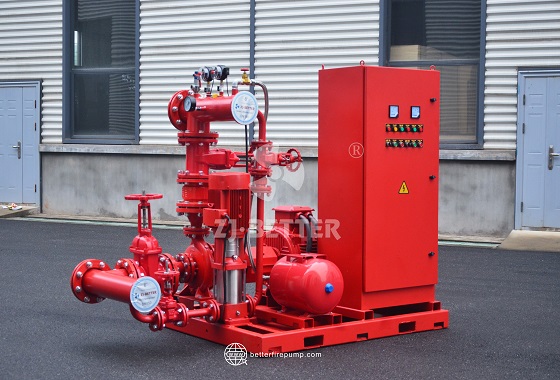
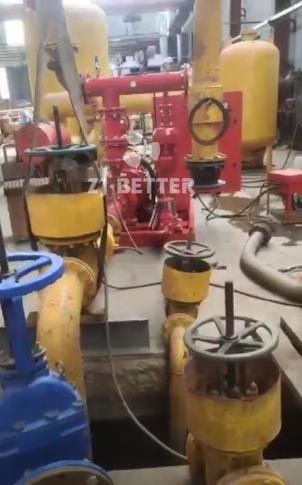
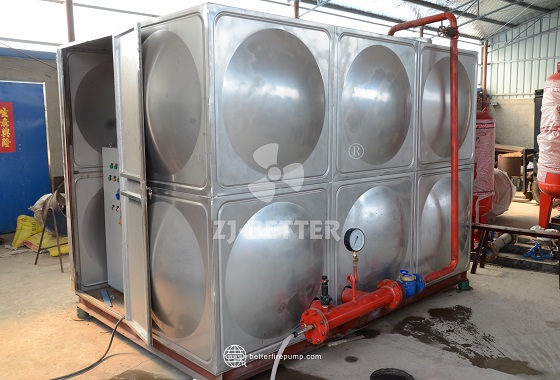
As a key component of modern building safety systems, building fire protection water supply pressure stabilization systems bear the important task of maintaining constant pressure in the fire protection network and providing power for water supply at any time. Their existence is not only a legal requirement but also a core safeguard for the protection of life and property. This system, through the configuration of high-efficiency pressure-stabilizing pumps, pressure tanks, automatic control systems, and pressure sensors, achieves continuous pressure maintenance in the network during non-fire alarm states. This avoids frequent start-stop cycles of the main fire pump, ensuring that in the event of a fire, the sprinkler system, fire hydrant system, or other fire extinguishing devices can activate immediately without delay due to insufficient pressure. Therefore, this equipment is widely used in high-rise buildings, residential communities, large shopping malls, industrial plants, warehousing and logistics parks, and other scenarios, becoming an indispensable basic operating system in modern fire protection engineering. One of its main advantages is its efficient pressure stabilization capability. The system monitors changes in pipeline pressure in real time through a highly sensitive pressure detection device and automatically starts the pressure-stabilizing pump to replenish water when the pressure drops slightly. With small control errors and fast response, it ensures that the pressure in the pipeline remains within a safe range, effectively avoiding problems such as dripping from end sprinklers, valve damage, or accidental start-up of the main fire pump caused by pressure fluctuations. Its refined control improves the lifespan and stability of the fire protection system, making the overall equipment operating costs more economical. Another important advantage is its energy-saving operation mode. The system uses a low-power pump unit, consuming very little energy during daily pressure maintenance. This can replace the high-energy-consuming mode of maintaining pressure with the main pump every time, reducing wear and significantly lowering energy expenditure. It also features an adjustable pressure tank, enabling pump-free pressure maintenance and automatic switching operation, which helps ensure higher efficiency when there is a small flow rate for water replenishment, achieving a balance between energy saving and performance. The building fire water supply pressure stabilization system boasts a high degree of automation. The intelligent control cabinet integrates pressure acquisition, pump start/stop logic, safety protection, fault alarms, and data display functions, enabling operation completely free from manual intervention. It automatically completes pressure compensation and shutdown, and the control interface is simple and easy to use. Pressure values can be set according to on-site requirements, achieving matched operation for different floor heights and load modes. This improves management efficiency and significantly reduces manual inspection and maintenance costs, ensuring the system remains stable and reliable over long-term operation. The equipment has a compact structure and small footprint, suitable for installation in pump rooms, fire cabinets, integrated equipment rooms, or water supply modules, adapting to different building space layouts. The pump body and pipe interfaces utilize corrosion-resistant materials to withstand prolonged water contact. Its drive motor is manufactured to low-noise, high-efficiency standards, ensuring the system does not interfere with residents’ or office activities during operation, improving overall comfort and equipment acceptability. This system boasts excellent adaptability, flexibly configurable for new projects, upgrades, and expansions. It’s suitable for single-pump pressure stabilization modes and can be expanded into multi-pump control systems to meet the pressure supply needs of large fire protection networks. It can also be integrated with main fire pump units, electrical control systems, remote monitoring platforms, and fire control centers to meet the needs of IoT monitoring, remote operation, and intelligent management, making fire protection more digital and intelligent. The system also excels in performance. The pressure-stabilizing pump has a high head capacity, quickly replenishing pressure losses, while the tank has excellent energy storage capacity, preventing frequent pump start-ups and shutdowns and ensuring stable pressure balance. Furthermore, the electrical control system features short-circuit protection, phase loss protection, water pressure anomaly alarms, and pump operation status display, providing multiple layers of protection for long-term equipment operation. Its application value is significant, especially in regional fire protection projects such as large building complexes and high-rise buildings. The system can significantly improve the response speed of terminal sprinklers and fire hydrants, shorten fire extinguishing activation time, and make immediate water delivery possible. This is crucial for initial fire control, greatly improving on-site fire extinguishing efficiency and expanding the safety margin. In terms of maintenance, the system features a modular structure, intuitive piping layout, and easy-to-access instrument interfaces, facilitating daily inspections and maintenance. The control system supports fault recording and operational data reading, enabling maintenance personnel to track problems and optimize strategies, ensuring equipment remains in good condition and reducing downtime. With the development trend of smart fire protection, this voltage stabilization system is also constantly evolving, adding features such as remote monitoring modules, automatic data recording, and wireless fault alarms. This allows managers to monitor equipment operation at any time, respond promptly to anomalies, and avoid risks through proactive early warning modes. This intelligent management provides solid support for advancing fire protection system safety. As the core of fire protection power supply, this pressure-stabilized water supply system is not only a set of mechanical equipment, but also a fundamental capability for urban life safety output. It ensures the fluidity, stability, and immediacy of the fire protection network, providing continuous protection for various scenarios. Through reliable technical structure, intelligent control mechanism, durable materials, energy-saving concept, and flexible configuration combination, it realizes full-process safety service from pressure supply guarantee to intelligent management, establishes an efficient and reliable fire protection system for modern buildings, builds the first line of defense for fire emergency rescue, and makes the fire protection system truly ready at any time, responds quickly, and provides strong protection, becoming an indispensable and important supporting equipment for the safe operation of buildings.

.jpg)