Fire Pneumatic Pressure Stabilizing Water Supply Equipment with Pressure Tank and Jockey Pump
Fire-fighting pneumatic pressure stabilizing water supply equipment uses a pressure tank and a pressure stabilizing pump to work together. It stabilizes the pressure of the fire-fighting pipeline network through automatic pressure replenishment, reduces the frequent start-up of the main pump, and is suitable for high-rise buildings, industrial plants, warehouses and large-scale fire-fighting water supply systems.
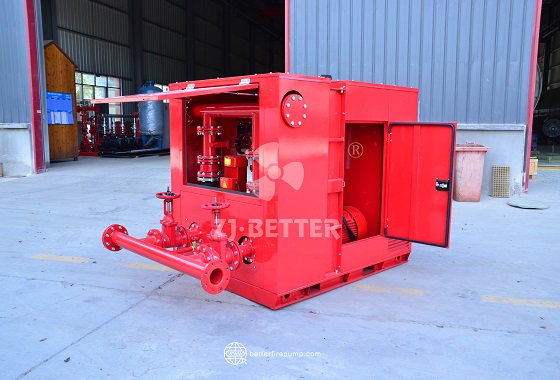
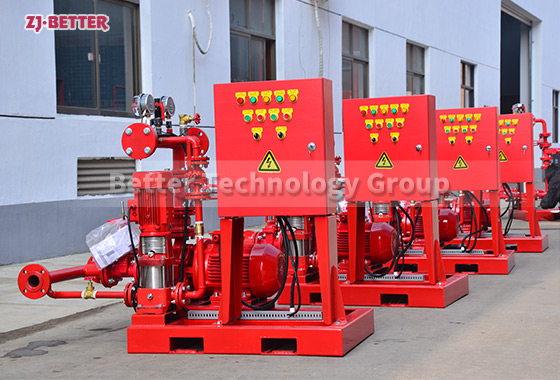
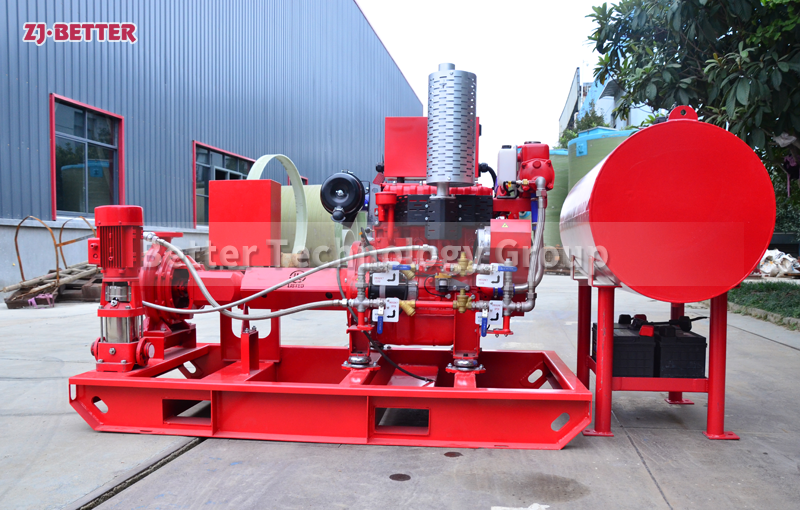
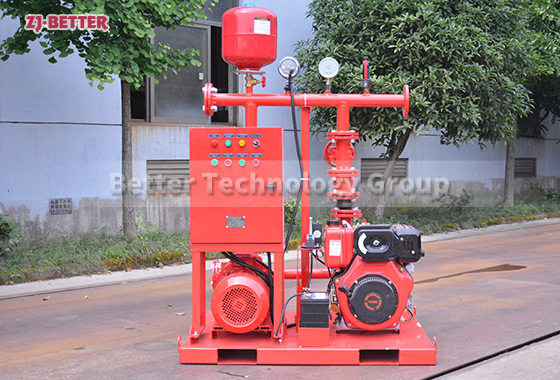
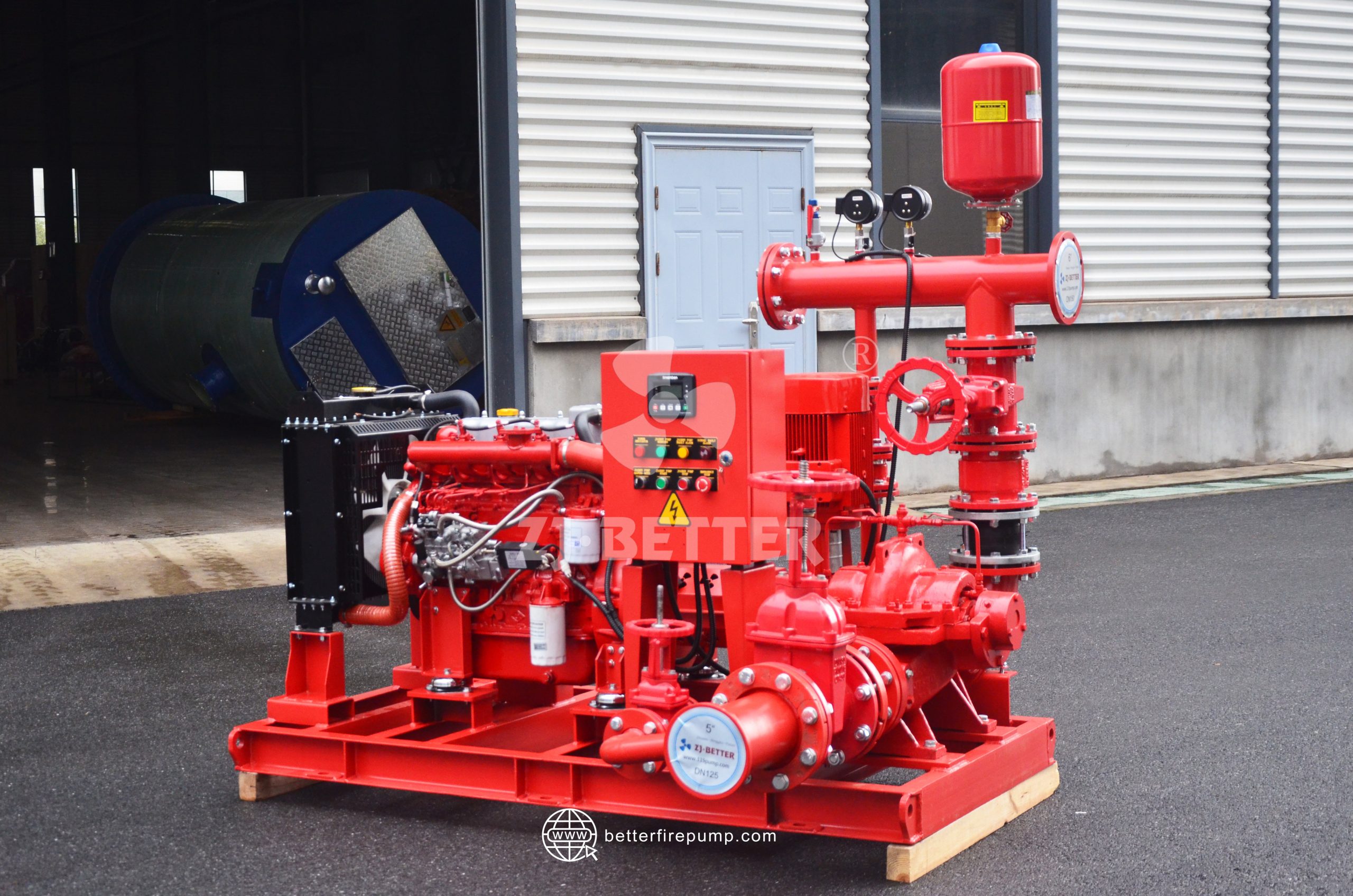
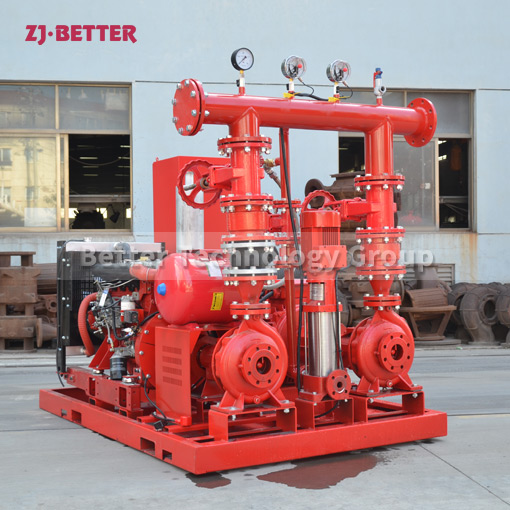
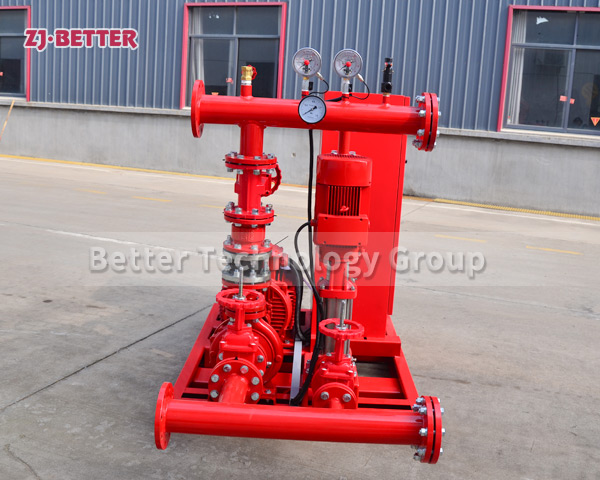
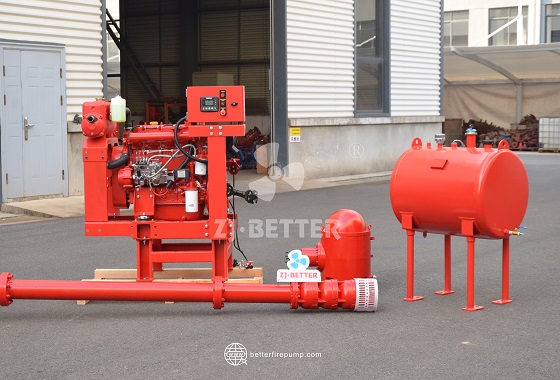
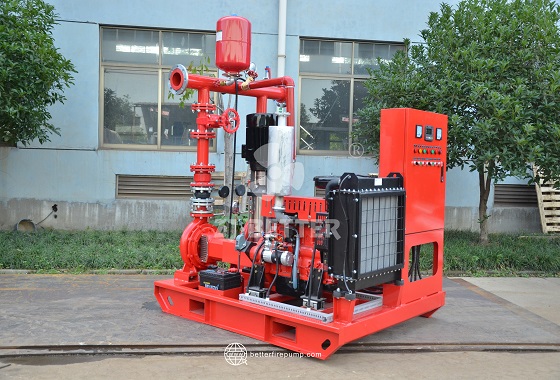
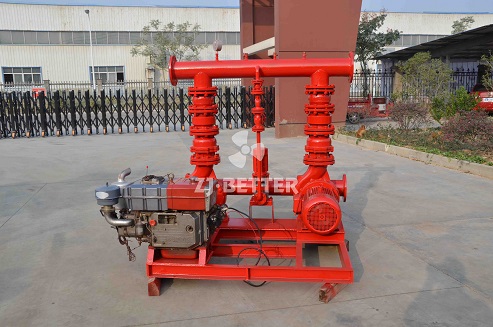
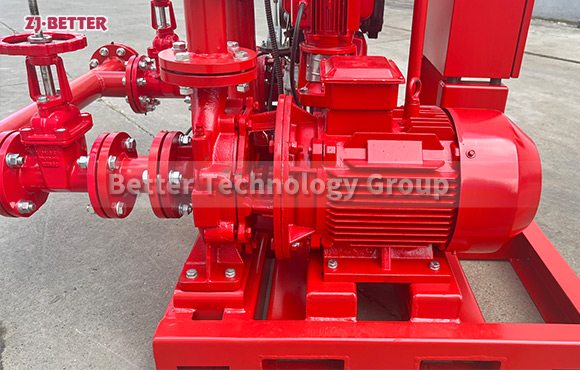
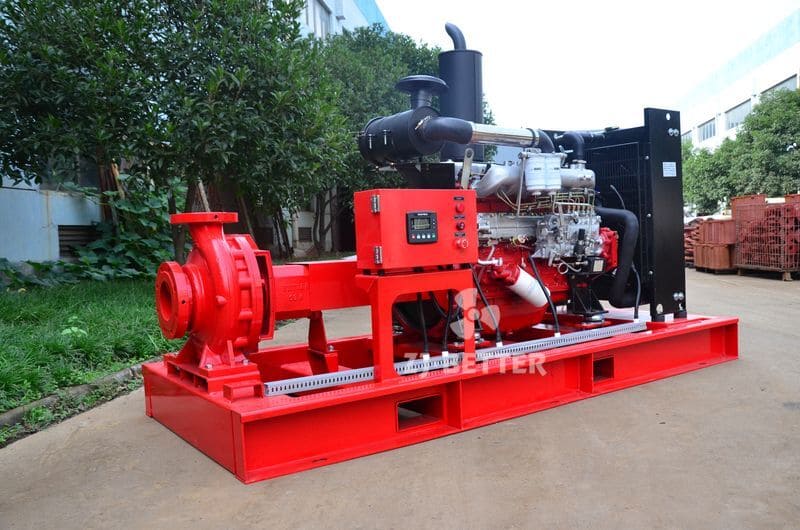
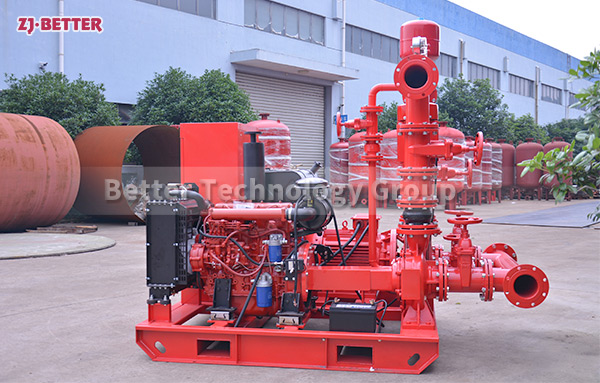
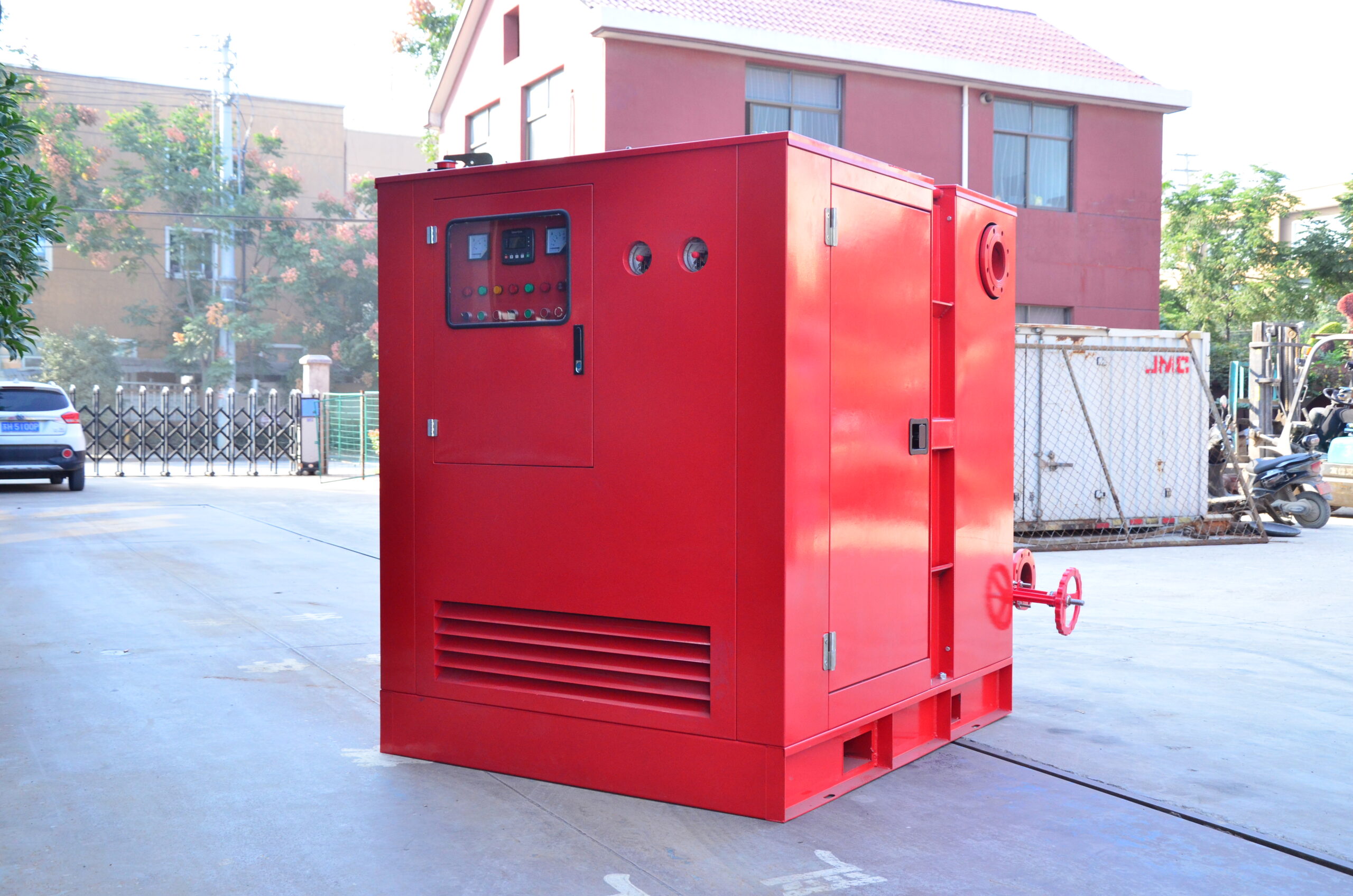
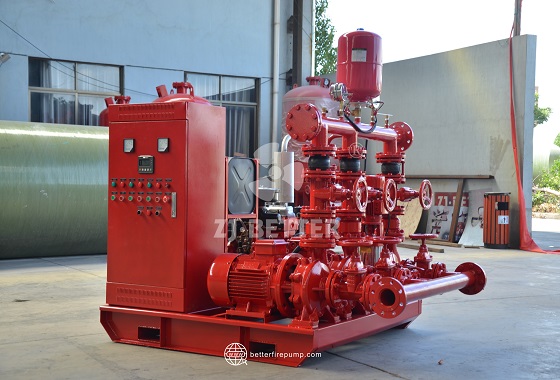
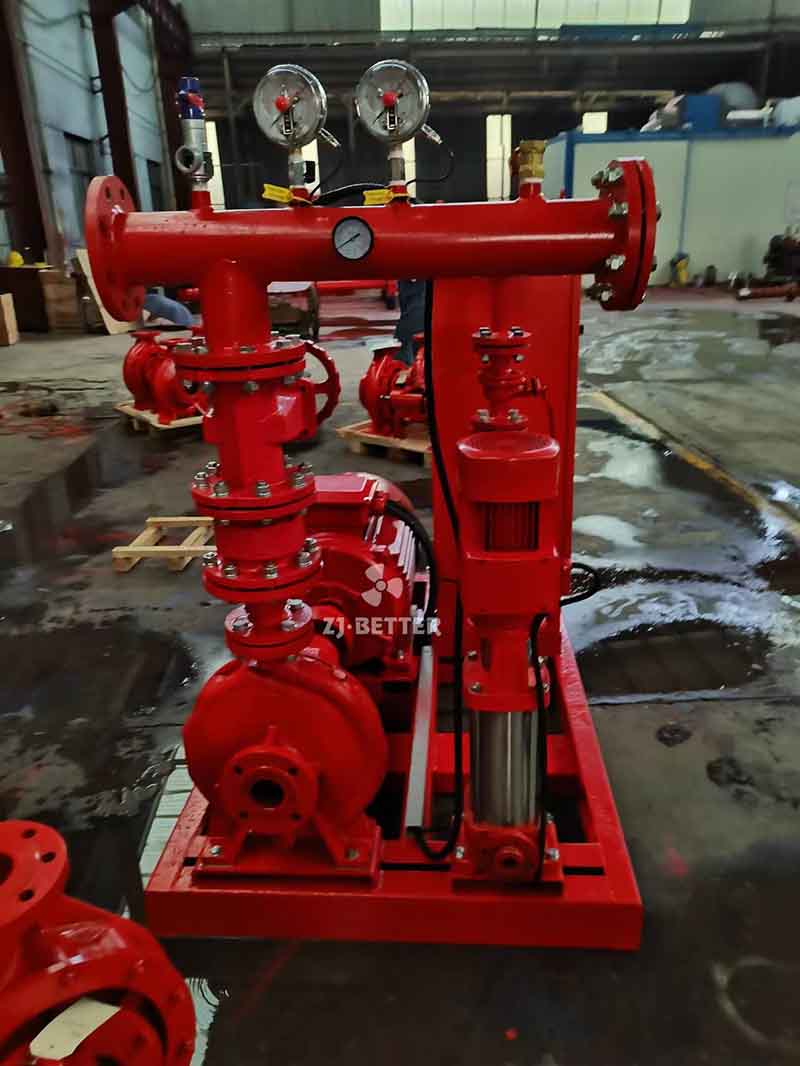
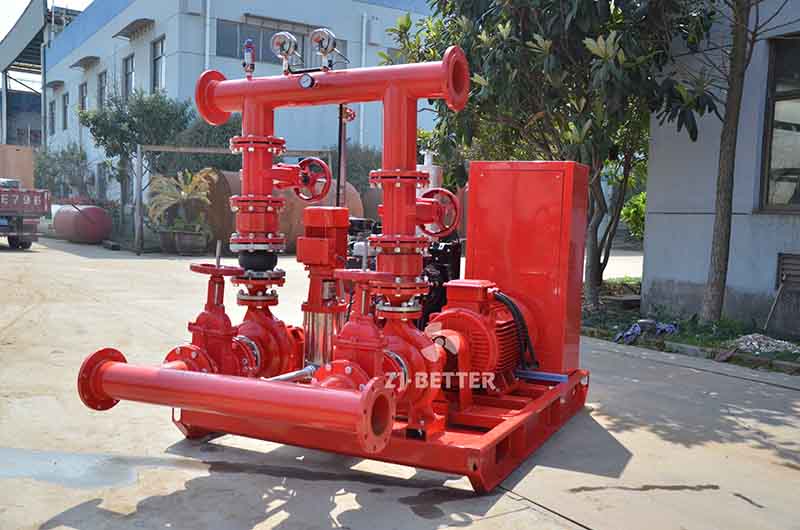
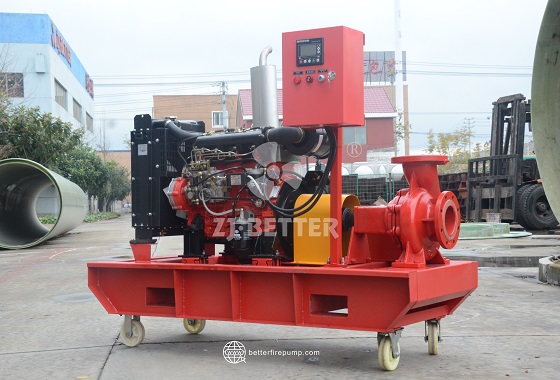
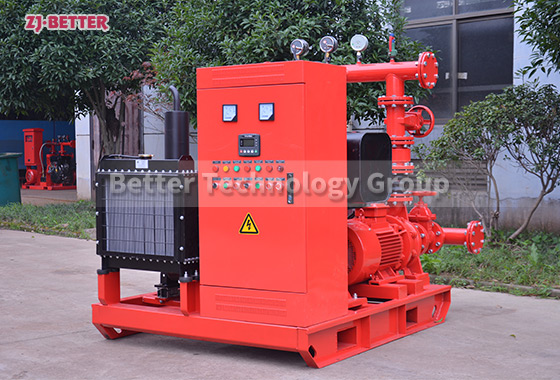
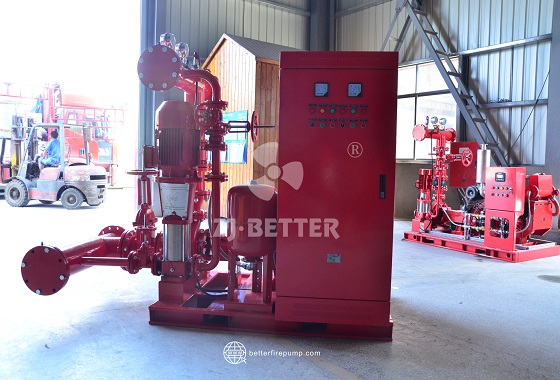
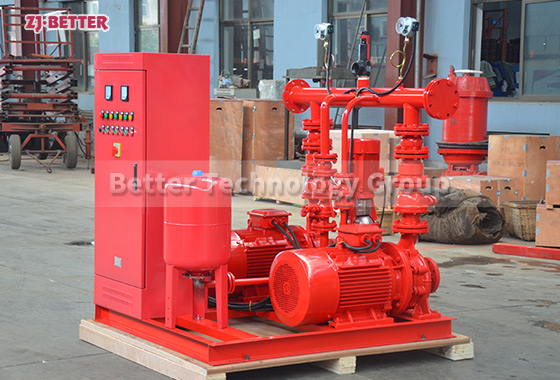
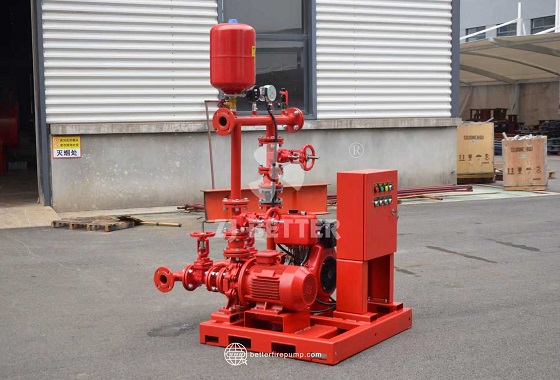
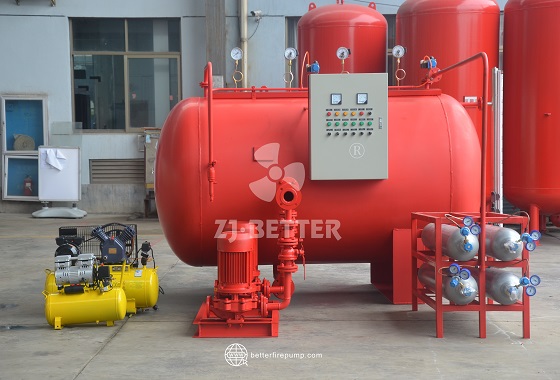
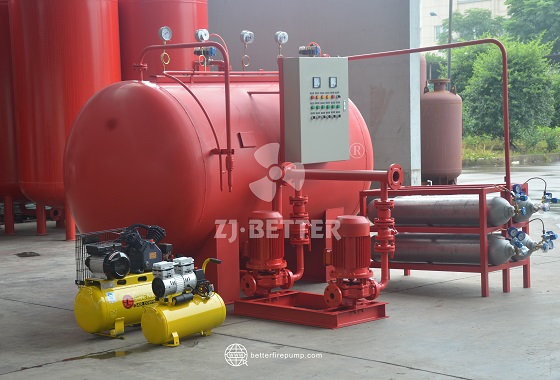
Fire-fighting pneumatic pressure stabilizing water supply equipment is a complete set of water supply equipment specifically designed to maintain stable pressure in fire-fighting pipe networks. It mainly consists of a pressure-stabilizing pump, a pressure tank, a control cabinet, pressure detection devices, pipelines, and valves. Through the coordinated operation of the pressure tank’s pressure storage and the pressure-stabilizing pump’s automatic pressure replenishment, it maintains a reasonable pressure in the fire-fighting pipe network under non-fire conditions, providing stable standby pressure for fire hydrants, automatic sprinklers, and other fire-fighting facilities. Compared to relying solely on the main fire pump to maintain pipe network pressure, this equipment can promptly replenish pressure for minor daily pressure changes in the pipe network, reducing the frequent starts of large main fire pumps due to slight pressure drops. This helps reduce equipment operating losses and improves the reliability of the entire fire-fighting water supply system. The pressure tank is a crucial component of this equipment. By pre-storing a certain amount of water at a certain pressure, it can quickly provide auxiliary pressure when pipe network pressure changes, giving the system a certain pressure buffering capacity. When there is a small flow of water in the fire-fighting pipe network or a natural pressure drop, the pressure tank can release the stored pressure and water, working with the pressure-stabilizing pump to replenish pressure, thereby reducing pressure fluctuations. The pressure-stabilizing pump is responsible for automatically starting and stopping according to changes in system pressure. By continuously monitoring the pipeline pressure, it controls the pressure within a set range, ensuring the fire protection system is always in a stable standby state. The equipment is centrally managed by an automatic control cabinet, which can acquire pipeline pressure signals in real time through pressure sensors or pressure control devices. When the actual pressure is lower than the set value, the pressure-stabilizing pump automatically starts to replenish the pressure, and stops operating once the set pressure is reached. It can also display operating status, provide fault alarms, and offer manual control functions, improving the ease of operation. The fire-fighting pneumatic pressure stabilizing water supply equipment has excellent pressure maintenance performance. In the normal standby state before the main fire pump starts, it can use a small flow rate to replenish pressure and solve the problem of slow pressure drop in the pipeline, keeping the fire protection system readily available. For high-rise buildings, commercial complexes, industrial plants, storage facilities, public buildings, and other large-scale fire protection projects, stable pipeline pressure plays a crucial role in ensuring the normal operation of end-point fire protection facilities. This equipment also boasts advantages such as high structural integration, high automation, and strong engineering adaptability. The pressure-stabilizing pump, pressure tank, control system, and piping accessories can be combined and configured according to project space and fire protection design requirements, meeting different flow and pressure demands while facilitating centralized installation and maintenance. Proper matching of the pressure tank and pressure-stabilizing pump can reduce frequent pump starts and stops, resulting in smoother equipment operation and reducing the likelihood of mechanical and electrical components being subjected to frequent start-up shocks, thus extending the equipment’s service life. The hydraulic performance of the pressure-stabilizing pump can be selected based on the fire protection network pressure requirements. By rationally matching flow rate, head, and power, it can meet the pressure replenishment needs of different projects. The equipment’s pressure setting also needs to be rationally determined based on the fire protection system design pressure, building height, network resistance, and the pressure requirements at the most unfavorable point, ensuring that the pressure stabilization range is coordinated with the entire fire water supply system. In addition to its pressure stabilization function, this complete set of equipment emphasizes operational safety and ease of maintenance. The layout of components such as the pump set, control cabinet, pressure gauge, valves, and pressure tank is reasonable, facilitating daily inspections, pressure monitoring, valve maintenance, and equipment testing by personnel. For fire protection systems that are in standby mode for extended periods, regularly checking the pressure of the pressure tank, the operating status of the pressure stabilizing pump, the functionality of the control cabinet, and the sealing of the pipelines helps ensure that the equipment can be promptly put into operation when fire protection needs arise. Overall, fire-fighting pneumatic pressure stabilizing water supply equipment effectively solves the problem of daily pressure fluctuations in fire protection pipe networks through the coordinated operation of pressure tank storage, pressure stabilizing pump replenishment, and automatic control. This reduces unnecessary main pump starts and improves the pressure maintenance capability and automation level of the fire protection system. Its stable pressure replenishment performance, flexible engineering configuration, compact assembly structure, and easy-to-maintain design make it an important pressure stabilizing device in high-rise buildings, industrial facilities, warehousing projects, and large-scale fire-fighting water supply systems, providing effective support for maintaining reliable standby pressure in fire protection pipe networks over long periods.