Multistage Centrifugal Vertical Fire Pump for Enhanced Performance and Stability
Multistage vertical centrifugal fire pumps offer advantages such as high head, high efficiency, compact structure, and intelligent control. Widely deployed in fire protection systems for high-rise buildings and industrial facilities, they provide stable and reliable high-pressure water supply solutions, thereby enhancing overall fire safety performance.
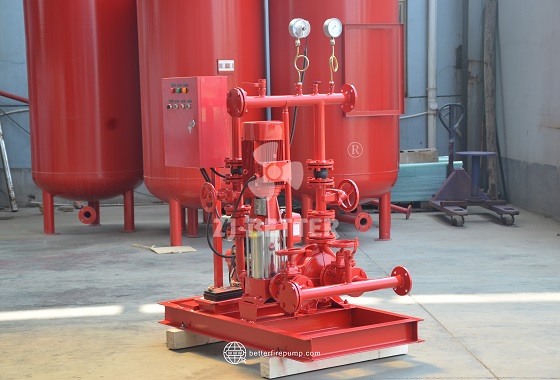
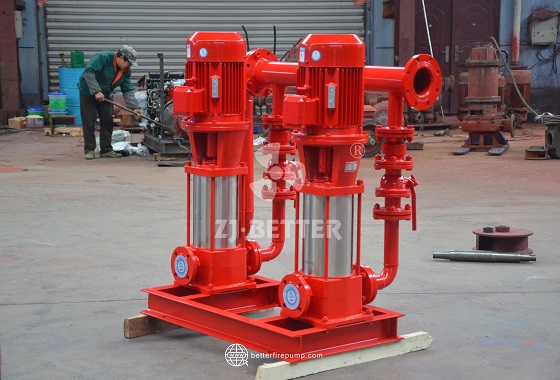
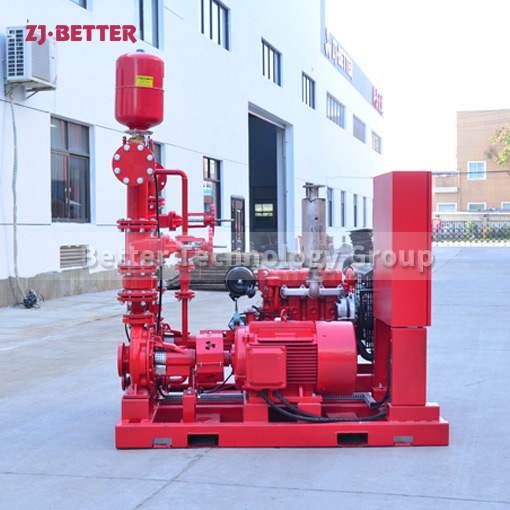
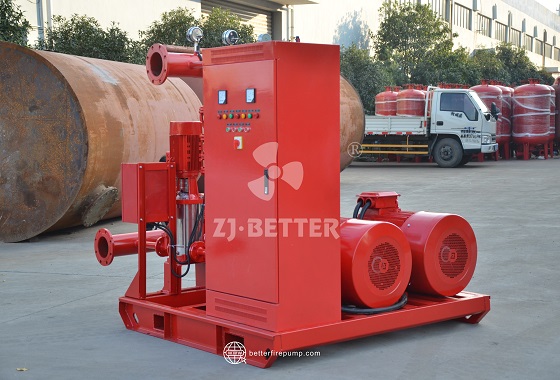
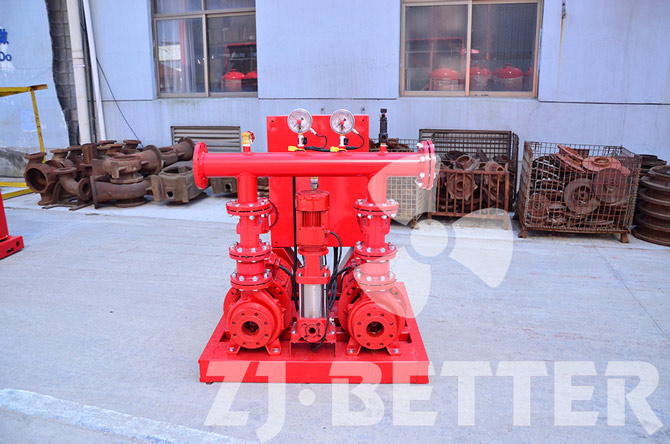
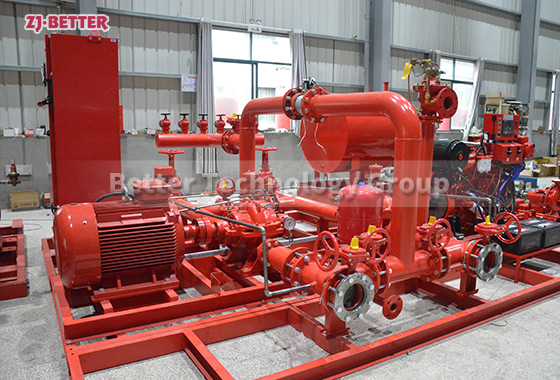
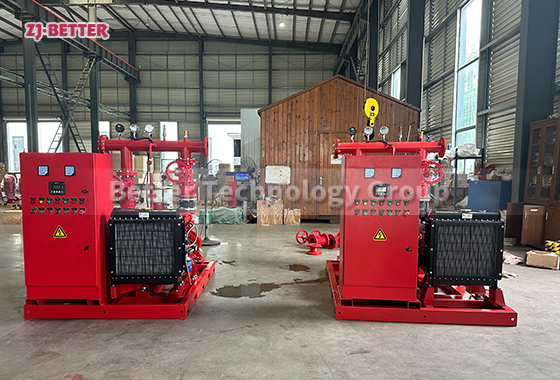
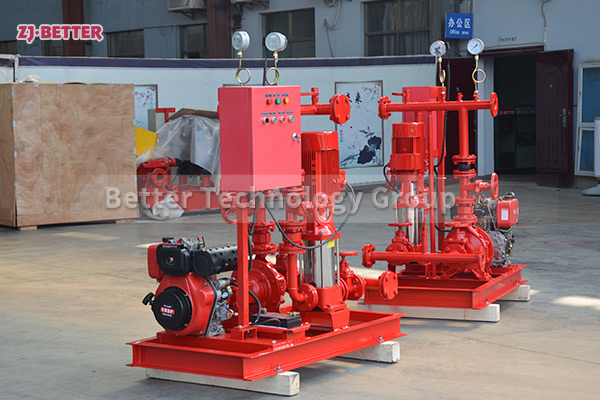
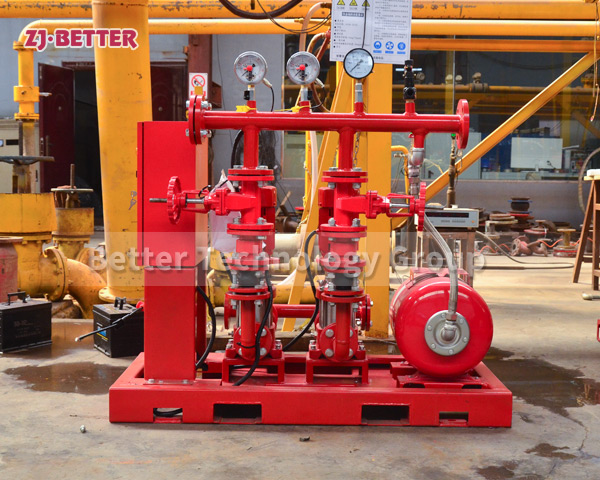
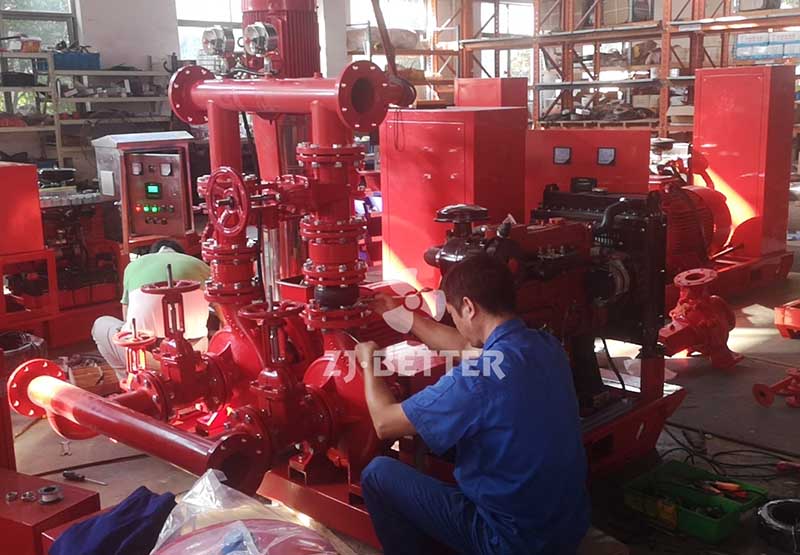
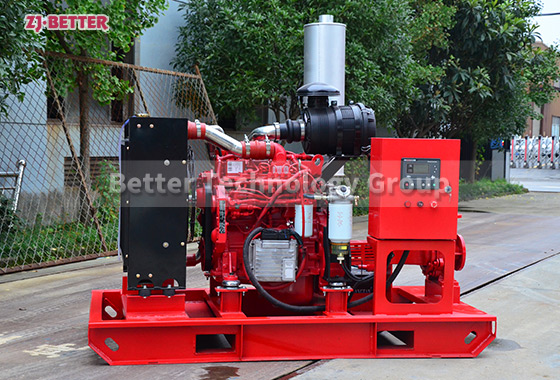
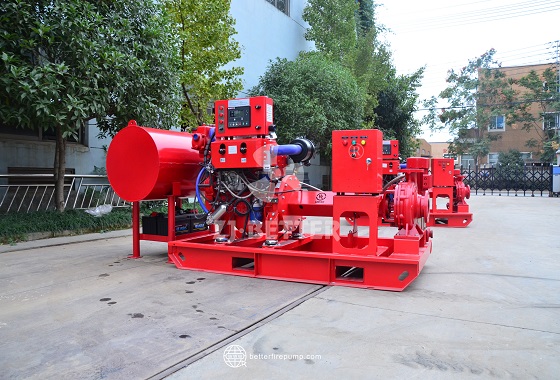
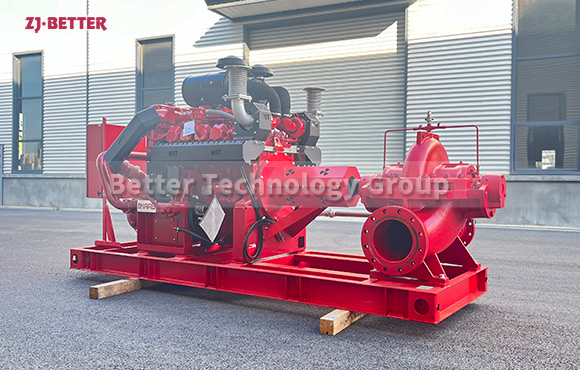
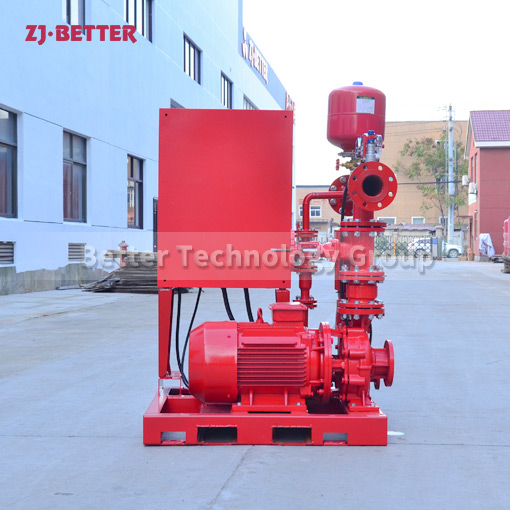
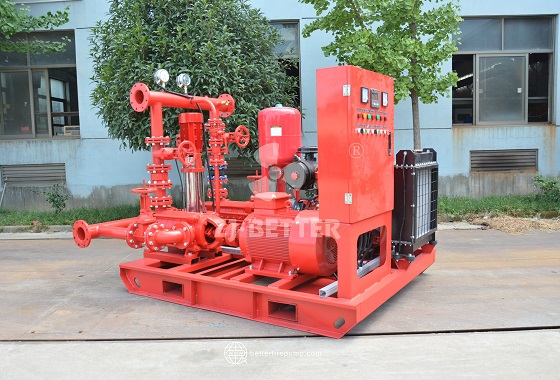
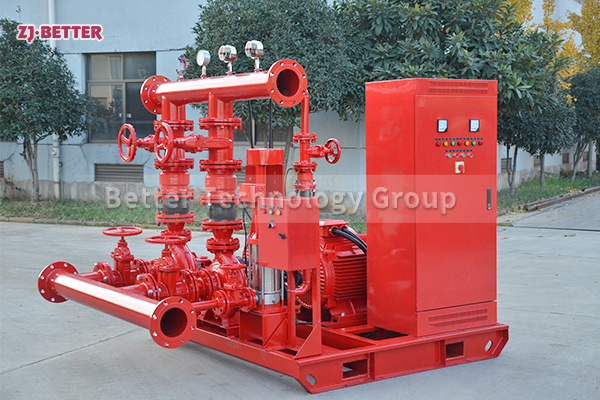
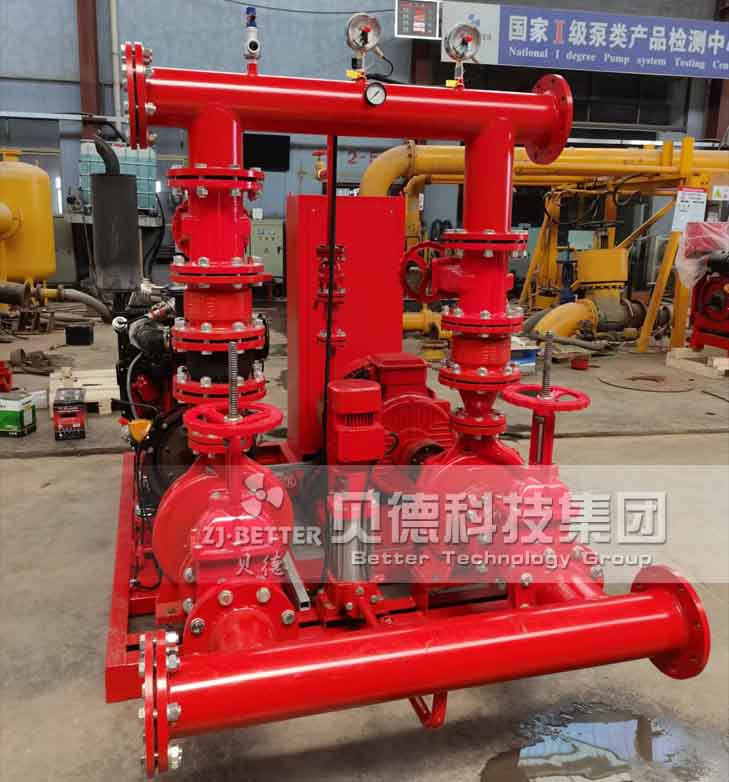
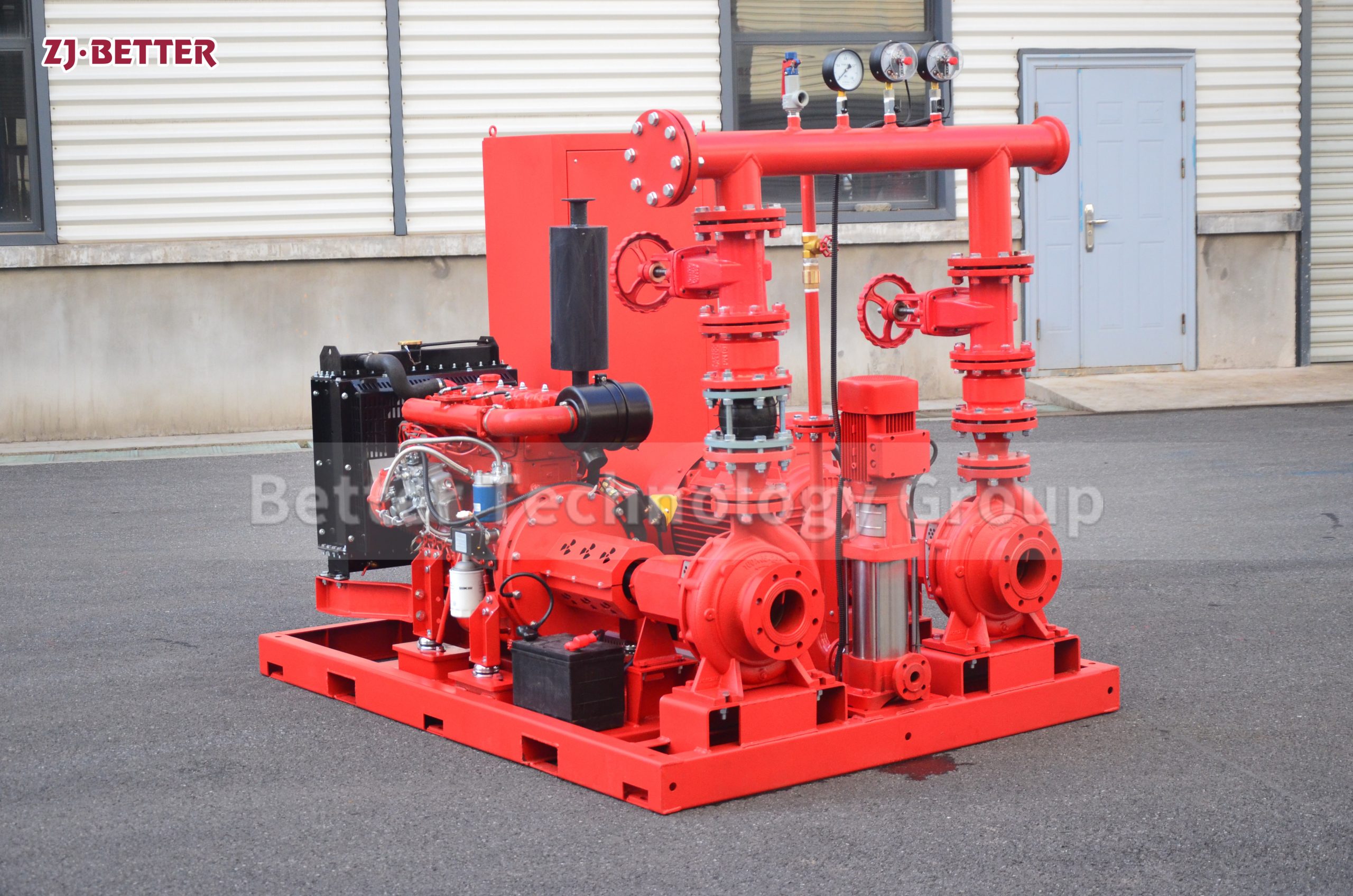
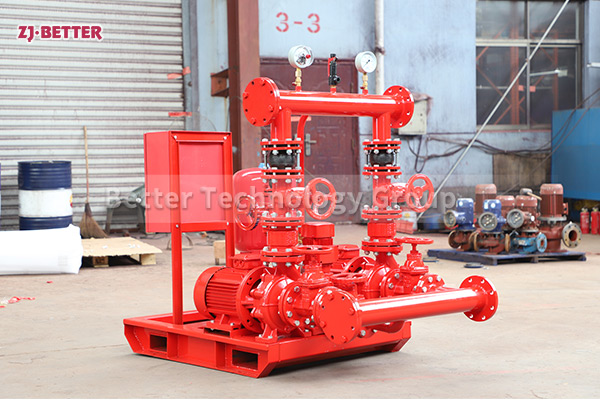
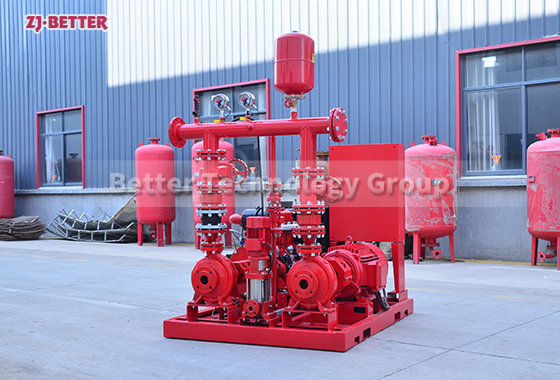
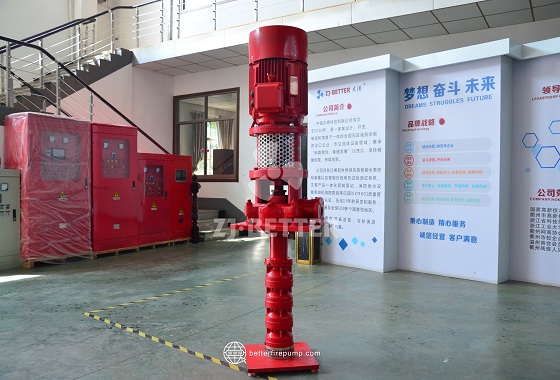
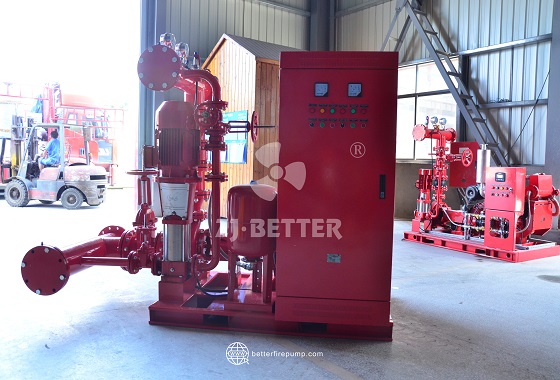
In the construction of modern fire protection systems, the performance of water supply equipment directly determines firefighting efficiency and overall safety levels. This is particularly critical in scenarios with stringent fire safety requirements—such as high-rise buildings, large-scale commercial complexes, industrial plants, and municipal infrastructure—where the challenge lies in achieving high head, large flow rates, and continuous, stable water supply within limited spatial constraints. The multi-stage vertical centrifugal fire pump has emerged as a high-performance solution widely adopted to meet this specific demand. Through a design featuring a series arrangement of multi-stage impellers, the pump progressively pressurizes the fluid stage by stage; this approach significantly boosts output pressure while simultaneously ensuring flow stability. Compared to traditional single-stage or horizontal pump systems, this vertical multi-stage design offers distinct advantages in terms of efficiency, stability, and spatial utilization, establishing itself as a vital component within contemporary fire water supply systems. The core advantage of the multi-stage vertical centrifugal fire pump lies in its unique vertical configuration and multi-stage pressurization design. The vertical structure substantially reduces the pump’s footprint, making it ideally suited for projects where equipment room space is limited or where a highly integrated layout is required. Furthermore, the inlet and outlet piping are typically arranged in a straight-line configuration, thereby minimizing energy losses associated with pipe bends and enhancing overall hydraulic efficiency. Meanwhile, the series design of the multi-stage impellers allows each individual impeller to contribute to the pressurization of the water flow, creating a cumulative effect that enables the achievement of a higher discharge head. This capability is of paramount importance for fire water supply in high-rise buildings, as it ensures that sprinkler systems and fire hydrant networks in the upper zones receive adequate water pressure support during a fire emergency. In terms of hydraulic design, these fire pumps have undergone rigorous optimization; through precise calculations regarding impeller flow channels, guide vane structures, and pump casing dimensions, the design ensures a smooth transition of water flow between stages. This minimizes turbulence and energy loss, thereby boosting overall operational efficiency while simultaneously reducing vibration and noise levels. Such features not only contribute to extending the equipment’s service life but also improve the operational environment, ensuring that the pump maintains exceptional stability under both prolonged standby conditions and emergency start-up scenarios. To meet the demands of diverse application scenarios, multi-stage vertical centrifugal fire pumps typically utilize high-strength, corrosion-resistant materials for the manufacture of critical components—such as stainless steel impellers, wear-resistant seal rings, and high-strength pump shafts. This design enables the equipment to adapt to water sources containing corrosive elements or impurities while simultaneously enhancing its resistance to wear. Consequently, the pumps maintain stable performance even under conditions of frequent start-stops or prolonged continuous operation—a feature of particular importance for industrial fire protection systems, as it effectively reduces equipment failure rates and minimizes maintenance costs. Regarding power and control systems, these multi-stage vertical centrifugal fire pumps are typically driven by high-efficiency motors and integrated with intelligent control cabinets to facilitate automated operation. The system can automatically start or stop the pump units in response to pressure fluctuations, ensuring that the pipeline network pressure remains consistently within the designated range. Furthermore, the system incorporates multiple safety mechanisms—including overload protection, phase-loss protection, short-circuit protection, and fault alarms—to further enhance operational safety and reliability. In the event of a fire, the fire control system can rapidly issue a start signal, allowing the pump units to reach a stable operating state within a very short timeframe, thereby continuously supplying high-pressure water and gaining precious time for firefighting efforts. Moreover, this type of equipment supports parallel operation of multiple pumps; by intelligently configuring primary and backup pumps, the operating mode can be flexibly adjusted according to actual water demand, thereby achieving the dual objectives of energy conservation and emergency preparedness. During routine periods, the system operates at a low load to minimize energy consumption; however, in the event of a fire or high-demand situation, it can rapidly switch to full-power output, ensuring the system remains in an optimal working state at all times. Multi-stage vertical centrifugal fire pumps also offer significant advantages in terms of installation and maintenance. Their modular design ensures that the entire unit is fully commissioned at the factory prior to shipment; upon arrival at the site, only simple connections are required to put the equipment into service, thereby substantially shortening the installation cycle and simplifying construction complexity. Additionally, the vertical structure allows for a more compact internal component layout that is easy to disassemble and reassemble, making routine inspection and maintenance more convenient. The time required to replace critical components is minimized, effectively reducing downtime and enhancing system availability—a high level of maintainability that holds immense value for fire protection systems requiring long-term, stable operation. In terms of adaptability, multi-stage vertical centrifugal fire pumps are capable of operating in a wide variety of complex environments—including industrial settings characterized by high temperatures, high humidity, and significant dust levels. Furthermore, depending on specific project requirements, these pumps can be configured with motors and control systems featuring higher protection ratings, thereby ensuring reliable operation even under harsh conditions. For cold regions, additional insulation and anti-freezing measures can be implemented to guarantee proper startup and operation in low-temperature environments, thereby further expanding the pumps’ scope of application. In practical applications, these fire pumps are widely utilized in scenarios such as high-rise building fire protection systems, industrial plant fire water supply systems, municipal fire hydrant network booster systems, and large-scale warehousing and logistics centers. By leveraging their stable and highly efficient water supply capabilities, they effectively enhance the overall fire protection system’s response speed and firefighting capacity, thereby mitigating losses caused by fires. As building heights continue to rise and industrial scales continue to expand, the demands placed on fire water supply systems are becoming increasingly rigorous. Thanks to their advantages—including high head, high efficiency, compact structure, and stable operation—multi-stage vertical centrifugal fire pumps are gradually emerging as the mainstream choice in fire protection engineering projects. Their performance in terms of energy conservation and environmental protection is also noteworthy; through optimized hydraulic design and intelligent control systems, they can reduce energy consumption while maintaining peak performance, thereby achieving a dual enhancement of both economic and safety benefits. Overall, by integrating advanced structural design with intelligent control technologies, multi-stage vertical centrifugal fire pumps effectively address the shortcomings of traditional fire pumps regarding high-head water supply, space utilization, and operational stability, offering a highly efficient and reliable solution for modern fire protection systems. As fire protection engineering continues to evolve in the future, the application scope of these pumps is expected to expand even further, playing an increasingly vital role in safeguarding both public and industrial safety.