Home » Diesel engine fire pump » Single Cylinder Diesel Self-Priming Fire Pump: Rapid and Reliable Fire Protection Solutions

Single Cylinder Diesel Self-Priming Fire Pump: Rapid and Reliable Fire Protection Solutions

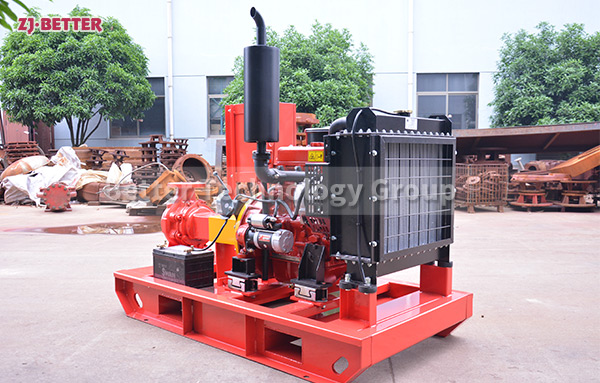
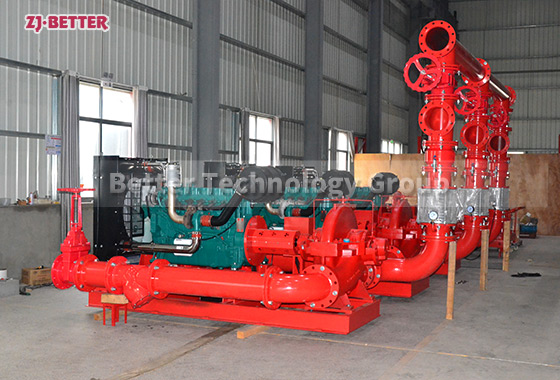
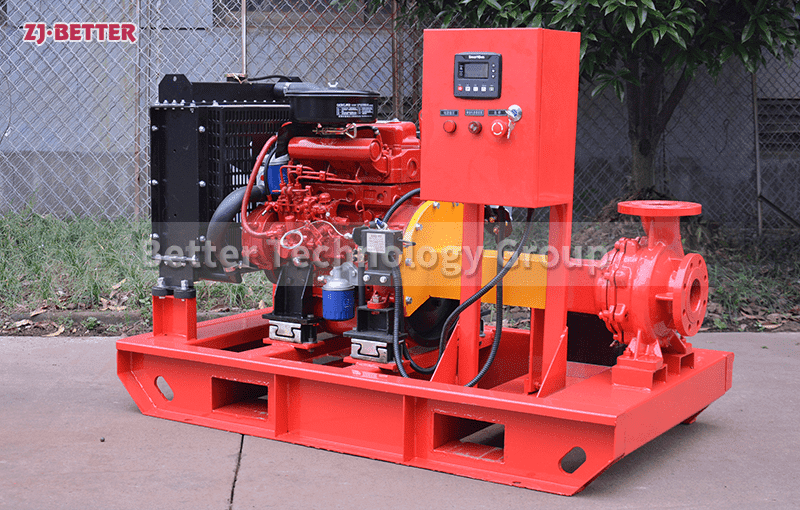
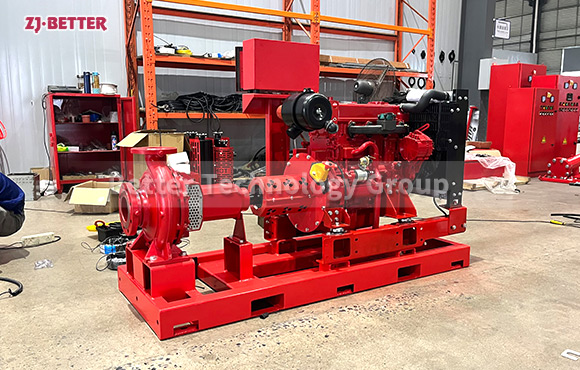
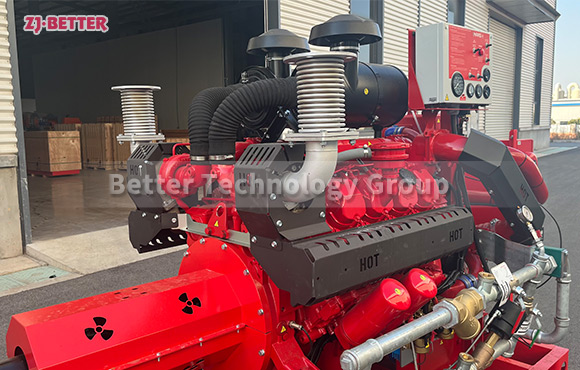
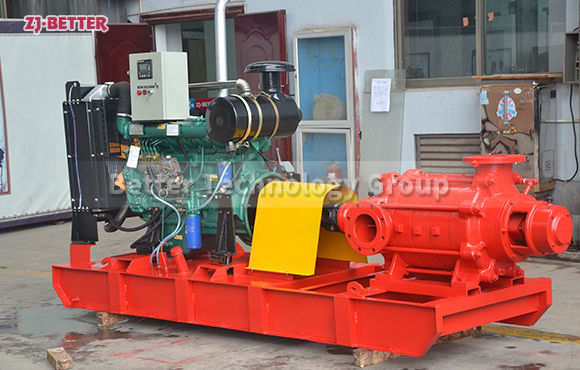
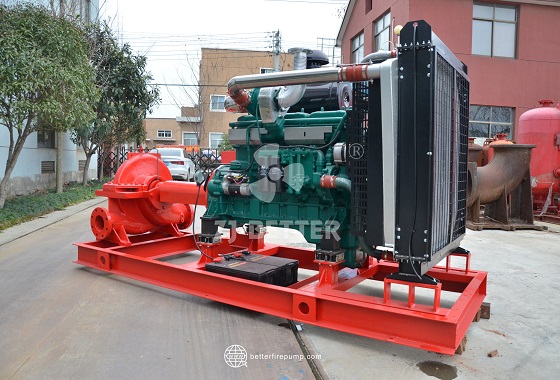
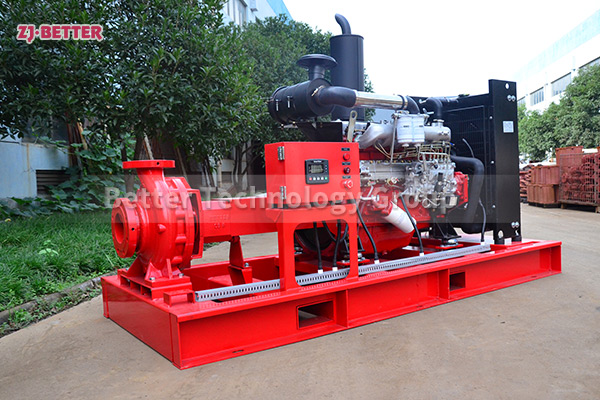
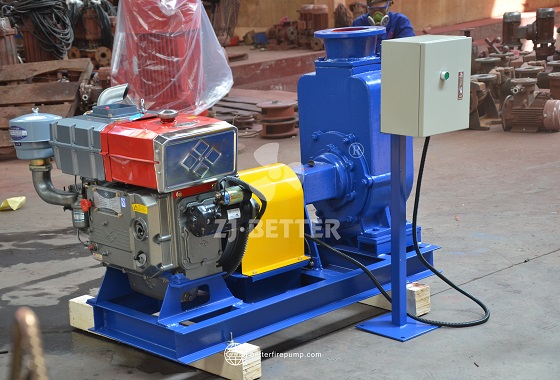
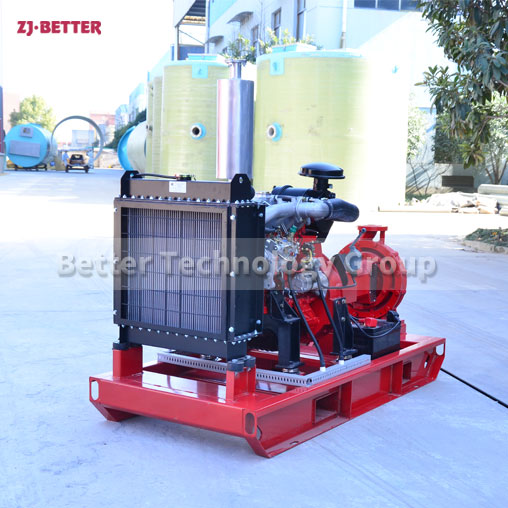
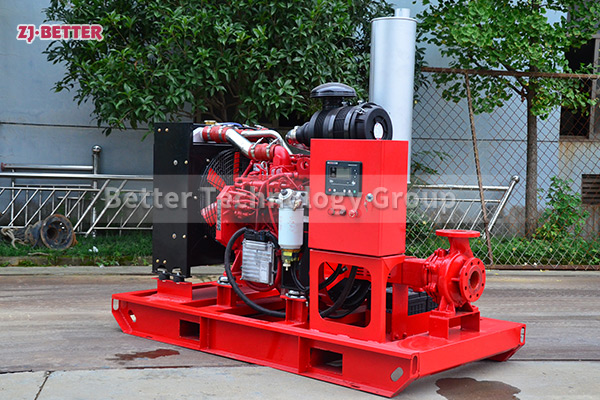
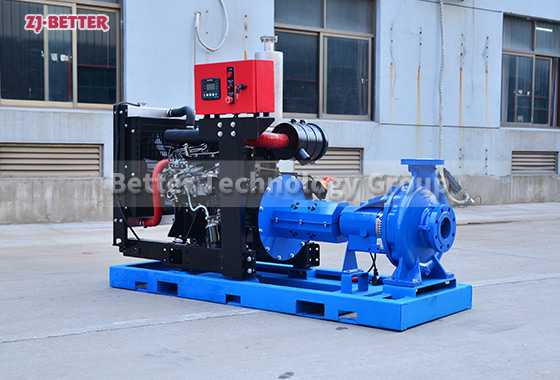
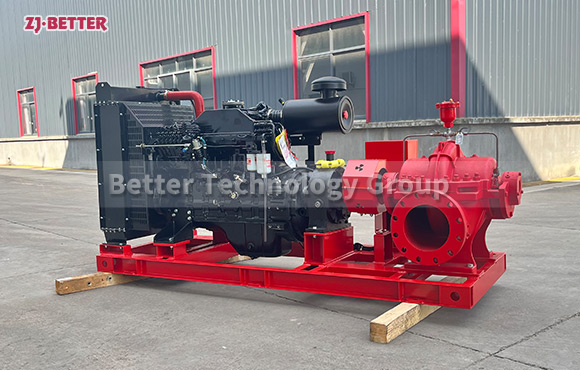
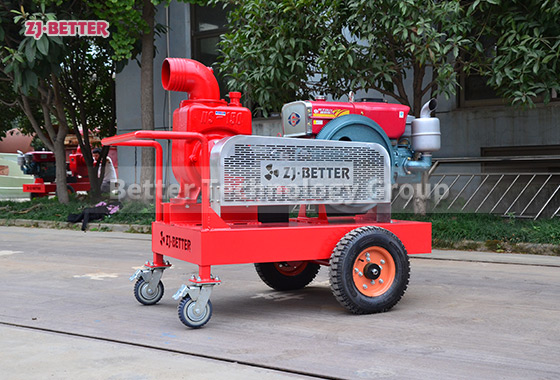
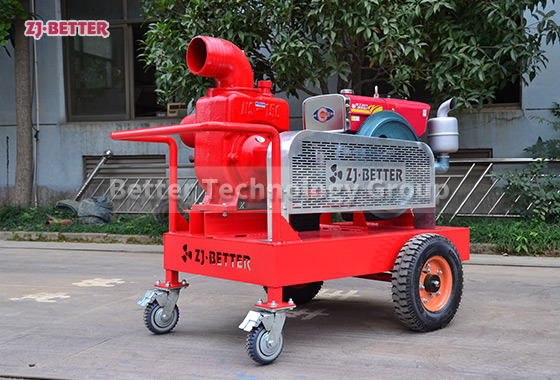
Ensure rapid and reliable fire protection with the Single Cylinder Diesel Self-Priming Fire Pump. This advanced pump offers automatic startup within 15 seconds of receiving fire signals, guaranteeing immediate response. Its automatic charging system ensures smooth operation, while built-in alarms and protections provide enhanced safety. With automatic preheating and a direct connection design, this pump is both efficient and reliable. It is suitable for various applications in areas where firefighting vehicles face limitations. The Single Cylinder Diesel Self-Priming Fire Pump is ideal for areas where access by firefighting vehicles is limited, such as small towns, industrial ports, and rural areas.

Rated 4.7/5 based on 531 customer reviews
Share:
Content

When it comes to fire emergencies, every second counts. That’s why you need the Single Cylinder Diesel Self-Priming Fire Pump, a cutting-edge solution designed to provide rapid response and reliable performance. Let’s explore its remarkable features:

  1. Automatic Startup: In just 15 seconds, this fire pump automatically starts and operates at full capacity upon receiving signals such as fire alarms, pipe network pressure changes, power outages, or other start-up triggers. You can trust it to kick into action swiftly, ensuring immediate fire suppression.
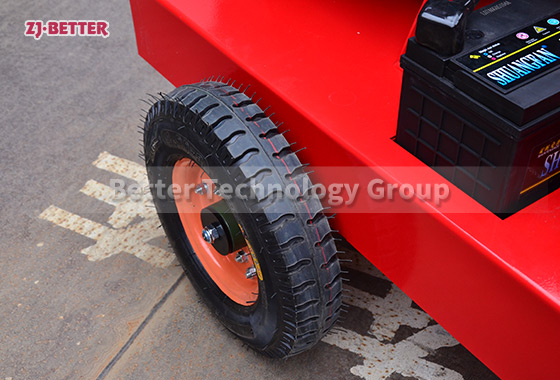
  2. Automatic Charging: The built-in battery of this fire pump can be conveniently charged by either mains electricity or the diesel engine itself. This ensures a seamless startup process, guaranteeing the smooth operation of the unit when you need it most.
  3. Automatic Alarms and Protections: Equipped with intelligent alarm systems, this pump provides automatic alerts for low oil pressure, high water temperature, and other potential faults. In case of overspeed, it triggers an alarm and shuts down to safeguard the engine. These features enhance safety and prevent damage to the equipment.
  4. Automatic Preheating: The Single Cylinder Diesel Self-Priming Fire Pump keeps the engine in a preheated standby state, ready to spring into action at a moment’s notice. This feature ensures reliable performance during emergencies and enables efficient emergency response.
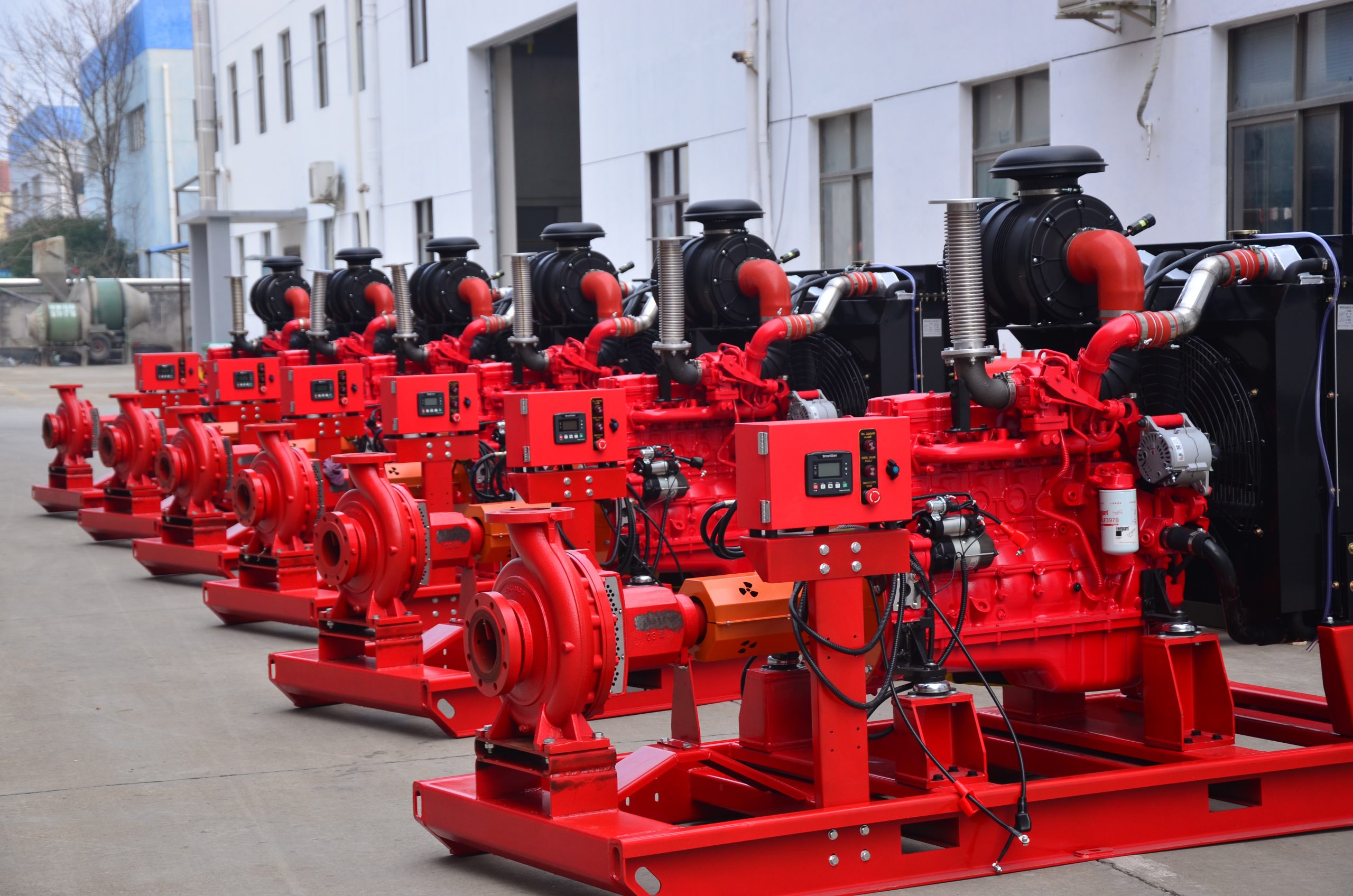
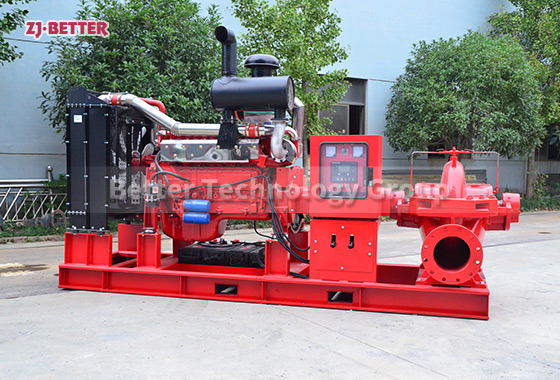
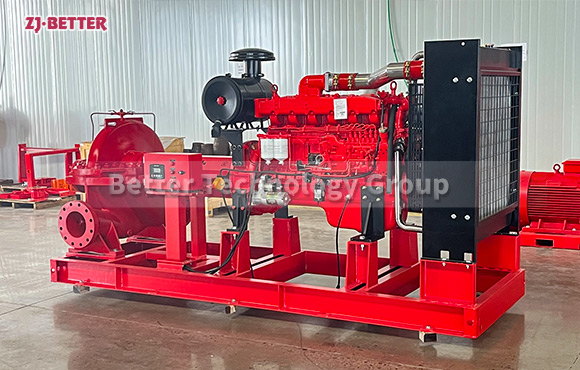
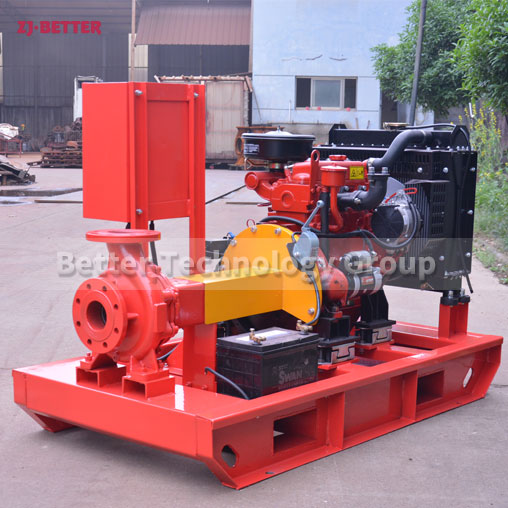
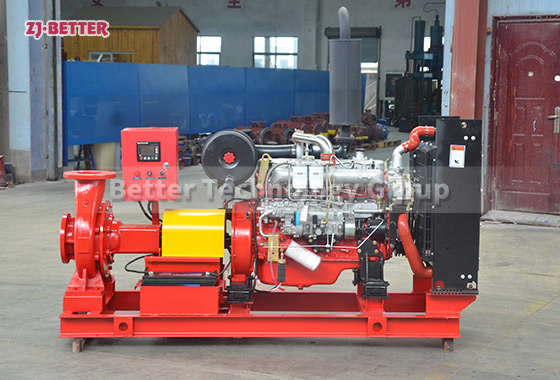
  5. Direct Connection: Featuring the latest technology, this fire pump employs a direct connection method using an elastic coupling joint, linking the superior domestic diesel engine to the water pump. This design minimizes potential failure points, reduces startup time, and enhances the reliability and emergency performance of the unit. With a power rating of up to 360kW, it delivers exceptional performance you can rely on.
Inquiry


    More Diesel engine fire pump

    1. Automatic start: After the diesel engine pump unit receives a fire alarm/pipe network pressure/power failure/or other start-up signals, it can start automatically within 15 seconds and be put into full-load operation;
    2. Automatic charging: the battery can be automatically charged by the mains or diesel engine charging motor to ensure the smooth start of the unit;
    3. Automatic alarm: automatic alarm protection for diesel engine low oil pressure, high water temperature and other faults, and alarm and stop when the speed is exceeded again;
    4. Automatic preheating: keep the diesel engine in a hot standby state to ensure emergency work;
    5. Direct connection type: The diesel engine pump unit below 360kw adopts the first domestic direct connection technology between the diesel engine and the water pump through the elastic coupling, which reduces the failure points, greatly shortens the starting time of the unit, and increases the reliability and emergency performance of the unit ;
    6. Users can also request to set other alarm outputs (non-standard supply);
    7. With telemetry, remote signaling and remote control functions (non-standard supply);
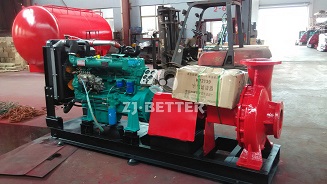
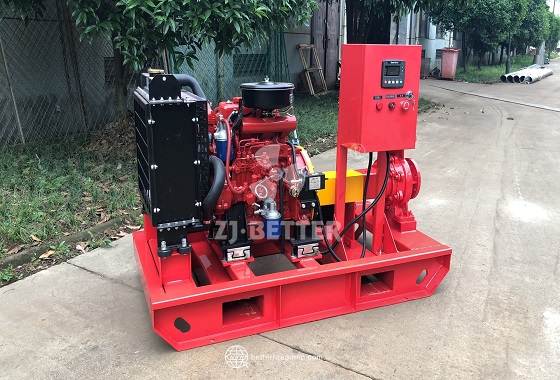
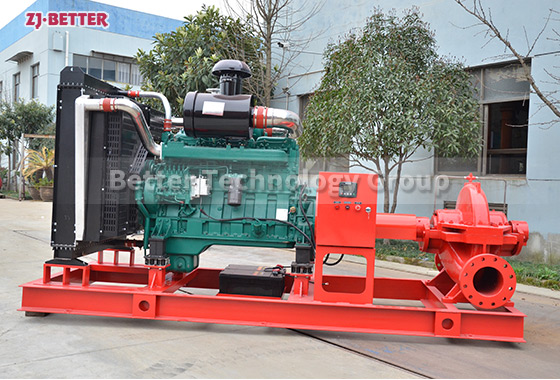
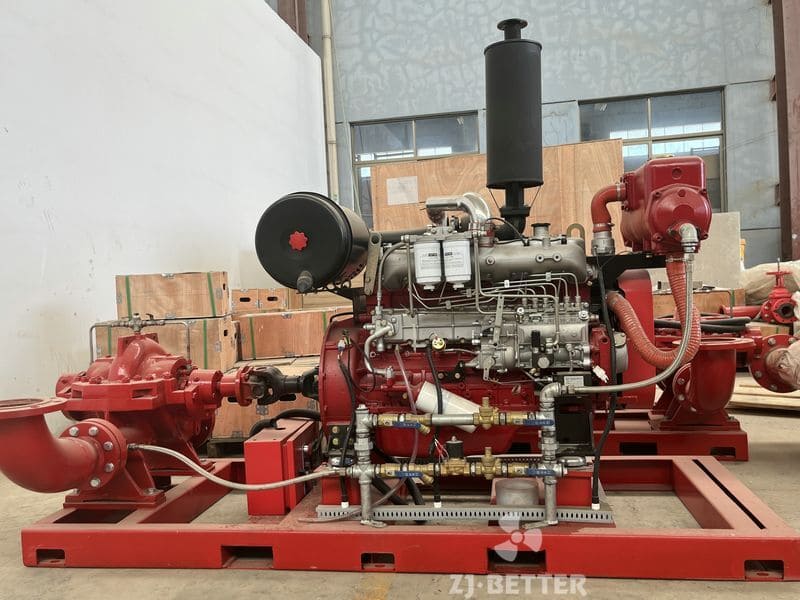
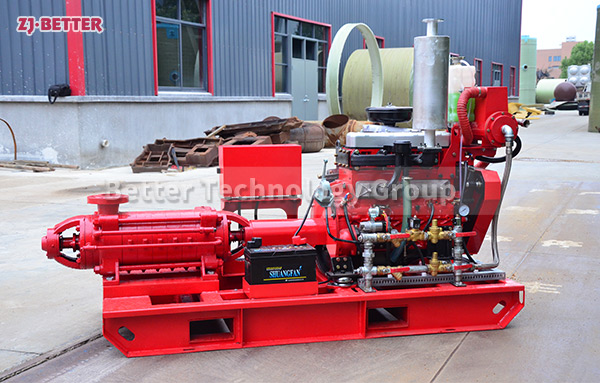
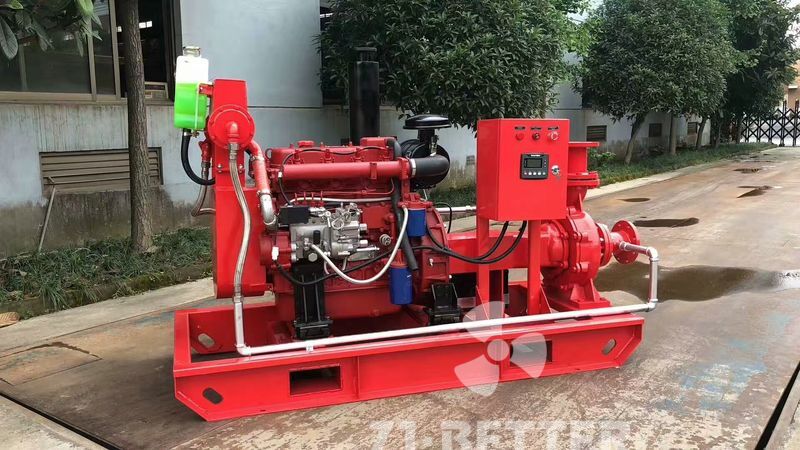
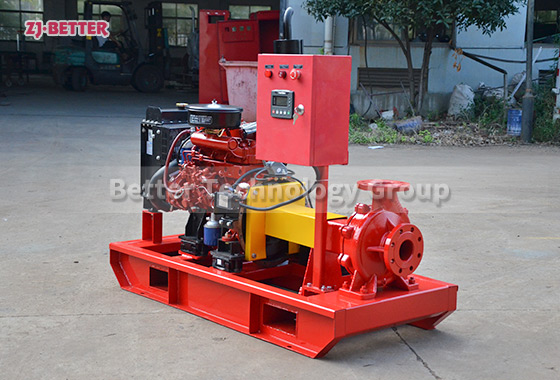
    8. The equipment is powered by X6135, 12V135, 4102, 4105, 6102 and other series diesel engines. The diesel engine (with clutch) is connected with the fire pump through a highly elastic coupling to form a fire pump group. Fans, control panels (for automatic units) and other components.
    9. When it is an automatic control unit, the split diesel engine automatic control cabinet (programmable) realizes the automatic start, input and automatic switching of the system (the electric pump group is switched to the diesel engine pump group or the diesel engine pump group of this group is switched to another group. Diesel unit), automatic protection (diesel engine overspeed, low oil pressure, high water temperature, three start failures, low oil level, low battery voltage and other alarm shutdown protection) and other functions, and can also interface with the user’s fire center or automatic fire alarm device, Realize remote monitoring.
    10. In order to ensure the normal operation of the unit in an environment below 5°C, the unit can be equipped with an AC220V cooling water preheating heating device.
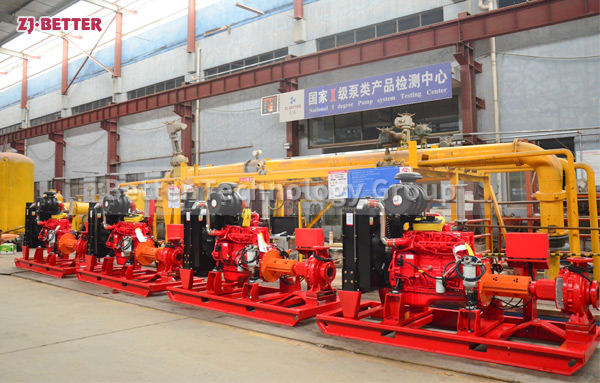
    11. Diesel engine fire pump can form an automatic fire water supply system with electric pump group, stabilized pump, etc.
    There are two water inlet methods for fire pumps: self-irrigation and suction. According to the requirements of fire protection regulations, it is generally self-irrigation. If the user needs to absorb two kinds of water, according to the requirements of fire protection regulations, it is generally the method of self-irrigation and water diversion. If the user needs to suck up the water inlet system, special instructions are required so that the company can provide an automatic vacuum water diversion device, but the size of the pump set has changed.

    The fire pump impeller plays a crucial role in the operation and performance of a fire pump. It is a key component responsible for generating the flow and pressure of water or firefighting agents. Here are the main roles and characteristics of the fire pump impeller:

    Flow Generation: The primary role of the impeller is to create the flow of water or firefighting agents within the pump. It consists of curved blades or vanes that spin rapidly when driven by the pump’s motor or engine. As the impeller rotates, it draws water into the pump and imparts energy to the fluid, causing it to move radially outward towards the pump outlet.

    Pressure Generation: The impeller also contributes to the generation of pressure within the fire pump. The curved blades of the impeller impart centrifugal force to the water, increasing its velocity. This increase in velocity is then converted into pressure as the water is directed towards the pump’s outlet. The shape and design of the impeller blades play a crucial role in optimizing pressure generation.

    Efficiency: The impeller design influences the overall efficiency of the fire pump. Efficient impeller designs are aimed at minimizing energy losses and maximizing the conversion of input power into hydraulic energy. Factors such as blade shape, size, and spacing are carefully considered to optimize the impeller’s efficiency and hydraulic performance.

    Material Selection: The impeller is typically constructed using materials that are resistant to corrosion, wear, and erosion. Common materials include bronze, stainless steel, or composite materials. The chosen material must withstand the demands of pumping water or firefighting agents, especially when operating in challenging environments.

    Impeller Trim: The impeller trim refers to the adjustment or modification of the impeller’s diameter or blade length. By changing the impeller trim, the pump’s performance characteristics, such as flow rate and pressure, can be adjusted to meet specific requirements. Trim modifications are often made during the pump’s installation or commissioning phase to optimize its performance for a given system.

    Compatibility and Performance Matching: The impeller is carefully selected to match the pump’s design, performance requirements, and system characteristics. Proper selection ensures that the impeller’s characteristics, such as flow capacity and pressure head, align with the intended application and hydraulic conditions. Matching the impeller to the pump system helps achieve optimal performance and efficiency.

    Maintenance and Inspection: The impeller requires regular inspection and maintenance to ensure its proper functioning. Over time, debris or particles may accumulate on the impeller blades, affecting its performance. Regular cleaning, inspection of blade condition, and realignment of impeller components are necessary to maintain optimal pump performance and prevent efficiency losses.

    The fire pump impeller is a critical component that contributes to the overall performance and efficiency of a fire pump system. Its role in generating flow and pressure ensures the effective delivery of water or firefighting agents to combat fires and protect lives and property. Proper design, material selection, maintenance, and performance matching are essential to maximize the impeller’s effectiveness and overall fire pump performance.