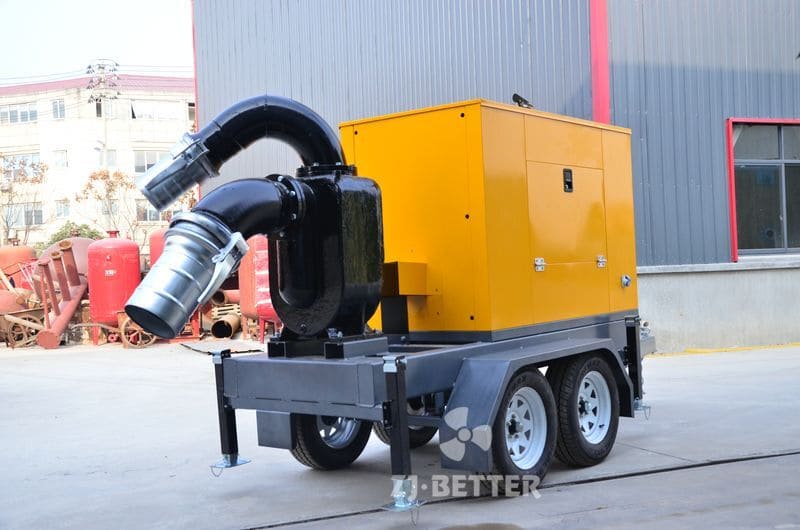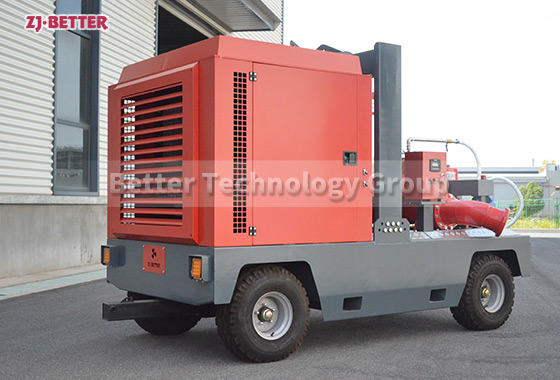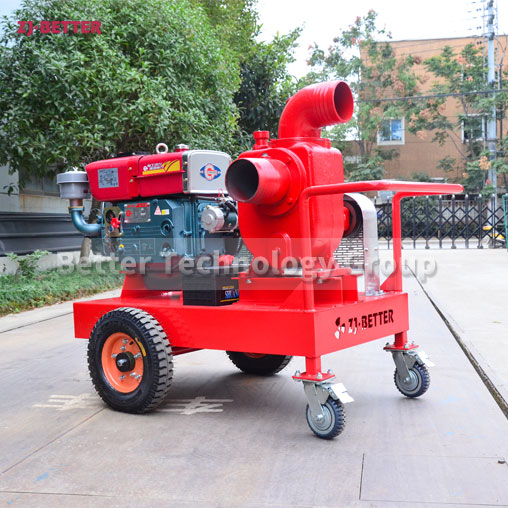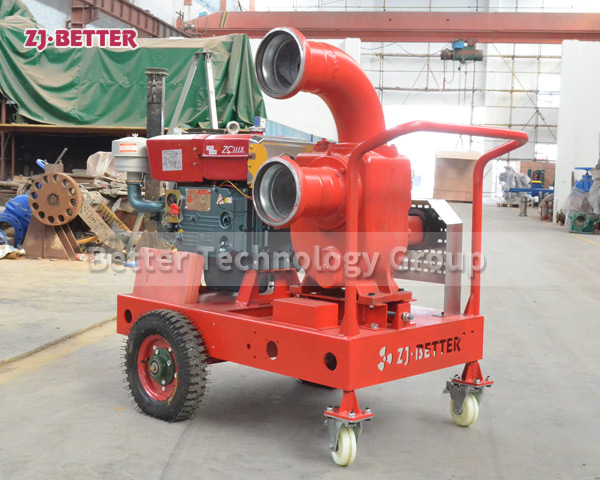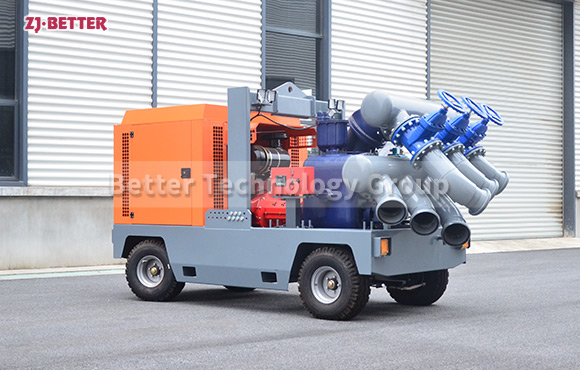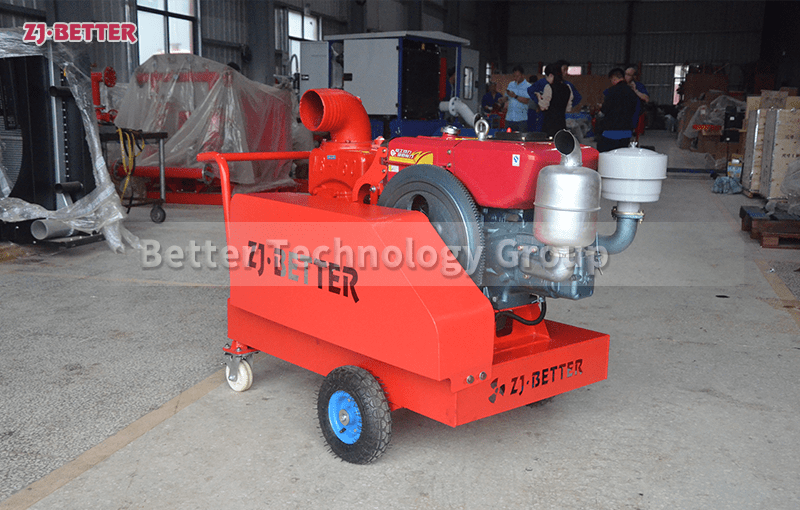
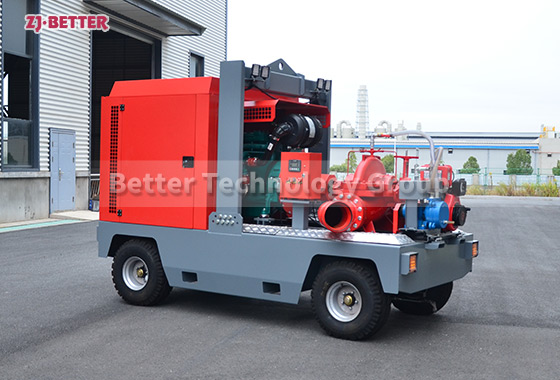
What is the capacity or pumping capability of the pump truck?
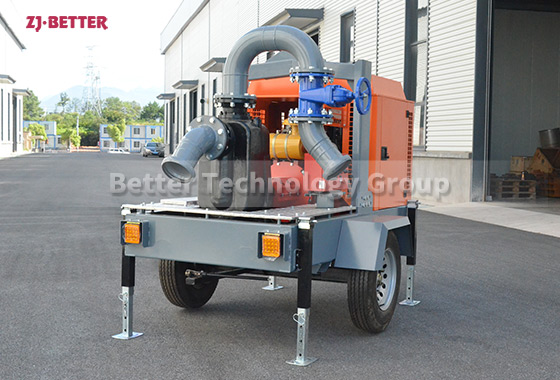
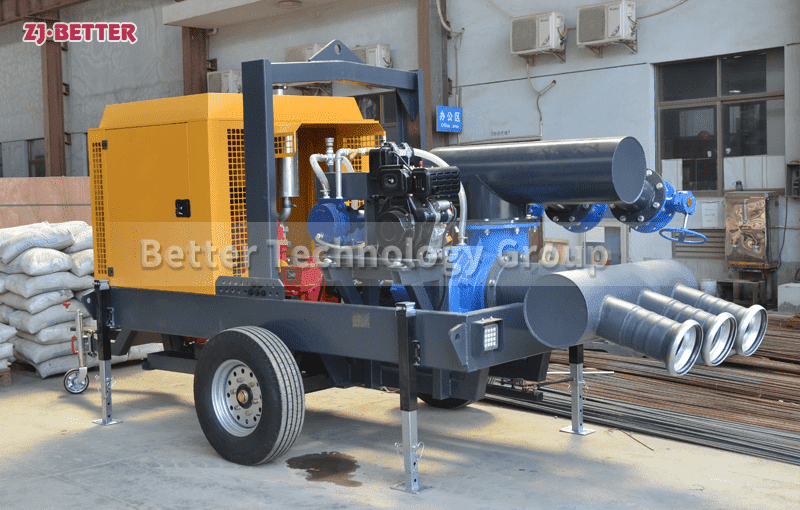
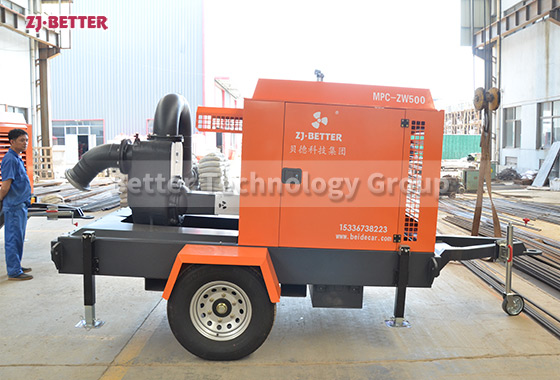
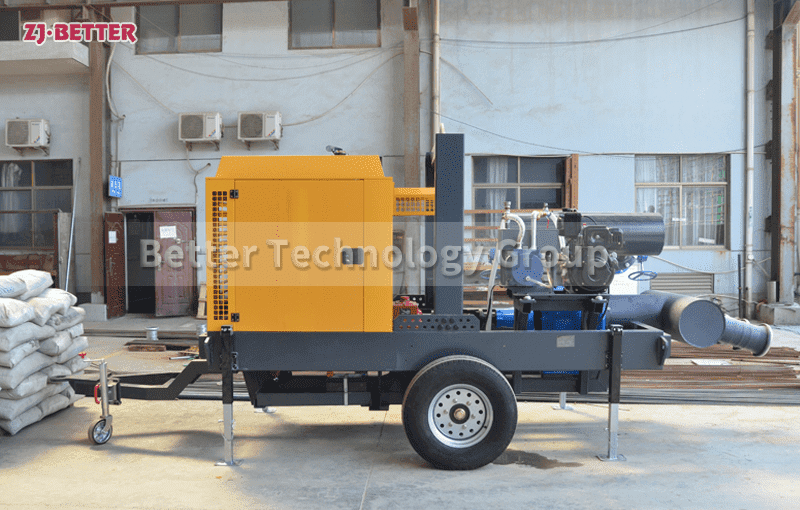
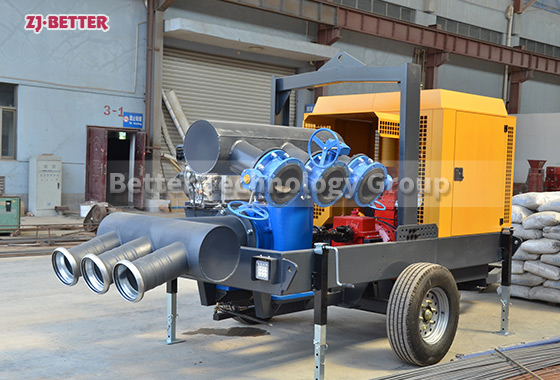
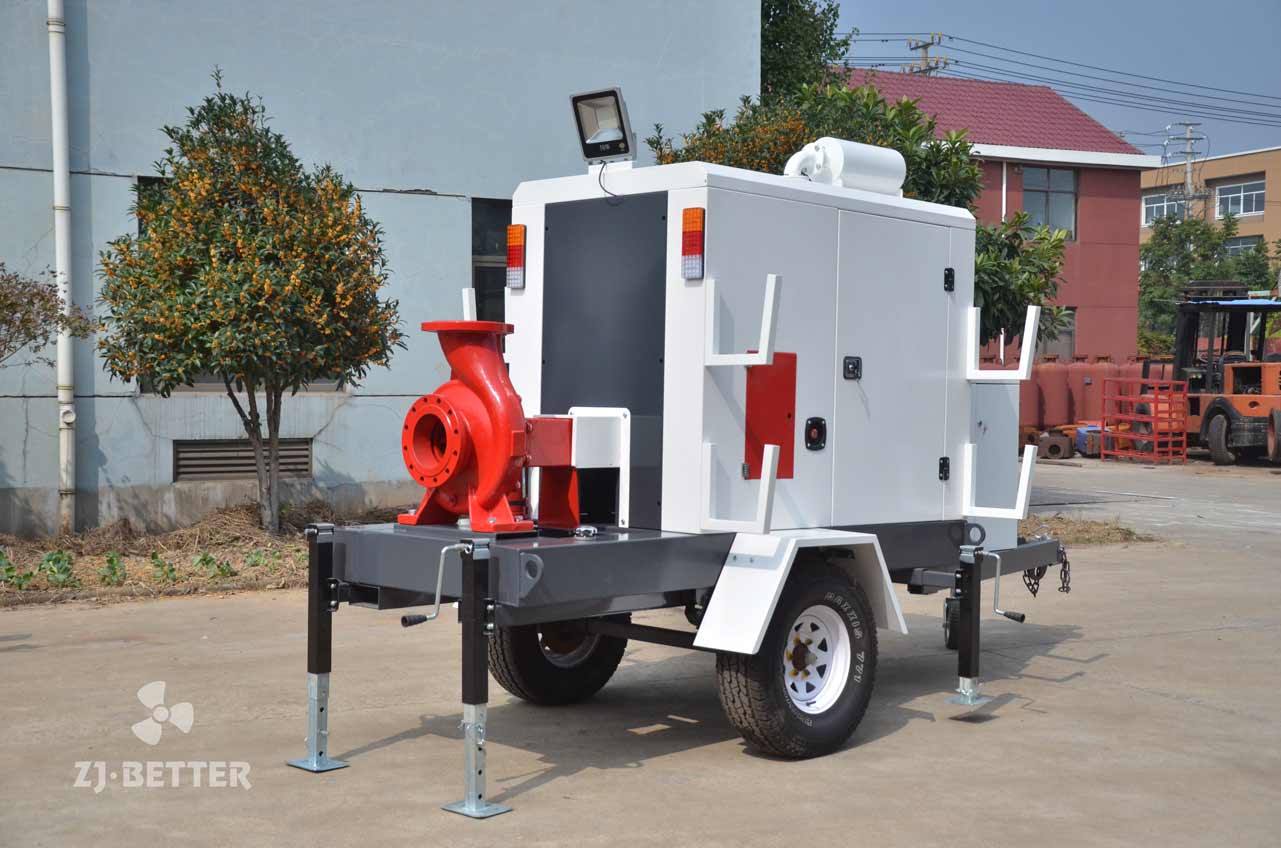
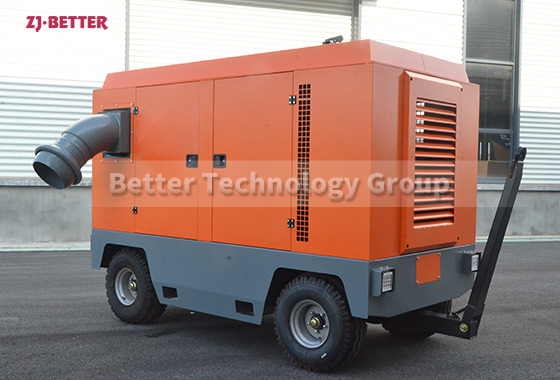
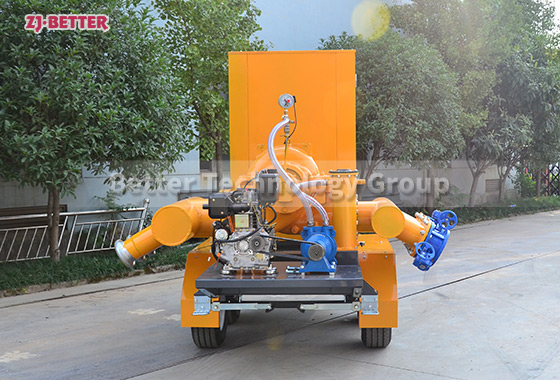
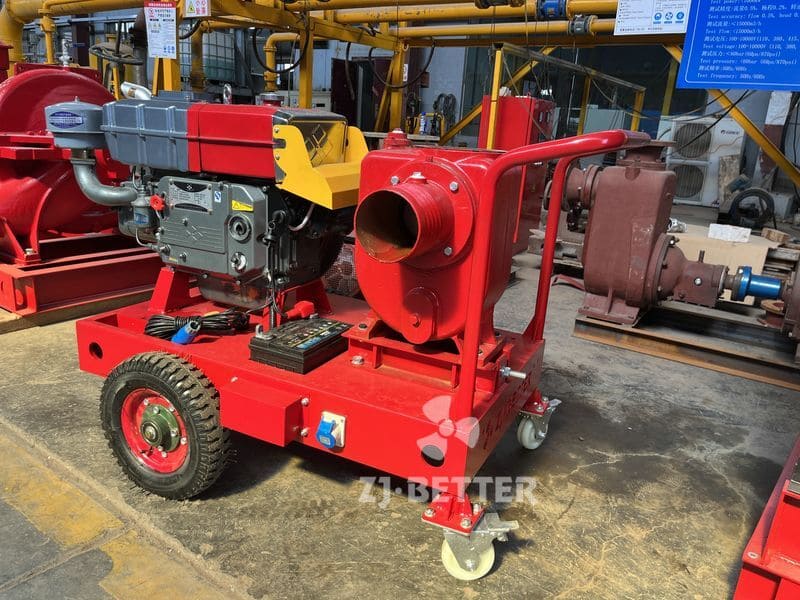
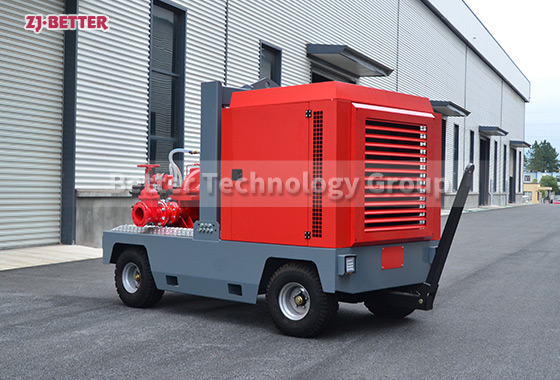
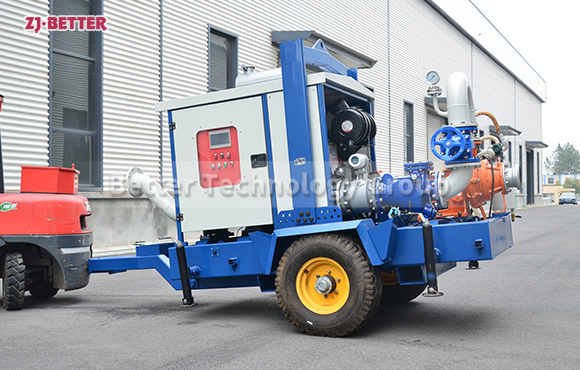
The capacity or pumping capability of a flood control pump truck can vary widely depending on the specific model and manufacturer. Pumping capacity is typically measured in terms of flow rate, which is expressed in gallons per minute (GPM) or liters per second (L/s). The capacity can range from a few hundred GPM to several thousand GPM, and it depends on factors such as the size and power of the pump, as well as the intended application.
The capacity or pumping capability of a flood control pump truck can vary widely depending on the specific model and manufacturer. Pumping capacity is typically measured in terms of flow rate, which is expressed in gallons per minute (GPM) or liters per second (L/s). The capacity can range from a few hundred GPM to several thousand GPM, and it depends on factors such as the size and power of the pump, as well as the intended application.
Here are some general guidelines:
1. **Low Capacity Trucks:**
– Smaller pump trucks may have a pumping capacity in the range of a few hundred to around 1,000 GPM. These trucks are suitable for less severe flooding scenarios or smaller-scale applications.
2. **Medium Capacity Trucks:**
– Medium-sized pump trucks can have a pumping capacity ranging from 1,000 to 3,000 GPM. These trucks are often versatile and can handle a broader range of flood situations.
3. **High Capacity Trucks:**
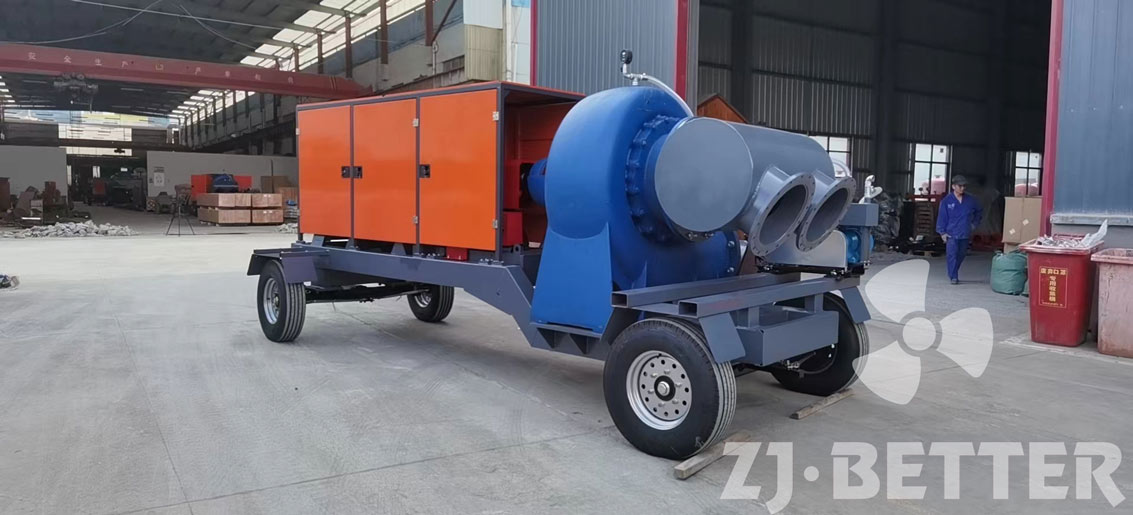
– Larger pump trucks designed for heavy-duty flood control can have pumping capacities exceeding 3,000 GPM and going up to 10,000 GPM or more. These trucks are suitable for large-scale flooding emergencies or critical infrastructure protection.
It’s important to note that the pumping capability alone may not be the only factor to consider. The efficiency of the pump, the size of the intake and outlet systems, and the adaptability of the truck to different terrains also play a role in determining how effectively a pump truck can manage floodwaters.
When selecting a pump truck for a specific application, it’s advisable to consult with the manufacturer or supplier to ensure that the chosen model meets the requirements of the intended use, considering factors such as the severity of flooding, the size of the affected area, and any specific challenges posed by the environment.