Home » Mobile pump » What is the function of diesel engine fire pump?

What is the function of diesel engine fire pump?

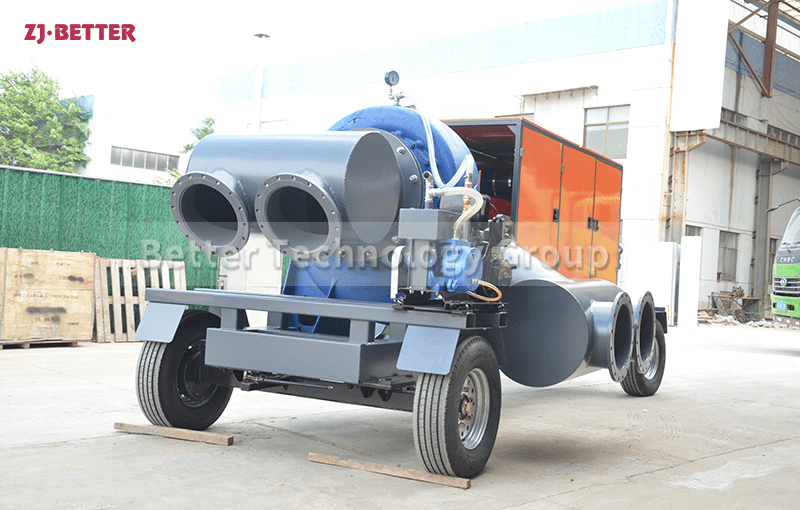
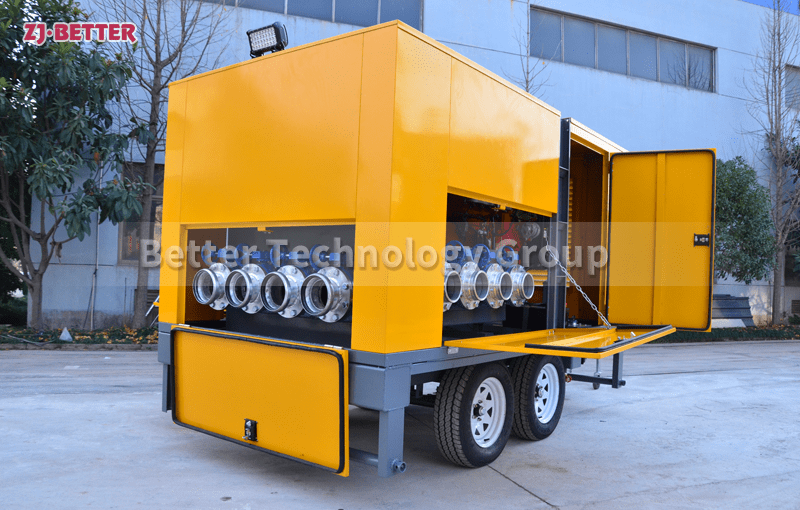
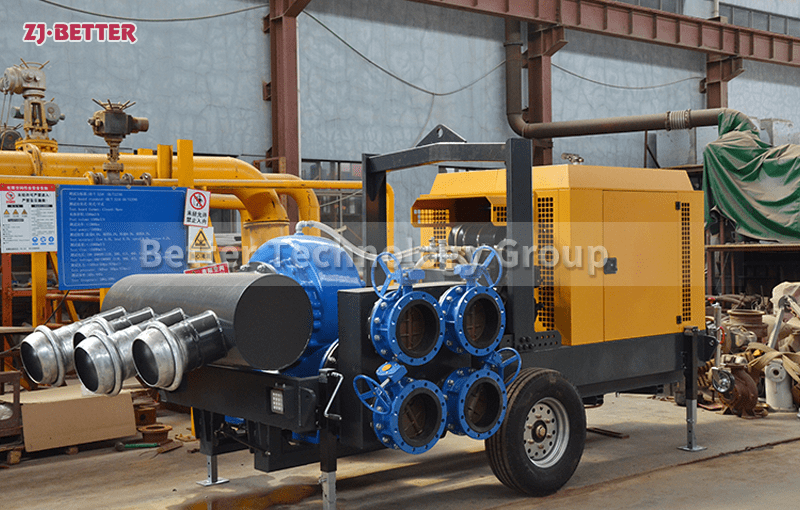
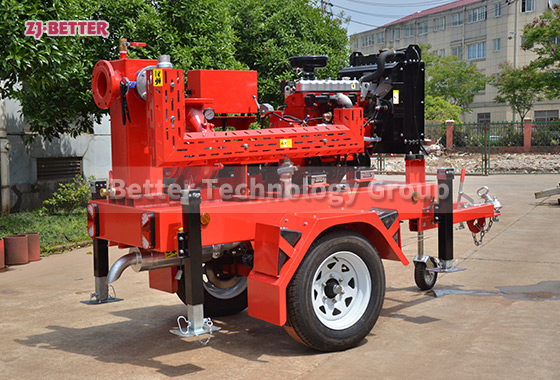
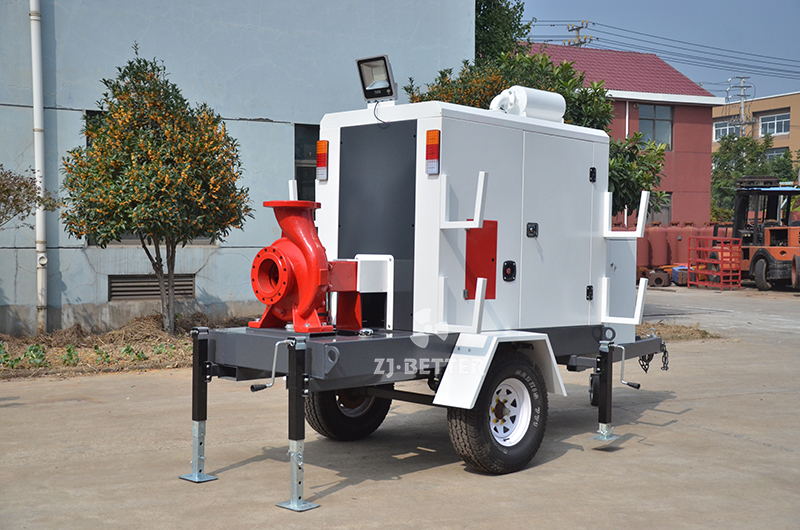
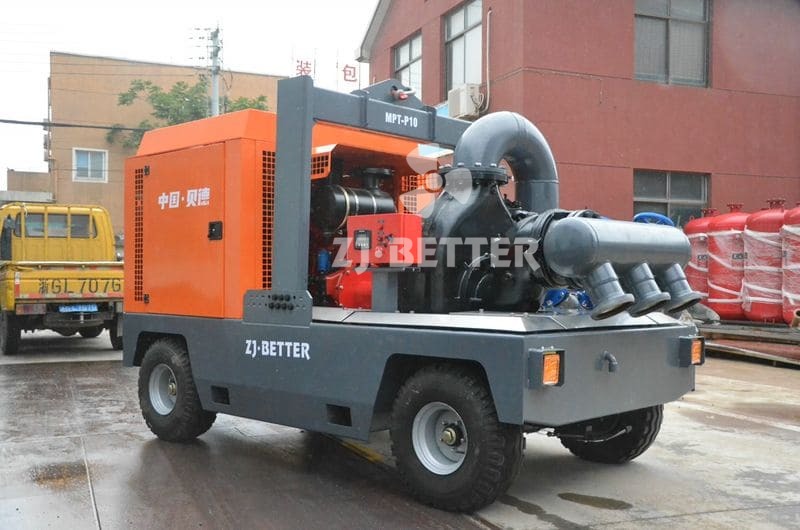
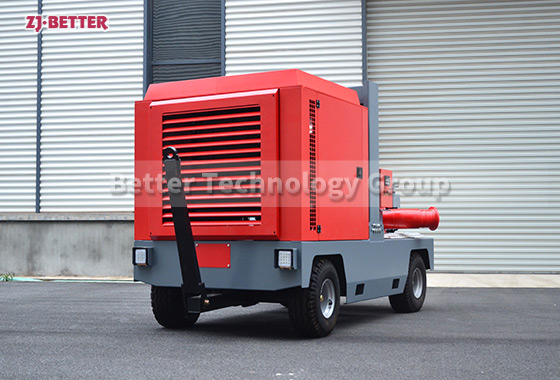
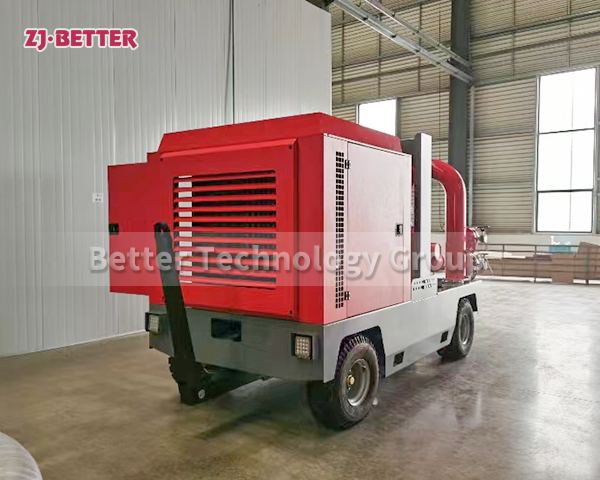
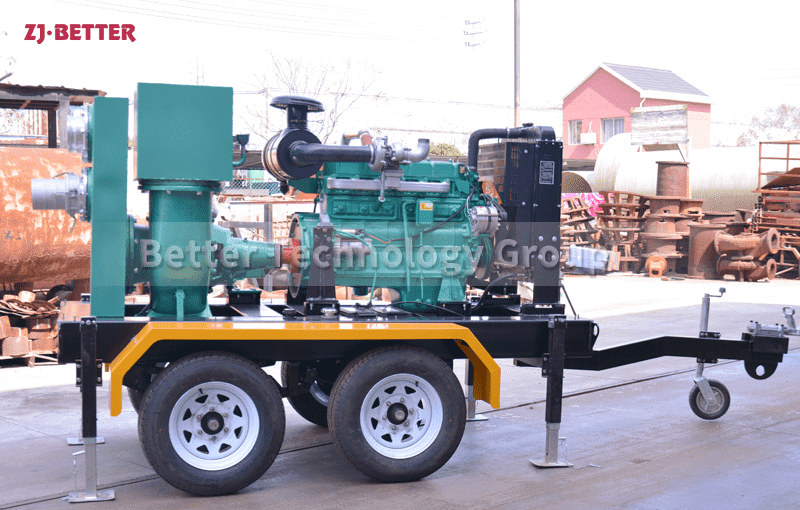
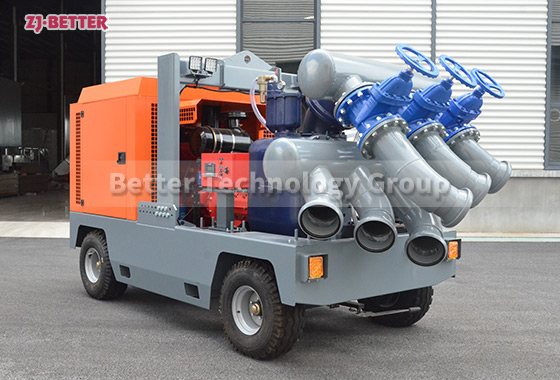
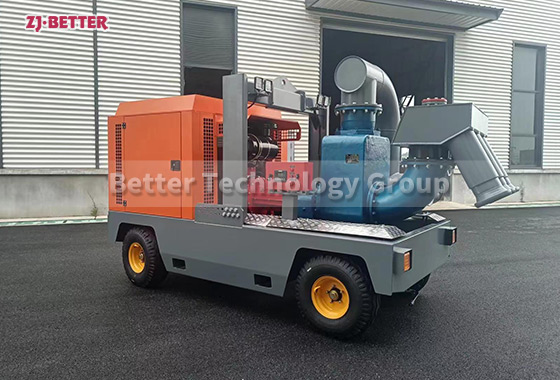
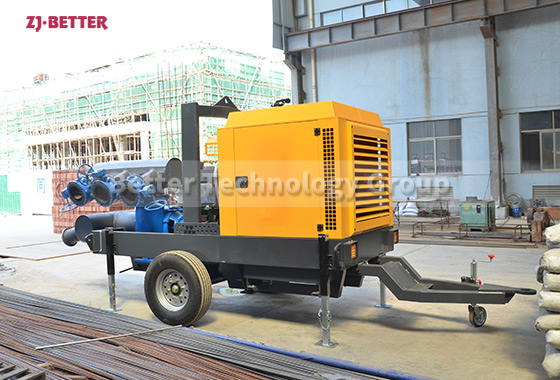
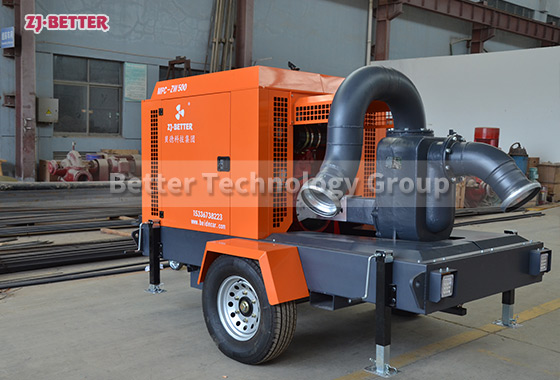
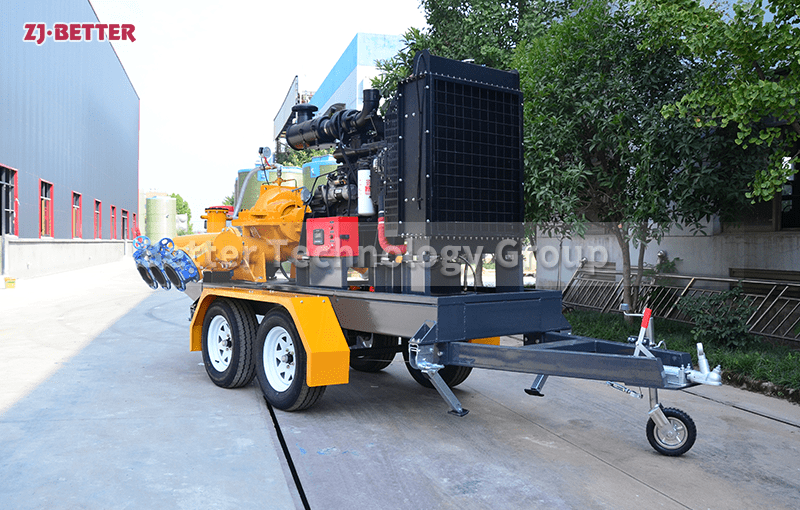
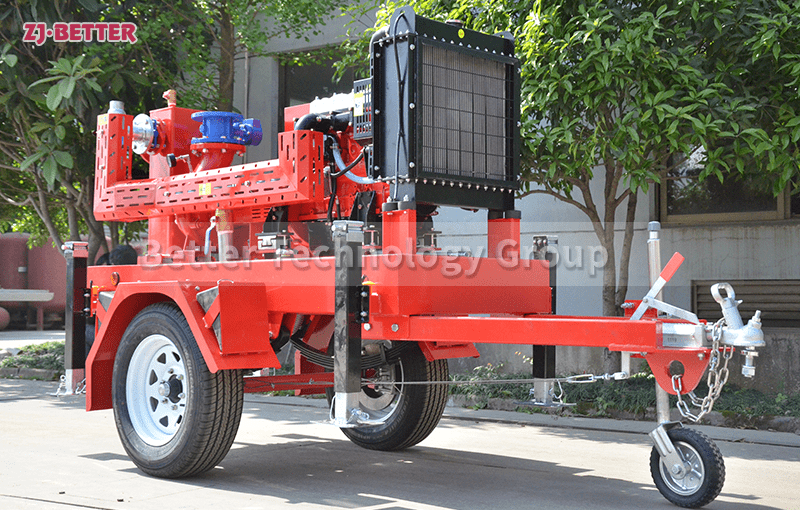
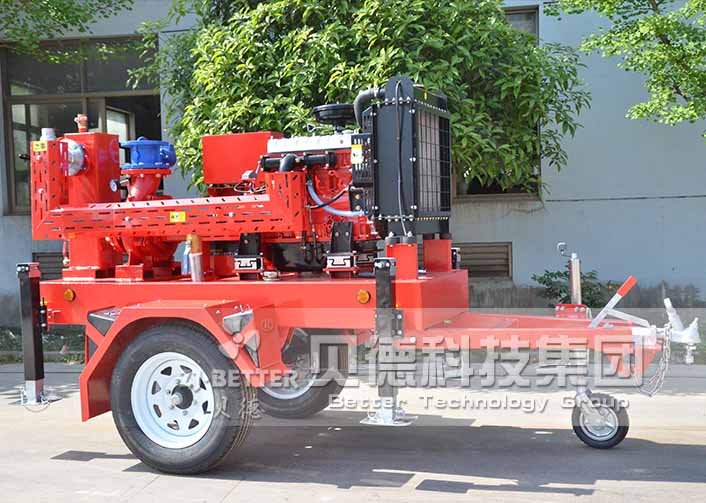
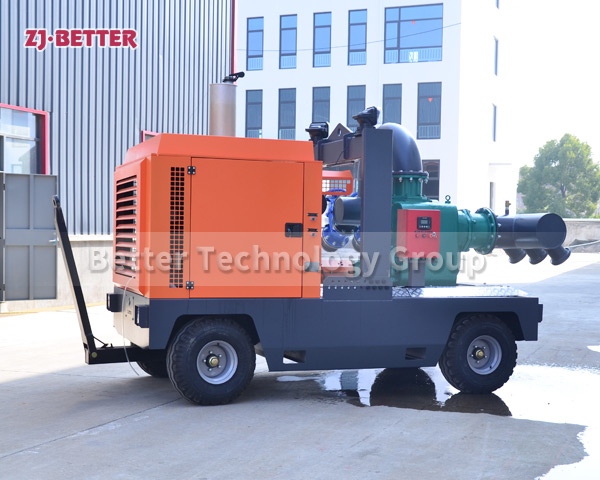
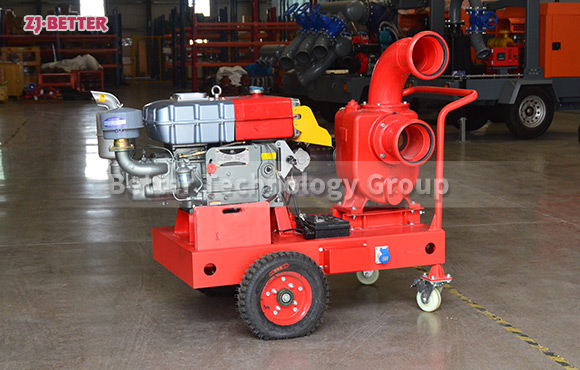
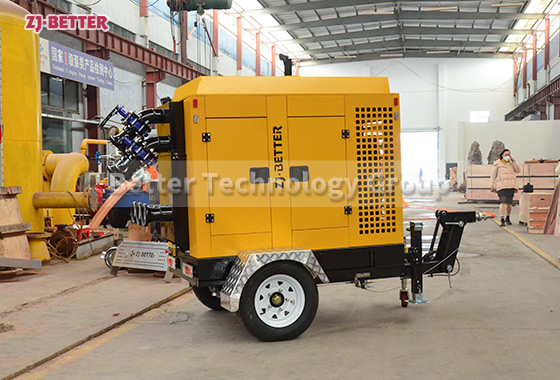
With the continuous development of society, people have higher requirements for the quality of life, and the safety of diesel engine fire pumps is more important. All places need to be equipped with fire-fighting facilities, and fire pumps are water intake equipment for fire-fighting facilities. The fire pumps we commonly use are electric fire pumps and diesel engine fire pumps. The difference between them is that electric fire pumps need power system supply. In case of power failure, the diesel engine fire pump can be started at any time to make up for the original position of the electric fire pump.

Rated 5/5 based on 403 customer reviews
Share:
Content

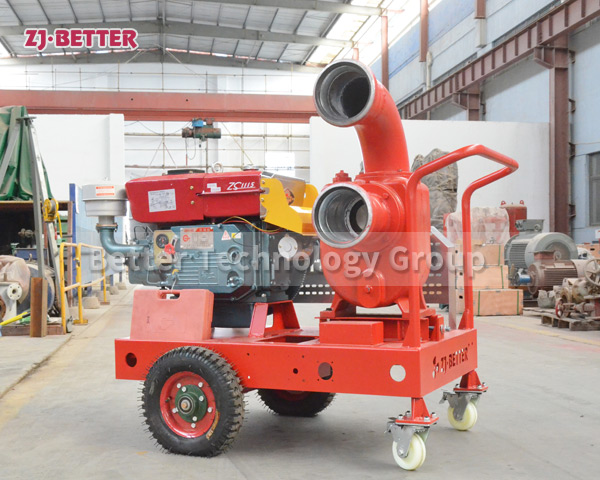
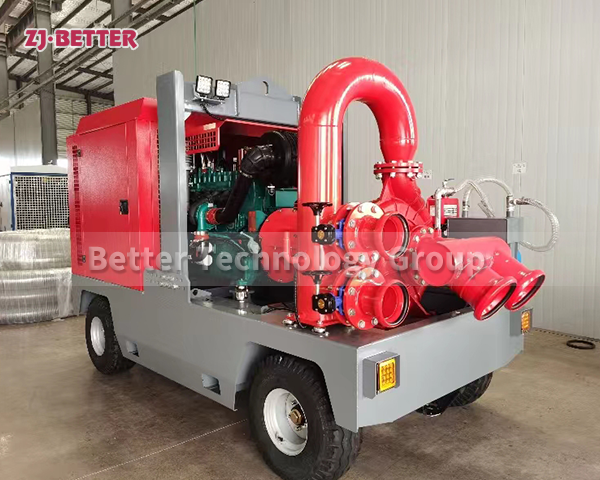
Diesel engine fire pumps are aimed at fire water supply for large flow and high head occasions, and the diesel engine has good starting characteristics, fast starting speed, strong overload capacity, energy saving and does not need to be on standby all the time. The fire pump has complete performance and wide spectrum range. Single-stage single-suction pumps, multi-stage single-suction pumps, self-priming pumps and long-axis pumps can also be used in parallel and combined, with wide flow and pressure ranges. Fire pumps are widely used for fire water supply in warehouses, docks, airports, petrochemical, power plants and other industrial and mining enterprises. The flow rate and head are relatively large, and the temperature of the conveying medium can reach 80°C.
Inquiry


    More Mobile pump

    The role of the mobile pump truck:

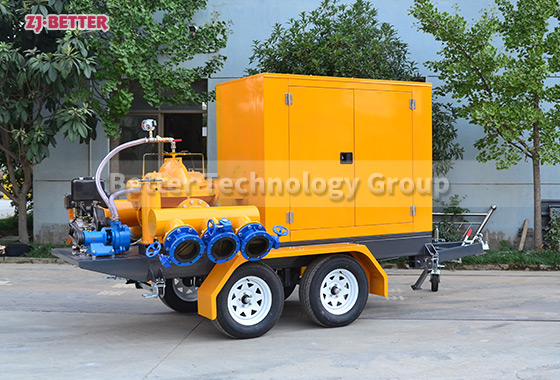
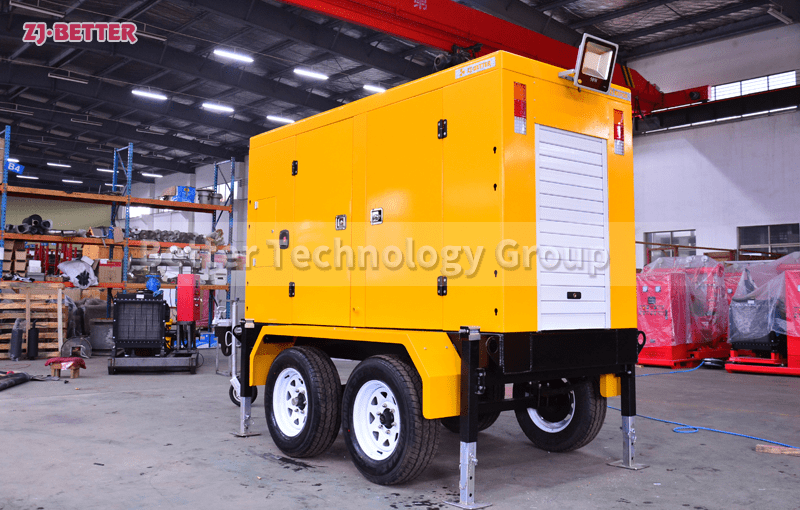
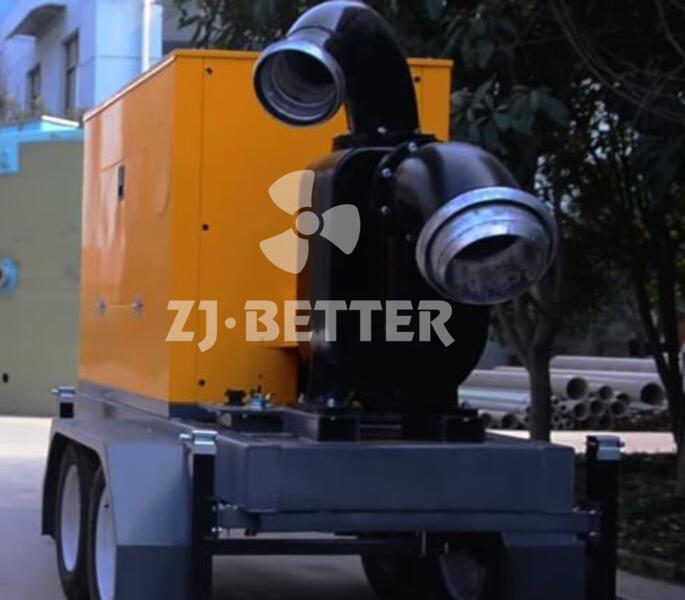
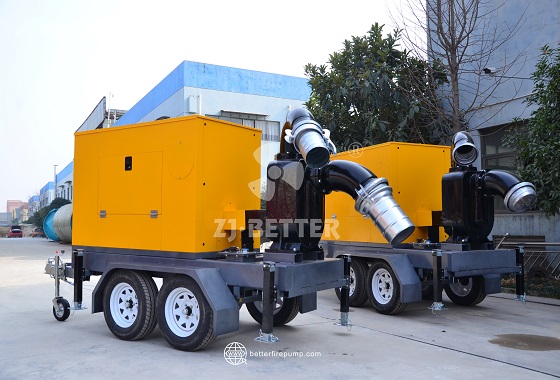
    As an important supplement to fixed pumping stations, mobile pumping stations can be used in flood control and drainage, drought and seedling protection, urban flood control, aquaculture, temporary water transfer, cofferdam pumping, industrial drainage, municipal drainage, etc. The mobile pumping station is a unit that combines the pump and the motor closely together for submersible operation. my country’s submersible pumps have undergone four stages of development. By the 1990s, the types, varieties, output and quality of the pumps were relatively stable. Because the submersible electric pump has the advantages of simple structure, convenient use, etc., and the continuous improvement of the power grid, it has been widely used. Submersible electric pumps only need outlet pipes, so welded steel pipes, rubber hoses and rubber hoses (similar to fire hoses) have certain applications.

    The mobile pump station plays an important role in drought resistance and seedling protection. In the event of a drought, in remote areas without fixed pumping stations or when the flow of fixed pumping stations is insufficient, the unit fails or the water level is too low and fixed pumping stations cannot operate, the characteristics of mobile pumps’ strong mobility can be fully utilized to mobilize a large number of pumps in a short time Station to solve the drought. Drought resistance and seedling preservation generally take a long time to run, but the time requirement for reaching the job site is not high.

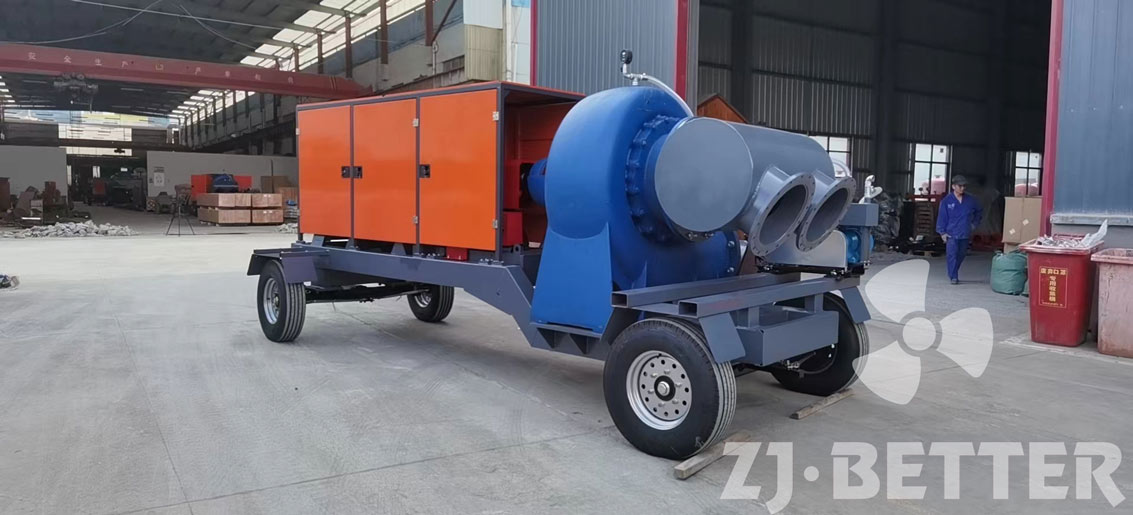
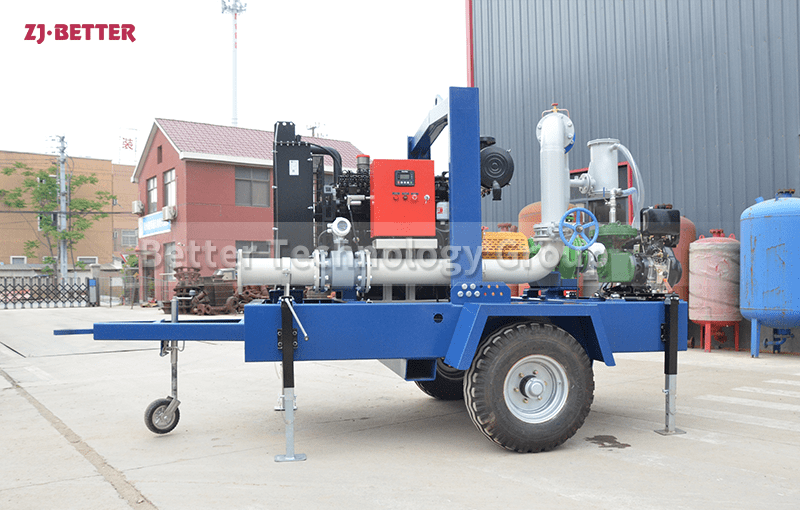
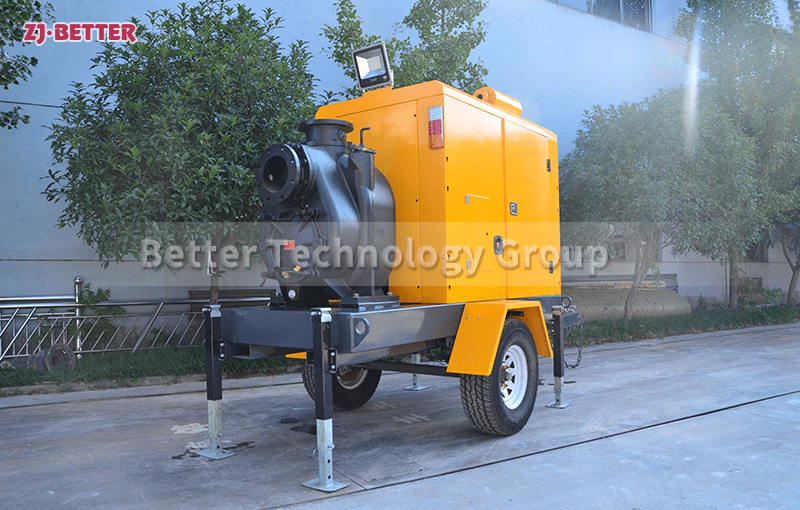
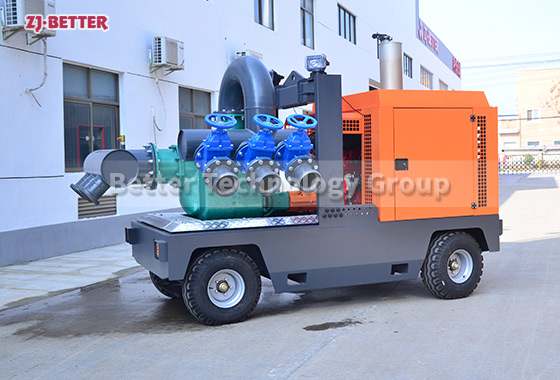
    The main purpose of a mobile pump truck, also known as a fire pump truck or fire engine, is to provide a mobile and versatile firefighting solution. These trucks are specifically designed and equipped to transport firefighting equipment and personnel to the scene of a fire or emergency. The primary purpose of a mobile pump truck is to deliver water or firefighting agents to suppress fires effectively and provide support during emergency situations. Here are some key purposes and functionalities of a mobile pump truck:

    Fire Suppression: The primary purpose of a mobile pump truck is to suppress fires. It is equipped with a pump system that can draw water from various sources, such as hydrants, rivers, or water tanks, and deliver it to the fire through hoses and nozzles. The pump system provides the necessary pressure to effectively extinguish flames and control the spread of fire.

    Rapid Response: Mobile pump trucks are designed to be highly maneuverable and quickly respond to fire incidents. They are equipped with sirens, lights, and other emergency warning systems to alert others and clear the way to the incident location. These trucks are staffed with trained firefighters who can promptly assess the situation, initiate firefighting operations, and provide initial aid to affected individuals.

    Water Supply: In addition to their firefighting capabilities, mobile pump trucks can also serve as a mobile water supply. They can transport large quantities of water to areas with limited or no water infrastructure. This is particularly valuable in rural areas, construction sites, or remote locations where a water source may not be readily available.

    Equipment Storage and Deployment: Mobile pump trucks are designed with compartments and storage areas to carry firefighting equipment, such as hoses, nozzles, ladders, and tools. These trucks provide a convenient means of transporting and organizing the necessary firefighting gear. Firefighters can easily access and deploy equipment when they arrive at the scene, enhancing operational efficiency and effectiveness.

    Emergency Response Coordination: Mobile pump trucks often serve as command centers during emergency situations. They provide a centralized location for incident management, coordination of resources, and communication with other emergency responders. The trucks may be equipped with communication systems, computers, and mapping tools to facilitate real-time information exchange and decision-making.

    Rescue Operations: Mobile pump trucks are not limited to firefighting alone. They can also be equipped with rescue equipment, such as hydraulic tools, ropes, and stretchers, to assist in extrication and rescue operations. These trucks enable firefighters to provide emergency medical assistance, conduct search and rescue operations, and address hazardous situations.

    Mobile pump trucks are versatile and essential vehicles in firefighting and emergency response. They play a critical role in protecting lives, property, and the environment by delivering prompt and effective firefighting capabilities to the scene of an incident.