Precisely Engineered to Meet Fire Protection Needs and Improve Water Supply Efficiency
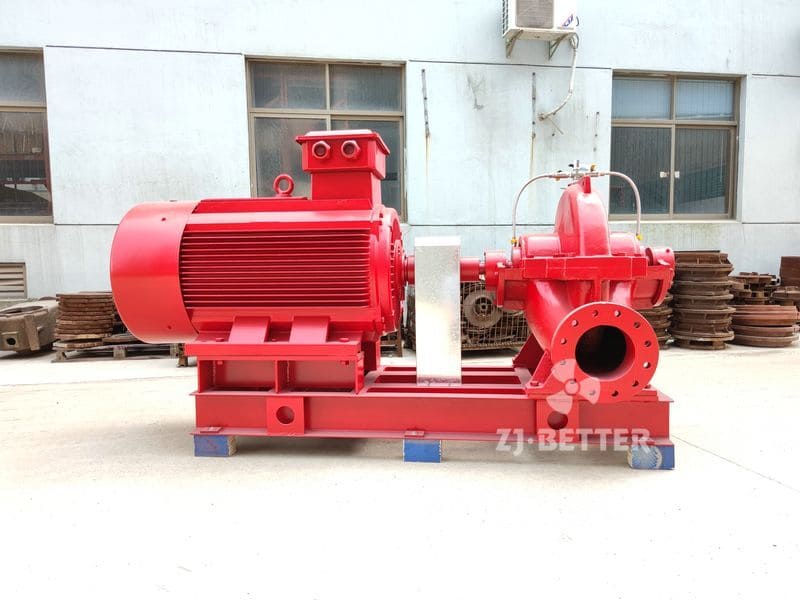
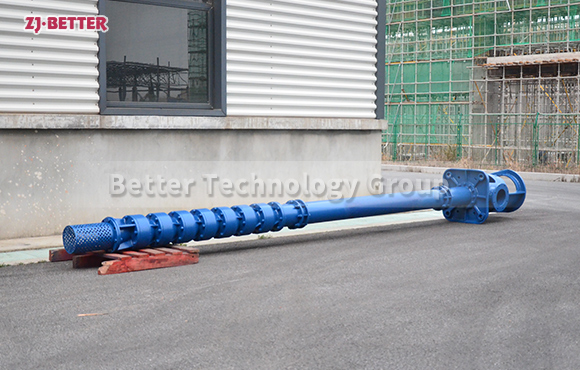
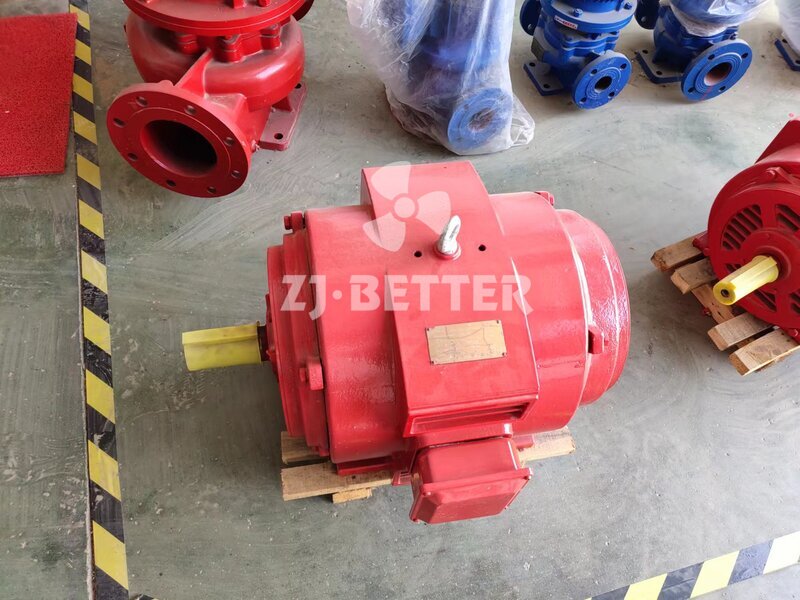
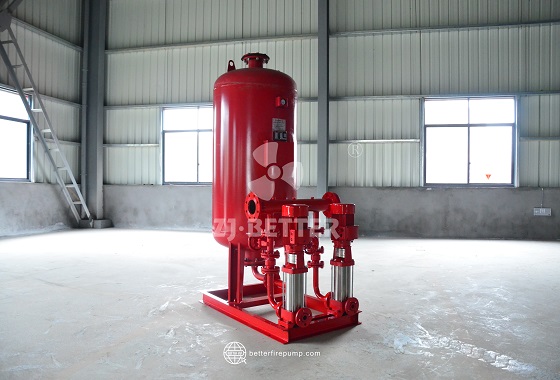
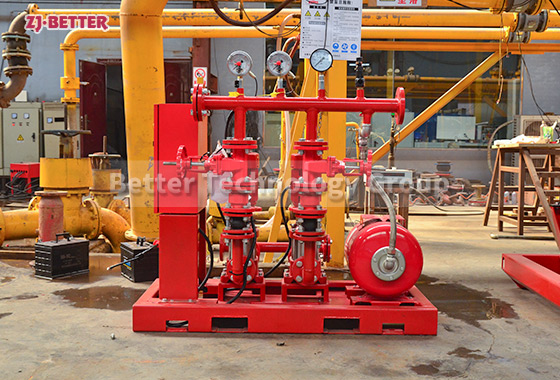
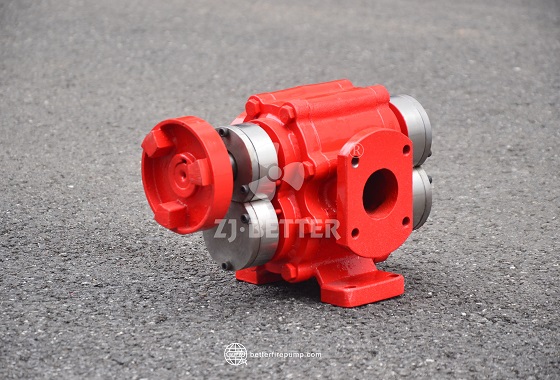
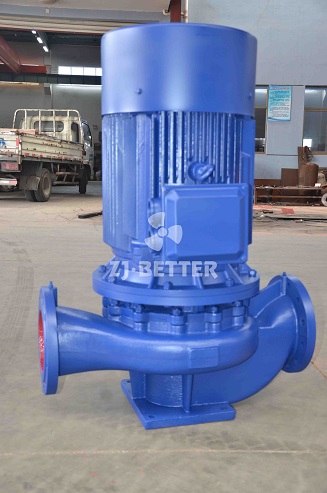
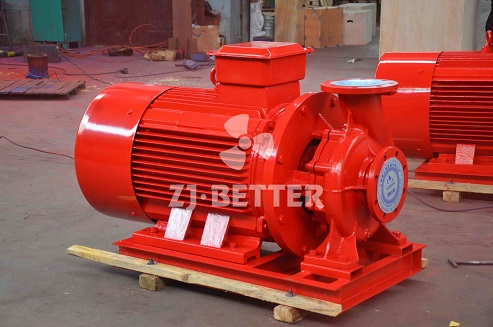
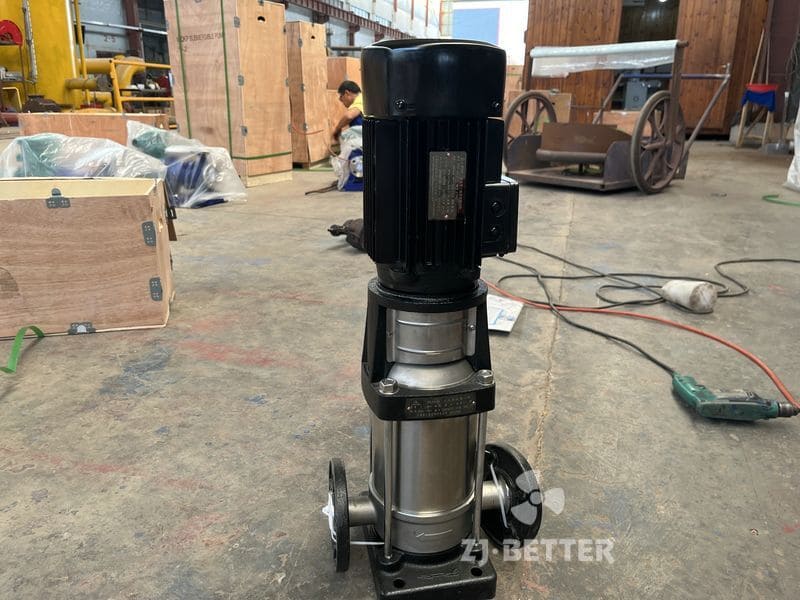
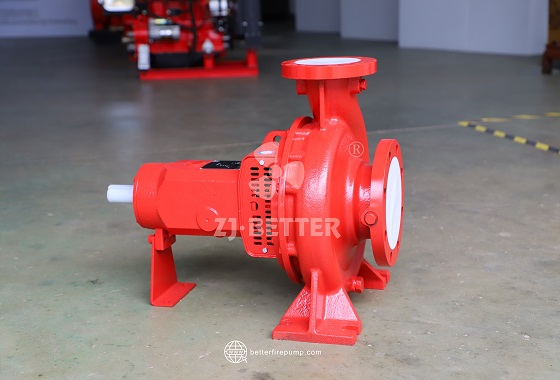
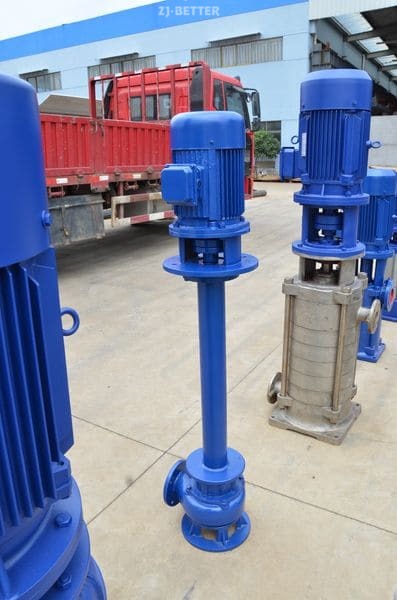
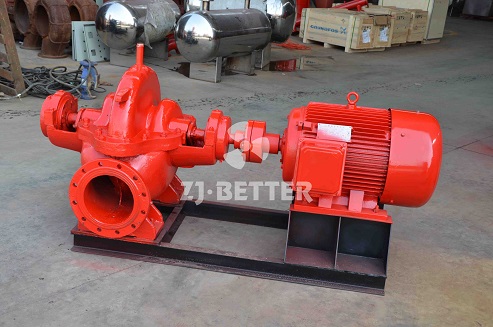
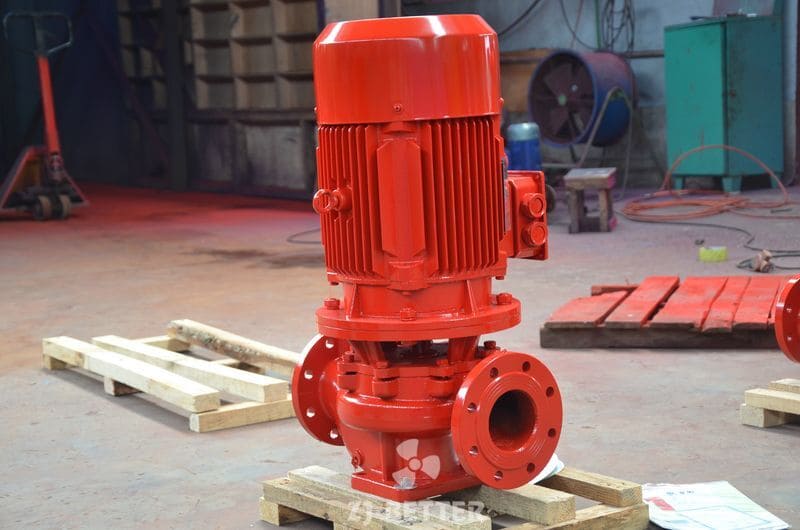
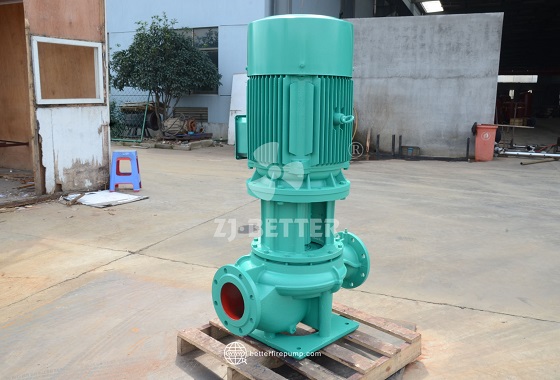
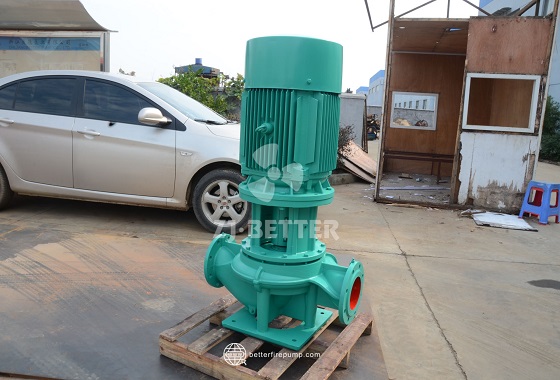
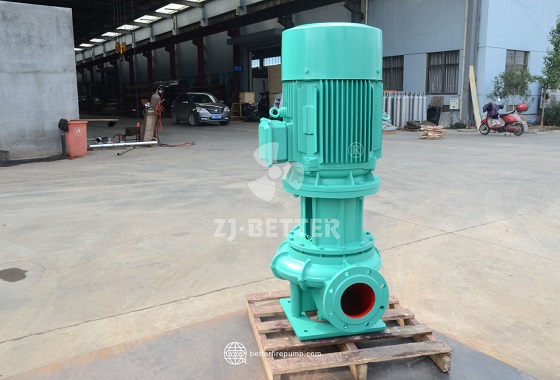
This vertical single-stage fire pump is designed with precision hydraulics and high-performance operation to fully meet the dual demands of stability and responsiveness in modern fire protection systems. Driven by a high-quality motor, it ensures quiet operation and high efficiency, delivering a reliable and powerful water flow when it’s needed most. Its compact structure takes up minimal space, making it ideal for high-rise buildings, commercial complexes, and industrial facilities with limited installation areas. The modular design also facilitates easy maintenance and seamless system integration, making it the perfect solution for enhancing water supply efficiency in fire protection systems.
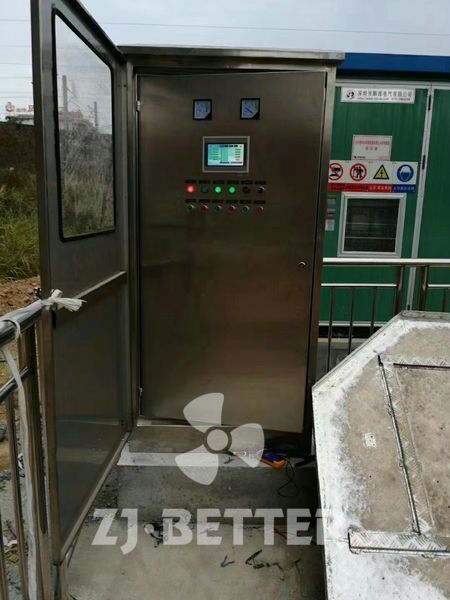
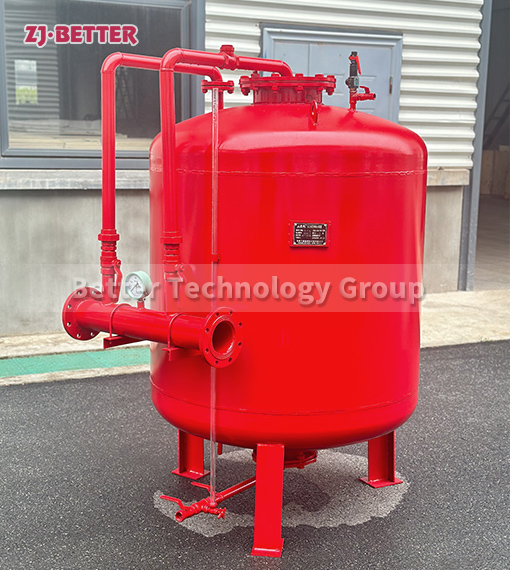
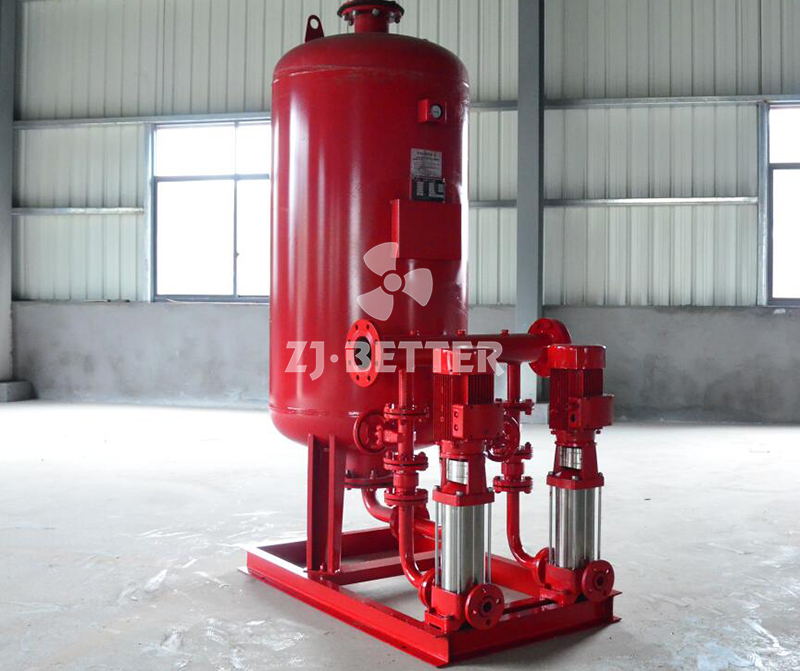
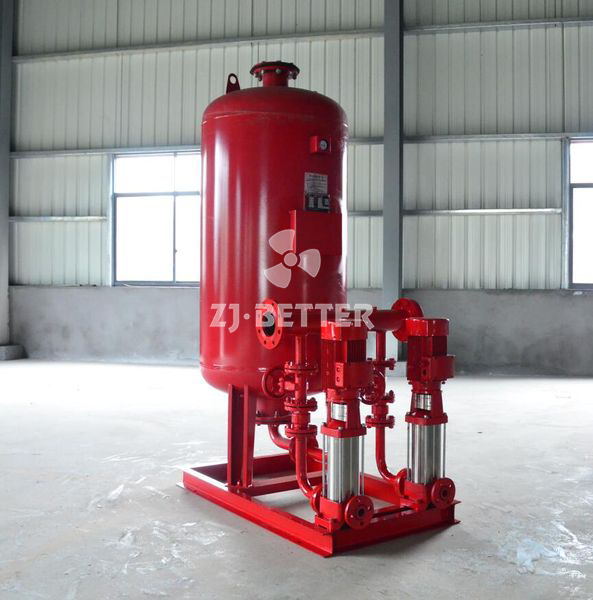
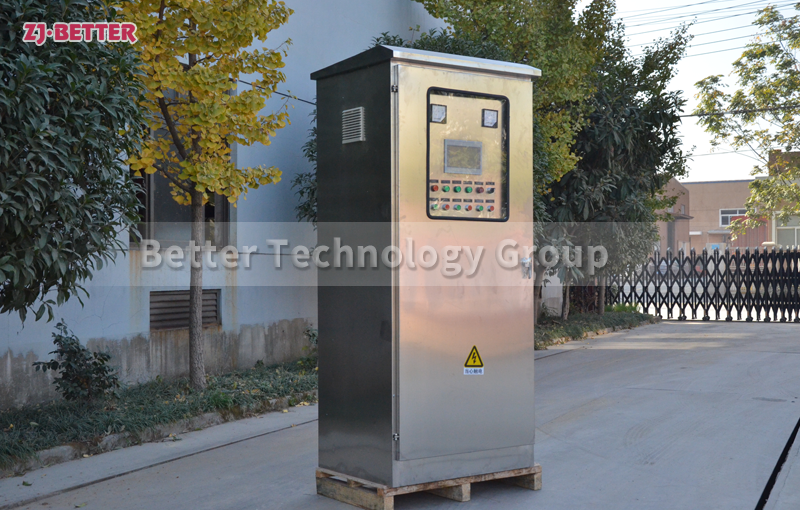
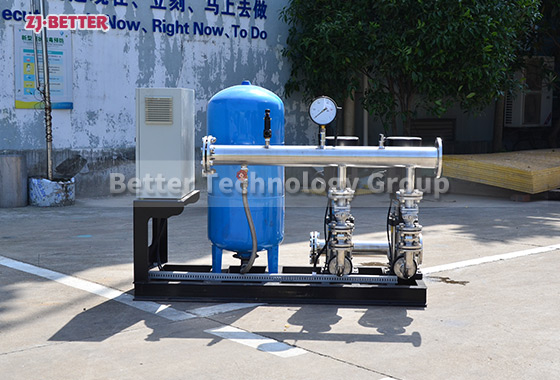
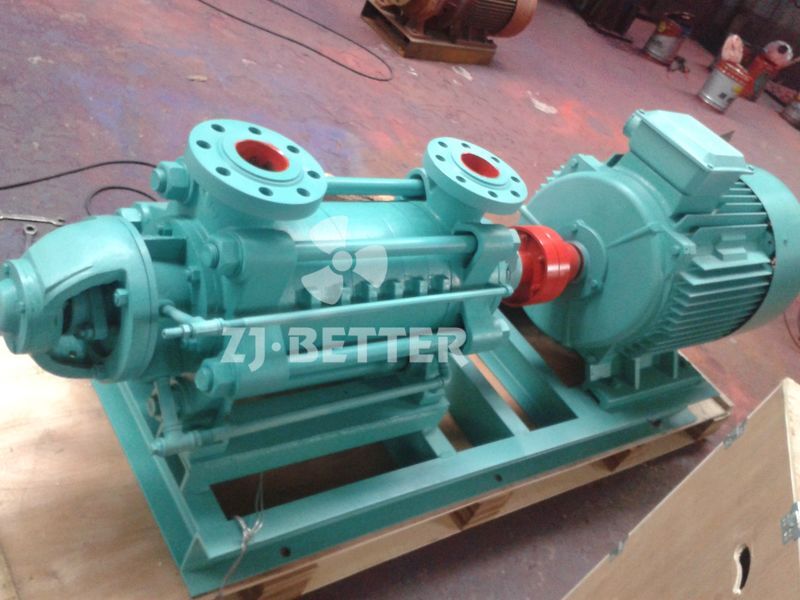
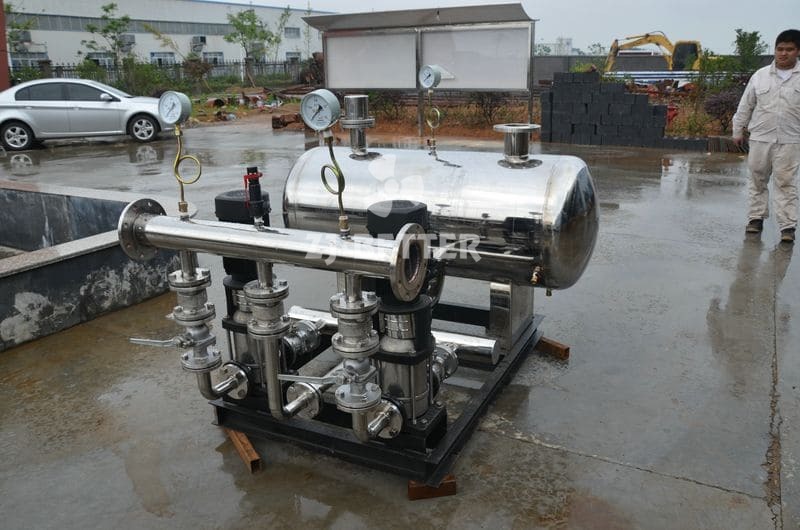
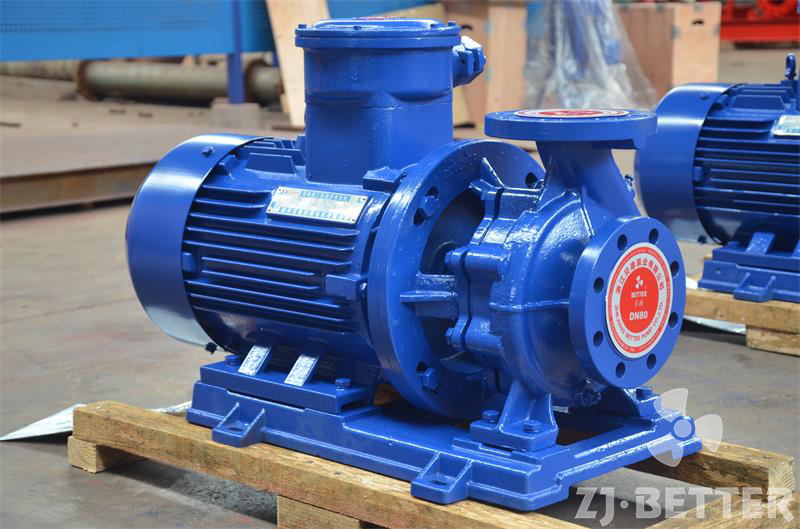
We are a modern enterprise specializing in the research, development, and manufacturing of fire pump systems, committed to delivering efficient and reliable fire water supply solutions to clients worldwide. Over the years, backed by strong technical expertise and a strict quality management system, we have developed a wide range of products, including electric fire pump sets, diesel engine-driven pump systems, pressure-boosting units, sprinkler pump groups, and intelligent control panels. These systems are widely used in high-rise buildings, industrial parks, airports, subways, petrochemical plants, power stations, and logistics warehouses.
Our products are designed in strict accordance with international fire protection standards such as NFPA 20, EN 12845, and national GB codes. They feature rapid start-up response, stable flow, compact structure, easy installation, and low maintenance cost. In addition, we focus on intelligent control and system integration, continuously upgrading our systems with smart features and remote monitoring capabilities to ensure more efficient operation and early warning management.
As part of our global expansion strategy, we have actively entered international markets, with our products now exported to Southeast Asia, the Middle East, Europe, and the Americas, earning widespread trust and recognition from users worldwide. Upholding the philosophy of “quality builds reputation, service expands markets,” we are dedicated to enhancing the technical value of our products and service capabilities, aiming to become a preferred global provider of comprehensive fire pump solutions.