Home » Diesel engine fire pump » Reliable Fire Protection Made Easy with the XBC-D Diesel Engine Fire Pump

Reliable Fire Protection Made Easy with the XBC-D Diesel Engine Fire Pump

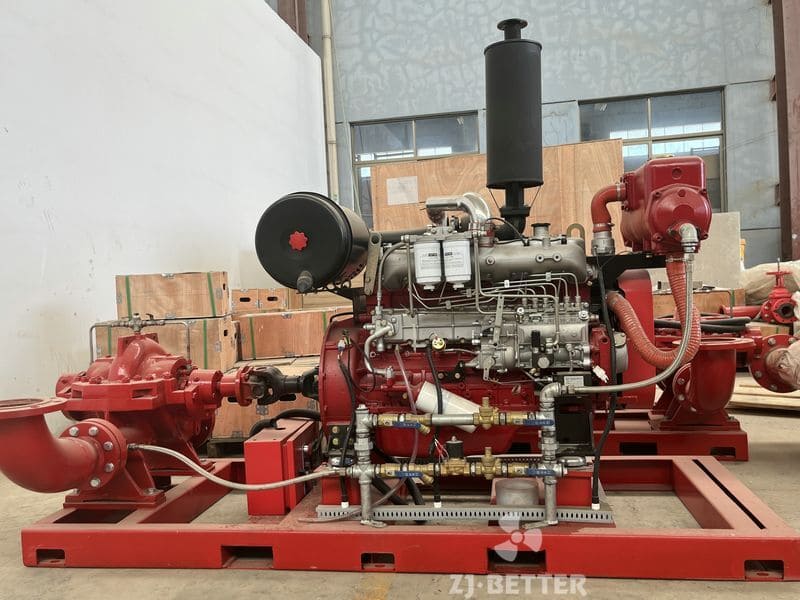
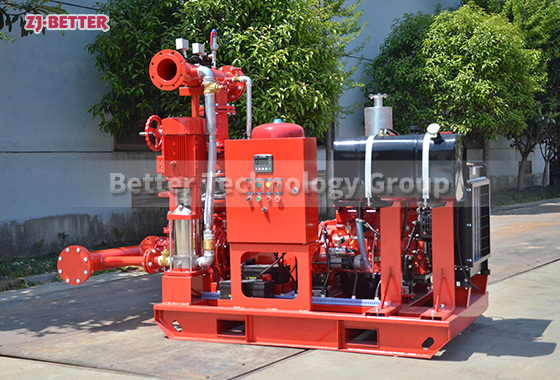
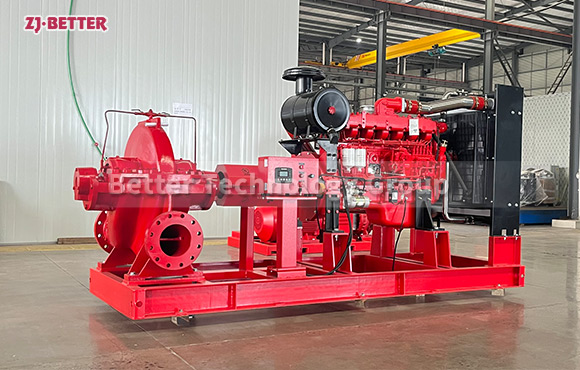
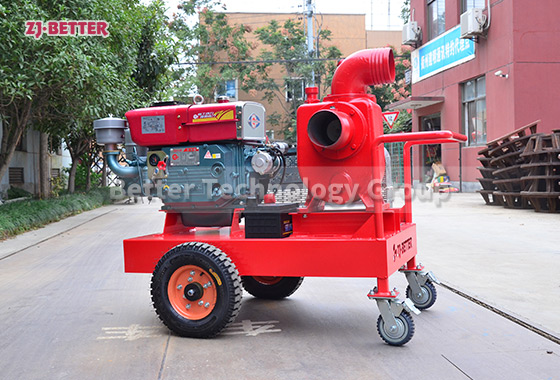
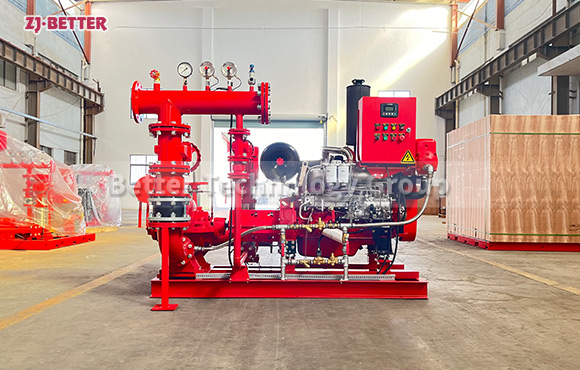
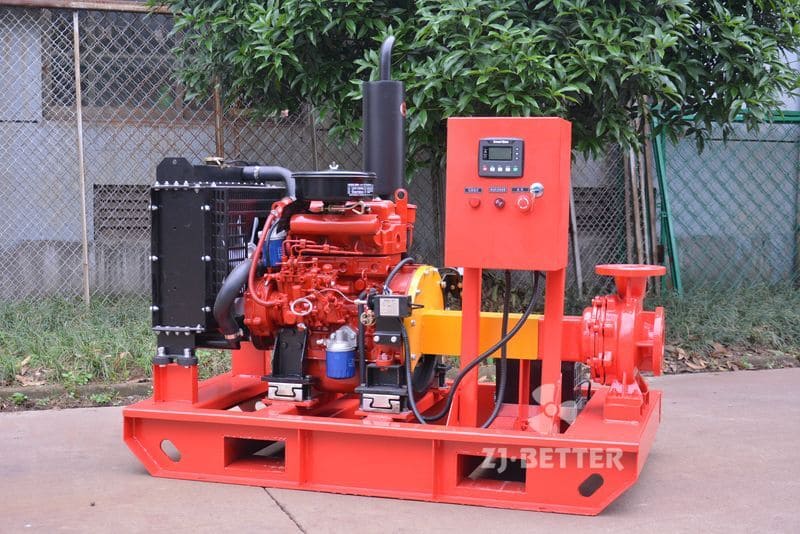
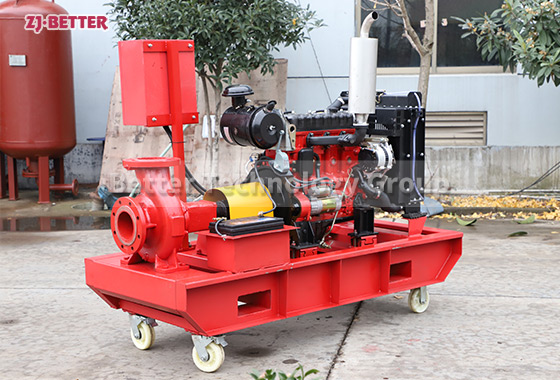
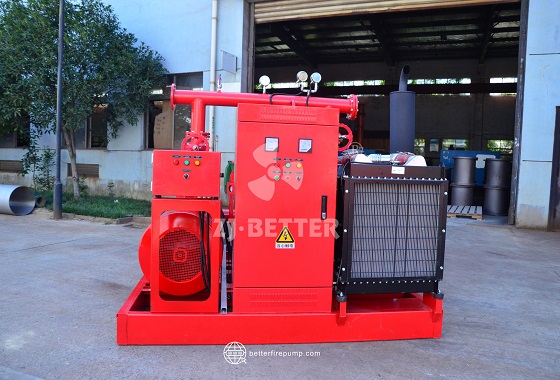
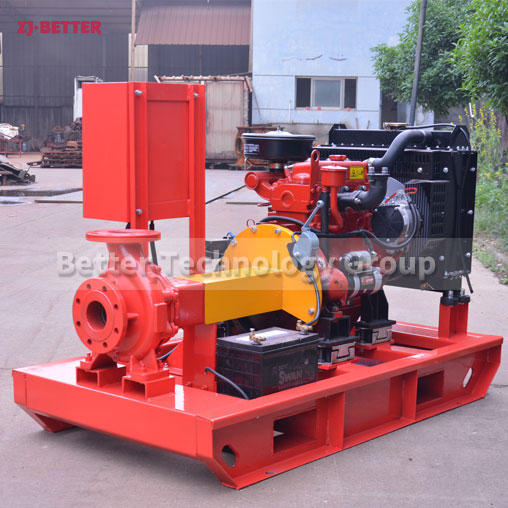
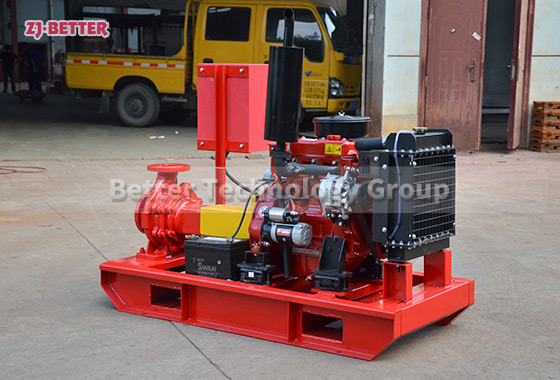
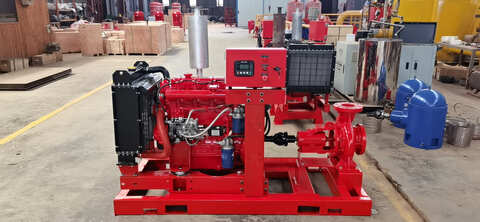
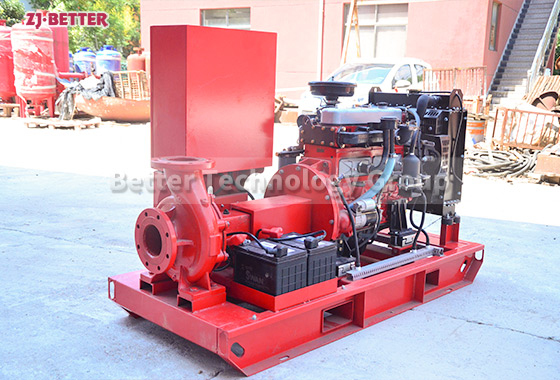
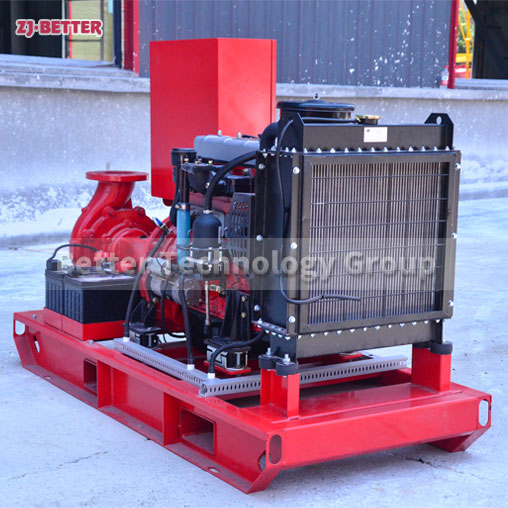
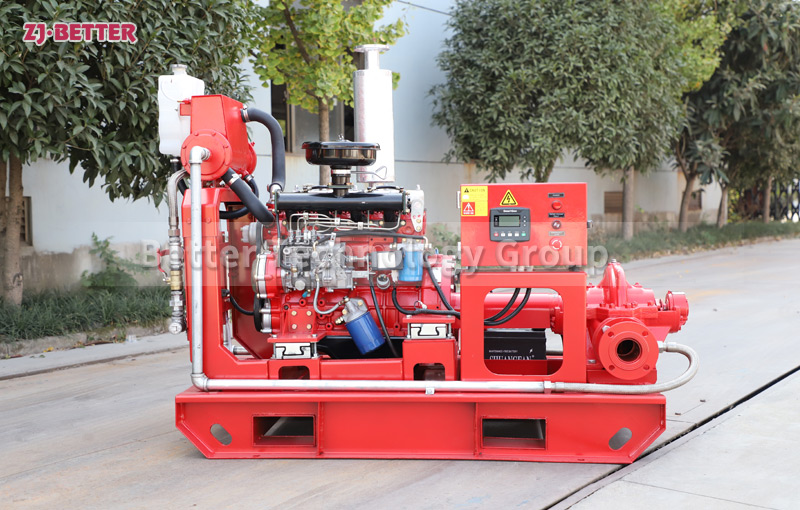
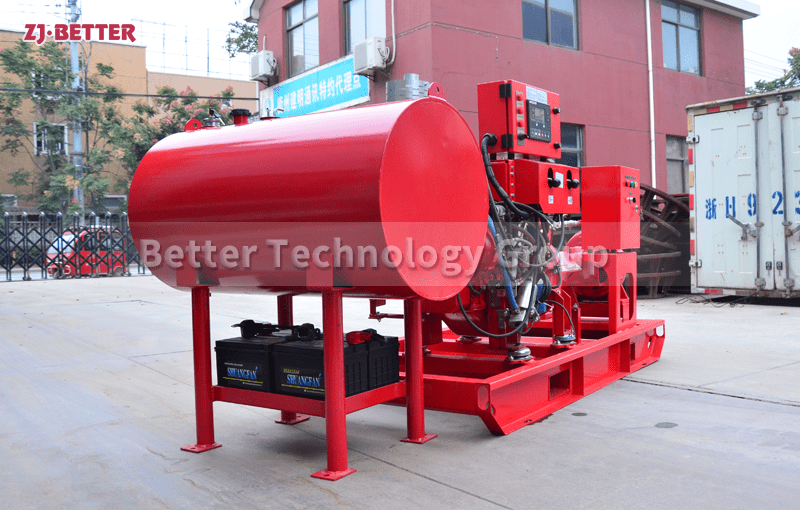
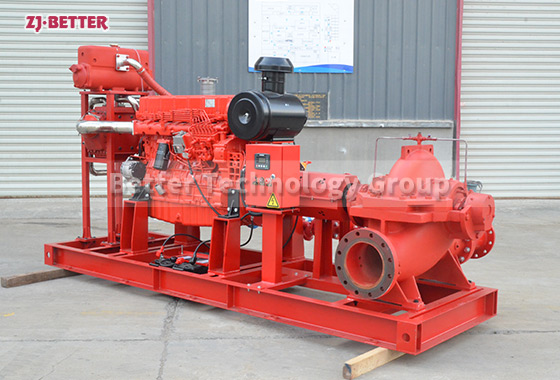
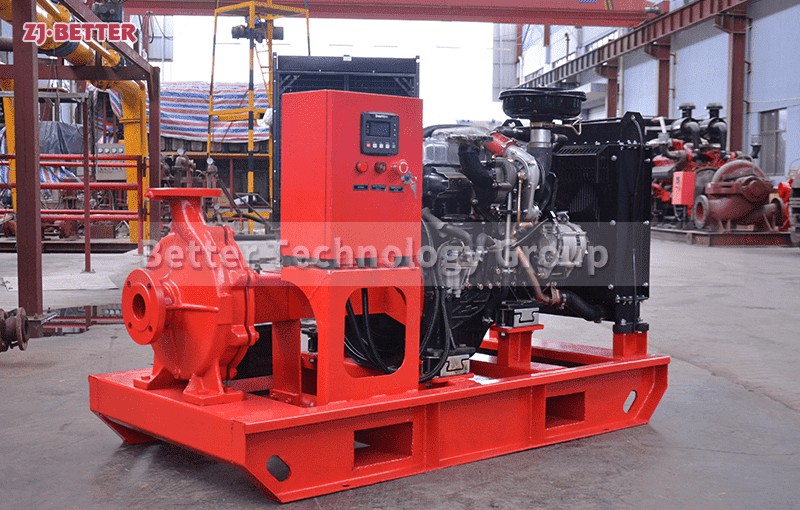
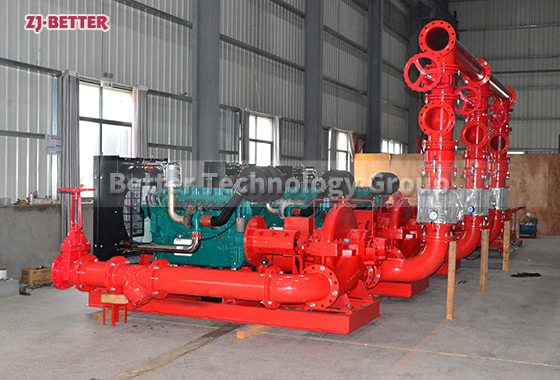
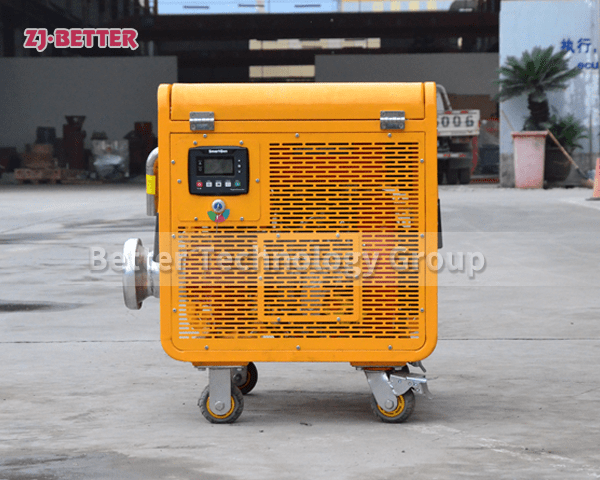
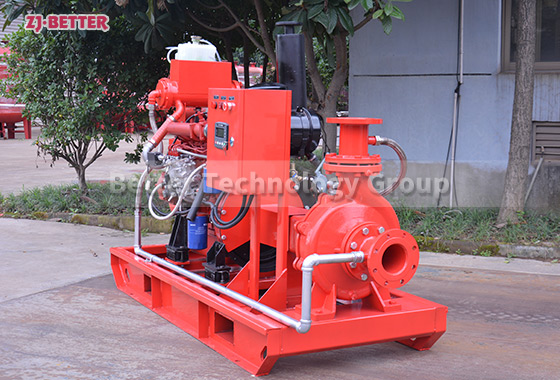
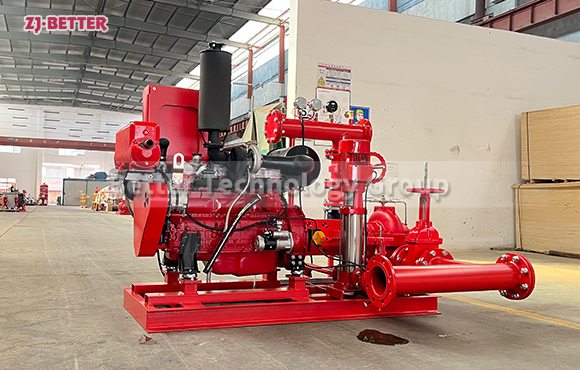
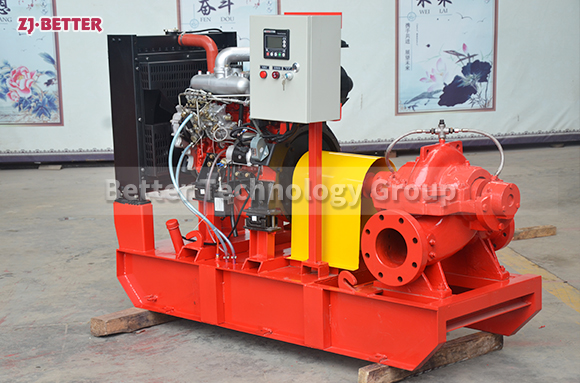
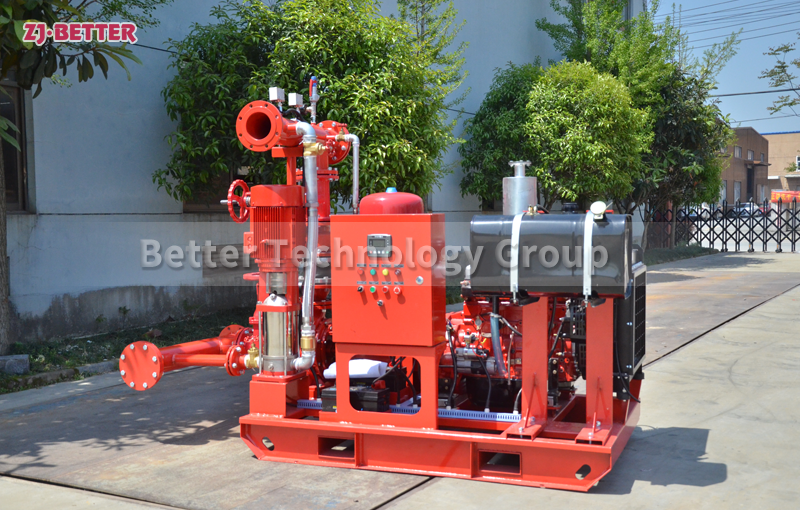
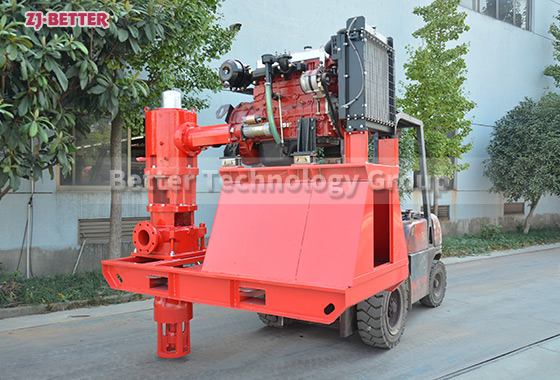
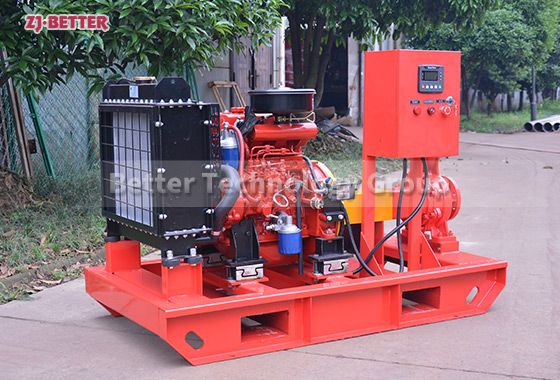
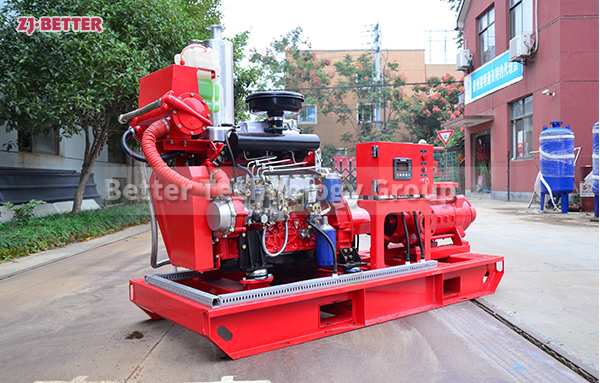
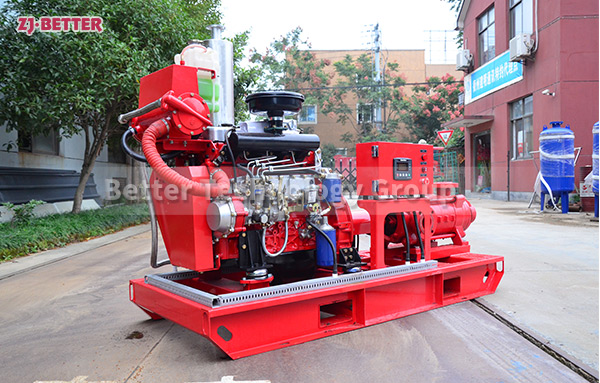
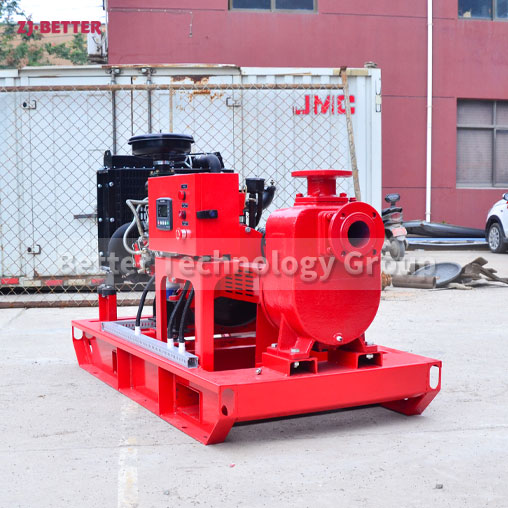
XBC-D Diesel Fire Pump Set is a versatile and reliable firefighting solution designed for a wide range of applications. Whether it’s industrial facilities, commercial buildings, residential complexes, or public infrastructure, the XBC-D Diesel Fire Pump Set ensures effective fire protection. With its robust design and advanced features, this pump set is ready to tackle emergencies and safeguard lives and properties in various firefighting scenarios.

Rated 4.6/5 based on 301 customer reviews
Share:
Content

🚒Key Features and Benefits:

1.Robust Diesel Engine: The XBC-D Diesel Engine Fire Pump is equipped with a powerful and reliable diesel engine, delivering exceptional performance and ensuring a constant water supply for firefighting operations.

2.Enhanced Pump Efficiency: With its advanced water pump system, this pump provides optimal water pressure and flow rates, maximizing the effectiveness of fire suppression efforts.

3.Flexible Applications: Whether it’s industrial facilities, commercial buildings, residential areas, or public infrastructure, the XBC-D Diesel Engine Fire Pump is adaptable to various firefighting scenarios, making it a versatile choice for fire safety.

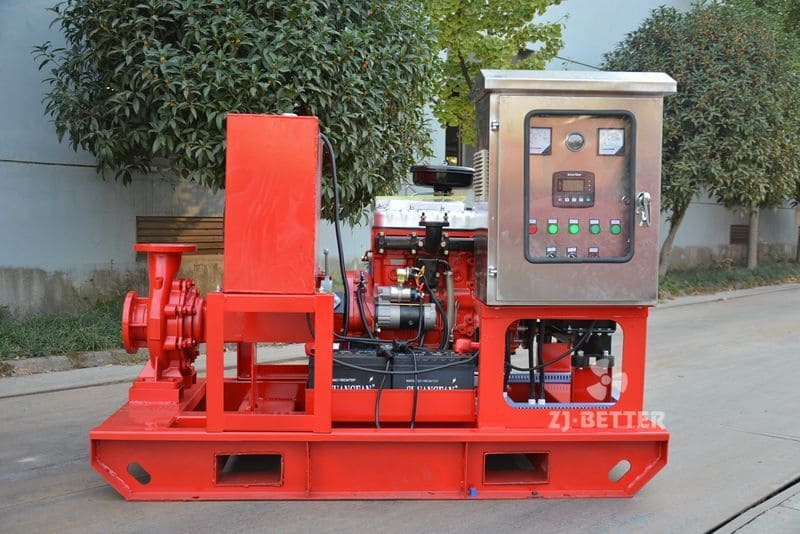
4.Automated Control System: Featuring an intelligent control system, this pump offers automated startup, shutdown, and monitoring functions, enabling easy operation and ensuring peace of mind during emergencies.

5.Durable and Reliable: Built with high-quality materials and precision engineering, the XBC-D Diesel Engine Fire Pump is designed to withstand demanding conditions and deliver consistent performance when it matters most.

🏢 Wide Range of Applications: The XBC-D Diesel Engine Fire Pump serves as an essential firefighting tool across different industries and sectors, including manufacturing plants, warehouses, commercial complexes, residential buildings, and more. Its versatility and reliability make it an ideal choice for protecting lives and property.
Inquiry


    More Diesel engine fire pump

    Starting and operating a diesel engine fire pump in a low-temperature environment requires special attention to ensure proper functionality and prevent potential issues. Here are some key considerations for starting and operating a diesel engine fire pump in cold weather:

    Preheating: Preheating the diesel engine is crucial in cold temperatures to facilitate easier starting. Use the engine’s preheating system, if available, to warm up the engine block and aid in combustion. Follow the manufacturer’s guidelines for the recommended preheating duration and procedures.

    Fuel Quality: Ensure that the diesel fuel used in the fire pump is suitable for low-temperature conditions. Diesel fuel can gel or become thicker in cold temperatures, which can impede fuel flow and affect engine performance. Use a winter-grade diesel fuel or a fuel additive designed to prevent fuel gelling. Regularly monitor fuel quality and maintain fuel tanks in insulated areas, if possible.

    Battery Maintenance: Cold temperatures can reduce battery performance and make it more challenging to start the engine. Ensure the batteries are fully charged and in good condition. Consider using cold-weather batteries or battery blankets to maintain optimal battery temperature. Regularly check and clean battery terminals to prevent corrosion, which can hinder electrical connections.

    Engine Lubrication: Use an appropriate low-temperature engine oil with a winter viscosity rating that meets the manufacturer’s specifications. Cold temperatures can cause oil to thicken, making it difficult for the engine to start and for proper lubrication to occur. Follow the manufacturer’s recommendations for oil type and viscosity grade based on the expected ambient temperature.

    Block Heater: If available, use a block heater to keep the engine block warm. This device keeps the coolant and engine components at a suitable temperature, making it easier to start the engine in cold weather. Ensure the block heater is properly installed and functioning correctly.

    Regular Maintenance: Perform regular maintenance tasks specific to cold weather conditions. This includes checking and replacing fuel and oil filters, inspecting and cleaning air intake systems, and ensuring proper coolant levels and antifreeze concentration. Regularly inspect the engine components for any signs of wear or damage that may affect cold-weather performance.

    Protection from the Elements: Protect the diesel engine fire pump from harsh weather conditions by housing it in a climate-controlled enclosure or installing insulation around critical components. This helps maintain the engine’s temperature and prevent freezing of fluids and components.

    Operating Practices: During operation, allow the engine to warm up before applying heavy loads or demanding high RPMs. This allows the engine and its components to reach the optimal operating temperature gradually. Avoid sudden and aggressive acceleration or deceleration, as it can stress the engine and lead to potential damage in cold conditions.

    Remember to consult the manufacturer’s recommendations and follow their specific instructions for starting and operating the diesel engine fire pump in low-temperature environments. Additionally, regular training and familiarization with the fire pump system are crucial for firefighters and operators to handle and operate the equipment effectively and safely in all weather conditions.

    Generally speaking, we recommend that where natural ventilation is used to install diesel engine fire pumps, there must be vents and exhaust ports of sufficient size, and the position of the vents ensures that there is enough fresh air to supply the diesel engine for combustion within the temperature limit. Of course, the water supply radiator can also be used to take away the heat of the circulating cooling water and the heat emitted from the surface of the unit. If the space cannot meet the requirements of natural ventilation and cannot effectively dissipate heat, it is recommended that you adopt forced ventilation, install an intake fan and an exhaust fan at the vent, and choose a location that can provide enough cold air for the diesel engine and take away the machine room hot air inside. Generally speaking, the air intake of the unit should be 6-7 times that of the diesel engine. Only in this way can normal ventilation be ensured and the operating efficiency of the equipment can be improved.

    In addition, it must be fixed firmly so that the entire unit can be supported to ensure that the unit is in a horizontal state and absorb vibration. Generally speaking, the foundation of the unit adopts a concrete structure. The length and width are 150-250mm on one side of the length and width of the unit chassis, and the depth is 300-600mm. The height of the anchor bolts should be about twice the bolt diameter. And there should be a 750mm channel on both sides and front of the unit to facilitate the operator’s inspection and general maintenance.