Home » Diesel engine fire pump » Seven main uses of diesel engine fire pump

Seven main uses of diesel engine fire pump

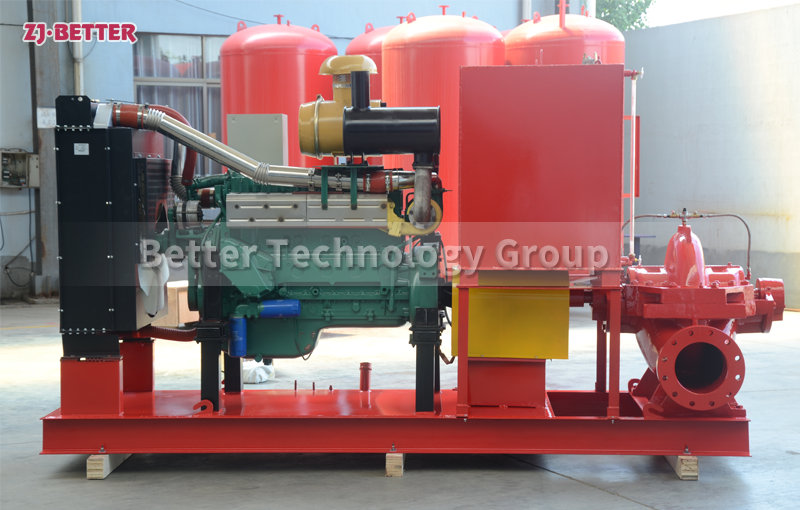
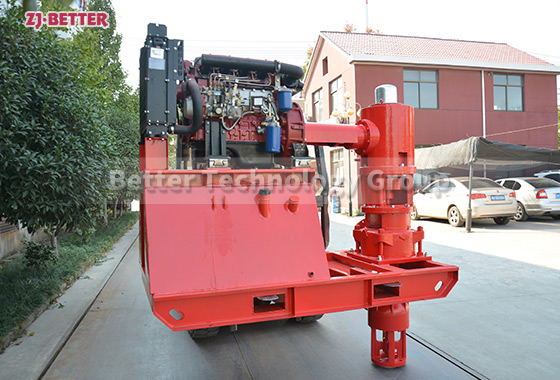
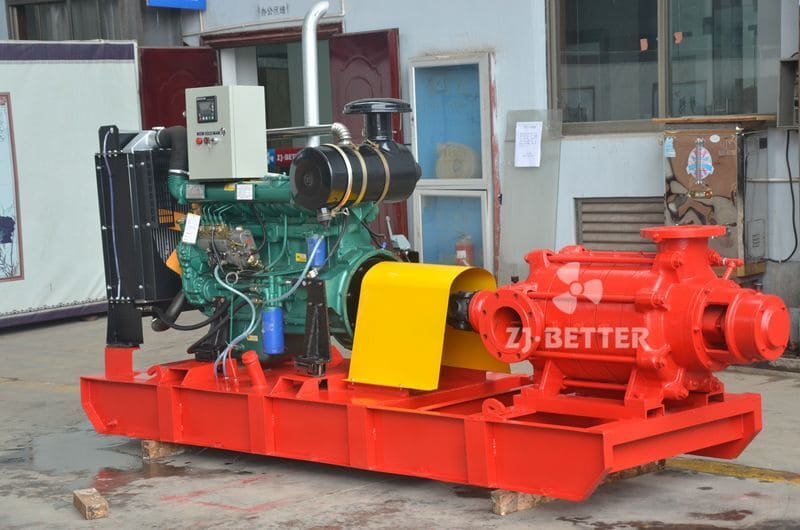
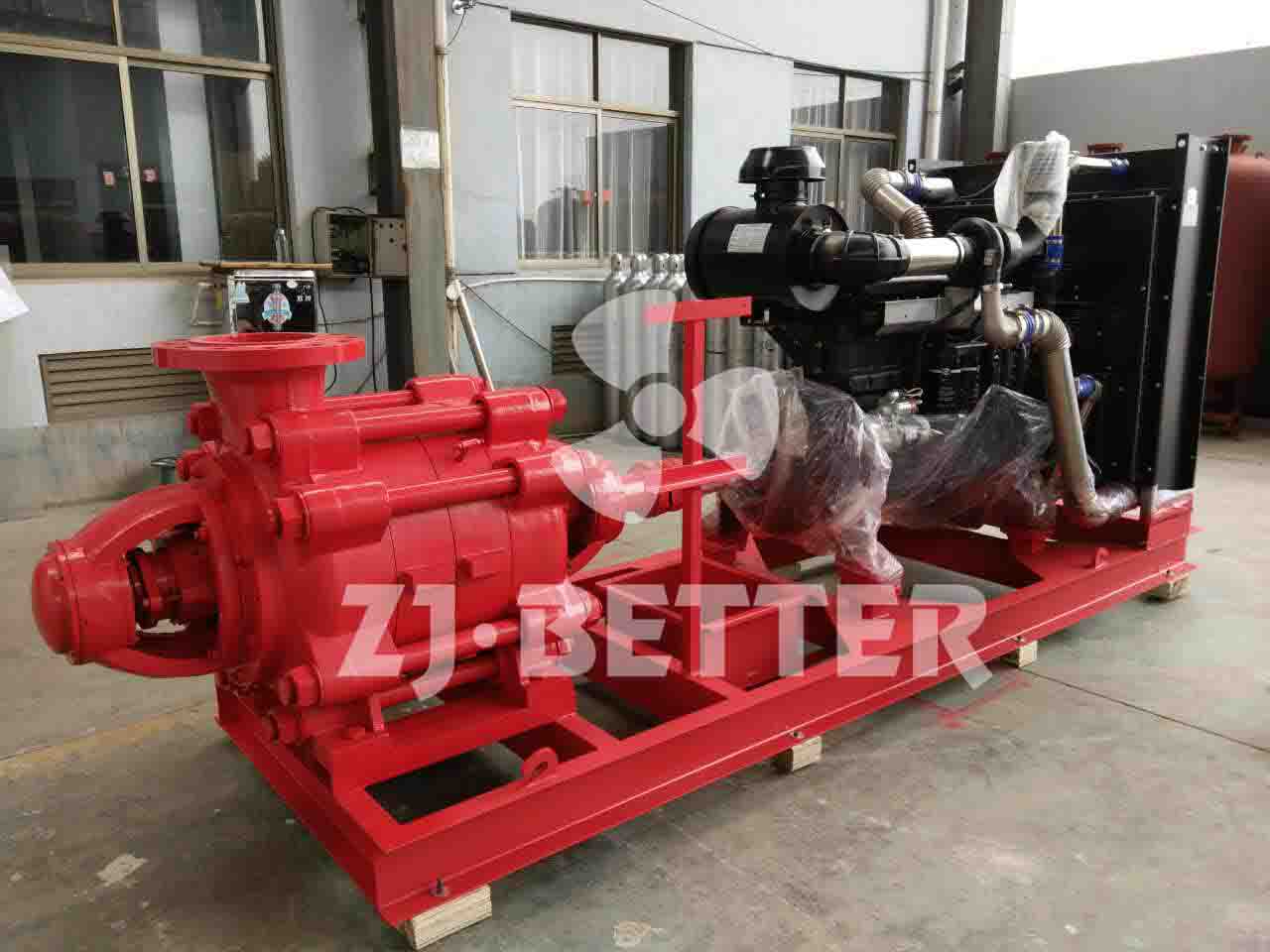
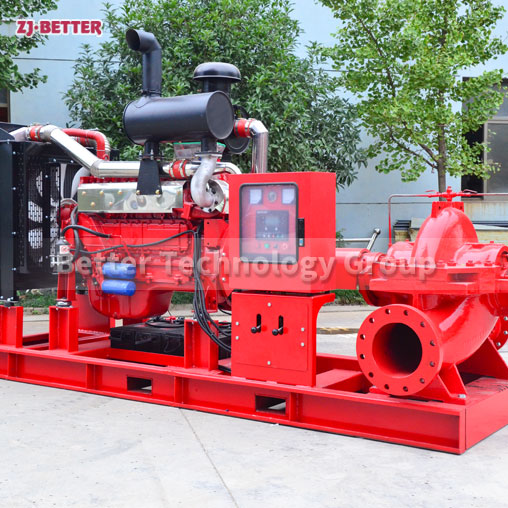
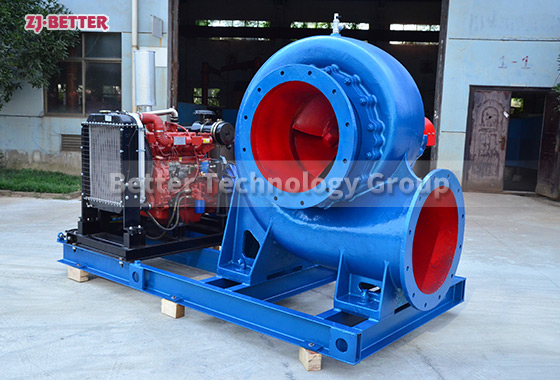
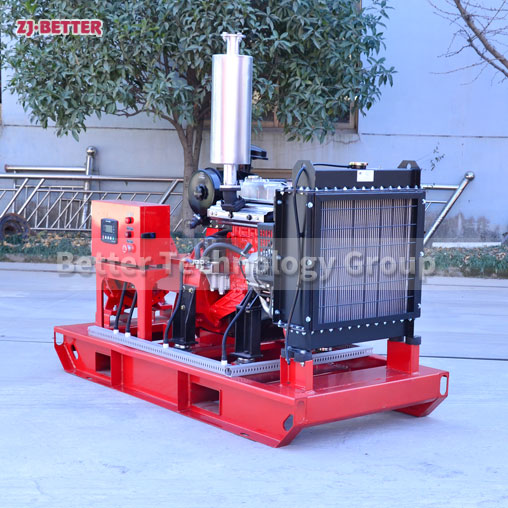
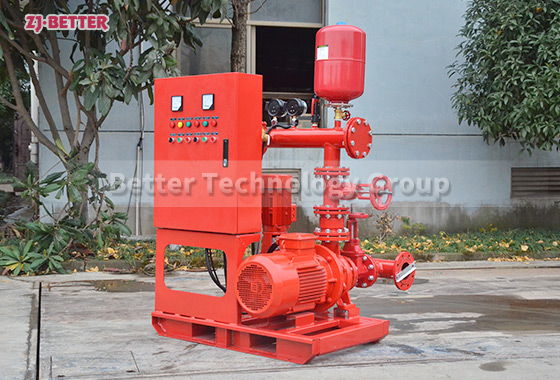
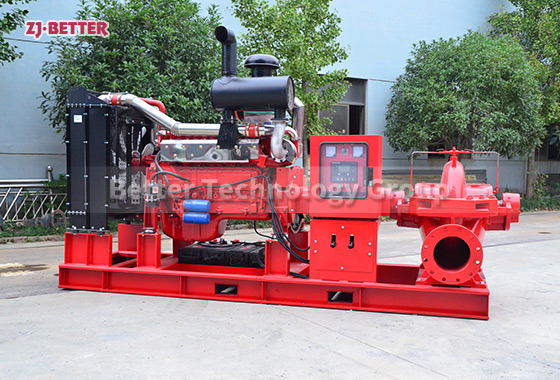
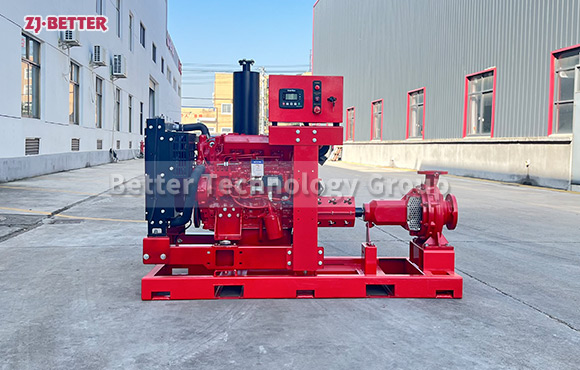
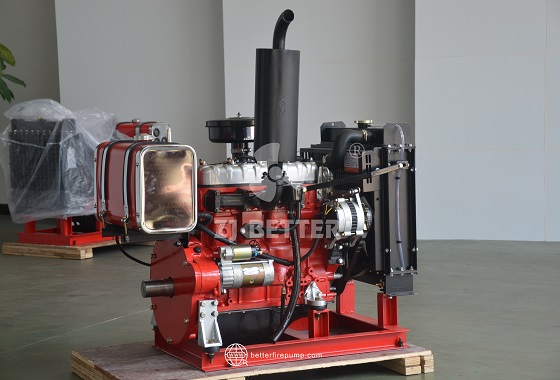
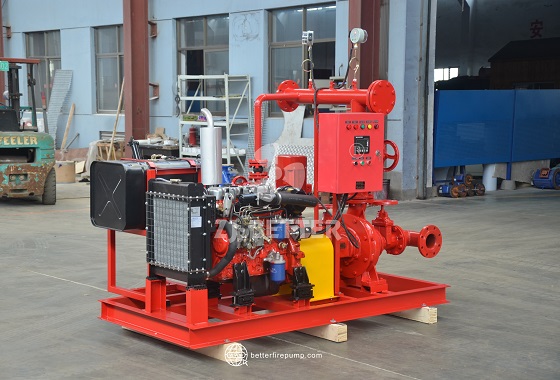
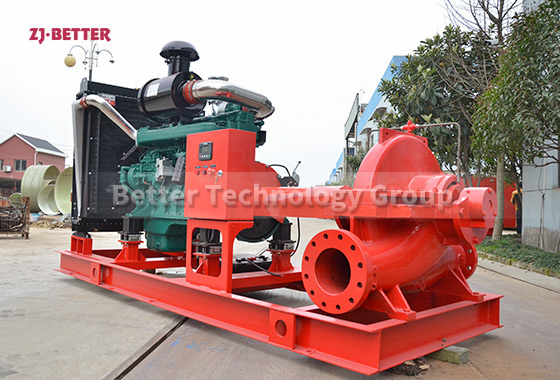
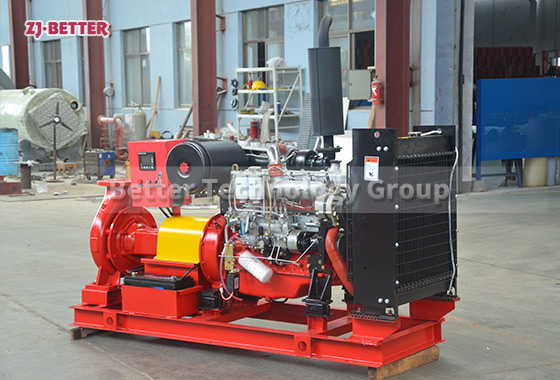
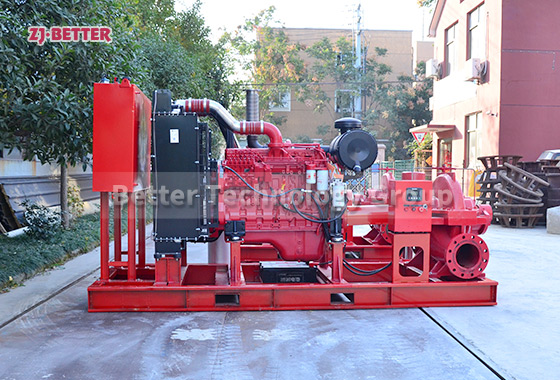
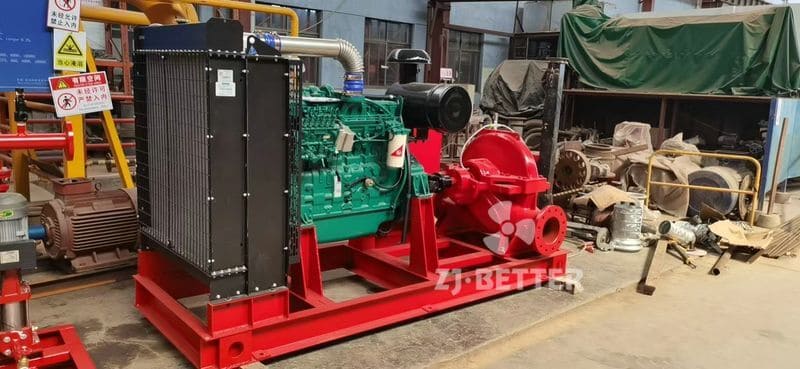
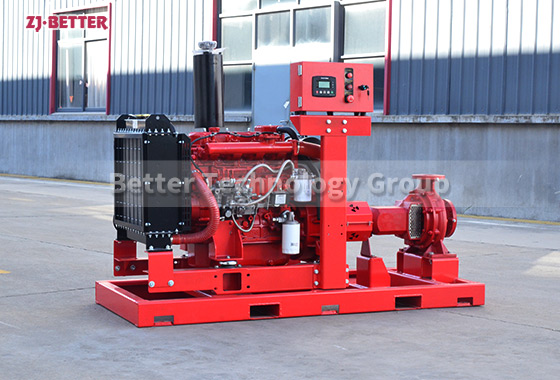
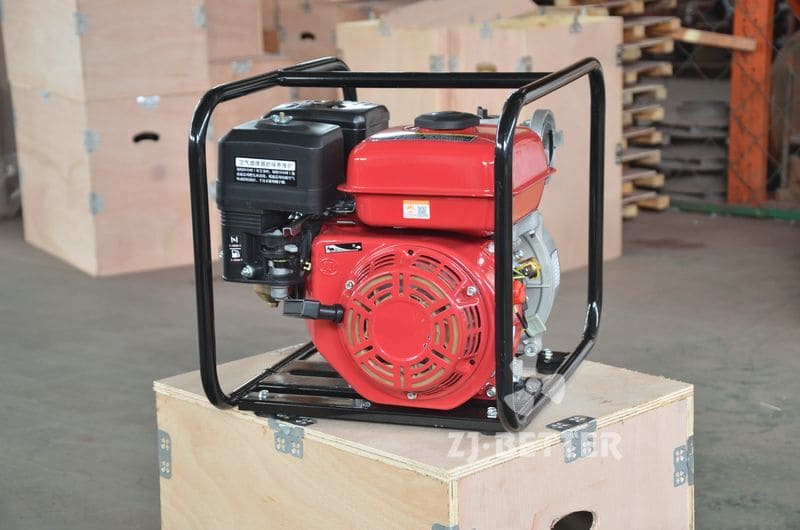
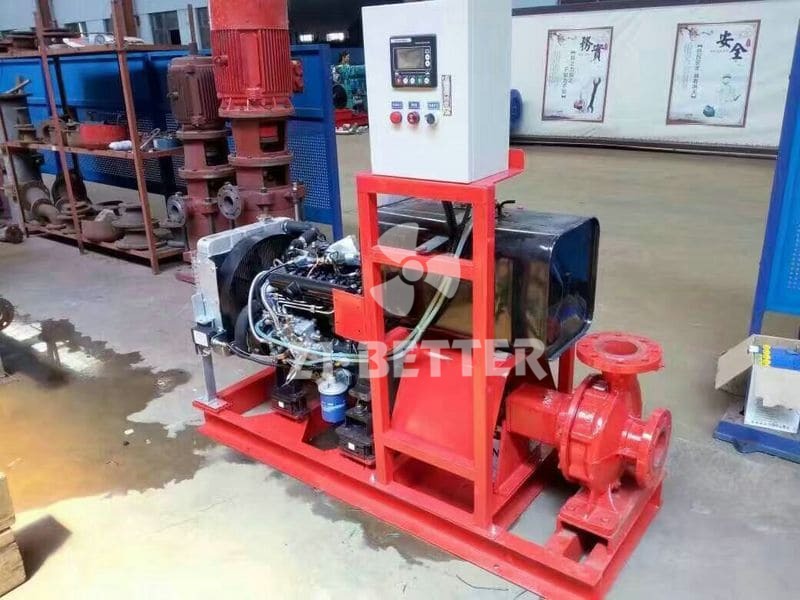
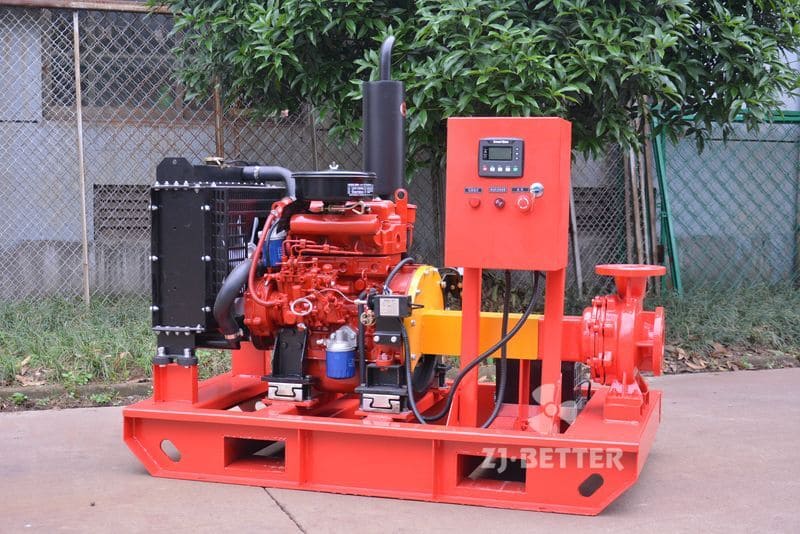
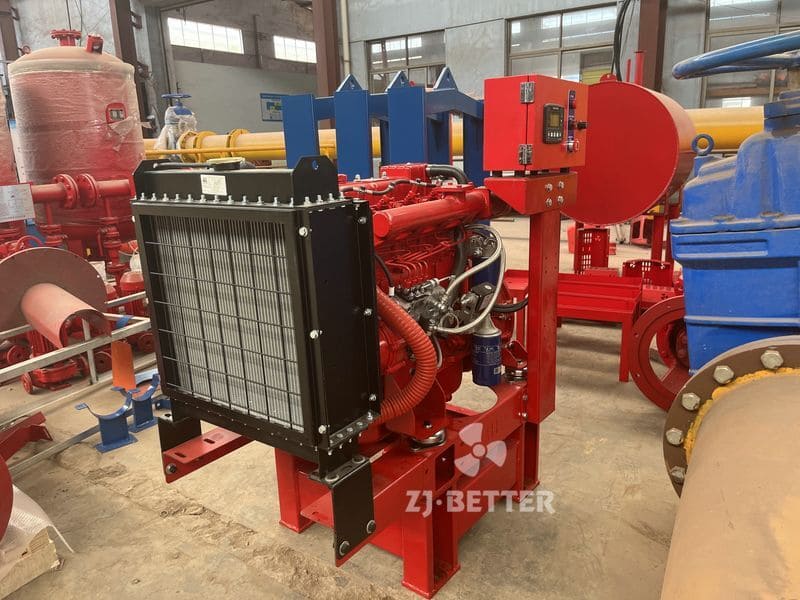
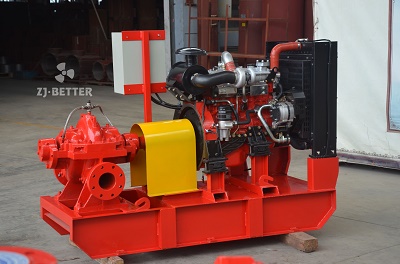
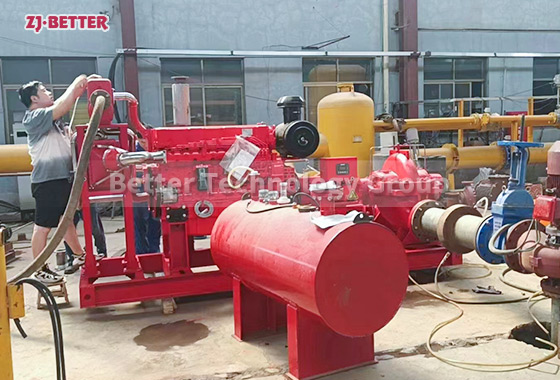
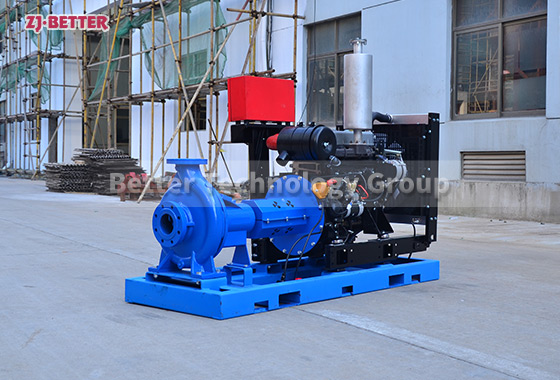
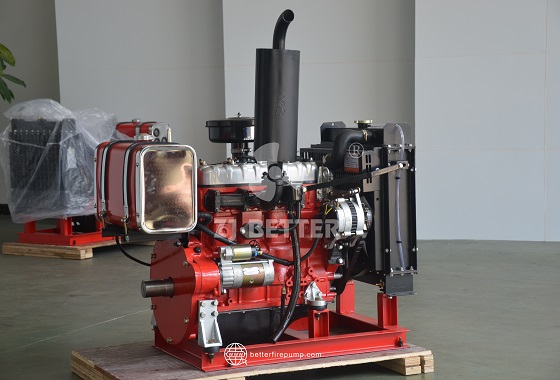
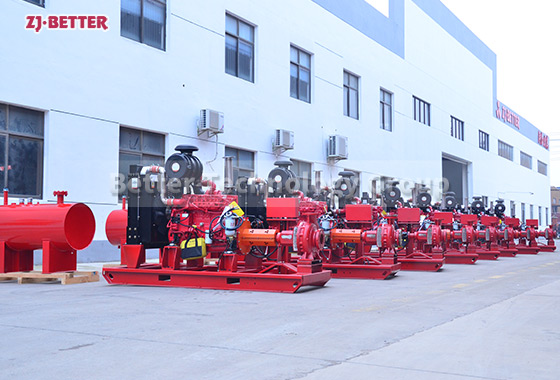
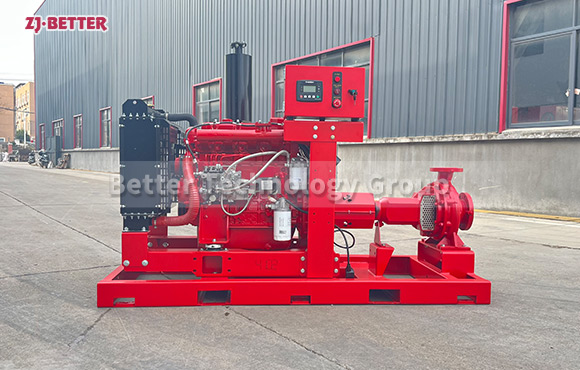
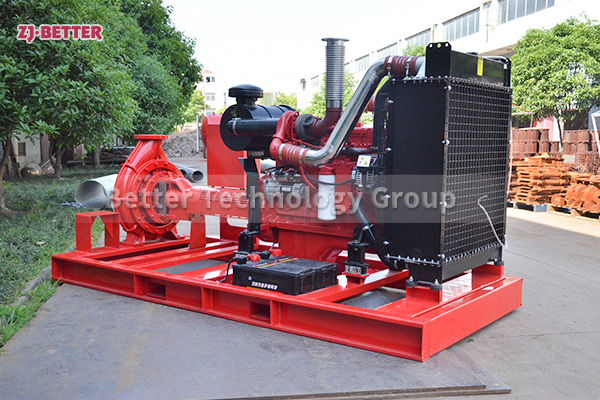
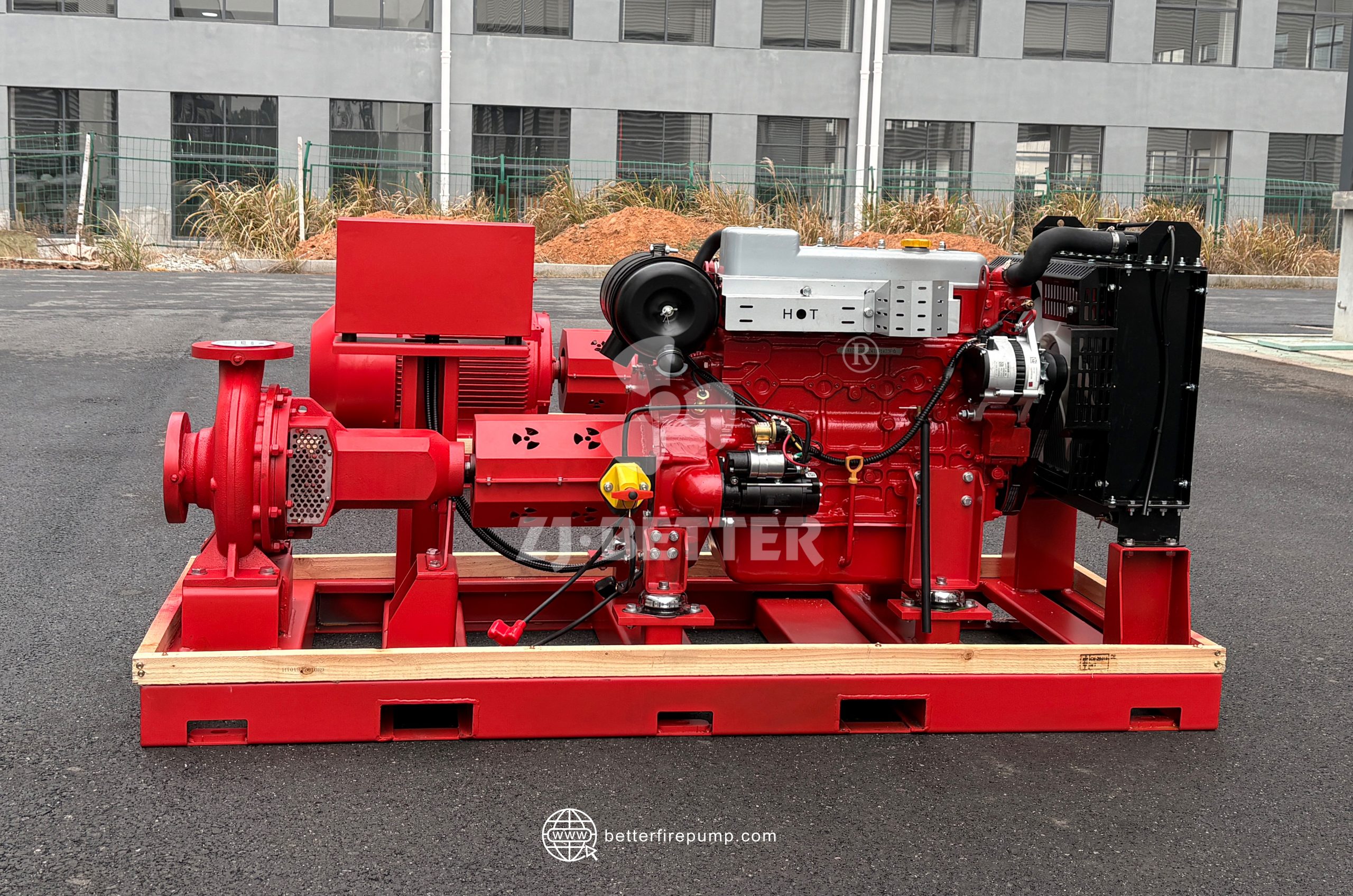
Diesel engine fire pump has the characteristics of high efficiency, wide performance range, safe and stable operation, low noise, long life, convenient installation and maintenance, etc. This diesel engine pump set can transport clean water or other liquids whose physical and chemical properties are similar to water. It can also be used to transport hot water, oil, corrosive or abrasive media by changing the material of the pump’s flow parts, sealing form and adding a cooling system.

Rated 4.7/5 based on 561 customer reviews
Share:
Content

1. Industry
Boiler feed water system, cooling circulation system

2. Smelting
Water supply circulation system, cooling circulation system

3. Fire protection
Fire hydrant system, sprinkler system, spray cooling system, foam system, water cannon system

4. Military aspects
Field water supply system, island fresh water collection system

5. Heating
Water supply circulation system, cooling circulation system

6. Municipal aspects
Emergency drainage, emergency water supply

7. Agriculture
Drainage and irrigation system
Inquiry


    More Diesel engine fire pump

    Generally speaking, we recommend that where natural ventilation is used to install diesel engine fire pumps, there must be vents and exhaust ports of sufficient size, and the position of the vents ensures that there is enough fresh air to supply the diesel engine for combustion within the temperature limit. Of course, the water supply radiator can also be used to take away the heat of the circulating cooling water and the heat emitted from the surface of the unit. If the space cannot meet the requirements of natural ventilation and cannot effectively dissipate heat, it is recommended that you adopt forced ventilation, install an intake fan and an exhaust fan at the vent, and choose a location that can provide enough cold air for the diesel engine and take away the machine room hot air inside. Generally speaking, the air intake of the unit should be 6-7 times that of the diesel engine. Only in this way can normal ventilation be ensured and the operating efficiency of the equipment can be improved.

    In addition, it must be fixed firmly so that the entire unit can be supported to ensure that the unit is in a horizontal state and absorb vibration. Generally speaking, the foundation of the unit adopts a concrete structure. The length and width are 150-250mm on one side of the length and width of the unit chassis, and the depth is 300-600mm. The height of the anchor bolts should be about twice the bolt diameter. And there should be a 750mm channel on both sides and front of the unit to facilitate the operator’s inspection and general maintenance.