How to Ensure Proper Ventilation for a Diesel Fire Pump Room?
Why It’s Important:
Diesel fire pumps generate heat and exhaust gases that must be properly managed to prevent overheating, maintain engine efficiency, and ensure compliance with NFPA 20 standards.
Best Practices:
Calculate Airflow Needs: Ensure the pump room has adequate airflow to dissipate engine heat and remove exhaust fumes. The required ventilation is based on engine size and heat generation.
Install Proper Louvers & Exhaust Fans: Position intake and exhaust louvers correctly to maintain a steady flow of fresh air. Exhaust fans help remove hot air efficiently.
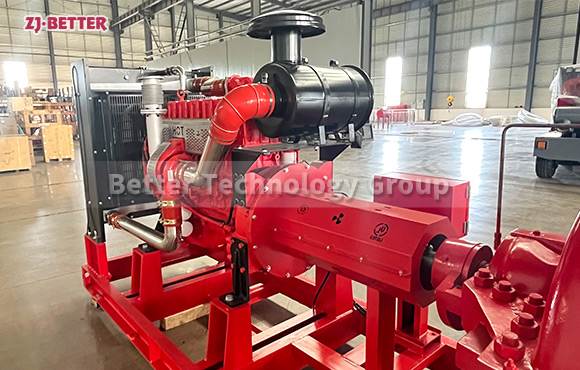
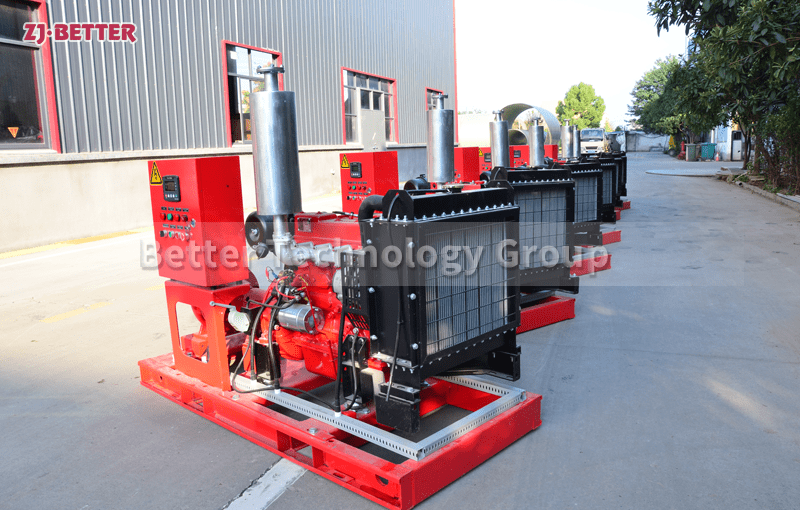
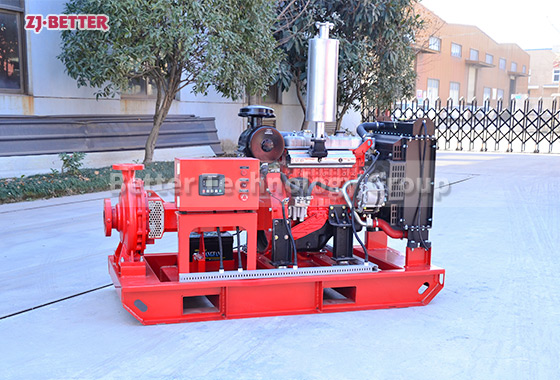
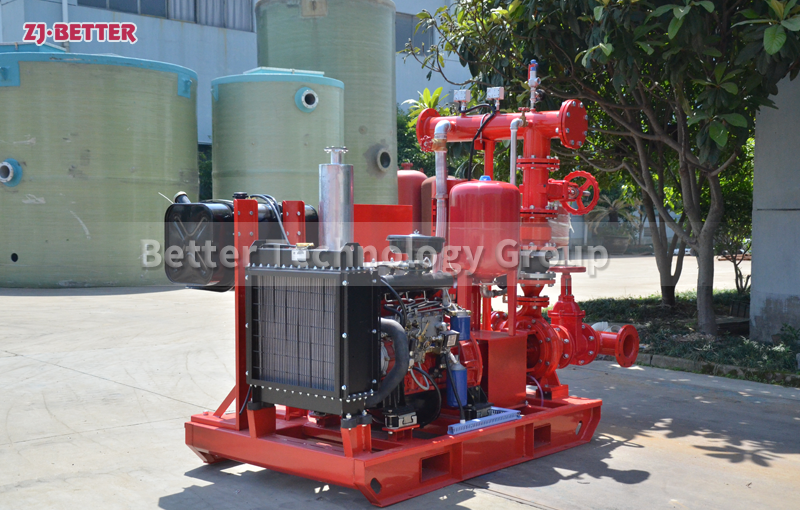
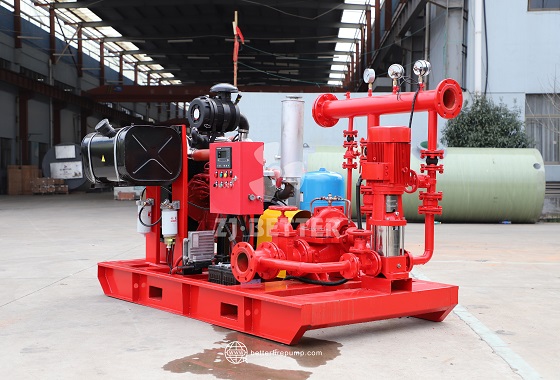
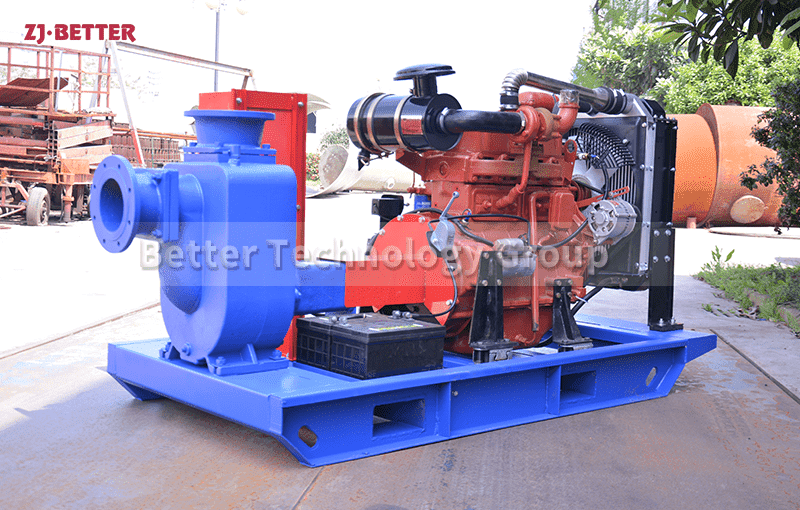
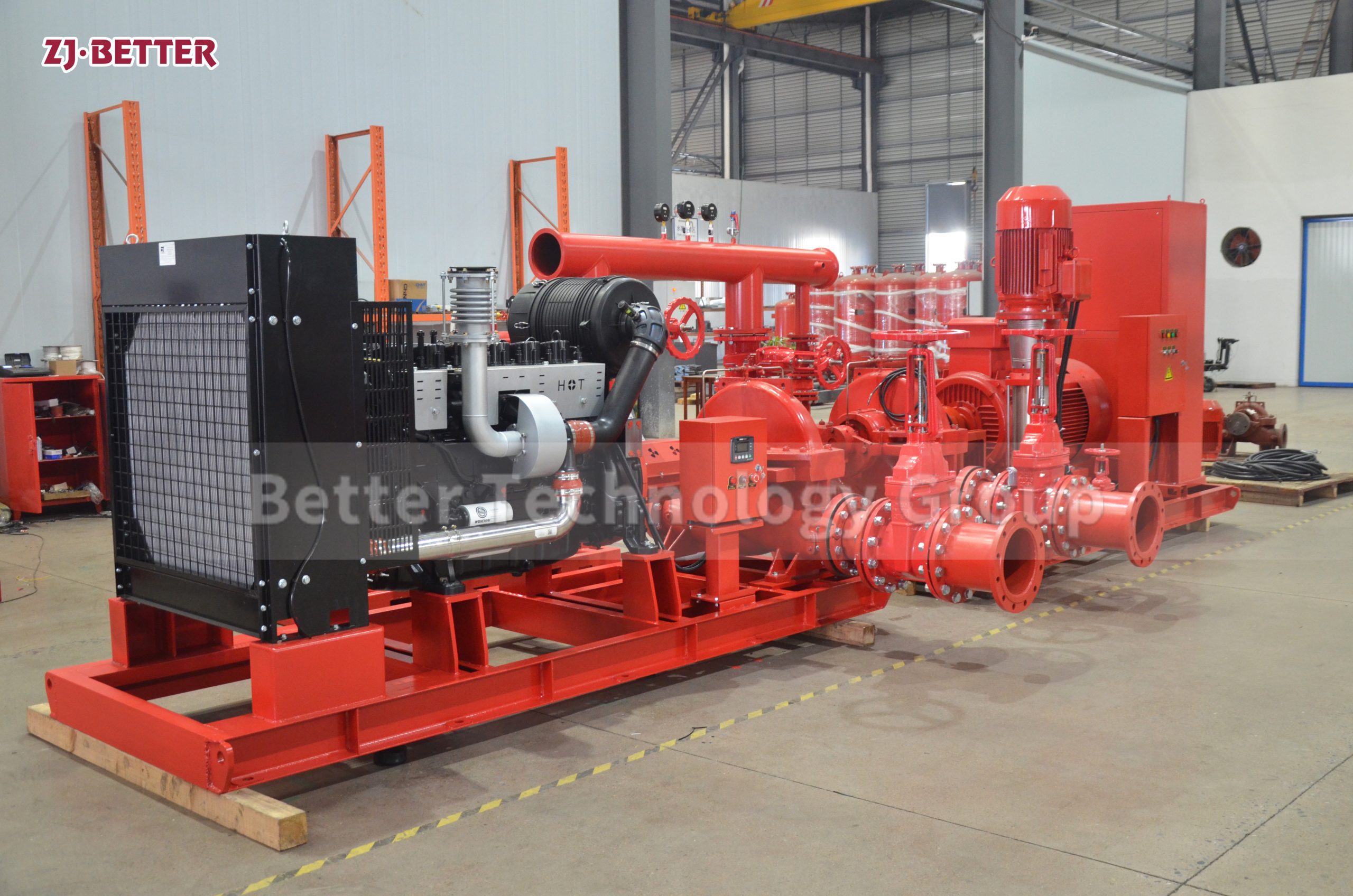
Direct Radiator Exhaust Properly: If the diesel engine is radiator-cooled, make sure the exhaust is directed out of the building to prevent heat buildup.
Monitor Temperature Levels: Use temperature sensors and alarms to detect overheating risks.
Why It’s Important:
Diesel fire pumps generate heat and exhaust gases that must be properly managed to prevent overheating, maintain engine efficiency, and ensure compliance with NFPA 20 standards.
Best Practices:
- Calculate Airflow Needs: Ensure the pump room has adequate airflow to dissipate engine heat and remove exhaust fumes. The required ventilation is based on engine size and heat generation.
- Install Proper Louvers & Exhaust Fans: Position intake and exhaust louvers correctly to maintain a steady flow of fresh air. Exhaust fans help remove hot air efficiently.
- Direct Radiator Exhaust Properly: If the diesel engine is radiator-cooled, make sure the exhaust is directed out of the building to prevent heat buildup.
- Monitor Temperature Levels: Use temperature sensors and alarms to detect overheating risks.